Amsterdam · Historic courtyard
Begijnhof: Amsterdam's Secret Courtyard
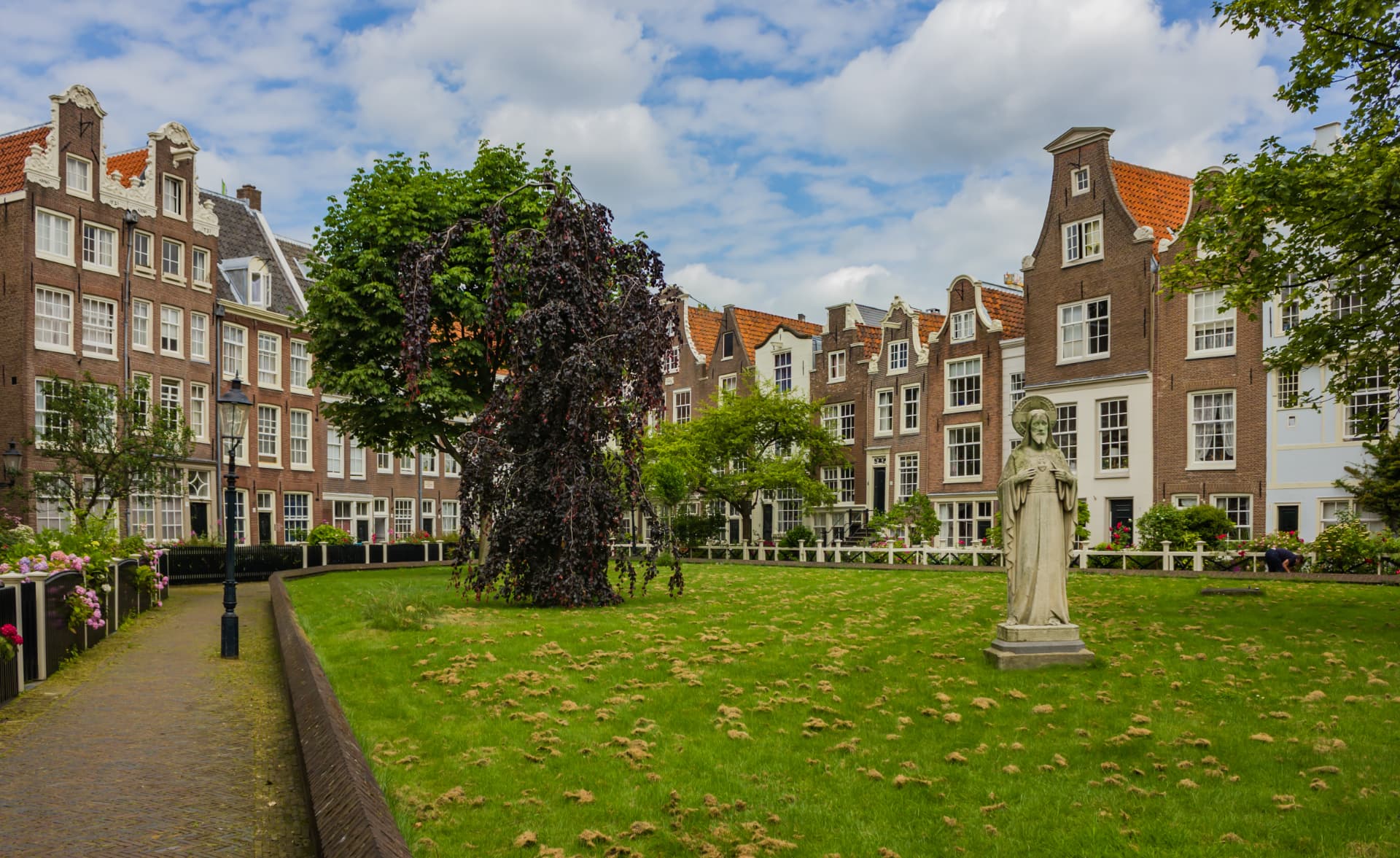
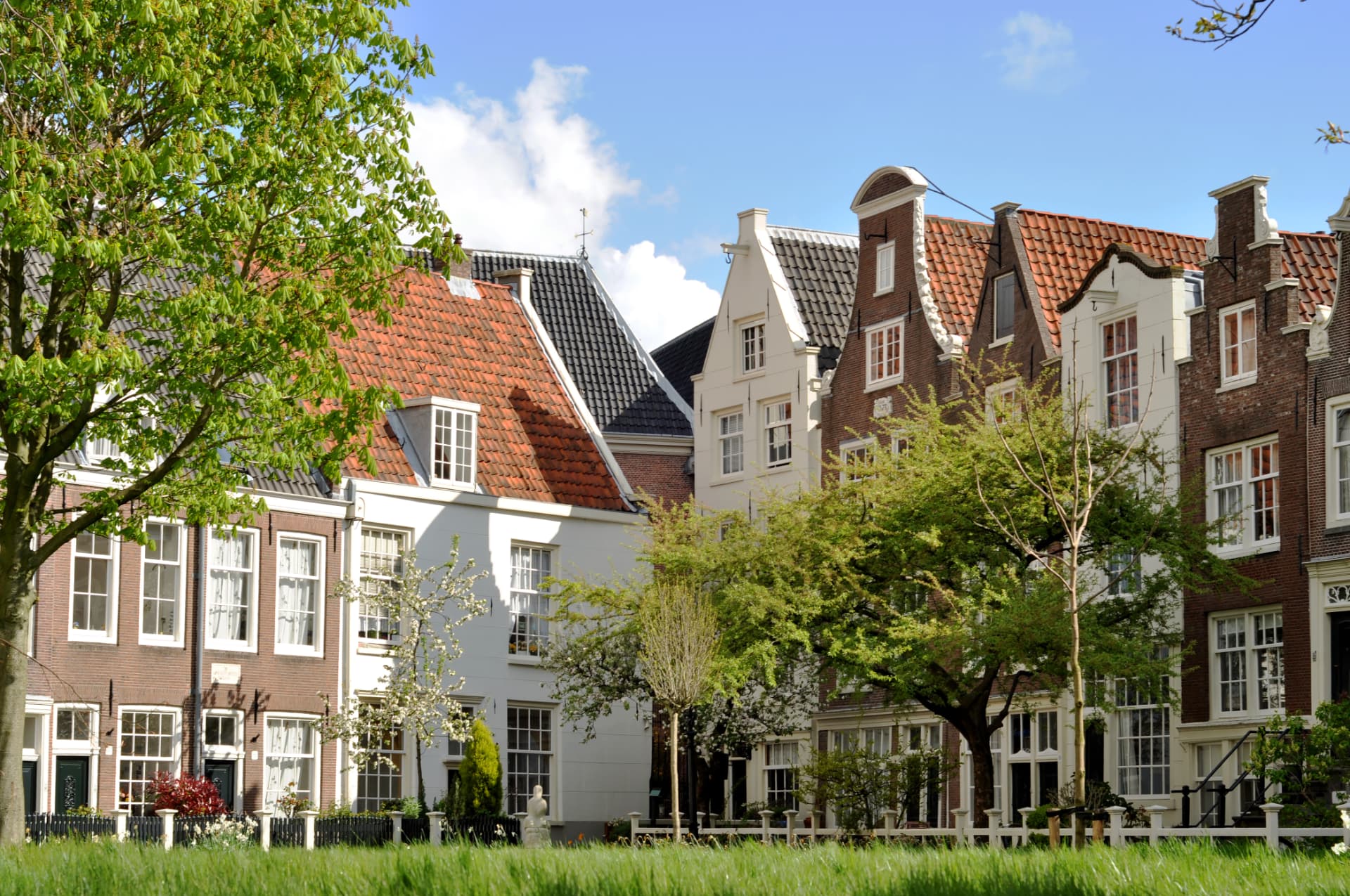
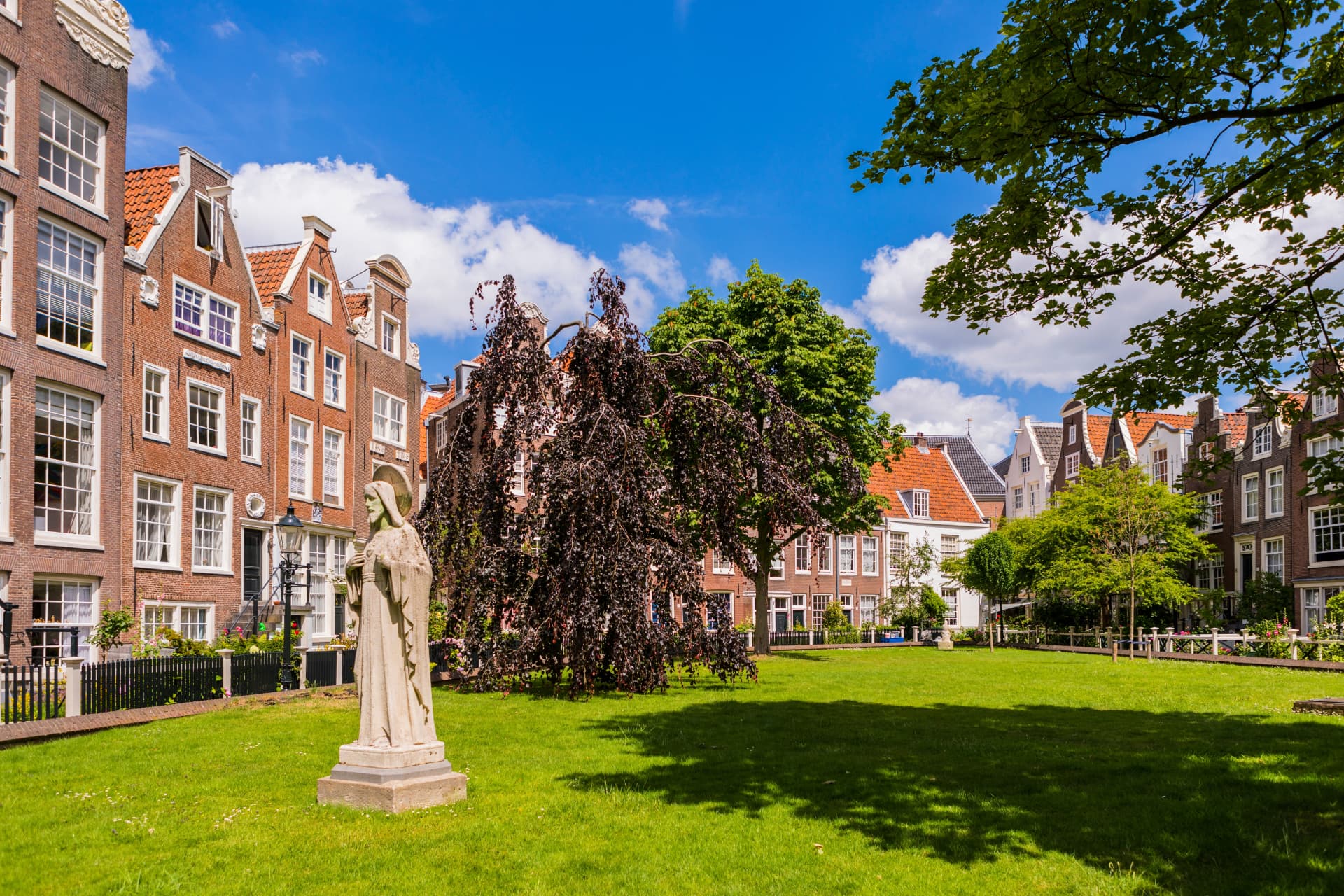
Step through an unmarked door off the busy Spui and the noise of the city falls away. The Begijnhof is a walled courtyard of gabled houses around a green lawn — for six centuries the home of a community of religious women known as the Beguines.
By the AllTrips Editorial Team ·
Begijnhof at a glance
Area: Spui, city centre. Allow: 30–45 minutes. Entry: free — residential courtyard, daytime hours. Best time: weekday mornings. Nearby: Dam Square, the Amsterdam Museum and the Flower Market.
Why it is famous
The Begijnhof was founded in the 14th century as a home for the Beguines — lay Catholic women who lived together in a religious community without taking formal vows. They cared for the sick, taught children and supported themselves with their own work, free to leave and marry if they chose. At a time when unmarried women had few options, the Begijnhof offered independence, safety and purpose.
When Amsterdam turned Protestant in 1578, the Beguines lost their chapel but were allowed to keep their houses — the only Catholic community in the city to survive the Reformation intact. They worshipped in secret until they were given a new chapel in 1680. The community endured for centuries: the last Beguine, Sister Antonia, died here in 1971. Today the houses are still lived in by women, keeping the courtyard's character alive.
What to see
- The courtyard — a green lawn with a statue of a Beguine, ringed by tall gabled houses in brick and white plaster.
- The Houten Huys — the Wooden House at number 34, built around 1528, one of only two wooden houses left in Amsterdam.
- The Begijnhof Chapel — given to the Beguines in 1680, with paintings and memorials to the community.
- The English Reformed Church — where the Pilgrim Fathers worshipped before sailing to America in 1620.
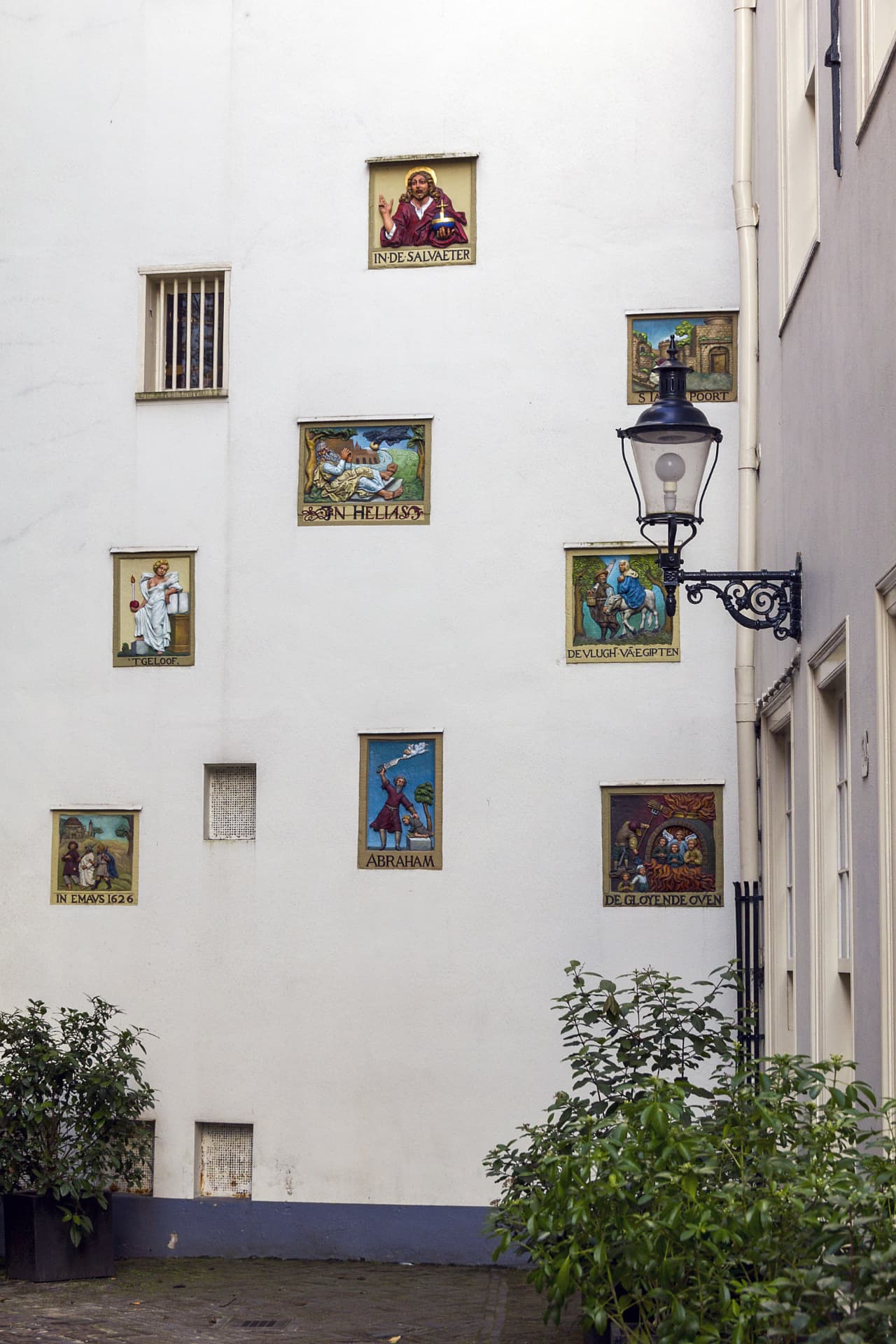
- The gable stones — colourful carved plaques with biblical scenes that once served as house numbers.
Tours & tickets
The Begijnhof itself is free to enter. To make the most of the area, you can join a guided walking tour of Amsterdam's historic centre or book tickets for nearby attractions around Dam Square and the canals.
Book ahead
Tours & tickets near the Begijnhof
Compare walking tours, canal cruises and museum tickets in the historic centre.
Check prices on TiqetsAffiliate link — we may earn a commission at no extra cost to you.
Official information
Begijnhof — I amsterdam
Opening hours and visitor guidelines are on the official I amsterdam page. The Begijnhof is a residential courtyard — keep noise down, stay off the lawns and don't photograph the residents' homes.
Visit iamsterdam.comGetting there
The Begijnhof is in the very heart of Amsterdam, between Kalverstraat and Nieuwezijds Voorburgwal. The main entrance is the gate on the Spui — easy to miss, so look for the small sign beside the door. Trams 2 and 12 stop at Spui, a two-minute walk away, and it is about ten minutes on foot from Dam Square.
Practical tips
- Entry is free, but the gates close in the early evening — come during the day.
- It's a lived-in courtyard: keep quiet and respect the residents' privacy.
- Combine it with Our Lord in the Attic for a full picture of Amsterdam's hidden-church history.
- The Amsterdam Museum, on the same street, has a free gallery passage with giant gable stones worth a look.
- See every stop on our Amsterdam attractions map.
Frequently asked questions
Is the Begijnhof free to visit?
Yes. The Begijnhof courtyard is free to enter during daytime hours. It is a residential courtyard, so visitors are asked to keep quiet and respect the people who live there. The two churches on the square are also free outside service times.
Who were the Beguines?
The Beguines were lay Catholic women who lived together in a religious community without taking formal vows. They cared for the sick and poor and supported themselves with work. The Begijnhof was their home from the 14th century; the last Beguine, Sister Antonia, died here in 1971.
What is there to see at the Begijnhof?
The highlights are the peaceful courtyard itself, the gabled 17th and 18th-century houses around it, the Houten Huys — one of only two wooden houses left in Amsterdam, dating from around 1528 — the Begijnhof Chapel, and the English Reformed Church where the Pilgrim Fathers worshipped before sailing to America.
How do I get to the Begijnhof?
The Begijnhof is in the very centre of Amsterdam, between Kalverstraat and Nieuwezijds Voorburgwal. The main entrance is through the gate on the Spui. Trams 2 and 12 stop at Spui, a two-minute walk away, and it is about ten minutes on foot from Dam Square.
Can you go inside the houses at the Begijnhof?
No. The houses are private homes and are not open to visitors. You can admire the gabled facades from the courtyard, visit the two churches, and see the small exhibition about the Beguines in one of the houses when it is open.