Amsterdam · Historic district
De Wallen: Amsterdam's Red Light District
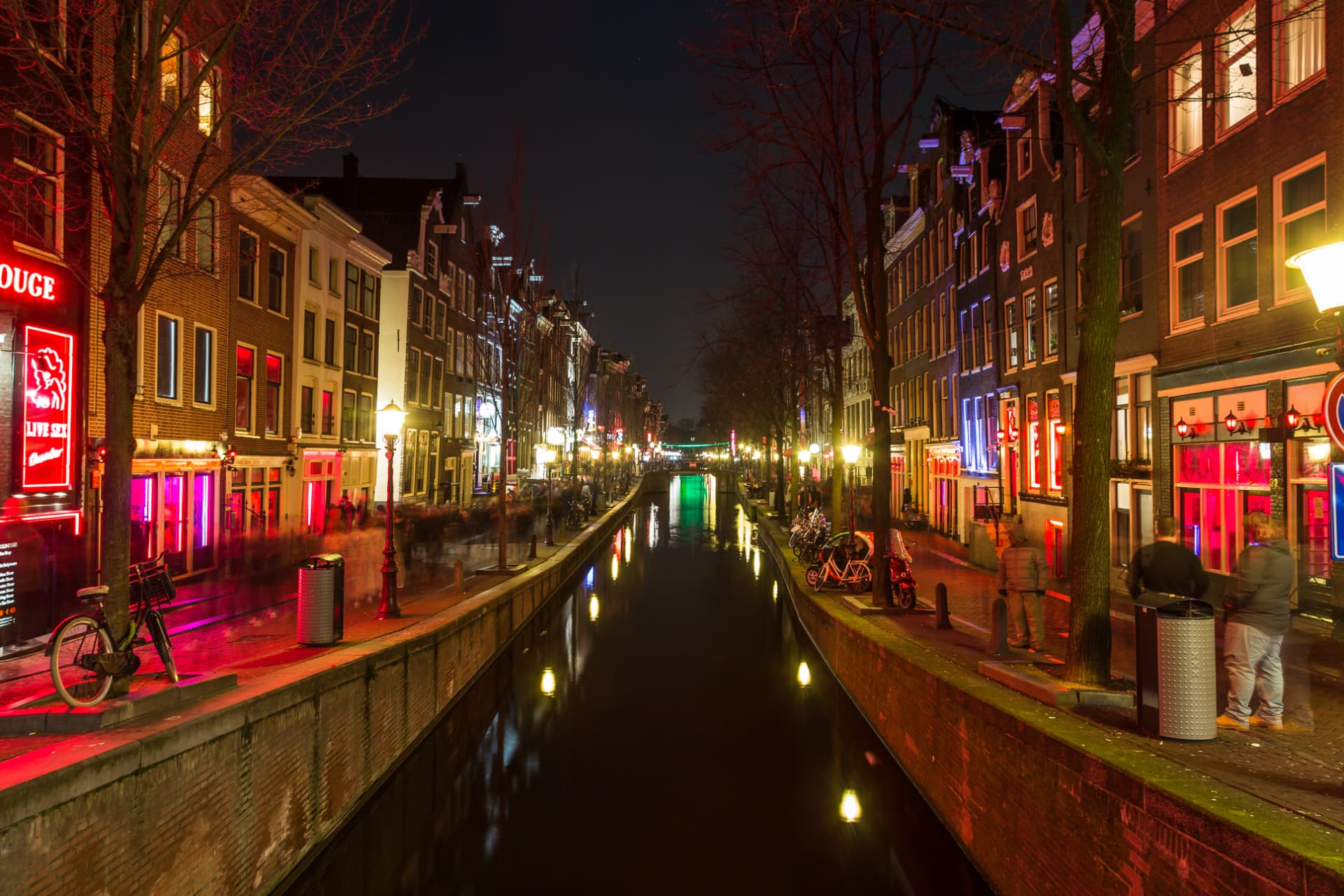
Medieval lanes, leaning canal houses and the glow of red neon on the water — De Wallen is the oldest part of Amsterdam and its most talked-about neighbourhood. Here's its real history, what to see and the rules every visitor should know.
By the AllTrips Editorial Team ·
De Wallen at a glance
Area: the old centre between Centraal Station and Nieuwmarkt. Allow: 1–2 hours. Entry: free — public streets. Best time: after dark for the atmosphere, mornings for the architecture. Nearby: the Oude Kerk, Our Lord in the Attic and Dam Square.
Why it is famous
De Wallen — "the walls", after the old city ramparts — is the medieval heart of Amsterdam, a tangle of canals and alleys that grew up around the harbour in the 13th and 14th centuries. Sailors arrived from every port in the world, and the district's tolerance of the world's oldest profession grew with them.
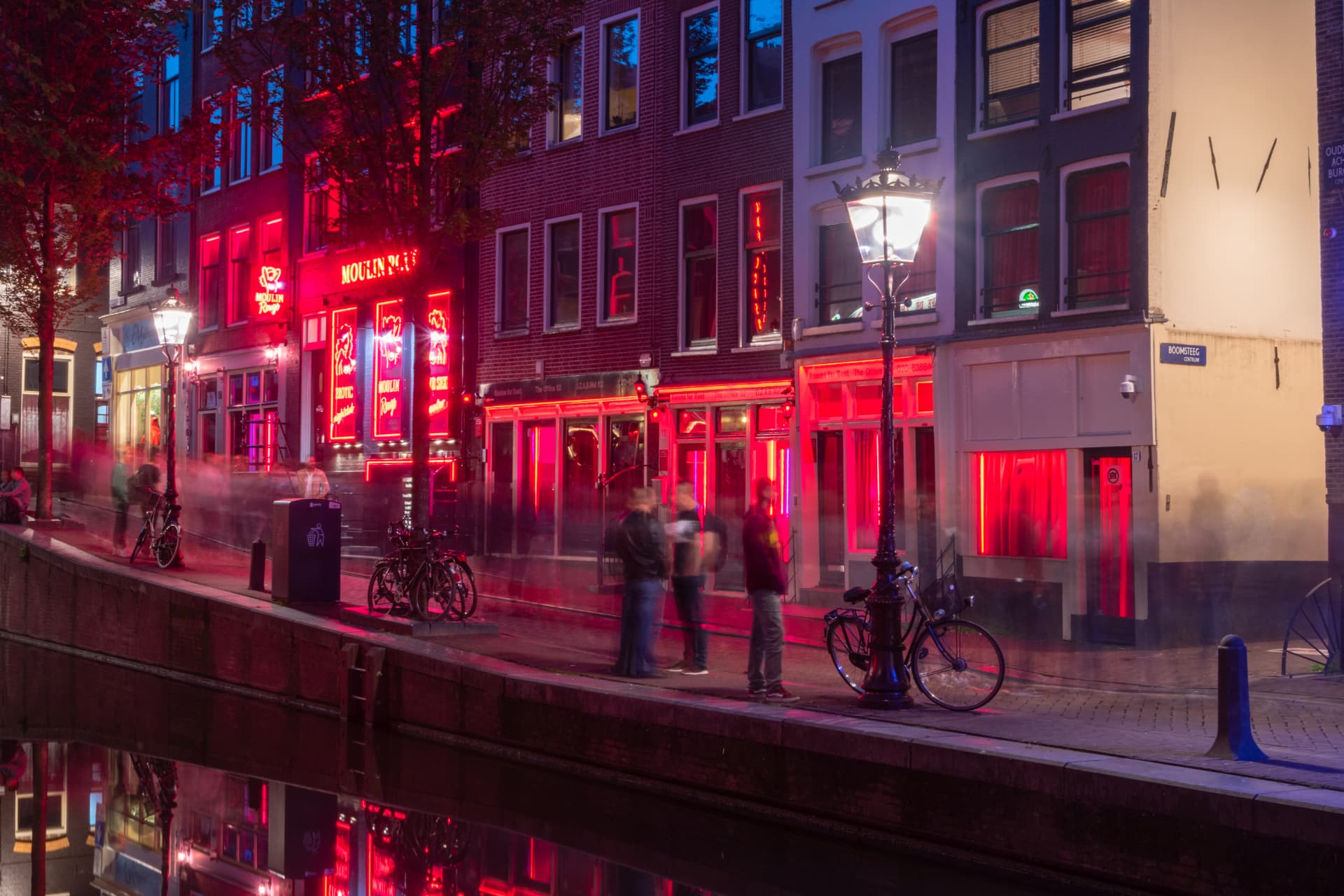
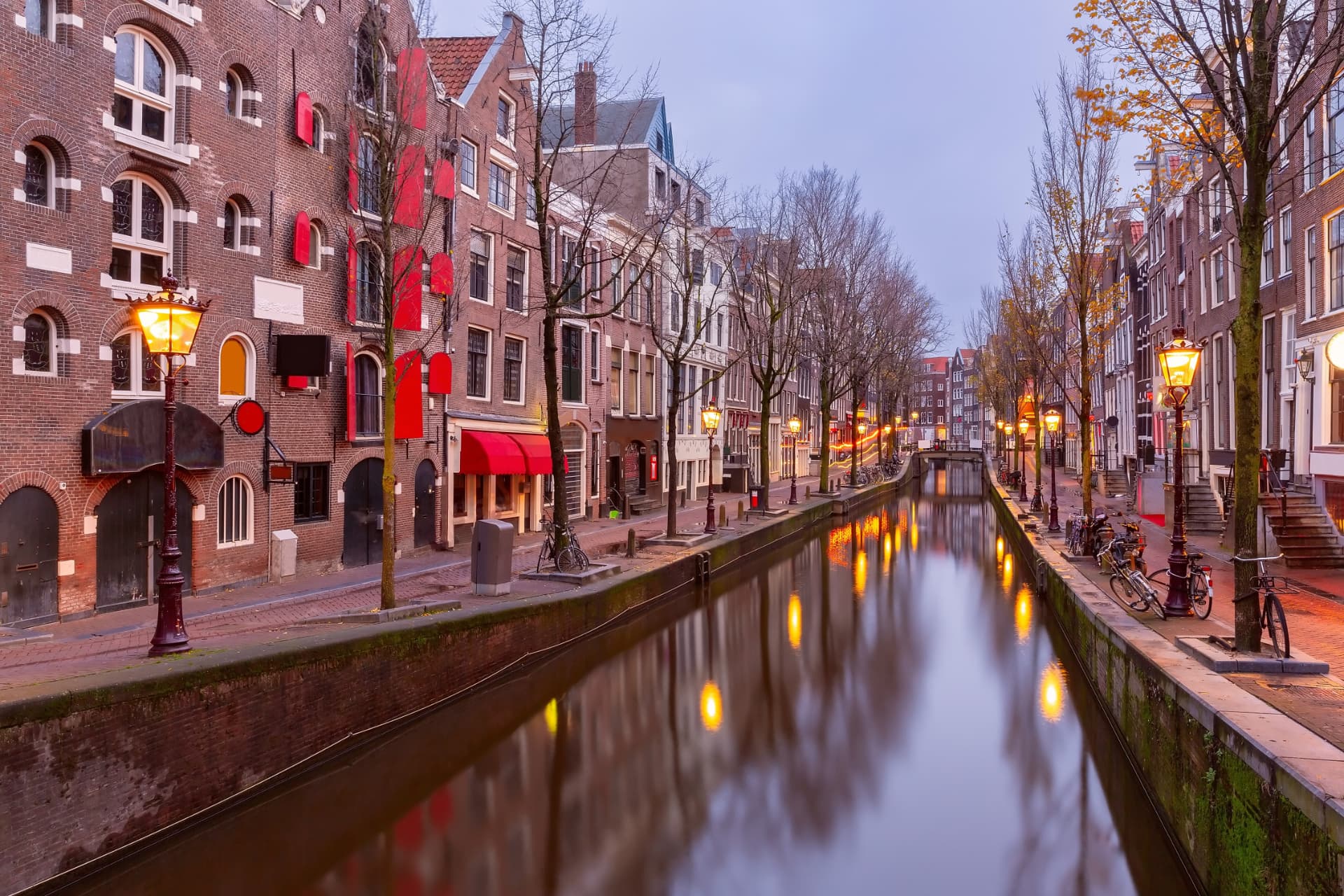
Today it is the city's most visited neighbourhood: a place where Gothic churches, 17th-century gabled houses and some of Amsterdam's best bars share streets with the famous red-lit windows. It is also a living residential district — around 4,000 people call De Wallen home — which is why the city asks visitors to treat it with the same respect as any other neighbourhood.
What to see
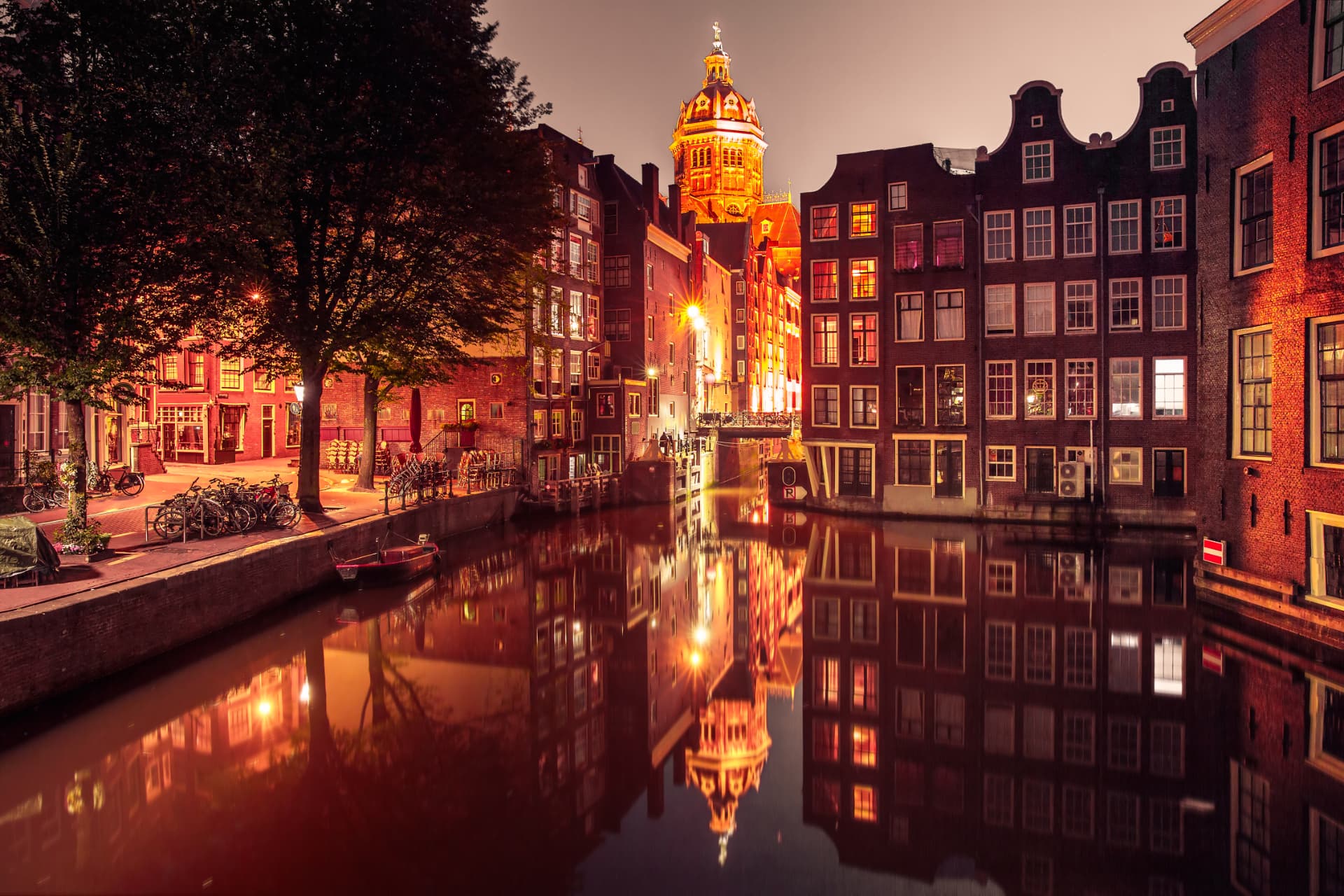
- The Oude Kerk — Amsterdam's oldest building, consecrated in 1306, standing quietly in the middle of the district's busiest square.
- Our Lord in the Attic — a complete 17th-century Catholic church hidden in the attic of a canal house, one of the city's most remarkable museums.
- The canals — the Oudezijds Voorburgwal and Oudezijds Achterburgwal, the two oldest canals in the city, at their most photogenic after dark.
- Zeedijk — the old sailors' street on the district's northern edge, now lined with Asian restaurants, bars and the city's small Chinatown.
- Nieuwmarkt — the square at the district's southern edge, dominated by the 15th-century Waag, a former city gate and weigh house.
Rules and etiquette
- Never photograph the windows — it is forbidden, and the workers and their security take it seriously. Cameras away on the window streets.
- No drinking on the street — open alcohol in public is banned in the district and fines are issued.
- No drugs from street dealers — buying on the street is illegal and dangerous; dealers here are known for selling fake substances.
- Keep noise down late — residents live above the bars; the city fines rowdy behaviour.
- Group tours are restricted — guided tours may not pass the windows after certain hours and groups are capped in size; book a licensed guide if you want a tour.
Getting there
De Wallen occupies the oldest part of the city centre, five minutes on foot east of Dam Square and ten minutes from Centraal Station. The nearest metro stop is Nieuwmarkt (lines 51, 53 and 54); trams 4 and 14 stop at Dam Square on the district's western edge.
Practical tips
- Come after dark for the full neon atmosphere — but come back by day to actually see the architecture and visit the churches.
- The district is safe but busy: watch for pickpockets in the crowds, especially on weekend nights.
- Combine it with the Oude Kerk and Our Lord in the Attic — the two finest sights inside the district.
- Families do walk through by day, but the window streets are best avoided with children; the Zeedijk and Nieuwmarkt edges are the tamest routes.
- See every stop on our Amsterdam attractions map.
Frequently asked questions
Is De Wallen free to visit?
Yes. De Wallen is a public neighbourhood of streets and canals, and walking through it is completely free. Museums and attractions inside the district, such as the Oude Kerk and Our Lord in the Attic, charge their own admission.
Can I take photos in the Red Light District?
Photographing the canals, bridges and architecture is fine, but it is strictly forbidden — and deeply disrespectful — to photograph the sex workers in the windows. Doing so can get your phone confiscated or worse. Put the camera away on the window streets.
Is the Red Light District safe at night?
De Wallen is one of the busiest and most heavily policed parts of Amsterdam and generally safe, but it attracts pickpockets and drunk crowds late at night. Keep valuables secure, stay on the main lit streets and avoid buying anything from street dealers.
When is the best time to visit De Wallen?
For the atmosphere and the neon, come after dark — the district is at its liveliest between about 10pm and midnight. For the architecture, churches and museums, come in the morning or early afternoon when the lanes are quiet and far less crowded.
How do I get to De Wallen?
De Wallen sits in the oldest part of the city centre, a five-minute walk east of Dam Square and ten minutes from Centraal Station. The nearest metro stop is Nieuwmarkt (lines 51, 53 and 54), and trams 4 and 14 stop at Dam Square nearby.