Amsterdam · Historic Site
Portuguese Synagogue Amsterdam: The Candlelit Esnoga
The Portuguese Synagogue — the Esnoga — is one of the grandest synagogues in Europe: a vast 17th-century hall built by Amsterdam's Sephardic community, still an active house of worship and still lit by candles rather than electric light. Here is its story, what you will see inside, and how to visit.
By the AllTrips Editorial Team ·
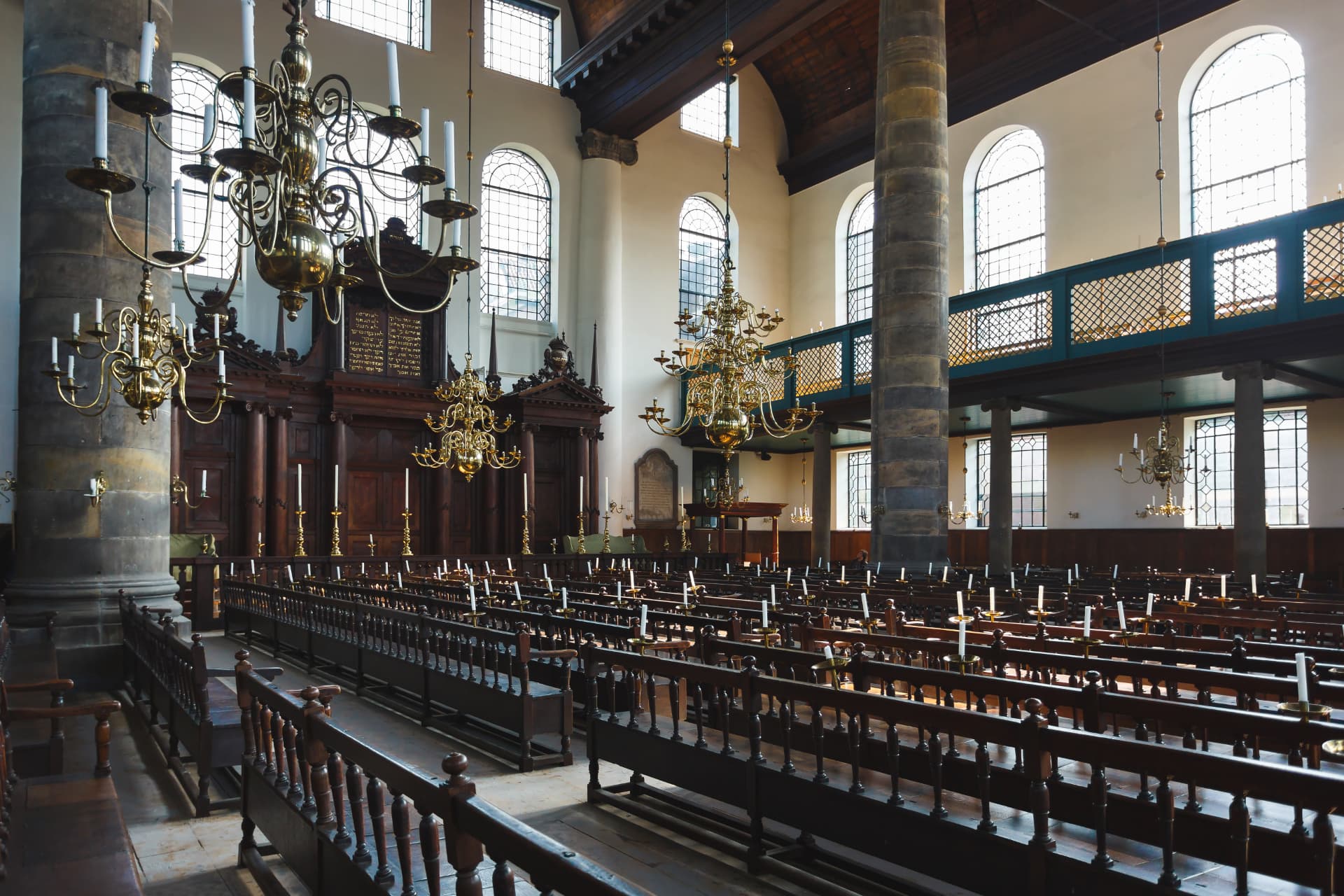
The Portuguese Synagogue at a glance
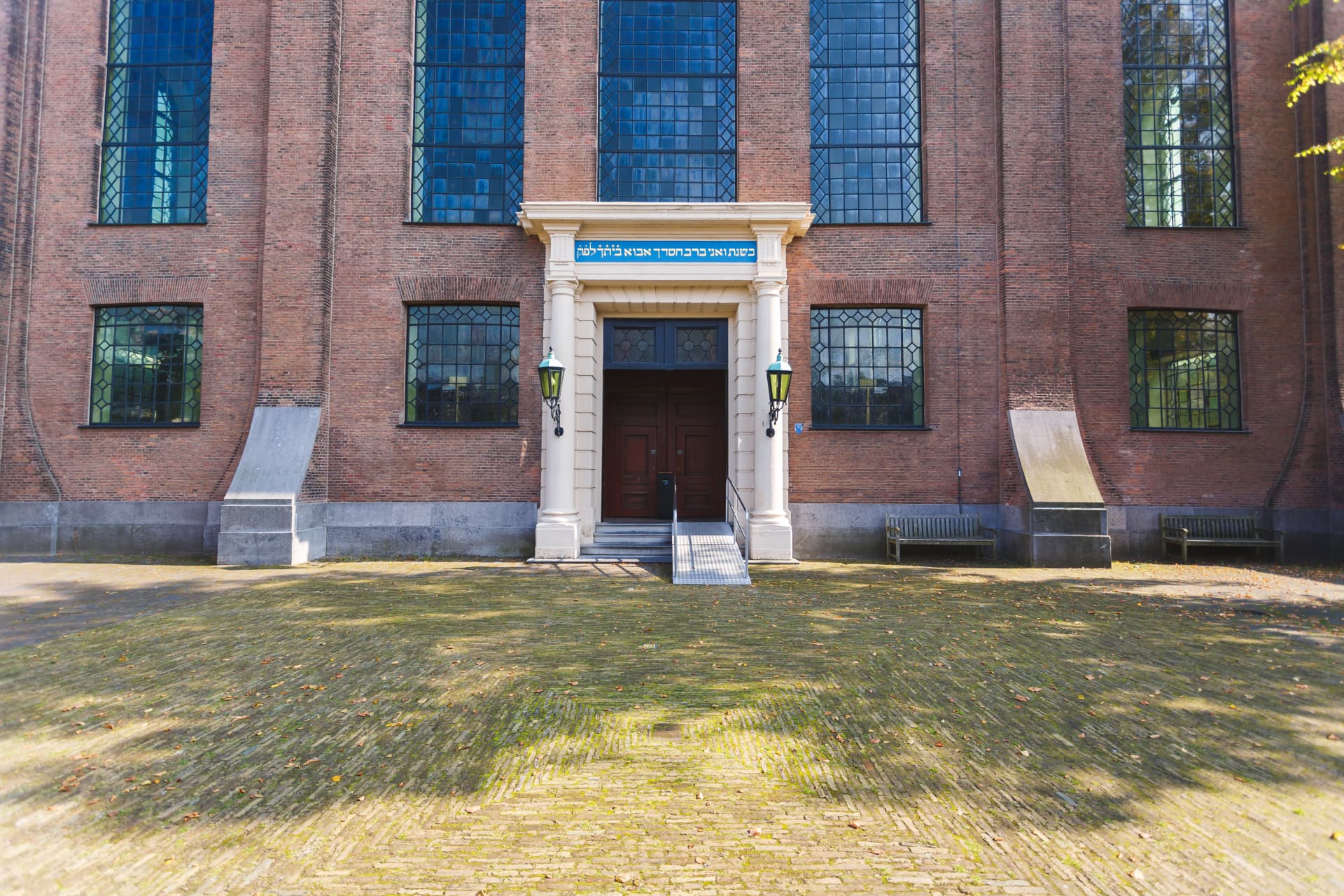
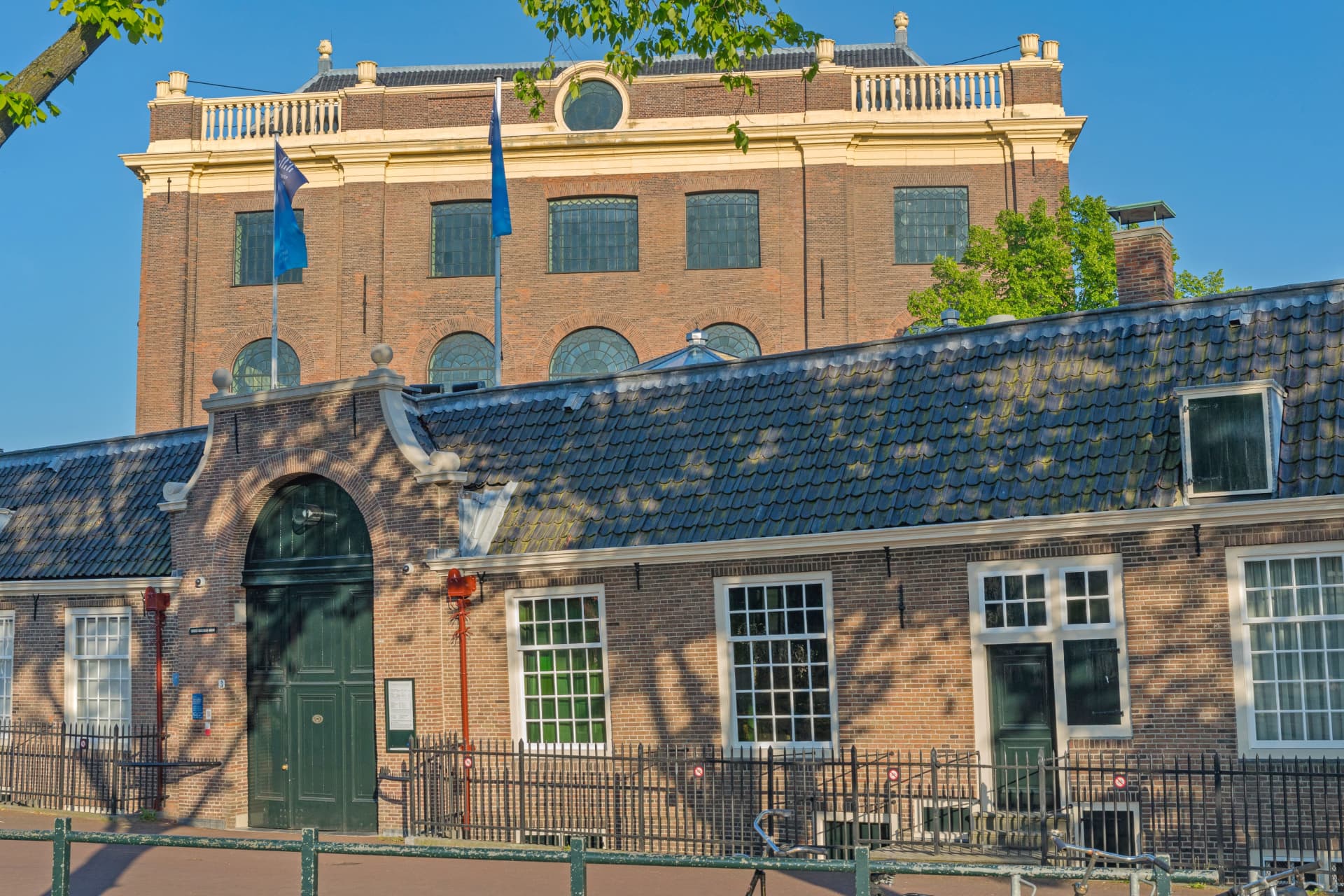
Location: Mr. Visserplein 3, opposite the Jewish Museum in the old Jewish Quarter. Allow: 45 minutes–1 hour. Entry: ticketed; included in the Jewish Cultural Quarter ticket. Nearby: the Jewish Museum, the National Holocaust Museum, Waterlooplein and the Rembrandt House Museum.
The story of the Esnoga
In the 16th century, Jews fleeing the Inquisition in Portugal and Spain began settling in Amsterdam, where the Dutch Republic offered a degree of religious tolerance almost unknown elsewhere in Europe. The Sephardic community prospered — in trade, finance, printing and medicine — and by the 1670s it was wealthy enough to build a synagogue worthy of its standing.
The Portuguese Synagogue was completed in 1675, inspired in part by the Temple of Solomon as described in the Bible. It was one of the largest synagogues in the world, and it announced that Jewish life in Amsterdam had nothing to hide. Remarkably, the building survived the Second World War almost intact, and it has never had electric light or heating — the great brass chandeliers still take real candles, and on special evenings the whole hall glows with more than a thousand of them.
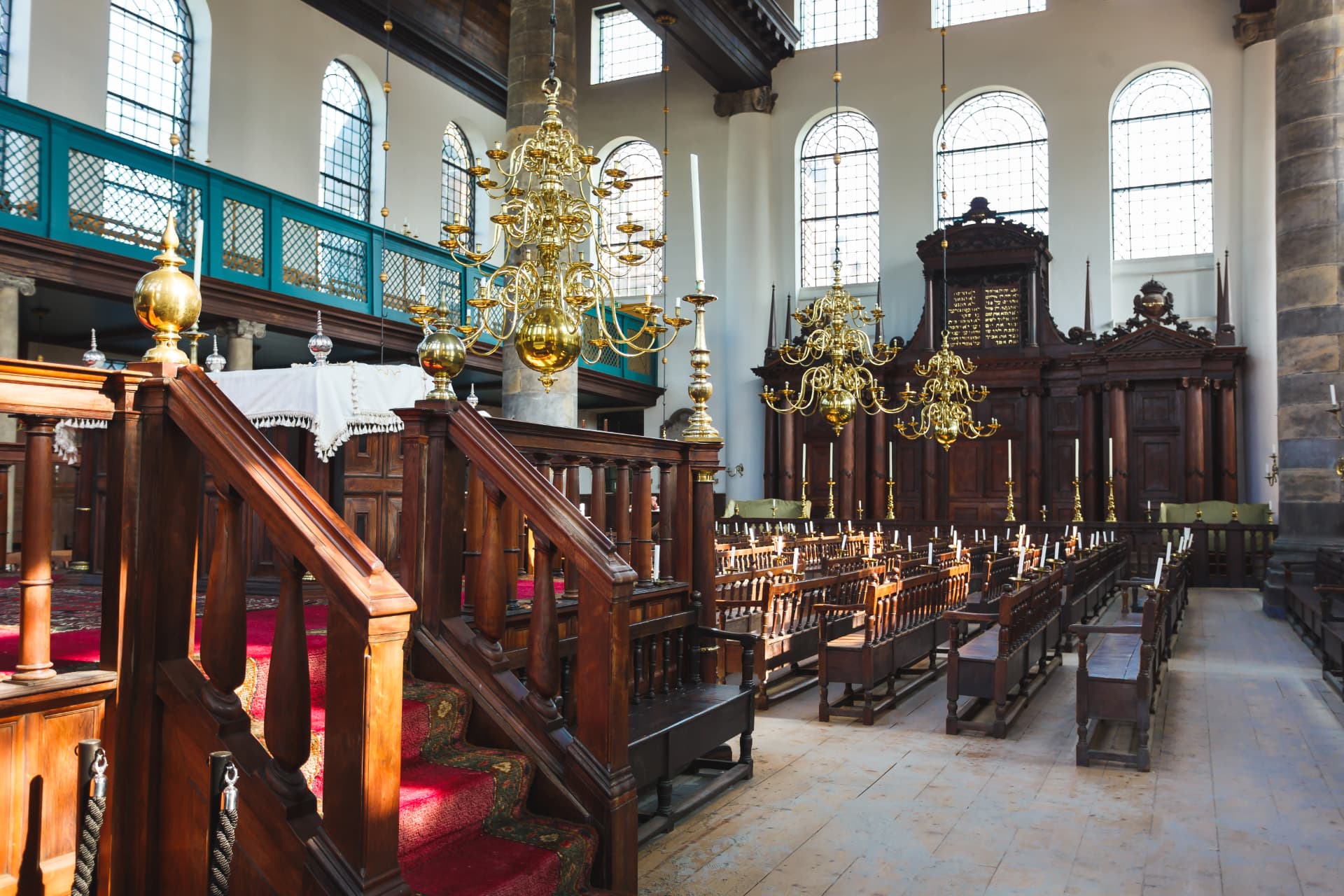
What you will see
- The great hall — a soaring space of columns, arched windows and dark wooden benches, with a sand-strewn floor in the old Sephardic tradition.
- The ark and the bimah — the carved wooden ark holding the Torah scrolls, with the Ten Commandments in gold Hebrew lettering, and the raised bimah from which the scrolls are read.
- The brass chandeliers — dozens of them, still fitted with candles; the synagogue has no electric lighting.
- The women's gallery — the teal-railed upper level from which women follow the service, in line with Orthodox tradition.
- The treasury rooms — in the annexes around the courtyard, displays of ceremonial silver, textiles and rare books from one of the oldest Jewish libraries in the world.
Tickets
The synagogue is part of the Jewish Cultural Quarter, and one ticket covers several venues, including the Jewish Museum across the road. Booking ahead is sensible in high season and lets you plan the whole quarter in one visit.
Plan ahead
Portuguese Synagogue tickets
Compare Portuguese Synagogue and Jewish Cultural Quarter tickets — a good option when you want to book ahead.
Check prices on TiqetsAffiliate link — we may earn a commission at no extra cost to you.
Official information
Jewish Cultural Quarter — official website
For current opening hours, admission prices and closures on the Sabbath and Jewish holidays, always check the official website before your visit.
Visit jck.nlGetting there
The synagogue is at Mr. Visserplein 3, a short walk from Waterlooplein. Metro lines 51, 53 and 54 stop at Waterlooplein, and from Centraal Station it is about a 20-minute walk. The Jewish Museum is directly opposite, and the Rembrandt House Museum is around five minutes away on foot.
Practical tips
- The synagogue closes for the Sabbath and Jewish holidays — check the official calendar before you go.
- Dress modestly out of respect for an active house of worship; men may be asked to cover their heads (head coverings are provided).
- Expect a security check at the entrance; allow a few extra minutes.
- Visit on a grey day if you can — the candlelit interior is at its most atmospheric when the light outside is low.
- Combine your visit with the Jewish Museum opposite on the same ticket.
- See every stop on our Amsterdam attractions map.
Frequently asked questions
How much does the Portuguese Synagogue in Amsterdam cost?
The synagogue is visited with the Jewish Cultural Quarter ticket, which also covers the Jewish Museum and other venues. Museumkaart holders get free entry. Check the official website for current prices, or compare options via the booking link in this guide.
Is the Portuguese Synagogue still in use?
Yes. It remains an active house of worship for Amsterdam's Portuguese Jewish community, and services are still held here. The interior has no electric lighting — on special evenings it is lit by more than a thousand candles, as it has been for centuries.
How long should I spend at the Portuguese Synagogue?
Allow 45 minutes to an hour for the main hall and the treasury rooms. If you combine it with the Jewish Museum on the same ticket, plan for half a day in the Jewish Cultural Quarter.
Why is it called the Portuguese Synagogue?
It was built by Amsterdam's Sephardic community — Jews who had fled Portugal and Spain during the Inquisition and found refuge in the tolerant Dutch Republic. 'Esnoga' is simply the Portuguese word for synagogue.
Where is the Portuguese Synagogue in Amsterdam?
It is at Mr. Visserplein 3, opposite the Jewish Museum and near Waterlooplein in the old Jewish Quarter. The nearest metro stop is Waterlooplein, served by lines 51, 53 and 54.