Paris · Champ de Mars
Eiffel Tower: Tickets, Levels and Visiting Guide
Paris's best-known landmark is easy to admire for free, but going up takes a little planning. Here's how to choose between the second floor and the summit, where to book, and what to expect on the day.
By the AllTrips Editorial Team ·
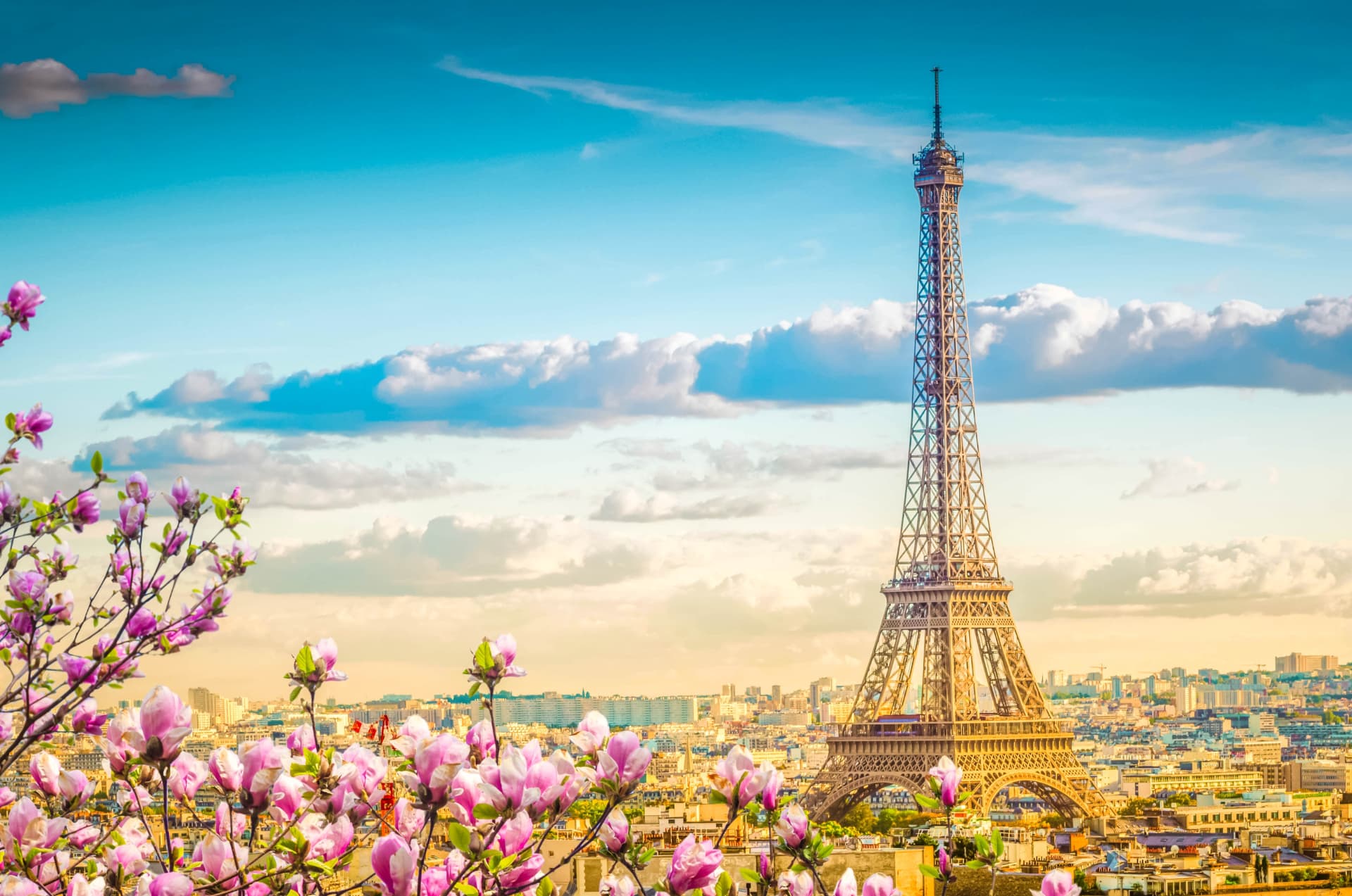
The Eiffel Tower at a glance
Area: Champ de Mars, 7th arrondissement. Allow: around 2–3 hours if going up; longer if you have a tight schedule and queues are busy. Nearby: Trocadéro, Champ de Mars and the Seine. Ticket: needed for the ascent; the classic public views from outside are free.
Built for the 1889 Exposition Universelle, Gustave Eiffel's iron tower was originally intended as a temporary structure. It stayed, becoming both a working broadcasting landmark and the defining image of Paris. From the platforms you can trace the Seine, pick out the dome of Les Invalides and see the city's avenues spread out below. If you want a photograph with the tower in it, visit Trocadéro across the river before or after your ascent.
Where should you buy Eiffel Tower tickets?
Start with the tower's own ticket office. Choose your date, compare lift and stair options, and check whether the ticket stops at the second floor or includes the summit. Ticket types, prices, release dates and opening arrangements can change, so use the live booking page rather than a fixed price quoted elsewhere.
Direct booking
Official Eiffel Tower tickets
Book directly through the tower's official ticket office. Check the exact floor, ascent method and current availability before paying.
Official ticket officeAlternative booking · affiliate link
Eiffel Tower on Tiqets
Compare available tickets and tours. Some offers include a host or guide rather than only entry; read the inclusions, floor access and cancellation terms carefully.
See Eiffel Tower tickets on TiqetsThe Tiqets button is an affiliate link: AllTrips may earn a commission at no extra cost to you. Third-party offers are not the same as buying directly from the official ticket office.
Second floor or summit: which should you choose?
The first floor is your introduction to the structure: you are close enough to appreciate its ironwork and the space beneath your feet. The second floor is often the sweet spot for the view — high enough for a city-wide panorama but close enough to recognise the bridges, streets and monuments. If the goal is memorable Paris views rather than simply reaching the top, a second-floor ticket is a reasonable choice.
The summit is about the experience of going all the way up. It requires an additional lift from the second floor, and waiting time and weather can affect the visit. A second-floor ticket does not automatically include it. Read the ticket description before checkout, especially when comparing a guided tour with a standard admission ticket.
Stairs or lift? Stairs are an option to the second floor if you want a more physical visit and a close look at the structure. There is no public stair route to the summit. Access rules can differ by ticket type, so check the official booking options for your date.
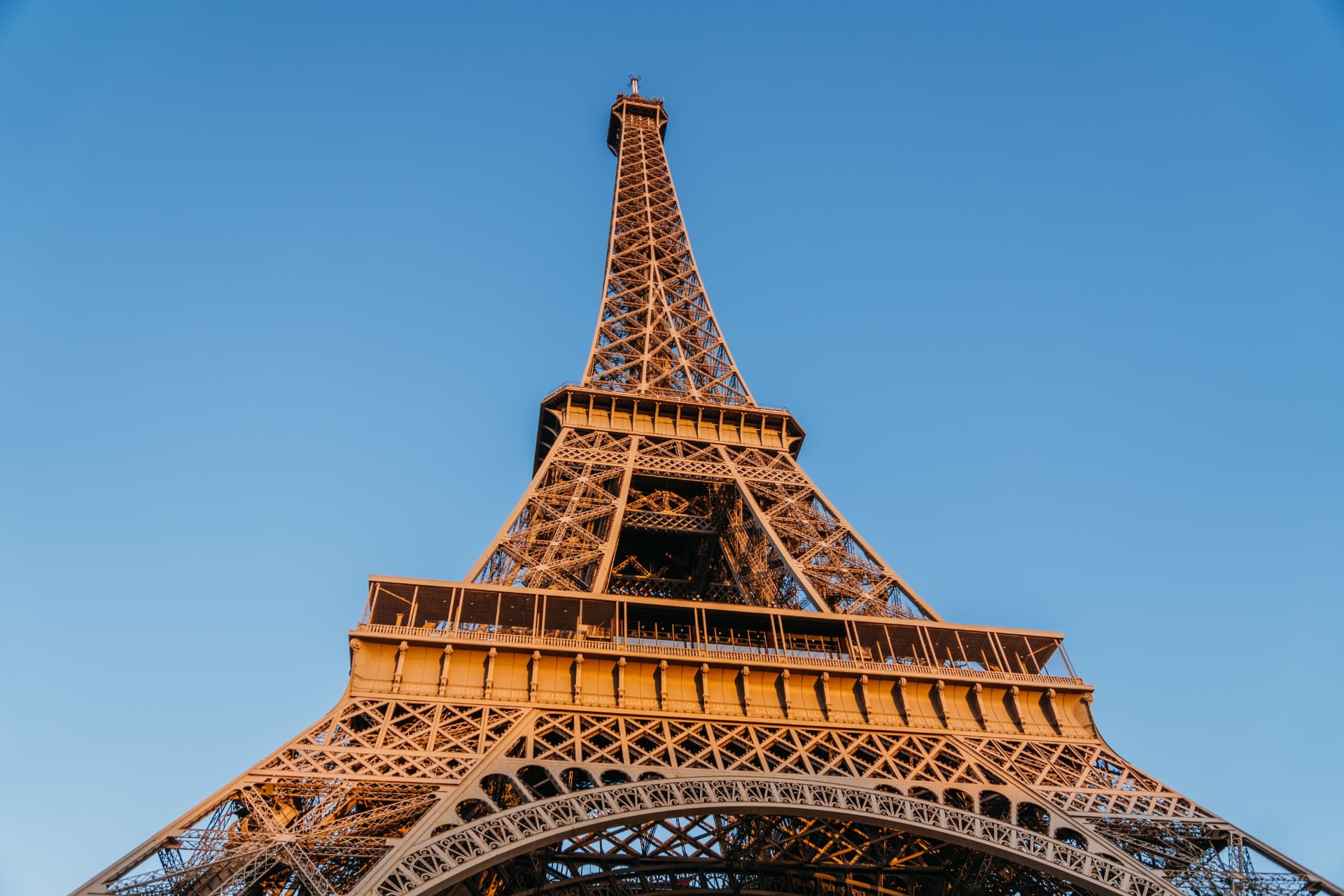
Planning your visit
Book for a time that leaves room for security and the ascent, rather than squeezing the tower between two fixed appointments. All visitors should expect security screening. Check the tower's current visitor guidance for permitted bags, access arrangements and any weather-related changes before leaving your hotel.
For a first visit, arrive via Trocadéro if you want the iconic full-tower view first, then cross toward the base. From the south, Champ de Mars gives a different, more open perspective. The tower is in the 7th arrondissement; nearby rail and metro stops include Bir-Hakeim, Trocadéro and Champ de Mars–Tour Eiffel. Check the current transport map for service changes.
Sunset is popular because the city changes character as the lights come on; it is also a period worth booking well ahead. A daytime ascent lets you see more architectural detail. You do not need a paid ascent to enjoy the illuminated tower from public viewpoints, although lighting schedules and access conditions can vary. On windy or poor-visibility days, the highest platform may not offer the view you hoped for; check current notices.
Why is the Eiffel Tower here?
The tower was the entrance monument for the 1889 World's Fair, marking the centenary of the French Revolution. Designed under Gustave Eiffel's company, it was controversial at first: some prominent artists objected to the industrial structure dominating the skyline. Its engineering and later usefulness for radio helped it survive beyond its original exhibition purpose. Today it is not just a viewpoint but one of the most recognisable pieces of 19th-century engineering in the world.
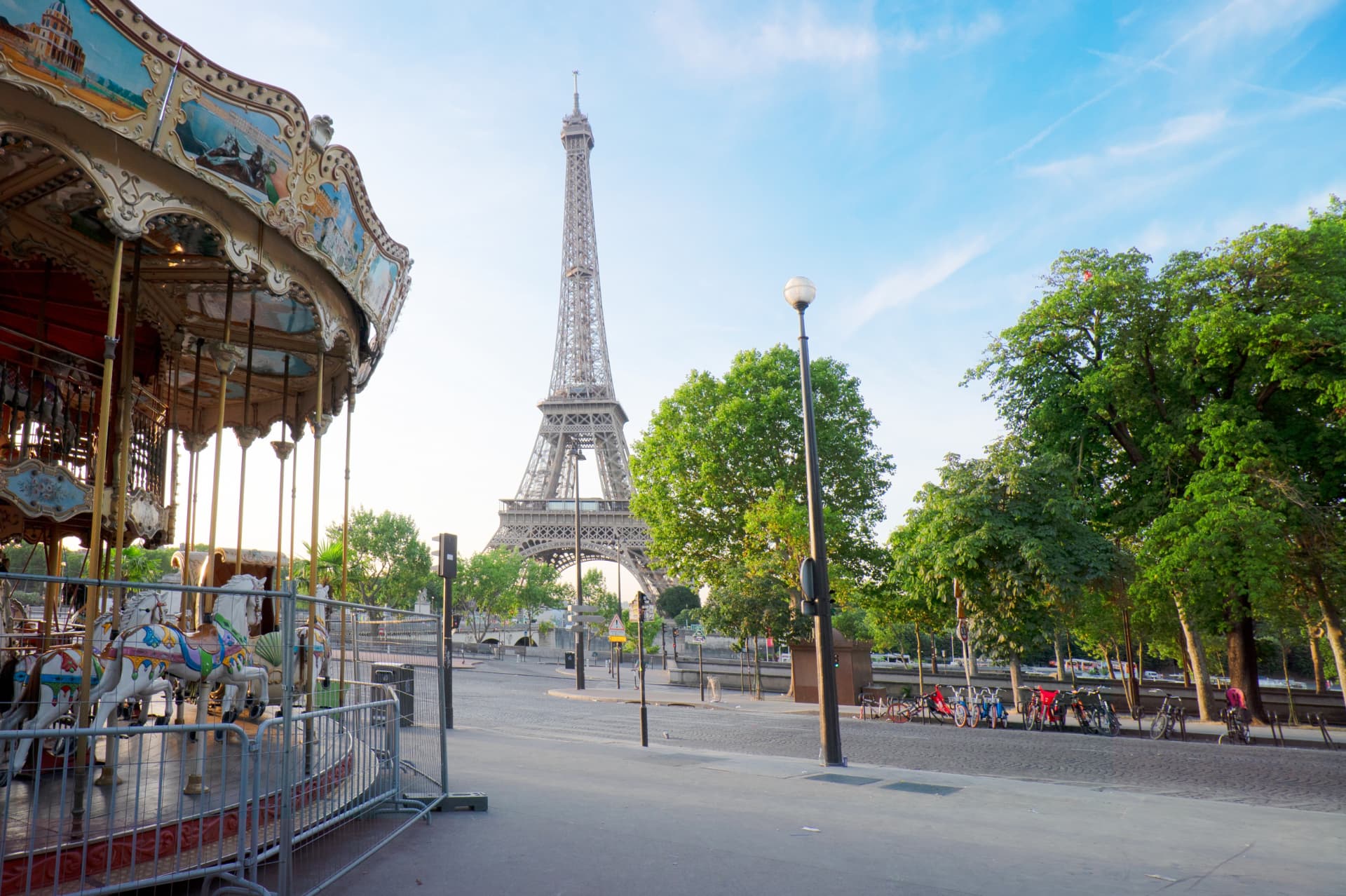
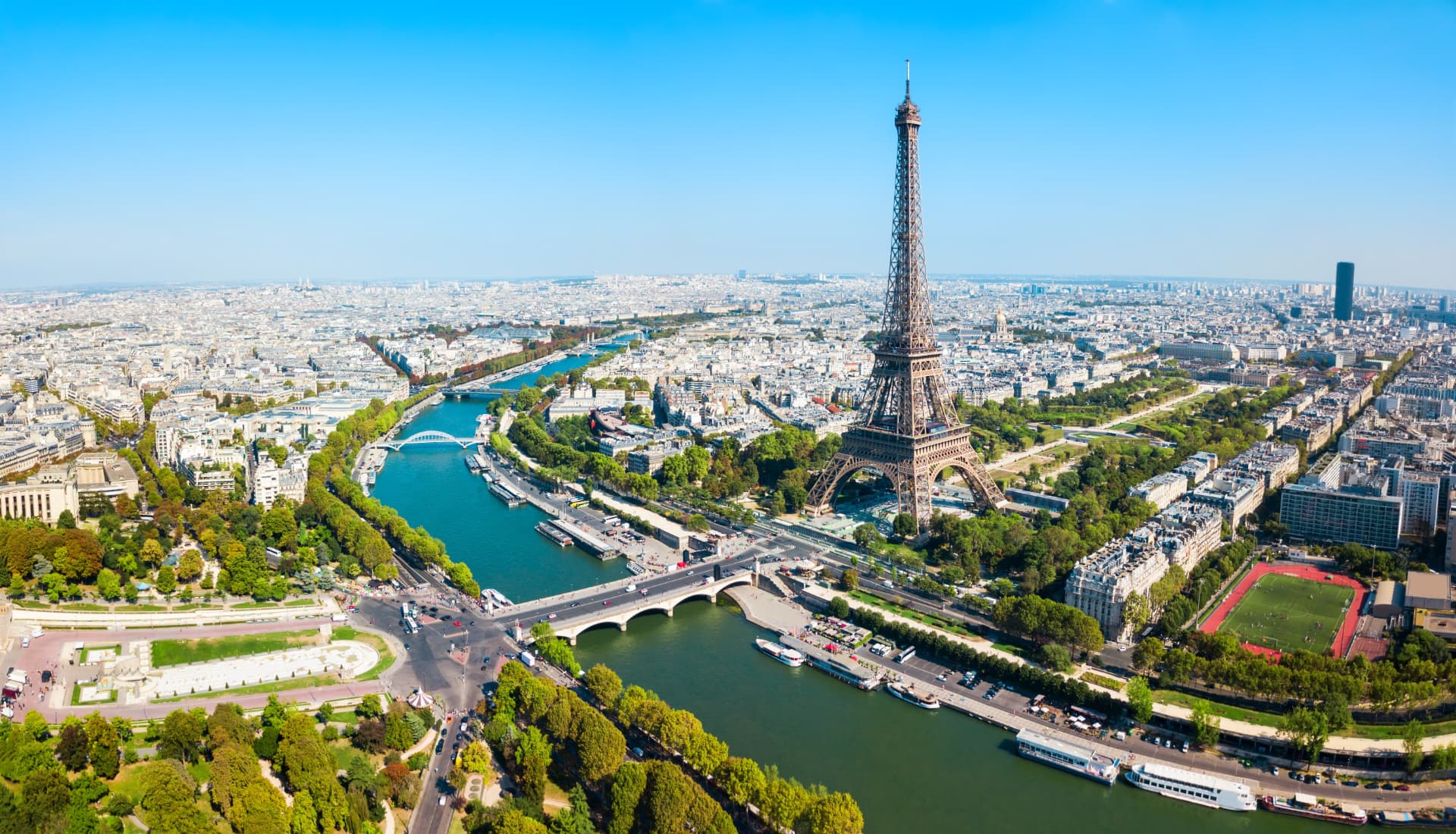
The Eiffel Tower in photos
What is nearby?
Trocadéro is the classic place for a head-on photograph of the tower. Champ de Mars is the free public green space on its south-east side. The Seine is close at hand for river views, while Les Invalides and the Musée Rodin are farther east if you are planning a museum day. For more viewpoints without paying for an observation deck, see our free Paris views guide. You can also see its location among all 40 sights on the Paris attractions map.
Frequently asked questions
Do you need a ticket to see the Eiffel Tower?
No ticket is needed to see the tower from the surrounding public viewpoints. A ticket is needed to go up it; check the official site for the current access arrangements and security procedures.
Can you take the stairs to the summit?
No. Visitor stairs go to the second floor; the summit section requires a lift. Choose a ticket that explicitly includes summit access if that is your goal.
Is the second floor enough?
For many visitors, yes. The second floor offers a broad, detailed panorama of Paris without requiring the additional summit lift and its possible wait. The summit is the choice if reaching the top matters to you.
Should I buy Eiffel Tower tickets in advance?
Yes, especially for a particular date or the summit. Check the official ticket office first; availability and sales windows can change. If it is sold out, compare third-party offers carefully rather than assuming they are identical to an official entry ticket.
How long should I allow?
Allow roughly two to three hours for security, ascent, views and descent. This is a planning estimate, not a guaranteed queue time; popular periods can take longer.
Official sources
- Eiffel Tower official website — visitor information and history
- Eiffel Tower official ticket office — live tickets and availability
Reviewed September 2026. Ticket prices, opening hours and access can change; check the official site for your visit date.