Paris · 6th arrondissement · Neighborhood
Saint-Germain-des-Prés: What to See and Do
Paris's legendary Left Bank quarter — the city's oldest church, literary cafés, art galleries and bookshops, all free to wander.
By the AllTrips Editorial Team ·
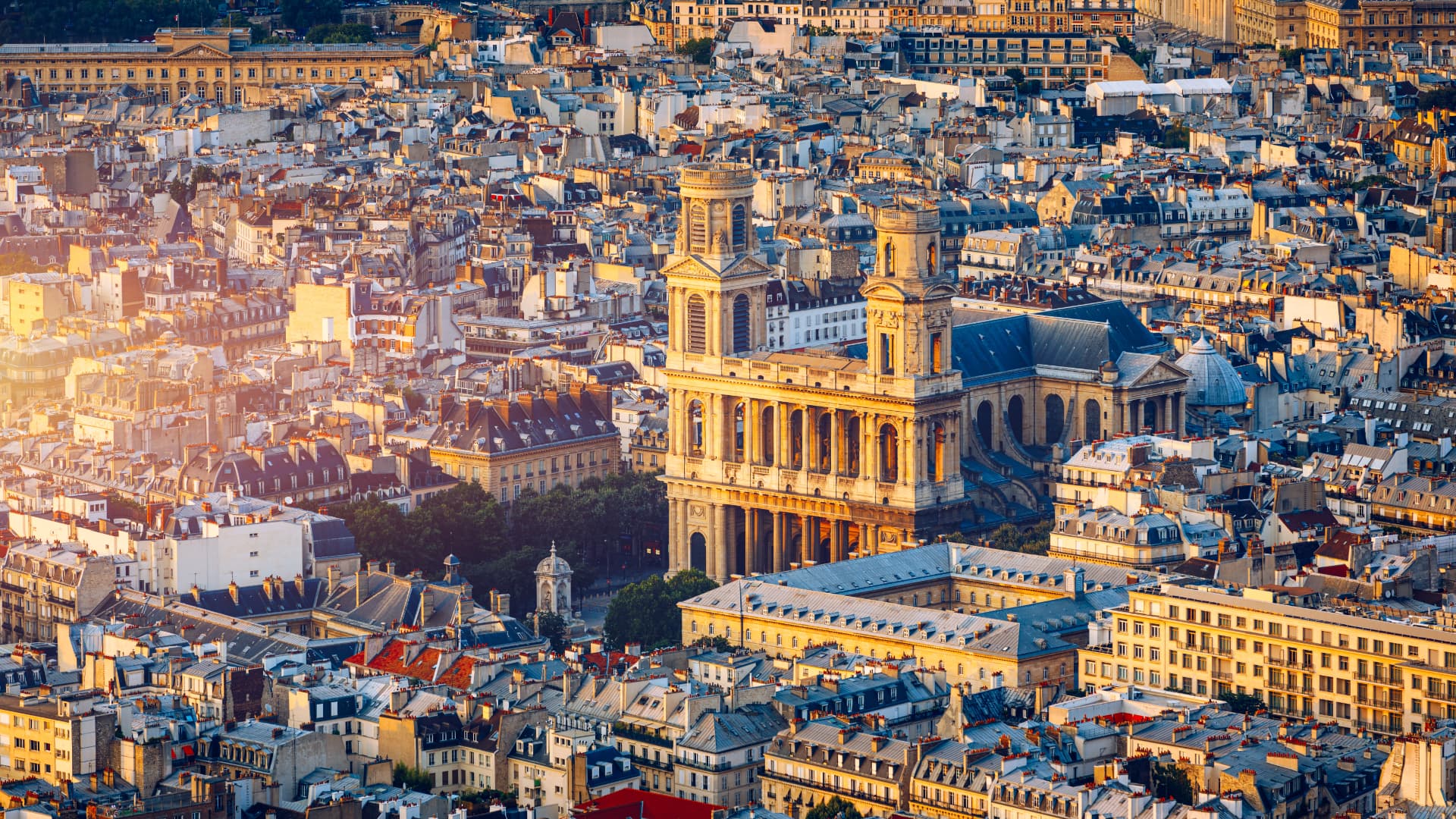
Saint-Germain-des-Prés at a glance
Area: 6th arrondissement, on the Left Bank of the Seine. Allow: 1–2 hours, more with a café stop. Entry: free — it is a neighborhood, and the abbey church is free to enter. Nearby: Musée d'Orsay, Luxembourg Gardens, the Latin Quarter.
Saint-Germain-des-Prés is the classic Left Bank Paris of postcards: café terraces, second-hand booksellers, art galleries and church towers. There is no ticket and no queue — the pleasure here is simply walking, looking and stopping for a coffee.
What is there to see?
The abbey church of Saint-Germain-des-Prés is the oldest church in Paris, with roots in a 6th-century Merovingian abbey; the Romanesque building you see today was consecrated in 1163. Entry is free, and the painted interior and calm make it one of the city's most rewarding church visits.
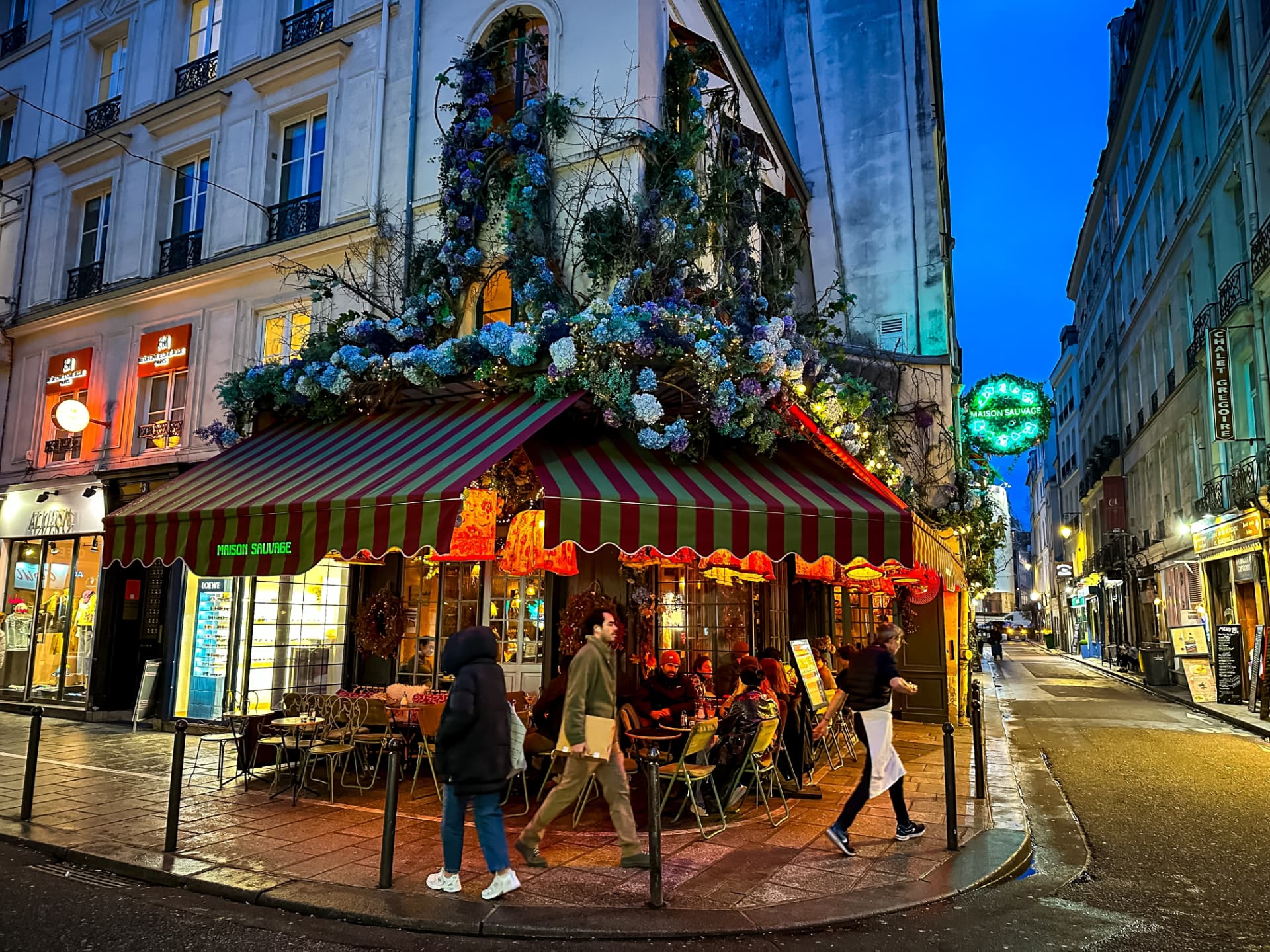
On the square and along Boulevard Saint-Germain sit the famous literary cafés — Les Deux Magots and the Café de Flore face each other where Sartre, Beauvoir, Hemingway and Picasso once worked and argued. A few streets away, Saint-Sulpice, the second-largest church in Paris after Notre-Dame, holds Delacroix murals and a famous gnomon. Between them, the side streets — Rue de Buci, Rue de Seine, Rue Bonaparte — are lined with art galleries, antique dealers and bookshops, and the covered market streets make an atmospheric evening stroll.
A short history
The quarter grew up around the Abbey of Saint-Germain-des-Prés, founded around 558 by Childebert I, son of Clovis. For centuries the abbey stood in meadows ('prés') outside the city walls — hence the name — and was one of the richest monasteries in France.
In the 20th century the neighborhood became the intellectual heart of Paris: the existentialists held court at the Flore and Les Deux Magots in the 1940s and 50s, and jazz clubs filled the cellars. The galleries and publishers remain, now joined by fashion houses — but the café culture and the village-like street pattern survive intact.
Planning your visit
Take metro line 4 to Saint-Germain-des-Prés station, which exits directly by the church. Everything within the quarter is walkable; the streets are mostly flat and several are pedestrianised.
Come in the morning for the church and quiet streets, and stay or return in the early evening when the terraces fill up. Prices at the famous cafés reflect their fame — a coffee on the terrace at the Flore costs several times what it does one street back, which is worth knowing before you sit down. The neighborhood combines easily with the Musée d'Orsay, a 15-minute walk west along the Seine, or the Luxembourg Gardens to the south.
Saint-Germain-des-Prés in photos
What is nearby?
The Musée d'Orsay is a 15-minute walk along the river, and the Louvre is just across the Pont des Arts. The Latin Quarter begins immediately to the east, and the Luxembourg Gardens are a short walk south. See everything on our Paris attractions map.
Frequently asked questions
Is Saint-Germain-des-Prés free to visit?
Yes — it is a neighborhood, not a ticketed attraction. Wandering the streets, the square and the church square costs nothing; you only pay for what you eat, drink or buy. Entry to the abbey church of Saint-Germain-des-Prés is also free.
What is Saint-Germain-des-Prés famous for?
Its literary and artistic heritage: the cafés Les Deux Magots and Café de Flore were the meeting places of Sartre, Beauvoir, Hemingway and Picasso. Today it is known for art galleries, antique dealers, bookshops, fashion boutiques and some of the most photographed café terraces in Paris.
How much time should I spend in Saint-Germain-des-Prés?
Allow 1–2 hours for a stroll taking in the church, the square and the famous cafés, longer if you browse the galleries and boutiques or stop for a terrace coffee. It pairs naturally with the Luxembourg Gardens or the Musée d'Orsay on the same day.
What is the oldest church in Paris?
The abbey church of Saint-Germain-des-Prés is the oldest church in Paris — its origins go back to a 6th-century abbey founded by the Merovingian king Childebert I, with the current Romanesque building consecrated in 1163.
When is the best time to visit Saint-Germain-des-Prés?
Mornings are quieter for the church and side streets; late afternoon into evening is when the café terraces come alive. The neighborhood is pleasant year-round and fully pedestrian-friendly.
How do I get to Saint-Germain-des-Prés?
Metro line 4 stops at Saint-Germain-des-Prés station, right on the boulevard by the church. Mabillon (line 10) and Odéon (lines 4 and 10) are also within a few minutes' walk.
Official sources
Reviewed September 2026. Opening hours of churches, cafés and galleries change; check before travel.