Machu Picchu Tickets 2026: Which Circuit and Route Should You Book?
Published · 14 min read · By AllTrips
You do not book "a Machu Picchu ticket" — you book one of ten official routes inside three circuits, and the route decides what you actually see. Pick the wrong one and you can miss the classic photograph or the main ruins entirely. This guide compares all ten routes, explains 2026 prices, and sets out the order to book entry, trains and buses.
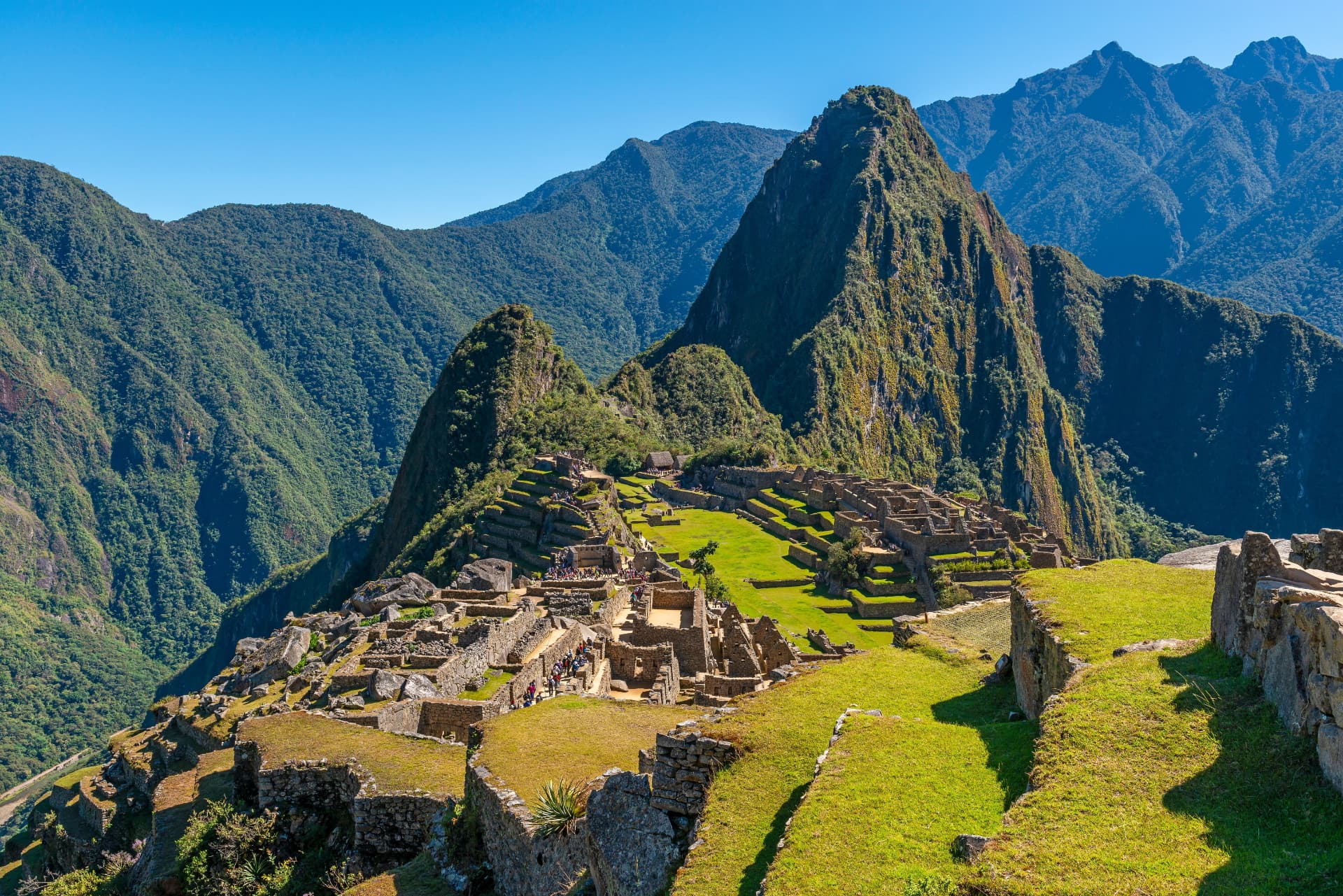
All Ten Official Machu Picchu Routes Compared
Entry works through three numbered circuits, each containing named routes. You book a specific route and an entry hour, and you follow it one way. Durations below are typical planning estimates, not guarantees — the official route description is the authority. Check the current list at machupicchu.gob.pe.
| Official route | Circuit | Classic photograph | Archaeological structures | Mountain or hike | Typical duration | Availability | Difficulty | Best for |
|---|---|---|---|---|---|---|---|---|
| 1-A Machu Picchu Mountain | Circuit 1 | Yes, panoramic | Limited — upper sector only | Long mountain hike | 5–6 h | Year-round | Demanding | Fit hikers wanting the highest viewpoint |
| 1-B Upper Terrace | Circuit 1 | Yes, the classic photograph | Viewpoints, little building access | No | 1.5–2 h | Year-round | Easy–moderate | Photographers and short visits |
| 1-C Intipunku / Sun Gate | Circuit 1 | Yes, plus the Sun Gate view | Upper sector | Moderate walk to the Sun Gate | 3–4 h | High season only | Moderate | Walkers who want the Inca Trail arrival view |
| 1-D Inca Bridge | Circuit 1 | Yes | Upper sector plus the Inca Bridge path | Short cliff-edge walk | 2.5–3 h | High season only | Moderate | Visitors wanting a quieter add-on |
| 2-A Designed / Classic Route | Circuit 2 | Yes, the classic photograph | Full main sector: plazas, temples, residences | No | 2.5–3 h | Year-round | Moderate | Most first-time visitors |
| 2-B Lower Terrace | Circuit 2 | Yes, from a lower angle | Main sector from below | No | 2–2.5 h | Year-round | Easy–moderate | Fallback when 2-A is sold out |
| 3-A Waynapicchu (Huayna Picchu) | Circuit 3 | Limited classic view | Lower sector | Steep, exposed climb | 4–5 h | Year-round | Very demanding | Confident climbers with no vertigo |
| 3-B Designed / Royalty Route | Circuit 3 | No classic photograph | Lower sector: Temple of the Sun area, Sacred Rock | No | 1.5–2.5 h | Year-round | Easy–moderate | Repeat visitors and limited-mobility travellers |
| 3-C Great Cavern | Circuit 3 | No | Lower sector plus the Temple of the Moon | Long remote hike | 5–6 h | High season only | Demanding | Experienced hikers seeking solitude |
| 3-D Huchuypicchu | Circuit 3 | Limited | Lower sector | Short sharp climb | 2.5–3.5 h | High season only | Moderate | A shorter alternative to Huayna Picchu |
Seasonal routes: Routes 1-C (Intipunku / Sun Gate), 1-D (Inca Bridge), 3-C (Great Cavern) and 3-D (Huchuypicchu) open only during the higher-capacity high-season periods. For 2026 those periods are 1 January, 2–5 April, 19 June–2 November and 30–31 December. "High season" here is a defined set of dates, not simply the dry season.
Machu Picchu Ticket Prices in 2026
Standard foreign-adult admission is generally S/152, approximately US$40–45 depending on the exchange rate. Mountain routes may use a higher tariff, and there are reduced rates for Peruvian nationals, Andean Community citizens and children. Check the selected route in Tu Boleto, the Ministry of Culture's official booking channel, before payment. Prices checked September 2026 and subject to change.
Student fares require the specific original student documentation accepted by the Ministry of Culture. Do not assume that an ISIC card or a digital photograph will qualify; verify the current document requirements before buying, and carry the original document with your passport on the day.
Circuit 2A vs Circuit 2B: The Decision Most People Face
For a first visit these are the two realistic candidates, and the difference matters.
| 2-A Designed / Classic Route | 2-B Lower Terrace | |
|---|---|---|
| Classic photograph | Yes, from the upper viewpoint | Yes, but from a lower, less elevated angle |
| Main ruins | Walks through plazas, temples and residential sectors | Views of the main sector from below, less time inside it |
| Walking | More climbing on stone steps | Gentler overall |
| Typical duration | 2.5–3 hours | 2–2.5 hours |
| Availability | Sells out first | Often available when 2-A is gone |
| Choose it if | You want the photograph and the ruins in one visit | 2-A is unavailable, or you want an easier walk |
Quick decision
Book independently if: official tickets for your chosen route and suitable trains are both available.
Consider a package if: you need entry, train, bus and a guide coordinated together.
Before paying: verify the exact route number, entry time, departure station and whether shuttle buses are included.
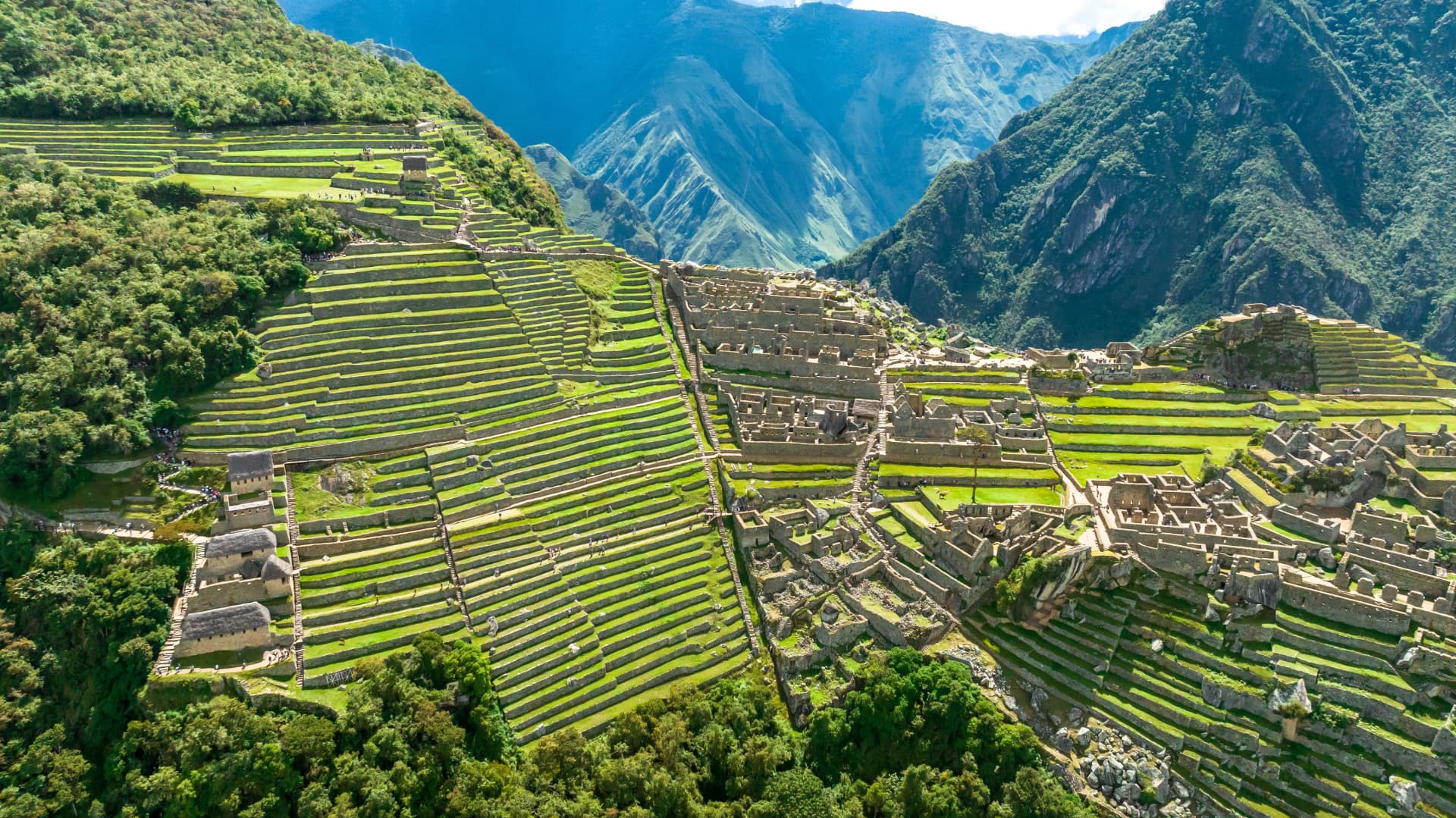
How to Book Machu Picchu Tickets
Book in this order and you will avoid the classic planning disasters:
- Entry ticket first. Choose your circuit, route and entry hour on Tu Boleto. Your passport number must match the ticket exactly — you will be checked at the gate.
- Train second. PeruRail and Inca Rail run between the Cusco/Ollantaytambo area and Aguas Calientes. Match the train arrival to at least 1.5–2 hours before your entry time.
- Bus third. Shuttle buses run from Aguas Calientes up the switchback road to the entrance (about 25–30 minutes). You can also hike up in roughly 1.5–2 hours of steep steps.
- Mountain routes together with entry. Routes 1-A and 3-A are the first to sell out, and they carry their own age, fitness and weather restrictions — read the official route rules before committing.
Entry is timed and routes are one-way: once you leave a sector you cannot backtrack. Arrive at the gate within the tolerance window printed with your slot, and budget queue time for the bus up from Aguas Calientes — lines build early in the morning.
Official Ticket Warning
Only buy from official or authorised sellers.
Machu Picchu has a long history of scalped, fake and mis-sold tickets. The official sales channel is the Ministry of Culture platform tuboleto.cultura.pe, plus authorised agencies. Never buy from street sellers in Cusco or Aguas Calientes, and treat any "guaranteed Huayna Picchu" offer at face-value prices with suspicion — permits are capped and named to a passport.
Some tour operators may still offer packages containing tickets they reserved earlier, even when direct availability is limited. Confirm that an actual Ministry-issued ticket for your required route is included.
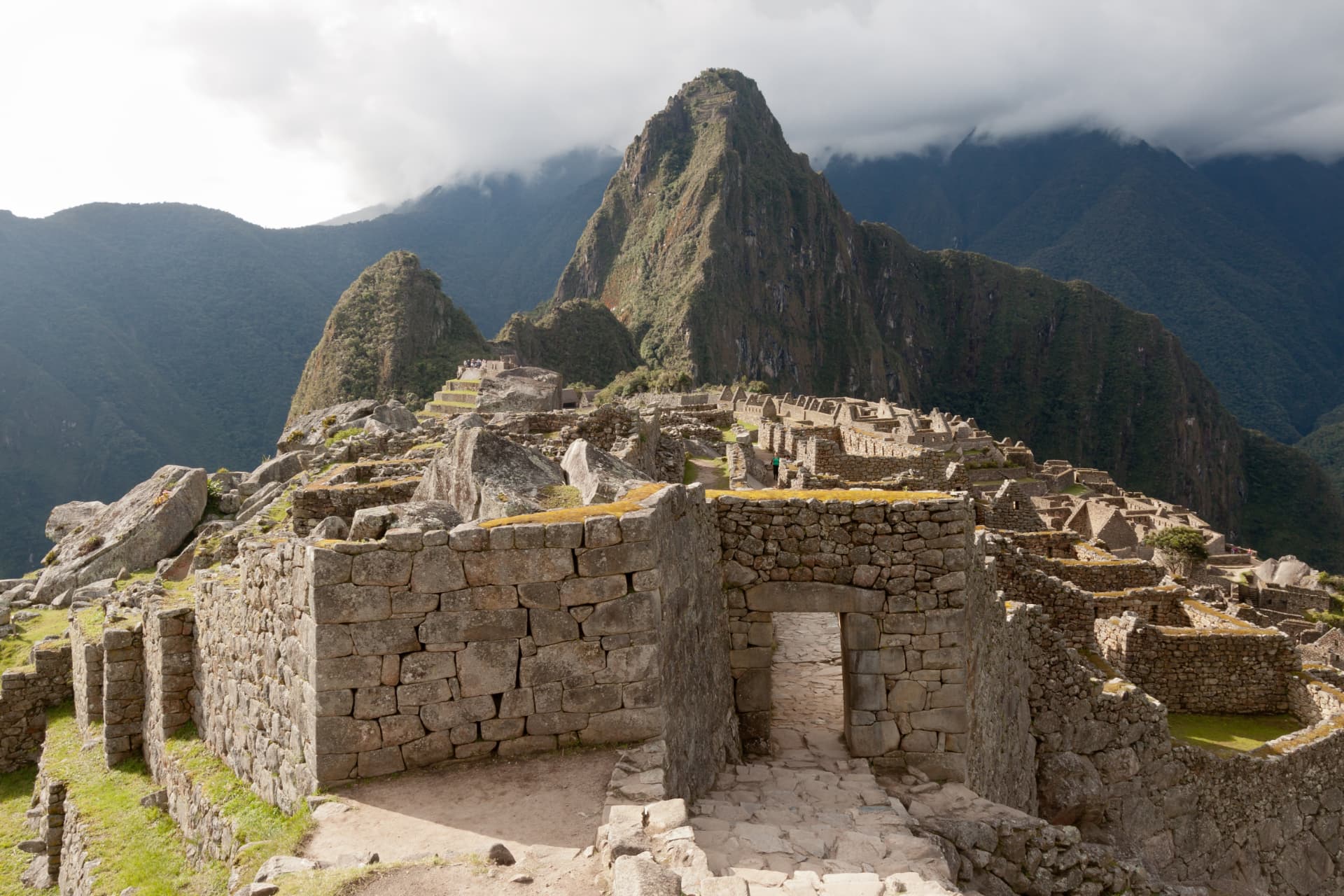
Machu Picchu Mountain vs Huayna Picchu
Huayna Picchu (Route 3-A) is the sugar-loaf peak in every postcard: a short but very steep climb with narrow, exposed stone steps and drop-offs. Machu Picchu Mountain (Route 1-A) is higher and longer, a sustained stair climb with a broader path and far less exposure, ending in the widest view over the whole ridge.
Both carry restrictions. Mountain routes can have minimum-age rules, they close in heavy rain or high wind, and gates to the climb shut at fixed times regardless of your entry hour. Read the conditions for your exact route on the official site before booking — "reasonable fitness" is not the only requirement.
Getting There: Cusco to the Citadel
There is no continuous road connection from Cusco to Machu Picchu Pueblo. Most visitors travel by road to Ollantaytambo, continue by train to Aguas Calientes and then take the shuttle road up to the entrance. Each leg needs timing against your entry slot:
| Leg | How | Typical time | Booking tip |
|---|---|---|---|
| Cusco → Ollantaytambo | Shared van, taxi or train from the Cusco area | 1.5–2 hours by road | Some trains depart near Cusco, but Ollantaytambo has the most departures |
| Ollantaytambo → Aguas Calientes | PeruRail or Inca Rail train | About 1.5 hours | Book as early as entry tickets; popular hours sell out |
| Aguas Calientes → entrance | Official shuttle bus or a steep hike | 25–30 min by bus; 1.5–2 h on foot | Buses start very early; buy tickets in town, queues form before dawn |
Many travellers do the outbound journey the day before and sleep in Aguas Calientes (Machu Picchu Pueblo). That turns a stressful 4 a.m. departure from Cusco into a short morning bus ride, and it allows an early entry slot — a cooler early visit with more time available afterward, although dawn bus queues can be long and the citadel may be misty. A single-day round trip from Cusco is possible but leaves little slack for delays.
Altitude note: Cusco (about 3,400 m) is significantly higher than Machu Picchu (about 2,430 m). Spend at least a day or two acclimatising in Cusco or the Sacred Valley before your visit. Aguas Calientes is a comfortable altitude for sleeping.
Prefer the Logistics Handled for You?
Coordinating entry routes, trains, buses and mountain permits across separate booking systems is the hardest part of Machu Picchu. Guided packages and authorised sellers bundle these together — more expensive than booking yourself, but it removes the risk of a mismatched train or an unavailable route. Compare what is included (route number, entry hour, train class, bus, guide) rather than headline prices.
Affiliate link. You pay the same price and we may earn a small commission, which funds this site's research.
Want Machu Picchu tickets and transport arranged together?
Compare current Machu Picchu packages and check exactly which route number, entry time, train and shuttle each one covers before you book.
Compare Machu Picchu ticket and transport packagesInside the Site: What to Expect
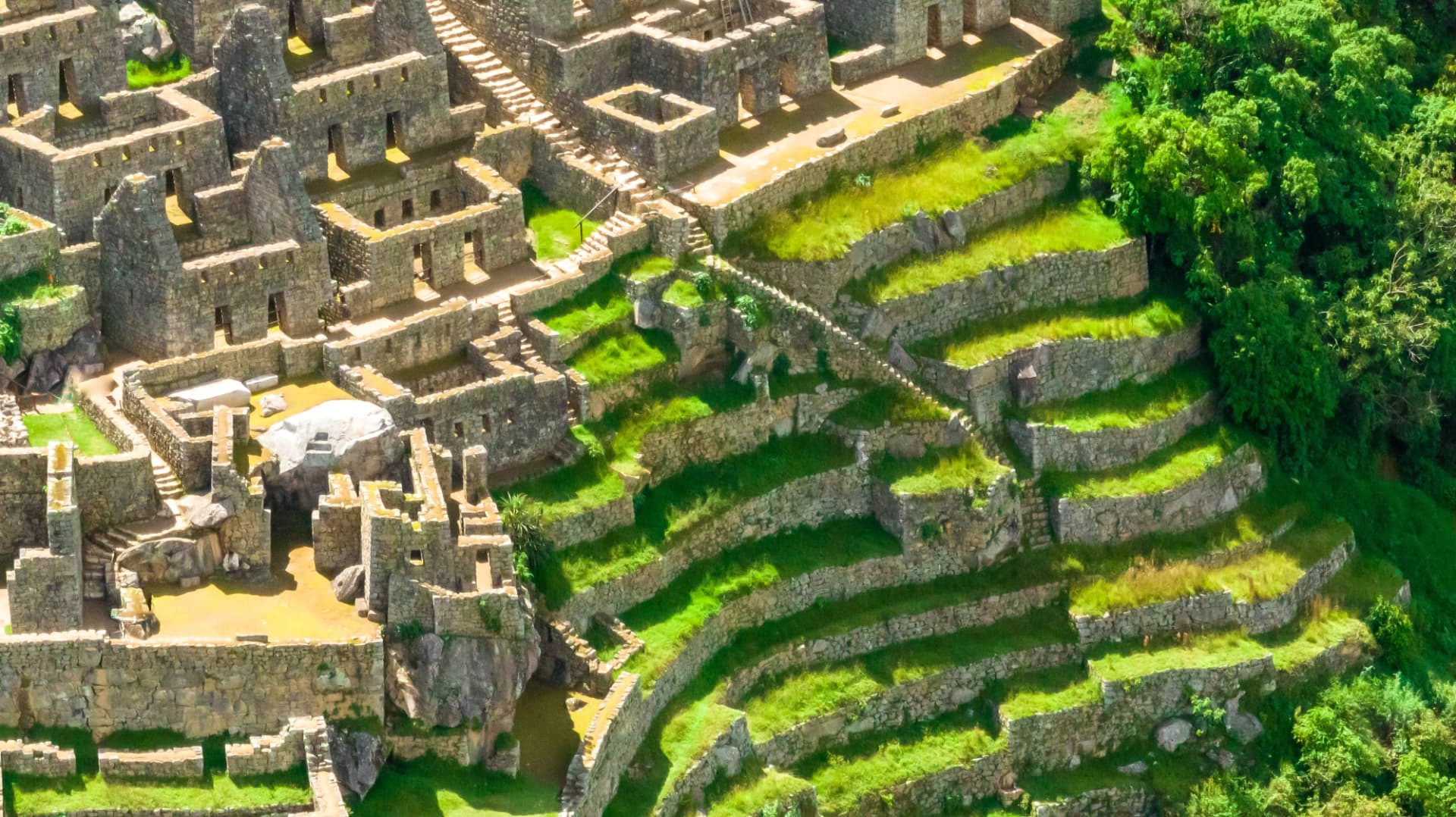
The ruins cover a dramatic ridge between two peaks, and your route determines what you see. Whichever one you take, expect uneven stone steps, steep drops beyond the terraces and changeable weather — sun, mist and rain can rotate through a single morning.
Practical points that surprise first-time visitors:
- No toilets inside. Facilities (paid) are at the entrance only — go before you enter.
- One entry only. Standard tickets allow one entry on the booked route. Once you exit, you should not expect to re-enter unless your specific ticket conditions expressly permit it.
- Bag and gear limits. Large backpacks, tripods, drones, trekking poles with metal tips and food are restricted. A small day pack with water and a rain layer is ideal.
- Passport checks. The name and number on your ticket must match your passport. Avoid placing unofficial souvenir stamps in your passport — if a souvenir stamp is available, use a notebook or travel journal instead.
- Guides. A guide is strongly recommended but is not generally required for an ordinary individual ticket. Special packages, groups or changing local rules may have different requirements, so confirm the conditions printed on your ticket.
When to Go and What It Costs in Total
The dry season (May–October) brings the clearest skies and the heaviest demand — book entry and trains weeks to months ahead. The wet season (November–April) is greener, mistier and quieter; rain is common but mornings can be atmospheric, and availability is far easier. February historically sees the Inca Trail closed for maintenance, though the citadel itself stays open. Note that the seasonal routes listed above follow the official high-season date ranges rather than the weather seasons.
For a realistic budget, add up the separate pieces: entry ticket, return train (the most expensive leg — fares vary widely by service level), the shuttle bus, and an Aguas Calientes hotel if you stay over. A comfortable independent visit typically lands well above the headline ticket price, which is why bundled packages can be competitive once everything is included.
Common Mistakes to Avoid
- Booking trains before entry tickets. Do it the other way round — entry routes are the scarce resource.
- Booking a route that skips what you came for. Circuit 3 routes do not deliver the classic photograph; 1-B does not walk you through the temples. Check the route table before paying.
- Assuming a seasonal route is open. Routes 1-C, 1-D, 3-C and 3-D run only on the defined high-season dates.
- Underestimating Aguas Calientes queues. Bus lines before dawn can take 30–60 minutes in high season.
- Ignoring altitude. Arriving in Cusco and hiking the next day is a recipe for altitude sickness. Acclimatise first.
- Buying from unofficial sellers. Fake and invalid tickets are a real problem at this site. Tu Boleto or authorised agencies only.
Frequently Asked Questions
Do I need to book Machu Picchu tickets in advance?
Yes. Entry is capacity-limited and divided into timed routes, and the most popular entry hours and mountain routes sell out weeks ahead in high season. Book as soon as your travel dates are fixed, especially for June–August and Peruvian holidays.
Which Machu Picchu circuit is best for a first visit?
Route 2-A, the Designed or Classic Route, is the standard first-visit choice: it combines the classic photograph with a walk through the main archaeological sector. Route 1-B gives the panoramic upper-terrace view with less time among the buildings, and Circuit 3 covers the lower sector and links to Huayna Picchu. Always check the current route list on the official platform, as availability and seasonal routes change.
What is the difference between Circuit 2A and Circuit 2B?
Route 2-A (Designed or Classic Route) is the fullest single visit: the classic viewpoint plus the main plazas, temples and residential sectors. Route 2-B (Lower Terrace) covers the citadel from a lower angle, with a different, less elevated view of the classic panorama and a shorter walk. If you want the postcard photograph and the ruins in one visit, choose 2-A; 2-B is the fallback when 2-A is sold out.
How much do Machu Picchu tickets cost in 2026?
Standard foreign-adult admission is generally S/152, approximately US$40–45 depending on the exchange rate. Mountain routes may use a higher tariff. Check the selected route in Tu Boleto, the Ministry of Culture's official platform, before payment. Prices checked September 2026 and subject to change.
Can you visit Machu Picchu without a guide?
A guide is strongly recommended but is not generally required for an ordinary individual ticket. Special packages, groups or changing local rules may have different requirements, so confirm the conditions printed on your ticket. Licensed guides offer their services at the entrance and add real context to the temples and terraces.
How do I get to Machu Picchu from Cusco?
There is no continuous road connection from Cusco to Machu Picchu Pueblo. Most visitors travel by road to Ollantaytambo (about 1.5–2 hours), take a train to Aguas Calientes (about 1.5 hours), then a shuttle bus up to the entrance. Some trains depart from the Cusco area. Book trains at the same time as your entry ticket so the times line up.
What is the difference between Huayna Picchu and Machu Picchu Mountain?
Both are optional mountain routes with separate, very limited permits — Huayna Picchu on Route 3-A and Machu Picchu Mountain on Route 1-A. Huayna Picchu (the steep peak behind the ruins) is shorter but exposed, with narrow steps; Machu Picchu Mountain is higher, longer and less vertiginous. Mountain routes can carry age and safety restrictions and close in bad weather, so read the official route rules before booking.
What if Machu Picchu tickets are sold out?
Try adjacent dates and less popular entry hours first, and check Route 2-B or Circuit 1 if 2-A is gone. Some tour operators may still offer packages containing tickets they reserved earlier. Confirm that an actual Ministry-issued ticket for your required route is included before paying.