Amsterdam · Historic museum
Anne Frank House: The Secret Annex on the Prinsengracht
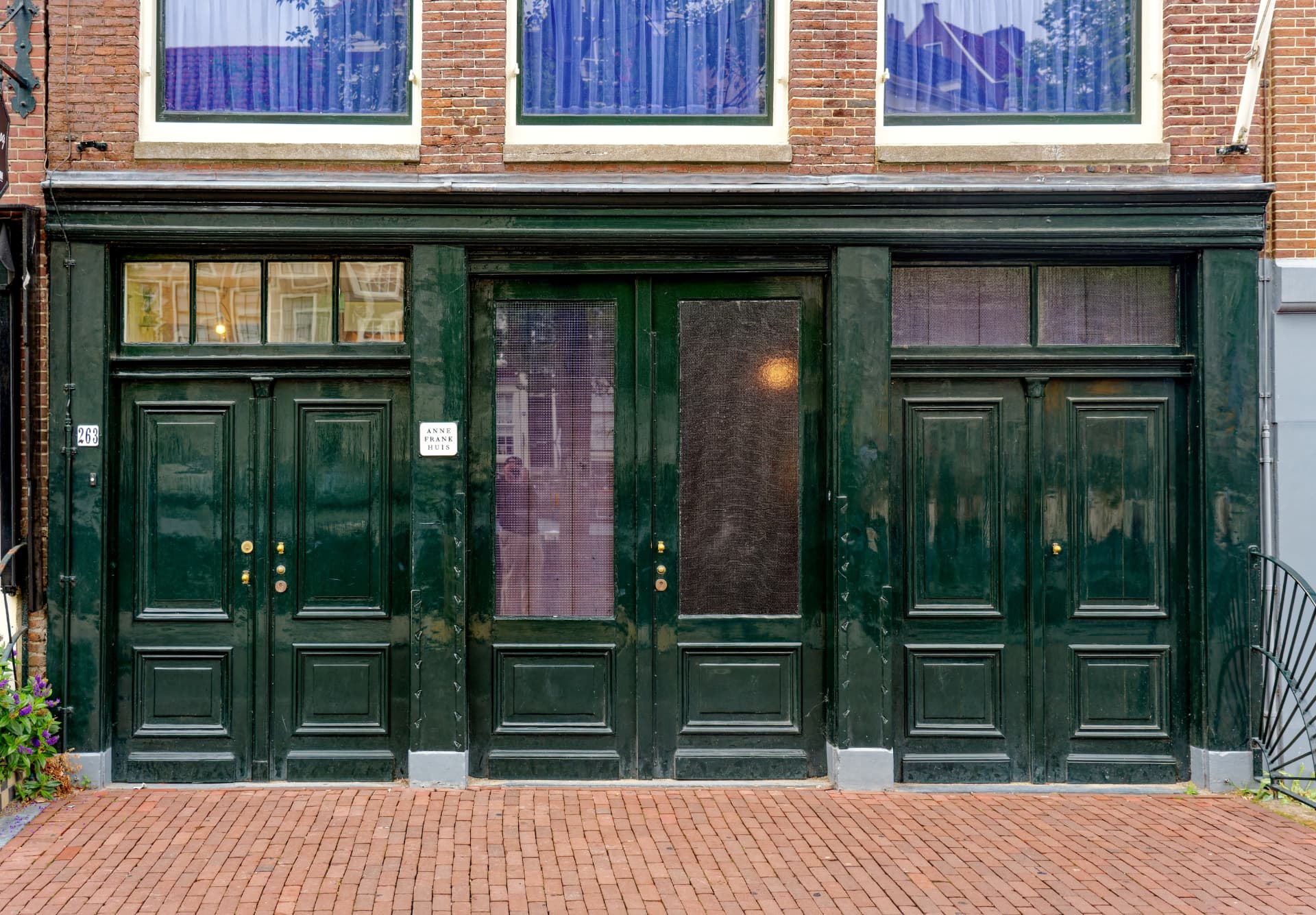
Behind an ordinary canal-house door at Prinsengracht 263, Anne Frank and seven others hid for more than two years. Here is the story of the house, what you will see inside, and how to plan a visit — tickets sell out far in advance.
By the AllTrips Editorial Team ·
Anne Frank House at a glance
Area: the Jordaan, on the Prinsengracht near the Westerkerk. Allow: 60–75 minutes. Entry: ticketed — online booking only, no door sales. Nearby: Dam Square, the Begijnhof and the Rijksmuseum.
The story of the house
The building at Prinsengracht 263 was a 17th-century canal house whose rear annex housed the offices and warehouse of Otto Frank's spice business. When the Frank family went into hiding in July 1942, the empty rooms at the back of the building — the achterhuis, or Secret Annex — became their home, concealed behind a bookcase that swung across the staircase.
For 761 days, eight people lived there in silence during business hours: the four Franks, the Van Pels family and dentist Fritz Pfeffer, helped by Otto Frank's employees, who brought food, news and books. It was here that Anne wrote her diary. In August 1944 the hiding place was betrayed and the group was arrested and deported. Otto Frank was the only one of the eight to survive the camps; he published Anne's diary in 1947, and the house opened as a museum in 1960.
What you will see
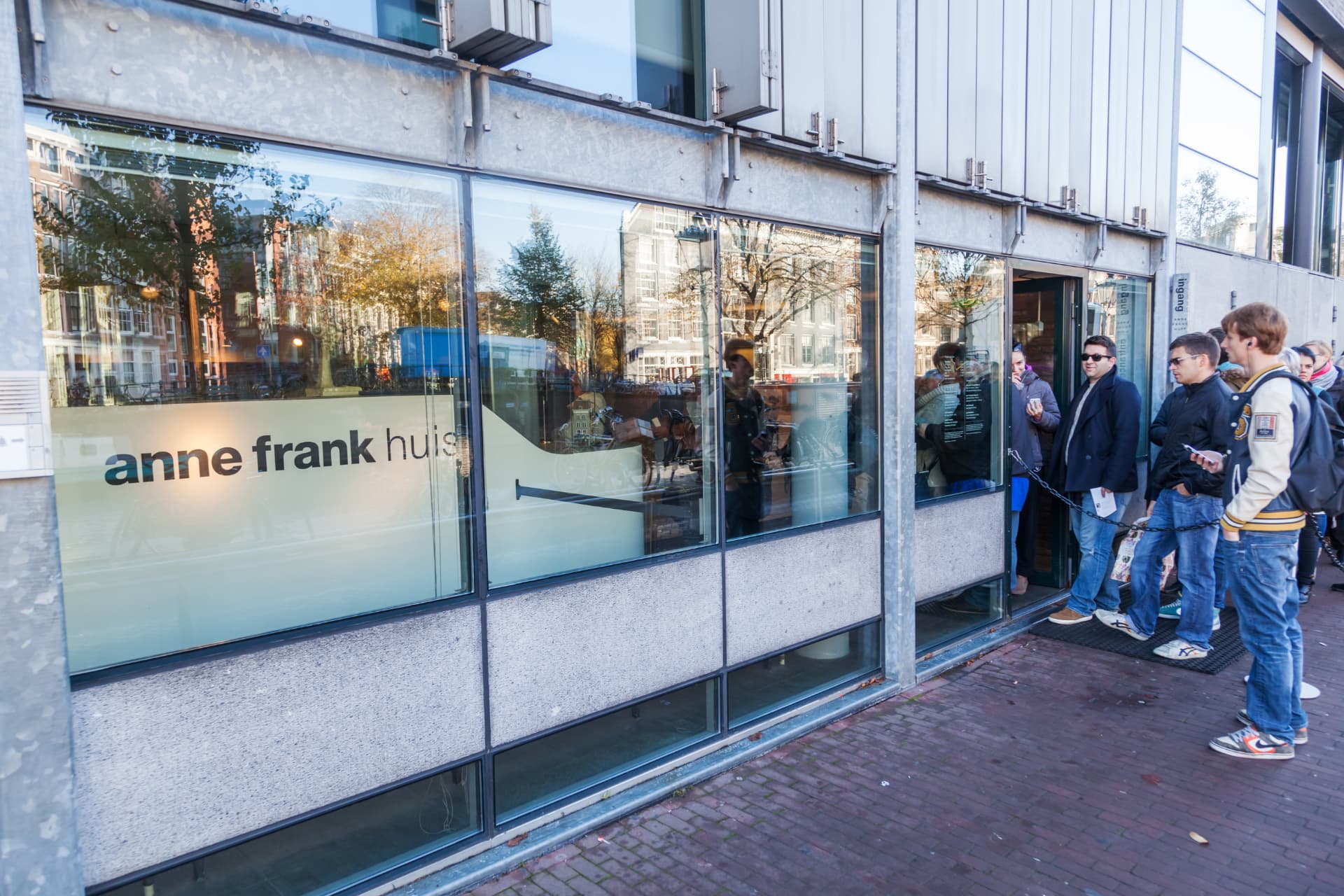
- The Secret Annex — the actual rooms where the eight people hid, kept deliberately empty at Otto Frank's request, with the original bookcase still in place.
- Anne's room — film-star pictures and postcards she pasted on the wall are still there, along with marks on the wall recording the children's heights.
- The original diary — Anne's red-and-white checked diary and her later notebooks are displayed in the museum.
- The offices and warehouse — the front of the house, where the helpers worked, with exhibits about the business and the people who risked their lives.
- Exhibition rooms — displays on the persecution of the Jews, the aftermath of the diary, and what the story means today.
Tickets and tours
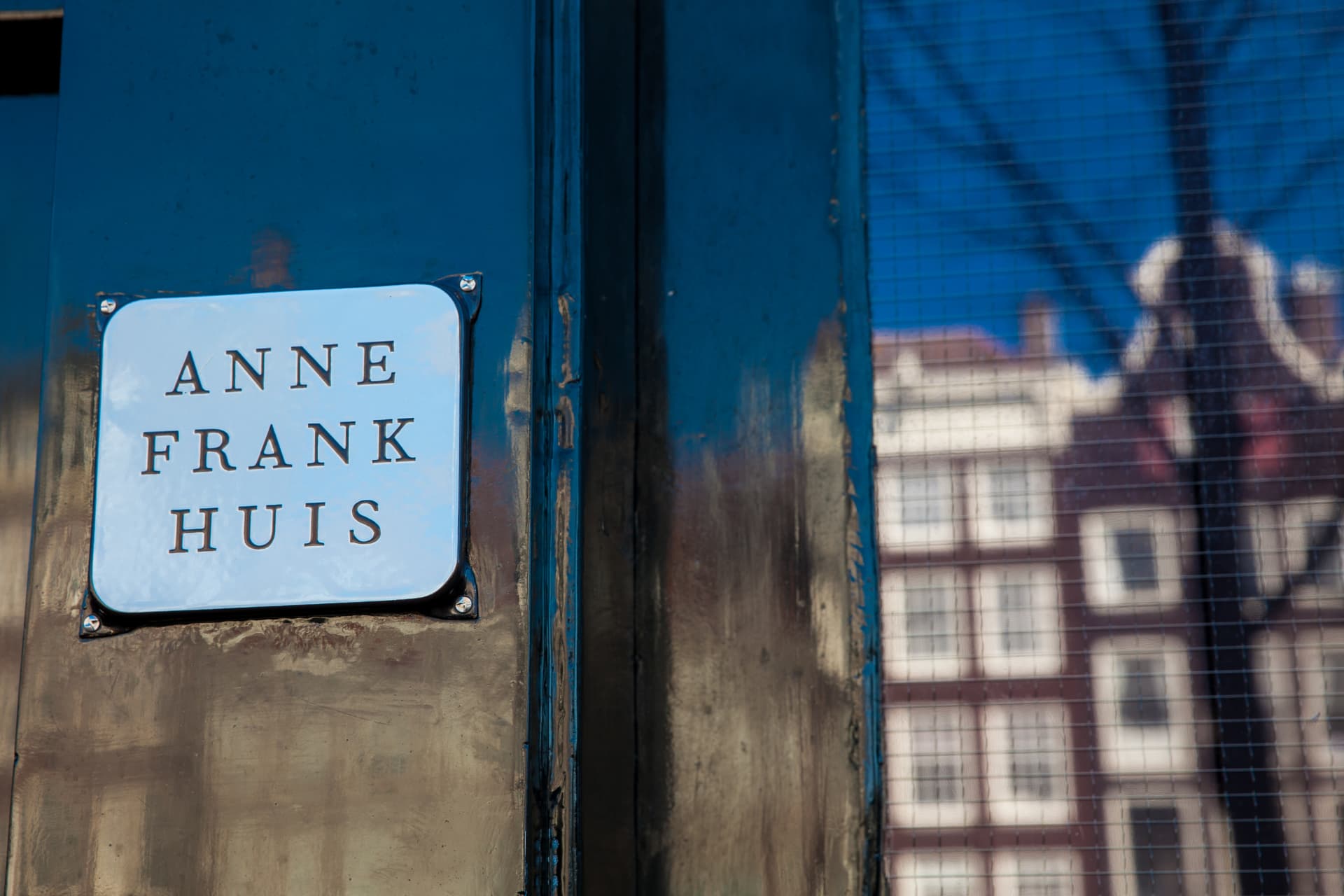
Tickets are sold online only, for a specific date and time slot, and there are no sales at the door. Demand far exceeds supply in spring and summer, so book as early as possible on the official website. If tickets are sold out for your dates, a guided tour about Anne Frank and Amsterdam's Jewish history is a worthwhile alternative — these walks cover the neighbourhood, the Westerkerk and the story of the war years, though they do not enter the museum itself.
Plan ahead
Anne Frank tours and tickets
Compare Anne Frank walking tours and Amsterdam experiences — a good option when museum time slots are sold out.
Check prices on TiqetsAffiliate link — we may earn a commission at no extra cost to you.
Official information
Anne Frank House — official website
Museum entry tickets are only sold here. Check availability, time slots and accessibility information before you travel.
Visit annefrank.org →Getting there
The museum is at Prinsengracht 263, beside the Westerkerk and its tower. From Centraal Station it is about a 20-minute walk through the Jordaan, or take a tram towards the Westermarkt stop. From Dam Square, walk west along the Raadhuisstraat — around ten minutes on foot.
Practical tips
- Book the moment your dates are fixed — time slots sell out weeks ahead in high season, and there are no door sales.
- Arrive within your time slot; latecomers may not be admitted.
- Photography is not allowed inside the museum, out of respect for the place and its story.
- The house involves steep, narrow stairs and is not suitable for visitors who cannot manage them — check the accessibility page in advance.
- Visit the Westerkerk next door afterwards; Anne wrote about hearing its bells from the annex.
- See every stop on our Amsterdam attractions map.
Frequently asked questions
Do I need to book Anne Frank House tickets in advance?
Yes. Tickets are sold online only, with a fixed date and time slot, and they regularly sell out weeks ahead in high season. There are no tickets at the door, so book as early as you can through the official website.
Can I buy Anne Frank House tickets at the door?
No. The museum does not sell tickets on site. Every visitor needs a pre-booked online ticket with a time slot. If the official site is sold out, a guided walking tour about Anne Frank and the Jewish Quarter is a good alternative way to explore the story.
How long does a visit to the Anne Frank House take?
Most visitors spend around 60 to 75 minutes inside. The route through the museum and the Secret Annex is one-way, with an audio guide included in the ticket price.
Is the Anne Frank House suitable for children?
The museum recommends it for children from about 10 years old. The subject matter is heavy, and the rooms are small and quiet. Parents know their children best, but it is worth preparing younger visitors for the story beforehand.
Is the Anne Frank House accessible for wheelchairs?
The modern museum section is accessible, but the historic Secret Annex is not: it can only be reached by steep, narrow stairs, and the old house cannot be adapted. The museum website explains the accessible route in detail.