Amsterdam · Neighbourhood
The Jordaan: Amsterdam's Most Charming Neighbourhood
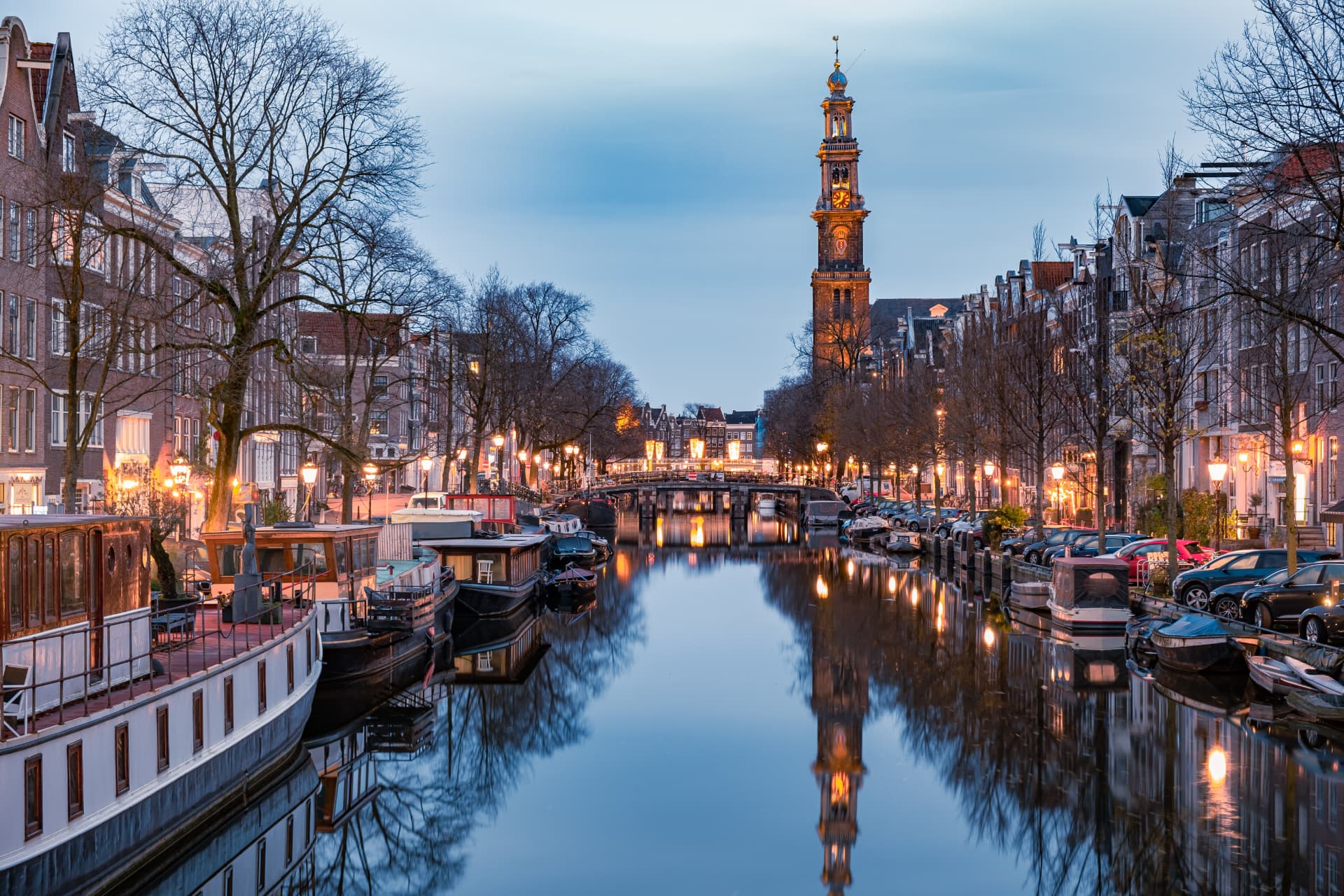
The Jordaan is the Amsterdam of postcards and daydreams — quiet canals lined with leaning gabled houses, hidden courtyards, flower-bedecked bridges and cosy brown cafés. Once a working-class district, it is now the city's most beloved neighbourhood to wander. Here is what to see and how to make the most of it.
By the AllTrips Editorial Team ·
The Jordaan at a glance
Area: west of the city centre, between the Prinsengracht and the Lijnbaansgracht. Allow: 2–3 hours, or half a day with market and café stops. Entry: free — it is a neighbourhood, not a ticketed sight. Nearby: Anne Frank House, Westerkerk and Dam Square.
The story of the Jordaan
The Jordaan was laid out in the early 17th century, during the same great expansion that dug Amsterdam's famous canal ring. While merchants built grand houses on the Herengracht and Keizersgracht, the Jordaan became a dense grid of small canals and lanes for artisans, immigrants and workers — many of them French Huguenots, which is one theory behind the name (from the French jardin, garden; many streets are named after flowers and plants).
For centuries it was poor, crowded and fiercely proud — the heart of Amsterdam's working-class culture, known for its pubs, its singers and its rebellious spirit. In the 1970s residents fought off plans to demolish swathes of the neighbourhood, and the area gradually gentrified. Today the Jordaan is one of the city's most desirable districts, but it has kept its village-like feel: neighbours still chat on bridges, and the brown cafés still sing on weekend nights.
What you will see
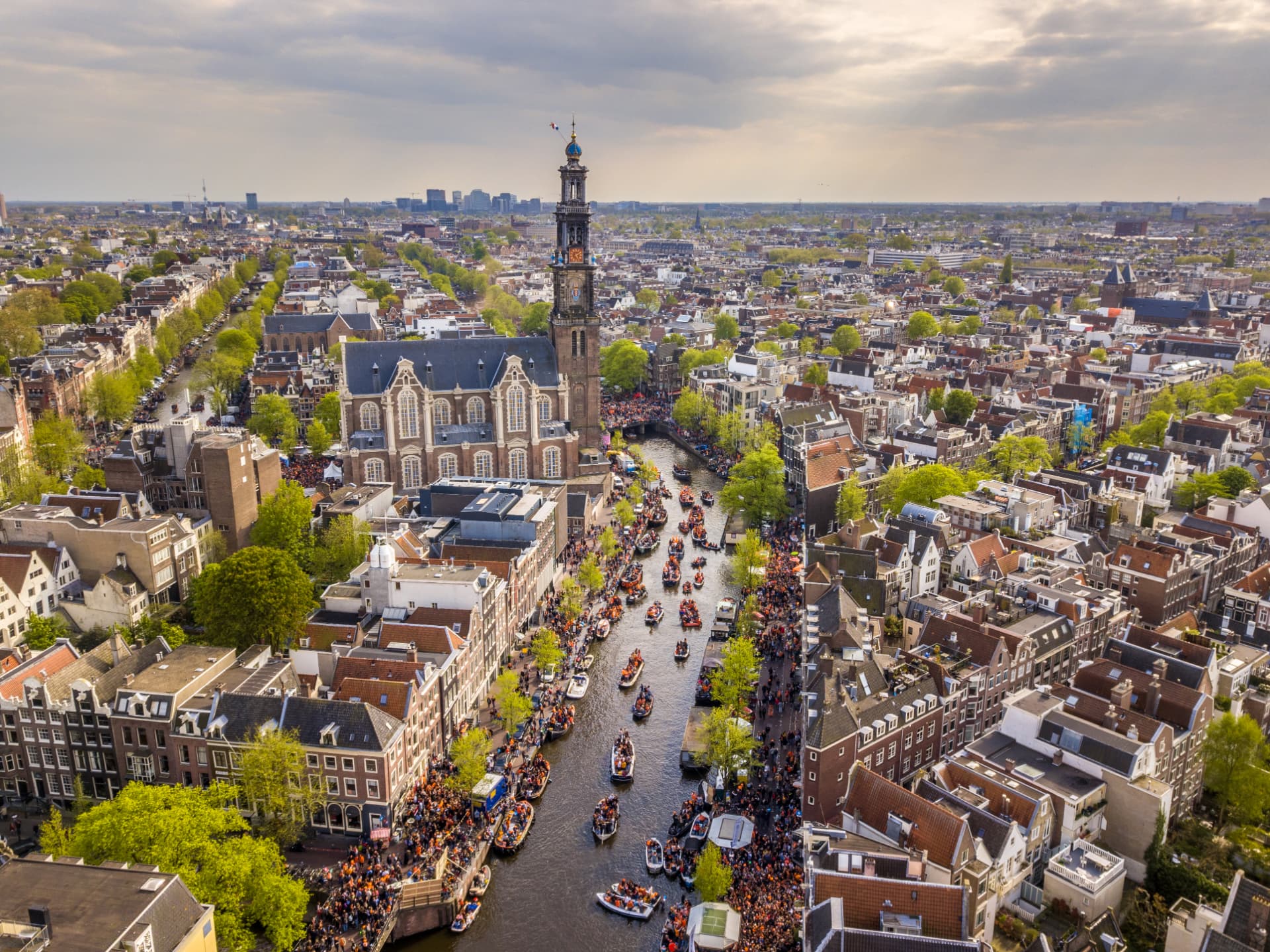
- The canals — the Egelantiersgracht, Bloemgracht and Prinsengracht are the prettiest; the Bloemgracht is often called the most beautiful canal in Amsterdam.
- The hofjes — hidden inner courtyards ringed by historic almshouses, once built for elderly women. Some, like the Karthuizerhof, are open to respectful visitors during the day.
- The Noordermarkt — the neighbourhood square hosts a beloved organic farmers' market on Saturdays and a flea market on Monday mornings.
- The 9 Streets (De Negen Straatjes) — on the Jordaan's eastern edge, nine little streets packed with vintage shops, boutiques and cafés.
- Brown cafés — traditional pubs named for their wood-and-tobacco-stained interiors; Café 't Smalle on the Egelantiersgracht is a classic, with a waterside terrace.
- The Westerkerk and Anne Frank House — the neighbourhood's two famous neighbours sit on its eastern border, on the Prinsengracht.
Getting there
The Jordaan begins just west of the Anne Frank House and the Westerkerk. From Centraal Station it is a 15-minute walk down the Haarlemmerstraat, or take a tram to the Westermarkt or Marnixplein stops. From Dam Square, walk west along the Raadhuisstraat and cross the Herengracht — you are in the Jordaan within ten minutes.
Practical tips
- The Jordaan rewards wandering — put the map away and drift between the Bloemgracht, Egelantiersgracht and the little cross streets.
- Go on Saturday morning for the Noordermarkt farmers' market, then coffee and apple pie at a café on the square.
- Hofjes are private homes: enter quietly, only where signs allow, and never photograph residents.
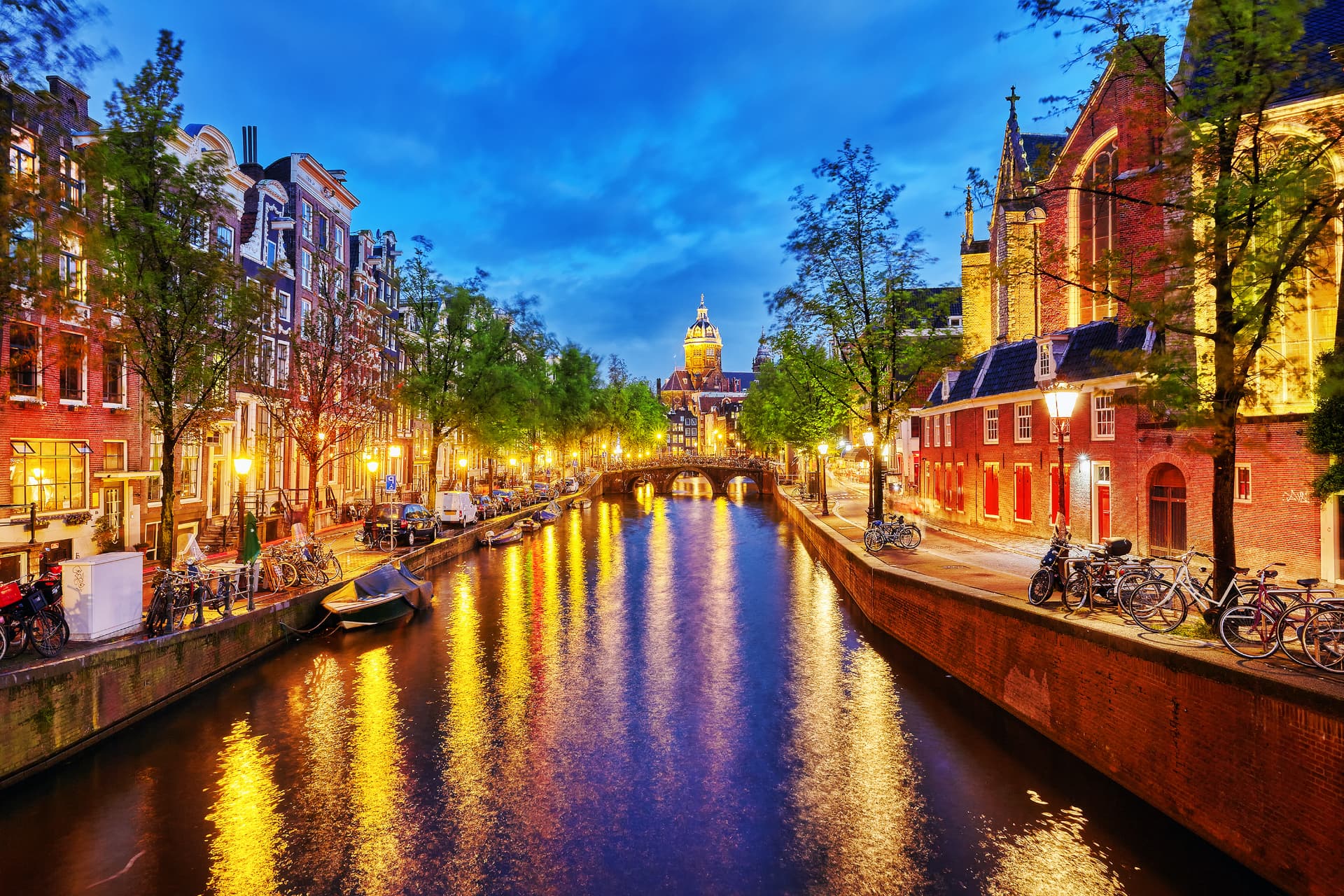
- Evening is magical — the bridges are lit and the canals mirror the gables. Bring a camera.
- Watch for bicycles: the lanes are narrow and locals ride fast.
- Combine the Jordaan with the Anne Frank House (book weeks ahead) and the Westerkerk next door.
- See every stop on our Amsterdam attractions map.
Frequently asked questions
Is the Jordaan free to visit?
Yes — the Jordaan is a residential neighbourhood, so wandering its canals, courtyards and markets costs nothing. You only pay for what you eat, drink or buy, and for ticketed sights on its edges like the Anne Frank House.
What is the Jordaan famous for?
The Jordaan is famous for its narrow canals and lanes, its hidden inner courtyards (hofjes), traditional brown cafés, independent galleries and shops, and its markets — especially the Saturday farmers' market on the Noordermarkt.
How long should I spend in the Jordaan?
Allow at least two to three hours for an unhurried wander along the canals and through the '9 Streets' shopping area on its eastern edge. Half a day is ideal if you add a market, a café stop and the Anne Frank House or Westerkerk.
When is the best time to visit the Jordaan?
Early morning is quietest and best for photos, while late afternoon into evening is when the brown cafés come alive. Saturday is market day on the Noordermarkt, and Monday morning has a famous flea market there. On King's Day (27 April) the whole neighbourhood becomes one big street party.
Is the Jordaan safe at night?
Yes — the Jordaan is one of Amsterdam's most pleasant and safe areas, day or night. As anywhere in the city, keep an eye on your belongings in busy café and market crowds, and watch out for bicycles on the narrow streets.