Paris · 16th arrondissement · Free entry
Bois de Boulogne: Paris's Great Western Park
Two and a half times the size of Central Park, with lakes, rowing boats, rose gardens, peacocks and two racecourses — the Bois de Boulogne is where Paris goes to breathe.
By the AllTrips Editorial Team ·
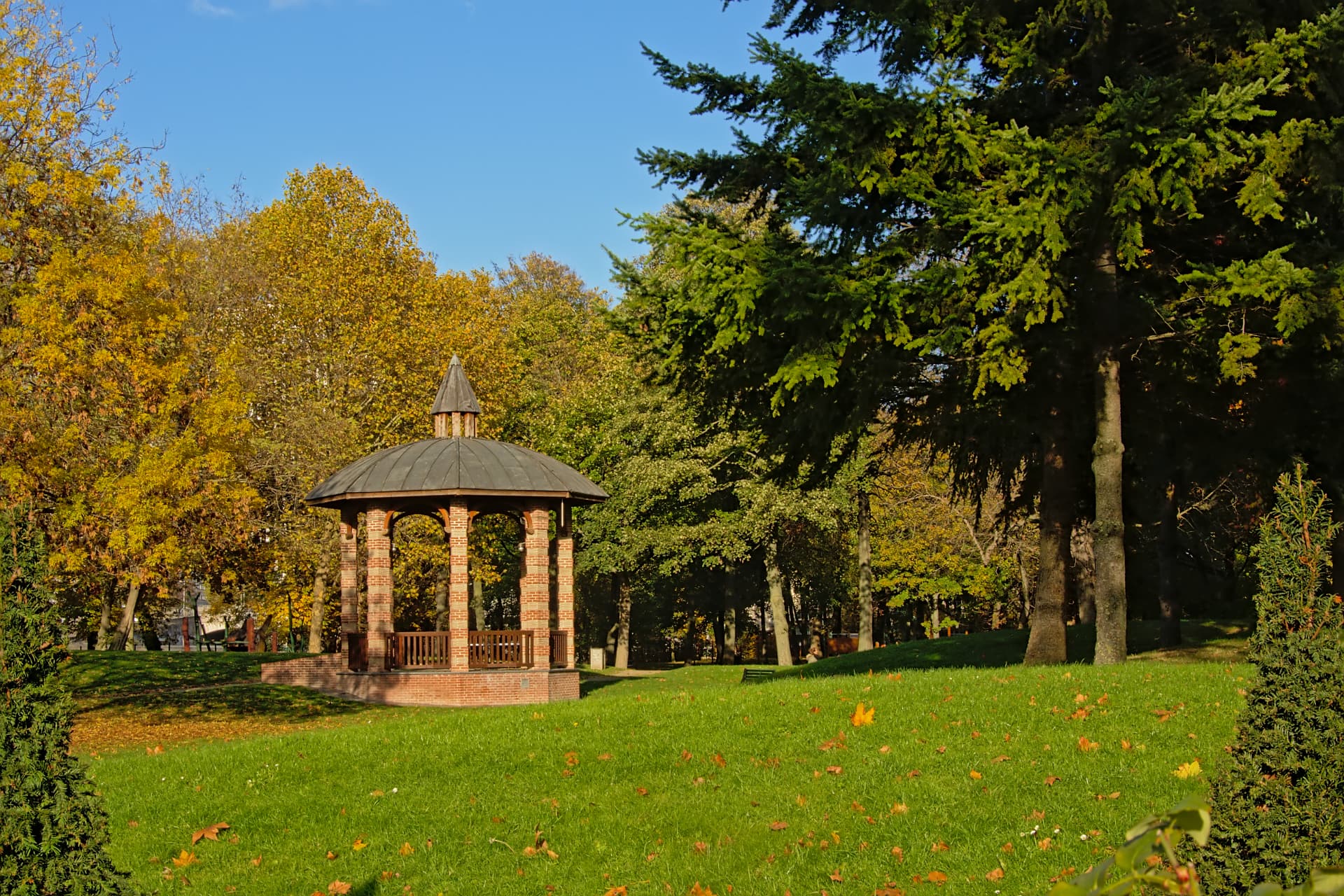
Bois de Boulogne at a glance
Area: the entire western edge of Paris, 16th arrondissement. Allow: 2–4 hours; a full day with the gardens and the Fondation Louis Vuitton. Entry: the park is free; some attractions inside charge admission. Nearby: the Fondation Louis Vuitton at the park's northern edge, the Jardin d'Acclimatation, and the Longchamp and Auteuil racecourses.
From royal forest to public park
The Bois was once the ancient Forest of Rouvray, an oak woodland where French kings hunted — and where, in 1308, Philip the Fair famously held a legendary week-long celebration. It took its present name from a pilgrimage chapel to Notre-Dame de Boulogne, and for centuries remained a wild, sometimes dangerous forest on the city's edge.
Its transformation came under Napoleon III, who admired London's Hyde Park during his exile and ordered a great public park for western Paris. Between 1852 and 1858, Baron Haussmann and the engineer Jean-Charles Adolphe Alphand — the same team behind Buttes-Chaumont and Parc Monceau — dug the two lakes, laid out the lawns and planted hundreds of thousands of trees. It has been Paris's grand playground ever since.
What to see and do
- The two lakes. The Lac Inférieur and Lac Supérieur, joined by a small waterfall, are the park's heart — hire a rowing boat on the Lac Inférieur in season, or simply walk the shore path.
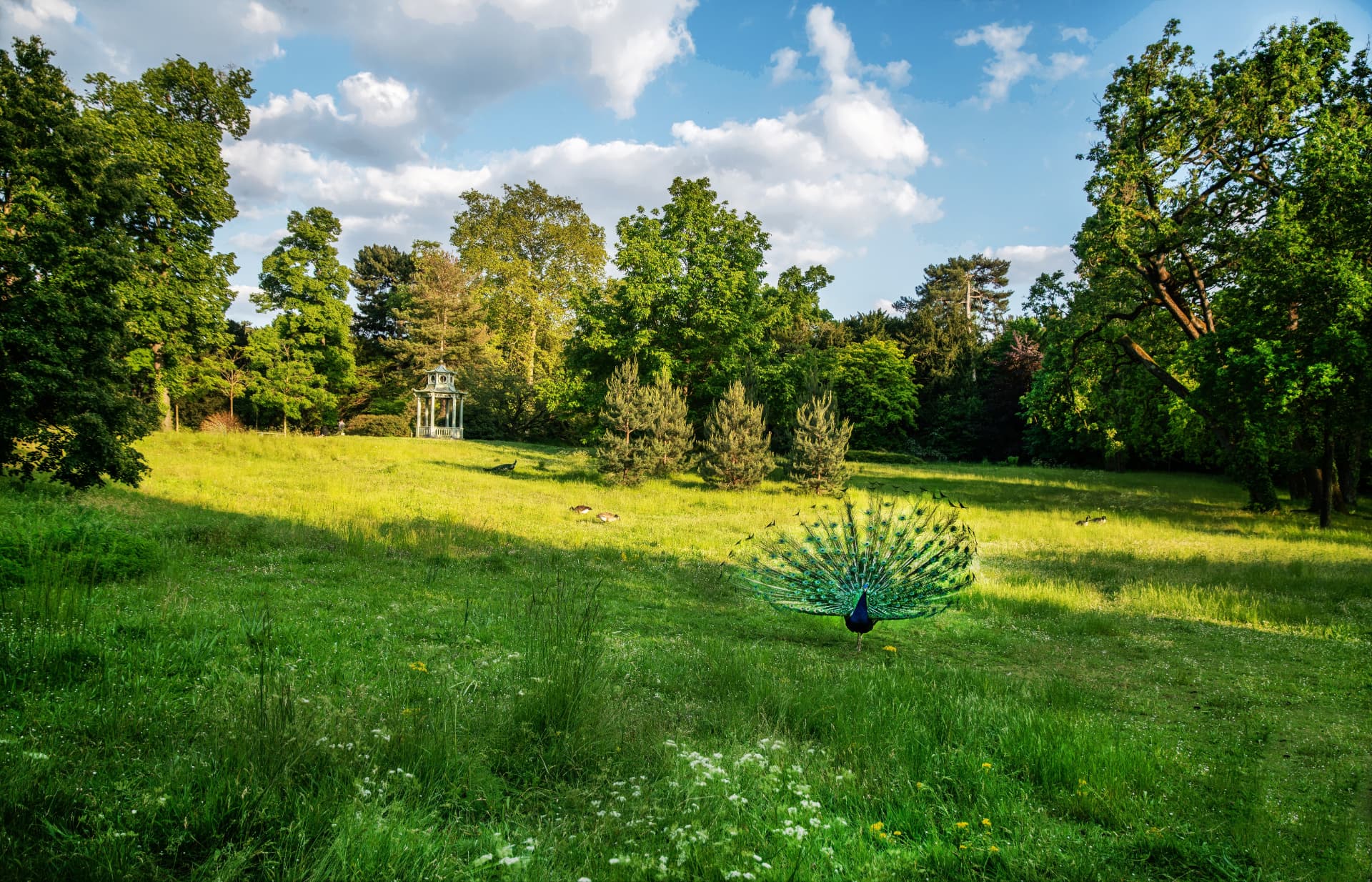
- Parc de Bagatelle. A romantic garden around an 18th-century château built in a wager (Marie-Antoinette bet it couldn't be finished in 64 days — it was), famous for its rose garden, its summer concerts and the peacocks that wander the lawns.
- Jardin d'Acclimatation. A historic pleasure park at the northern edge, with rides, a small farm and gardens — the classic Paris family day out.
- Fondation Louis Vuitton. Frank Gehry's glass "sails" rising from the trees — Paris's boldest contemporary art museum, with a rooftop view back over the park.
- The racecourses. Longchamp hosts the Prix de l'Arc de Triomphe each October, Europe's richest flat race; Auteuil is the home of French steeplechasing.
- Walking and cycling. Around 28 km of paths, bridleways and cycle routes cross the park — bikes can be rented near the main gates.
Practical tips
- It's huge — pick a zone. First-timers do best around the two lakes and Bagatelle; the northern end around the Jardin d'Acclimatation suits families.
- Daytime park. Visit by day and stick to the main paths and busier areas; the isolated wooded sections are best avoided after dark.
- Rose season. Bagatelle's roses peak in June, with a second flush in early autumn — the best times for the gardens.
- Bring a picnic. There are a few restaurants and kiosks (including the celebrated Chalet des Îles on the lake island, reached by a tiny ferry), but lawns and picnic spots are everywhere.
- Combine with the Fondation Louis Vuitton. The museum sits at the park's northern edge — an easy pairing for a full western-Paris day.
Getting there
The park has several gateways. For the lakes and the southern end: métro Porte Dauphine (line 2) or Porte d'Auteuil (line 10). For the Jardin d'Acclimatation and the Fondation Louis Vuitton: Les Sablons (line 1), then a short walk — the Fondation also runs a shuttle from place Charles de Gaulle. Buses serve the park's edges, and the Bois is an easy cycle from central Paris via the avenue Foch.
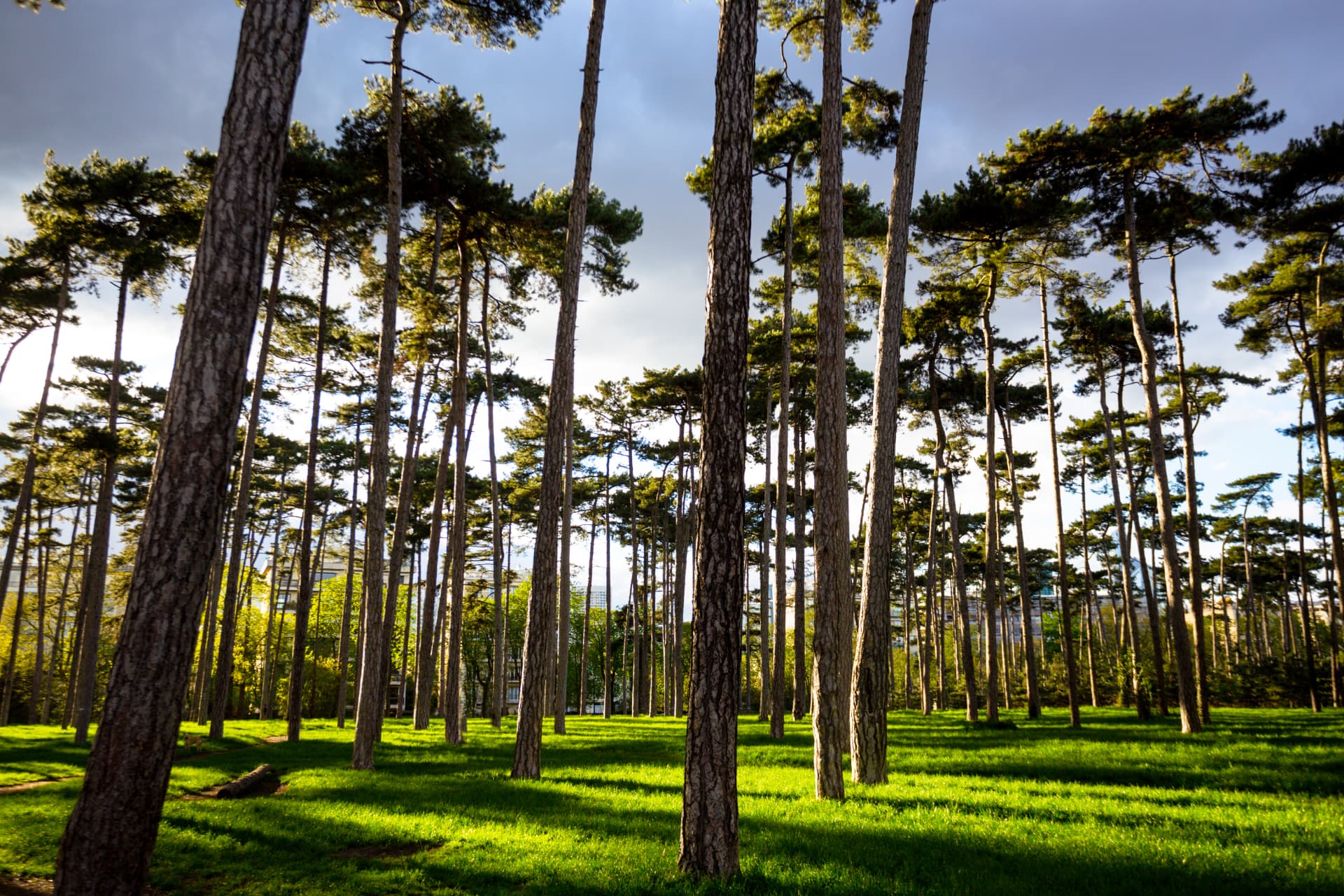
Bois de Boulogne in photos
What is nearby?
The Fondation Louis Vuitton and the Jardin d'Acclimatation sit inside the park's northern edge. Beyond it, the Arc de Triomphe is a straight walk up the avenue Foch from the Porte Dauphine gate, and the Trocadéro and Eiffel Tower are one métro stop further. See the whole western district on our Paris attractions map.
Frequently asked questions
Is the Bois de Boulogne free to enter?
Yes — the park itself is free and open day and night. Some attractions inside it charge entry, notably the Jardin d'Acclimatation amusement park, the Parc de Bagatelle during events, and the Fondation Louis Vuitton museum.
How big is the Bois de Boulogne?
About 845 hectares — roughly two and a half times the size of New York's Central Park, and together with the Bois de Vincennes it forms one of the two 'lungs' of Paris.
Can you row on the lakes in the Bois de Boulogne?
Yes — rowing boats are hired by the hour on the Lac Inférieur, the larger of the two lakes, from around spring to autumn. It is one of the classic Paris weekend pastimes.
Is the Bois de Boulogne safe to visit?
By day, absolutely — it is full of families, joggers and cyclists. Like any large wooded park, stick to the main paths and the busier areas, and avoid the isolated sections after dark.
What is the best way to explore the Bois de Boulogne?
On foot or by bike — the park has around 28 km of bridle and cycling paths. A good first visit is the loop around the two lakes, then the Parc de Bagatelle rose garden, finishing at the Fondation Louis Vuitton.
Sources
Reviewed September 2026. Boat hire, garden hours and event dates are seasonal — check the official pages before visiting.