Table of Contents
Where to buy Vatican Museums tickets
Try the official Vatican Museums site first, then compare Tiqets, Klook, and Trip.com — trusted booking partners — if official slots are sold out.
OfficialVatican MuseumsFace-value timed tickets from the Vatican's official ticketing site.Official TicketsPartnerTiqetsSkip-the-line tickets and guided tours when official slots are gone.Check PricesPartnerKlookCheck alternative ticket and tour availability.Check PricesPartnerTrip.comBundle Vatican tickets with hotels and city passes.Check PricesWhat it is
Founded by Pope Gregory XVI in 1839, the Museo Gregoriano Egizio holds ancient Egyptian antiquities collected by the popes, together with Roman-era Egyptianising sculpture — much of it from Hadrian's Villa at Tivoli. The Vatican Museums describe a nine-room layout; the last three rooms present material from the ancient Near East that was added to the wing during the 1970s.
The nine rooms
This follows the official room sequence published by the Vatican Museums.
Room I — Epigraphic artefacts
Steles, inscriptions and other written monuments in stone.
Room II — Funerary customs
Sarcophagi, coffins, funerary equipment and mummy-related material illustrating Egyptian burial practice.
Room III — Reconstruction of the Serapeum at Hadrian's Villa
A hemicycle arrangement of Egyptian and Egyptianising statuary recalling the Canopus–Serapeum complex at Tivoli.
Room IV — Egypt and Rome
Roman-period sculpture in the Egyptian manner, showing how Egyptian imagery was absorbed into imperial Rome.
Room V — Statuary
Egyptian statuary, including works in dark stone.
Room VI — Carlo Grassi Collection
The Grassi bequest: smaller objects, bronzes and everyday material.
Room VII — Alexandria and Palmyra
Material from Hellenistic and Roman Alexandria and from Palmyra.
Room VIII — Antiquities of the Ancient Near East
Mesopotamian and wider Near Eastern antiquities.
Room IX — Assyrian palace reliefs and inscriptions
Carved reliefs and cuneiform inscriptions from Assyrian royal palaces.
What to prioritise
Individual objects rotate, travel for exhibitions or go off display for conservation, so treat this as a guide to the kinds of things worth slowing down for rather than a guaranteed checklist.
- • The colossal statue of Queen Tuya, mother of Ramesses II.
- • The Antinous statuary from Hadrian's Villa, portrayed in Egyptian guise.
- • The Serapeum reconstruction in Room III — the most atmospheric space in the wing.
- • Painted coffins and cartonnage in the funerary rooms, where the colour survives remarkably well.
- • Bronze figurines of Egyptian deities in the Grassi rooms.
- • Palmyrene funerary portraits in Room VII, a striking contrast with the Egyptian material.
- • The Assyrian palace reliefs and cuneiform inscriptions in Room IX, which show court, ritual and campaign scenes rather than battle alone.
Visiting with children
Younger visitors often engage more readily here than in the long sculpture galleries: hieroglyphs, animal imagery, painted coffins and carved reliefs give them something concrete to look for. It is also close to the entrance, so it works as an early stop before attention runs out on the way to the Sistine Chapel.
How long to spend
15–30 minutes for a curious visit, 45 minutes or more if you have a specific interest in Egyptology or the ancient Near East. It sits near the entrance and is easy to add, but it is a detour away from the Sistine Chapel signage.
Frequently Asked Questions
Why does the Vatican have Egyptian objects?
Two reasons: ancient Rome imported Egyptian statues, obelisks and Egyptianising sculpture in large numbers, and nineteenth-century popes actively collected Egyptian antiquities. Gregory XVI founded the museum in 1839.Are there mummies on display?
Human and animal mummies and mummy-related material have been shown in the funerary rooms, but individual objects rotate and go off display for conservation. Treat any specific object as subject to the current display.Is it included in the ticket?
Yes — no extra charge.Where is it?
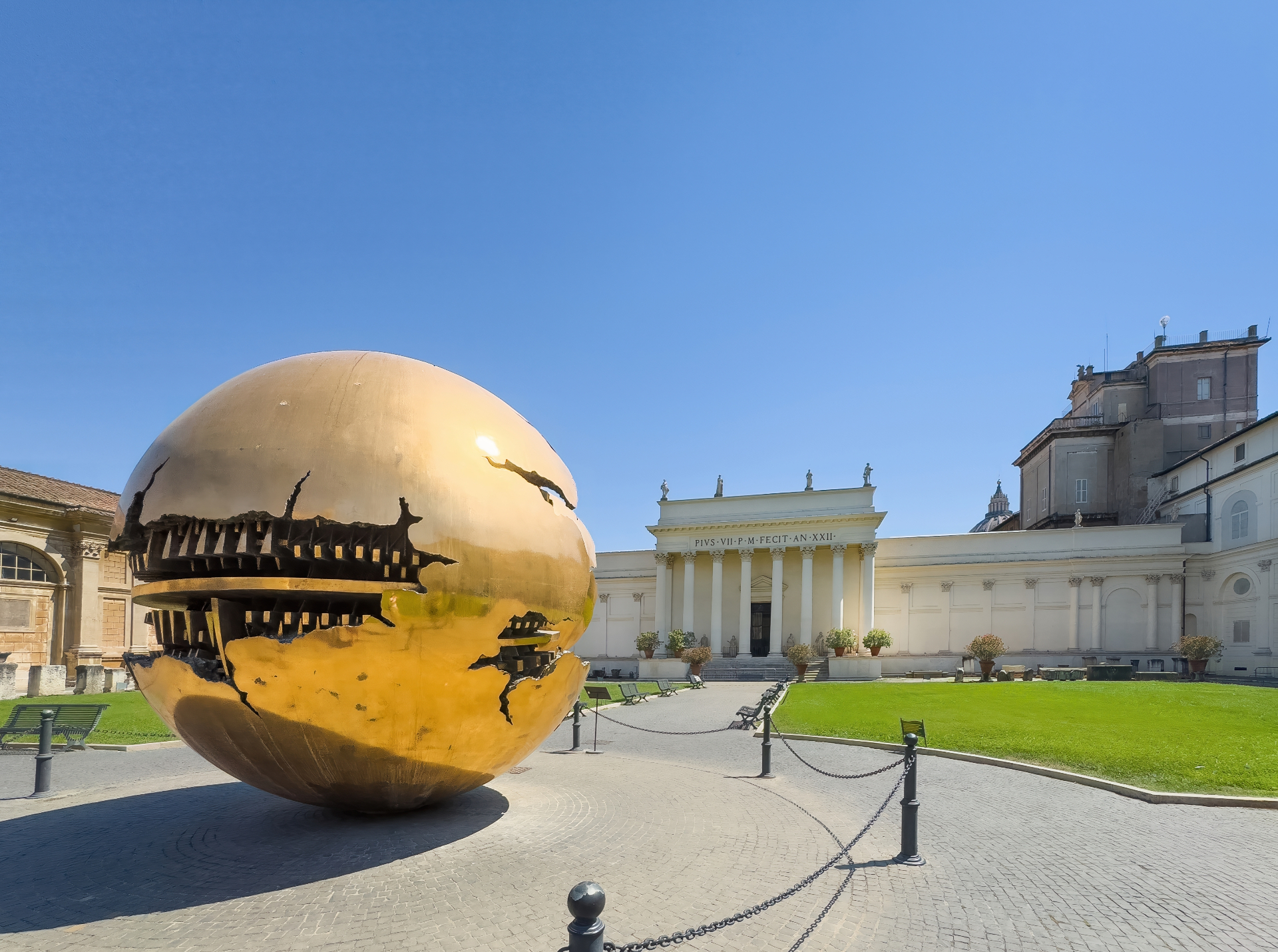
Off the Pinecone Courtyard, near the museum entrance. It is easily missed because it is a detour from the Sistine Chapel signs.Is the whole museum Egyptian?
No. The final rooms cover the ancient Near East — including Assyrian palace reliefs — material added to the wing in the 1970s.Related Vatican guides
Etruscan Museum
The sister ancient collection.
Vatican with Kids
Kid-friendly routes.
Vatican Hidden Gems
Other underrated stops.
Route Guide
How to add this wing.
Full Vatican Museums attraction guide See Rome attractions by area on the map