Rome Attractions Map: Monti
Updated October 2026 · 7 min read
By AllTrips Rome Editorial Team · Last verified October 2026
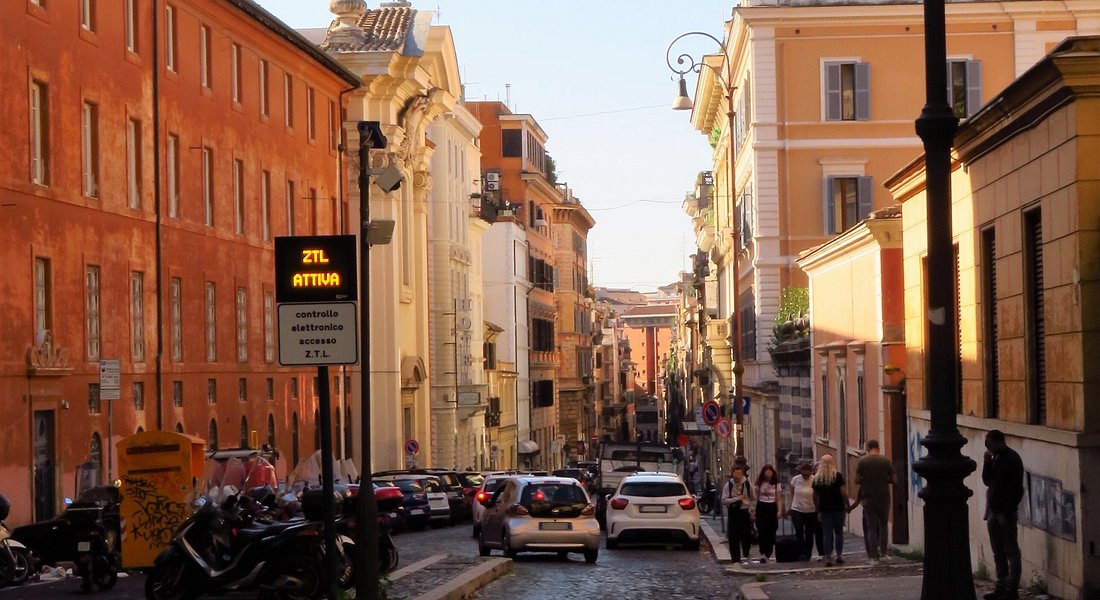
Short answer: Monti is the neighbourhood just north of the Colosseum, worth an afternoon and dinner for Michelangelo's Moses at San Pietro in Vincoli, the mosaics of Santa Maria Maggiore and Santa Prassede (all free), and lively streets of small shops and wine bars.
Monti is Rione I — traditionally identified as Rome's first rione and one of its oldest central districts. Much of today's Monti overlaps the area of ancient Subura, traditionally associated with Julius Caesar's early life. It now feels like the city's most stylish urban village: cobbled lanes, ivy-covered facades, vintage shops, wine bars and small trattorias.
Monti sits close to Santa Maria Maggiore (on the Esquiline/Monti edge), the Colosseum and the Imperial Fora, so many central sights are walkable. You come here for the atmosphere, the aperitivo scene around Piazza della Madonna dei Monti, and two extraordinary sights hidden in plain sight: Michelangelo's Moses at San Pietro in Vincoli (free) and the mosaics of Santa Maria Maggiore (also free — and, since 2025, the tomb of Pope Francis). The Colosseum is on the doorstep and requires timed admission; see the Tickets section below for the current release window and booking options.
The interactive map
Tap any pin for a short description, entry notes and a link to the full guide.


 🏛
🏛
🏛
🏛
⛪
⛪
💎
⛪
📍
📍
📍
📍
📍
💎
⛪
+− Leaflet | © OpenStreetMap contributors
What should you see in Monti?
- San Pietro in Vincoli — free church holding Michelangelo's Moses, one of the greatest sculptures in Rome. Also holds the chains traditionally said to have bound St. Peter.
- Santa Maria Maggiore — on the Esquiline/Monti edge, this major papal basilica has early Christian mosaics, the Salus Populi Romani icon, Bernini's tomb and, since 2025, the tomb of Pope Francis (left aisle, between the Pauline and Sforza chapels). Free.
- Basilica di Santa Prassede — tiny 9th-century church behind Santa Maria Maggiore with astonishing Byzantine mosaics in the Chapel of San Zeno. Free.
- Basilica di Santa Pudenziana — one of Rome's oldest Christian churches, with an important late-antique apse mosaic. Free.
- Domus Aurea (Nero's Golden House) — Nero's underground palace, typically open Friday–Sunday with timed tickets required. Opening days, tour format and VR availability change; check the official Parco archeologico del Colosseo page before you go. Check Domus Aurea availability on Tiqets.
- Piazza della Madonna dei Monti — the neighbourhood's living room, with a small Renaissance fountain locals sit around all evening.
- Via dei Serpenti + Via del Boschetto + Via Panisperna + Via Urbana — the four streets that define Monti, full of independent boutiques, vintage stores and design studios.
- Mercato Monti — weekend design & vintage market in a former hotel, usually Sat–Sun 10:00–20:00 during its operating season (roughly autumn into early summer — check current dates).
Which major sights are next door?
These are Monti-adjacent stops rather than sights inside the neighbourhood itself, but Monti's edges touch three of Rome's biggest sights, so you'll almost certainly combine them with your visit. For the full ancient-Rome map, see our dedicated Colosseum & Ancient Rome map.
- Colosseum — a short walk south. Timed admission; product-specific release windows apply (Standard tickets open 30 days ahead). Book Colosseum + Forum + Palatine on Tiqets.
- Trajan's Column & Markets / Museum of the Imperial Fora — Monti-adjacent, not inside the rione itself; the column is free from the street, while the museum has paid admission (price can vary with temporary exhibitions). Book Trajan's Markets on Tiqets.
- Roman Forum & Palatine — sit right beside the Colosseum. Forum & Palatine access is included with the main daytime PArCo Colosseum ticket products; check the exact validity of the product you buy. Combined ticket on Tiqets.
What do you need to book in Monti?
Monti's own headline sights are almost all free — the two Monti basilicas, San Pietro in Vincoli, Santa Maria Maggiore and Santa Prassede cost nothing. Save your booking energy for the Colosseum and the Domus Aurea.
- San Pietro in Vincoli — free, walk-in. Typically closes for lunch roughly 12:30–15:00; evening closing varies seasonally.
- Santa Maria Maggiore — free basilica; the museum, loggia and other special visitor areas require separate paid access.
- Santa Prassede & Santa Pudenziana — free; a typical midday closure applies at many Rome churches, so check for lunch closures on the day.
- Domus Aurea — typically open Friday–Sunday, with timed booking required. Operating days, tour format, VR availability and prices change frequently, so check the official Parco archeologico del Colosseo page before booking — or check availability on Tiqets.
- Colosseum + Forum + Palatine — timed admission, 5 min walk south. See our Colosseum tickets guide for the current official release windows, or book on Tiqets.
- Trajan's Markets / Museum of the Imperial Fora — paid admission; effective price can vary with temporary exhibitions. Advance booking is usually less critical here than for the Colosseum or Domus Aurea; check current admission and exhibition information before visiting, or book on Tiqets.
How should you spend an afternoon and evening in Monti?
- 15:30 — Start at Santa Maria Maggiore (30 min for the mosaics, the ceiling and Pope Francis's tomb).
- 16:15 — Detour into Santa Prassede for the San Zeno chapel (10 min, free).
- 16:45 — Walk down Via Urbana into the heart of Monti.
- 17:15 — Vintage shopping on Via del Boschetto, Via dei Serpenti and Via Panisperna.
- 18:15 — San Pietro in Vincoli — Michelangelo's Moses (typically reopens around 15:00).
- 19:00 — Aperitivo on Piazza della Madonna dei Monti (Ai Tre Scalini nearby on Via Panisperna).
- 20:30 — Dinner at La Carbonara, Alle Carrette (pizza) or Barzilai Bistrot.
- 22:30 — Nightcap on the piazza — Monti stays lively into the night without ever feeling like a tourist strip.
Where should you eat and drink in Monti?
- Trattorias on Via Panisperna and Via dei Serpenti — classic Roman pasta such as carbonara and amatriciana; popular places fill up, so book for Friday and Saturday dinner.
- Pizzerias towards the Forum — thin Roman-style pizza in the streets between Via Cavour and the Imperial Fora.
- Sandwich and snack shops on Via Urbana — easy, inexpensive lunch between sights.
- Wine bars around Via Panisperna and Piazza della Madonna dei Monti — small plates and long Italian wine lists; the square itself fills with people at aperitivo time.
- Cocktail and live-music bars on the side streets for later in the evening.
- Artisan gelato — look for natural colours and seasonal flavours near the central square.
- We describe types of places rather than naming businesses, because restaurants change often — check recent reviews and opening days before you go.
Where should you stay in Monti?
Monti is one of the best bases in Rome for first-time visitors: a short walk to the Colosseum and Imperial Fora, walkable to Trevi and the historic centre, and inside walking distance of Termini for arrivals.
Around Via Urbana / Via dei Serpenti — the heart of the neighbourhood, most atmospheric.
Near Cavour metro (Line B) — one stop to Colosseo and one stop to Termini, but in opposite directions on the line, so check direction before boarding.
Around Santa Maria Maggiore — slightly less charming but very well connected and often better value.
What practical tips help in Monti?
- Metro Cavour (Line B) is the neighbourhood stop — 1 stop from Colosseo and 1 stop from Termini, but the two are in opposite directions on the line, so check which platform you need.
- For the Vatican, take Line B to Termini and change to Line A (direction Battistini) — there is no direct metro from Monti.
- San Pietro in Vincoli typically closes for lunch (roughly 12:30–15:00) — don't turn up at 14:00.
- Santa Maria Maggiore enforces a dress code — shoulders and knees covered.
- Streets are cobbled and often stepped — plan luggage routes accordingly.
- Popular restaurants can fill up on Friday and Saturday evenings; reserve ahead if there's somewhere specific you want to eat.
- Monti is a busy central district with restaurants and nightlife into the evening — use normal big-city precautions, particularly around Via Cavour and toward Termini.
- Early mornings are best if you want to photograph Monti's lanes before the shops, cafés and evening crowd become the focus.
Frequently asked questions
Is Monti worth visiting?
Yes — it's one of Rome's oldest and most atmospheric neighbourhoods, minutes from the Colosseum but a world away in feel. Come for Michelangelo's Moses, Santa Maria Maggiore's mosaics (and Pope Francis's tomb), and the wine-bar scene on Piazza della Madonna dei Monti.
How do I get to Monti?
Take Metro Line B to Cavour, the neighbourhood's own stop. Monti is also a short walk from the Colosseum, about 10 minutes, and from Termini station, about 15 minutes. From the historic centre, walk along Via dei Fori Imperiali and turn left into the streets around Piazza della Madonna dei Monti.
What's the best free thing to do in Monti?
See Michelangelo's Moses at San Pietro in Vincoli, a genuine masterpiece and free to visit. Combine it with the mosaics of Santa Maria Maggiore, Santa Prassede and Santa Pudenziana for a free art walk. Churches close around lunchtime, so go in the morning, and dress with shoulders and knees covered.
Is Monti a good area to stay in Rome?
Yes, it is one of the best bases for first-time visitors. You can walk to the Colosseum, the Imperial Fora and the Trevi Fountain, and Termini station is close for airport trains. It feels quieter and more local than the main tourist streets, though bars around the main square can be lively at night.
When is the best time to visit Monti?
Late afternoon into evening is a great time, because you can browse the shops and streets, then stay for aperitivo and dinner. Come earlier in the day if your priority is the churches, which often close around lunchtime, and quieter streets. Weekend evenings are the busiest around the central square.
Is Monti safe at night?
Yes, generally. Monti is a busy central district with restaurants and bars open late, so streets stay lively well into the evening. Use normal big-city precautions against pickpockets, especially on Via Cavour and near Termini station, and keep bags closed in crowded bars and on the metro.
How long do I need in Monti?
An afternoon plus dinner covers the main churches, Moses and the shopping streets. For a full day, add the Domus Aurea, which is open on selected days and needs booking, or the Museum of the Imperial Fora at Trajan's Markets. Check current opening days on the official sites before planning.
Is Pope Francis really buried in Santa Maria Maggiore?
Yes. Pope Francis's tomb is in the left aisle of Santa Maria Maggiore, between the Pauline and Sforza chapels, and visitors can see it during normal basilica hours. Expect a queue at busy times. Dress with shoulders and knees covered, keep quiet near the tomb and follow staff directions.