Rome for First-Time Visitors: Airports, Transfers & a 3-Day Itinerary
Updated · 14 min read · By the AllTrips editorial team
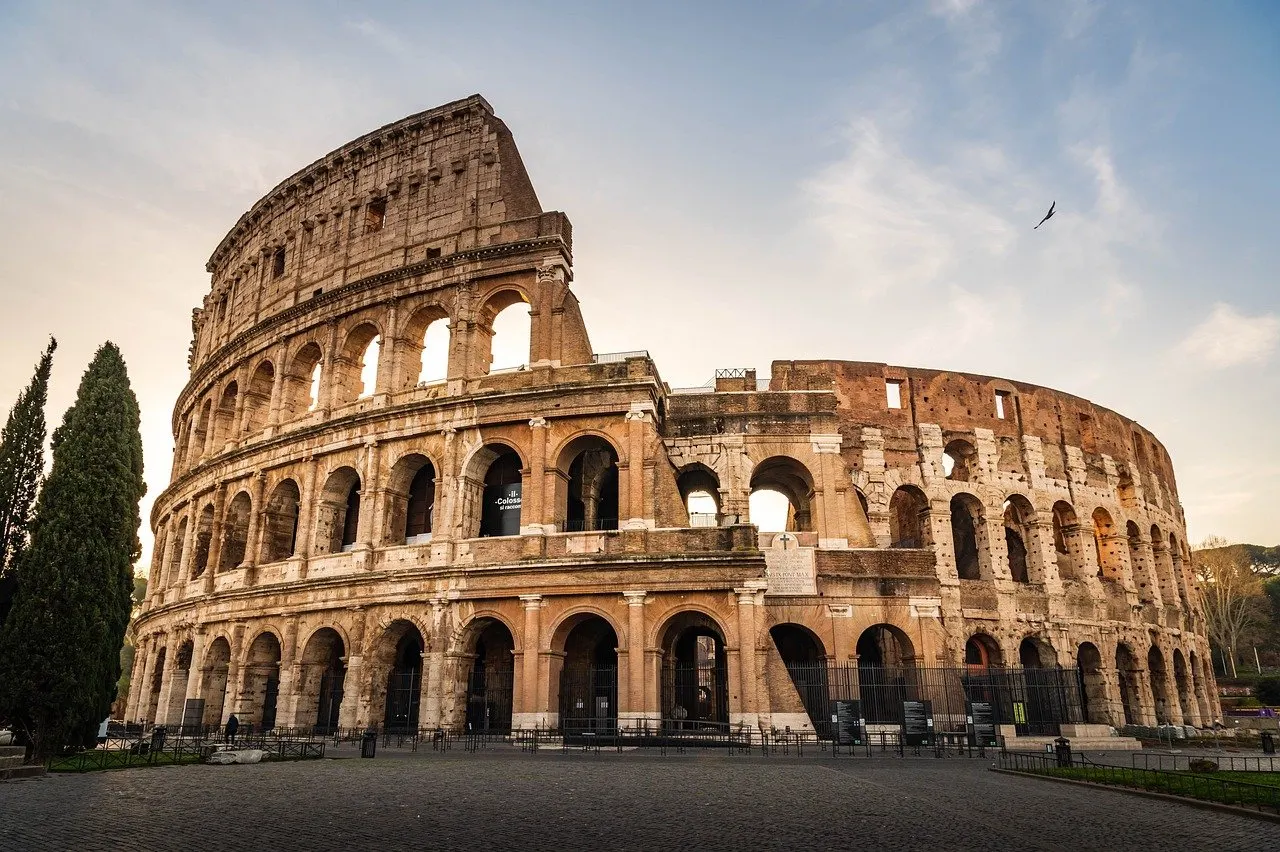
Short answer: give Rome three nights, stay inside or close to the historic centre, and plan one big ticketed sight per day — the Colosseum on one morning, the Vatican on another. Fill the rest of the day with free piazzas, fountains and long meals rather than more queues.
Some links are affiliate links: AllTrips may earn a commission if you book, at no extra cost to you. Prices and availability are checked on the booking site; the hotel, transfer and activities are booked separately.
Before you book: reserve timed tickets for the Colosseum and the Vatican Museums first, then build the other days around them. Check whether your Vatican day falls on a Sunday, and leave the final day light until you know your flight or train time.
Why go to Rome now?
Autumn and winter bring cooler walking weather, lower light that flatters the ruins and, outside holidays, fewer crowds than summer. Spring is beautiful but busy, and summer afternoons can be very hot. Whatever the season, Rome rewards early starts: the famous sights are calmest in the first hour after opening.
Are there busy dates to watch for?
Easter, Christmas and major Church celebrations bring large crowds around the Vatican, and some sites change their hours on religious and public holidays. Check the official Vatican Museums calendar and the Colosseum Archaeological Park website for your exact dates rather than assuming normal opening.
Which airport should you fly into?
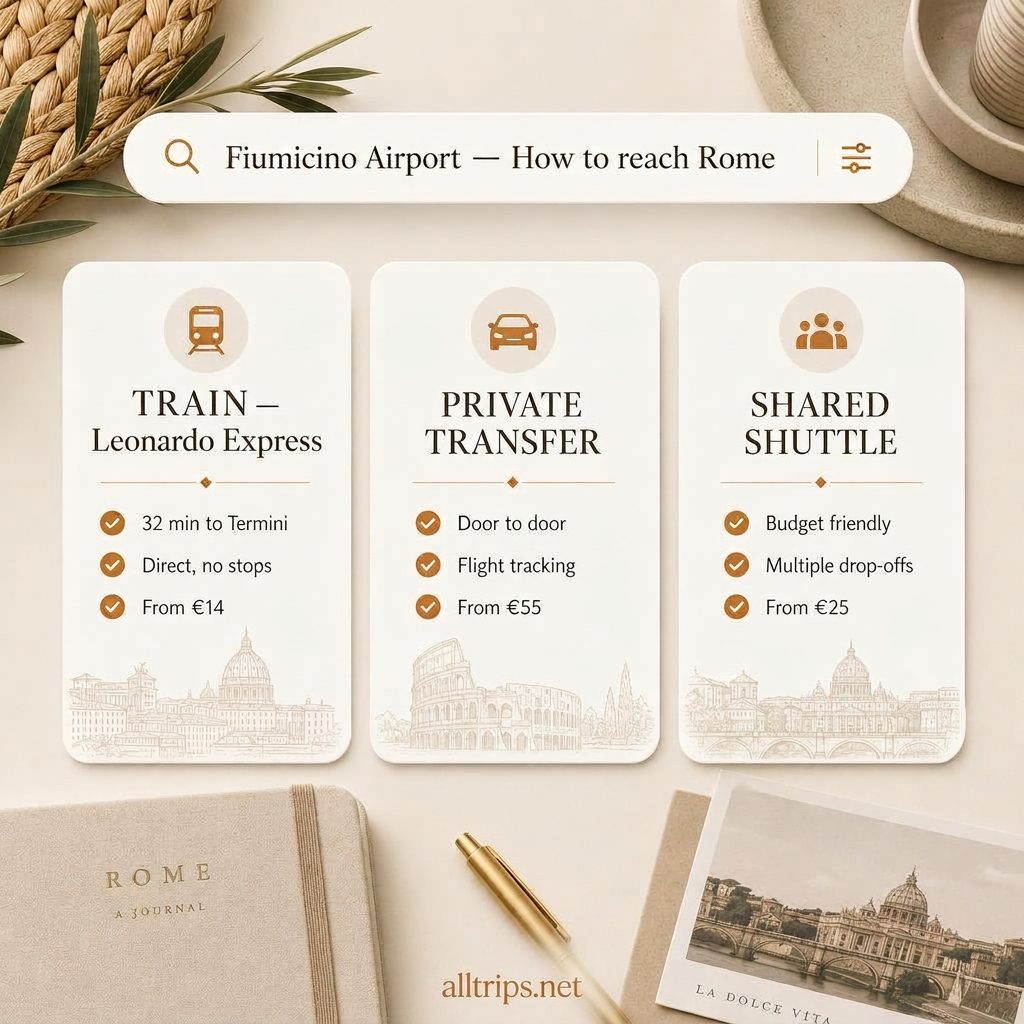
Rome has two airports. Fiumicino handles most international flights and has a direct train; Ciampino is smaller and used mainly by low-cost airlines, with buses rather than a terminal train. Times below are typical estimates — check the official operators for current schedules and fares.
Rome Fiumicino Airport (FCO)
About 30 km south-west of the centre. Most long-haul and full-service flights land here.
- Leonardo Express train to Roma Termini — about 30–35 minutes non-stop. Simple if your hotel is near Termini or a metro stop.
- Regional FL1 train — slower, but stops at Trastevere, Ostiense and Tiburtina, which can suit hotels on that side of the city.
- Airport buses to Termini — usually the lowest fare, roughly 50–70 minutes depending on traffic.
- Official white taxi — the City of Rome sets a fixed fare from Fiumicino to the historic centre inside the Aurelian Walls; check the current amount before you travel.
Rome Ciampino Airport (CIA)
About 15 km south-east of the centre. Mostly low-cost airlines.
- Direct bus to Termini — roughly 40 minutes, depending on traffic.
- Bus to Ciampino station, then a short regional train to Termini.
- Official taxi — a fixed fare to the historic centre also applies; confirm the current amount.
Official info: Aeroporti di Roma (Fiumicino and Ciampino), Trenitalia airport trains and ATAC city transport. Official links checked 31 October 2026.
Find flights to Rome
Compare airlines, dates and prices into both Fiumicino and Ciampino in one search — then match your arrival time to the transfer options in the next chapter.
Search flights to RomeAffiliate link: we may earn a commission if you book, at no extra cost to you.
Rome airport transfers: which one should you book?
Short answer: from Fiumicino, the train is usually the easiest choice for light travellers staying near Termini; a pre-booked car or official taxi suits families, heavy luggage and late arrivals. From Ciampino, a bus or a car is the practical choice.
| Option | Good fit | Main trade-off |
|---|---|---|
| Leonardo Express · middle cost | Fiumicino arrivals staying near Termini | Ends at Termini; hotel travel comes afterwards |
| Airport bus · lower cost | Budget travellers, Ciampino arrivals | Traffic makes the journey time less predictable |
| Official taxi · fixed fare to centre | Groups or luggage; hotel inside the walls | Queue at the rank; only official white taxis |
| Pre-booked car · quoted total | Families, late arrivals, hotels outside the centre | Book and confirm the meeting point in advance |
Ride time is not hotel arrival time. Add passport control and bags, the walk to the platform or rank, the next departure and the final walk or taxi. Many central streets are restricted traffic zones, so a car may stop a short walk from your door — ask your hotel.
Train from Fiumicino: the reliable choice
The Leonardo Express runs non-stop between the airport station and Termini. Buy and validate your ticket before boarding. If your hotel is near Trastevere or Ostiense, compare the regional FL1 line, which stops there directly.
Compare Leonardo Express tickets to buy before you land.
Leonardo Express ticketsShuttle bus: the budget option
Several companies run buses from both airports to Termini and sometimes the Vatican area. Fares are low, but the ride depends on traffic. Pre-booking gives you a fixed ticket, not a guaranteed seat on a specific departure — check the product’s rules.
Compare Fiumicino shuttle-bus tickets to Termini or the Vatican area.
Fiumicino shuttle busCiampino transfers
Ciampino has no train at the terminal, so most visitors take a direct bus to Termini or a car. A combined bus ticket booked in advance saves buying one after a late flight.
Compare Ciampino bus transfers for a low-cost flight.
Ciampino airport busPrivate car or official taxi: door to door
A pre-booked driver meets you at arrivals with a sign, which helps with children, mobility needs or a late landing. If you take a taxi instead, use only the official white taxis at the rank and confirm the fixed fare applies to your destination. Welcome Pickups and Kiwitaxi both list Rome airport transfers — choose your actual airport and hotel address when you search.
Compare a pre-booked driver who waits at arrivals; confirm the meeting point.
Private driver – Welcome PickupsCompare a quoted airport-car transfer for your group; confirm luggage capacity and child seats.
Airport taxi – KiwitaxiAffiliate links: we may earn a commission at no extra cost to you. Transfer times are typical estimates; prices change, so check the current fare before you book. For the full comparison, read our Rome airport transfer guide.

Meet your driver at arrivals
Start your trip the calm way: a driver waits with your name, helps with the bags and takes you straight to your hotel — no ticket machines or taxi queues after a long flight.
Book a Welcome Pickups driverAffiliate link: we may earn a commission if you book, at no extra cost to you.
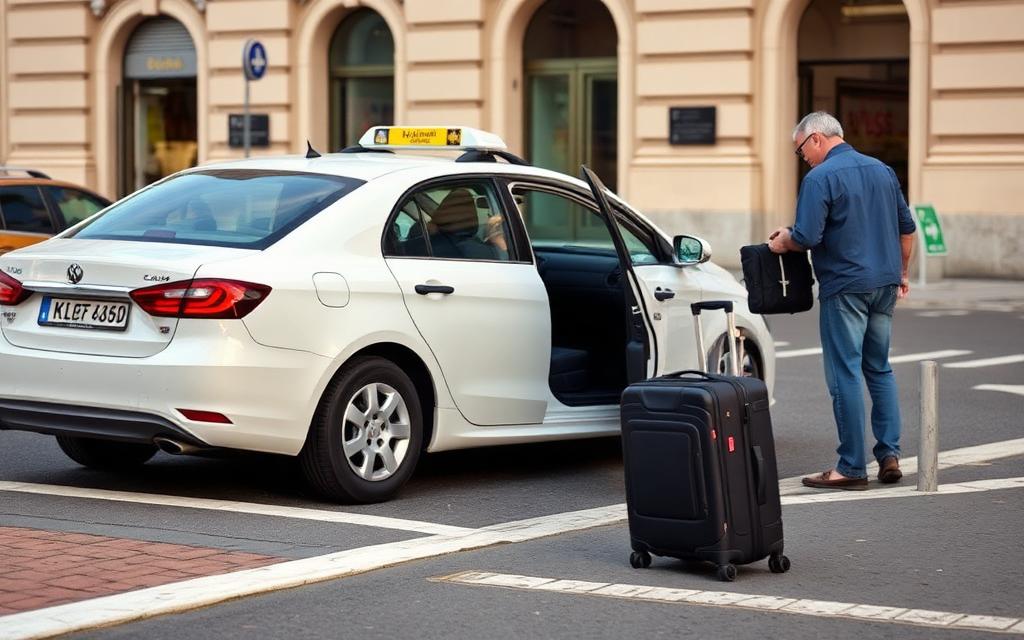
Fix your airport price in advance
Landing late or leaving on an early flight? A pre-booked airport car gives you a known price and pickup time — useful for families, groups and hotels outside the centre.
Compare Kiwitaxi transfersAffiliate link: we may earn a commission if you book, at no extra cost to you.
How do you get around Rome?
On foot: The historic centre is best explored walking. Pantheon, Navona and Trevi are close together; the Colosseum and Vatican are on opposite sides of the centre, which is why this plan gives them separate days.
Metro: Two useful lines for visitors: Line A (Termini, Spagna, Ottaviano for the Vatican) and Line B (Termini, Colosseo). The newer Line C also reaches Colosseo. The metro does not run through the narrow historic core around the Pantheon.
Buses, trams and taxis: Buses and trams fill the gaps, though traffic can slow them. Tram 8 is handy for Trastevere. Use official white taxis from ranks or a licensed app.
Do you need a transport pass?
Many first-time visitors walk most of the time and only take a few metro rides, so single tickets are often enough. ATAC sells timed tickets and 24-, 48- and 72-hour passes, and contactless bank cards can be tapped at metro gates. Check current options on ATAC’s official site.
Is a Rome city pass worth it?
A sightseeing pass can make sense if you plan several paid sights in three days. Compare what is actually included — and whether timed reservations are still needed — with your own plan. Read our Rome pass versus Colosseum tickets comparison before buying.
How should you spend three days in Rome?
Use these clock times as a sample, not a reservation schedule. Visit lengths and transfer allowances are planning estimates. Each day has one main ticketed sight, a long lunch and an unhurried evening — add more only if you still have energy.
Day 1: Arrive, then Pantheon, Navona, Trevi and the Spanish Steps
A gentle first afternoon in the historic centre: everything is close together, and nothing needs to be rushed.
Arriving late? Skip straight to dinner and an evening look at Trevi; move the Pantheon to another morning. Short on energy? Leave the Spanish Steps for another evening — it is only a short walk north of Trevi.
Arrival – 14:00 · Hotel check-in
- Time needed:
- 30–60 min
- Lines:
- None
- To next stop:
- Walk or short taxi to the Pantheon
Leave your bags first — cobbles and crowds make sightseeing with luggage hard.
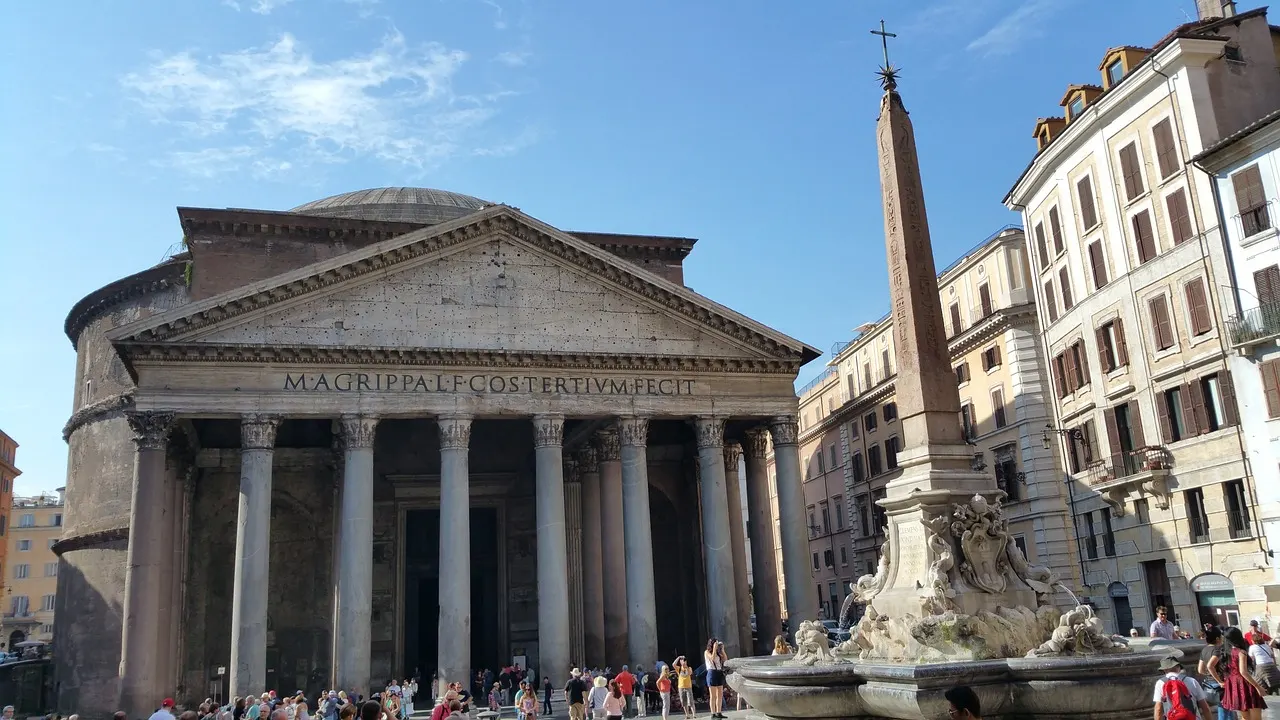
15:00 · Pantheon
- Time needed:
- 30–45 min
- Lines:
- Entry is ticketed; lines vary — a pre-booked slot helps at busy times
- To next stop:
- About 5–10 min walk
Look up at the oculus. Visits can be suspended during religious services.
Book Pantheon tickets Affiliate link16:00 · Piazza Navona
- Time needed:
- 30–45 min
- Lines:
- None — it is a public square
- To next stop:
- About 15 min walk
Stop for coffee away from the square itself for lower prices.
18:30 · Trevi Fountain
- Time needed:
- 20–30 min at the fountain
- Lines:
- The inner area near the basin has a small ticket; the square view is free
- To next stop:
- About 10 min walk to the Spanish Steps
Evening is lively; for photos without crowds, come back early another morning.
Book the Trevi Fountain ticket Affiliate link19:15 · Spanish Steps, then dinner
- Time needed:
- 20–30 min at the steps; 1.5–2 hours for dinner
- Lines:
- None — it is a public square
- To next stop:
- Walk or taxi back to the hotel
Sitting on the steps is not allowed. Climb to the top for the rooftop view, then choose a side street for dinner.
Day 2: Colosseum, Roman Forum and Trastevere
Your ancient Rome day. Start early with a timed Colosseum entry, then walk into the Forum and Palatine Hill, which are usually covered by the same ticket — check its validity.
Feeling tired after the ruins? Rest at the hotel in the afternoon; Rome’s evening is long. Hot day? Do the Forum first and keep shade and water handy — there is little cover on the Palatine.
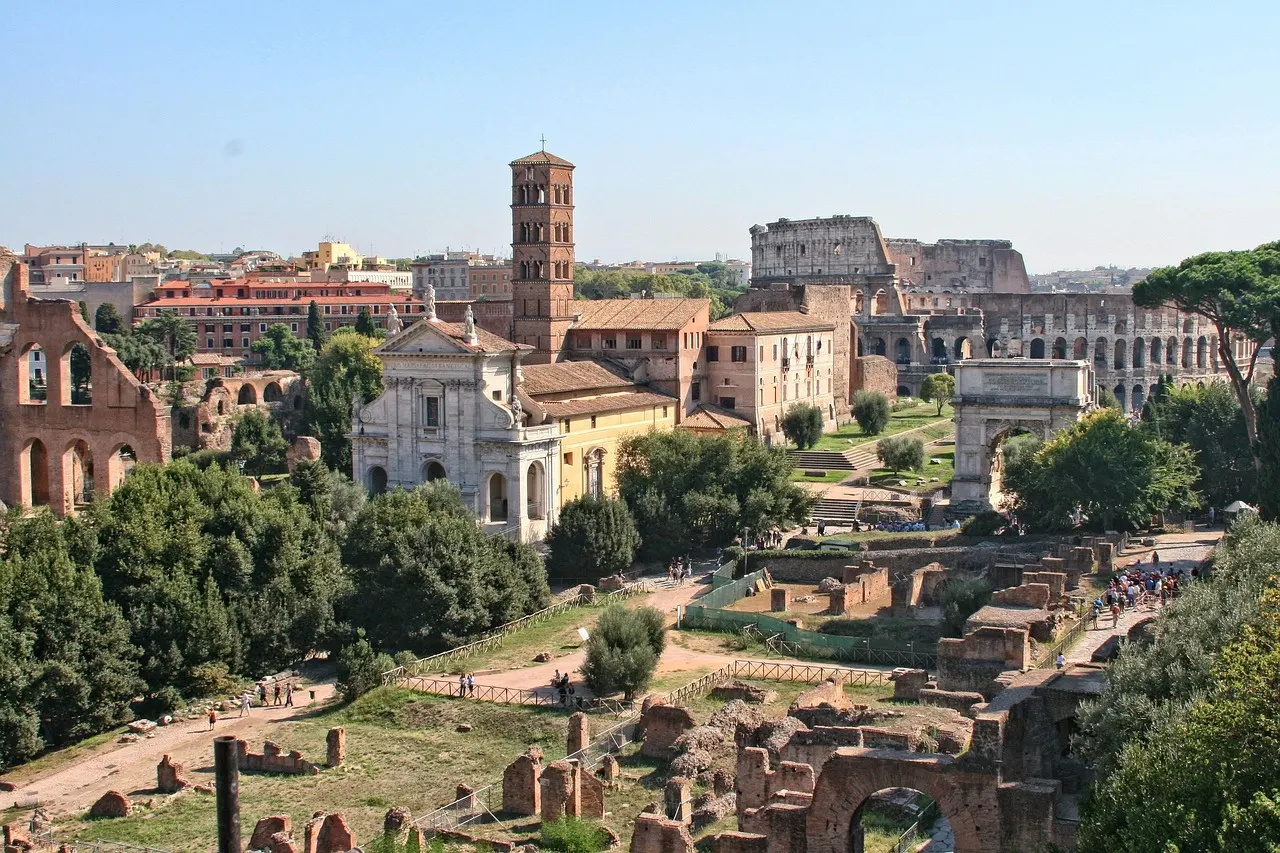
09:00 · Colosseum
- Time needed:
- 1–1.5 hours
- Lines:
- Timed tickets still involve a security check; arrive 15–30 min before your slot
- To next stop:
- About 5 min walk to the Forum entrance
Underground and arena-floor access are separate ticket types — book them ahead if you want them.
Book Colosseum tickets Affiliate link10:45 · Roman Forum and Palatine Hill
- Time needed:
- 2–2.5 hours
- Lines:
- Usually short with a ticket already in hand
- To next stop:
- About 10 min walk to Monti
Wear good shoes; the ground is uneven and dusty.
13:30 · Lunch in Monti
- Time needed:
- About 1 hour
- Lines:
- Usually none
- To next stop:
- Rest at the hotel, then tram or taxi to Trastevere
Monti’s side streets have more choice than the cafés facing the Colosseum. After lunch, walk to Piazza della Madonna dei Monti, the neighbourhood’s fountain square, and step into San Pietro in Vincoli (free entry) to see Michelangelo’s Moses. Via del Boschetto is the lane for small independent shops.
19:00 · Trastevere evening
- Time needed:
- 2–3 hours with dinner
- Lines:
- Book dinner ahead at weekends
- To next stop:
- Taxi or tram back
Start at Piazza di Santa Maria in Trastevere and step inside the basilica (free) for its golden mosaics, then wander the cobbled lanes around Vicolo del Cinque. After dinner, cross Ponte Sisto for the lit-up view back towards the centre — the area is at its best after dark.
Day 3: Vatican Museums, St Peter’s and departure
Start early with a timed Vatican Museums entry, then visit St Peter’s Basilica. If you fly out today, keep a generous buffer and leave the afternoon free.
Sunday? The Vatican Museums are normally closed on Sundays except the last Sunday of the month. Swap Day 2 and Day 3, or visit only St Peter’s this morning. Early flight? Choose St Peter’s or the Museums, not both. Check official Vatican Museums hours — checked 31 October 2026.
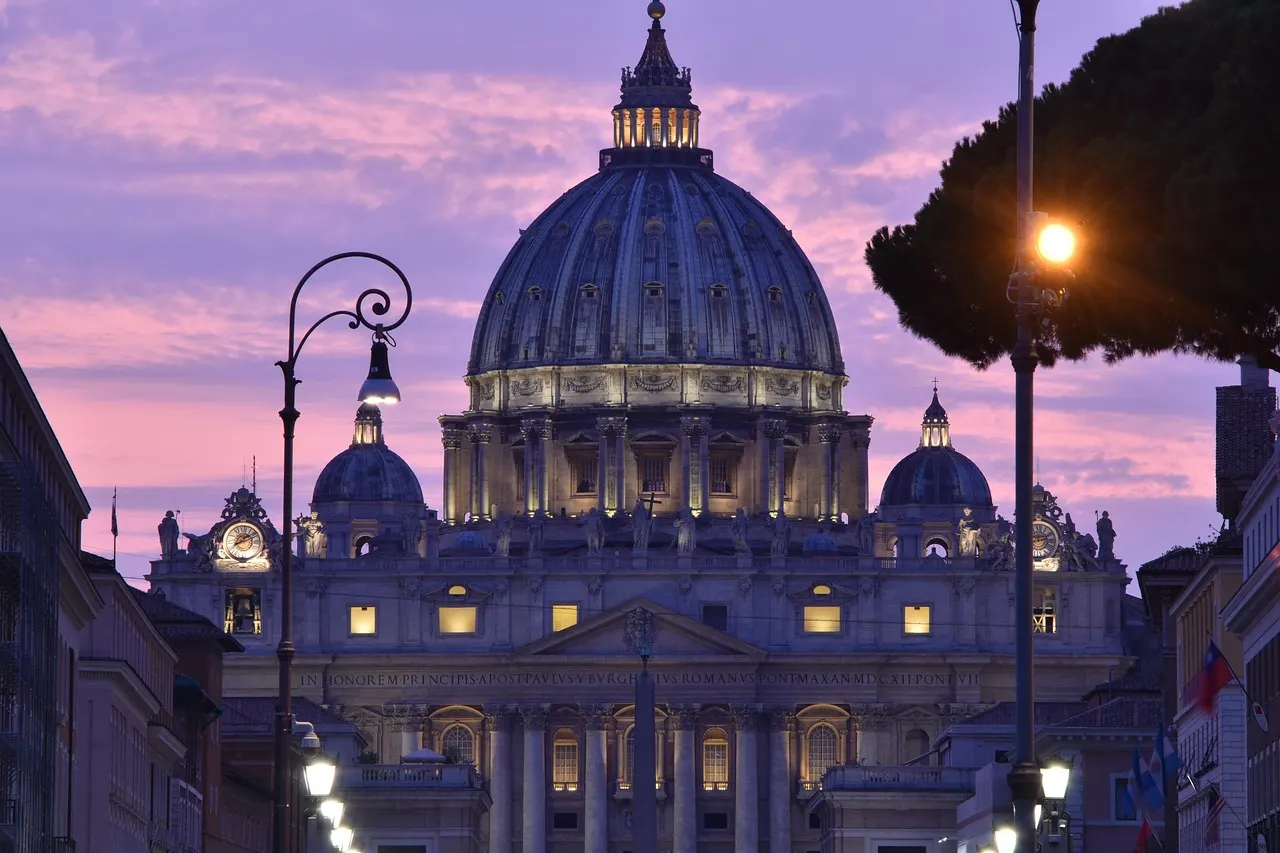
08:30 · Vatican Museums and Sistine Chapel
- Time needed:
- 2.5–3 hours
- Lines:
- Booked entry avoids the ticket line, but expect security and crowded rooms
- To next stop:
- About 10–15 min walk to St Peter’s Square
Shoulders and knees covered; silence and no photos in the Sistine Chapel.
Book Vatican Museums tickets Affiliate link12:00 · St Peter’s Basilica
- Time needed:
- 45–60 min (more with the dome climb)
- Lines:
- Security lines vary widely; entry to the basilica is free
- To next stop:
- About 10 min walk
Same dress code as the Museums. The dome climb has its own ticket and many steps.
13:30 · Lunch in Prati, then Castel Sant’Angelo
- Time needed:
- 1 hour lunch; a short riverside look at the castle
- Lines:
- —
- To next stop:
- Back to the hotel for your luggage
Walk across Ponte Sant’Angelo for one last classic view.
Afternoon · flexible · Collect luggage and travel to the airport
- Time needed:
- —
- Lines:
- —
- To next stop:
- Train, bus or car
This is not your check-in time. Add the transfer and your airline’s required airport buffer.
Check current hours and rules on the official Colosseum Archaeological Park and Vatican Museums websites. For a longer plan, see our classic 3-day Rome itinerary. Want more places or other options? Browse our Rome attractions map with the main sights on one interactive map.
When do people eat in Rome?
Plan around these windows — many kitchens close between lunch and dinner.
- Breakfast (07:30–10:00): Usually a cappuccino and a pastry at a bar counter. Check whether your hotel rate includes breakfast.
- Lunch (12:30–14:30): A relaxed lunch takes about an hour. Pizza by the slice is a quick option between sights.
- Aperitivo (18:00–20:00): A drink with small snacks — a pleasant pause before a later dinner.
- Dinner (19:30–22:30): Romans eat late. Book ahead at weekends, especially in Trastevere and Monti.
Is a Rome food tour worth it?
For a first visit, often yes. A guided food walk introduces Roman classics — carbonara, cacio e pepe, supplì, gelato — and shows you how to order and which areas to come back to. Book it on your first or second evening so you can use what you learn.
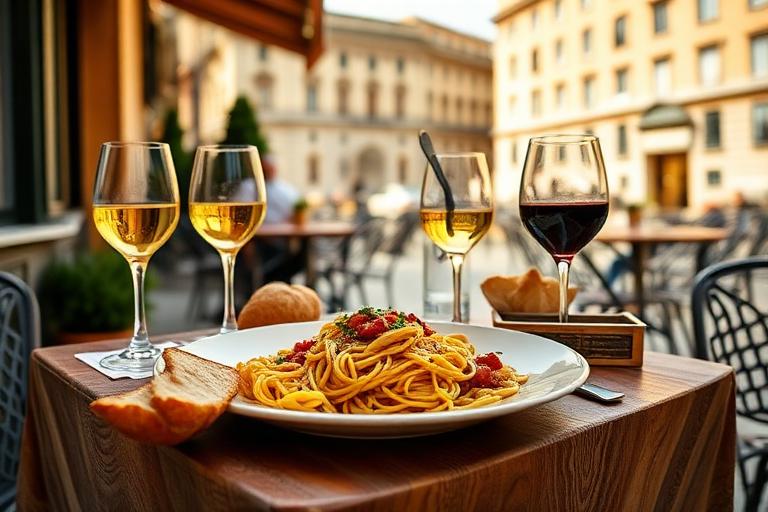
Taste Rome like a local
Supplì, carbonara, a glass of local wine and gelato to finish — a food tour turns one evening into a tasting walk through the city’s favourite flavours.
See Rome food toursAffiliate link: we may earn a commission if you book, at no extra cost to you.
Where to stay in Rome
For a first, short trip, a walkable base saves more time than any transfer trick. The historic centre puts you close to most of this plan; areas near Termini are practical for trains and often better value.
Centro Storico (Pantheon, Navona) — best for walking everywhere. Charming but usually the most expensive, and some streets are lively at night.
Monti — close to the Colosseum, with good restaurants and a neighbourhood feel.
Near Termini — practical for airport trains and metro lines; check the exact street before booking.
Trastevere — atmospheric evenings and food; quieter streets are better for sleep.
For couples, check room size and evening noise. For families, confirm beds for every child, a lift and breakfast hours. Everyone should check air conditioning, late check-in, luggage storage and cancellation terms.
Find your Rome stay
Compare areas, room types and booking conditions for your dates. Enter every traveller, including children, to see suitable rooms.
See Rome hotelsStay in the historic centre
Compare hotels near the Pantheon and Piazza Navona for a walkable base. Check evening noise and taxi access.
See hotels in the historic centreStay near Termini
Compare stays near the main station for airport trains and both metro lines. Look at the exact street and reviews.
See hotels near TerminiRooms for families
Compare family rooms and apartments-style hotels with enough beds. Confirm the bed setup and a lift before booking.
See family hotels in RomeA special 5-star stay
Compare Rome’s 5-star hotels for a special trip, and check which rooms have the view or terrace you want.
See 5-star hotels in RomeAventine and Testaccio
Compare calmer stays south of the centre with a local food scene. Check the metro or tram route to the sights.
See hotels in Aventine and TestaccioSome links are affiliate links: AllTrips may earn a commission if you book, at no extra cost to you. Prices and availability are checked on the booking site; the hotel, transfer and activities are booked separately.
Want more detail? Read our guide to where to stay in Rome and our best hotels in Rome list.
Practical tips before you go
- Book the Colosseum and Vatican Museums ahead; popular time slots sell out, especially in spring and autumn.
- Cover shoulders and knees for churches and the Vatican — carry a light scarf.
- Carry a refillable bottle: Rome’s public drinking fountains (nasoni) provide free water.
- Watch your belongings on busy buses, the metro and at major sights.
Tickets, city tax and accessibility: what should you check?
Rome charges a city tourist tax per person per night, usually paid at the hotel and not always included in the online price. Ask your hotel how and when it is collected.
Ticket rules change: check which areas your Colosseum ticket includes, how long it is valid and whether names must match ID. Our Colosseum tickets guide explains the main options.
For wheelchairs or strollers, cobbles and steps are common in the centre. Check step-free routes at each site and confirm hotel lifts and entrance steps before booking.
Not your destination?
- Venice — canals, St Mark’s and the lagoon islands in three days.
- Paris — art, viewpoints and classic boulevards.
- Amsterdam — canals, museums and easy cycling.
Frequently asked questions
How many days do you need in Rome?
Three days is a good first visit: one day for the Pantheon, Navona and Trevi, one for the Colosseum and Roman Forum, and one for the Vatican. With more time, add a slower neighbourhood day or a day trip rather than packing more sights into each day.
Which airport is better for Rome, Fiumicino or Ciampino?
Fiumicino is larger, has a direct train to Termini and handles most international flights. Ciampino is closer but mainly serves low-cost airlines and relies on buses or cars. Choose the airport with the better flight times, then match the transfer to your hotel.
Do you need to book the Colosseum and Vatican in advance?
Booking ahead is strongly recommended, especially in busy months, because timed slots can sell out. A booked ticket avoids the ticket line but not security checks, so arrive before your slot and check the official rules for your date.
Are the Vatican Museums open on Sunday?
Normally they are closed on Sundays except the last Sunday of each month, which is very busy. St Peter’s Basilica follows its own schedule. Check the official Vatican calendar for your date and swap your days if needed.
Where is the best area to stay in Rome for first-timers?
The historic centre around the Pantheon and Navona is the most walkable. Monti suits travellers who want to be near the Colosseum, and the Termini area is practical for trains and often cheaper. Choose based on budget and how much evening noise you accept.
What time do people eat dinner in Rome?
Dinner usually starts from around 19:30 and many Romans eat later, often 20:30 or after. Lunch runs roughly 12:30 to 14:30, and many kitchens close in between. Book ahead for Friday and Saturday evenings in popular areas.
Times, prices and opening hours change. This guide was last checked on 31 October 2026; always confirm details on the official websites before you travel.