Amsterdam · Shopping district
De Negen Straatjes: Amsterdam's 9 Streets of Boutiques and Brown Cafés
De Negen Straatjes — the 9 Streets — are nine little lanes strung across Amsterdam's grandest canals, packed with vintage shops, independent boutiques, speciality food stores and some of the city's cosiest cafés. It is the prettiest shopping district in the Netherlands, and one of the nicest places in Amsterdam to simply wander. Here is what to see and how to make the most of it.
By the AllTrips Editorial Team ·
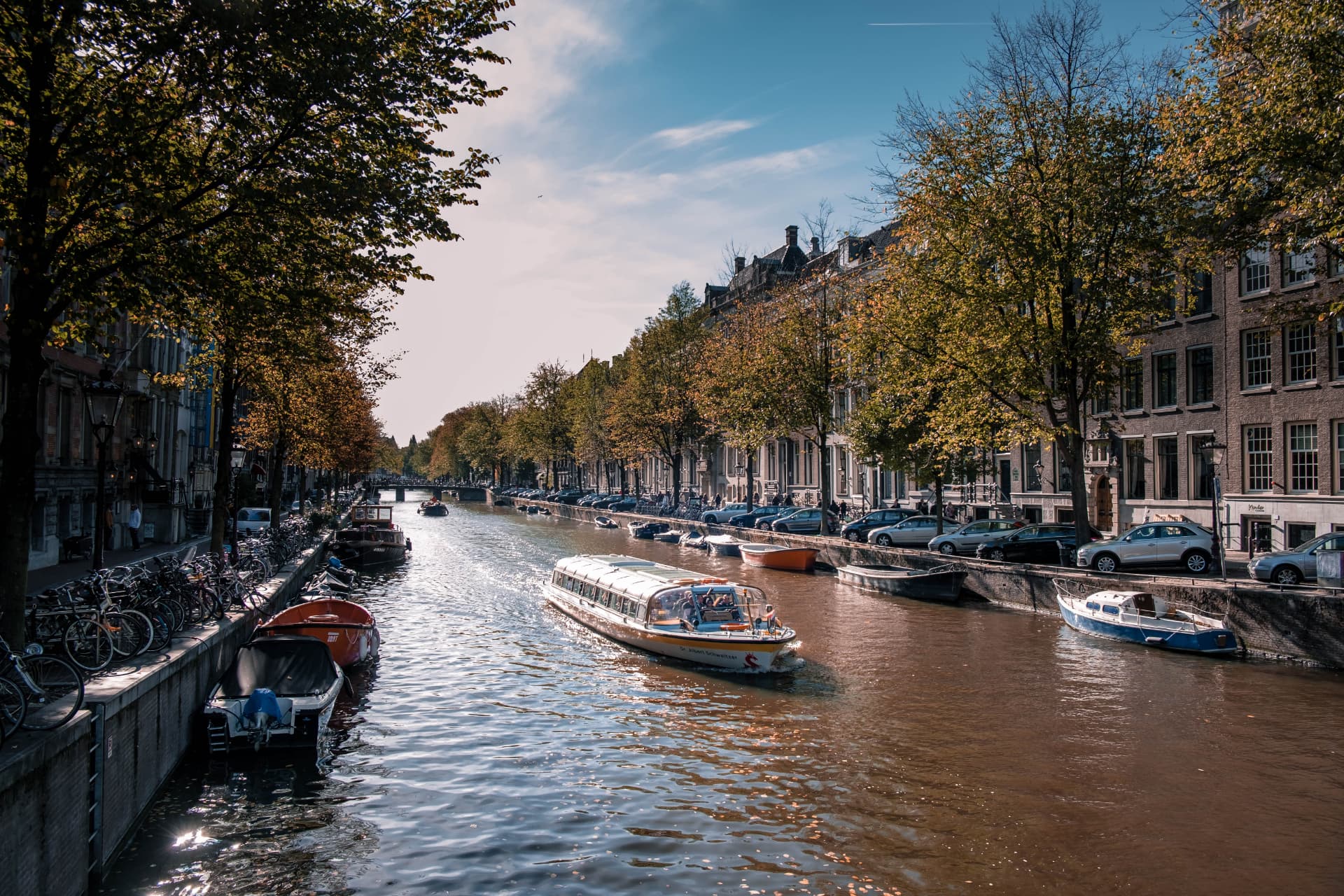
De Negen Straatjes at a glance
Area: nine side streets crossing the Herengracht, Keizersgracht and Prinsengracht, between the Raadhuisstraat and the Leidsegracht. Allow: 1–2 hours, or half a day with shopping and café stops. Entry: free — it is a shopping district, not a ticketed sight. Nearby: the Jordaan, Anne Frank House, Dam Square and Leidseplein.
The story of the 9 Streets
The 9 Streets were laid out in the early 17th century as part of the great canal-ring expansion that made Amsterdam rich. While the grand canals were lined with merchants' mansions, these little cross streets were home to artisans and traders — many of them in the leather trade, which is why streets are still named after animal hides: Berenstraat (bear), Wolvenstraat (wolf), Huidenstraat (hides) and Runstraat (after the run, or ox).
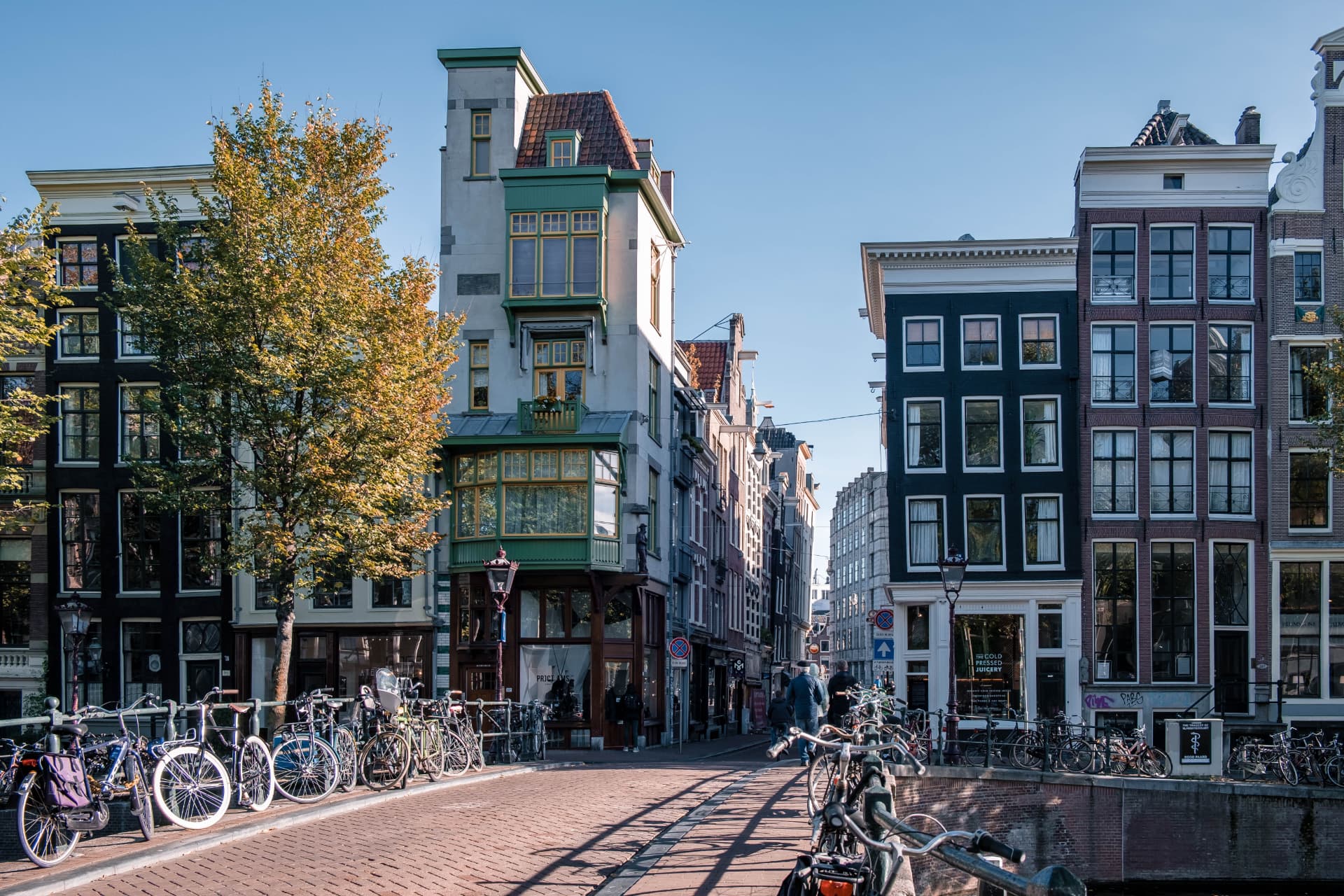
For centuries the lanes stayed small-scale and workaday. Then, in the 1990s, a group of local shopkeepers rebranded the quarter as De Negen Straatjes, and it slowly became what it is today: Amsterdam's answer to a village high street, where chain stores are the exception and most shops are one-of-a-kind. The canal houses around them are UNESCO-listed, so the backdrop is as much of an attraction as the shopping.
What you will see
- Vintage and second-hand shops — the 9 Streets are Amsterdam's vintage capital, with rails of retro fashion alongside designer consignment stores.
- Independent boutiques — Dutch designers, jewellery makers, hatters, stationery shops and concept stores you will not find anywhere else.
- Speciality food — cheese shops, chocolatiers, tea merchants and bakeries; the area is ideal for edible souvenirs.
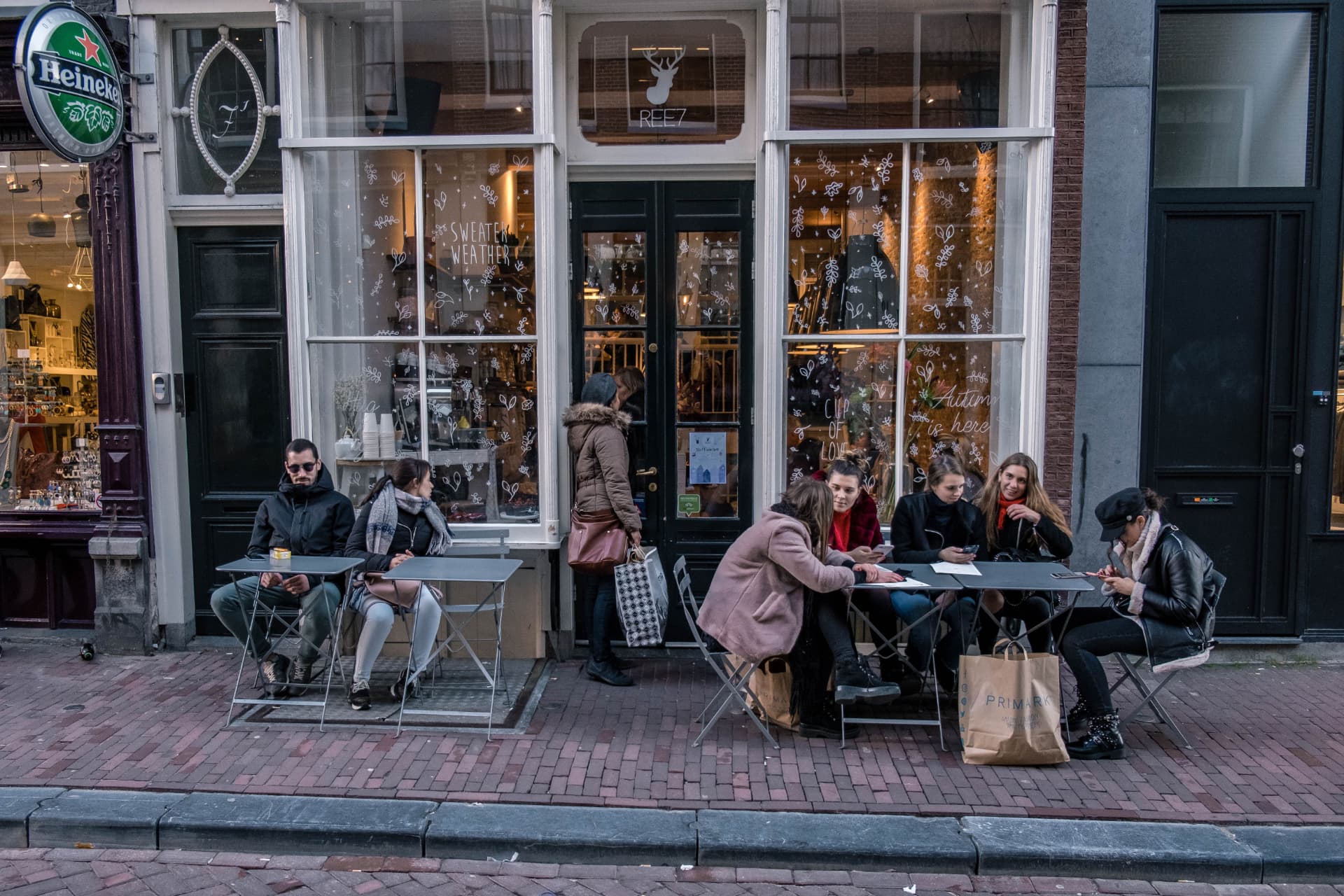
- Cafés and lunchrooms — tiny coffee bars and cake cafés spill onto the pavements; in autumn the terraces stay busy well into the afternoon.
- The canals themselves — the Herengracht, Keizersgracht and Prinsengracht crossings give you classic Amsterdam views in every direction.
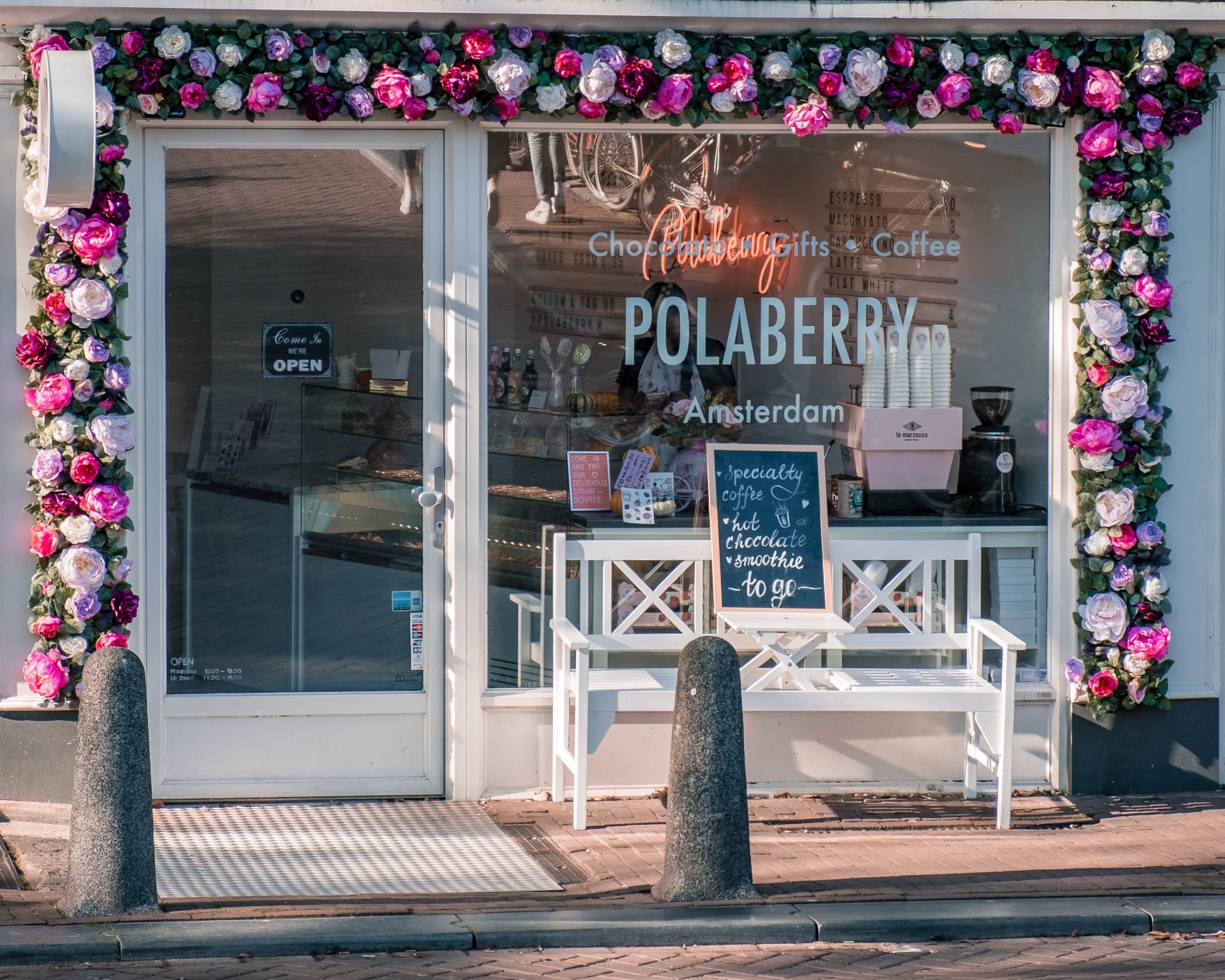
- Photogenic corners — flower-decked shopfronts, leaning gables and bridge after bridge of parked bicycles.
Getting there
The 9 Streets sit in the middle of the canal ring, a ten-minute walk west of Dam Square along the Raadhuisstraat. From Centraal Station, take a tram towards the Westermarkt or walk down in about 20 minutes. From Leidseplein it is a five-minute stroll up the Leidsegracht. The district is best explored entirely on foot.
Practical tips
- Shops generally open around 10:00–11:00 and close around 18:00; many open later (or not at all) on Monday mornings and Sundays.
- Start at the Raadhuisstraat and work south — that way you end near the Leidsegracht, handy for the museums or Leidseplein.
- Bring a camera: the prettiest shots are from the canal bridges looking down the side streets.
- Many shops are tiny and card-only is common in the Netherlands — do not rely on cash.
- Watch for bicycles on the narrow lanes; locals treat them as bike routes, not pedestrian streets.
- Combine the 9 Streets with the Jordaan just to the west, or the Anne Frank House (book weeks ahead) at the district's northern edge.
- See every stop on our Amsterdam attractions map.
Frequently asked questions
Is De Negen Straatjes free to visit?
Yes — the 9 Streets are public lanes across the canal ring, so wandering them costs nothing. You only pay for what you buy, eat or drink in the shops and cafés.
What are the 9 Streets in Amsterdam?
The 9 Streets (De Negen Straatjes) are nine small side streets crossing the Herengracht, Keizersgracht and Prinsengracht between the Raadhuisstraat and the Leidsegracht. Together they form Amsterdam's best-known boutique shopping district, full of vintage stores, independent designers, speciality food shops and cosy cafés.
How long should I spend in the 9 Streets?
Allow one to two hours for a relaxed wander with window shopping, or half a day if you plan to browse properly, stop for coffee and cake, and detour along the canals. The area is compact — you can cross it in ten minutes — but the shops invite lingering.
When is the best time to visit the 9 Streets?
Weekday mornings are quietest. Most shops open around 10 or 11 in the morning (later on Sundays and Mondays), so there is no point arriving very early. Late afternoon is lovely when the canal houses glow in the low sun and the cafés fill up.
What are the names of the 9 Streets?
The nine streets are the Reestraat, Hartenstraat and Gasthuismolensteeg (between Herengracht and Keizersgracht), the Oude Spiegelstraat, Wolvenstraat and Berenstraat (between Keizersgracht and Prinsengracht), and the Runstraat, Huidenstraat and Wijde Heisteeg (between Prinsengracht and the Singel). Many are named after the animal hides once traded here.