 Day Trip from Rome · 'Sistine Chapel of the Middle Ages'
Museum of the Cathedral of Anagni
The crypt of San Magno is widely nicknamed the 'Sistine Chapel of the Middle Ages' — one of the most complete surviving 13th-century fresco cycles in Italy, in a Romanesque cathedral reachable from Rome. Reservation is compulsory for everyone.
1.5–2 hoursReservation compulsory11th–13th c.Day trip from RomePiazza Innocenzo III, 03012 Anagni FROpen on MapPlan Your Visit
Compare tickets, tours and stays — booking ahead usually gives more choice
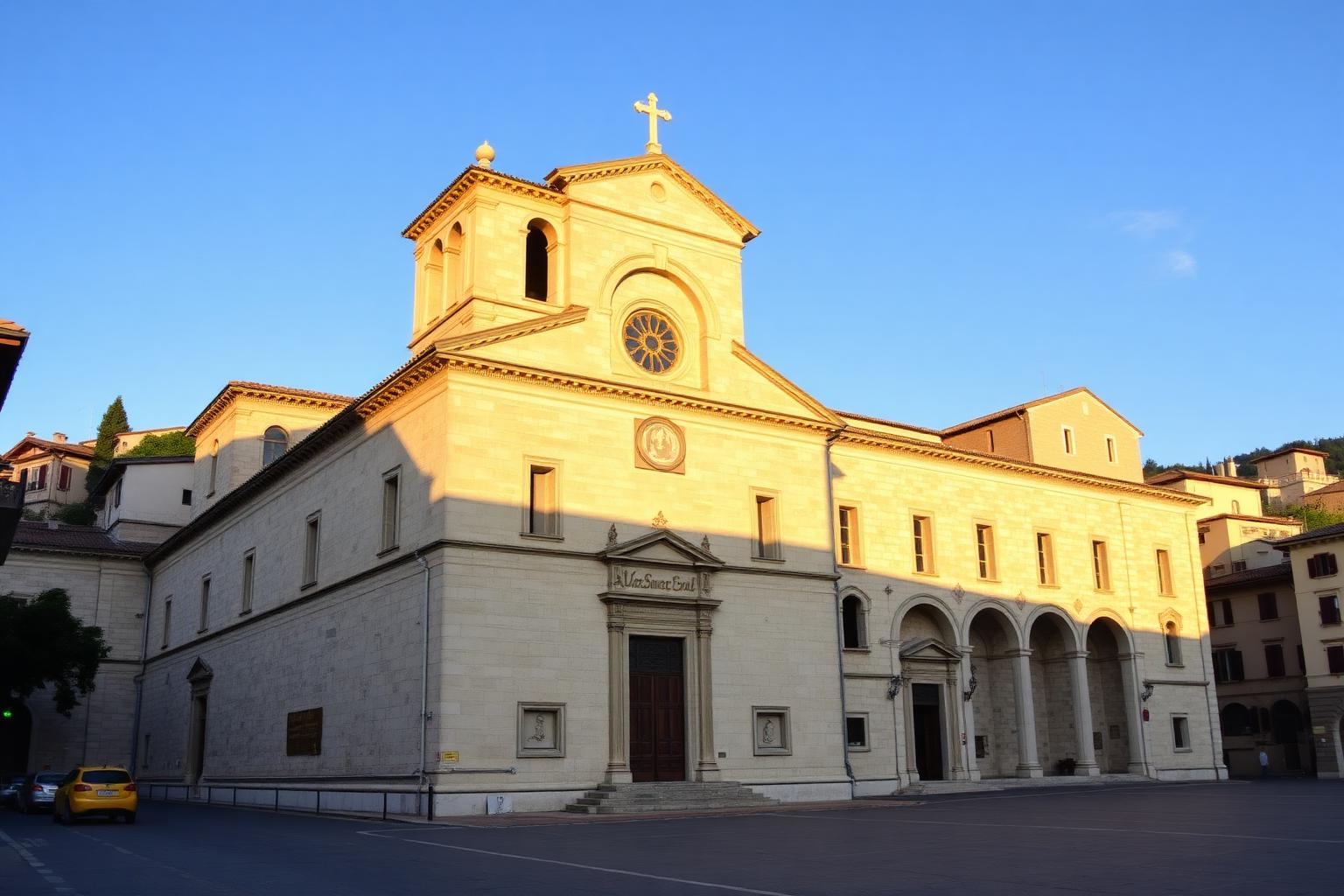
Get TicketsBook a TourHotels NearbyBy AllTrips Editors••11 min readThe Museum of the Cathedral of Anagni (Italian: Museo della Cattedrale di Anagni) is the combined visit of the 11th-century Romanesque Cattedrale di Santa Maria Annunziata, the cathedral treasury, the oratory of Saint Thomas Becket and — above all — the crypt of San Magno, widely nicknamed the "Sistine Chapel of the Middle Ages": every wall, vault and column covered with one of the most complete surviving 13th-century fresco cycles in Italy, painted between c. 1231 and 1255. Set in the medieval papal hill-town of Anagni in Lazio — birthplace of four medieval popes including Boniface VIII — the cathedral is one of Italy's outstanding under-the-radar medieval sites, reachable from Rome by regional train followed by a local bus or taxi up to the hill town. Reservation is compulsory for everyone.
📋 In This Guide
Duration
1.5–2 hours
Cost
Check when reserving
Photos
Yes (no flash in crypt)
Type
Romanesque cathedral & frescoed crypt
Why Visit the Cathedral of Anagni?
Most travellers come to Italy for the Sistine Chapel and never hear about the one painted 240 years earlier. The crypt of San Magno beneath Anagni Cathedral holds one of the most complete surviving 13th-century fresco cycles in Italy — an entire encyclopaedia of medieval knowledge wrapped around a small underground space, painted by three masters whose hands you can still distinguish today. Add the oratory frescoed within years of Thomas Becket's murder, the treasury of a pope who was kidnapped here, and a Cosmatesque floor signed by its maker — and you have a half-day in the foothills of the Apennines that will reshape your idea of medieval Italy.
Nicknamed the "Sistine Chapel of the Middle Ages"
A complete c. 1231–1255 fresco cycle in the crypt of San Magno — one of the densest, best-preserved Romanesque painting cycles in Italy, by three identifiable masters, widely known by this nickname rather than any formal ranking.
The City of Popes
Anagni was the birthplace of four medieval popes — Innocent III, Gregory IX, Alexander IV and Boniface VIII — and a major papal residence on the road to the Avignon exile.
Becket Within Three Years
The small oratory of Saint Thomas Becket was frescoed c. 1173 — just three years after his murder in Canterbury Cathedral — making it one of the earliest visual records of the cult anywhere.
An Authentic Day Trip
Reachable from Roma Termini by regional train plus a local bus or taxi uphill, no crowds, real Lazio lunch in the medieval centre — Anagni is the antidote to the over-touristed escapes around Rome.
What to See in the Museum Complex
Crypt of San Magno
540 m² of complete 13th-century frescoes covering every surface — Genesis, the Apocalypse, Greek physicians, the cosmos. The undisputed highlight of the visit.
The Three Masters
Art historians distinguish the Master of the Traditio Legis, the Master of the Old Testament and the Ornamental Master — three hands working in close succession.
Oratory of Thomas Becket
A tiny chapel (c. 1173) covered in martyrdom scenes painted only three years after Becket's death — a unique witness to the speed of his cult's spread.
Cosmatesque Pavement
The 13th-century cathedral floor, a vast geometric tapestry in marble and porphyry signed by Cosma di Iacopo — one of the masterpieces of the Cosmati school.
Cathedral Treasury
Vestments, mitres and reliquaries belonging to Pope Boniface VIII himself — the kidnapped pope of the Slap of Anagni — plus medieval silverwork and codices.
Vassalletto Paschal Candlestick
A spiralled, mosaic-inlaid 13th-century candelabrum signed by the Vassalletto family — among the great surviving examples of Roman medieval marble work.
Caetani Hall (Sala delle Udienze)
The medieval audience hall of the Caetani family — pope Boniface VIII's clan — with restored decoration and views over the cathedral square.
Romanesque Exterior
Pale stone façade with a Vassalletto rose window, blind arcades, three apses and a free-standing 30-metre Romanesque bell tower — best photographed at sunset.
Crypt of Saint Thomas
A second smaller crypt under the cathedral with frescoes and the relics of San Magno — the patron saint whose body was brought here in 1101.
A Thousand Years on the Hill of the Popes
From a Roman acropolis to the cathedral of four medieval popes, from the Sistine Chapel of the Middle Ages to a one-hour day trip from Rome — the Cathedral of Anagni compresses a millennium of medieval Christianity into a single hilltop complex.
1071Bishop Pietro Begins Construction
Bishop Pietro da Salerno lays the foundations of the new Romanesque cathedral on the highest point of Anagni, replacing an earlier Lombard church.
1101Relics of San Magno Arrive
The relics of Saint Magnus, brought from Fondi, are installed in the crypt — giving the cathedral its principal patron and dedicating the underground space that will be frescoed 130 years later.
1104Cathedral Consecrated
Pope Paschal II consecrates the completed cathedral. The classic Romanesque exterior, three apses and free-standing bell tower take their final form.
c. 1173Becket Oratory Painted
Just three years after Thomas Becket's murder in Canterbury, a small oratory is decorated with frescoes of his martyrdom — among the earliest visual records of the new English saint anywhere.
13th c.Cosmatesque Pavement Laid
Cosma di Iacopo signs the great Cosmatesque pavement of the cathedral nave — a vast geometric tapestry of marble and porphyry that still defines the interior today.
1198Innocent III Elected Pope
Anagni-born Lotario dei Conti di Segni is elected Pope Innocent III — the most powerful pontiff of the Middle Ages. He is the first of four medieval popes from the town.
c. 1231–1255The Crypt Frescoes
Three masters successively cover the entire crypt of San Magno with the Genesis cycle, the Apocalypse, scenes from the lives of Magnus and Secondina, the Greek physicians and a programmatic cosmology.
1294Boniface VIII Elected
Anagni's most famous son, Benedetto Caetani, is elected Pope Boniface VIII. He uses Anagni as his summer residence and adorns the cathedral treasury with vestments, mitres and reliquaries still preserved today.
1303The Slap of Anagni
On 7 September French agents and the Colonna family seize Boniface VIII at his palace next to the cathedral. Tradition says Sciarra Colonna struck the pope across the face — the symbolic end of medieval papal supremacy.
1309Avignon Papacy Begins
Six years after the Slap of Anagni, Pope Clement V moves the papal court to Avignon, beginning the 68-year exile that will reshape Catholic history.
1631Baroque Renovations
Bishop Baronio reorders the choir and adds Baroque chapels — most of which were stripped back in the 20th century to reveal the Romanesque structure.
1929Restoration of the Crypt
Major conservation work consolidates the crypt frescoes. Subsequent campaigns (1989–2010) clean and stabilise every painted surface to current museum-quality condition.
Present (2026)Combined Museum Ticket
The museum operates Nov–Mar 09:00–13:00 and 15:00–18:00, and Apr–Oct 09:00–13:00 and 15:00–19:00 (last admission 60 minutes before closing), with a single combined ticket covering crypt, oratory, treasury and cathedral. Reservation is compulsory for everyone; check current prices when booking.
Tickets & Booking 2026
🎟️ Combined Museum Ticket
The combined ticket covers the crypt of San Magno, the Becket oratory, the cathedral treasury, the Caetani Hall and the cathedral itself. Check current prices when you reserve directly with the cathedral museum.
⛪ Cathedral Nave — Free
The Romanesque nave with its Cosmatesque pavement is free to enter outside Mass times. The crypt, oratory and treasury require the museum ticket. Mass schedules are posted at the door.
📅 Booking Window
Reservation is compulsory for everyone — individuals, families and groups alike. Book via the cathedral museum office in advance rather than expecting to walk up.
🌐 Languages
Ask the cathedral museum office about available guide materials and languages when you make your compulsory reservation. Licensed local guides may be available on request — book ahead.
⚡ Day Tour from Rome
Half-day Rome–Anagni tours including round-trip transport and crypt entry run €70–120 per person via specialist Lazio operators. Worth it if you want a guaranteed expert in the crypt.
💳 Roma Pass / MIC Card
Anagni is in the Province of Frosinone — outside the Comune di Roma. Neither the Roma Pass nor the MIC Card applies. Confirm accepted payment methods and current prices with the cathedral museum when you reserve.
Best Time to Visit
Time of Day
Opening ⭐ Best: Smallest groups, freshest light, best chance of being alone in the crypt for several minutes.
Late morning: Busiest slot — day-trippers from Rome converge. Photography difficult. Note the museum closes for the midday break and, on Sundays, from 10:30 for Mass at 11:30, reopening at 15:00.
Afternoon reopening: Calmer than late morning, with excellent light on the Romanesque exterior. Last admission is 60 minutes before closing.
Avoid the midday closure: It is total and inflexible, and visits are suspended during any religious service — plan lunch around it.
Season
Spring (Apr–Jun) ⭐ Best: Mild Lazio temperatures, full opening hours, easy day-trip weather.
Autumn (Sep–Oct): Equal to spring — soft light, harvest food in the historic centre, fewer school groups.
Summer: The crypt tends to stay cool, a welcome refuge from Rome's heat. Hours run 09:00–13:00 and 15:00–19:00 (Apr–Oct). Mid-August can see reduced staff — confirm hours when booking.
Winter: Quietest of all and most atmospheric, with shorter hours (09:00–13:00 and 15:00–18:00, Nov–Mar). Bring a real jacket — the crypt feels properly cold.
Rules & What to Bring
📷 No Flash in the Crypt
Flash is strictly forbidden in the crypt and oratory — it damages 800-year-old pigment. Confirm current photography rules (including whether professional equipment is permitted) when you book.
🧥 Bring a Layer
The crypt of San Magno tends to stay cool year-round. Even in a Roman August you may feel a chill within minutes. A light jacket is a good idea.
👟 Flat Shoes
Medieval stone stairs descend to the crypt and oratory — uneven, polished by centuries of use. No heels, no flip-flops. Anagni's whole historic centre is steeply paved — comfortable walking shoes essential.
🤫 Quiet Voices
The cathedral remains an active place of worship. Phones silenced, voices low — and silent during Mass times posted at the door.
👕 Cover Shoulders & Knees
Standard Italian cathedral dress code — no sleeveless tops, no shorts above the knee. Light scarves and zip-off trousers solve it instantly.
🚫 Do Not Touch
800-year-old pigment, plaster and Cosmatesque marble are extremely fragile. Hands off the walls, off the floor mosaics, off the candlestick. Skin oils are the single biggest threat.
Anagni vs Other Great Medieval Crypts
| Site | Painted | Notes | Highlight | Crowds |
|---|---|---|---|---|
| Crypt of San Magno (Anagni) | c. 1231–1255 | Reservation compulsory; check prices when booking | One of the most complete 13th-c. fresco cycles in Italy | Low |
| Basilica of San Clemente (Rome) | 11th–12th c. | Check current pricing | 3-level basilica with Mithraic temple below | Medium |
| Santa Maria Antiqua (Rome) | 6th–9th c. | Forum ticket | Earliest Christian frescoes in Rome | Medium |
| Crypt of San Sepolcro (Bologna) | 11th–12th c. | Free | Lombard-era underground basilica | Low |
| Sistine Chapel (Vatican) | 1481–1512 | Check current pricing | Michelangelo & the Renaissance peak | Extreme |
If you can only do one medieval painted interior outside Rome, make it Anagni. If you can do two, pair it with San Clemente in central Rome — together they bracket the entire arc of medieval Roman painting from late antiquity to the Cosmatesque era.
Common Mistakes to Avoid
Not booking a reservation
Reservation with the cathedral museum is compulsory for everyone, not just groups. Turning up without one risks being turned away — book ahead.
Arriving during the midday closure
The museum shuts for a midday break and is also suspended during religious services, including a Sunday closure from 10:30 to 15:00 around the 11:30 Mass. Plan around it, and arrive before last admission (60 minutes before closing).
Underestimating the trip from the station
Anagni-Fiuggi station is roughly one hour from Rome by regional train, but the cathedral is several kilometres uphill from the station. Allow additional time for a local bus or taxi rather than planning a tight connection.
Using flash in the crypt
Flash damages 800-year-old pigment and is explicitly banned. Staff will stop the visit if they see it — check current photography rules when you book.
Skipping the Becket oratory
The small chapel is included in the same ticket and is one of the earliest Becket cycles anywhere. It takes 10 minutes — don't walk past it.
Not bringing a layer
The crypt tends to stay cool year-round. In August visitors in summer clothing can end up shivering and rushing. Bring a light jacket.
Returning to Rome for lunch
The historic centre's osterie are excellent and a fraction of central-Rome prices. Eat in Anagni, see the Palazzo Bonifacio VIII afterwards, then catch a late-afternoon train.
Combine With Rome Tickets
Anagni is a perfect day-trip from Rome — book your Rome essentials separately and slot Anagni in on day three or four for a complete Lazio experience.
Colosseum Priority Entrance
Best for: First-time visitors
~2 hoursSkip-the-line access to the Colosseum with entry to Roman Forum and Palatine Hill included. Perfect for first-time visitors.
- Skip-the-line entry
- Colosseum access
- Roman Forum included
- Palatine Hill included
🎟️ Compare Prices:
TiqetsKlookTrip.comColosseum Guided Tour
Best for: History enthusiasts
~3 hoursExpert-led tour with professional guide sharing gladiator history, architecture secrets, and ancient Roman stories.
- Professional English-speaking guide
- Skip-the-line entry
- In-depth historical commentary
- Small group experience
🎟️ Compare Prices:
TiqetsKlookTrip.comColosseum Arena & Underground
Best for: Unique experience seekers
~3.5 hoursWalk where gladiators fought on the arena floor and explore the underground chambers where they awaited their fate.
- Arena Floor access
- Underground chambers access
- Roman Forum & Palatine Hill
- Expert guided tour included
🎟️ Compare Prices:
TiqetsKlookTrip.comPair Your Visit With
Basilica of San ClementeIn central Rome — the three-level basilica with 12th-century frescoes that complete the Roman medieval painting story alongside Anagni.
San Giovanni in LateranoThe cathedral of Rome and the medieval papal seat from which Boniface VIII set out for Anagni — pair the two cathedrals for the full papal arc.
Santa Maria MaggioreRome's great Marian basilica — Cosmatesque pavement, 5th-century mosaics and a fitting capital-city pendant to Anagni's medieval splendour.
Must-See Highlights
The crypt of San Magno — called the 'Sistine Chapel of the Middle Ages'One of the most complete surviving 13th-century fresco cycles in Italy, on every wall, vault and columnThree identifiable medieval masters working c. 1231–1255Oratory of Saint Thomas Becket frescoed only three years after his 1170 murderCathedral treasury with the vestments and reliquaries of Pope Boniface VIIISpectacular 13th-century Cosmatesque pavement signed by Cosma di IacopoRomanesque exterior on the highest point of the medieval papal hill-townAn authentic 'City of Popes' day trip reachable from Rome by regional trainGetting There from Rome
🚆 Regional Train (best)
Anagni-Fiuggi station is roughly one hour from Rome by regional train, but the cathedral is several kilometres uphill from the station. Allow additional time for a local bus or taxi up to the historic centre.
🚗 By Car
A1 motorway, Anagni exit. 65 km / ~1 h 10 min from Rome. Paid parking available outside the medieval walls — the historic centre is mostly pedestrian.
🚐 Organised Tour
Half-day Rome–Anagni tours with Lazio specialists run €70–120 per person, including round-trip transport, crypt entry and a licensed guide inside the museum.
Where to Stay Near Anagni Cathedral
Looking for convenient accommodation near Anagni Cathedral? Stay within walking distance to make the most of your visit.
Hotels Near This AttractionTop Rated HotelsBudget-Friendly OptionsLuxury HotelsCentral locations with easy access to Anagni Cathedral and other attractionsFrequently Asked Questions
Why is the crypt of Anagni Cathedral called the 'Sistine Chapel of the Middle Ages'?
Because the crypt of San Magno preserves one of the most complete and best-preserved medieval fresco cycles in the world. Painted between c. 1231 and 1255 by three identifiable masters, the cycle covers every wall, vault and column with a programmatic encyclopaedia of 13th-century knowledge: Genesis, Apocalypse, Greek physicians (Hippocrates, Galen), the cosmos, the four elements, lives of the local saints. No other crypt in Europe carries this density and quality of pre-Giotto Romanesque painting.
What exactly is included in the museum ticket in 2026?
The combined ticket covers the crypt of San Magno with its complete fresco cycle, the oratory of Saint Thomas Becket (also fully frescoed, c. 1173), the cathedral treasury (vestments of Boniface VIII, reliquaries, silver), the Caetani Hall and the cathedral itself with its 13th-century Cosmatesque pavement. Check current prices when you reserve directly with the cathedral museum, as reservation is compulsory for everyone. The standalone cathedral nave is free to enter outside Mass.
What is the 'Slap of Anagni' (Schiaffo di Anagni)?
On 7 September 1303, agents of King Philip IV of France and the Colonna family stormed the Caetani palace at Anagni and held Pope Boniface VIII hostage for three days. Tradition — disputed by historians — says Sciarra Colonna struck the pope across the face with a mailed gauntlet. Boniface died a month later in Rome. The episode marked the end of medieval papal supremacy and led directly to the Avignon Papacy of 1309–1377.
How do I get to Anagni from Rome in 2026?
By train: Anagni-Fiuggi station is roughly one hour from Rome by regional train, but the cathedral is several kilometres uphill from the station. Allow additional time for a local bus or taxi to reach the historic centre. By car: A1 motorway (Anagni exit), 65 km, ~1 h 10 min, paid parking outside the walls. By organised tour from Rome: half-day options €70–120 including transport and crypt entry. Reservation with the cathedral museum is compulsory for everyone.
Can I take photos inside the crypt and oratory?
Photography without flash is permitted in the cathedral and treasury. Inside the crypt of San Magno and the Becket oratory flash is strictly forbidden, as it damages the medieval pigment. Tripods, selfie sticks and video are not permitted in the painted spaces — confirm current photography rules when you book.
Is the Cathedral of Anagni wheelchair accessible?
The crypt of San Magno and the Becket oratory require descending narrow stone medieval stairs and are not easily accessible to wheelchairs or those with serious mobility issues. Accessibility for the cathedral and treasury should be confirmed directly with the museum office when you make your compulsory reservation.
What is the best time of day and year to visit?
Best in spring (April–June) and autumn (September–October) for mild Lazio weather. Within the day, arrive at opening time to be among the first inside the crypt — lighting is best and groups smallest. The midday closure is real and inflexible, and visits are suspended during religious services (Sunday Mass is at 11:30, with the morning ticket office closing at 10:30 and reopening at 15:00 on Sundays). Combine with lunch in the medieval centre, and bring a light layer as the crypt tends to be cool year-round.
What else should I see in Anagni alongside the cathedral?
Anagni is the 'City of Popes' (Città dei Papi) — birthplace of four medieval pontiffs (Innocent III, Gregory IX, Alexander IV, Boniface VIII). Don't miss the Palazzo di Bonifacio VIII (the papal palace where the slap took place), the medieval streets and walls of the historic centre, and the Casa Barnekow. The full historic centre can be walked in 2–3 hours and pairs perfectly with a long Lazio lunch.
Related Attractions
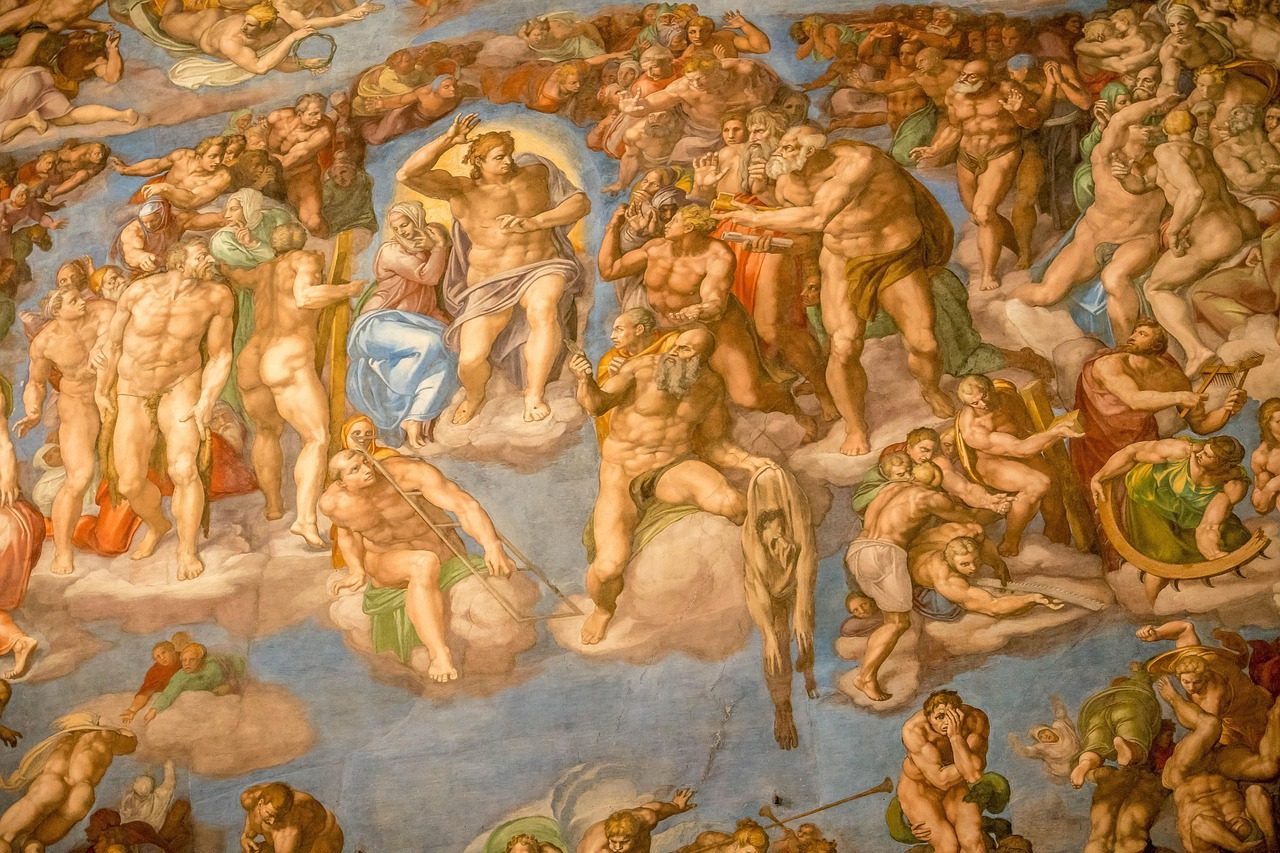
Vatican Museums
World's most visited cultural attraction—home to Sistine Chapel
Explore
Basilica di San Paolo fuori le Mura
Rome's second largest church over St. Paul's tomb
Explore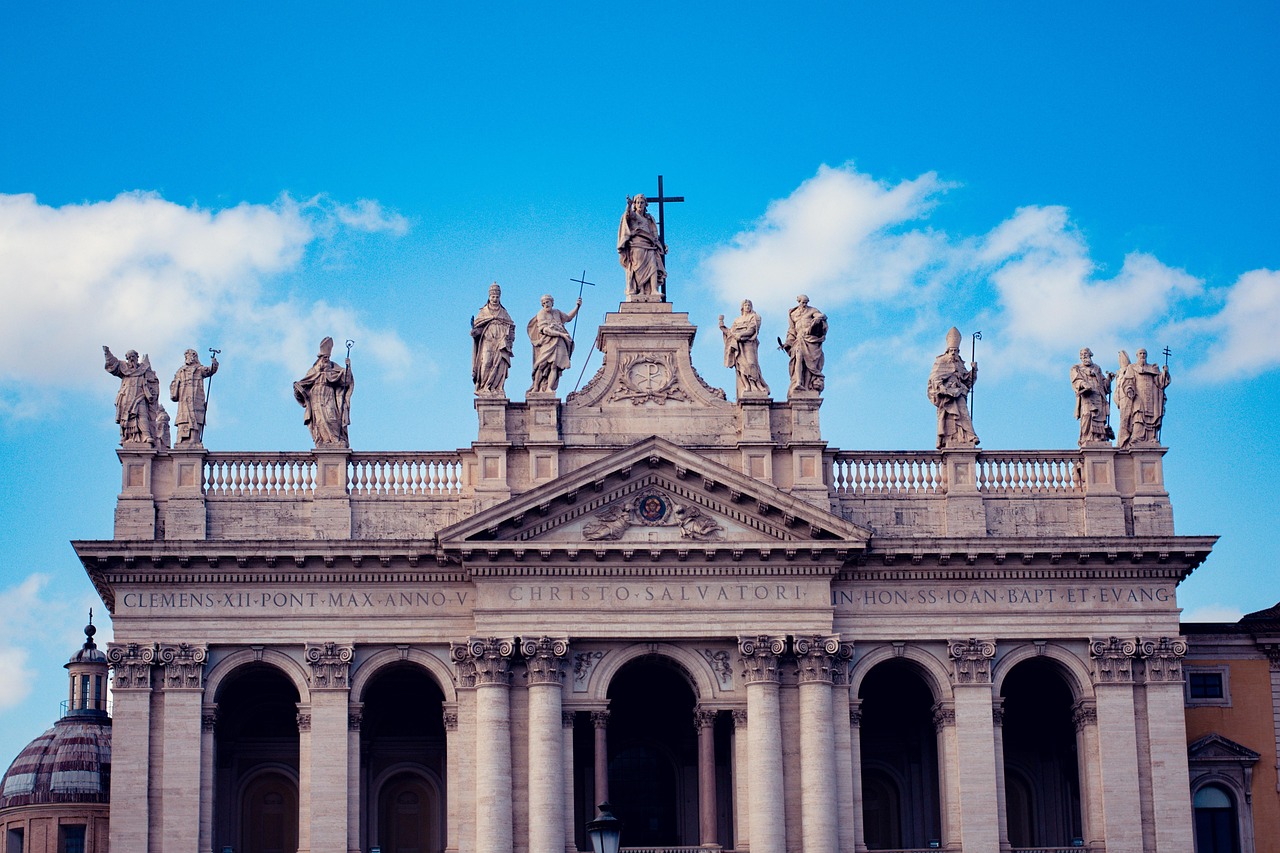
Basilica di San Giovanni in Laterano
Rome's official cathedral—the Pope's seat since 324 AD
Explore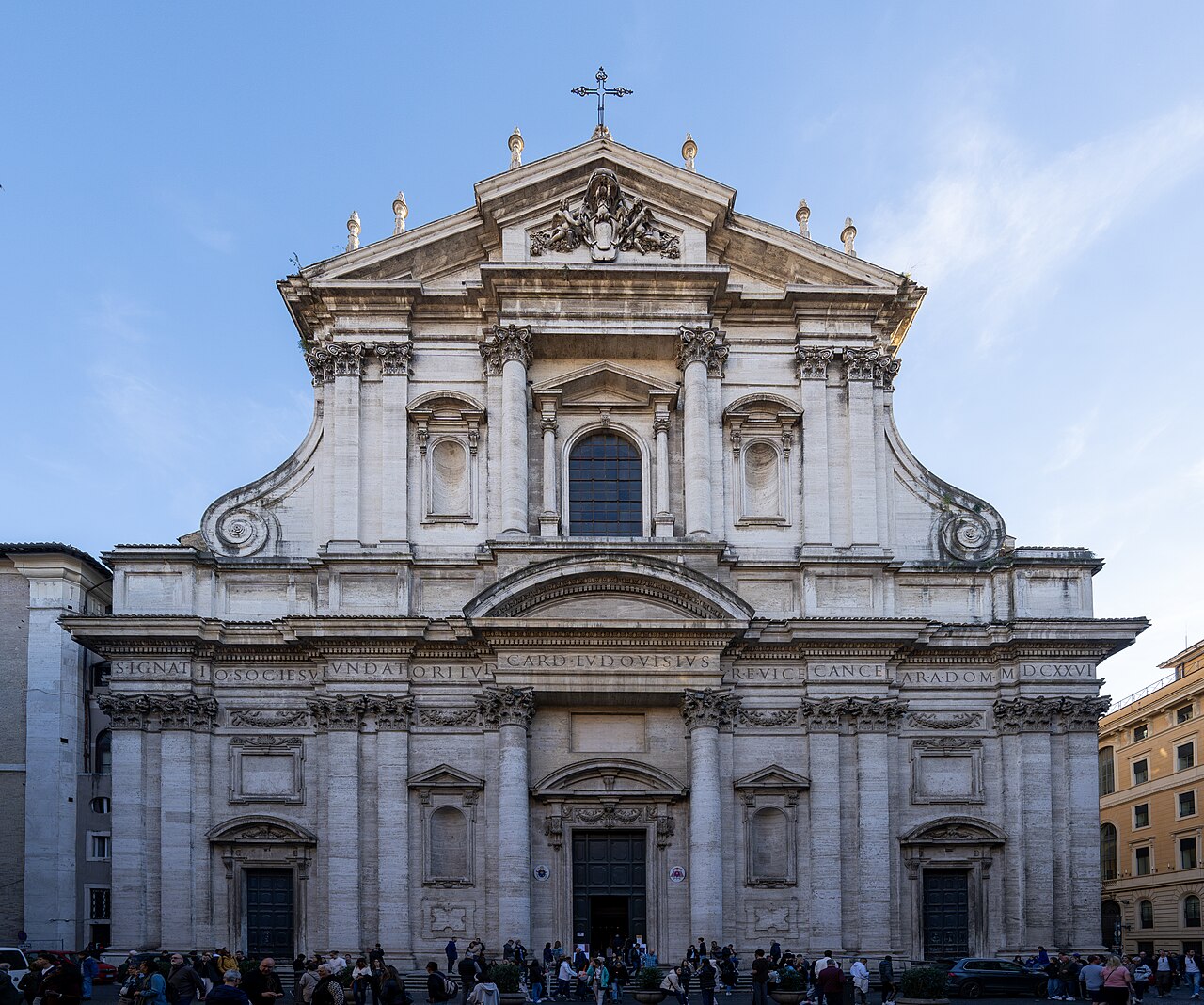
Sant'Ignazio di Loyola
Rome's most spectacular trompe-l'œil ceiling illusion
Explore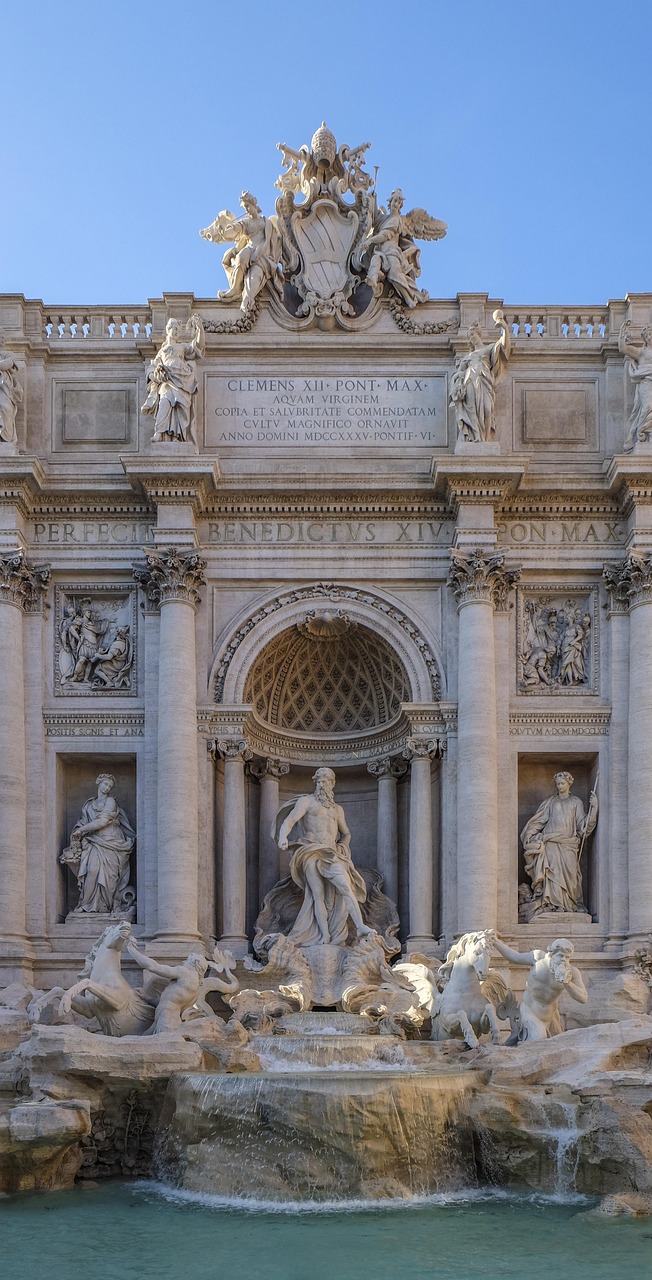
Trevi Fountain
Rome's most famous fountain—throw a coin for your return
Explore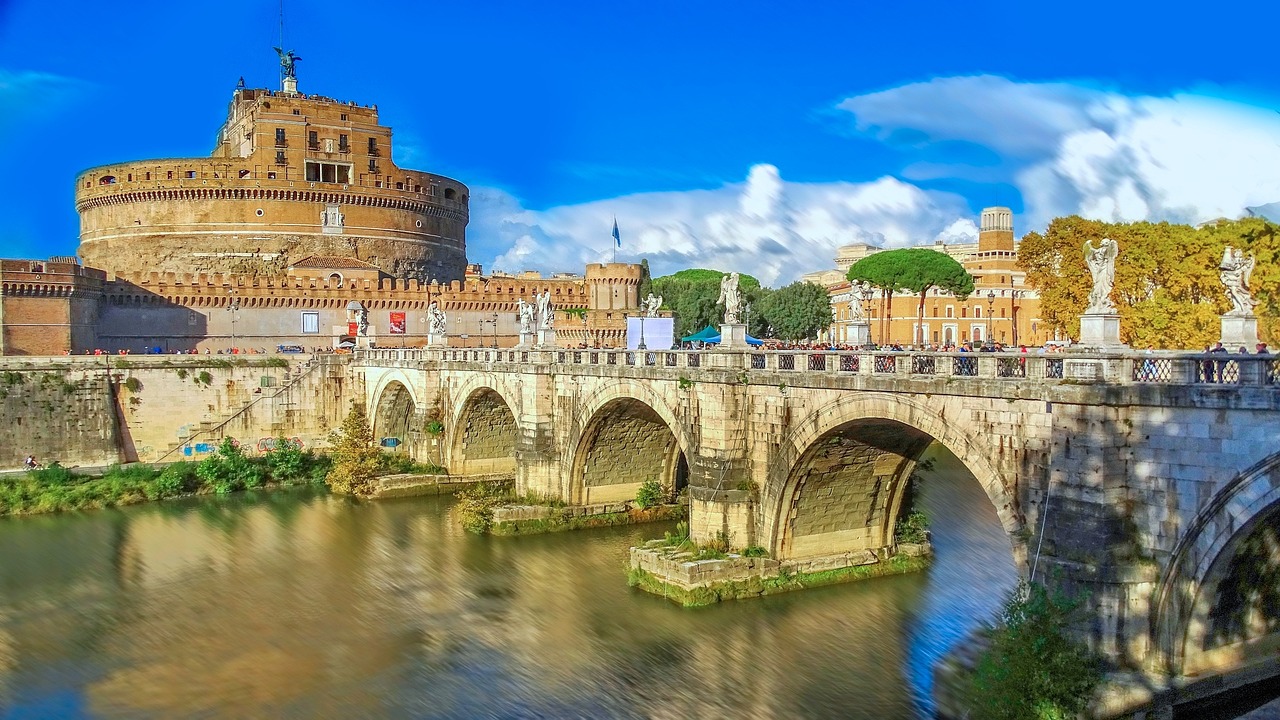
Castel Sant'Angelo
Ancient mausoleum turned papal fortress with panoramic city views
ExploreQuick Planning Guide
⏱️ Time Needed
1.5–2 hours museum · half-day with town
💰 Cost
Check current prices when reserving with the cathedral museum
🎫 Reservation
Compulsory for everyone — book ahead
♿ Accessibility
Crypt has stairs · confirm accessibility when booking
📅 Best Time
Tuesday–Saturday 09:00
👨👩👧👦 Family Friendly
Excellent for kids 8+
🌡️ Weather
Crypt tends to be cool — bring a layer
Nearby Attractions
Palazzo di Bonifacio VIII5 min walk
Casa Barnekow5 min walk
Medieval walls of Anagni10 min walk
Fiuggi thermal town20 min by car
Fossanova Abbey40 min by car
Featured In These Itineraries
Day Trips from RomeHidden Gems of Rome5 Day Rome ItineraryEssential Tips
- ✓ Reservation is compulsory for everyone — book ahead
- ✓ Bring a layer — the crypt tends to be cool
- ✓ No flash photography in the crypt or oratory
- ✓ Plan around the midday closure
- ✓ Combine with the Palazzo di Bonifacio VIII