 Free Papal Basilica · Tomb of Pope Francis
Basilica of Santa Maria Maggiore
Rome's largest Marian church — the oldest narrative mosaics in Christendom, a Renaissance ceiling traditionally gilded with gold from the Americas, Salus Populi Romani and the tomb of Pope Francis. Always free, ten minutes from Termini.
45 min – 1.5 hrAlways freePapal Major BasilicaMosaics from 432 ADPiazza di Santa Maria Maggiore, 00185 Roma RMOpen on MapPlan Your Visit
Compare tickets, tours and stays — booking ahead usually gives more choice
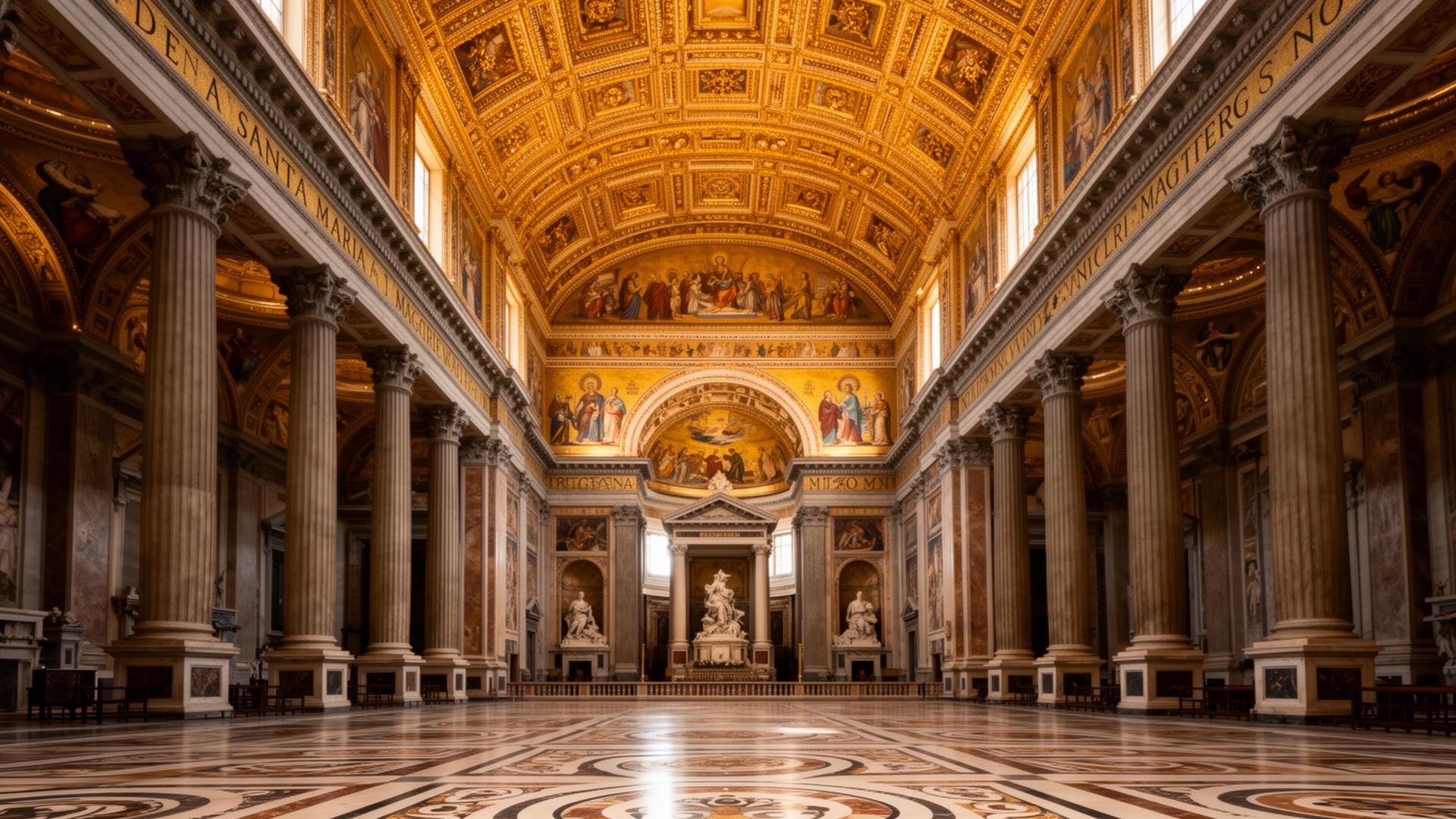
Get TicketsBook a TourHotels NearbyBy AllTrips Editors••10 min readThe Basilica of Santa Maria Maggiore on Rome's Esquiline Hill is one of the four major papal basilicas of the Catholic world (alongside St Peter's, St John Lateran and St Paul Outside the Walls) and the largest church anywhere dedicated to the Virgin Mary. Built by Pope Sixtus III in 432 AD, it preserves the oldest surviving narrative mosaic cycle in any Christian church — 36 small panels of the Old Testament along the nave and the spectacular triumphal arch — under a Renaissance coffered ceiling traditionally said to be gilded with the first gold brought from the Americas. Inside is the Salus Populi Romani icon venerated by Pope Francis, and since 26 April 2025 his simple white-marble tomb along the left aisle. Free entry, ten minutes from Termini Station.
📋 In This Guide
Founded
432 AD
Status
Papal Major Basilica
Famous For
5th-c. nave mosaics
Entry
Free (museum varies)
Bell Tower
75 m — tallest in Rome
Photo Spot
Gilded coffered ceiling
Why Visit Santa Maria Maggiore?
Of Rome's four papal major basilicas, Santa Maria Maggiore is the oldest essentially unchanged. St Peter's was rebuilt from scratch in the 16th century, St John Lateran was Baroque-restyled by Borromini, St Paul Outside the Walls burned down in 1823 — but the nave you walk into here is still the one Sixtus III built in 432 AD, with the same mosaics on the same walls under the same Roman columns. Add the gilded ceiling, two papal chapels, the Holy Crib relic, the icon of Salus Populi Romani and (since 2025) the tomb of Pope Francis, and you have the densest free Christian art experience in the city.
The Oldest Christian Mosaic Cycle
36 nave panels and the great triumphal arch — commissioned by Sixtus III in 432–440, the oldest narrative mosaics in any Christian church.
Gold From the Americas
By long-standing tradition, the 1493 Renaissance coffered ceiling was gilded with the very first gold brought from the New World by Columbus — given to Pope Alexander VI by Spain, though this is not documented fact.
Tomb of Pope Francis
Buried 26 April 2025 beside the icon of Salus Populi Romani he loved — the first pope buried outside the Vatican since 1903.
Miracle of the Snow
Founded after a miraculous August snowfall in 358 AD — every 5 August white rose petals fall from the ceiling during High Mass to commemorate it.
What to See Inside
The 5th-Century Nave Mosaics
Above the colonnades, between the windows: 36 small mosaic panels showing scenes from Abraham, Jacob, Moses and Joshua. Bring a small pair of binoculars — they are 12 metres up and easy to miss without magnification. Rome's earliest surviving large-scale Christian narrative.
The Triumphal Arch
The great gold-ground arch above the high altar — Annunciation, Adoration of the Magi, Massacre of the Innocents, Flight into Egypt — original 5th-century work celebrating Mary as Theotokos (Mother of God) following the 431 Council of Ephesus.
The Apse Mosaic (1295)
Jacopo Torriti's Coronation of the Virgin — Christ enthroned, crowning Mary, surrounded by saints and donors. A late-13th-century gold-ground masterpiece that bridges Byzantine and early-Renaissance taste.
The Coffered Ceiling
Designed by Giuliano da Sangallo for Pope Alexander VI Borgia in 1493. Tradition holds it was gilded with the first gold of the Americas, though this is not documented fact. The Borgia bull and Spanish royal arms decorate the central panels — a political statement as much as a devotional one.
Sistine Chapel of Sixtus V
Right aisle. Built 1585 by Domenico Fontana — a basilica within the basilica, with the tombs of Sixtus V and Pius V and a crypt that historically housed the relic of the Holy Crib of Bethlehem.
Pauline Chapel of Paul V
Left aisle. Built 1611 by Flaminio Ponzio for the Borghese pope. Houses the icon of Salus Populi Romani above the altar, surrounded by sumptuous lapis lazuli, agate, jasper and gilded bronze.
Cosmatesque Floor
The 12th-century geometric marble floor by the Cosmati family — circles of porphyry and serpentine recycled from ancient Roman buildings. One of the largest and best preserved Cosmatesque pavements in Rome.
The Bernini Family Tomb
A modest slab to the right of the high altar marks the burial place of Gian Lorenzo Bernini and his family — the giant of Roman Baroque chose this Marian basilica for his final rest.
The 432 AD Mosaics — A Closer Look
When Pope Sixtus III rebuilt Santa Maria Maggiore between 432 and 440 AD, only one year after the Council of Ephesus had defined Mary as Theotokos ("God-bearer"), he commissioned the most ambitious mosaic programme of the early Christian world.
The 36 small nave panels run high above the colonnade in two registers — Old Testament scenes copied directly from late-Roman illuminated Bibles. Abraham and Melchizedek, Jacob wrestling the angel, Moses parting the Red Sea, Joshua at Jericho. The figures are still drawn in late-classical Roman style — toga- clad heroes against rocky landscapes — not yet the flat Byzantine icons of a later century.
The great triumphal arch above the apse takes the Marian theme directly: the Annunciation (Mary on a throne, weaving the temple veil), the Adoration of the Magi (the Christ Child already enthroned as emperor), the Massacre of the Innocents and the Flight into Egypt. The whole arch shimmers in gold tesserae — the first time in Christian art that the gold ground becomes the standard backdrop of sacred scenes.
Bring binoculars — the panels are 12 metres up and the figures are barely 50 cm tall. Most visitors look at the ceiling and miss the mosaics entirely.
The Tomb of Pope Francis (2025)
Pope Francis died on Easter Monday, 21 April 2025. In his final will he asked to be buried in Santa Maria Maggiore rather than the Vatican grottoes — beside the icon of Salus Populi Romani he had visited privately before and after every overseas trip of his pontificate.
The funeral was held in St Peter's Square on Saturday 26 April 2025, after which the coffin was carried in procession across Rome — past the Colosseum and along Via Cavour — to Santa Maria Maggiore for burial. He is the first pope buried outside Vatican City since Pope Leo XIII in 1903.
The tomb itself, on the left aisle between the Pauline Chapel and the Sforza Chapel, is intentionally austere: a single slab of white Ligurian marble with the Latin inscription Franciscus and a copy of his pectoral cross above. No effigy, no escutcheon, no decoration — exactly as he asked. Free to visit during normal basilica hours; please keep silence near the slab.
Santa Maria Maggiore Through the Centuries
358 ADMiracle of the Snow
On the night of 4–5 August, the Virgin Mary appears in dreams to Pope Liberius and the patrician Giovanni, instructing them to build a church where snow falls the next morning. Snow miraculously falls on the Esquiline Hill in midsummer.
431 ADCouncil of Ephesus
The Council declares Mary 'Theotokos' — Mother of God — making a great Marian basilica in Rome theologically necessary.
432–440Sixtus III Builds the Basilica
Pope Sixtus III commissions the current building and the spectacular early Christian mosaic cycle: 36 nave panels of the Old Testament, the triumphal arch with scenes of Christ's infancy. The oldest surviving Marian basilica in the West.
1288–1295Apse Mosaic
The Franciscan friar Jacopo Torriti completes the great apse mosaic of the Coronation of the Virgin under Pope Nicholas IV — late-13th-century gold meets ancient Marian iconography.
1377Bell Tower
The Romanesque-Gothic campanile is finished — 75 metres, the tallest medieval bell tower still standing in Rome.
1493Coffered Ceiling
Pope Alexander VI (Borgia) commissions Giuliano da Sangallo to design the coffered wooden ceiling. A long-standing tradition holds it was gilded with the very first gold brought from the New World by Christopher Columbus and presented to the Pope by Ferdinand and Isabella of Spain, though this is not documented fact.
1585Sistine Chapel
Pope Sixtus V (Felice Peretti) builds the great Cappella Sistina on the right aisle by Domenico Fontana — burial chapel of Sixtus V and Pius V, with the Crib relic below.
1611Pauline Chapel
Pope Paul V Borghese builds the matching Cappella Paolina on the left aisle by Flaminio Ponzio — sumptuous Baroque shrine to the icon of Salus Populi Romani.
1673Rear Façade by Rainaldi
Carlo Rainaldi designs the great Baroque rear façade facing Piazza dell'Esquilino — one of Rome's most theatrical urban set pieces.
1743Front Façade by Fuga
Ferdinando Fuga designs the present front façade and elegant Loggia delle Benedizioni, preserving Rusuti's 13th-century mosaics behind glass.
1939Coronation Mosaic Restoration
A meticulous restoration recovers Torriti's original 1295 colours after centuries of candle smoke.
2025Tomb of Pope Francis
Pope Francis is buried at Santa Maria Maggiore on 26 April 2025, in keeping with his lifelong devotion to Salus Populi Romani — the first pope buried outside the Vatican since Leo XIII (1903).
2025Holy Door Closed
The Jubilee Holy Door of Santa Maria Maggiore was closed on 25 December 2025, ending the 2025 Holy Year pilgrimage rite at the basilica.
Tickets & Hours 2026
FreeMain Basilica — Always Free
- ✓The 36 nave mosaics + triumphal arch + apse mosaic
- ✓The gilded coffered Renaissance ceiling
- ✓The Sistine Chapel of Sixtus V
- ✓The Pauline Chapel and Salus Populi Romani icon
- ✓The tomb of Pope Francis (left aisle)
- ✓The Holy Crib reliquary beneath the high altar
- ✓The Cosmatesque marble floor
🕐 Opening Hours
- Basilica: Daily 07:00 – 18:45
- Museum Complex: Mon–Sat 08:00 – 18:30 (last entry 18:00)
- Museum Complex: Sun 12:30 – 17:00
- Holy Door (Jubilee): Closed 25 December 2025
- Closes briefly during major liturgies.
💶 Optional Paid Areas
- The official site now offers several museum, terrace and archaeological experiences at varying prices.
- Check the official booking system for current prices and combined tickets.
- Guided tour (Tiqets): ~€25 — adds context
Best Time to Visit
Best of Day
07:30–09:00 for empty nave + warm morning light through the clerestory windows lifting the gold mosaics.
Best Day
Tue–Fri are quietest. Sundays are dominated by Mass schedules; Saturdays may have weddings.
Best Date
5 August — Miracle of the Snow: white rose petals fall from the ceiling during High Mass at 10:30. Unmissable Roman moment.
Dress Code & Etiquette
Dress: Shoulders and knees covered for both men and women. Sleeveless tops and shorts are refused. Official rules also prohibit hats and clothing with potentially offensive visible imagery.
Silence: The basilica is fully active for liturgy. Whisper, especially in the Pauline Chapel and near the tomb of Pope Francis.
Photography: Allowed without flash and without tripod. Video and commercial use require written permission.
Mass: If a service is in progress, sit quietly at the back or wait — no tourist circulation during liturgy.
Security: Bag check at the entrance — fast but no large luggage allowed.
Tomb of Pope Francis: No selfies, no flash, no kneeling on the marble itself. Quick prayer or pause and move on.
Vs the Other Papal Major Basilicas
| Basilica | Founded | Cost | Crowds | Famous For |
|---|---|---|---|---|
| Santa Maria Maggiore | 432 AD | Free | Light–moderate | Oldest Christian narrative mosaics + tomb of Pope Francis |
| St Peter's Basilica | 324 AD / rebuilt 1626 | Free (dome €10) | Very heavy | Michelangelo's Pietà + dome + tomb of St Peter |
| St John Lateran | 324 AD | Free (cloister €5) | Moderate | Cathedral of Rome + Borromini interior + Holy Stairs |
| St Paul Outside the Walls | 324 AD / rebuilt 1840 | Free (cloister €4) | Light | Tomb of St Paul + portraits of every pope |
| Santa Prassede (next door) | 9th c. | Free | Empty | Paschal I's Zeno Chapel — the "Garden of Paradise" |
Common Mistakes to Avoid
Looking only at the ceiling
The 432 AD nave mosaics are 12 m up between the windows — easy to miss without binoculars. They're the real treasure, not the Renaissance ceiling.
Skipping the Pauline Chapel
Most visitors walk straight to the high altar. The Salus Populi Romani icon — and now the tomb of Pope Francis next door — are on the LEFT aisle.
Wearing shorts or tank tops
You will be turned away. Bring a scarf — it works for the Vatican and every Roman church.
Confusing the two Sistine Chapels
The Cappella Sistina here is built by Sixtus V (1585) — NOT Michelangelo's Sixtus IV chapel in the Vatican.
Visiting during liturgy
Mass schedules block tourist circulation. Check the noticeboard at the entrance and come back later if a service is starting.
Not walking around the rear façade
Carlo Rainaldi's 1673 Baroque rear façade on Piazza dell'Esquilino — with the Egyptian obelisk — is more spectacular than the front.
Colosseum & Forum Tickets Nearby
Santa Maria Maggiore is a perfect free morning before the timed-entry giants — the Colosseum is a 15-minute walk south via Via Cavour past San Pietro in Vincoli (Michelangelo's Moses).
Colosseum Priority Entrance
Best for: First-time visitors
~2 hoursSkip-the-line access to the Colosseum with entry to Roman Forum and Palatine Hill included. Perfect for first-time visitors.
- Skip-the-line entry
- Colosseum access
- Roman Forum included
- Palatine Hill included
🎟️ Compare Prices:
TiqetsKlookTrip.comColosseum Guided Tour
Best for: History enthusiasts
~3 hoursExpert-led tour with professional guide sharing gladiator history, architecture secrets, and ancient Roman stories.
- Professional English-speaking guide
- Skip-the-line entry
- In-depth historical commentary
- Small group experience
🎟️ Compare Prices:
TiqetsKlookTrip.comColosseum Arena & Underground
Best for: Unique experience seekers
~3.5 hoursWalk where gladiators fought on the arena floor and explore the underground chambers where they awaited their fate.
- Arena Floor access
- Underground chambers access
- Roman Forum & Palatine Hill
- Expert guided tour included
🎟️ Compare Prices:
TiqetsKlookTrip.comPair Your Visit With
San Pietro in Vincoli
10-min walk down Via Cavour — Michelangelo's Moses and St Peter's chains. Free.
Santa Maria del Popolo
15-min Metro ride (Termini → Flaminio) — two free Caravaggios + Raphael's Chigi Chapel.
Colosseum
15-min walk past the Forum of Augustus — pair the morning basilica with an afternoon timed-entry slot.
Highlights at a Glance
- One of the four papal major basilicas of Rome — extraterritorial Vatican property
- The oldest narrative mosaic cycle in any Christian church — 36 panels from 432–440 AD
- Gilded coffered Renaissance ceiling long said, by tradition, to use the first gold brought from the Americas (1493)
- Cosmatesque marble floor by the Cosmati family, 12th century
- Tallest medieval bell tower in Rome — 75 metres (1377)
- Sistine Chapel of Sixtus V (1585) and Pauline Chapel of Paul V (1611)
- Holy Crib of Bethlehem reliquary beneath the high altar
- Salus Populi Romani — the icon Pope Francis venerated before every overseas trip
- Tomb of Pope Francis (buried 26 April 2025) on the left aisle
- Always free to enter, ten minutes from Termini Station
How to Get There
By Metro / Train
- Termini Station (Lines A + B): 5-min walk via Via Cavour or Via Gioberti
- Cavour (Line B): 7-min walk uphill
- Vittorio Emanuele (Line A): 8-min walk
By Tram
Tram 5 / 14 stops at Santa Maria Maggiore directly behind the basilica.
By Bus
Lines 16, 70, 71, 105, 360, 590, 649, 714 stop in front of the basilica or on Via Merulana.
From the Airport
Leonardo Express train from Fiumicino to Termini (32 min, €14), then 5-min walk. Direct taxi from FCO around €55 (fixed fare).
Where to Stay Near Santa Maria Maggiore
Looking for convenient accommodation near Santa Maria Maggiore? Stay within walking distance to make the most of your visit.
Hotels Near This AttractionTop Rated HotelsBudget-Friendly OptionsLuxury HotelsCentral locations with easy access to Santa Maria Maggiore and other attractionsFrequently Asked Questions
Is Santa Maria Maggiore free to enter in 2026?
Yes — entry to the main basilica is completely free, no ticket and no booking. You see the 5th-century nave mosaics, the gilded coffered ceiling, the Cosmatesque floor, the Sistine and Pauline papal chapels, the Holy Crib reliquary, the icon of Salus Populi Romani and the tomb of Pope Francis without paying anything. The Museum, terraces and Archaeological Area are optional paid extras — the official booking system offers several experiences at varying prices, so check current pricing before you go.
What are the opening hours?
The basilica is open every day 07:00–18:45 (last entry 18:30). The Museum Complex is open Monday–Saturday 08:00–18:30 (last entry 18:00) and Sunday 12:30–17:00. The Holy Door of the 2025 Jubilee was closed on 25 December 2025 and is no longer open for pilgrimage. Best visiting windows in 2026 are 07:30–09:00 and 16:30–18:00.
What is the Miracle of the Snow?
On the night of 4–5 August 358 AD, the Virgin Mary is said to have appeared simultaneously to Pope Liberius and the Roman patrician Giovanni, instructing them to build a church wherever snow fell the next morning. Snow miraculously fell on the Esquiline Hill in the middle of the Roman summer, marking the outline of the basilica. Every 5 August white rose petals are dropped from the ceiling during High Mass to commemorate the miracle.
Where is Pope Francis buried?
Pope Francis was buried in Santa Maria Maggiore on 26 April 2025, in a simple marble tomb between the Pauline Chapel and the Sforza Chapel along the left aisle, near the icon of Salus Populi Romani he venerated throughout his pontificate. Visitors can pay their respects free of charge during normal basilica hours; please keep silence near the tomb.
What makes the 5th-century mosaics so important?
The 36 small mosaic panels above the nave colonnade (commissioned by Pope Sixtus III, 432–440) and the huge triumphal arch are the oldest surviving narrative mosaic cycle in any Christian church. They depict scenes from the Old Testament (Abraham, Jacob, Moses, Joshua) and the infancy of Christ, drawn from late-Roman illuminated manuscripts. Together with the slightly later mosaics of Santa Pudenziana and Santa Sabina, they define early Christian iconography for the next thousand years.
What is Salus Populi Romani?
Salus Populi Romani ('Protector of the Roman People') is a Byzantine-style icon of the Virgin and Child kept in the Pauline Chapel (Cappella Borghese) on the left aisle. Tradition attributes it to Saint Luke; modern scholars date it to between the 6th and 13th centuries. It is one of Rome's most venerated images, brought out in procession in plagues, wars and earthquakes — and visited privately by Pope Francis at the start and end of every overseas trip of his pontificate. The basilica documents 126 visits by Pope Francis to the icon, and a commemorative plaque marking his devotion was unveiled on 21 April 2026.
Is there a dress code?
Yes — Santa Maria Maggiore is a fully active papal basilica. Shoulders and knees must be covered for both men and women. Sleeveless tops, shorts above the knee, miniskirts and sportswear are not allowed. Free disposable cover-ups are sometimes available at the entrance during summer. Bring a scarf — the same one works for the Vatican. Official rules also prohibit hats and clothing bearing potentially offensive visible imagery.
How long should I spend at Santa Maria Maggiore?
45 minutes to 1 hour for the main basilica, the two papal chapels, the Holy Crib, the icon of Salus Populi Romani and the tomb of Pope Francis. Add 30 minutes for the Museum and Loggia (Filippo Rusuti's 13th-century mosaics) and 45 minutes more for the Archaeological Area beneath the basilica.
Is Santa Maria Maggiore inside Vatican territory?
No — but it has extraterritorial status. Like the other major papal basilicas (St Peter's, St John Lateran, St Paul Outside the Walls), Santa Maria Maggiore is governed by the Holy See under the 1929 Lateran Treaty even though it sits inside the city of Rome. Italian and Vatican flags both fly outside.
Related Attractions
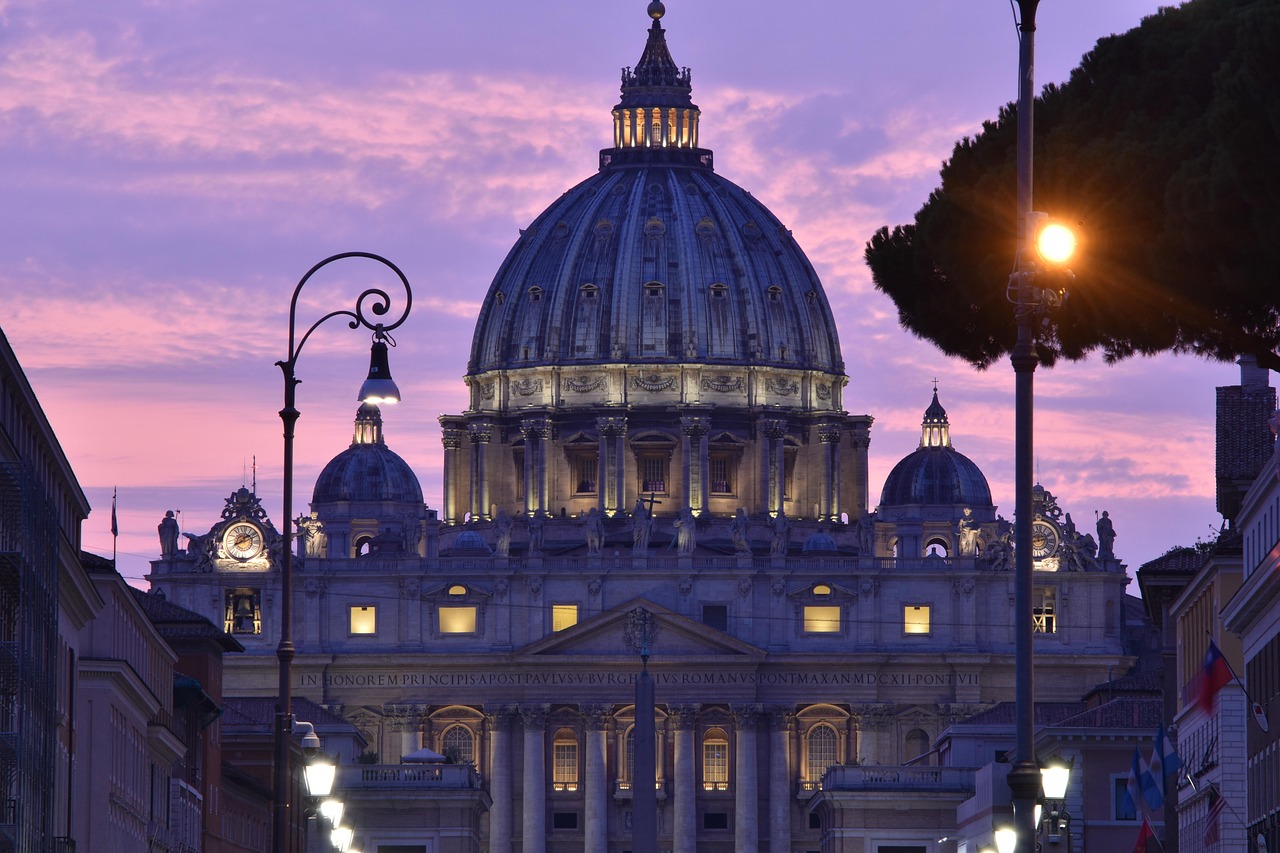
St. Peter's Basilica
World's largest church with Michelangelo's Pietà and dome views
Explore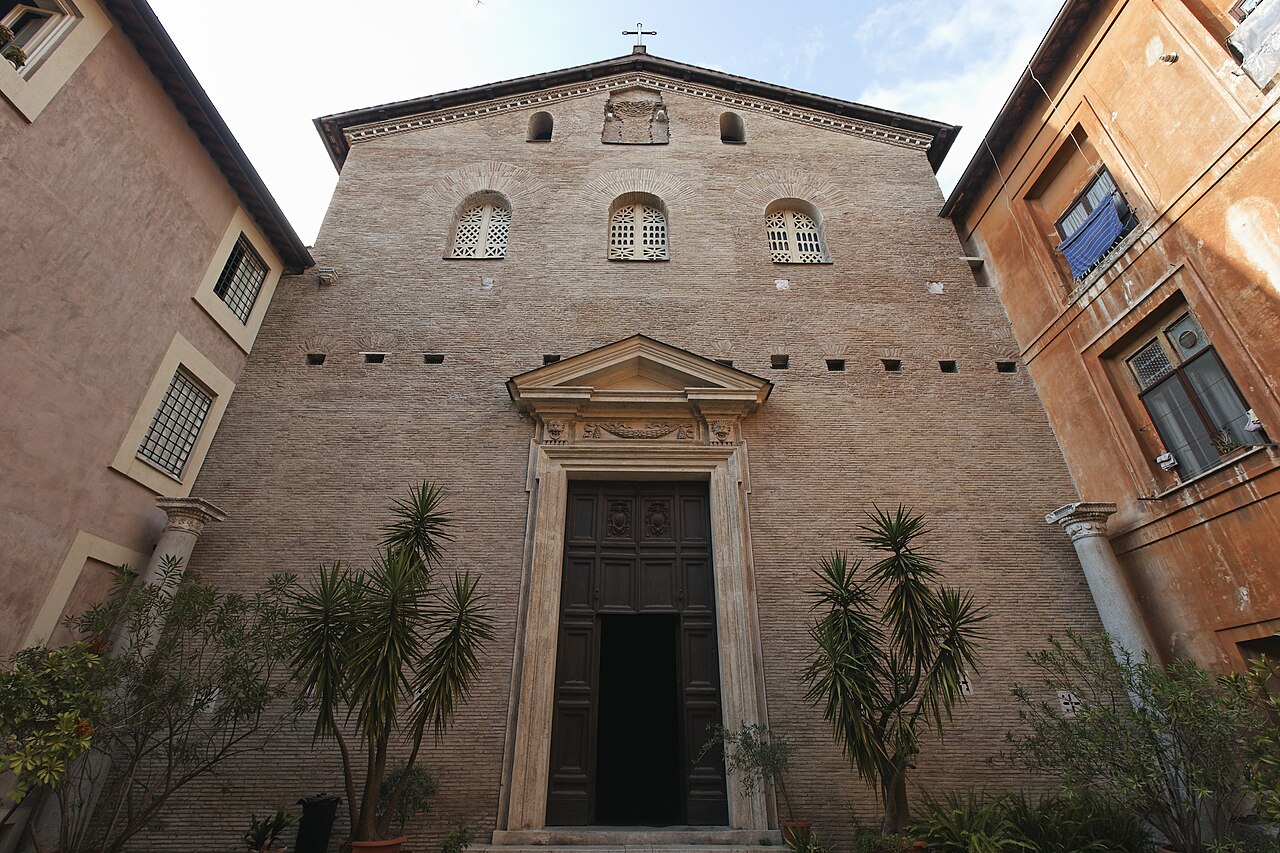
Santa Prassede
Hidden Byzantine gem with dazzling 9th-century golden mosaics
Explore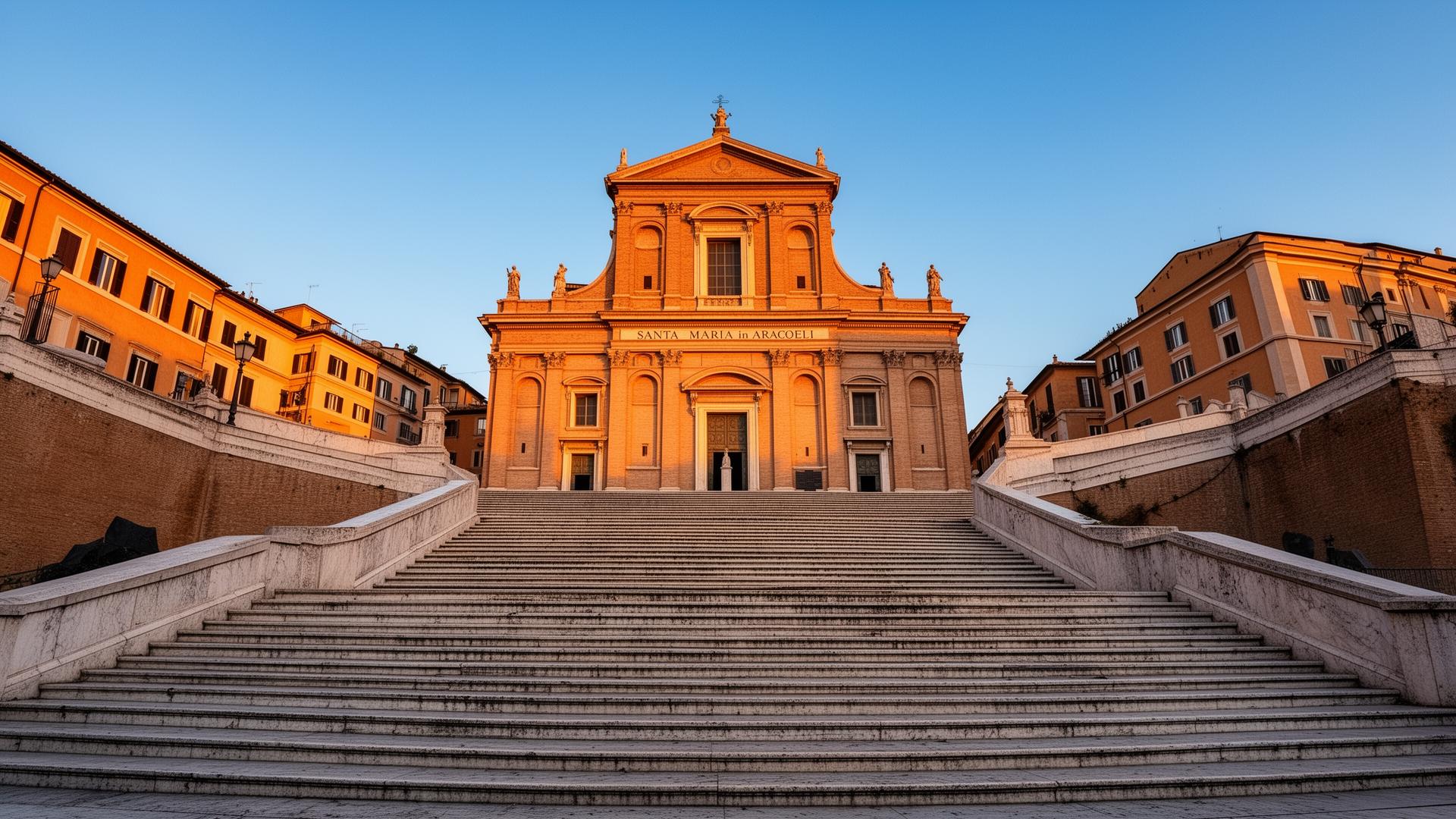
Santa Maria in Aracoeli
Hilltop church with 124 marble steps and Santo Bambino
Explore
Palace of the Popes Viterbo
Medieval papal residence—site of longest papal conclave
Explore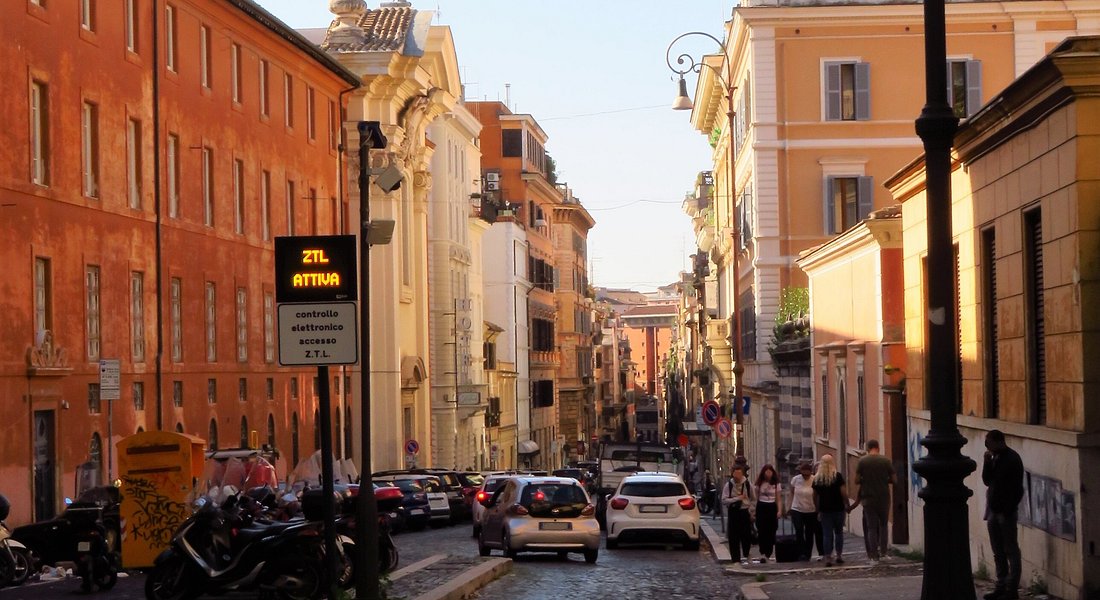
Garbatella
Rome's hidden garden city—1920s workers' neighborhood with street art
Explore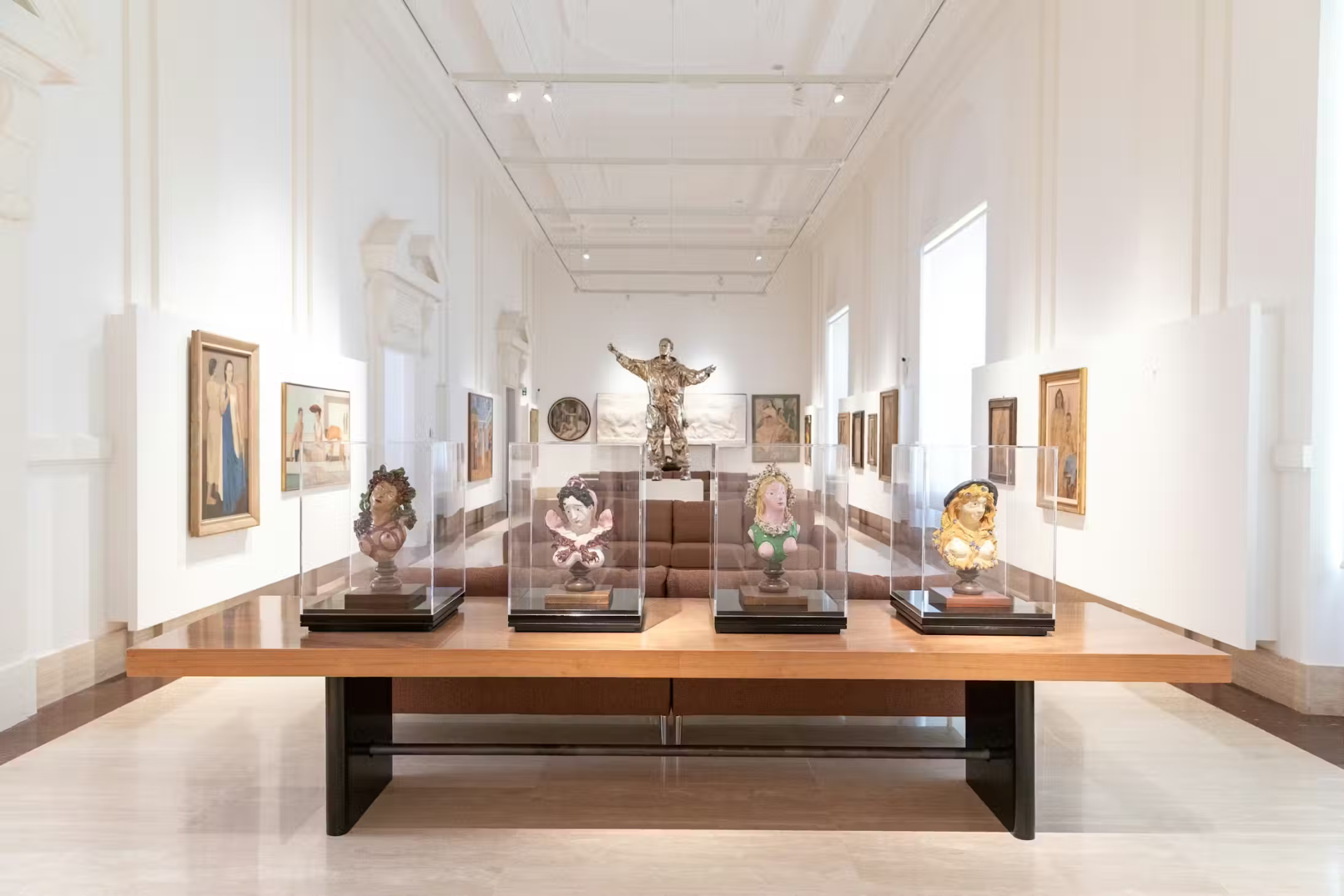
Palazzo Merulana
Hidden gem with 20th-century Italian masterpieces
ExploreQuick Planning Guide
⏱️ Time Needed
45 min – 1.5 hours
💰 Cost
Free (Museum Complex: check official site for current prices)
🎫 Reservation
Never required (basilica)
♿ Accessibility
Step-free main entrance · accessible WC
📅 Best Time
07:30–09:00 or 16:30–18:00
👨👩👧👦 Family Friendly
Yes — vast, dramatic, free
🌡️ Weather
Indoor — perfect rainy-day stop
Nearby Attractions
Termini Station5-min walk
San Pietro in Vincoli + Moses10-min walk
Santa Prassede1-min walk
Santa Pudenziana3-min walk
Piazza della Repubblica10-min walk
Colosseum15-min walk
Featured In These Itineraries
Classic Rome 3-Day5 Day Rome ItineraryHidden Gems of RomeEssential Tips
- ✓ Visit at 07:30 for empty nave + best mosaic light
- ✓ Don't miss the 36 nave mosaics — bring binoculars
- ✓ Tomb of Pope Francis on the left aisle
- ✓ Combine with Santa Prassede next door (free)
- ✓ Free — but cover shoulders and knees