 Free Medieval Basilica · 124 Steps
Basilica Santa Maria in Aracoeli
Pinturicchio frescoes, the gilded Lepanto ceiling and the Santo Bambino — Rome's free hilltop basilica on the spot of Augustus' altar of heaven, three minutes from Piazza Venezia.
30–45 minAlways free124 marble stepsLepanto ceilingScala dell'Arce Capitolina 14, 00186 RomaOpen on MapPlan Your Visit
Compare tickets, tours and stays — booking ahead usually gives more choice
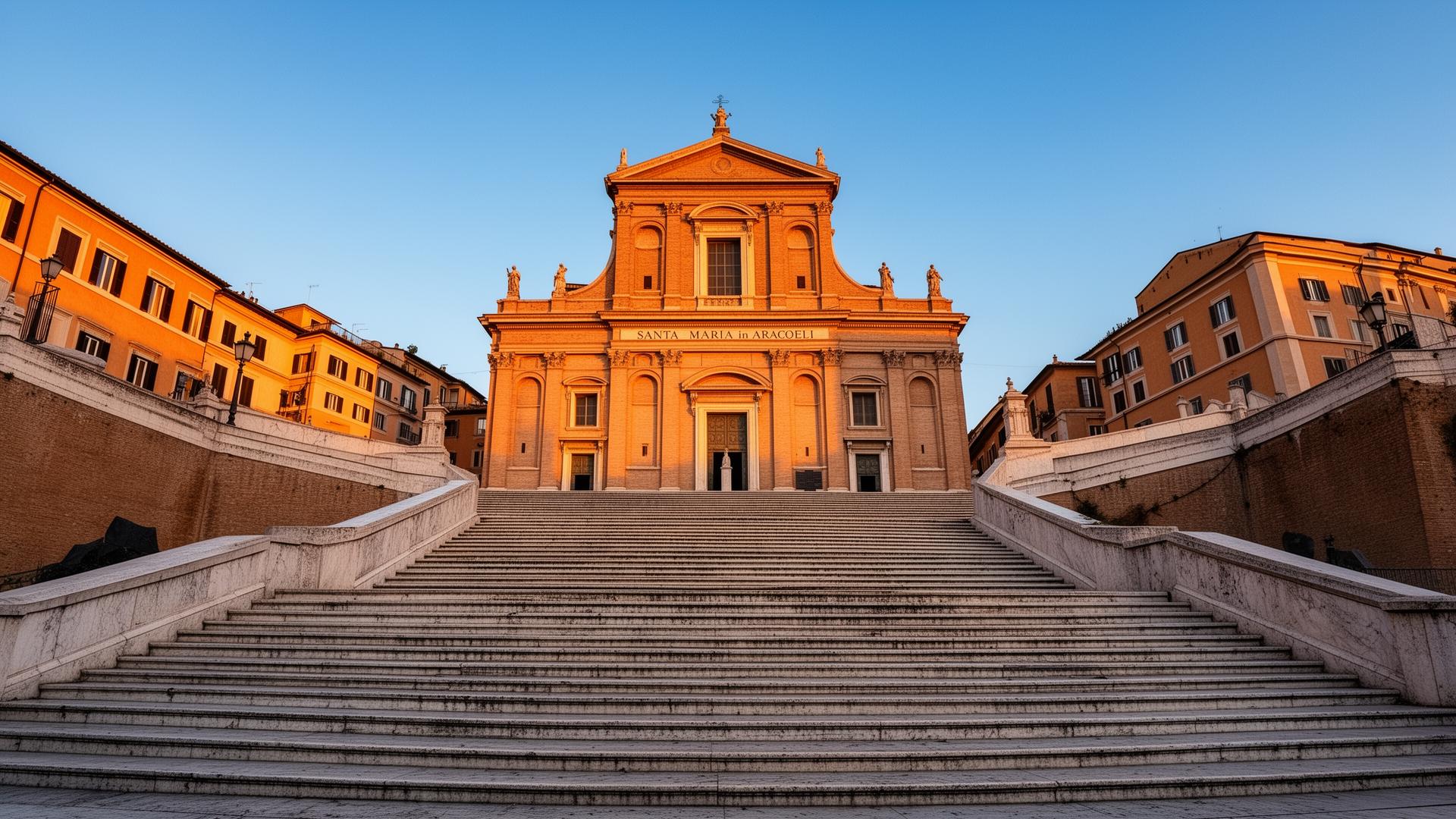
Book a TourHotels NearbyBy AllTrips Editors••9 min readSanta Maria in Aracoeli is the medieval Franciscan basilica crowning the northern summit of the Capitoline Hill, three minutes from Piazza Venezia. You reach it by the dramatic 124 marble steps, traditionally said to have been built in 1348 as a votive offering for the ending of that year's plague — or you can use the side door from Michelangelo's Piazza del Campidoglio to avoid the main staircase (this route should not be assumed to be step-free). Inside, free of charge, you find Pinturicchio's Bufalini Chapel (1485), the gilded coffered ceiling celebrating the Battle of Lepanto, 22 mismatched ancient Roman columns, and the beloved Santo Bambino — the wooden infant Jesus that still receives letters from children all over the world. All on the spot where Emperor Augustus is said to have seen the Virgin and the Child standing on a heavenly altar.
📋 In This Guide
Duration
30–45 min
Cost
Free (+€1 lights)
Steps
124 marble
Photos
Allowed — flash may be restricted
Why Visit Santa Maria in Aracoeli?
The Capitoline Museums next door charge €16 to see the She-Wolf and the Dying Gaul. Santa Maria in Aracoeli, on the same hill, gives you Pinturicchio frescoes, the gilded Lepanto ceiling, 22 ancient Roman columns and the Santo Bambino — for free, in an active medieval Franciscan basilica that most visitors walk straight past on their way to the Vittoriano. It is one of the most rewarding free hours in Rome.
124 Marble Steps
Dramatic staircase, traditionally said to have been built in 1348 as a votive offering for the ending of that year's plague — first climbed in procession, according to tradition, by the tribune Cola di Rienzo.
Pinturicchio's Bufalini Chapel
A complete fresco cycle on the life of St Bernardino of Siena, painted in 1485 — one of the great early-Renaissance commissions in Rome.
The Lepanto Ceiling
Gilded coffered ceiling installed 1572–1575 to celebrate Marcantonio Colonna's victory over the Ottoman fleet — every panel tells the story of the battle.
The Santo Bambino
The venerated wooden infant Jesus, said to perform miraculous healings — children worldwide still send letters at Christmas.
What to See Inside
Bufalini Chapel — Pinturicchio
First chapel on the right as you enter. Drop a coin to light the chapel: Pinturicchio's 1485 fresco cycle on the life of St Bernardino of Siena is among the most refined quattrocento paintings in Rome — luminous landscapes, jewelled colour and meticulous architectural backgrounds.
The Lepanto Ceiling
Walk to the centre of the nave and look up. The gilded coffered ceiling (1572–1575) was commissioned by the Roman Senate after Marcantonio Colonna led the papal fleet to victory at the Battle of Lepanto on 7 October 1571. Every panel celebrates the campaign — naval scenes, family heraldry, Marian symbols.
22 Ancient Roman Columns
The nave is divided by 22 mismatched columns reused from imperial Roman buildings — granite, cipollino, breccia. The third column on the left is famously inscribed "a cubiculo Augustorum" ("from the bedroom of the emperors"), said to come from a room in the imperial palace.
Chapel of the Santo Bambino
In the left transept. The faithful replica of the miraculous wooden infant Jesus rests in a glass case, surrounded by hundreds of letters from children around the world — most arrive in December. The original was stolen in February 1994 and never recovered.
The Cosmati Floor
Beneath your feet, fragments of the original 13th-century Cosmati floor — small geometric inlays of porphyry, serpentine and white marble salvaged from ancient Roman buildings.
Tomb Slab of Cardinal d'Albret
Andrea Bregno's exquisite 1465 floor tomb of Cardinal Louis d'Albret, set into the nave pavement — one of the earliest examples of Renaissance funerary realism in Rome.
Pinturicchio's Bufalini Chapel — A Closer Look
In 1485 the wealthy Roman banker Niccolò Bufalini from Città di Castello bought the first chapel on the right of the nave and gave the commission to a 31-year-old Umbrian painter named Bernardino di Betto, called Pinturicchio ("little painter"), the favourite collaborator of Perugino.
The subject is the recently canonised St Bernardino of Siena, the great Franciscan preacher (d. 1444). On the altar wall, Bernardino is seen in glory between St Louis of Toulouse and St Anthony of Padua. The side walls tell his life: his sermons in the Italian piazzas, his miracles, his death at L'Aquila. The vault carries the four Evangelists.
What makes the chapel revolutionary is Pinturicchio's landscape and architecture: deep blue Umbrian skies, distant hill towns, Renaissance loggias painted in correct perspective — a complete, luminous world built into a small medieval chapel. It is the work that brought Pinturicchio to the attention of Pope Alexander VI, who would later commission him for the Borgia Apartments in the Vatican.
Drop a coin in the box to light it. Without illumination the frescoes are almost invisible.
The Santo Bambino — Rome's Beloved Infant Jesus
According to tradition, a Franciscan friar of the Holy Land carved a small figure of the infant Jesus from an olive tree growing in the Garden of Gethsemane — though this precise origin is not historically verified. Brought to Rome and installed in Santa Maria in Aracoeli, the Santo Bambino quickly became one of the city's most beloved devotions — said to perform miraculous healings, the figure was even carried in a special carriage to the bedsides of the dying.
For five centuries the Bambino remained in its chapel, covered in jewels donated by grateful pilgrims. Children all over the world learned to write letters to him at Christmas. Vast piles of unopened envelopes — many addressed simply to "Bambino, Roma" — still arrive every December and are placed at the foot of his chapel.
On the night of 1 February 1994, thieves broke into the chapel and stole the Santo Bambino. Despite a worldwide appeal, the original figure was never recovered. A faithful replica was carved, blessed, and installed in the same chapel. The devotion continues unbroken. On the feast of Epiphany, the Bambino has traditionally been carried out to the top of the staircase to bless the city, though the exact form and timing of this procession should be confirmed annually with the basilica.
The 124 Steps — and How to Skip Them
The great marble staircase — the Scalinata dell'Aracoeli — is traditionally said to have been built in 1348, the year a devastating plague that had affected Rome along with much of Europe came to an end. According to tradition, Roman citizens commissioned the steps as a votive offering marking the plague's end, and the first man to climb them in solemn procession was the populist tribune Cola di Rienzo.
There are 124 steep marble steps, with no handrail for most of the climb. The risers are uneven (medieval craftsmen re-used ancient material), so watch your footing — especially in the rain. Local tradition says climbing them on your knees while praying brings special blessings, particularly to women hoping for a child.
Don't want to climb? You don't have to.
Walk up the gentle ramped Cordonata designed by Michelangelo to Piazza del Campidoglio next door, then enter Santa Maria in Aracoeli through the side door on the left of the piazza. This route avoids the 124-step main staircase and is much shorter, bringing you directly into the left transept beside the Santo Bambino chapel — but it should not be described as reliably wheelchair accessible. Visitors requiring step-free entry should confirm arrangements directly with the basilica.
Santa Maria in Aracoeli Through History
6th C.First Church on the Capitoline
A small Greek-rite church is built on the northern summit of the Capitoline Hill, traditionally on the spot where Emperor Augustus saw the Virgin and Child and heard the voice 'This is the altar of the Son of God'.
944Benedictines Take Over
Monks of the Benedictine order from Subiaco are entrusted with the church and rebuild it in early-medieval Romanesque style.
1250Franciscans Arrive
Pope Innocent IV gives the church to the Friars Minor (Franciscans), who still serve it today. They begin a complete Gothic-Romanesque rebuilding.
1348The Great Staircase
The 124 marble steps are traditionally said to have been built as a votive offering by the Roman people marking the ending of that year's plague, which affected Rome along with much of Europe. The first man to climb them is said to be the tribune Cola di Rienzo.
1485Pinturicchio's Bufalini Frescoes
Pinturicchio decorates the Bufalini Chapel (first on the right) with a fresco cycle on the life of St Bernardino of Siena — one of the great early-Renaissance commissions in Rome.
1571–1575The Lepanto Ceiling
After the Christian fleet defeats the Ottomans at Lepanto under the Roman admiral Marcantonio Colonna, Pope Pius V commissions the great gilded coffered ceiling — every panel tells the story of the victory.
Late 15th C.The Santo Bambino
According to tradition, a Franciscan friar in Jerusalem carves the Santo Bambino from a tree in the Garden of Gethsemane, though this origin is not historically verified. Brought to Rome, it becomes one of the city's most beloved devotions, said to perform miraculous healings.
1797–1799Napoleonic Era
Under the short-lived Roman Republic, the Franciscans are expelled and the church is briefly desecrated. They return after the fall of Napoleon.
1873Italian State Confiscation
After the unification of Italy, the convent is confiscated and partly demolished to make way for the Vittoriano monument; the church itself is preserved as a national monument.
1911Vittoriano Completed
The vast white marble Vittoriano is unveiled next door, completely transforming the church's setting and dwarfing its medieval staircase.
1944World War II
Rome's open-city status spares the church from bombing damage; the Pinturicchio frescoes and the Santo Bambino remain in place throughout the war.
1994Santo Bambino Stolen
On 1 February 1994 the original 15th-century Santo Bambino, traditionally said to be carved from Gethsemane olive wood, is stolen from its chapel and never recovered. A faithful replica is carved and installed; the devotion continues unbroken.
2010sRestoration Works
Successive cleaning campaigns recover the colours of the Lepanto ceiling and the Pinturicchio frescoes, hidden under centuries of candle smoke.
2026Free on the Capitoline
While the Capitoline Museums next door charge €16 entry, Santa Maria in Aracoeli still welcomes everyone for free — Pinturicchio, Lepanto, the Santo Bambino, and the climb to Augustus' altar of heaven.
Entry & Hours 2026
🕐 Opening Hours (Indicative)
- Typical hours: 09:00 – 12:30 · 15:00 – 18:30
- Typically closed: 12:30 – 15:00, and during Mass or other services
- Epiphany (6 Jan): A Santo Bambino blessing has traditionally taken place — confirm timing annually with the basilica
- These hours are not reliably published officially. Masses, services and church events can interrupt visits without notice — check locally before your visit.
💶 Cost
- Entry: Always free
- Booking: Never required
- Chapel lights: €0.50–€1 coins (essential for Bufalini Chapel)
- Audio guide: Not provided — bring your own app
Best Time to Visit
Best of Day
09:30–11:00 before Capitoline Museums groups arrive. 16:00–17:30 also excellent — the warm afternoon light hits the Lepanto ceiling beautifully.
Best Day
Tue–Fri are quietest. Weekends bring weddings and christenings. Sunday morning is dominated by Mass; come in the afternoon.
Best Season
December and January for the Santo Bambino at Christmas — the chapel is at its most powerful. A blissfully cool refuge in August.
Dress Code & Etiquette
Dress: Shoulders and knees covered for both men and women. A light scarf is enough.
Silence: Speak in whispers. The Franciscan friars live next door and there is almost always private prayer happening.
Photography: Photography without flash is generally permitted. Flash photography may be prohibited, particularly near the Pinturicchio frescoes. No tripods, no commercial photography without permission.
Mass: If a service is in progress, sit quietly at the back or come back later — no tourist circulation during the liturgy.
Coins: Always carry €0.50 and €1 coins for the chapel illumination boxes — especially for the Bufalini Chapel.
The stairs: Take your time, hold the (very low) wall on the way down — the marble is worn smooth and slippery in the rain.
Vs Other Free Roman Churches
| Church | Star Artist | Cost | Booking | Best For |
|---|---|---|---|---|
| Santa Maria in Aracoeli | Pinturicchio + Lepanto ceiling | Free (€1 lights) | Never | Capitoline Hill, 124 steps, Santo Bambino |
| Santa Maria del Popolo | 2 Caravaggios + Raphael + Bernini | Free (€1 lights) | Never | Densest free art chapel in Rome |
| San Luigi dei Francesi | 3 Caravaggios (Contarelli) | Free (€1 lights) | Never | Caravaggio's St Matthew cycle |
| Santa Maria sopra Minerva | Michelangelo + Filippino Lippi | Free | Never | Christ the Redeemer + Carafa Chapel |
| Capitoline Museums (next door) | She-Wolf + Dying Gaul | €16 | Recommended | Ancient Roman sculpture, Michelangelo's piazza |
Common Mistakes to Avoid
Coming at midday
The church closes 12:30–15:00 every day. Plan for morning or late afternoon — never lunchtime.
Climbing the 124 steps when you can't
If knees, heat or luggage make the staircase impossible, walk up the shallow-stepped Cordonata to Piazza del Campidoglio and use the side door — exactly the same church, no stairs.
Forgetting coins
Without €0.50–€1 coins, the Bufalini Chapel stays dark and Pinturicchio's frescoes are almost invisible. Stop at a bar for change first.
Skipping the Santo Bambino
Most visitors gawk at the ceiling and leave. Cross the nave to the left transept — the chapel of the Santo Bambino is the soul of the basilica.
Wearing shorts or tank tops
You will be turned away or asked to cover up. Pack a scarf — it works for every Roman church.
Not looking up
The Lepanto ceiling is the most spectacular thing in the church. Stand in the centre of the nave, tilt your head back, and read the gilded panels.
Colosseum & Forum Tickets Nearby
Santa Maria in Aracoeli is a perfect free warm-up before the timed-entry giants. The Roman Forum entrance on Via dei Fori Imperiali is a 5-minute walk, the Colosseum 10 minutes — both require advance booking in 2026.
Colosseum Priority Entrance
Best for: First-time visitors
~2 hoursSkip-the-line access to the Colosseum with entry to Roman Forum and Palatine Hill included. Perfect for first-time visitors.
- Skip-the-line entry
- Colosseum access
- Roman Forum included
- Palatine Hill included
🎟️ Compare Prices:
TiqetsKlookTrip.comColosseum Guided Tour
Best for: History enthusiasts
~3 hoursExpert-led tour with professional guide sharing gladiator history, architecture secrets, and ancient Roman stories.
- Professional English-speaking guide
- Skip-the-line entry
- In-depth historical commentary
- Small group experience
🎟️ Compare Prices:
TiqetsKlookTrip.comColosseum Arena & Underground
Best for: Unique experience seekers
~3.5 hoursWalk where gladiators fought on the arena floor and explore the underground chambers where they awaited their fate.
- Arena Floor access
- Underground chambers access
- Roman Forum & Palatine Hill
- Expert guided tour included
🎟️ Compare Prices:
TiqetsKlookTrip.comPair Your Visit With
Capitoline Hill
Michelangelo's Piazza del Campidoglio is just next door — share the hill with the church and enter via the side door.
Roman Forum
5-min walk down the back of the Capitoline — the heart of ancient Rome with the Senate, Arch of Septimius Severus and Vestals' House.
Piazza Venezia & Vittoriano
3-min walk — the great white marble monument and Rome's busiest square, with free panoramic terrace.
Highlights at a Glance
- 124 marble steps traditionally built in 1348 as a votive offering for the ending of that year's plague
- Pinturicchio's Bufalini Chapel frescoes (1485) on the life of St Bernardino
- Gilded coffered ceiling (1572–1575) celebrating the Battle of Lepanto
- 22 mismatched ancient Roman columns reused from imperial buildings
- The Santo Bambino — venerated replica of the miraculous infant Jesus
- Cosmati floor with fragments of ancient Roman marble
- Tomb slab of Cardinal d'Albret by Andrea Bregno (1465)
- Always free entry, on the spot of Augustus' legendary vision of the Virgin
How to Get There
By Bus
Lines 40, 64, H, 51, 85, 87, 118, 170, 628 all stop at Piazza Venezia (3-min walk). Bus 64 from Termini and St Peter's runs every few minutes.
By Metro
- Colosseo (Line B): 10-min walk along Via dei Fori Imperiali
- Cavour (Line B): 12-min walk through Monti
- Line C 'Venezia': Future station opens 2026–2028 directly under Piazza Venezia
On Foot
From the Pantheon: 10 min via Via del Plebiscito. From the Trevi Fountain: 12 min. From Campo de' Fiori: 12 min via Largo Argentina. From the Colosseum: 10 min along the Imperial Forums.
Avoiding the Main Staircase
Avoid the 124-step main staircase by walking up the shallow-stepped Cordonata to Piazza del Campidoglio and using the side door on the left of the piazza. This route should not be described as reliably wheelchair accessible; visitors requiring step-free entry should confirm arrangements directly with the basilica.
Where to Stay Near Santa Maria in Aracoeli
Looking for convenient accommodation near Santa Maria in Aracoeli? Stay within walking distance to make the most of your visit.
Hotels Near This AttractionTop Rated HotelsBudget-Friendly OptionsLuxury HotelsCentral locations with easy access to Santa Maria in Aracoeli and other attractionsFrequently Asked Questions
Is Santa Maria in Aracoeli free to visit in 2026?
Yes — entry is completely free, no ticket and no booking. The basilica is an active parish church served by the Friars Minor. Bring €0.50–€1 coins for the chapel illumination boxes — without lights the Pinturicchio frescoes in the Bufalini Chapel are very hard to see.
What are the opening hours?
Indicative hours are daily 09:00–12:30 and 15:00–18:30, but the basilica is an active parish church and hours are not reliably published officially. Masses, services and church events can interrupt visits at any time, so treat these as a guide only and be prepared to wait or return later. Best visiting windows in 2026 are typically 09:30–11:30 and 15:30–17:30, before tour groups arrive from the Capitoline Museums.
How many steps lead up to Santa Maria in Aracoeli?
There are 124 steep marble steps from Piazza d'Aracoeli, traditionally said to have been built in 1348 as a votive offering for the ending of that year's plague, which had affected Rome along with much of Europe. Local tradition says climbing them on your knees while praying brings special blessings. To skip the stairs, walk up the shallow-stepped Cordonata to Piazza del Campidoglio and enter through the side door on the left — this route avoids the 124-step main staircase, but it should not be described as reliably wheelchair accessible. Visitors requiring step-free entry should confirm arrangements directly with the basilica.
What is the Santo Bambino and where is it kept?
The Santo Bambino is a small wooden figure of the infant Jesus, traditionally believed to have miraculous healing powers. According to tradition, the original 15th-century olive-wood statue was carved from a tree in the Garden of Gethsemane, though this origin is not historically verified; it was stolen in February 1994 and never recovered. A faithful replica was made and is now venerated in its own chapel in the left transept, where children worldwide still send letters at Christmas.
Why is the church called 'Aracoeli' (Altar of Heaven)?
Medieval legend held that Emperor Augustus, on the summit of the Capitoline, had a vision of the Virgin Mary holding the Christ Child standing on a heavenly altar, while a voice proclaimed 'Haec est ara filii Dei' — 'This is the altar of the Son of God'. The legend gave the church its Latin name Ara Coeli ('Altar of Heaven') and is depicted in Pinturicchio's frescoes inside.
What are the highlights inside?
Don't miss Pinturicchio's Bufalini Chapel frescoes (1485) on the life of St Bernardino of Siena — first chapel on the right; the gilded coffered ceiling (1572–1575) celebrating Marcantonio Colonna's victory at the Battle of Lepanto; the 22 mismatched ancient Roman columns of the nave (one is inscribed 'a cubiculo Augustorum'); the Cosmati floor; the Chapel of the Santo Bambino in the left transept; and the tomb slab of Cardinal d'Albret by Andrea Bregno.
How is it different from the Capitoline Museums next door?
Santa Maria in Aracoeli is a free, active Franciscan church on the northern summit of the Capitoline Hill. The Capitoline Museums are a paid museum complex (Palazzi dei Conservatori and Nuovo) on Piazza del Campidoglio designed by Michelangelo. The two share the hill — the church is older (6th century) and free; the museums are 16th-century and ticketed (€16). Combine both in a half-day.
Can I take photos inside?
Yes, photography without flash is permitted. Tripods, video and commercial photography require written permission. Be silent if Mass is being celebrated. Flash photography may be prohibited, particularly near the Pinturicchio frescoes.
How do I get there?
Bus 40, 64, H, 51, 85, 87, 118, 170, 628 to Piazza Venezia (3-min walk). The nearest Metro is Colosseo (Line B, 10-min walk) or Cavour (Line B, 12-min walk). The new Line C station 'Venezia' opens between 2026 and 2028. From Termini, take bus 64 or 40 (15 min). On foot from the Pantheon: 10 minutes via Via del Plebiscito.
Related Attractions
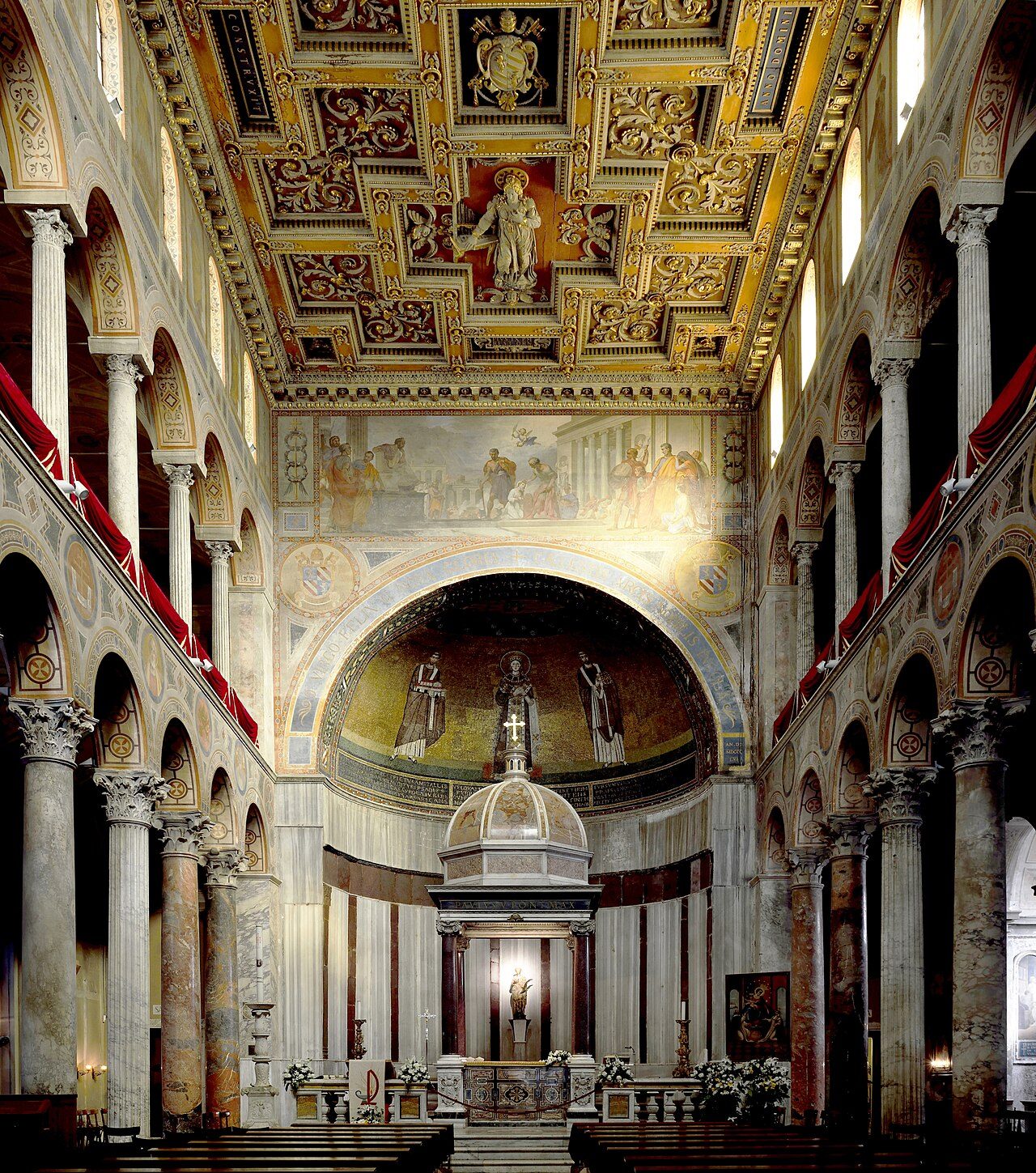
Basilica of St. Agnes
Free 7th-century pilgrimage church with Byzantine mosaics, near ticketed catacombs
Explore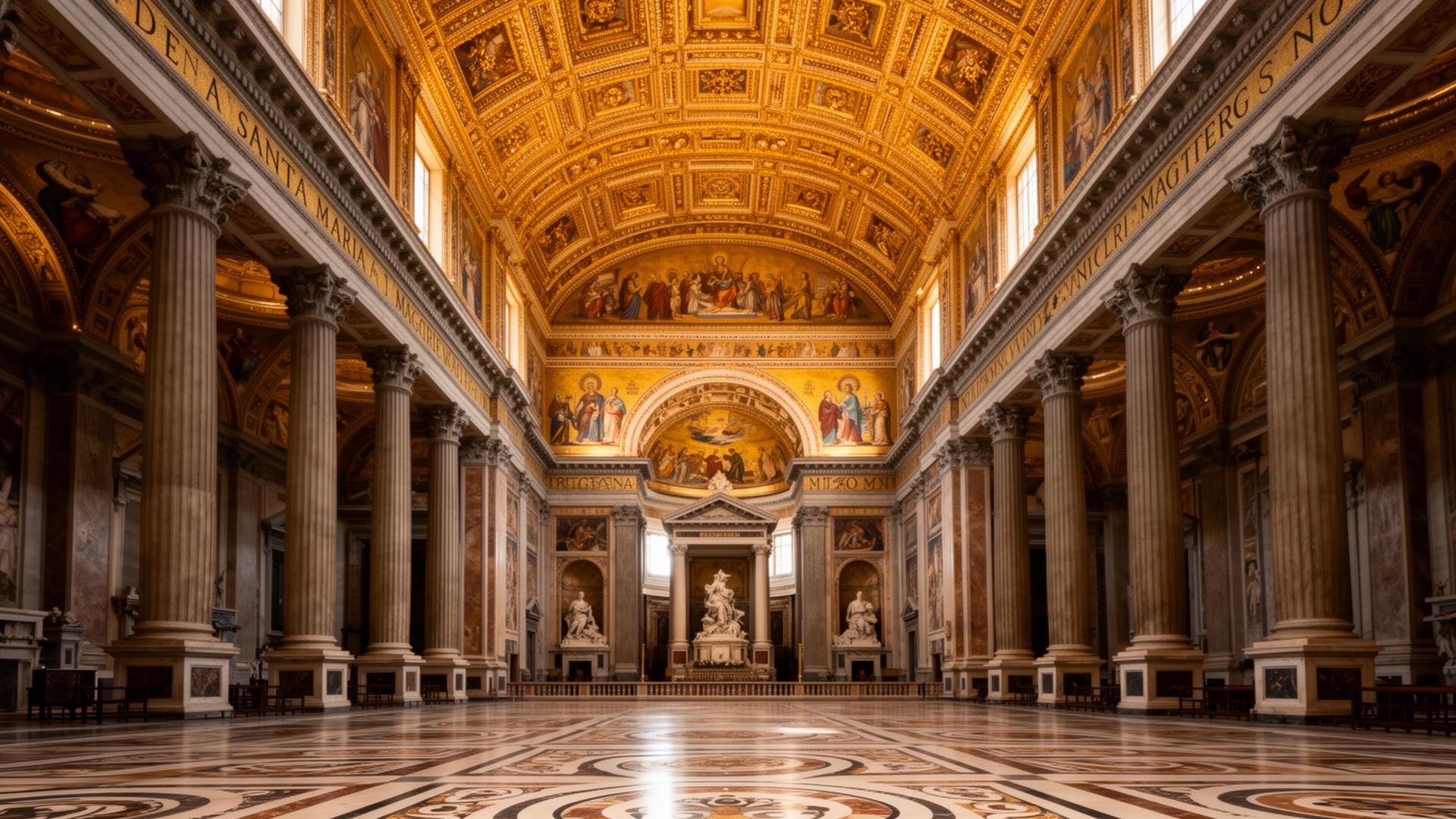
Santa Maria Maggiore
Rome's largest Marian church with stunning 5th-century mosaics
Explore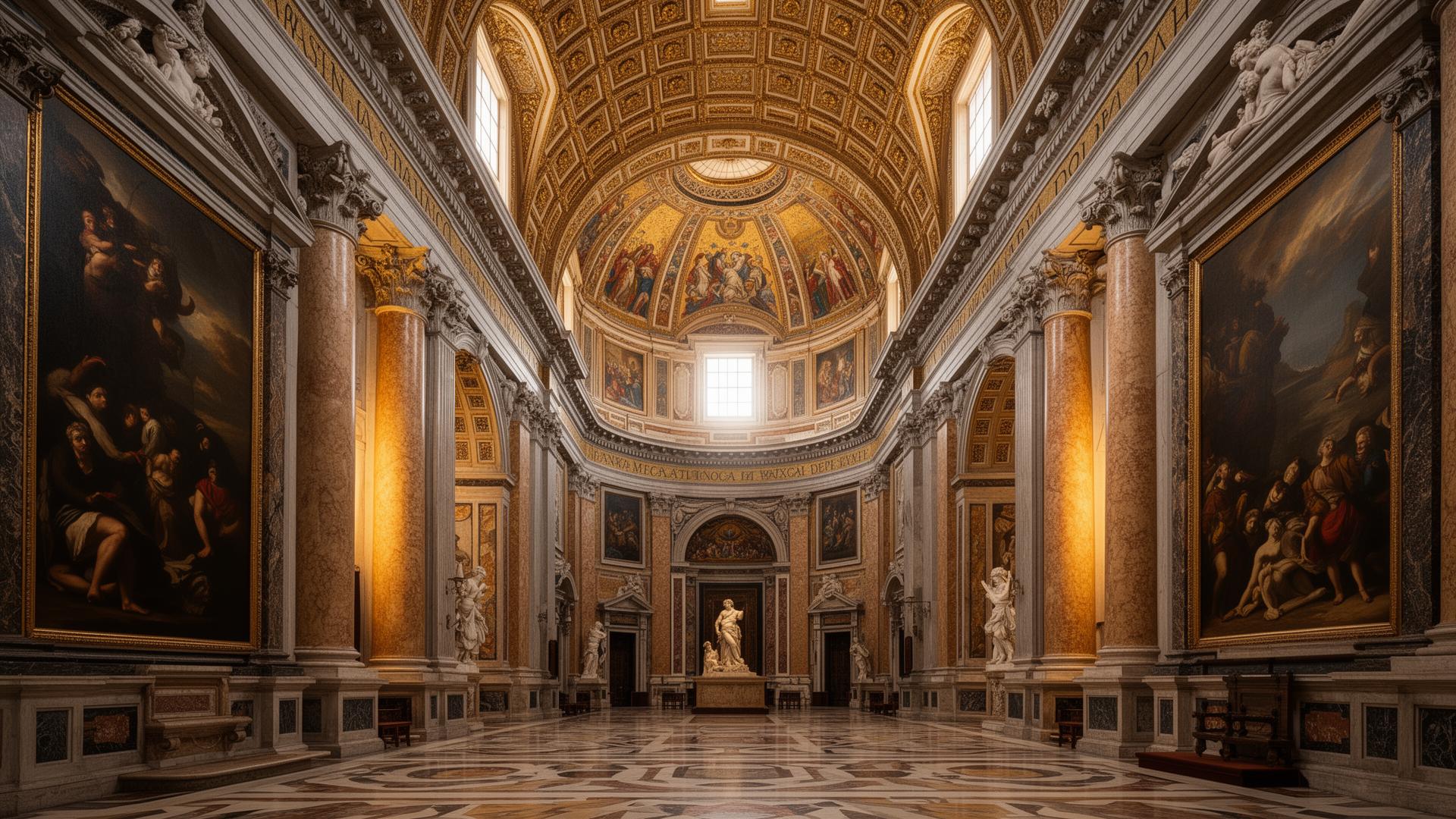
Santa Maria del Popolo
Renaissance church with two Caravaggio masterpieces
Explore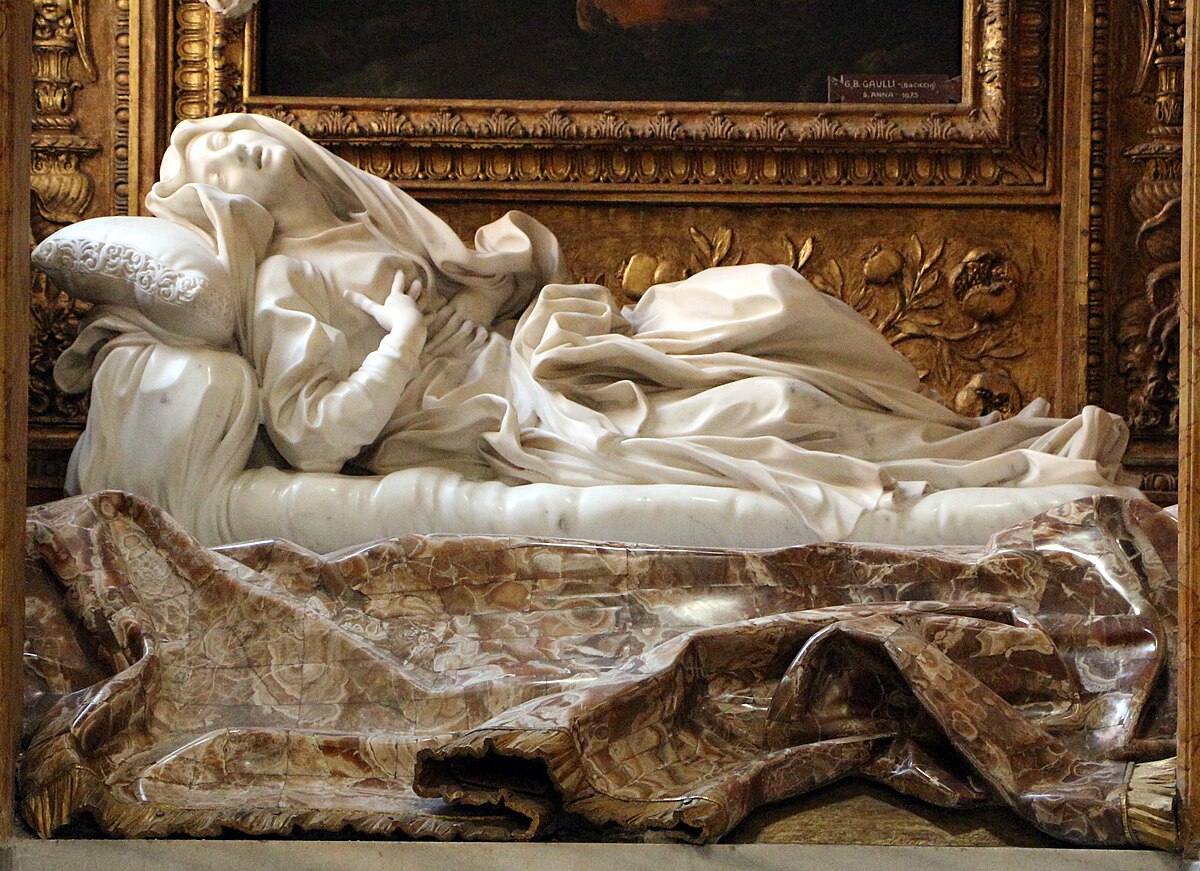
San Francesco a Ripa
Hidden Trastevere church with Bernini's stunning sculpture
Explore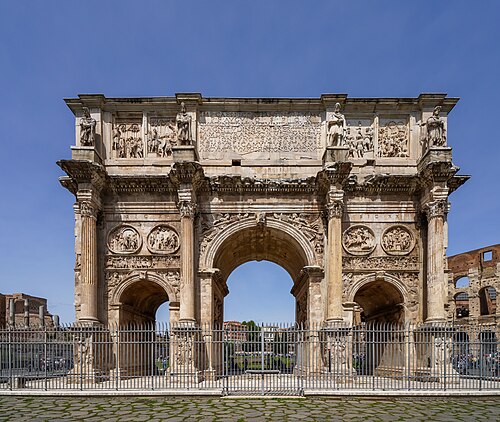
Arch of Constantine
Rome's largest triumphal arch (315 AD) next to the Colosseum
Explore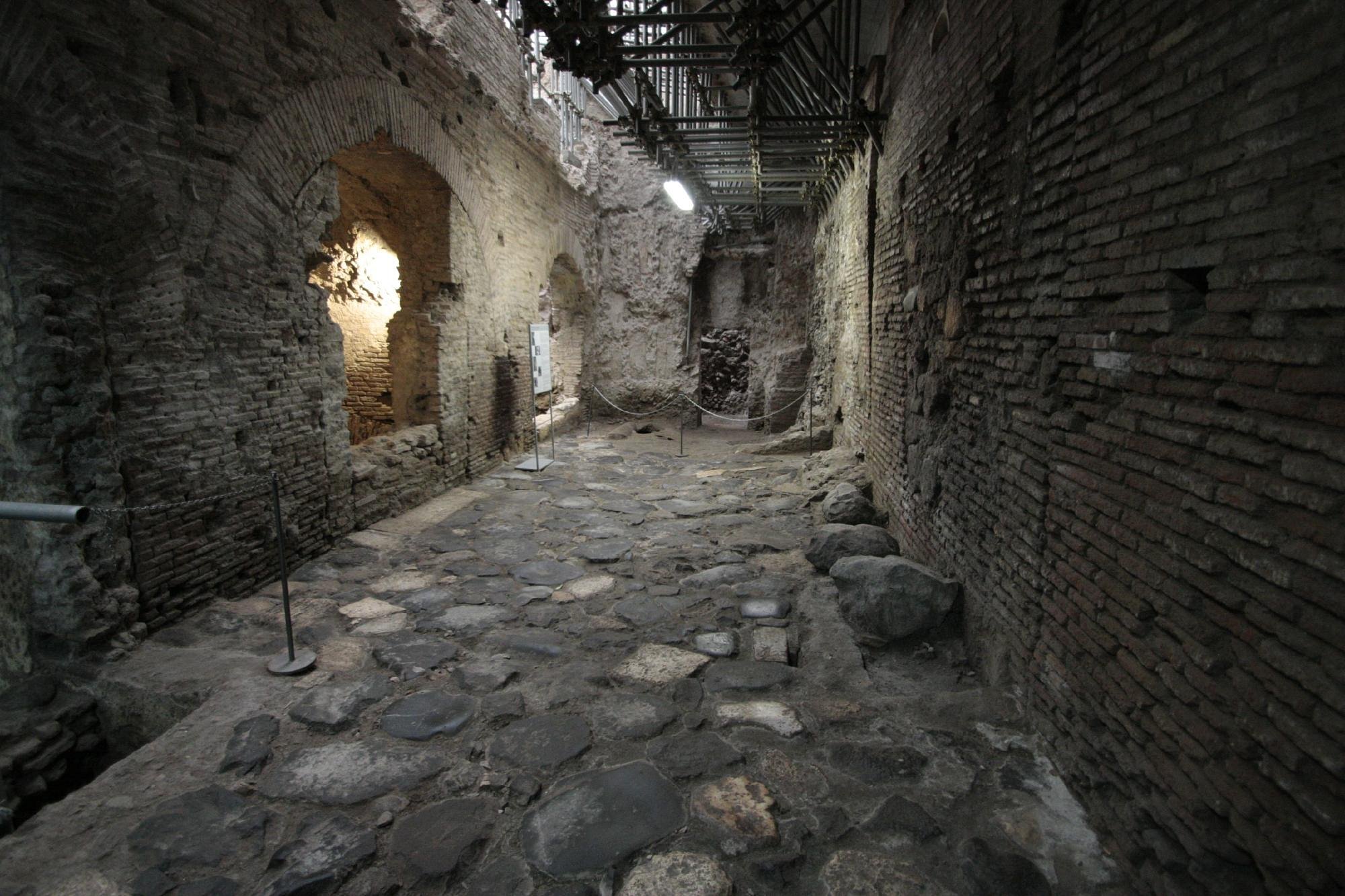
Crypta Balbi
Temporarily closed for archaeological excavation and restoration work
ExploreQuick Planning Guide
⏱️ Time Needed
30–45 minutes
💰 Cost
Free (€1 coins for chapel lights)
🎫 Reservation
Never required
♿ Accessibility
Side entrance avoids the 124-step staircase, but should not be assumed step-free — confirm accessibility needs directly with the basilica
📅 Best Time
09:30–11:30 or 15:30–17:30
👨👩👧👦 Family Friendly
Yes — Santo Bambino chapel loved by children
🌡️ Weather
Indoor — perfect rainy-day stop
Nearby Attractions
Capitoline Museumsadjacent
Piazza del Campidoglioside entrance
Vittoriano Monument1-min walk
Piazza Venezia3-min walk
Roman Forum5-min walk
Trajan's Column5-min walk
Featured In These Itineraries
Classic Rome 3-DayFree Things to Do in RomeHidden Gems of RomeEssential Tips
- ✓ Use the Cordonata side entrance to avoid the 124 stairs, though it should not be relied on as step-free access
- ✓ Bring €0.50–1 coins for the Bufalini Chapel lights
- ✓ Indicative closing 12:30–15:00 daily, but Masses and church events can interrupt visits at any time — hours are not officially guaranteed
- ✓ Pinturicchio frescoes are first chapel on the right
- ✓ Santo Bambino is in the left transept, in its own chapel