 One of Rome's Seven Hills
Capitoline Hill
Rome's sacred hill with Michelangelo's masterpiece piazza and the world's oldest public museum
1–2 hoursFree (Museums from €15)Historic MonumentPiazza del Campidoglio, 00186 Roma RMOpen on MapPlan Your Visit
Compare tickets, tours and stays — booking ahead usually gives more choice
Get TicketsBook a TourHotels NearbyBy AllTrips Editors••8 min readCapitoline Hill (Campidoglio) is the smallest but most sacred of Rome's seven hills. Sitting between Piazza Venezia and the Roman Forum, it hosts Michelangelo's Piazza del Campidoglio, the Capitoline Museums (collection founded 1471, public museum opened 1734 — the world's oldest public museum), and a free panoramic overlook of the Roman Forum that most tourists walk straight past. The piazza, the Cordonata staircase, and the Forum overlook are completely free at all times. The museums require a ticket — €20.50 full / €15 reduced as of August 2026, with exhibition-inclusive pricing subject to change (see museicapitolini.org) — and are free for everyone on the first Sunday of every month, plus free for Rome and Metropolitan City residents with qualifying ID since February 2026.
📋 In This Guide
Why Visit Capitoline Hill?
Capitoline Hill packs more layered history into a smaller footprint than anywhere else in Rome. You stand on the spot of the Temple of Jupiter Optimus Maximus, walk over the world's first public museum, and frame the Roman Forum from a Renaissance balcony — all in under an hour, mostly for free.
Michelangelo's Design
The geometric star piazza is a Renaissance masterpiece
World's Oldest Museum
Collection founded in 1471, museum opened to the public in 1734
Free Forum Overlook
One of Rome's best free panoramas, hidden behind the palazzo
Mostly Free
Capitoline Hill and Piazza del Campidoglio are free. The Capitoline Museums require a ticket; prices vary when major temporary exhibitions are included. Rome-area residents currently qualify for free admission with eligible ID.
Tickets & Entry
Capitoline Hill offers free access to the piazza and overlooks, with optional paid entry to the world-renowned Capitoline Museums. See current prices and exhibition-inclusive tickets at museicapitolini.org.
Free EntryPiazza & Overlooks
Free
The piazza, Cordonata staircase, and panoramic Roman Forum overlook are completely free, 24/7.
- Piazza del Campidoglio access
- Cordonata staircase
- Roman Forum overlook
- Exterior architecture viewing
Capitoline Museums
Full admission is €20.50 (reduced €15) as of August 2026, in connection with the current exhibition programme — pricing can change, so check the official ticket page at museicapitolini.org. Free for everyone on the first Sunday of the month, and free for Rome and Metropolitan City residents with qualifying ID since February 2026.
- Palazzo dei Conservatori
- Palazzo Nuovo
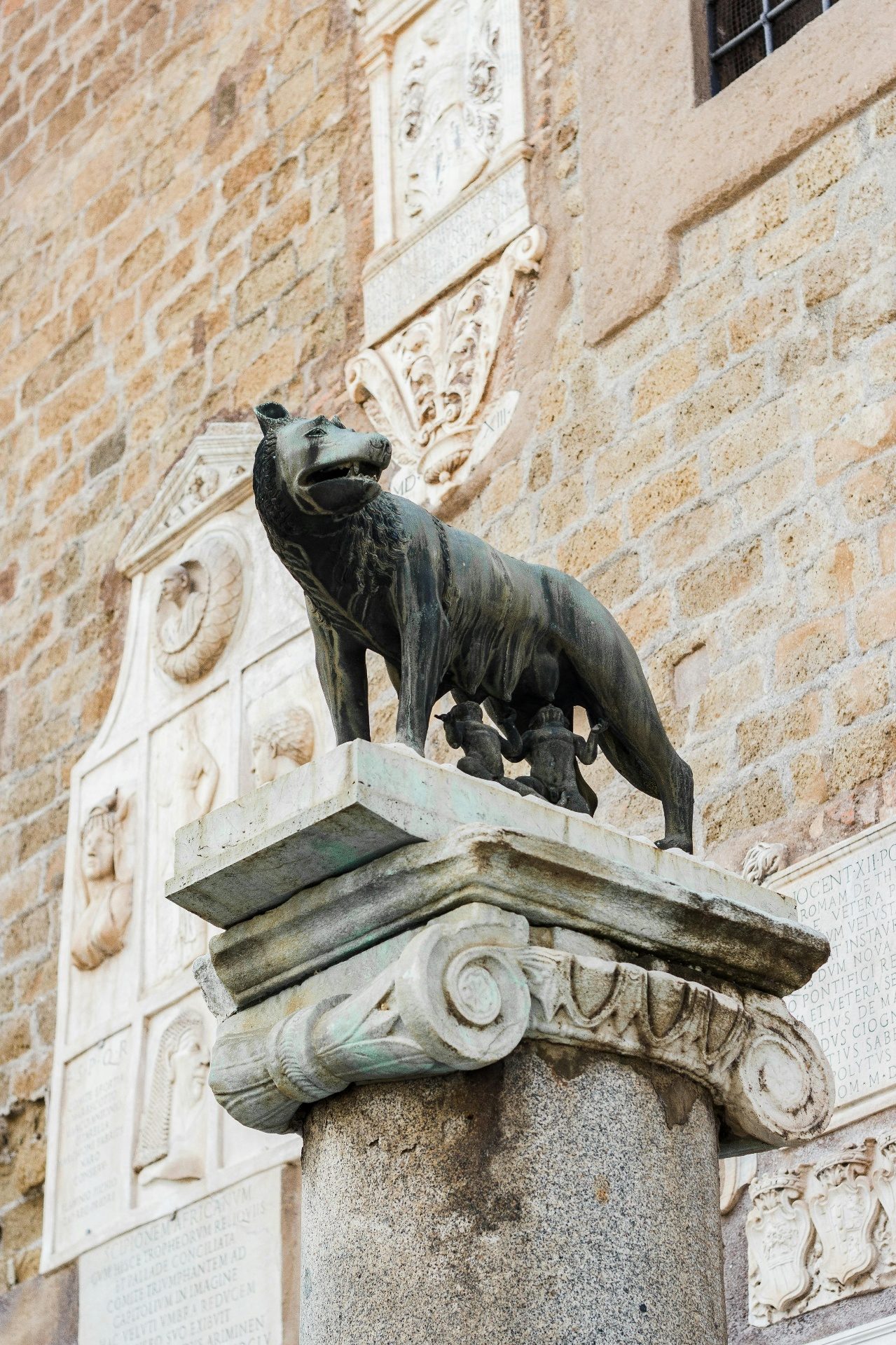
- Capitoline She-Wolf & Dying Gaul
- Original Marcus Aurelius bronze
- Tabularium gallery & covered Forum view
Capitoline Hill Through History
509 BCETemple of Jupiter
The Temple of Jupiter Optimus Maximus is dedicated, becoming ancient Rome's most important temple. Triumphal processions ended here.
78 BCETabularium Built
The Tabularium (Roman state archive) is constructed on the slope toward the Forum. Its travertine arches still support the Palazzo Senatorio above.
1144Senatorial Palace
Rome's medieval commune builds Palazzo Senatorio on top of the Tabularium — the seat of city government for nearly 900 years.
1471Collection Founded
Pope Sixtus IV donates four bronze statues (including the Capitoline She-Wolf) to the Roman people, founding the collection that would become the world's oldest public museum.
1734Museum Opens to the Public
Pope Clement XII formally opens the Capitoline Museums to the public, making it the world's oldest public museum in the modern sense.
1536Michelangelo's Commission
Pope Paul III commissions Michelangelo to redesign the hilltop for Charles V's visit. Michelangelo reorients the piazza away from the ancient Forum, toward papal and modern Rome.
1538Marcus Aurelius Moved
The bronze equestrian statue of Marcus Aurelius is moved here from the Lateran. Michelangelo designs an oval pedestal to anchor the new piazza.
1655Design Completed
The Piazza del Campidoglio is finally completed, almost a century after Michelangelo's death — the geometric star pavement only added in 1940.
PresentCity Hall
Palazzo Senatorio remains Rome's city hall. The Capitoline Museums draw over 600,000 visitors annually.
Michelangelo's Piazza: 6 Things You'll Miss Without a Guide
Most visitors walk across the piazza in 30 seconds without realizing they're standing inside one of the most influential urban designs in Western architecture. Here's what to look for.
The piazza faces away from the Forum
Michelangelo deliberately turned the piazza 180° away from the ancient Roman Forum, reorienting it toward papal and modern Rome — a powerful Renaissance statement that the new city had superseded the old.
The star pavement was Mussolini's idea
Michelangelo designed the 12-pointed geometric oval, but it was only laid in travertine in 1940 under Mussolini, who finally executed the original drawings four centuries later.
The Marcus Aurelius is a copy
The bronze equestrian statue at the centre is a 1997 replica. The original — the only complete bronze equestrian statue to survive from antiquity — lives inside the Capitoline Museums to protect it from acid rain.
The Cordonata is a horse ramp
Michelangelo designed the steps shallow and gently graded so dignitaries on horseback could ride directly up to the piazza — note how different it looks from the steep medieval staircase to its left.
Castor and Pollux greet you at the top
The colossal twin statues at the head of the Cordonata are the divine twins, protectors of Rome. They were dug up in the 16th century and placed here to mark the entrance to a sacred space.
The free Forum overlook is hidden in plain sight
Walk through the small alley to the right of Palazzo Senatorio. Behind it is one of Rome's best free panoramas — the entire Roman Forum spreads beneath you with the Colosseum on the horizon.
Inside the Capitoline Museums
The ticket — €20.50 full / €15 reduced as of August 2026, with exhibition-inclusive pricing subject to change (see museicapitolini.org) — covers two palaces (Palazzo dei Conservatori and Palazzo Nuovo) connected by an underground passage that runs through the ancient Tabularium. Entry is free on the first Sunday of every month, and free for Rome and Metropolitan City residents with qualifying ID since February 2026. Don't try to see everything — these are the highlights you came for.
🐺 Capitoline She-Wolf
The bronze she-wolf nursing Romulus and Remus — the symbol of Rome itself. The wolf is medieval (~12th century), the twins were added by Pollaiuolo in the 15th century. Donated by Sixtus IV in 1471 as one of the museum's founding pieces.
🐎 Original Marcus Aurelius
The 2nd-century bronze equestrian statue of emperor Marcus Aurelius — the only complete bronze equestrian statue to survive from antiquity. Tradition holds it survived medieval melt-downs because it was mistakenly believed to depict Constantine, though this remains a popular explanation rather than a documented fact. Now displayed in a glass-walled atrium designed by Carlo Aymonino.
⚔️ The Dying Gaul
A Roman marble copy of a Greek bronze (~230 BCE), depicting a defeated Celtic warrior in his final moments. Considered one of the most emotionally powerful ancient sculptures in existence — Byron wrote about it.
🏛️ Tabularium Forum View
The covered passage between the two palaces runs through the 1st-century BCE Roman state archive. Stop at the central arches for a framed, weather-protected view of the Roman Forum that most visitors never find.
👤 Colossal Constantine
Fragments of a 12-metre seated statue of emperor Constantine — the head alone is 2.6 m tall. Displayed in the open-air courtyard of Palazzo dei Conservatori, this is the most photographed object in the museum.
🖼️ Capitoline Pinacoteca
On the second floor of Palazzo dei Conservatori — paintings by Caravaggio (Saint John the Baptist, The Fortune Teller), Titian, Rubens, and Van Dyck. Skipped by most visitors and usually far less crowded than the sculpture galleries.
Best Time to Visit
Early Morning
8–9 AM for an empty piazza and crisp light on the geometric pavement.
Late Afternoon ⭐
90 min before sunset — golden light, glowing Forum, ideal photography.
Blue Hour
After sunset, the lit piazza and illuminated Forum below are magical.
Best Photo Spots
Bottom of the Cordonata
Shoot up the staircase with Castor and Pollux framing Palazzo Senatorio's clock tower at the top — the classic postcard angle.
On the central star
Stand exactly on the centre of the geometric oval for Michelangelo's perfect symmetrical composition with all three palazzi.
Forum overlook behind Palazzo Senatorio
Walk through the alley to the right of the central palazzo. The full Roman Forum unfolds below with the Colosseum on the horizon — completely free.
Tabularium gallery (inside museum)
Inside the museum's underground passage, the ancient Roman arches frame the Forum like a picture frame. Best around midday for even light.
Capitoline Hill vs Rome's Other Hills
Rome famously has seven hills. Here's how the Capitoline compares to the others worth climbing.
| Hill | Cost | Best For | Effort |
|---|---|---|---|
| Capitoline (Campidoglio) | Free (museum €15–€20.50) | Renaissance art + free Forum view | Cordonata ramp (easy) |
| Palatine Hill | €18 (combo Forum/Colosseum) | Imperial palace ruins | Steep paths |
| Aventine Hill | Free | Orange Garden + Keyhole view | Moderate uphill walk |
| Janiculum (not one of the seven) | Free | Wide rooftop panorama of Rome | Long uphill walk |
5 Common Mistakes to Avoid
1. Taking the wrong staircase
The steep 124-step staircase on the left leads to the church of Santa Maria in Aracoeli — not the piazza. Take the gentle ramp on the right (Michelangelo's Cordonata).
2. Skipping the free Forum overlook
It's not signposted. Walk to the right side of Palazzo Senatorio (the central palace), down the small alley, and you'll find one of Rome's best free panoramas.
3. Photographing the 'original' Marcus Aurelius outside
The bronze in the centre of the piazza is a 1997 replica. The real one is inside the museums — go see it for the price of admission.
4. Visiting the museums on the first Sunday morning
Free entry is popular, so lines can build up quickly. If you'd rather skip the wait, a paid weekday visit tends to be calmer.
5. Rushing through the Tabularium
Most people walk through the underground passage between the two palazzi without stopping. Pause at the central arches — the framed Forum view is the best photo in the museum.
Pair Your Visit
Capitoline Hill sits at the seam between ancient and Renaissance Rome. Build a half-day itinerary around it with these three nearby sights.
Roman Forum →
Adjacent. Walk through the ancient ruins you saw from the overlook above.
Piazza Venezia →
2-min walk. The Vittoriano rooftop, Tomb of the Unknown Soldier, and Rome's central hub.
Largo Argentina →
5-min walk. Republican-era ruins, the site of Caesar's assassination, and the cat sanctuary.
Nearby Tickets & Tours
Compare official ticket options for the Roman Forum, Colosseum and Vatican — all a short walk from Capitoline Hill.
Stadium of Domitian Underground
Best for: History lovers
~40 min - 1 hourDescend beneath Piazza Navona to explore the ancient Stadium of Domitian where 30,000 Romans once watched athletic competitions. A hidden archaeological treasure most visitors walk over without knowing.
- Underground ruins access
- Ancient stadium remains
- Live guided tour available
- Multiple language options
🎟️ Compare Prices:
TiqetsKlookTrip.comGuided Walking Tour
Best for: First-time visitors
~1.5 - 2.5 hoursExpert-led walking tour covering Piazza Navona's Baroque fountains, the Pantheon, Trevi Fountain, and Spanish Steps. Perfect introduction to Rome's historic center highlights.
- Professional English-speaking guide
- Navona + Pantheon + Trevi Fountain
- Bernini & Baroque art insights
- Small group experience
🎟️ Compare Prices:
TiqetsKlookTrip.comNavona Underground + Bundles
Best for: Full experience seekers
~2 - 3 hoursCombine Navona Underground with Trevi Fountain guided tour, Pantheon advance timed ticket entry, or Museum of Rome. Save time and money with bundled experiences.
- Underground + second attraction
- Skip-the-line entry included
- Save vs. separate bookings
- Museum of Rome option available
🎟️ Compare Prices:
TiqetsKlookTrip.comWhere to Stay Near Capitoline Hill
Looking for convenient accommodation near Capitoline Hill? Stay within walking distance to make the most of your visit.
Hotels Near This AttractionTop Rated HotelsBudget-Friendly OptionsLuxury HotelsCentral locations with easy access to Capitoline Hill and other attractionsFrequently Asked Questions
Is Capitoline Hill free to visit?
Yes — the Piazza del Campidoglio, Cordonata staircase, and the spectacular Roman Forum overlook behind Palazzo Senatorio are all completely free, 24/7. Only the Capitoline Museums require a paid ticket: full admission is €20.50 (reduced €15) as of August 2026, with exhibition-inclusive pricing subject to change — check the official ticket page at museicapitolini.org. Entry is free for everyone on the first Sunday of every month, and since February 2026 residents of Rome and the Metropolitan City get free admission with qualifying ID.
How long do I need at Capitoline Hill?
Plan 45 minutes to 1 hour for the piazza, statues, and the Forum overlook. Add 2–3 hours if you visit the Capitoline Museums, which house the Capitoline She-Wolf, the original Marcus Aurelius bronze, and the Dying Gaul.
What's the best way to reach the top?
Walk up Michelangelo's gentle Cordonata staircase from Piazza d'Aracoeli — it was deliberately designed shallow so horses could climb it. Avoid the steep medieval staircase to its left (the 124 steps to Santa Maria in Aracoeli) unless you specifically want that church.
Is the Marcus Aurelius statue in the piazza original?
No — the bronze equestrian statue at the centre of the piazza is a faithful replica installed in 1997. The original (the only complete bronze equestrian statue to survive from antiquity) is displayed inside the Capitoline Museums to protect it from pollution. Tradition holds it survived medieval melt-downs because it was mistakenly believed to depict Constantine rather than a pagan emperor.
When is the best time to visit Capitoline Hill?
Late afternoon (about 90 minutes before sunset) is unbeatable — golden light hits Michelangelo's geometric pavement and the Forum below glows. Early morning (8–9 AM) tends to be quieter and is good for photography.
Related Attractions
Pantheon
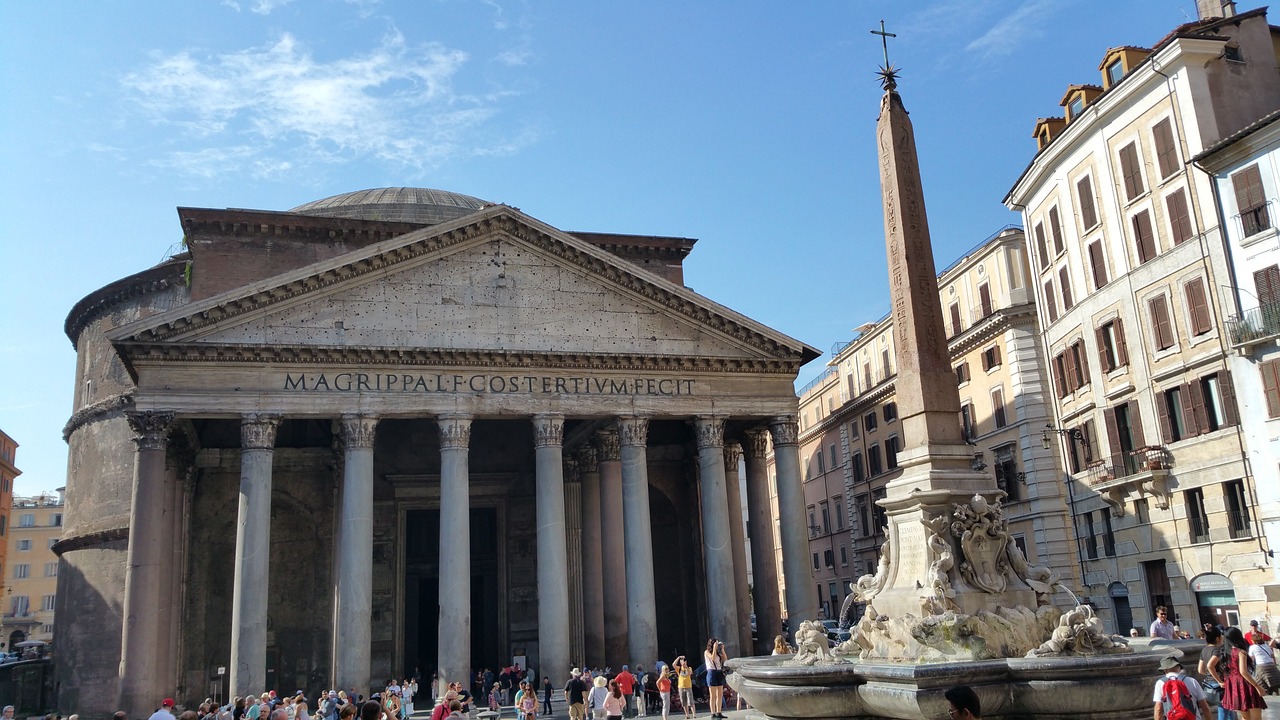
Best-preserved Roman building with the world's largest unreinforced concrete dome
Explore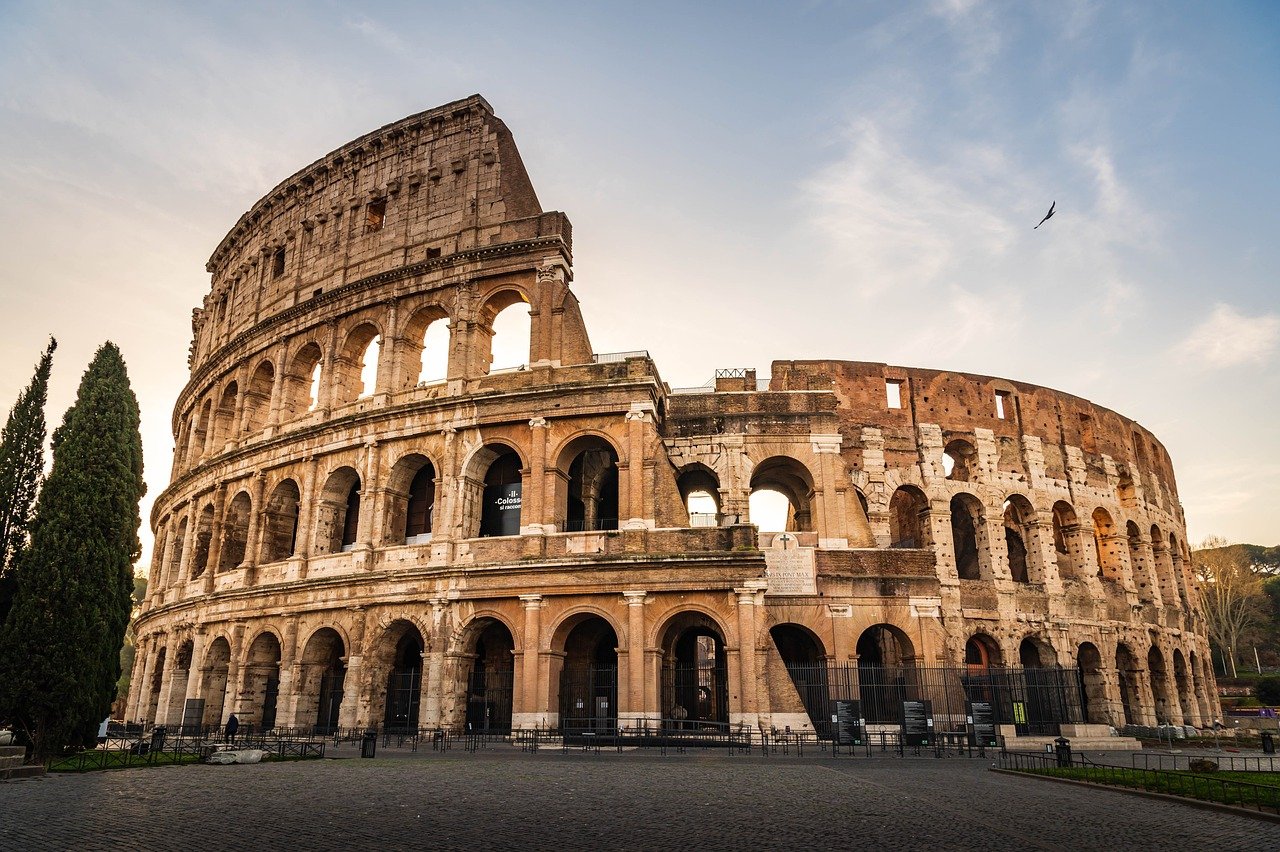
Colosseum
Iconic amphitheater and symbol of Imperial Rome, one of the New 7 Wonders
Explore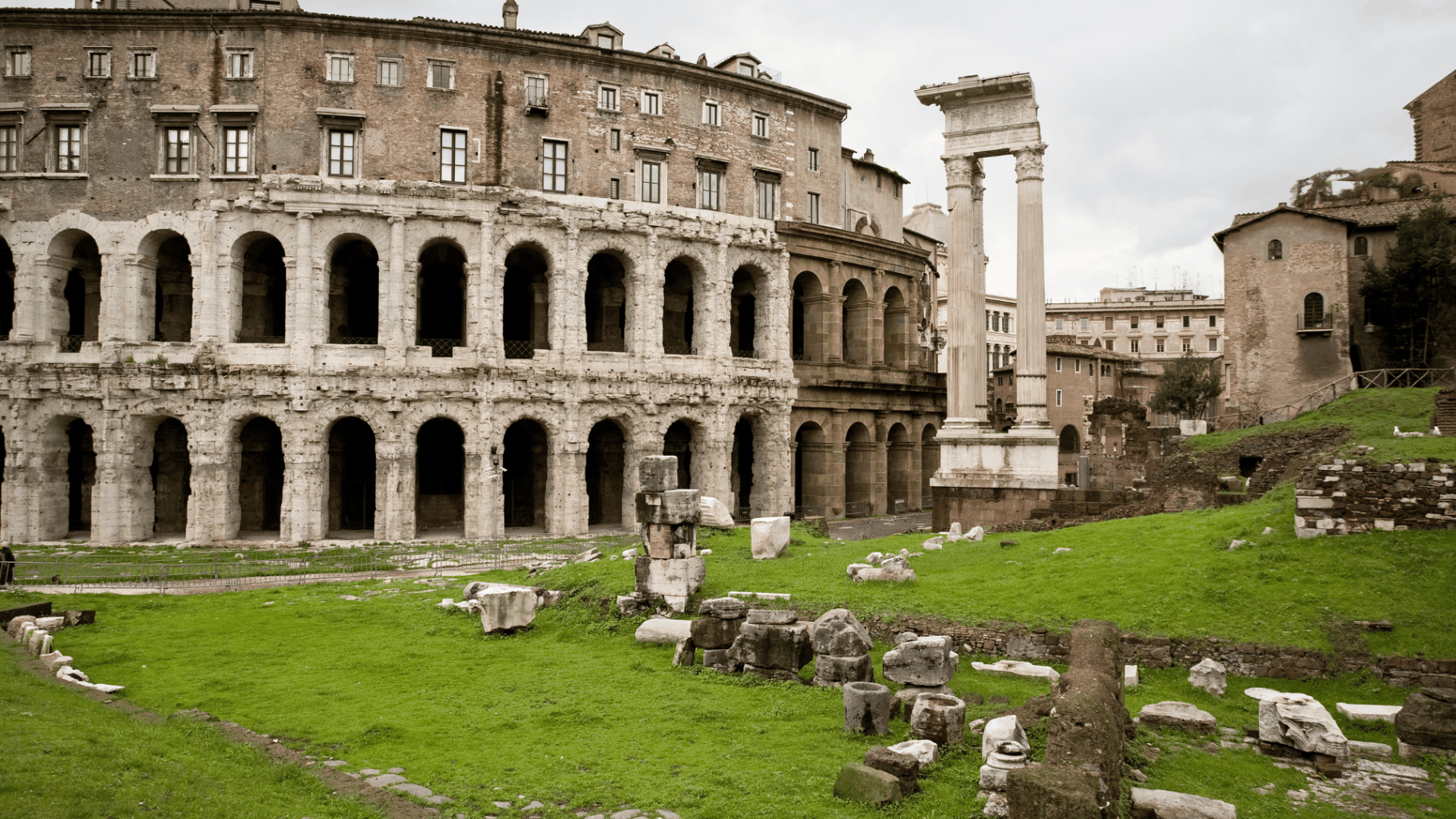
Theatre of Marcellus
Ancient Roman theater that inspired the Colosseum
Explore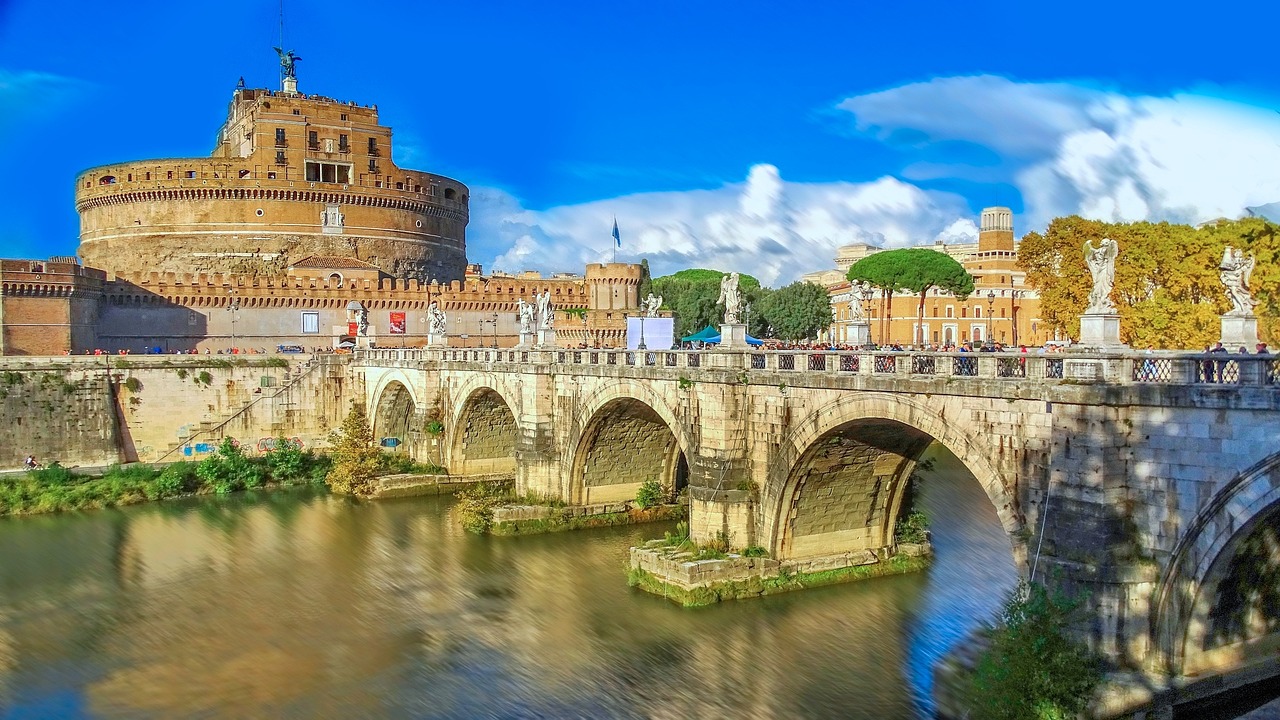
Castel Sant'Angelo
Ancient mausoleum turned papal fortress with panoramic city views
Explore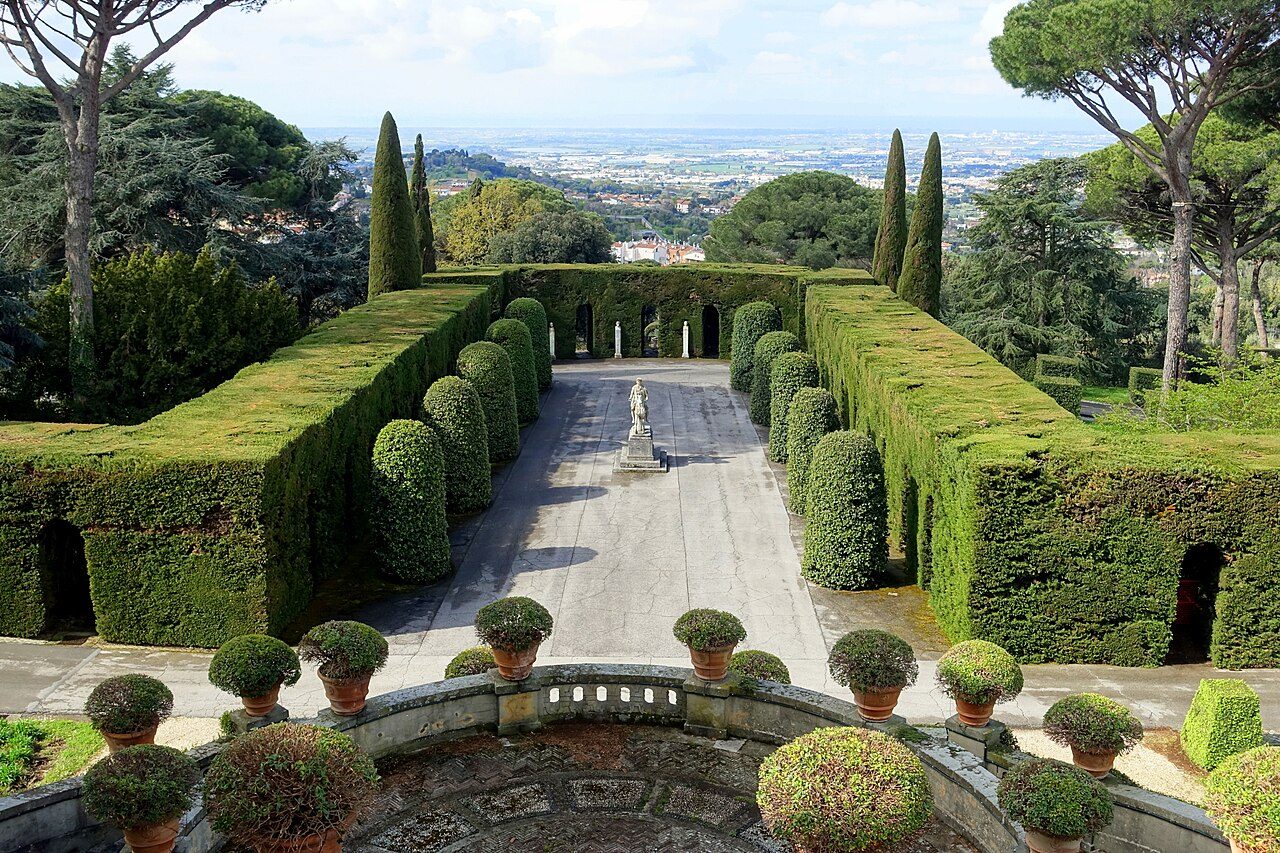
Bracciano Castle
Medieval fortress overlooking Lake Bracciano—Tom Cruise's wedding venue
Explore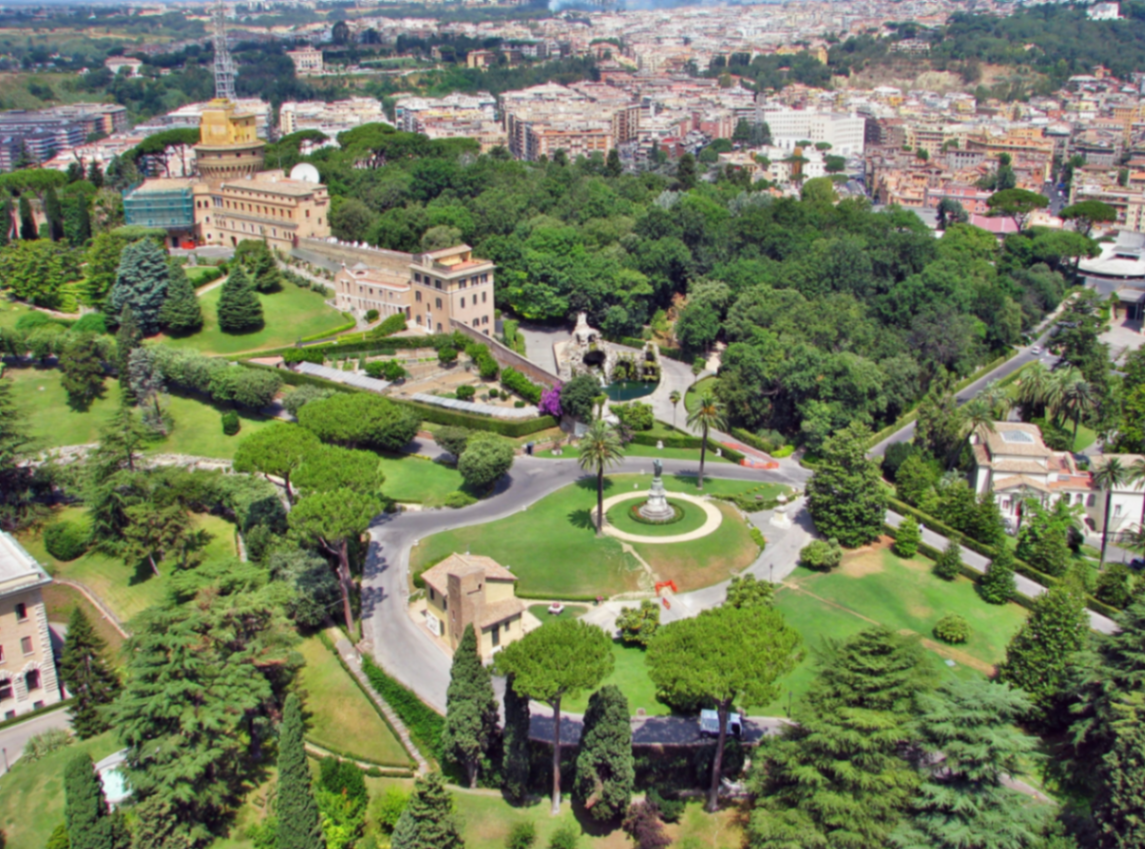
Vatican Gardens
Pope's private paradise—57 acres of Renaissance gardens
ExploreQuick Planning Guide
⏱️ Time Needed
1–2 hours (3+ with museums)
💰 Cost
Free (Museums €15–€20.50, Aug 2026)
🎫 Reservation
Recommended for museums
♿ Accessibility
Elevator available, steps to reach hill
📅 Best Time
Late afternoon for golden hour
👨👩👧👦 Family Friendly
Yes, free piazza with statues
Nearby Attractions
Roman Forumadjacent overlook
Palatine Hill10-minute walk
Colosseum15-minute walk
Victor Emmanuel Monumentadjacent
Featured In These Itineraries
Classic Rome in 3 Days5 Day Rome ItineraryFree Rome ItineraryEssential Tips
- ✓ Museums free first Sunday of every month, and for Rome-area residents with ID (since Feb 2026)
- ✓ Late afternoon provides best photo lighting
- ✓ Use the Cordonata staircase for the grand entrance
- ✓ Don't miss the free Forum overlook behind Palazzo Senatorio