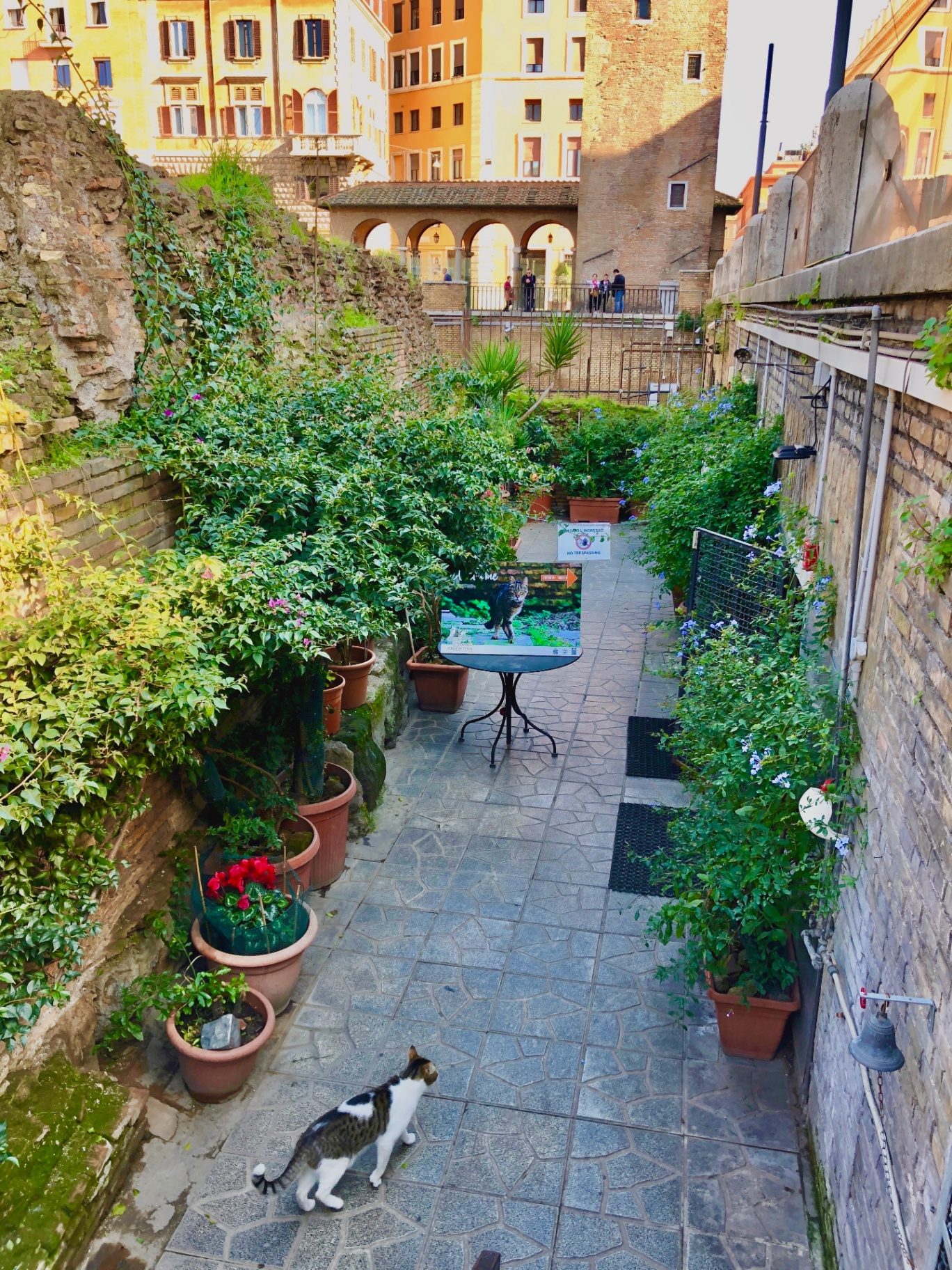
 Ancient Ruins & Cat Sanctuary
Largo di Torre Argentina
Ancient Roman temples and Rome's famous cat sanctuary
~45 minutesFree exterior view; €7 archaeological-area entry100+ CatsLargo di Torre Argentina, 00186 Roma RMOpen on MapPlan Your Visit
Compare tickets, tours and stays — booking ahead usually gives more choice
Get TicketsBook a TourHotels NearbyBy AllTrips Editors••7 min readLargo di Torre Argentina is the sunken square in the heart of Rome where four Republican-era temples (4th–2nd century BCE) sit near the site of the Curia of Pompey, where Julius Caesar was assassinated on 15 March 44 BCE — its remains lie at the western edge of the complex, not inside one of the temples. Today it doubles as Rome's beloved cat sanctuary, with a colony numbering roughly a hundred-plus rescue cats lounging among the marble. Free to view from street level; walking inside the ruins costs €7 (€4 reduced), open since 2023.
📋 In This Guide
Why Visit Largo di Torre Argentina?
Largo di Torre Argentina is one of Rome's most unique archaeological sites — a sunken square containing four Republican-era Roman temples dating from the 4th to 2nd century BCE. What makes it truly special is the colony of roughly a hundred-plus rescue cats that have made these ancient ruins their home, plus its proximity to the Curia of Pompey, where Julius Caesar was murdered.
Four Republican Temples
Labeled A, B, C, D — among the oldest standing in Rome.
Cat Sanctuary
Roughly a hundred-plus rescue cats living among ancient ruins.
Caesar's Assassination Site
The Curia of Pompey, where Julius Caesar was killed on 15 March 44 BCE, lies at the site's western edge.
Free to View
Street-level viewing 24/7; walk inside for €7 (€4 reduced).
Tickets & Entry Options
Largo di Torre Argentina offers both free street-level viewing and ticketed access to walk among the excavated temples (open since June 2023).
Free EntryStreet Level Viewing
Free
View the ancient ruins and cats from the street barriers surrounding the excavated area. Perfect for a quick stop, always free 24/7.
RecommendedTimed-Entry Archaeological Site Access
€7 full / €4 reduced (+€1 booking fee)
Enter via the walkways and walk among the ancient temples. Get close to the Curia of Pompey, where Caesar was killed, at the site's western edge. Entry runs in 20-minute timed intervals.
- Walk among ancient Roman temples
- Access restricted archaeological areas
- Reserve a timed slot online instead of buying on site
- Get closer to the Curia of Pompey assassination site
Know Before You Go
Full-price entry is €7 (€4 reduced), plus a €1 fee for advance booking. Rome & Metropolitan City residents enter free with ID, and entry is free on the first Sunday of the month, subject to capacity. Entry is released in 20-minute timed intervals; booking online avoids buying on-site but doesn't bypass capacity or security checks.
Largo Argentina Through Time
4th-2nd Century BCETemples Built
Four Republican-era temples (A, B, C, D) are constructed, commonly identified as dedicated to Roman deities including Juturna and Feronia.
55 BCETheatre of Pompey
Pompey builds Rome's first permanent stone theatre and adjoining curia just west of the temples.
44 BCECaesar's Assassination
On the Ides of March, Julius Caesar is stabbed 23 times in the Curia of Pompey, whose remains lie at the western edge of this site — not inside one of the four temples.
80 CEImperial Renovations
After the Great Fire of 80 CE, the temples are rebuilt with new pavements during the Domitianic era.
1926-1929Excavations
Mussolini-era demolitions uncover the buried temples; the sunken square we see today is created.
1993Cat Sanctuary Founded
Volunteers establish Torre Argentina Cat Sanctuary to care for the stray cats living in the ruins.
2023Ruins Open to Public
After 90+ years of viewing only from above, new walkways allow visitors to walk among the ancient temples.
The Four Temples: Deep-Dive
Archaeologists labelled the temples A, B, C, D before identifying them. Here's what each one is — read this and the sunken plaza suddenly makes sense.
Temple A — commonly identified as Juturna
Northernmost. Traditionally associated with Juturna, goddess of fountains, and linked to Quintus Lutatius Catulus's 241 BCE naval victory. Later converted to the medieval Church of San Nicola dei Cesarini — the brick apse is still visible.
Temple B — Fortuna Huiusce Diei
The round temple. Dedicated to 'Fortune of This Day' by general Catulus to celebrate his victory at Vercellae (101 BCE). The colossal cult statue's head, arms, and feet are now in the Capitoline Museums.
Temple C — traditionally associated with Feronia
The oldest, possibly 4th century BCE. Traditionally associated with Feronia, an ancient Italic goddess of wildlife and freedom — freed slaves are said to have received their pileus (cap of liberty) here.
Temple D — commonly identified as Lares Permarini
Largest, but mostly buried under modern Via Florida. Commonly identified as dedicated to the Lares Permarini, sea-protector gods, linked to Lucius Aemilius Regillus's 190 BCE naval battle.
Curia of Pompey
At the western edge of the complex, behind Temple B — not inside any of the four temples. The rectangular brick foundations are the meeting hall where the Senate convened on 15 March 44 BCE, and where Caesar was assassinated. Walled up by Augustus after the murder.
The medieval tower
The 'Torre' in Argentina refers to the Torre del Papito, the small medieval tower on the south-east corner — not Argentina the country. 'Argentina' comes from Strasbourg (Argentoratum), birthplace of a 16th-century papal master of ceremonies.
Caesar's Assassination: What Actually Happened Here
On 15 March 44 BCE — the Ides of March — Julius Caesar walked into the Curia of Pompey for a Senate meeting. The regular Senate house had burned down, so meetings were held in this temporary hall attached to Pompey's theatre complex.
A group of 60+ senators led by Brutus and Cassius surrounded him. He was stabbed 23 times. Suetonius records his last words; Shakespeare gave us "Et tu, Brute?" The body lay at the foot of a statue of Pompey — Caesar's old rival.
Augustus, Caesar's heir, was so disturbed by what happened here that he had the curia walled up forever. The brick footprint of the sealed hall — not part of any of the four temples — is still there, at the western edge of the site, just behind Temple B.
The Torre Argentina Cat Sanctuary
Founded in 1993 by Lia Dequel and Silvia Viviani, the no-kill sanctuary cares for a colony that varies in size — roughly a hundred-plus cats — living among the ruins. They neuter, vaccinate, and adopt out — and you can help.
Visit the Shelter
Hours are set by the sanctuary and can change — check their official site before you go. Entry via the staircase on the south-east corner. Free, donations welcome.
Adopt a Cat (Remotely)
From any country, you can sponsor a specific resident cat for €15/month. The volunteers send updates and photos.
Best Cat-Spotting Hours
Around feeding (5–6 PM) is the most active. Mornings are sleepier — cats nap on warm temple stones.
Volunteer or Donate
The sanctuary runs entirely on donations. Cash, card, and online giving accepted at the entrance.
Best Photo Spots
North-east corner railing
Best free viewpoint of the round Temple B columns with cats often draped over the ancient stones.
Inside the new walkway
Eye-level shots of the temple bases from the 2023 archaeological path — book a timed slot online to avoid buying on-site (capacity and security checks still apply).
Via di Torre Argentina staircase
Cat sanctuary entrance — close-ups of resident cats with the medieval Torre del Papito behind.
Tram 8 rails view
Wide shot from the south side capturing the whole sunken square against the modern city — classic 'Rome in layers' frame.
Largo Argentina vs Other Free Roman Ruins
Rome has several free open-air archaeological sites. Here's how Largo Argentina compares.
| Site | Era | Best For | Time Needed |
|---|---|---|---|
| Largo Argentina | 4th c. BCE – 80 CE | Caesar site, Republican temples, cats | 30-45 min |
| Portico of Octavia | 146 BCE – 203 CE | Architecture layering, Ghetto gateway | 30-45 min |
| Theatre of Marcellus | 13 BCE | Pre-Colosseum amphitheatre exterior | 15-20 min |
| Trajan's Column | 113 CE | Spiral narrative reliefs, Imperial Rome | 15-20 min |
5 Common Mistakes to Avoid
1. Thinking Caesar was killed in the Forum
He wasn't. The 'Et tu, Brute?' moment happened here at the Curia of Pompey, at the western edge of the complex — not inside one of the four temples — 700 m from the Roman Forum. Look for the brick rectangle behind Temple B.
2. Skipping the cat sanctuary entrance
The shelter visit is free and unforgettable, though hours vary — check the sanctuary's site first. Most tourists never go down the staircase on the south-east corner.
3. Visiting only at street level since 2023
Since June 2023 you can actually walk inside the ruins for €7 (€4 reduced), entered in 20-minute timed intervals. The view from the new walkways is dramatically better than from above.
4. Confusing 'Argentina' with the country
It's named after Strasbourg (Argentoratum) — the home city of the 16th-century papal official whose palace stood here. Nothing to do with South America.
5. Not feeding the cats... properly
The volunteers ask visitors NOT to bring food. The cats are on a managed diet. Donations of cash or supplies via the shelter are welcomed instead.
Pair Your Visit
Largo Argentina sits at the geographic centre of historic Rome. Three of the city's best stops are a five-minute walk away.
Pantheon →
5-min walk north. The world's largest unreinforced concrete dome — standard admission €7.
Jewish Ghetto →
5-min walk south. Synagogue, Portico d'Ottavia, fried artichokes.
Campo de' Fiori →
5-min walk west. Morning produce market, evening aperitivo bars.
Nearby Tickets & Tours
Compare official ticket options for nearby paid attractions like the Stadium of Domitian under Piazza Navona.
Stadium of Domitian Underground
Best for: History lovers
~40 min - 1 hourDescend beneath Piazza Navona to explore the ancient Stadium of Domitian where 30,000 Romans once watched athletic competitions. A hidden archaeological treasure most visitors walk over without knowing.
- Underground ruins access
- Ancient stadium remains
- Live guided tour available
- Multiple language options
🎟️ Compare Prices:
TiqetsKlookTrip.comGuided Walking Tour
Best for: First-time visitors
~1.5 - 2.5 hoursExpert-led walking tour covering Piazza Navona's Baroque fountains, the Pantheon, Trevi Fountain, and Spanish Steps. Perfect introduction to Rome's historic center highlights.
- Professional English-speaking guide
- Navona + Pantheon + Trevi Fountain
- Bernini & Baroque art insights
- Small group experience
🎟️ Compare Prices:
TiqetsKlookTrip.comNavona Underground + Bundles
Best for: Full experience seekers
~2 - 3 hoursCombine Navona Underground with Trevi Fountain guided tour, Pantheon advance timed ticket entry, or Museum of Rome. Save time and money with bundled experiences.
- Underground + second attraction
- Skip-the-line entry included
- Save vs. separate bookings
- Museum of Rome option available
🎟️ Compare Prices:
TiqetsKlookTrip.comWhere to Stay Near Largo di Torre Argentina
Looking for convenient accommodation near Largo di Torre Argentina? Stay within walking distance to make the most of your visit.
Hotels Near This AttractionTop Rated HotelsBudget-Friendly OptionsLuxury HotelsCentral locations with easy access to Largo di Torre Argentina and other attractionsFrequently Asked Questions
What is Largo di Torre Argentina?
An archaeological site with four Republican-era Roman temples (4th–2nd century BCE). Julius Caesar was assassinated in 44 BCE in the Curia of Pompey, whose remains lie at the western edge of the complex, not inside one of the temples. It's also home to a famous cat sanctuary, whose colony numbers roughly a hundred-plus cats.
Is Largo Argentina free?
Viewing the ruins from street level is always free. Walking inside the excavated archaeological area costs €7 full price / €4 reduced for non-residents (plus a €1 advance-booking fee); it's free for Rome & Metropolitan City residents with qualifying ID, and free on the first Sunday of the month subject to capacity. The cat sanctuary is free and accepts donations.
When is the cat sanctuary open?
Hours are set by the sanctuary and can change, so check their official site before you go. Entry is via the staircase on the south-east corner. Volunteers run guided visits and you can even adopt a cat remotely.
Where exactly was Caesar killed?
In the Curia of Pompey, the rectangular hall attached to the Theatre of Pompey, whose remains lie at the western edge of the complex, just west of Temple B — not inside one of the four temples. The brick foundations of the curia are still visible inside the site.
How long should I spend here?
About 45 minutes covers a perimeter walk, cat-spotting, and entry into the archaeological area, which is controlled in 20-minute timed intervals.
Related Attractions
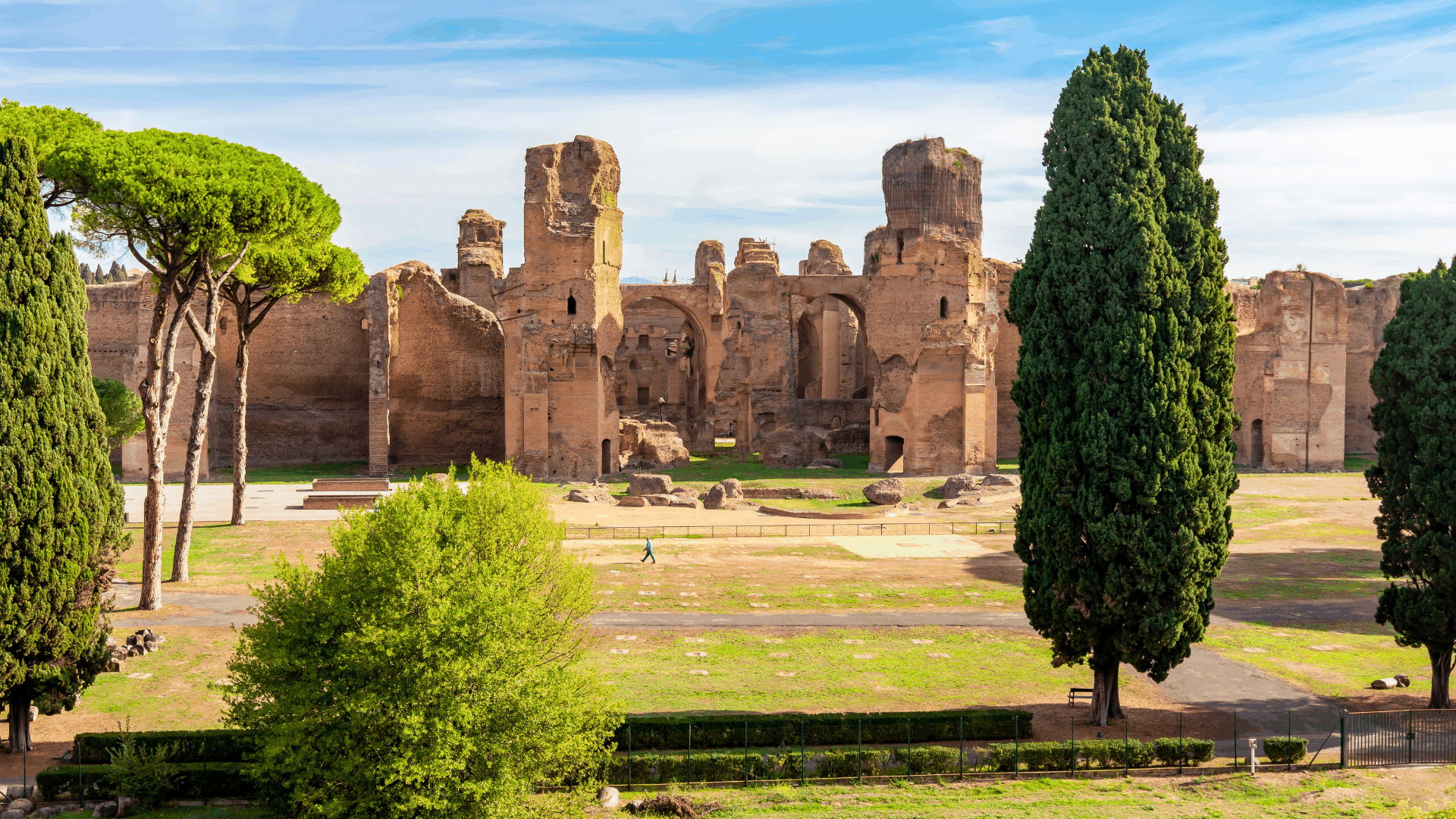
Baths of Caracalla
Ancient Rome's most magnificent public baths with towering ruins
Explore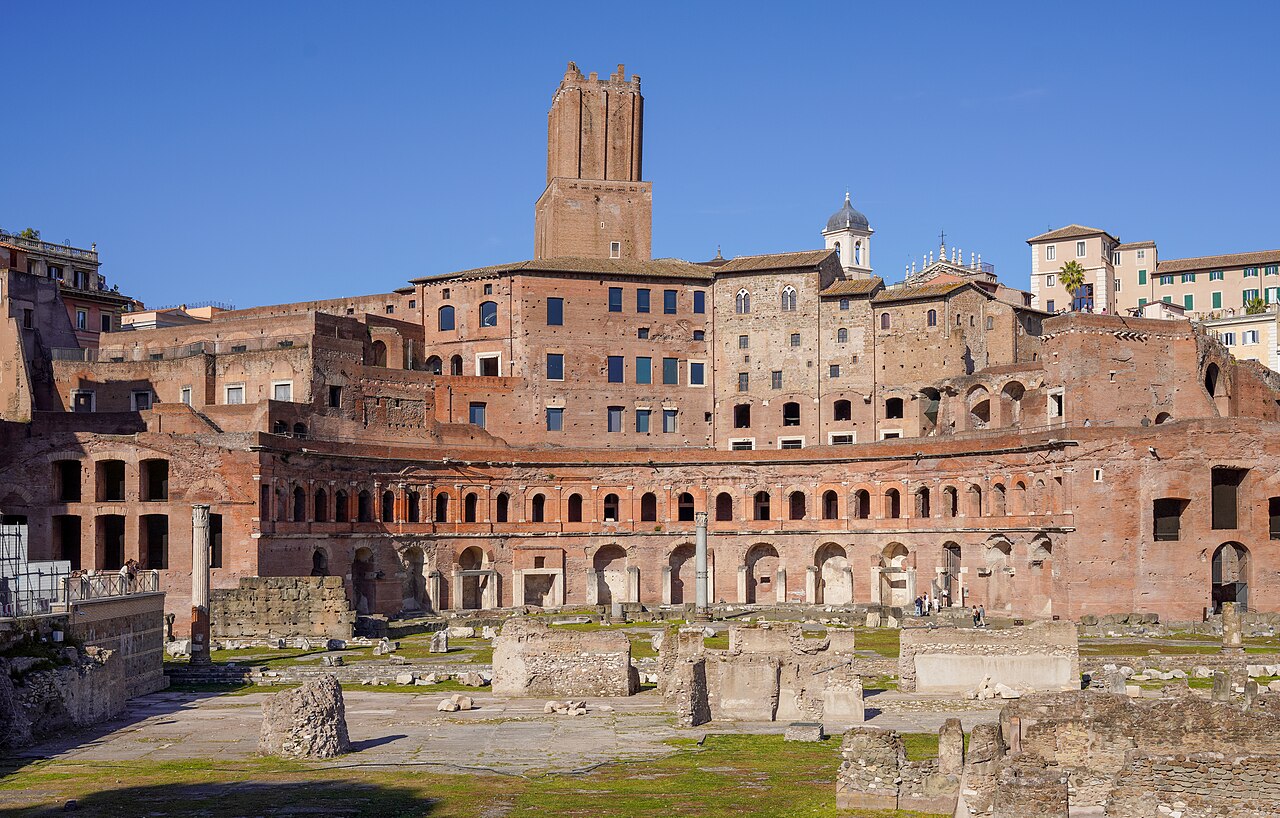
Trajan's Market
A vast multilevel Roman complex beside Trajan's Forum—now the Museum of the Imperial Fora
Explore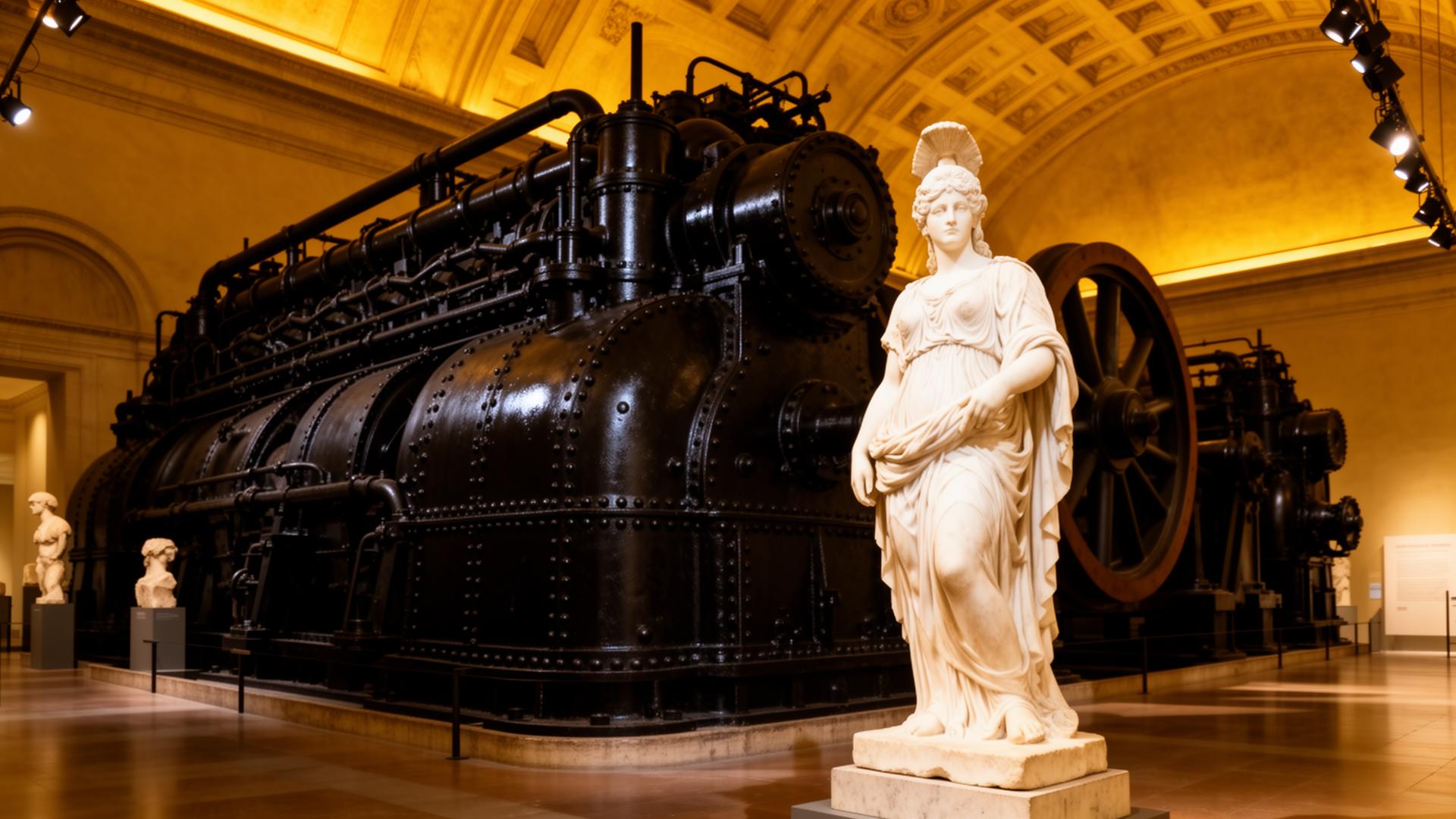
Centrale Montemartini
Ancient sculptures among industrial machinery—Rome's most unique museum
Explore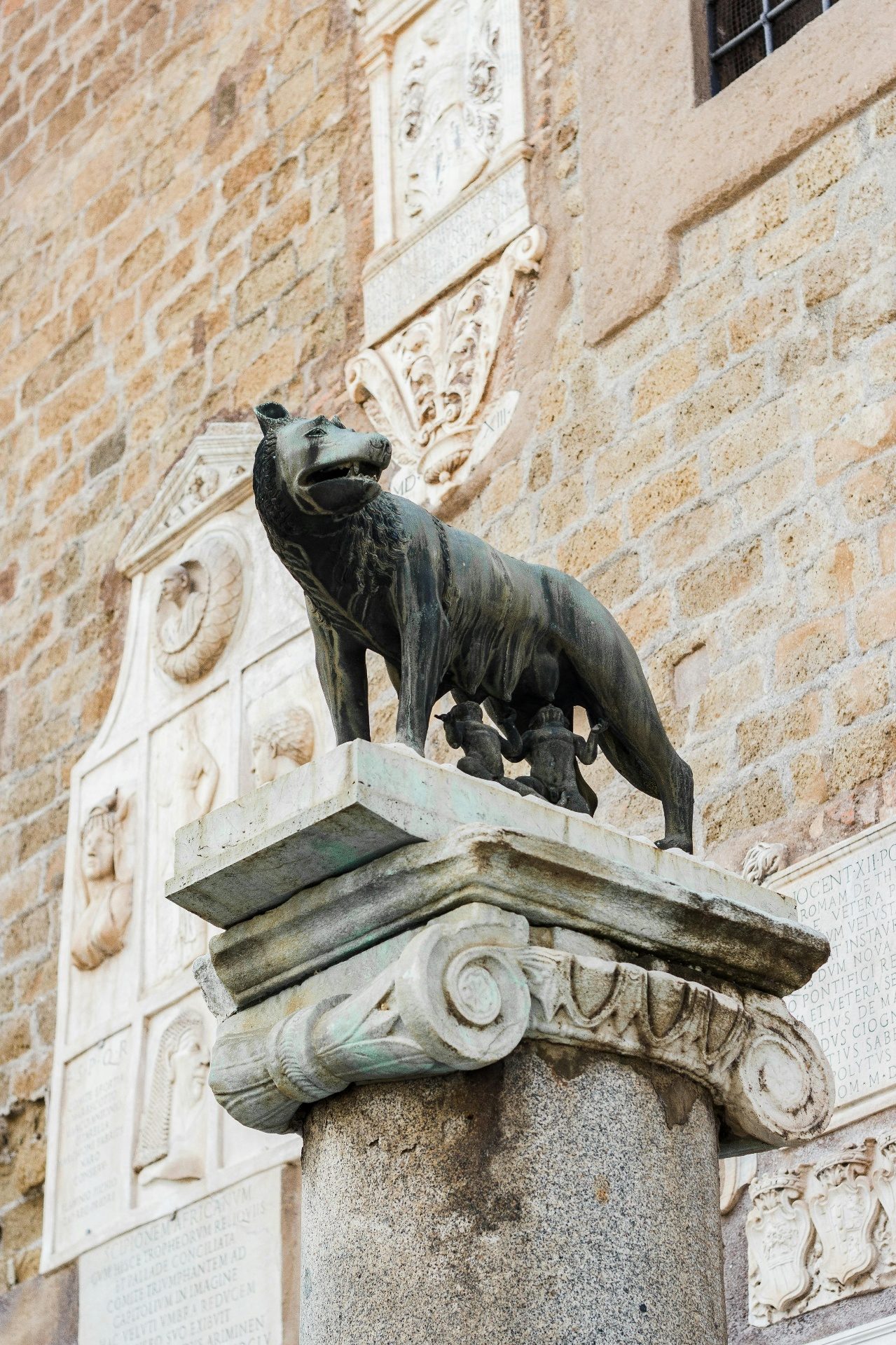
Capitoline Hill
Rome's most sacred hill with Michelangelo's piazza and oldest museums
Explore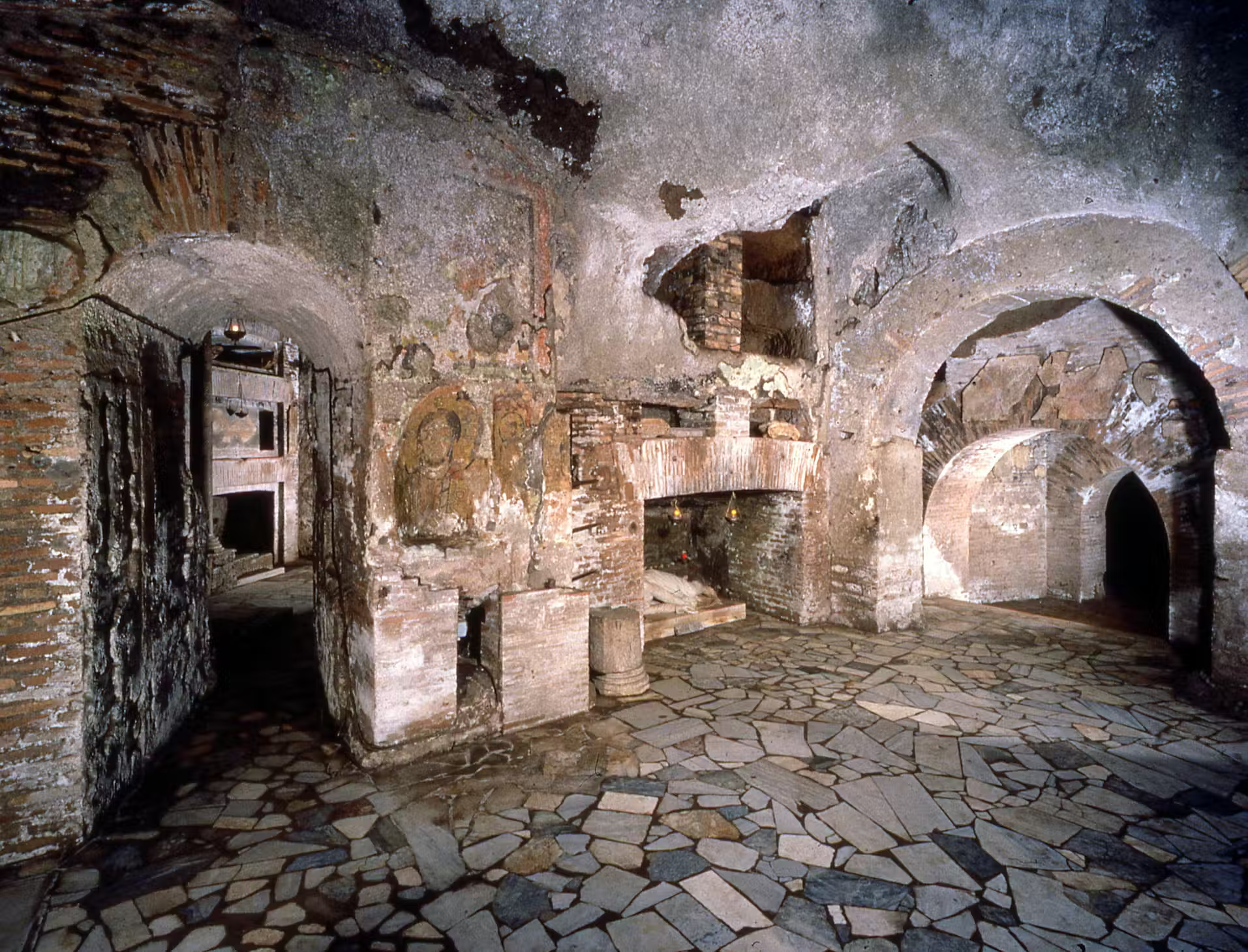
Catacombs of Saint Callixtus
Rome's largest Christian catacombs—20km of tunnels, 16 popes
Explore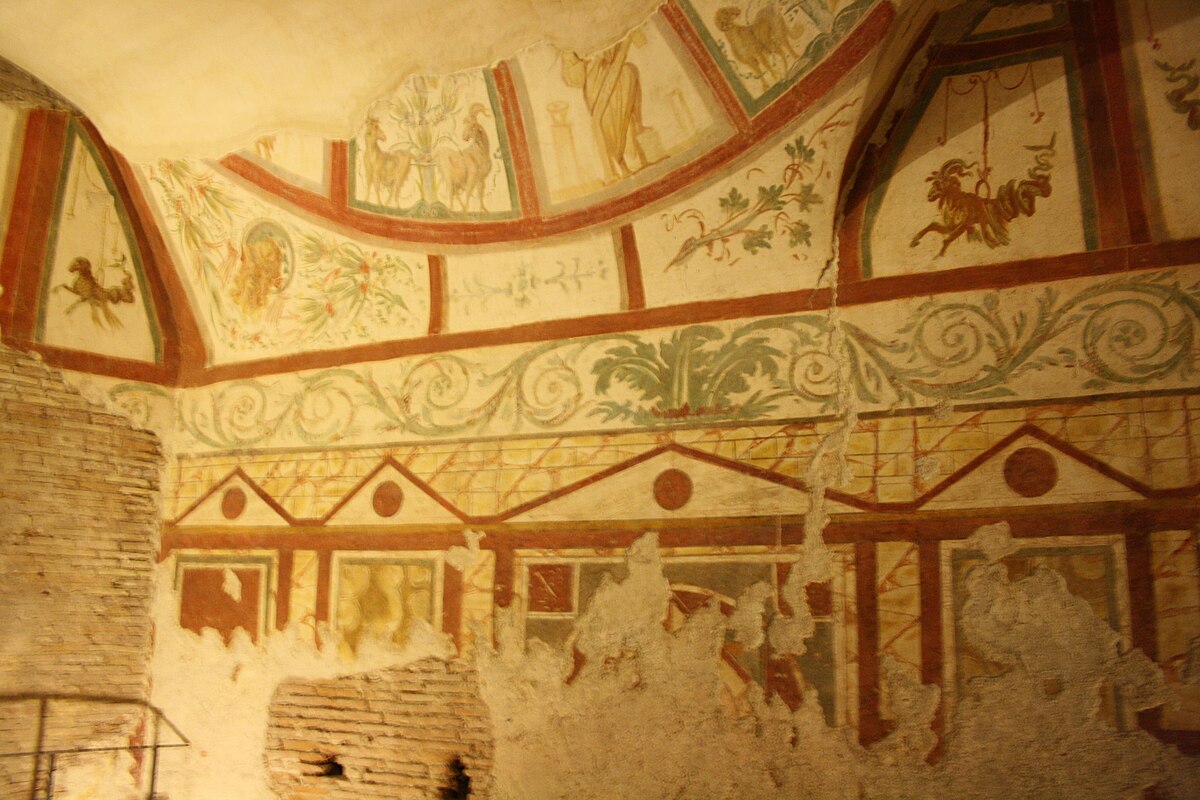
Case Romane del Celio
Late Roman houses with well-preserved frescoes beneath the Caelian Hill
ExploreQuick Planning Guide
⏱️ Time Needed
~45 minutes
💰 Cost
Free to view (€7 full / €4 reduced to walk inside; free for Rome residents and first Sunday of the month)
🎫 Reservation
Optional timed reservation; entry runs in 20-minute intervals
♿ Accessibility
Street-level viewing fully accessible
📅 Best Time
Morning or feeding time (around 5-6 PM)
👨👩👧👦 Family Friendly
Yes, kids love watching the cats
Nearby Attractions
Pantheon5-minute walk
Campo de' Fiori5-minute walk
Jewish Ghetto5-minute walk
Piazza Navona10-minute walk
Featured In These Itineraries
Free Rome ItineraryClassic Rome in 3 DaysHidden Gems of RomeEssential Tips
- ✓ Cat sanctuary hours are set by the sanctuary — check their site before visiting
- ✓ Support the cats with a donation
- ✓ Perfect quick stop between Pantheon and Campo de' Fiori
- ✓ Roughly a hundred-plus rescue cats live among the ruins