 Historic Baroque Square
Piazza Navona
Rome's most beautiful baroque square featuring Bernini's masterpiece fountains
30 min - 1 hourFree entryMust-SeePiazza Navona, 00186 Roma RMOpen on MapHotels NearbyPlan Your Visit
Compare tickets, tours and stays — booking ahead usually gives more choice
Get TicketsBook a TourHotels NearbyBy AllTrips Editors••8 min readPiazza Navona is Rome's most spectacular baroque square — an elongated stadium-shaped square traced over the ancient Stadium of Domitian, anchored by Bernini's Fountain of the Four Rivers, and ringed by the curved Sant'Agnese in Agone church — begun by Girolamo and Carlo Rainaldi, with its famous façade shaped by Francesco Borromini. It's free, lively day and night, and walkable in 30–60 minutes.
📋 In This Guide
Duration
30-60 min
Cost
Free
Fountain Built
1651
Fountains
3 baroque
Why Visit Piazza Navona?
Piazza Navona is, in our view, Rome's most spectacular public square — an elongated stadium-shaped square following the footprint of Domitian's ancient athletics venue. This baroque masterpiece combines stunning architecture, world-class art, and lively Roman street life.
Admire Bernini's fountains
The Fountain of the Four Rivers is considered one of baroque art's greatest masterpieces.
Experience Roman atmosphere
Street artists, musicians, and outdoor cafés create an unforgettable ambiance.
Discover baroque architecture
Sant'Agnese church and surrounding palazzi showcase 17th-century Roman design.
Walk through history
From ancient Roman stadium to medieval square to baroque showcase.
Stadium of Domitian Tickets (Under the Square)
The piazza itself is free, but you can descend into the ancient stadium ruins beneath. Compare official options below.
Stadium of Domitian Underground
Best for: History lovers
~40 min - 1 hourDescend beneath Piazza Navona to explore the ancient Stadium of Domitian where 30,000 Romans once watched athletic competitions. A hidden archaeological treasure most visitors walk over without knowing.
- Underground ruins access
- Ancient stadium remains
- Live guided tour available
- Multiple language options
🎟️ Compare Prices:
TiqetsKlookTrip.comGuided Walking Tour
Best for: First-time visitors
~1.5 - 2.5 hoursExpert-led walking tour covering Piazza Navona's Baroque fountains, the Pantheon, Trevi Fountain, and Spanish Steps. Perfect introduction to Rome's historic center highlights.
- Professional English-speaking guide
- Navona + Pantheon + Trevi Fountain
- Bernini & Baroque art insights
- Small group experience
🎟️ Compare Prices:
TiqetsKlookTrip.comNavona Underground + Bundles
Best for: Full experience seekers
~2 - 3 hoursCombine Navona Underground with Trevi Fountain guided tour, Pantheon advance timed ticket entry, or Museum of Rome. Save time and money with bundled experiences.
- Underground + second attraction
- Skip-the-line entry included
- Save vs. separate bookings
- Museum of Rome option available
🎟️ Compare Prices:
TiqetsKlookTrip.comEngineering & Baroque Design Deep-Dive
Stadium Footprint (86 AD)
The 276 m × 106 m oval traces the Stadium of Domitian exactly. Building foundations sit on the original travertine stands.
Acqua Vergine Hydraulics
All three fountains are gravity-fed by the restored ancient Acqua Vergine aqueduct — no pumps, no electricity.
Egyptian Obelisk Engineering
Bernini suspended the 16-m granite obelisk on a hollowed travertine arch — a structural feat that scandalized rivals who claimed it would collapse.
Borromini's Concave Façade
Begun by Girolamo and Carlo Rainaldi and later completed by Carlo Rainaldi, Sant'Agnese in Agone owes its famous curved inward façade and spatial reworking to Francesco Borromini — a baroque first.
Allegorical Sculpture Program
The four river gods (Nile, Ganges, Danube, Río de la Plata) personify the four continents known in 1651.
Flooding Tradition
During parts of the 17th–19th centuries, drains were closed on selected summer weekends, allowing the lower part of the piazza to flood for public recreation and carriage displays.
Timeline of Piazza Navona
From ancient athletic stadium to baroque masterpiece, 2,000 years of transformation.
86 ADStadium of Domitian
Emperor Domitian builds a 30,000-seat stadium for Greek-style athletic contests. Its oval shape defines the piazza we see today.
Medieval EraMarket Square
The stadium falls into ruin and the space becomes a bustling marketplace, with houses built into the ancient stands.
1644Innocent X's Vision
Pope Innocent X, born on the piazza, begins transforming it into a showcase of baroque art to glorify his family.
1651Four Rivers Fountain
Bernini completes his masterpiece: four river gods representing the Nile, Ganges, Danube, and Río de la Plata, topped by an Egyptian obelisk.
1657Sant'Agnese Church
Begun by Girolamo and Carlo Rainaldi in 1652, the church's famous façade and spatial design were shaped by Francesco Borromini before Carlo Rainaldi returned to finish it — creating a legendary artistic rivalry with Bernini's fountain across the square.
TodayLiving Masterpiece
Artists, musicians, and café life continue the piazza's tradition as Rome's most vibrant outdoor gathering place.
Best Times of Day & Seasonal Guide
Early Morning (7–9 AM)
Empty square, soft light, locals having espresso. Best for photography.
Late Morning (10–12)
Tourists arrive, café terraces fill — good for the full atmosphere.
Afternoon (2–6 PM)
In our observation, street artists tend to be most active around this time — painters, caricaturists, mime performers — though this isn't guaranteed.
Golden Hour
Side-lit travertine glows orange. Best portraits at the Four Rivers.
Evening (7–10 PM)
Fountains illuminated, musicians playing — in our opinion, one of Rome's best free nights out.
Late Night (after 11)
Quieter but still safe. Great for gelato + a slow lap.
| Season | Highlights | Crowds |
|---|---|---|
| Spring (Mar–May) | Mild evenings, best terrace weather | High |
| Summer (Jun–Aug) | Long sunsets, music nightly — but very busy | Very High |
| Autumn (Sep–Nov) | Golden travertine light, cooler crowds | Medium |
| Winter (Dec–Jan) | Traditional Befana market has historically run here, but its format and dates vary with the year's municipal programme — check before planning | Medium-High |
Best Photo Spots in Piazza Navona
Obelisk + Sant'Agnese Façade
Stand south of the Four Rivers Fountain — frame Bernini's obelisk against the Sant'Agnese in Agone church (Rainaldi and Borromini).
Fountain of the Moor at Dawn
South end of the square, soft pink light hits the dolphin-rider statue.
Neptune Fountain at Blue Hour
North end — illuminated sea creatures stand against a deep-blue sky.
Café Terrace Wide Shot
Wide-angle from a café chair on the east side captures the full oval geometry.
Piazza Navona vs Other Roman Squares
| Square | Era | Best For | Crowds |
|---|---|---|---|
| Piazza Navona | Baroque (1650s) | Bernini fountains, evening atmosphere | Very High |
| Campo de' Fiori | Medieval/Renaissance | Morning food market, nightlife | High |
| Piazza del Popolo | Neoclassical (1800s) | Wide vistas, twin churches | Medium |
| Piazza di Spagna | Baroque (1720s) | The Spanish Steps, shopping | Very High |
Common Mistakes to Avoid
Sitting at a tourist café
Coffee on the square can cost €6–8. Walk one block off-piazza for €1.20 espresso.
Skipping the underground stadium
Most visitors miss the Stadium of Domitian ruins right beneath the square — the best context money can buy.
Visiting only at midday
You'll get harsh light and dense crowds. Aim for early morning or after sunset.
Ignoring Sant'Agnese
The church (begun by the Rainaldis, with its famous façade shaped by Borromini) is free to enter — in our opinion, the best baroque interior on the piazza.
Pair Your Visit With
Pantheon5-minute walk east — free to enter, the world's best-preserved Roman temple.
Trevi Fountain15-minute walk — Rome's largest baroque fountain, dramatic at night.
Castel Sant'Angelo15-minute riverside walk — Hadrian's mausoleum and panoramic terrace.
How to Get to Piazza Navona
By Bus
- • Buses: 30, 70, 81, 87, 492
- • Stop: Corso del Rinascimento (2-min walk)
On Foot
- • 5 min from Pantheon
- • 8 min from Campo de' Fiori
- • 15 min from Trevi Fountain
Nearest Metro
- • Spagna (Line A, 15 min walk)
- • Barberini (Line A, 20 min)
Where to Stay Near Piazza Navona
Looking for convenient accommodation near Piazza Navona? Stay within walking distance to make the most of your visit.
Hotels Near Piazza NavonaCentral locations with easy access to Piazza Navona and other attractionsFrequently Asked Questions
Is Piazza Navona free to visit?
Yes, the piazza is completely free to visit and walk around at any time, day or night.
What is the best time to visit Piazza Navona?
Evening (7–10 PM) offers the best atmosphere with street performers and lit fountains. Early morning (before 9 AM) is ideal for photography without crowds.
How long should I spend at Piazza Navona?
30 minutes to 1 hour is enough to walk the square, see all three fountains, and admire the church. Add 30 more minutes for a coffee stop.
Are there public restrooms at Piazza Navona?
No public restrooms inside the square. Use a café (paying customers) or the nearby restrooms at Sant'Agnese in Agone or McDonald's on Corso del Rinascimento.
Is Piazza Navona safe at night?
Yes, very safe. The square stays lively until past midnight with locals, tourists, and street performers, and it is well-lit.
Why is Piazza Navona shaped like an oval?
It's an elongated stadium-shaped square following the footprint of Domitian's ancient athletics venue (86 AD). The buildings ring the original 30,000-seat track.
Related Attractions
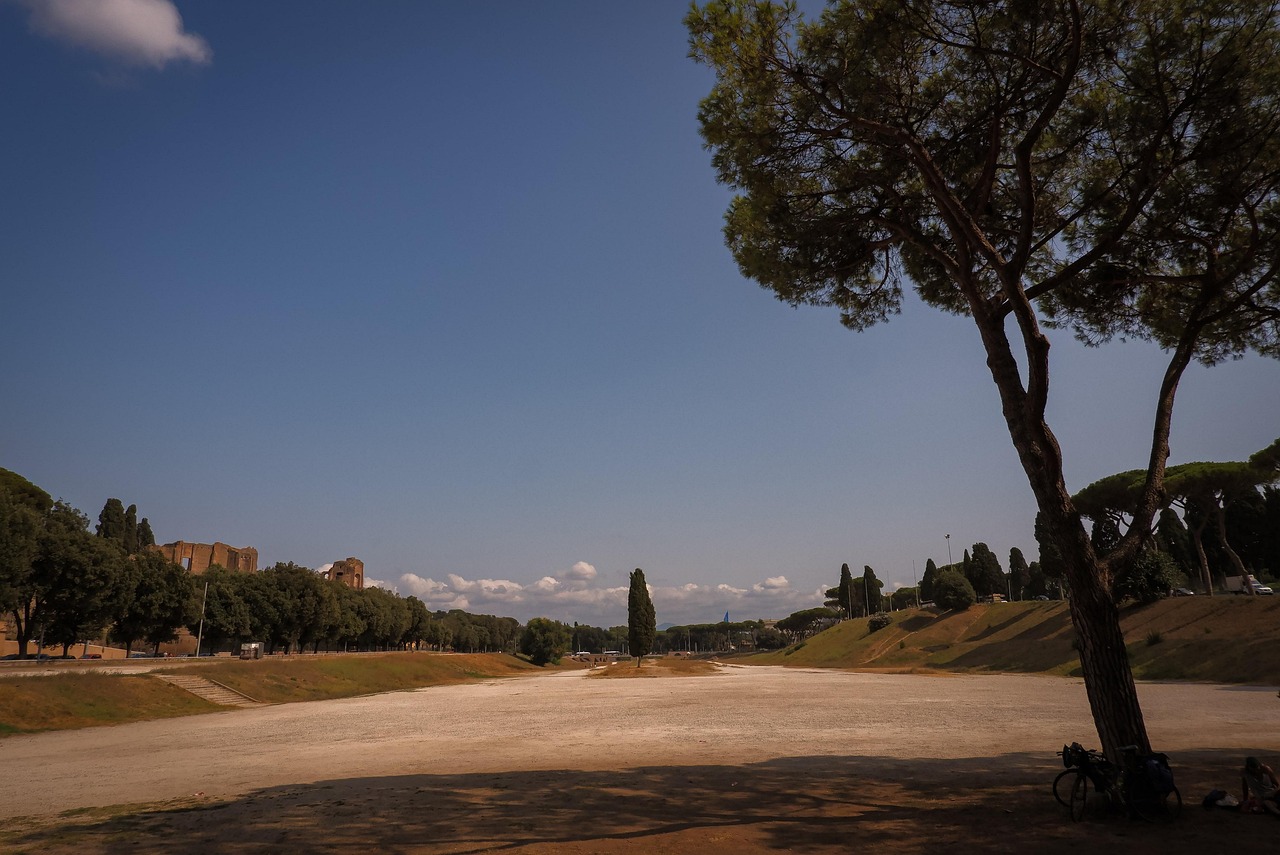
Circus Maximus
Ancient Rome's vast chariot-racing arena — free to explore at ground level, with an optional ticketed archaeological area
Explore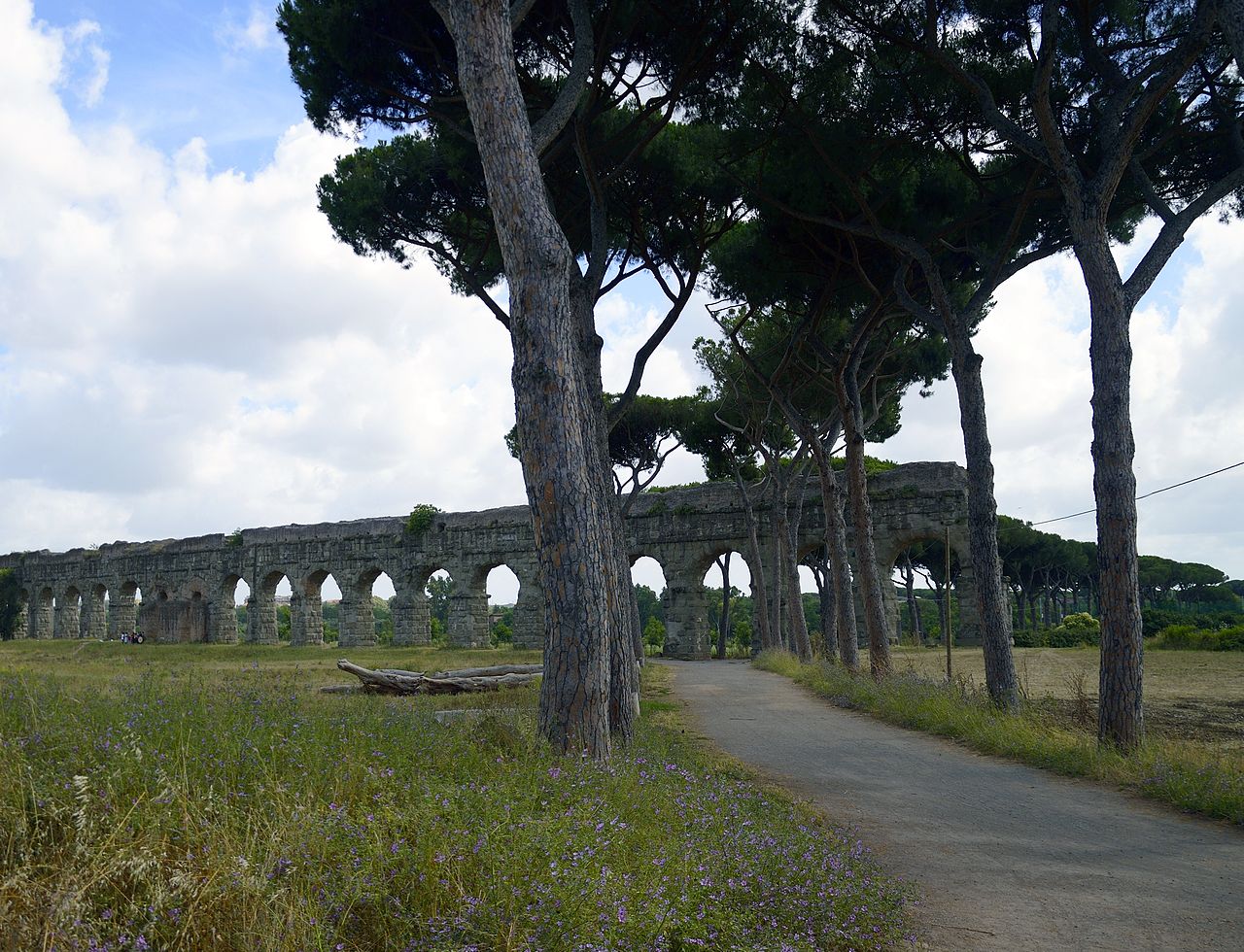
Park of the Aqueducts
Dramatic ancient aqueducts crossing open parkland
Explore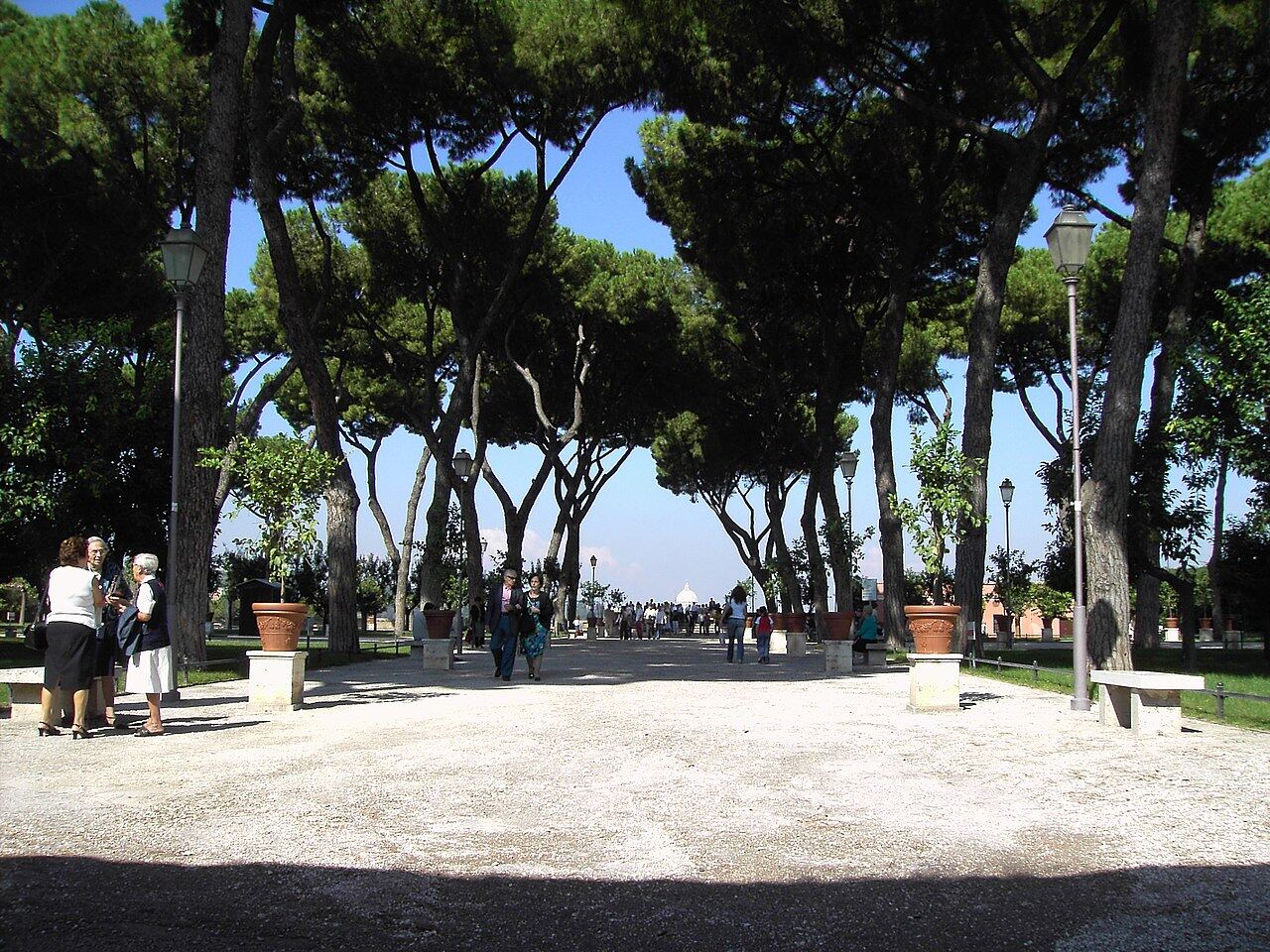
Aventine Hill: Orange Garden
Secret garden with the most beautiful sunset views
Explore
Museo delle Mura
Free museum inside Porta San Sebastiano—walk atop the ancient Aurelian Walls
Explore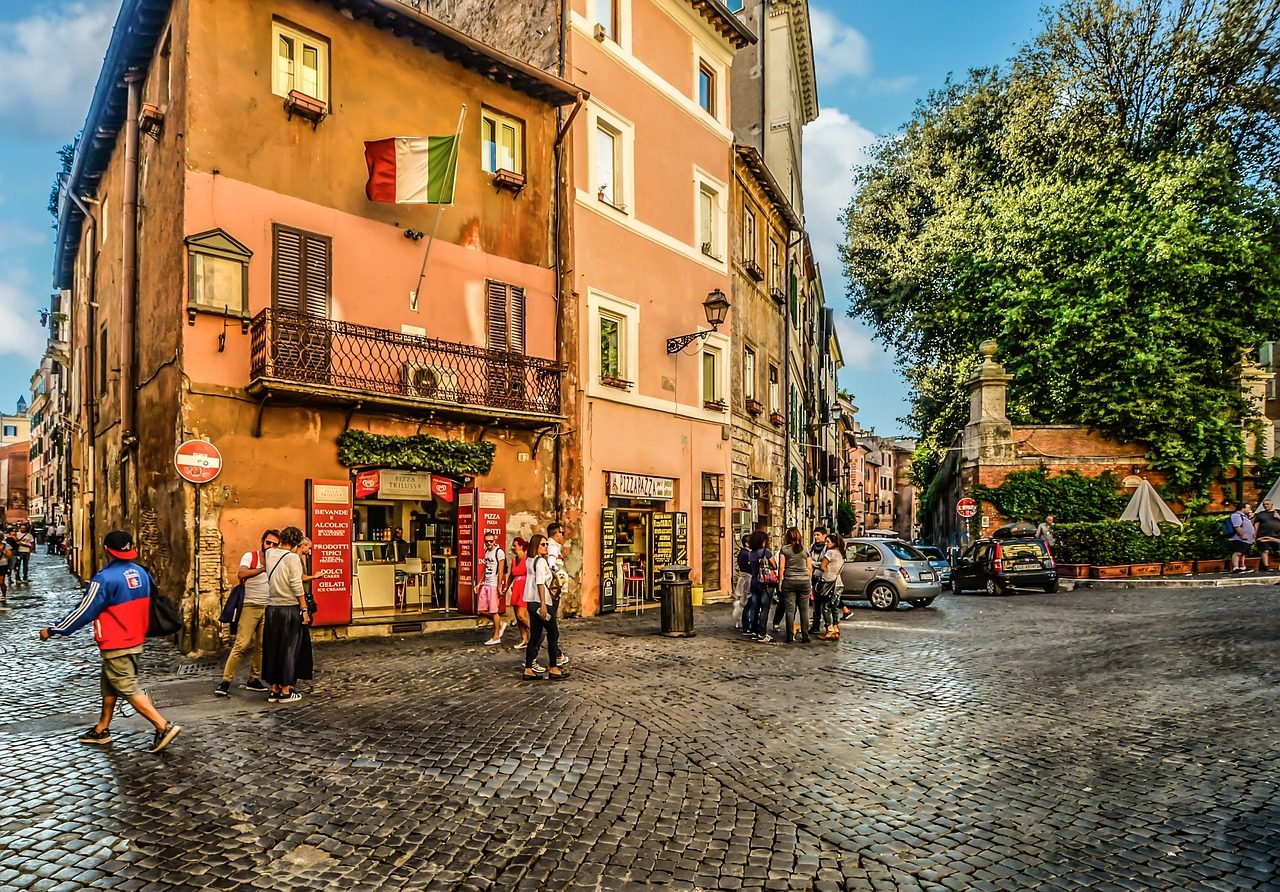
Trastevere
Rome's authentic bohemian heart with medieval streets
Explore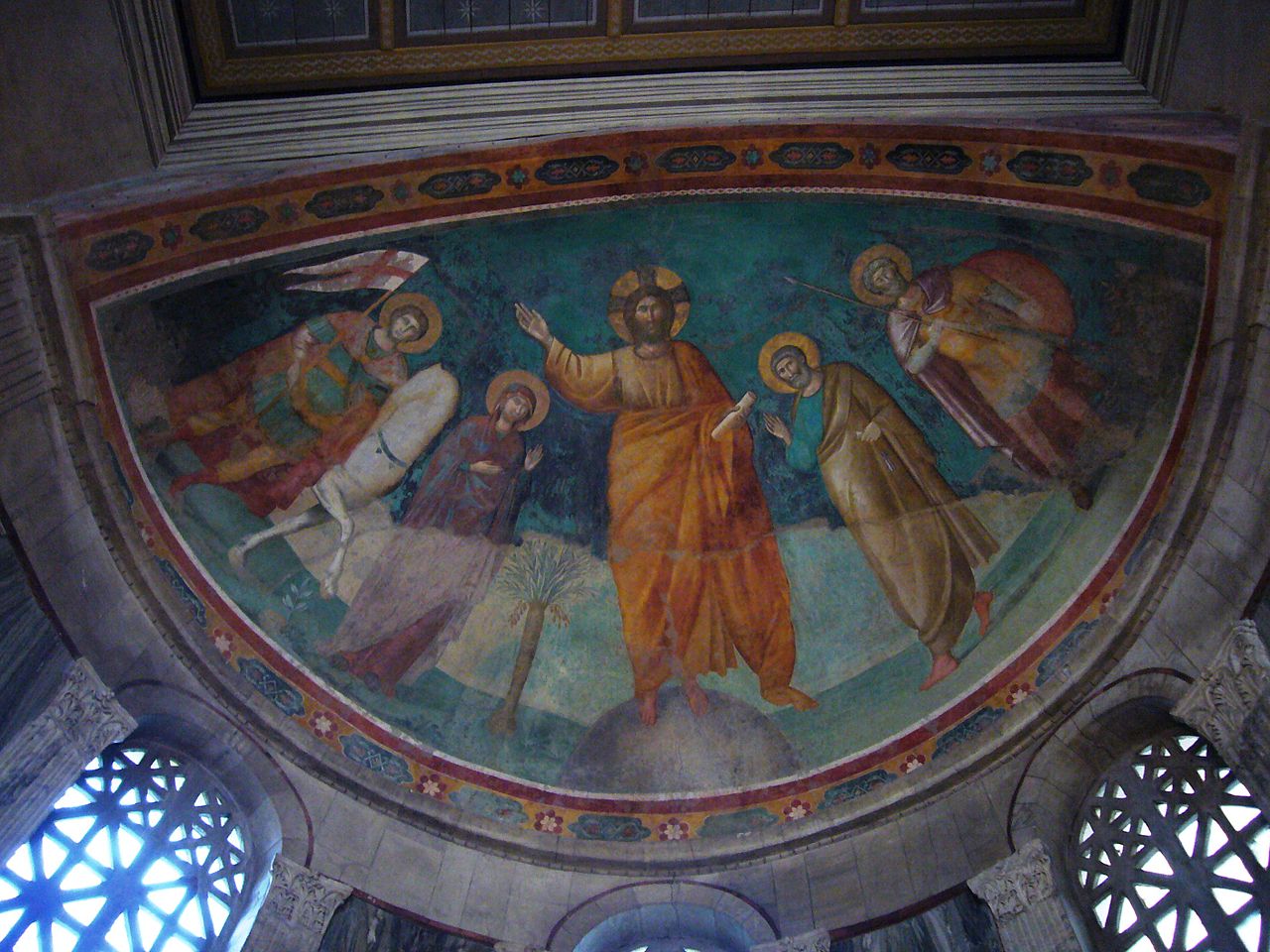
San Giorgio in Velabro
Early medieval church beside Rome's only surviving ancient quadrifrons arch
ExploreQuick Planning Guide
⏱️ Time Needed
30 minutes - 1 hour
💰 Cost
Free
🎫 Reservation
Not required
♿ Accessibility
Step-free, but cobblestones, crowding, and routes around the fountains can affect wheelchair users
📅 Best Time
Evening for atmosphere, morning for photos
👨👩👧👦 Family Friendly
Yes, great for children to watch street artists
Nearby Attractions
Pantheon5-minute walk
Campo de' Fiori8-minute walk
Trevi Fountain15-minute walk
Castel Sant'Angelo15-minute walk
You May Also Like
PantheonCampo de' FioriStadio di DomizianoPiazza FarneseFeatured In These Itineraries
One Day in RomeClassic Rome in 3 DaysFree Rome ItineraryEssential Tips
- ✓ Avoid café prices by grabbing coffee from nearby bars
- ✓ Visit in the evening when fountains are illuminated
- ✓ Perfect for a gelato break while people-watching
- ✓ In our experience, street performers tend to be most active in late afternoon/evening (not guaranteed)