 Free Museum · Aurelian Walls
Museo delle Mura
Walk part of the original 3rd-century AD wall walk above the Appian Way — admission is currently free — inside one of the best-preserved gates of Rome's Aurelian Walls.
Up to 50 minFree270s ADPorta San SebastianoVia di Porta San Sebastiano 18, 00179 RomaOpen on MapPlan Your Visit
Compare tickets, tours and stays — booking ahead usually gives more choice
Get TicketsBook a TourHotels NearbyBy AllTrips Editors••9 min readThe Museo delle Mura (Museum of the Walls) is a municipal museum dedicated to the Aurelian Walls, housed inside the Porta San Sebastiano — one of the best-preserved of the ancient gates of the city. Built by Emperor Aurelian in the 270s AD against Germanic invasions, the walls still encircle much of historic Rome. From inside the gate you can visit accessible areas of the towers and walk part of the original wall walk above the start of the Appian Way. Admission is currently free. Open Tuesday–Sunday, 10:00–16:00, last admission 15:00. Closed Monday, May 1 and December 25. Visits are currently limited to 50 minutes, with a maximum of 20 visitors inside.
Open Tuesday–Sunday, 10:00–16:00; last admission 15:00. Closed Monday, May 1 and December 25. Admission is free. Visits are currently limited to 50 minutes, with a maximum of 20 visitors inside.
📋 In This Guide
Duration
Up to 50 min
Cost
Free
Photos
Yes (no flash)
Type
Walls museum + wall walk
Why Visit the Museo delle Mura?
For seventeen centuries the Aurelian Walls have defined the shape of Rome. They held off Goths, Vandals and Lombards, watched the city shrink and grow, and only in 1870 stopped being the legal city limit. Yet few visitors walk them. The Museo delle Mura is one of the few places where you can — admission is currently free — in a gate that still has its towers, its arrow slits and part of its original wall walk. A visit of up to 50 minutes here changes how you read every other Roman ruin for the rest of your trip.
Rome's Greatest Gate
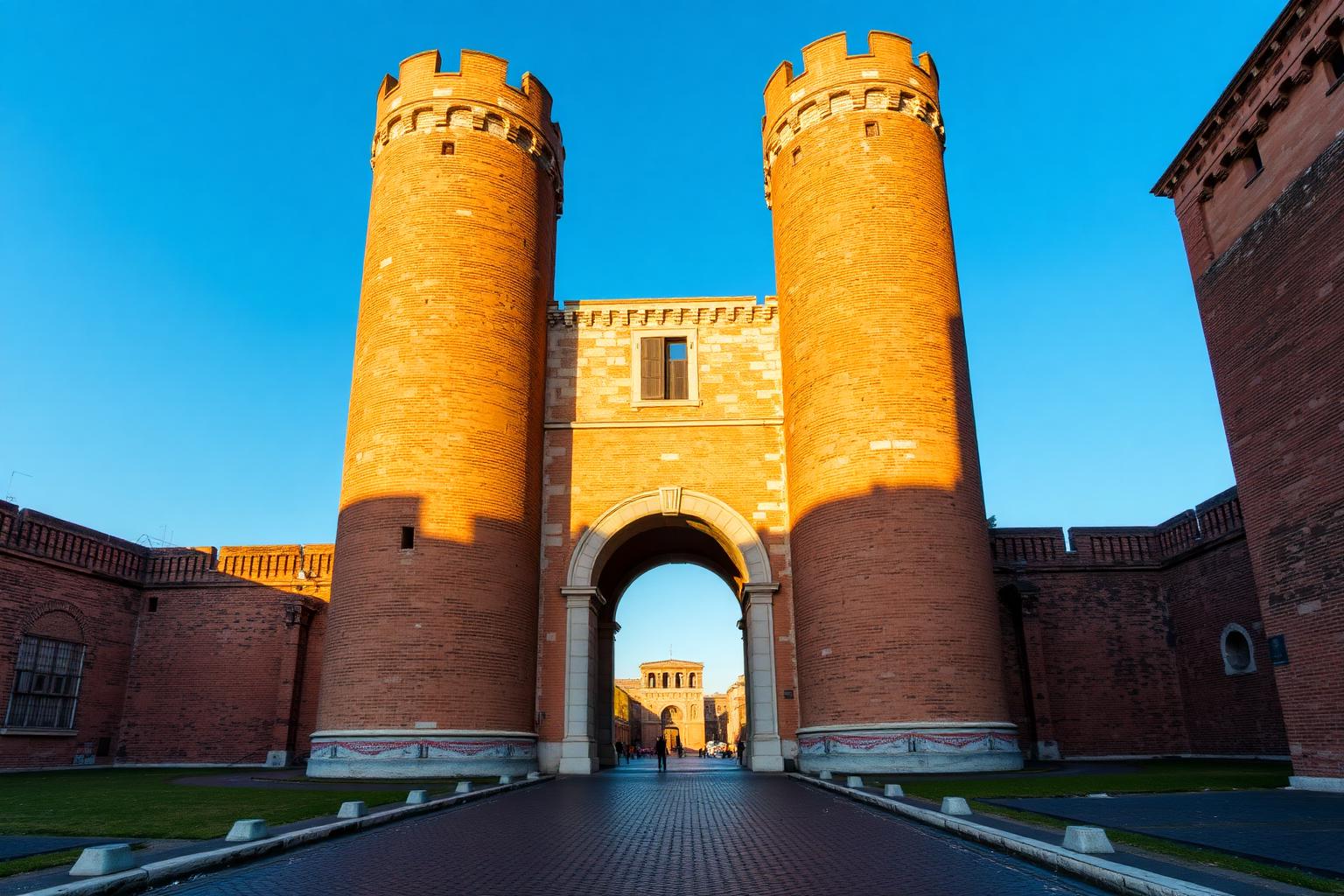
Porta San Sebastiano is one of the best-preserved of the Aurelian gates — twin cylindrical towers in original brick and travertine, close to how Belisarius defended them in 537.
Original Wall Walk
Part of the chemin de ronde inside the parapet is open to the public — one of the few stretches of the Aurelian Walls in Rome you can actually walk. Arrow slits look down onto the Appian Way. The wall walk follows museum opening hours.
Free Admission
Admission is currently free. A free ticket or reservation system may still be offered or recommended, so it is worth checking ahead of your visit.
Almost No Tourists
Despite sitting at the start of the Appian Way, the museum receives a fraction of the visitors of even the smallest paying site. Most mornings you'll have a tower to yourself.
What to See Inside the Gate
The Twin Towers
Two cylindrical towers in brick faced with travertine, rebuilt by Honorius around 401 AD on Aurelian's original foundations. Visitor-accessible areas of the towers are open; the tower terrace is currently unavailable.
The Central Gateway
Originally a double archway, narrowed to a single arch in the 5th century for easier defence. The medieval portcullis grooves are still visible inside the passage.
Permanent Exhibition
First-floor display with scale models of the entire 19 km wall circuit, sections through the construction layers, and prints of every gate over the centuries.
The Wall Walk
Part of the original chemin de ronde east of the gate is open, narrow and partly covered, with arrow slits and crenellated parapet — one of the few walkable sections of the Aurelian Walls in Rome. The wall walk follows museum opening hours.
The Guard Chambers
Small vaulted rooms inside each tower, used by the gate garrison from antiquity until the 19th century. Original arrow slits intact.
Ettore Muti's Apartment
Between 1942–43 the gate was the private residence of Fascist secretary Ettore Muti — original 1940s painted graffiti and a fascio symbol survive on the walls inside.
Honorius's Inscription
A reused marble panel on the inner face of the gate commemorates the great rebuilding of the walls under Honorius and Arcadius around 403 AD.
View of the Appian Way
From the eastern tower the entire start of the Via Appia Antica unfolds south — umbrella pines, the Sangallo Bastion and the green of the Caffarella valley.
Drusus Arch
Just inside the gate stands the so-called Arch of Drusus — actually a 1st-century AD aqueduct arch incorporated into the walls. Free to walk under.
Seventeen Centuries Defending Rome
From Aurelian's emergency response to the Goths to a Fascist gerarca's private apartment, the Porta San Sebastiano has been continuously occupied for 1,750 years.
271–275 ADAurelian Builds the Walls
Emperor Aurelian launches the most ambitious building project in Roman history — a 19-kilometre defensive circuit thrown up in just five years to defend Rome against the Alemanni and Iuthungi.
401–403 ADHonorius Doubles the Height
Emperor Honorius rebuilds and doubles the height of the walls in response to Visigothic raids. The Porta San Sebastiano gets its current twin-tower form and the great inscription on the inner face.
537 ADBelisarius Defends the Gate
Byzantine general Belisarius successfully defends Porta San Sebastiano against the Ostrogoth king Vitiges — one of the most famous sieges in late antiquity, narrated in Procopius.
Middle AgesThe Gate of San Sebastiano
The gate takes its modern name from the nearby catacombs and basilica of Saint Sebastian on the Appian Way, which becomes Rome's most popular pilgrimage gateway.
1536Charles V Procession
The triumphal entry of Emperor Charles V into Rome passes through the gate after his African campaign — the city restores the Drusus Arch and decorates the route. The event is recorded in inscriptions inside the gate.
17th–18th c.Continuous Occupation
The gate functions as Rome's southern customs post and remains permanently garrisoned. The interior is divided into small apartments for the gate guards and their families.
1870End of Defensive Use
After Italian unification the Aurelian Walls cease to be the legal limit of Rome. The gate keeps its customs role until the early 20th century.
1942–1943Ettore Muti Lives Here
Fascist Party Secretary Ettore Muti makes the gate his private residence — repainting interiors, adding graffiti and fasces that are still preserved as a historical layer.
1990Museum Opens
After decades of municipal restoration the gate reopens as the Museo delle Mura, with a permanent exhibition and access to part of the wall walk.
Present (2026)Open Tu–Su
The museum operates Tuesday to Sunday, 10:00–16:00 (last admission 15:00), with admission currently free, under the Sovrintendenza Capitolina. Closed Monday, 1 May and 25 December; open 1 January 2026, 11:00–16:00.
Tickets & Hours 2026
🆓 Entry — Free
Admission is currently free. A free ticket or reservation system may still be offered or recommended, so it is worth checking ahead. The museum belongs to the Sistema Musei in Comune (Sovrintendenza Capitolina).
🕘 Opening Hours
Tuesday–Sunday 10:00–16:00, last admission 15:00. Closed Monday, 1 May and 25 December. Open 1 January 2026, 11:00–16:00.
📏 Visit Rules
Visits are currently limited to a maximum of 50 minutes, with a maximum of 20 visitors inside at once and up to 5 visitors per room. The tower terrace is currently unavailable; the wall walk follows museum opening hours.
👥 Guided Tours
Free Italian-language tours by Sovrintendenza staff run on selected weekends — check the Musei in Comune calendar. Private tours run €60–120 through licensed Roman archaeology operators.
🎟️ Roma Pass / MIC Card
Both passes also cover entry — but since entry is already free, neither is needed for this museum. The MIC Card (€5/year, residents) covers other Musei in Comune.
Best Time to Visit
Time of Day
10:00 opening ⭐ Best: Quiet start, soft light on the Appian Way side.
11:00–13:00: Equally good — perfect for combining with a morning Appian Way walk afterwards.
13:00–15:00: Still fine, but remember last admission is 15:00.
Avoid arriving after 15:00: Last admission is 15:00 — arrive well before to allow time for your visit.
Season
Spring (Mar–May) ⭐ Best: Wisteria and roses on the walls, mild temperature on the exposed wall walk.
Autumn (Oct–Nov): Equal to spring — copper light on the Appian Way pines.
Summer: Wall walk is exposed and brutally hot from 11:00. Go at 09:00 sharp and bring water.
Winter: Quietest of all. The towers are cold — bring a jacket. Christmas-week closures: check ahead.
Rules & What to Bring
📷 No Flash
Photography without flash is generally permitted in visitor-accessible areas, including the wall walk and towers. Check current on-site rules, as equipment restrictions may apply.
👟 Sturdy Shoes
Original medieval brick stairs — narrow, worn and slippery in rain. No heels, no flip-flops, no leather soles.
💧 Bring Water
Facilities on site are limited, so bring a bottle. The wall walk is exposed and hot from late morning May–September.
🚸 Children Welcome
Kids 6+ love the towers and arrow slits — but the wall walk has a low parapet. Hold small children's hands at all times.
🎒 Small Bags Only
Narrow stairs and tight passages, and a maximum of 5 visitors per room. No large backpacks; leave heavy luggage at your hotel.
🚫 Do Not Sit on the Parapet
Original 4th-century brickwork. Climbing or sitting on the crenellations is forbidden and the custodian will intervene immediately.
Museo delle Mura vs Other Roman Wall Sites
| Site | Cost | Booking | Highlight | Crowds |
|---|---|---|---|---|
| Museo delle Mura | Free (currently) | Not required, may be offered | Walk part of the Aurelian Walls + Porta San Sebastiano | Low |
| Porta Maggiore | Free (exterior) | Walk-up | Claudian aqueduct gate & Tomb of the Baker | Low |
| Servian Walls — Termini | Free | Walk-up | 4th-c. BC Republican fortifications | Almost none |
| Castel Sant'Angelo (ramparts) | €16 | Recommended | Hadrian's mausoleum + papal fortress | High |
| Porta Pia & Bersaglieri Museum | Free | Walk-up | 1870 Italian unification breach | Very low |
Museo delle Mura is one of the few sites in Rome where you can walk along part of the original parapet of the Aurelian Walls. Pair with Porta Maggiore for the eastern circuit and Castel Sant'Angelo for the imperial-mausoleum-turned-fortress on the Vatican side.
Common Mistakes to Avoid
Going on a Monday
Closed every Monday. The gate exterior is always visible from the street, but the museum and wall walk are firmly locked.
Arriving too late
Last admission is 15:00, even though the museum is open until 16:00. Arrive well before 15:00 to be let in.
Skipping the wall walk
The exhibition rooms are interesting; the wall walk is a big reason to visit. Do not leave without walking the accessible section.
Confusing it with the Servian Walls
Aurelian (270s AD, the great brick circuit) and Servian (4th c. BC, fragmentary tufa blocks at Termini) are completely different. This museum is the Aurelian one.
Not pairing with the Appian Way
The gate exists at the start of the Appian Way. Walking out south after the visit is the entire point — turn it into a half-day.
Bringing a stroller
No lift, narrow medieval stairs, low parapet. Babies in carriers are fine; pushchairs must be left at the entrance.
Nearby Colosseum & Forum Tickets
The Museo delle Mura is within walking distance of the Colosseum, or reachable by bus (check current ATAC routes). Spend the morning here and on the Appian Way, then a Colosseum afternoon — the quintessential ancient-Rome day.
Colosseum Priority Entrance
Best for: First-time visitors
~2 hoursSkip-the-line access to the Colosseum with entry to Roman Forum and Palatine Hill included. Perfect for first-time visitors.
- Skip-the-line entry
- Colosseum access
- Roman Forum included
- Palatine Hill included
🎟️ Compare Prices:
TiqetsKlookTrip.comColosseum Guided Tour
Best for: History enthusiasts
~3 hoursExpert-led tour with professional guide sharing gladiator history, architecture secrets, and ancient Roman stories.
- Professional English-speaking guide
- Skip-the-line entry
- In-depth historical commentary
- Small group experience
🎟️ Compare Prices:
TiqetsKlookTrip.comColosseum Arena & Underground
Best for: Unique experience seekers
~3.5 hoursWalk where gladiators fought on the arena floor and explore the underground chambers where they awaited their fate.
- Arena Floor access
- Underground chambers access
- Roman Forum & Palatine Hill
- Expert guided tour included
🎟️ Compare Prices:
TiqetsKlookTrip.comPair Your Visit With
Appian Way Regional ParkSteps away through the gate — the queen of Roman roads, lined with tombs, catacombs and umbrella pines. The natural continuation of any visit to the museum.
Baths of Caracalla15 minutes' walk north — the colossal 3rd-century imperial baths, perfectly positioned between the Aurelian Walls and the city centre.
Vigna Codini Columbarium10 minutes' walk — three of the best-preserved imperial freedmen burial chambers in Rome, by Soprintendenza appointment.
Must-See Highlights
Admission is currently free — one of the few museums in central Rome without a paid ticket in 2026One of the best-preserved gates of the Aurelian Walls (Porta San Sebastiano)A walk along part of the original 3rd-century AD wall walk (chemin de ronde)Cylindrical towers with visitor-accessible areas and arrow slits over the Appian Way (tower terrace currently unavailable)Permanent display on the construction, sieges and modifications of the wall circuitOriginal guard chambers and 1940s graffiti from the WWII custodian Ettore MutiDirect view of the start of the Via Appia Antica from the gateAlmost no foreign tourists — among the quietest sites in the historic centreGetting There
🚌 Bus 118
Bus 118 serves the area near Porta San Sebastiano and continues on toward the Appian Way, but always check current ATAC routes and timetables before travelling.
🚇 Metro B Circo Massimo
20-minute walk south through the Caelian Hill and Via di Porta San Sebastiano — one of Rome's most beautiful approach walks, lined with umbrella pines.
🚶 Walk from the Colosseum
25 minutes via the Caelian Hill, San Gregorio al Celio and the Aurelian Walls themselves — a perfect warm-up for the museum and the Appian Way beyond.
Where to Stay Near Museo delle Mura
Looking for convenient accommodation near Museo delle Mura? Stay within walking distance to make the most of your visit.
Hotels Near This AttractionTop Rated HotelsBudget-Friendly OptionsLuxury HotelsCentral locations with easy access to Museo delle Mura and other attractionsFrequently Asked Questions
Is the Museo delle Mura free in 2026?
Yes — admission is currently free. A free ticket or reservation system may still be offered or recommended at times, so it is worth checking ahead. It remains one of the few museums in Rome where you can walk along a stretch of an intact 3rd-century AD Roman defensive wall at no cost.
What exactly do you see at the Museo delle Mura?
Three things: (1) the inside of the Porta San Sebastiano itself — one of the best-preserved gates of the Aurelian Walls, with two massive cylindrical towers and original guard chambers; (2) a small permanent display of models, plans and panels explaining how the walls were built and modified between the 3rd and 19th centuries; (3) a walk along part of the original wall walk (chemin de ronde) above the Appian Way, with views over the start of the Via Appia Antica. Note the tower terrace is currently unavailable.
How long does a visit take?
Visits are currently limited to a maximum of 50 minutes, with a maximum of 20 visitors inside at once and a maximum of 5 visitors per room. Last admission is 15:00, so plan to arrive in good time before then.
Where is the Museo delle Mura located?
Inside the Porta San Sebastiano, the monumental gate where the Appian Way enters the city through the Aurelian Walls. The address is Via di Porta San Sebastiano 18, at the southern end of the Caelian Hill, about 2 km south of the Colosseum. From the gate it is a 5-minute walk to the Aurelian Walls' Sangallo Bastion and the start of the Appian Way.
Can children visit and is it stroller-friendly?
Children love the towers and the wall walk — it is essentially a free Roman castle. However, the museum is not stroller-accessible: access to the wall walk requires climbing several flights of original narrow medieval stairs. Babies in carriers are fine; pushchairs must be left at the entrance.
What is the difference between the Aurelian Walls and the Servian Walls?
The Servian Walls (4th century BC) are the much earlier, much smaller Republican-era walls — fragments survive at Termini and the Aventine. The Aurelian Walls (270s AD) are the great imperial circuit built by Emperor Aurelian against the Goths, 19 km long, 3.5 m thick and largely still standing. The Museo delle Mura is dedicated to the Aurelian circuit.
How do I get there from the Colosseum or central Rome?
Bus 118 runs on a route that includes stops near the Colosseo metro area and Porta San Sebastiano, but always check current ATAC routes and timings before relying on it. Alternatively, walk south along the Caelian Hill and Via di Porta San Sebastiano — one of Rome's most beautiful approach walks, lined with umbrella pines and the Aurelian Walls themselves. Metro B Circo Massimo is roughly a 20-minute walk.
Should I combine it with the Appian Way?
Absolutely — the museum sits at the very start of the Appian Way and exists primarily to introduce visitors to it. Visit the museum first, then continue south on foot, by bike or by bus (check current ATAC routes) to the Tomb of Caecilia Metella, the catacombs and the open countryside of the Parco Regionale dell'Appia Antica. The perfect ancient-Rome morning.
Related Attractions
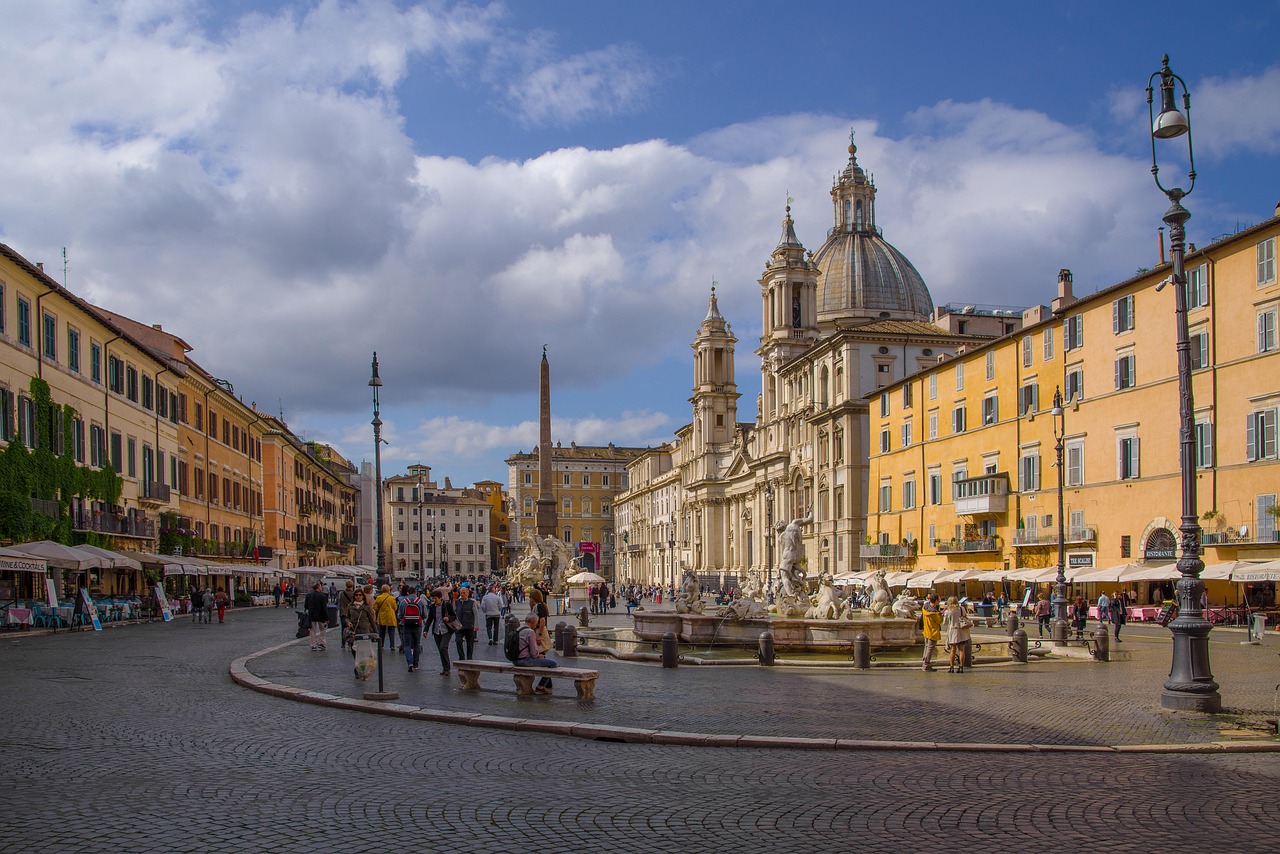
Piazza Navona
Rome's most beautiful baroque square with Bernini fountains
Explore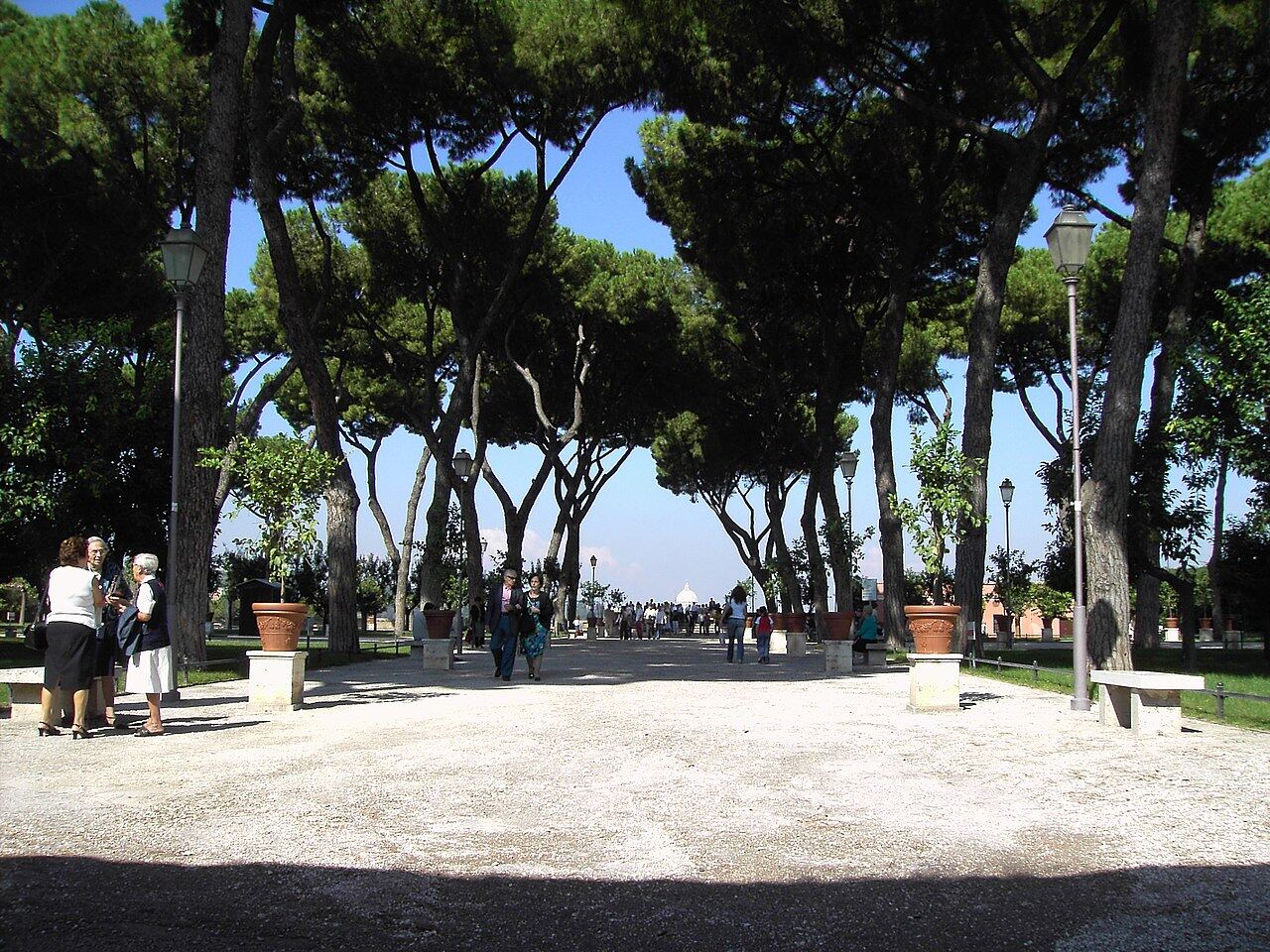
Aventine Keyhole
Rome's most famous secret view—see St. Peter's perfectly framed through the keyhole
Explore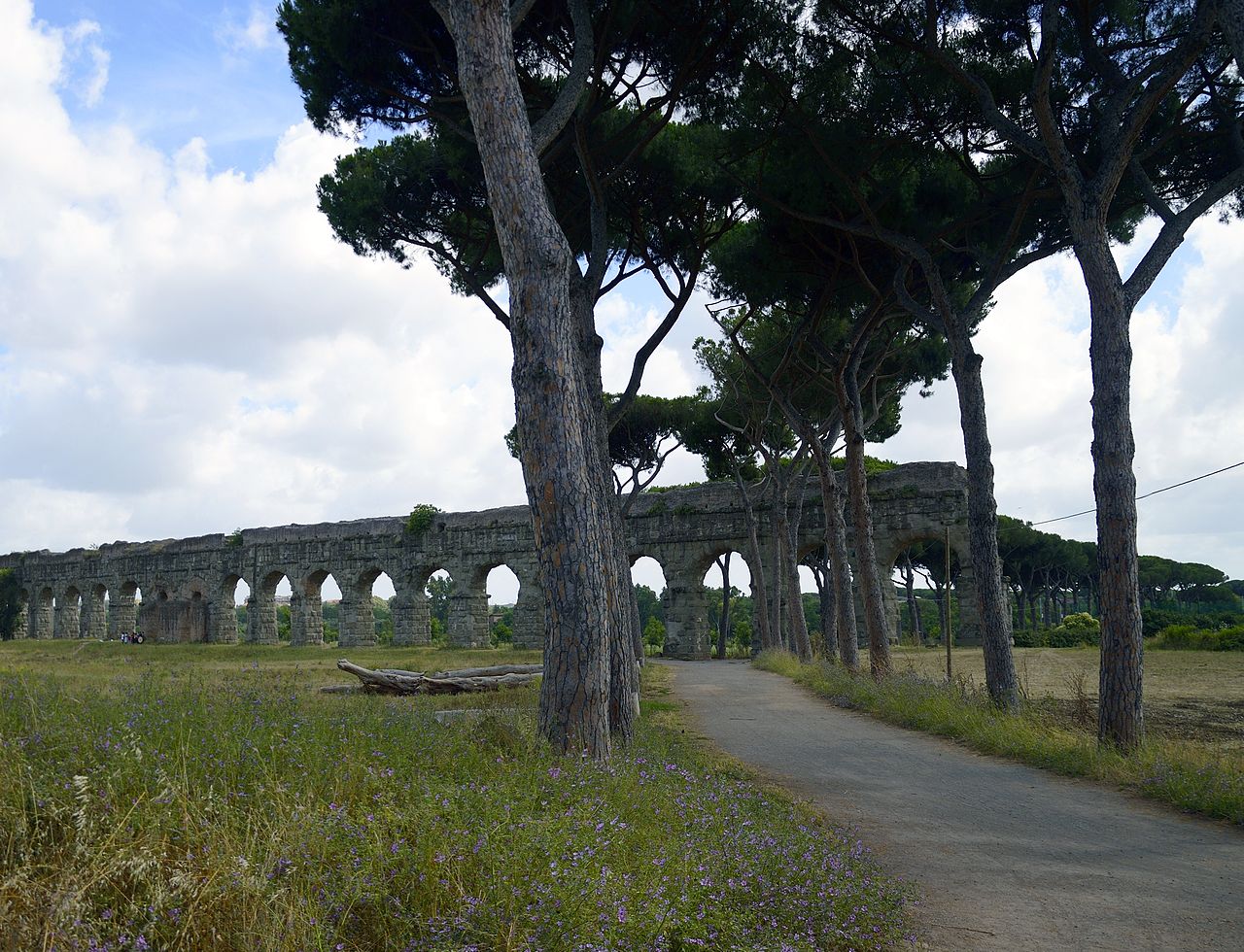
Park of the Aqueducts
Dramatic ancient aqueducts crossing open parkland
Explore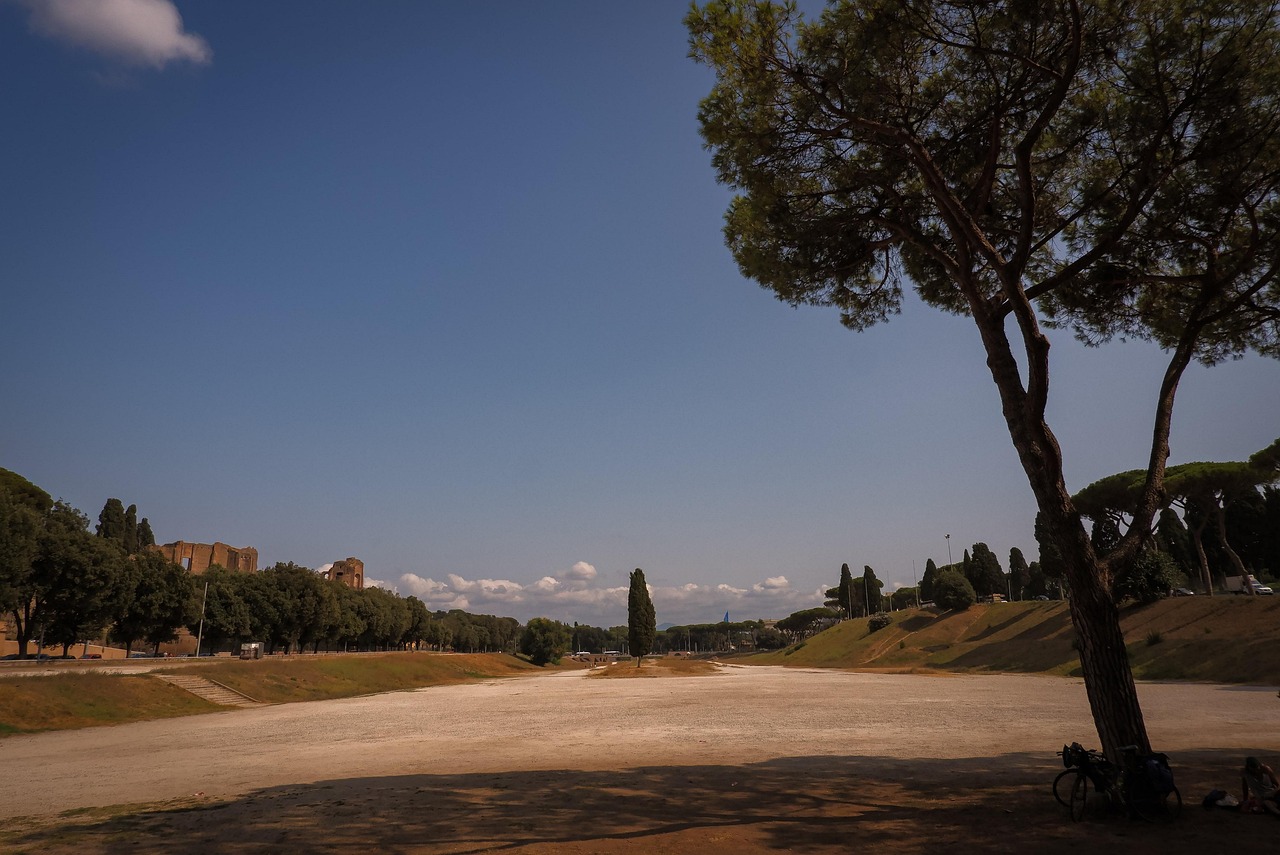
Circus Maximus
Ancient Rome's vast chariot-racing arena — free to explore at ground level, with an optional ticketed archaeological area
Explore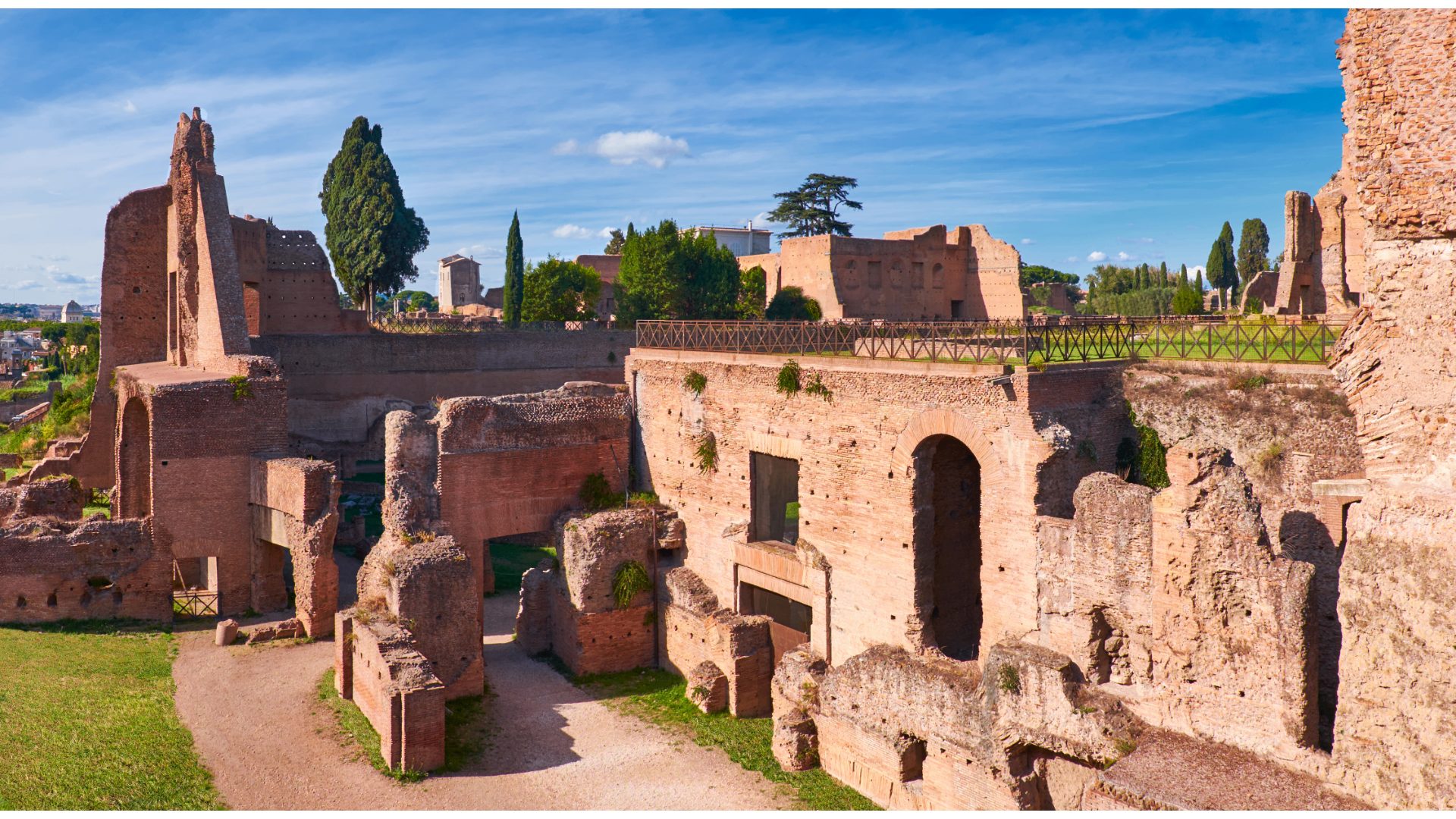
Palatine Hill
Legendary birthplace of Rome and luxurious home of emperors
Explore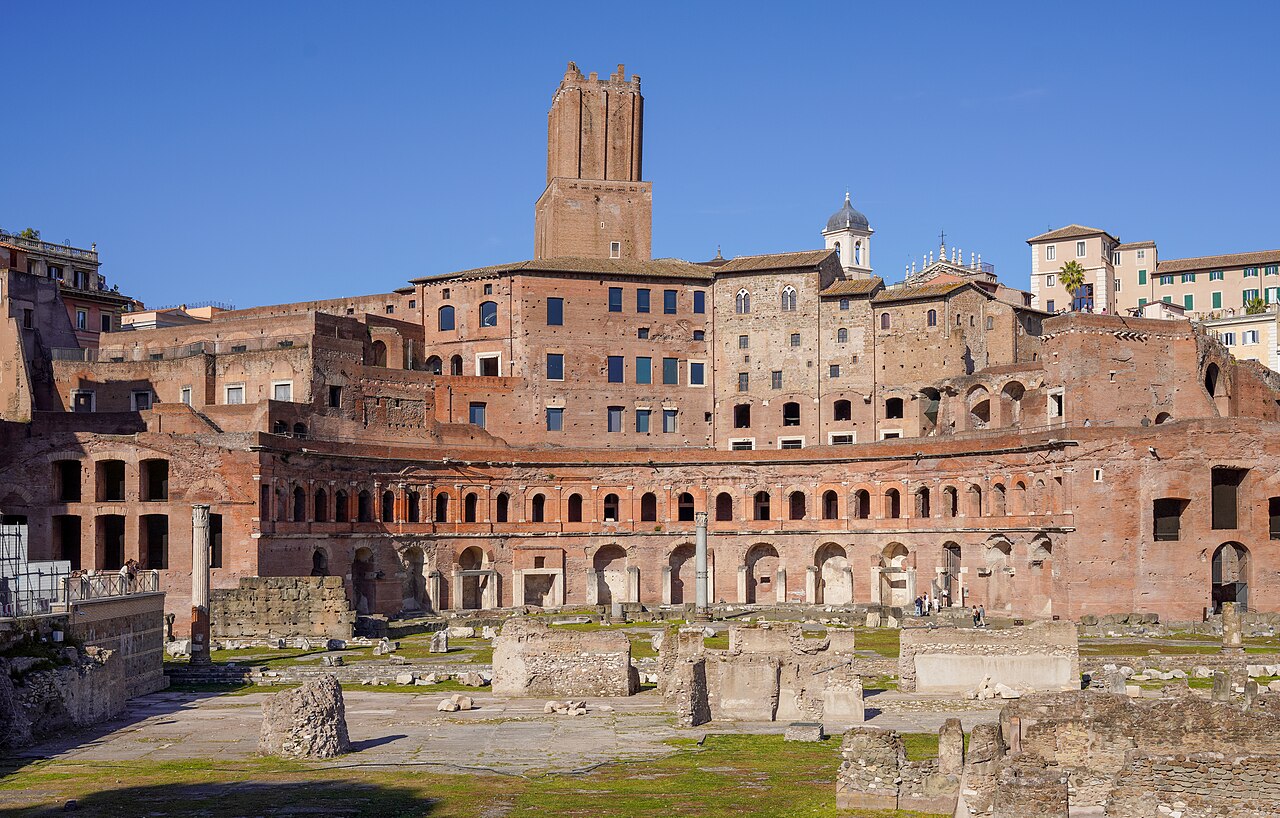
Trajan's Market
A vast multilevel Roman complex beside Trajan's Forum—now the Museum of the Imperial Fora
ExploreQuick Planning Guide
⏱️ Time Needed
Up to 50 min (visits are time-limited)
💰 Cost
Free
🎫 Reservation
Not required, but a free ticket/reservation system may be offered — check ahead
♿ Accessibility
Not accessible — original medieval stairs
📅 Best Time
Tuesday–Friday, soon after opening
👨👩👧👦 Family Friendly
Good for kids 6+ (towers, wall walk)
🌡️ Weather
Open-air walls — partly covered
Nearby Attractions
Start of the Appian Way1-min walk
Tomb of the Scipios10-min walk
Vigna Codini Columbarium10-min walk
Baths of Caracalla15-min walk
Catacombs of San Callistobus 118, 10 min
Featured In These Itineraries
Hidden Gems of RomeFree Things to Do in RomeClassic Rome ItineraryEssential Tips
- ✓ Last admission is 15:00 — arrive in good time
- ✓ Closed Mondays, 1 May and 25 December — plan Tuesday to Sunday
- ✓ Visits are limited to a maximum of 50 minutes
- ✓ Combine with the Appian Way south of the gate
- ✓ Skip if you can't manage steep medieval stairs