 Free Park
Park of the Aqueducts
Where ancient Roman engineering meets pastoral beauty — free access with no gate, best visited in daylight.
2–3 hoursFreePhoto HeavenFree access, no gateVia Lemonia, 00174 Roma RMOpen on MapPlan Your Visit
Compare tickets, tours and stays — booking ahead usually gives more choice
Book a TourHotels NearbyWhy visit the Park of the Aqueducts?
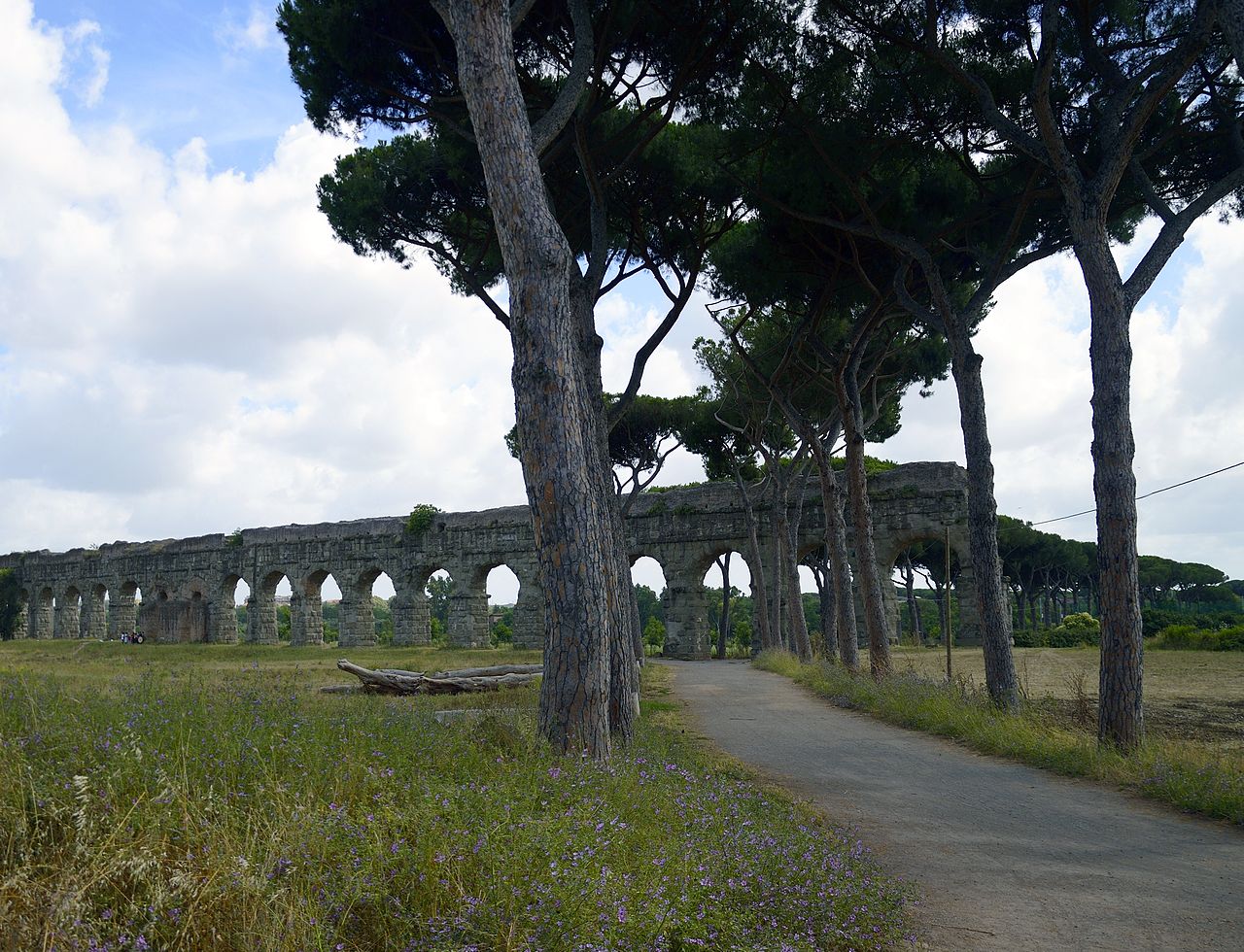
Step into a surreal landscape where ancient Roman aqueducts march across wildflower meadows under umbrella pines. The Parco degli Acquedotti offers one of Rome's most evocative experiences — towering 2,000-year-old arches in a pastoral setting that feels miles from the city, yet sits 6 km from the Colosseum and is served by two metro stations. There is no admission ticket or conventional museum gate — it is a free public park, best visited in daylight, and remains a locals' favourite free landscape in Rome.
- Seven aqueducts in one park: the imperial Aqua Claudia (52 AD), the Renaissance Aqua Felice (1585) and five others — visible in a single 2-hour walk.
- Photographer's paradise: the iconic Italian landscape — tall arches, umbrella pines, wildflower meadows and the Alban Hills on the horizon.
- Open countryside in the city: a large protected expanse of meadow within the wider Appia Antica park, perfect for picnics, kite-flying, jogging and cycling.
- Cinematic landmark: the opening sequence of Fellini's 'La Dolce Vita' (1960) was filmed over these very arches.
- Free, no ticket or gate, locals' favourite: two metro stops, no queue, almost no tourists — best visited in daylight.
Quick facts
Aqueducts Built
1st–3rd Century AD
Aqueducts
7 visible
Famous For
Dramatic ruins in meadows
Entry
Free — no ticket or gate
Visit Time
2–3 hours
Location
Southeast Rome (Appio-Claudio)
Metro
Line A — Giulio Agricola / Subaugusta
Best Time
Sunrise or 1h before sunset
Family Friendly
Yes — picnics, bikes, kites
Table of Contents
Jump to any section of the itinerary
A brief history of Rome's aqueducts
In 312 BC, the censor Appius Claudius Caecus commissioned Rome's first aqueduct — the Aqua Appia — beginning more than 500 years of hydraulic engineering. At their imperial peak, Rome's combined aqueducts delivered very large daily volumes of fresh water; the totals quoted in modern sources are estimates for the network as a whole rather than precisely sourced figures.
The Aqua Claudia, whose tall arches dominate the park today, was begun by emperor Caligula in 38 AD and inaugurated by his successor Claudius in 52 AD. It carried water for 69 km from springs in the Aniene valley near Subiaco, climbing onto monumental arches in its final approach to Rome — the dramatic stretch you walk through today. By 226 AD, eleven aqueducts converged on the city; the network was the single most important piece of infrastructure in the ancient Mediterranean world.
The system collapsed in 537 AD, when the Ostrogoths cut the aqueducts during their siege of Rome — a calculated act of urban warfare that ended the ancient water supply at a stroke and reduced the city's habitable population by an order of magnitude within a generation. For a thousand years the arches stood empty across the Roman Campagna. In the 12th–13th century, a small fortified farmhouse — the Casale di Roma Vecchia — was built directly into the Aqua Claudia arches, its medieval brickwork still visible against the imperial travertine.
Running water finally returned to the eastern hills of Rome in 1585–1587, when Pope Sixtus V (born Felice Peretti) commissioned the Aqua Felice, built directly on the foundations of the ancient Aqua Marcia. It crosses the Aqua Claudia at a striking right angle — the most photographed engineering intersection in the park — and continues to function today, supplying several of Rome's monumental fountains.
In 1960, Federico Fellini opened La Dolce Vita with a helicopter carrying a statue of Christ over these very arches — making the park a global cinematic landmark overnight. The Parco degli Acquedotti was formally established in 1988 as part of the Regional Park of the Appia Antica, protecting a large area of meadow, ruins and pine grove within the wider protected Appia Antica area. In 2026, it remains a free public park with no admission ticket or gate, best visited in daylight, and a locals' favourite free landscape in the city.
The aqueducts through the centuries
312 BCAqua Appia — Rome's first aqueduct
Censor Appius Claudius Caecus builds Rome's first aqueduct, beginning more than 500 years of Roman hydraulic engineering innovation.
144 BCAqua Marcia
Rome's longest aqueduct (91 km) brings cold, clear spring water from the Aniene valley — its foundations later support the 1585 Aqua Felice.
38–52 ADAqua Claudia completed
Begun by emperor Caligula in 38 AD and inaugurated by Claudius in 52 AD — the spectacular tall-arched aqueduct that gives the park its silhouette today.
226 ADPeak of the imperial water system
Rome's eleven aqueducts supplied very large volumes of water to the city; the figures quoted in modern sources are estimates for the whole network rather than measured values.
537 ADGothic Wars — aqueducts cut
During the Ostrogothic siege of Rome, the besiegers cut the aqueducts to deprive the city of water; the imperial water network is permanently broken.
12th–13th centuryCasale di Roma Vecchia
A fortified medieval farmhouse is built directly into the abandoned Aqua Claudia arches, controlling the Via Latina trade route.
1585–1587Aqua Felice rebuilt
Pope Sixtus V (Felice Peretti) restores running water to the eastern hills of Rome by building a new aqueduct on the ancient Aqua Marcia foundations — still functional today.
1960'La Dolce Vita' opens here
Federico Fellini films the iconic opening sequence — a helicopter carrying a statue of Christ flies over the Aqua Claudia — instantly making the arches a global cinematic landmark.
1988Park officially established
Parco degli Acquedotti is formally created as part of the Regional Park of the Appia Antica — a large expanse of protected meadow, ruins and pine grove within the wider Appia Antica park.
2026A free landscape for everyone
The park remains free, with no ticket or gate, served by two metro stations, and is among the most beloved free landmarks in Rome — equally loved by photographers, joggers, families and picnicking locals.
What to see at the Park of the Aqueducts
Aqua Claudia (38–52 AD)
- Rome's most spectacular surviving aqueduct ruins — the dramatic line of tall arches that defines the park's silhouette.
- Begun by emperor Caligula in 38 AD and completed by his successor Claudius in 52 AD; carried water 69 km from springs near Subiaco in the Aniene valley.
- Original height of around 27 metres (89 feet) — the surviving stretch in the park is among the best-preserved high-arched sections anywhere on the imperial network.
- Best photographed in early morning (light from the east) or 1 hour before sunset (raking golden light from the west).
Aqua Felice (1585–1587)
- Renaissance pope's aqueduct, built by Pope Sixtus V and named after his birth name (Felice Peretti).
- Constructed directly on top of the foundations of the ancient Aqua Marcia — a literal stratification of 1,500 years of Roman hydraulic engineering visible in a single line.
- Still functional today: it continues to carry water to several of Rome's monumental fountains and to the Mosè fountain at Termini.
- Where it crosses the ancient Aqua Claudia is the most photographed engineering intersection in the park.
Casale di Roma Vecchia
- Medieval fortified farmhouse from the 12th–13th century, built directly into and against the Aqua Claudia arches.
- Tower remnants, arched doorways and partial walls survive — the picturesque silhouette closes many of the park's classic photographs.
- Functioned as a fortified country estate (casale) controlling the Via Latina trade route in the late Middle Ages.
- Beautiful at sunset when the warm light catches the medieval brickwork against the imperial Roman travertine.
Umbrella pine groves & meadows
- Iconic Mediterranean stone pines (Pinus pinea) — the same species that defines the Roman countryside in 19th-century landscape paintings.
- Open wildflower meadows in spring (April–May) carpeted in poppies, daisies and yellow rapeseed — among the most photogenic backdrops in the city.
- Shaded picnic areas under the canopy with views of the arches — a Roman family Sunday tradition.
- Acres of flat grass for kites, footballs, dog-walking and casual sunset gatherings.
Cycling & jogging trails
- Flat, mostly traffic-free paths inside the park — perfect for relaxed cycling and jogging.
- Connects directly to the Appian Way Regional Park via the Via Latina — a single bike ride covers two of Rome's greatest archaeological landscapes.
- Bike rental available at the entrance to the Appian Way park or near Caffarella.
- Most popular among Romans on Sunday mornings — when central streets are choked with cars, the aqueducts breathe.
Filming & photography heritage
- Used by Federico Fellini for the unforgettable opening sequence of 'La Dolce Vita' (1960) — a helicopter carrying a statue of Christ flies over these very arches.
- Featured in Paolo Sorrentino's 'La Grande Bellezza' (2013) and in countless Italian commercials, music videos and fashion shoots.
- A favourite location for engagement shoots, wedding photography and Instagram pilgrimages.
- The combination of foreground meadow, mid-ground arches and background pines is the classic Roman countryside composition.
The Aqua Claudia — Rome's most spectacular aqueduct
The Aqua Claudia is one of the four 'long aqueducts' of imperial Rome — and the one that defines the silhouette of the park today. Begun by emperor Caligula in 38 AD and inaugurated by his successor Claudius in 52 AD after fourteen years of construction, it tapped the cold, abundant springs of the Caeruleus and Curtius in the upper Aniene valley near Subiaco, 69 km from the city.
Most of the route was underground — Roman engineers preferred to keep aqueducts out of the weather and out of reach of saboteurs. But in the final 15 km, as the channel approached Rome across the open Campagna, it climbed onto monumental arches: this is the dramatic stretch you walk through today. The original height reached 27 metres (89 feet), and the surviving sections in the park are among the best-preserved high-arched stretches of any Roman aqueduct anywhere in the empire.
The structural system is a triumph of imperial engineering: solid opus quadratum piers in cut tufo blocks, faced with opus reticulatum diamond-pattern brickwork, supporting a vaulted water channel (the specus) sealed with hydraulic opus signinum mortar. The same techniques would be exported across the empire — the Pont du Gard in France, the Segovia aqueduct in Spain and the aqueducts of Carthage all derive directly from the Roman imperial template you see here.
The Aqua Felice — a Renaissance pope rebuilds the system
By the late 16th century, the eastern hills of Rome had been without running water for more than a thousand years — the entire population had been pushed down into the bend of the Tiber to drink from the river itself. Pope Sixtus V (Felice Peretti, 1585–1590) made restoring water supply to the high ground the central infrastructure project of his pontificate.
The Aqua Felice (named after his birth name) was built between 1585 and 1587 on the foundations of the ancient Aqua Marcia — the longest of the imperial aqueducts (91 km), originally built in 144 BC. Where the Marcia had used arches, the Felice reused them; where the Marcia had used underground channels, the Felice followed the same line. The result is a literal stratification of 1,500 years of Roman hydraulic engineering visible in a single line — Renaissance brickwork sitting directly on imperial travertine.
The Felice still works. It supplies the Mosè fountain at Termini (the great late-16th-century show-fountain that displays Sixtus V's name) and contributes to several other monumental fountains in the eastern half of the city. The point where the Felice crosses the Aqua Claudia at a right angle — Renaissance crossing imperial — is the single most striking engineering composition in the park and the photograph almost every visitor takes home.
Casale di Roma Vecchia — the medieval farmhouse in the arches
The Casale di Roma Vecchia is a fortified farmhouse from the 12th–13th century, built directly into and against the abandoned arches of the Aqua Claudia. After the Gothic Wars cut the aqueducts in 537 AD, the entire Campagna emptied of population for centuries; what remained were a handful of fortified country estates (casali) controlling the consular roads. The Casale di Roma Vecchia controlled the Via Latina, the great southern road from Rome to Capua.
The surviving tower remnants, arched doorways and fragmentary walls form the most photogenic single composition in the park — medieval brickwork against imperial travertine, tucked into a corner of the meadow that catches the late afternoon light beautifully. It is also the most atmospheric corner: many photographers walk straight to the dramatic Aqua Claudia stretch and never find the Casale, even though it is only 5 minutes further south.
The name Roma Vecchia ('Old Rome') was applied throughout the Middle Ages to the long line of aqueduct ruins on this stretch of the Campagna — the assumption was that these enormous structures must be the remains of an entire ancient city, not realising they were simply the water supply.
Suggested walking route
This 2.5-hour circular route covers all the park's highlights. Start from Metro Giulio Agricola and end at Subaugusta (or return to start). Total walking distance: approximately 4 km on flat, mostly unpaved paths.
1StartMetro Giulio Agricola entry
First view of Aqua ClaudiaExit Metro Giulio Agricola (Line A) and walk 10 minutes along Via Lemonia. Enter the park where you first glimpse the Aqua Claudia arches stretching into the distance.
230 minAqua Claudia main section
Best photo spot — morning light from the eastThe most dramatic section, with tall arches stretching across the meadow. Walk under and alongside these 2,000-year-old engineering marvels — the silhouette that defines the park.
320 minCasale di Roma Vecchia
Atmospheric medieval ruinsMedieval fortified farmhouse built directly into the aqueduct arches. The tower remnants and arched doorways create atmospheric compositions — easily the most photogenic single corner of the park.
420 minAqua Felice crossing
Two eras of Roman engineeringWhere the Renaissance-era Aqua Felice (1585) meets the ancient Aqua Claudia — a fascinating intersection of engineering from different millennia, both still standing on the same axis.
530 minUmbrella pine grove
Picnic spot with shadeShaded area perfect for a picnic break. Spread your blanket under the iconic Mediterranean pines with aqueduct views — exactly the composition you've seen in every Italian landscape painting.
630 minSouthern meadows
Sunset viewing areaOpen grasslands where Romans play football and fly kites. The arches frame views of the distant Alban Hills on clear days — the long view that makes this the city's best free landscape.
7EndExit via Subaugusta
Alternative metro connectionComplete the loop by exiting toward Metro Subaugusta (Line A), or retrace your steps to Giulio Agricola. Total route: approximately 4 km circular, 2.5 hours including picnic.
Park of the Aqueducts vs other Rome ruins
| Feature | Aqueducts | Roman Forum | Appian Way | Baths of Diocletian* |
|---|---|---|---|---|
| Cost | Free | €18 (Colosseum combined ticket) | Free (paid catacombs) | Check current National Roman Museum ticket |
| Crowds | Very quiet (locals) | Extremely busy | Quiet | Quiet |
| Open | Free access, no gate — visit in daylight | 09:00–17:00 (variable) | Sunrise–sunset | 09:30–19:30 |
| Best for | Sunset photography, picnics | Imperial centre history | Roads, tombs, catacombs | Imperial-scale interiors |
| Family appeal | Very high (open space) | Medium (steep & exposed) | High (bikes, picnic) | Medium |
| Reservation needed | Never | Yes (Colosseum) | No (yes for catacombs) | No |
| Time required | 2–3 hours | 3–4 hours | Half day | 1.5 hours |
Verdict: the Aqueducts offer a free, open-landscape ancient Roman experience that feels quite different from the city's paid archaeological sites — pastoral and atmospheric where the Forum is dense, paid and crowded. They pair naturally with the Appian Way for a half-day Roman countryside escape. *For the Baths of Diocletian, check the current official National Roman Museum ticket price before visiting.
Best time to visit
Time of day
Sunrise (locals' secret)
Eastern light hits the Aqua Claudia head-on; the park is empty before 08:00. Pack coffee in a thermos.
90 minutes before sunset
The single most photographed window. Raking western light, long shadows, golden tones, families packing up after the day.
Late morning (10:00–12:00)
Comfortable in spring and autumn; very hot in summer. Good for families and picnics.
Avoid midday in summer
Almost no shade; July–August midday temperatures regularly exceed 35°C.
Best season
Late April – early May (peak)
Meadows carpeted in red poppies and wildflowers. Comfortable temperatures and long evenings — the unbeatable window.
September – October
Clear air, golden light, long visibility to the Alban Hills. Perfect photography weather.
Sunday mornings (liveliest)
Roman families with children, dog-walkers, joggers, the occasional kite — the most authentically local atmosphere.
After heavy rain
Paths are unpaved and become muddy; allow time for them to dry out.
Getting there
Metro Line A — Giulio Agricola (easiest)
Direct from Termini in about 15 minutes. Exit and walk 10 minutes south along Via Lemonia — you reach the Aqua Claudia arches first.
Metro Line A — Subaugusta
One stop further south on the same line; 15-minute walk via Via Sublaqueum. Useful if you want to walk the route in reverse and exit at Giulio Agricola.
Bus 559 / 654
Both serve the Cinecittà / Tuscolano area and stop near Via Lemonia. Useful if you are coming from EUR or the southern suburbs.
Bike from the Appian Way
Rent a bike at the Appian Way information point (Porta San Sebastiano) and ride the Via Latina through the Caffarella Valley directly into the park — about 30 minutes of mostly flat, traffic-free riding through the Roman countryside.
Address
Via Lemonia, 00174 Rome. There is no admission ticket or conventional entrance gate — you simply walk into the meadow from any of several access points along its perimeter. Visit in daylight, as the park has minimal lighting and limited facilities after dark.
Common mistakes to avoid
Visiting in midday summer heat
The park is wide open with very little shade. In June–August, midday temperatures on the meadow regularly hit 35°C+ with no relief. Visit at sunrise or 90 minutes before sunset instead.
Confusing the two metro exits
The closer entrance is Giulio Agricola (10-minute walk), not Subaugusta (15 minutes). Either works — but Giulio Agricola gets you to the dramatic Aqua Claudia arches first.
Skipping the Casale di Roma Vecchia
Many visitors photograph the Aqua Claudia from a distance and leave. The medieval farmhouse built into the arches is 5 minutes further south and is the most atmospheric corner of the park.
Coming on a rainy day
Paths are unpaved and turn into mud after rain. The arches are still spectacular but you will ruin your shoes. Give the ground time to dry out after heavy rain.
Underestimating the terrain and lighting
Lighting is minimal after dark, toilets are limited, and the ground is uneven and unpaved throughout the park. In summer, heat with little shade can be intense — bring water, wear sturdy shoes and plan around daylight hours.
Trying to combine with Vatican on the same morning
The park is a 35-minute metro ride from the Vatican (with a change). Pair it with the Appian Way, San Giovanni in Laterano or EUR — not with the Vatican.
Missing the Aqua Felice intersection
The point where the Renaissance Aqua Felice crosses the ancient Aqua Claudia is the single most striking engineering composition in the park — easy to walk past if you don't know what to look for.
Insider tips from locals
Sunrise beats sunset
Romans say sunrise is even better than sunset here — the eastern light hits the Aqua Claudia head-on and the park is completely empty before 08:00. Pack coffee in a thermos.
Spring poppies (late April)
For about three weeks in late April and early May the meadows are carpeted in red poppies — the most photogenic 20 days of the year on the entire park's calendar.
Bring a kite
The constant breeze across the open meadow makes it Rome's best free kite-flying spot. Romans bring children and dogs by the hundred on Sunday afternoons.
Picnic supplies from Testaccio Market
Stop at Testaccio Market (Metro Piramide, then tram 3) on the way for cheese, salumi, bread and wine. The picnic under Aqua Claudia is one of the great cheap experiences in Rome.
Combine with Appian Way by bike
Rent a bike at the Appian Way info point and ride from the Tomb of Cecilia Metella through the Caffarella Valley into the Aqueducts — half a day in the Roman countryside without leaving the city.
Watch 'La Dolce Vita' the night before
Re-watching the opening 4 minutes of Fellini's 1960 masterpiece the evening before your visit changes how you see the arches. They become characters in cinema, not just ruins.
Practical visitor tips
Golden hour magic
Arrive 60–90 minutes before sunset. The low sun illuminates the arches from the side, creating dramatic shadows and golden tones impossible to fake in any other Rome location.
Wear good shoes
Paths are unpaved and meadow grass is uneven. Comfortable walking shoes or trainers are essential — sandals will end with grass stains and stubbed toes.
Pack a picnic
Grab supplies from Testaccio Market or any local alimentari. There is no comparable Roman experience to spreading a blanket under 2,000-year-old arches.
Rent a bike
Flat terrain makes it ideal for cycling. Rent near the Appian Way and explore both archaeological landscapes in a single relaxed half-day — exactly how Romans do it on weekends.
Where to Stay Near Park of the Aqueducts
Looking for convenient accommodation near Park of the Aqueducts? Stay within walking distance to make the most of your visit.
Hotels Near This AttractionTop Rated HotelsBudget-Friendly OptionsLuxury HotelsCentral locations with easy access to Park of the Aqueducts and other attractionsFrequently Asked Questions
What makes the Park of the Aqueducts special in 2026?
Parco degli Acquedotti is one of the most remarkable places in Rome to walk freely through an open landscape dominated by the towering arches of ancient Roman aqueducts. The combination of 2,000-year-old engineering, open wildflower meadows, umbrella pines, a medieval fortified farmhouse and the long view to the Alban Hills creates a landscape that feels miles from any city — yet sits 6 km from the Colosseum, served by two metro stations on Line A.
Which aqueducts can I see in the park?
The park preserves visible sections of seven aqueducts. The most spectacular are the imperial Aqua Claudia (38–52 AD) and the Renaissance Aqua Felice (1585), which crosses the Claudia at a striking right angle. Also visible (in varying states of preservation) are the Aqua Marcia (144 BC), Aqua Tepula (125 BC), Aqua Julia (33 BC), Aqua Anio Vetus (272 BC) and Aqua Anio Novus (52 AD). The Aqua Claudia's tall arches are the dominant feature — the silhouette photographed for almost every shot of the park.
Is the Park of the Aqueducts free?
Yes. The park is free to access and has no conventional ticketed entrance, but that is not a guarantee that every gate and path is open around the clock. Visit during daylight because paths are unlit and may become muddy after rain. The Aqua Claudia, the Aqua Felice, the Casale di Roma Vecchia and the meadows are all free public space, maintained by the Regional Park of the Appia Antica.
How do I get to the park by metro?
Take Metro Line A to either Giulio Agricola (10-minute walk to the arches via Via Lemonia) or Subaugusta (15-minute walk via Via Sublaqueum). Giulio Agricola is the closer and more popular entry. The park sits in the Appio-Claudio district, about 6 km southeast of the Colosseum and roughly 25 minutes by metro from Termini Station.
How long should I spend at the Park of the Aqueducts?
Plan for 2–3 hours to fully explore. The suggested 7-stop walking route covers the main attractions in about 2.5 hours including a picnic break and unhurried photography. If you are combining with the Appian Way or planning a sunset visit with serious photography, allow 4 hours.
Is it good for photography?
Outstanding. The park is widely considered the most photogenic free location in Rome. The combination of umbrella pines, wildflower meadows and ancient ruins is the classic Italian landscape composition. Sunset (eastern arches lit by raking western light) and sunrise (eastern light hitting the arches head-on) are the two prime windows. Late April brings carpets of red poppies — the single most photographed week of the year here.
Can I picnic in the park?
Yes — and you should. There are no restrictions on picnicking on the meadow or under the umbrella pines. Pack supplies from Testaccio Market (cheese, salumi, bread, wine) or any local alimentari near the metro. A blanket, a bottle of Frascati from the nearby Castelli Romani, and a slow afternoon under the Aqua Claudia is one of the great cheap pleasures in Rome.
Can I cycle in the park?
Yes — the flat terrain and traffic-free paths make it ideal for cycling. Rent a bike at the Appian Way information point or near the Caffarella Valley and ride directly into the park along the Via Latina. A single bike ride combines the Tomb of Cecilia Metella, the Caffarella Valley and the Aqueducts — half a day in the Roman countryside without leaving the city.
What films were shot here?
Most famously the opening sequence of Federico Fellini's 'La Dolce Vita' (1960), in which a helicopter carries a statue of Christ over the Aqua Claudia. Also Paolo Sorrentino's 'La Grande Bellezza' (2013), countless Italian commercials, music videos, and fashion shoots. Re-watching the opening 4 minutes of 'La Dolce Vita' the night before your visit changes how you see the arches.
Is the park safe?
Generally yes, especially during daylight hours when families, joggers and dog-walkers are everywhere. Like any large park it is quieter at night and after sunset — visit with company for sunset photography and stick to the main paths after dark. The surrounding Appio-Claudio neighbourhood is residential and well-integrated with the park.
Is it accessible for wheelchairs and strollers?
Partially. The main paths inside the park are flat but unpaved (compacted earth and grass), which is manageable in dry weather with a robust off-road stroller or a wheelchair with larger wheels. After rain it becomes very difficult. Standard urban strollers are not ideal.
What's the best time of year to visit?
Late April and early May are unbeatable: comfortable temperatures, long evenings, and the meadows in full poppy bloom. September and October offer clear air and golden light. Avoid July and August midday — there is almost no shade and temperatures regularly exceed 35°C.
How does the park compare with the Roman Forum?
Completely different experiences. The Forum is the dense, crowded, paid imperial centre — three intense hours of monuments and museum-quality archaeology. The Aqueducts are a free, sprawling, half-empty pastoral landscape where the same imperial Rome appears as enormous fragments in open countryside. Most Romans prefer the Aqueducts for sheer atmosphere; visitors short on time visit the Forum first.
What is the Aqua Claudia?
The Aqua Claudia is one of the four 'long aqueducts' of imperial Rome. Begun by emperor Caligula in 38 AD and inaugurated by Claudius in 52 AD, it carried water 69 km from springs in the Aniene valley near Subiaco. Its original height of 27 metres made it one of the tallest of the network. The surviving stretch in the park is among the best-preserved high-arched sections of any Roman aqueduct anywhere in the empire.
What is the Casale di Roma Vecchia?
A 12th–13th-century medieval fortified farmhouse built directly into the abandoned Aqua Claudia arches. The tower remnants and arched doorways survive and form the most picturesque single composition in the park. It functioned as a fortified country estate (casale) controlling the Via Latina trade route during the late Middle Ages.
Where should I stay nearby?
The Appio-Claudio neighbourhood around the park is residential and quiet — fine for a few nights but not central. Most visitors stay near San Giovanni in Laterano (one stop on Line A from the park, with great trattorias and direct access to the historic centre) or in the central area around Termini and the Esquiline. The EUR district (Line B, then change to A) is another option for those wanting a modern, quiet stay.
Related Attractions
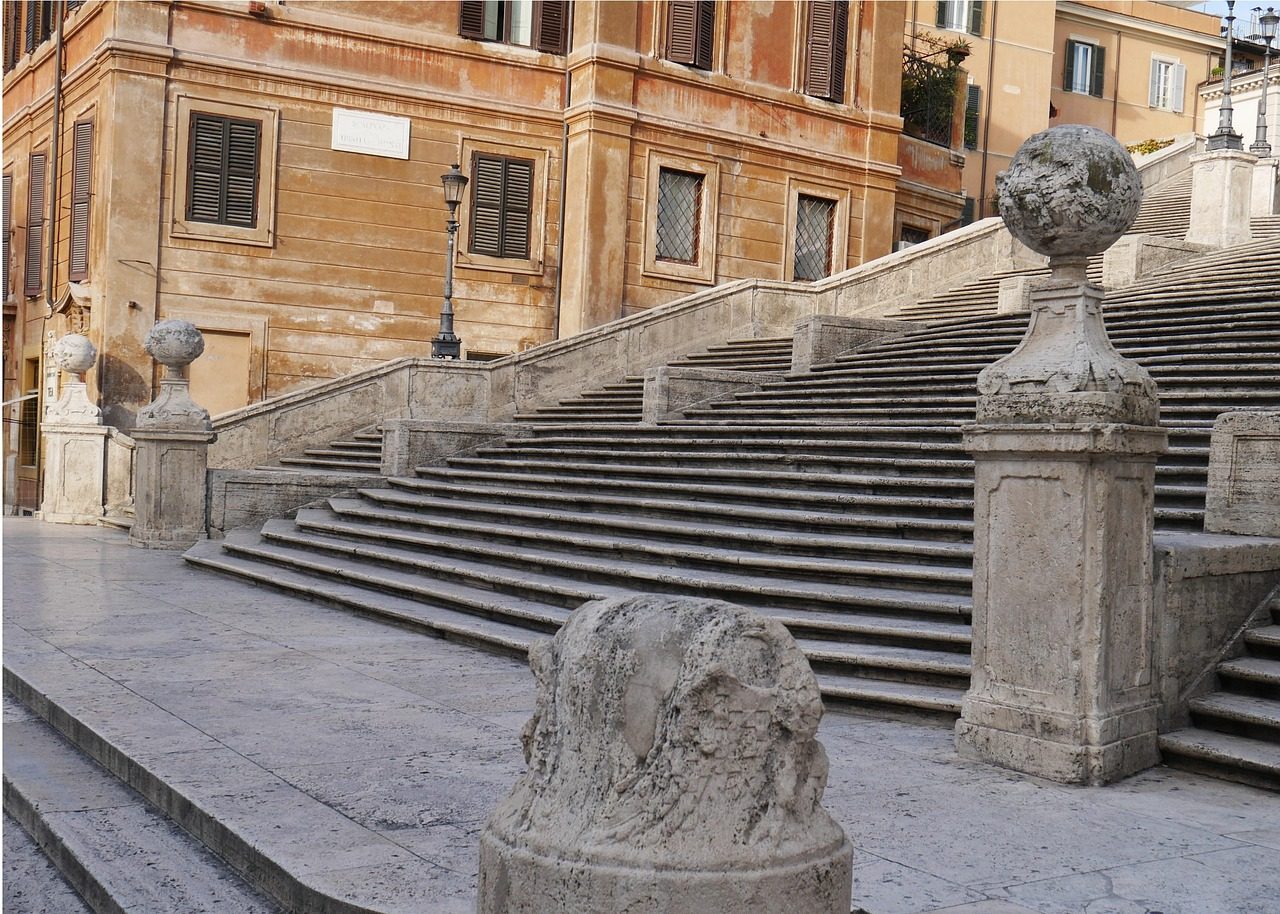
Spanish Steps
Famous Baroque stairway to Trinità dei Monti church
Explore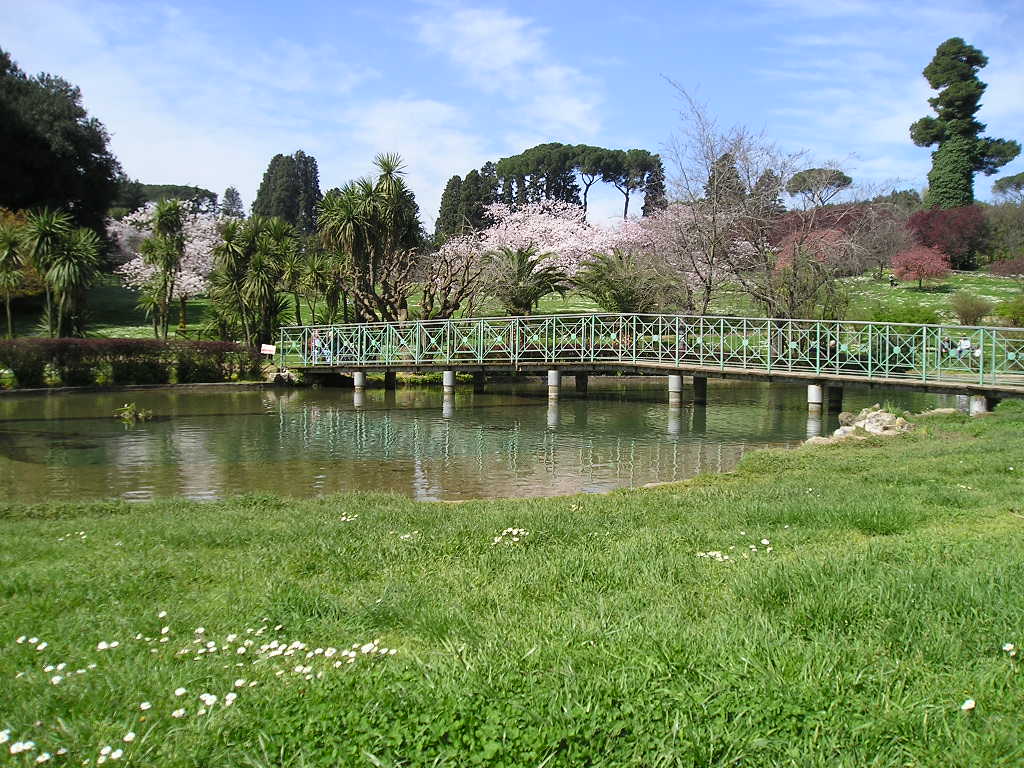
Villa Doria Pamphilj Park
Rome's largest landscaped park with Renaissance villa
Explore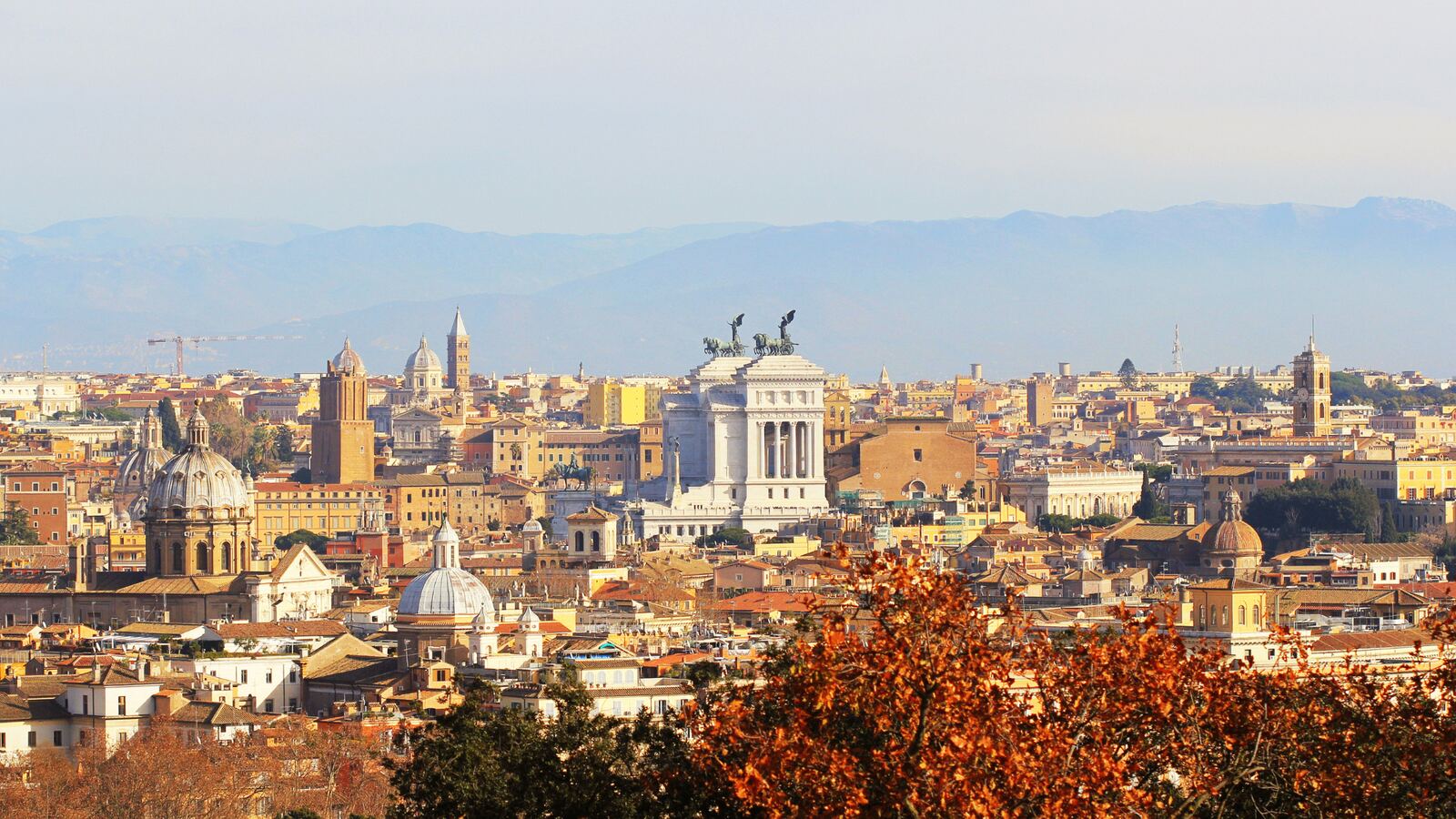
Janiculum Hill
Rome's best panoramic views with noon cannon
Explore
Museo delle Mura
Free museum inside Porta San Sebastiano—walk atop the ancient Aurelian Walls
Explore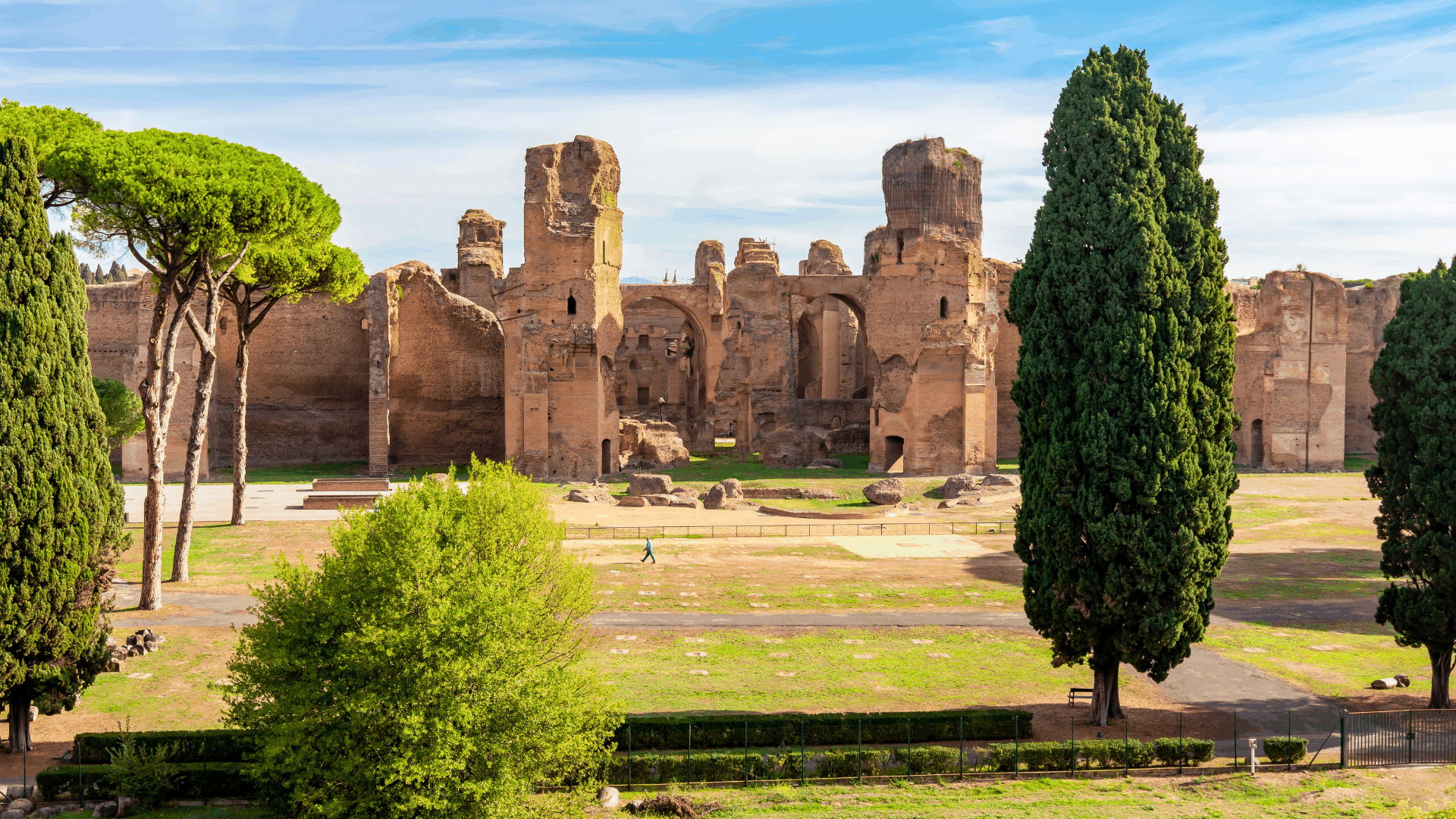
Baths of Caracalla
Ancient Rome's most magnificent public baths with towering ruins
Explore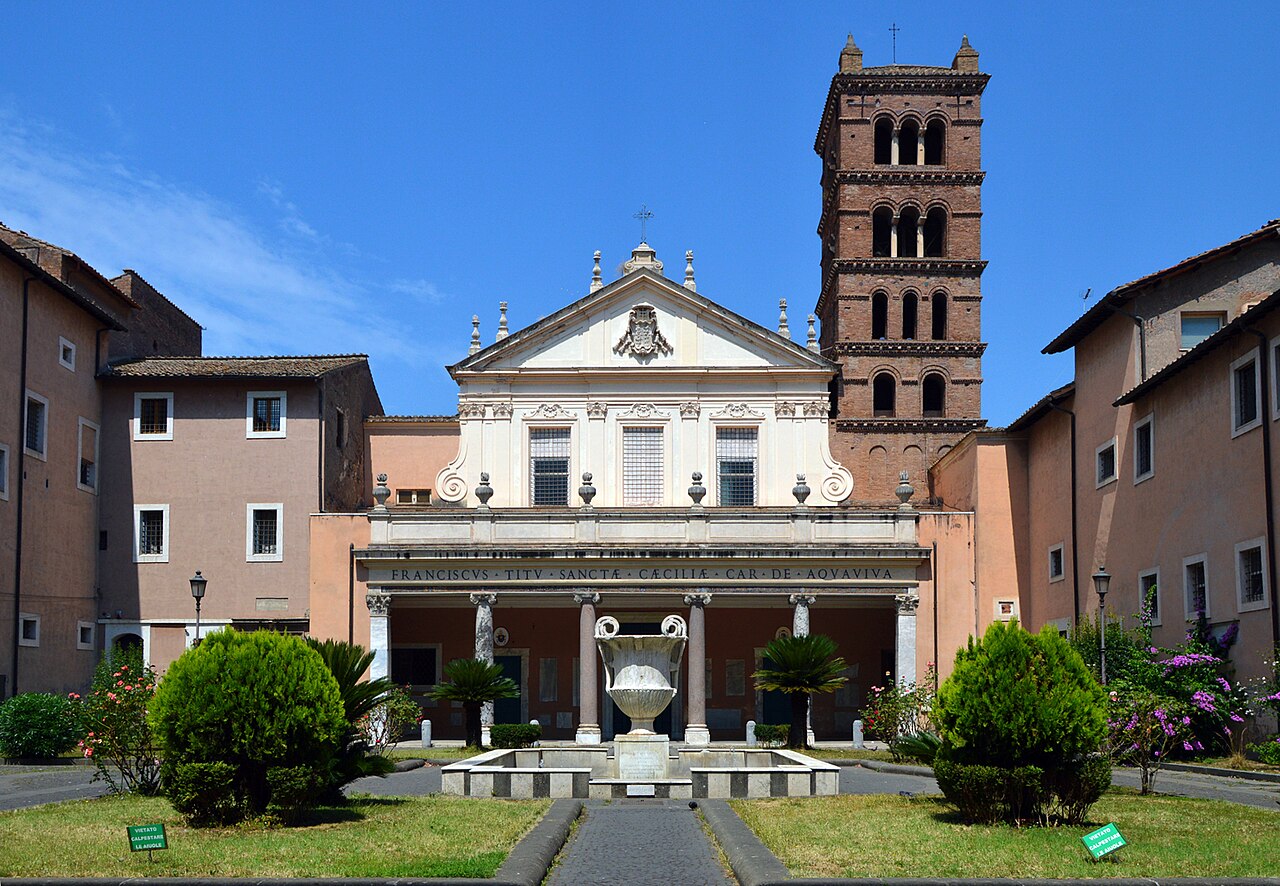
Santa Cecilia in Trastevere
Beautiful basilica with Maderno's sculpture and ancient remains
ExploreQuick Planning Guide
⏱️ Time Needed
2–3 hours
💰 Cost
Free
🎫 Reservation
Not required
♿ Accessibility
Flat terrain, unpaved paths
📅 Best Time
Sunrise or 1h before sunset
👨👩👧👦 Family Friendly
Excellent — picnics, kites, bikes
Nearby Attractions
Appian Way5 min by bike
Catacombs of San Sebastiano10 min
Cinecittà Studios15 min
EUR District20 min
Featured In These Itineraries
Rome Like a LocalHidden Gems of RomeGardens & VillasEssential Tips
- ✓ Come at sunset for best photos
- ✓ Bring a picnic blanket
- ✓ Wear comfortable shoes
- ✓ Metro Line A — Giulio Agricola