 Free Park
Villa Doria Pamphilj park
Rome's largest landscaped park — 184 hectares of pine groves, meadows, a lake and a Baroque palace, all free to explore.
2–3 hoursFree EntryLargest ParkOpen every dayVia di San Pancrazio, 00152 Roma RMOpen on MapPlan Your Visit
Compare tickets, tours and stays — booking ahead usually gives more choice
Book a TourHotels NearbyWhy visit Villa Doria Pamphilj?
Escape the crowds in Rome's largest and most beautiful free park. Villa Doria Pamphilj offers 184 hectares of landscaped gardens, umbrella pines, a picturesque lake, and one of Rome's finest Baroque villas — the Algardi-designed Casino del Bel Respiro. This is where Romans come on weekends: it is more than twice the size of Villa Borghese, almost entirely tourist-free, and one of the largest landscaped urban parks in any European capital.
- Rome's biggest free landscape: 184 hectares — more than twice Villa Borghese, almost completely tourist-free.
- Algardi's Casino del Bel Respiro: the most refined Baroque garden villa in Rome, with its formal Italian garden and façade encrusted with antique marble.
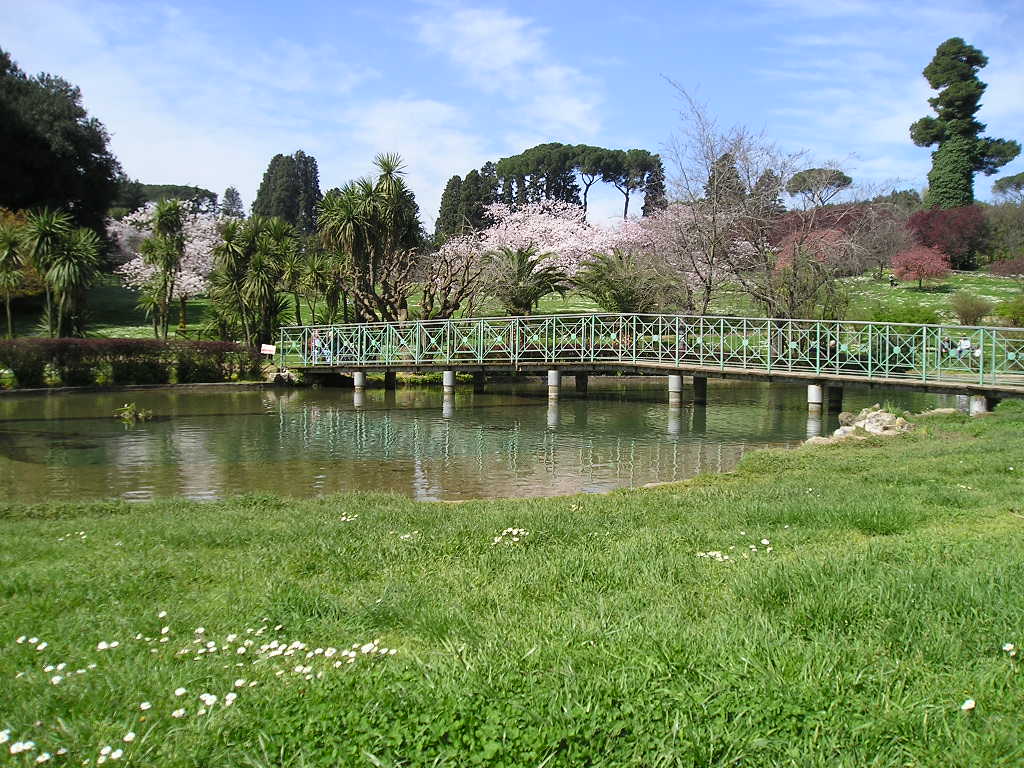
- The lake: a picturesque 19th-century English landscape redesign — willows, ducks, fountains and reflections.
- Garibaldi's battlefield: the bloodiest engagements of the 1849 defence of the Roman Republic took place inside this park.
- Free, family-friendly, open daily: two playgrounds, a lakeside café, flat paved paths, and acres of meadow for kites and frisbees.
Quick facts
Size
184 hectares
Built
17th century (1644–55)
Famous For
Largest park in Rome
Entry
Free, no booking
Visit Time
2–3 hours
Location
Monteverde / above Trastevere
Star Building
Casino del Bel Respiro (Algardi)
Transport
Tram 8 + bus 870 / 982 / 31
Family Friendly
Good — playground & café (verify locally)
Table of Contents
Jump to any section of the itinerary
A brief history of Villa Doria Pamphilj
The estate originates around 1630, when the Pamphili family began consolidating a country property on the slopes of the Janiculum above Trastevere — at the time pure Campagna, dotted with vineyards, ancient ruins and the line of the Aurelian Walls. Everything changed in 1644, when Giovanni Battista Pamphili was elected pope as Innocent X: in classic Counter-Reformation fashion, the family's wealth and ambition exploded overnight, and the estate became the canvas for the most lavish Pamphili architectural project in Rome.
Between 1644 and 1655, the great sculptor and architect Alessandro Algardi — Bernini's principal Roman rival — together with the painter-architect Giovanni Francesco Grimaldi built the Casino del Bel Respiro for Innocent X's nephew, Camillo Pamphilj. The villa is one of the supreme examples of mid-17th-century Roman Baroque garden architecture: a façade encrusted with antique marble fragments, busts and reliefs from the family's collection, set within a perfectly preserved formal Italian giardino segreto of clipped box, parterres and citrus pots.
In 1760, Anna Pamphilj married Andrea Doria, fusing the two great families into the Doria-Pamphilj line that still owns much of the family art collection (visible at the separate Galleria Doria Pamphilj on Via del Corso in the centre of Rome). The estate continued to expand throughout the 18th century, eventually reaching its present 184 hectares — the largest single landed estate inside the Aurelian Walls.
In April–June 1849, the grounds became the bloodiest battlefield of the heroic defence of the short-lived Roman Republic against the French expeditionary army. Garibaldi's volunteers fought their fiercest engagements here — at Villa Corsini and the Vascello on the eastern edge of the estate. Both buildings were reduced to rubble in the fighting; the Arco di San Pancrazio that today marks the main entrance is an 1854 replacement of the original gate destroyed in the bombardment.
In the second half of the 19th century the estate was partly redesigned in the English landscape style — the rolling lawns, the weeping willows and the picturesque artificial lake all date from this period, superimposed on the original Italian formal layout. In 1957, the new Via Olimpica road was driven through the park to serve the 1960 Olympic Games, splitting it into two halves connected only by a footbridge — still the park's biggest blemish today. Between 1965 and 1971, the Italian state expropriated and acquired the entire estate and opened it to the public free of charge for the first time in its history. In 2026, it remains free, open every day on Roma Capitale's seasonal hours (07:00–18:00 Oct–Feb, 07:00–20:00 March and September, 07:00–21:00 April–August), and is the Romans' favourite weekend escape.
Villa Doria Pamphilj through the centuries
1630Pamphili family acquires the estate
The Pamphili family begins consolidating a country estate on the slopes above Trastevere — at the time pure Campagna.
1644Pope Innocent X elected
Giovanni Battista Pamphili becomes Pope Innocent X; the family's wealth and ambition explode, transforming the estate into a Roman aristocratic showpiece.
1644–1655Casino del Bel Respiro built
Alessandro Algardi and Giovanni Francesco Grimaldi build the spectacular Baroque villa for Camillo Pamphilj — the architectural heart of the estate.
1760Doria-Pamphilj merger
Anna Pamphilj marries Andrea Doria; the two great families merge into the Doria-Pamphilj line that still owns much of the family's collection today.
April–June 1849Battle of Villa Pamphilj
Garibaldi's volunteers fight French expeditionary troops here in the bloodiest engagements of the defence of the Roman Republic. Villa Corsini and the Vascello are reduced to rubble.
1856–1873English landscape redesign
The estate is partly redesigned in the English landscape style (rolling lawns, the lake, the willows) — superimposed on the original Italian formal layout.
1957Galleria di Traforo cut
The Via Olimpica road is driven through the park, splitting it into two halves connected only by a footbridge — still the park's biggest blemish today.
1965–1971Public park opens
The Italian state expropriates and acquires the estate; the entire 184 hectares open to the public free of charge for the first time.
2026Rome's largest free landscape
Villa Doria Pamphilj remains free, open daily on Roma Capitale's seasonal schedule (07:00–18:00 Oct–Feb, 07:00–20:00 March and September, 07:00–21:00 April–August), and is the Romans' favourite weekend escape — the largest landscaped public park in the city.
What to see at Villa Doria Pamphilj
Casino del Bel Respiro (1644–1655)
- Spectacular Baroque villa designed by the great sculptor Alessandro Algardi with Giovanni Francesco Grimaldi — built for Pope Innocent X's nephew Camillo Pamphilj.
- The façade is encrusted with antique marble fragments, busts and reliefs from the family's collection — an open-air display of 17th-century connoisseurship.
- Set within a perfectly preserved formal Italian garden of clipped box hedges, parterres and citrus pots — the only surviving 17th-century giardino segreto of this scale in Rome.
- Now an official Italian government venue (presidential and prime ministerial receptions). It is not a walk-in museum: visitors typically see the exterior and formal gardens, while interior access is exceptional and would require advance arrangement.
The Lake (Lago del Belvedere)
- Picturesque artificial lake with fountains, ducks and turtles year-round — the heart of the 19th-century landscape redesign.
- Surrounded by weeping willows, cypresses and shaded benches — the most photogenic single corner of the entire park.
- Best at sunset for reflections of the umbrella pines on the water.
- Adjacent to a small kiosk-bar serving coffee, gelato and aperitivi — hours and seasonal opening can change, so check locally before relying on it.
Ancient Roman columbaria & cisterns
- Remnants of 1st–2nd century AD funerary columbaria (Roman cremation chambers) along the ancient Via Aurelia, which crosses the park.
- Underground cisterns and hydraulic structures — evidence the area was a wealthy suburban estate already in imperial times.
- Most easily seen near the Arco dei Quattro Venti and along the southern edge of the park.
- Interpretation panels (Italian and English) explain what survives in situ.
Umbrella pine groves & meadows
- Iconic Mediterranean stone pines (Pinus pinea) — the same species that defines the Roman countryside in 19th-century landscape paintings.
- Open meadows in the central and western sections — perfect for picnics, frisbees, kite-flying and dog-walking.
- Long shaded jogging loops (the most popular runs are a 3 km, 5 km and 8 km circuit).
- Wildflower carpets in late April and early May (poppies, daisies, yellow rapeseed).
Arco dei Quattro Venti & 1849 battlefield
- Imposing triumphal arch built into the perimeter wall — once the main carriage entrance to the estate from Via Aurelia Antica.
- The grounds were the bloodiest battlefield of the 1849 defence of the Roman Republic against the French expeditionary army.
- Garibaldi's volunteers fought their fiercest engagements here — at Villa Corsini and the Vascello on the park's eastern edge.
- Memorial plaques and the nearby Mausoleo Ossario Garibaldino on the Janiculum commemorate the fallen volunteers.
Family corners
- Two large playgrounds (one near Largo 3 Giugno 1849, one near the Vascello entrance) with swings, slides and sandboxes.
- Pony rides on weekends in the central meadow (spring–autumn).
- Wide flat paths everywhere — fully stroller-friendly and scooter-friendly.
- Park café-bar near the lake for coffee, snacks and ice cream.
Casino del Bel Respiro — Algardi's Baroque masterpiece
The Casino del Bel Respiro ('villa of the beautiful breath' — a reference to the cool air of the Janiculum after the heat of the Tiber valley) is the architectural heart of the estate and one of the supreme examples of mid-17th-century Roman Baroque garden architecture. It was built between 1644 and 1655 for Camillo Pamphilj, nephew of Pope Innocent X, by two of the leading artists of the Roman Baroque: the sculptor-architect Alessandro Algardi (1598–1654), and the painter-architect Giovanni Francesco Grimaldi (1606–1680).
Algardi was Bernini's principal rival in mid-17th-century Rome — the leader of a more classical, restrained and antiquarian Baroque style as opposed to Bernini's exuberant theatricality. The Casino is his architectural masterpiece. Most strikingly, its façade is encrusted with antique marble fragments — Roman busts, reliefs, sarcophagus panels and architectural ornaments drawn from the Pamphili family's vast antiquities collection. The result is half villa, half open-air sculpture museum: an overt 17th-century Roman declaration that the Pamphili were the cultural heirs of the ancient Caesars.
The villa is set within a perfectly preserved formal Italian giardino segreto — clipped box hedges, geometric parterres, citrus pots and small fountains — which is the only surviving 17th-century formal garden of this scale and quality in Rome. Beyond the formal garden, the wider grounds were originally laid out as a vast late-Renaissance hunting park and only redesigned in the English landscape style in the 19th century.
Today the Casino is an active Italian government venue, used for presidential and prime ministerial receptions and bilateral state visits — many G7 and EU bilateral lunches are held here. As a result, the interior is closed to the public except on rare booked tour dates (in Italian, advance reservation, announced via the Sovrintendenza Capitolina). For 99% of visitors, the experience is the spectacular façade and the formal garden seen from outside — and that alone is one of the great Baroque set pieces in Rome.
The lake & Belvedere — Pamphilj's English landscape heart
The picturesque artificial lake in the western half of the park is the centrepiece of the 1856–1873 English landscape redesign — a romantic counterpart to the rigorous Italian formal garden around the Casino. Surrounded by weeping willows, cypresses, weeping silver limes and shaded benches, with ducks, turtles and fountains in residence year-round, it is the single most photographed corner of the entire park.
The lake sits within the so-called Belvedere — a gentle natural amphitheatre at the western edge of the park, with views over the rolling meadows toward the Vatican on a clear day. The adjacent kiosk-bar serves coffee, gelato, panini and aperitivi from spring to autumn (weekends only in winter), though hours and seasonal opening are subject to change and should be checked locally, making it the natural pause point on any walk.
The lake is at its photographic best 90 minutes before sunset, when the low sun reflects the umbrella pines on the water. Romans bring children for the ducks, photographers for the reflections, joggers for the lap circuit (the lake-and-back route is the standard 5 km loop), and lovers for the benches — sometimes all four at the same hour.
Garibaldi & 1849 — the bloody battle of Villa Pamphilj
In February 1849, after Pope Pius IX fled Rome following the assassination of his prime minister, the people of Rome proclaimed the short-lived Roman Republic — a constitutional democracy led by a triumvirate that included Giuseppe Mazzini. Within weeks Napoleon III of France sent an expeditionary force of around 7,000 troops to restore the Pope. The defence of Rome fell to Giuseppe Garibaldi and roughly 5,000 volunteer fighters, including the Italian Legion he had brought back from his guerrilla campaigns in South America.
The decisive fighting took place inside and around the Pamphilj estate. The first French assault on 30 April 1849 was repulsed at the city walls in Garibaldi's most celebrated tactical victory. A two-month siege followed; the second and bloodiest assault on 3 June 1849 centred on the buildings of Villa Corsini and the Vascello, both on the eastern edge of the Pamphilj estate. Both were reduced to rubble in repeated wave attacks; among the volunteers killed was the 21-year-old Goffredo Mameli, author of the Italian national anthem, mortally wounded on the slope and dying of gangrene a few weeks later.
The Janiculum walls finally fell on 30 June 1849; the Republic surrendered, and Garibaldi led his survivors out of Rome on the famous overland retreat to San Marino. Although the Republic lasted only five months, the heroic defence of Rome — with the bloodiest fighting on the very ground you walk through today — became the founding myth of the Risorgimento. The plaques in the park, the Mausoleo Ossario Garibaldino on the adjacent Janiculum, and the Arco di San Pancrazio at the park entrance (1854, replacing the gate destroyed in the bombardment) all commemorate the volunteers who died here.
Suggested walking route
This 2–3 hour route covers the park's highlights. Start from Porta San Pancrazio (Trastevere side) and explore the formal gardens, the Casino façade, the lake and the western pine forests. Total walking distance: approximately 5 km on flat paved paths.
1StartPorta San Pancrazio entrance
Main entrance from TrastevereEnter through the historic gate above Trastevere. The Arco di San Pancrazio (1854, replacing the gate destroyed in 1849) marks your entry to Rome's largest green escape.
220 minFormal Italian gardens
Classic Baroque garden designWalk through the geometric box hedges and parterres of the original 17th-century giardino segreto immediately around the Casino del Bel Respiro — the most refined and best-preserved corner of the park.
315 minCasino del Bel Respiro façade
17th-century Baroque masterpieceAdmire the spectacular façade of Algardi's Baroque villa, encrusted with antique marble fragments and reliefs. Interior is closed, but the exterior and surrounding formal gardens are extraordinary.
430 minThe lake (Lago del Belvedere)
Most photogenic spotCross the Via Olimpica footbridge into the western half of the park. The artificial lake with its fountains, weeping willows and ducks is the photogenic heart of the 19th-century landscape redesign.
530 minUmbrella pine forest
Best picnic areaWander west through the iconic Mediterranean stone pines. Dappled shade, soft pine needle paths and the constant breeze make this the city's classic free picnic landscape.
620 minAncient Roman ruins along Via Aurelia
Hidden archaeological remainsFind the funerary columbaria and cistern fragments along the ancient Via Aurelia at the southern edge — a reminder this was a wealthy suburban estate already in imperial times.
7As neededCafé & playground area / exit
Family-friendly facilitiesRefresh at the lakeside kiosk-bar with coffee or gelato, swing by the playground for children, then exit via Via Aurelia Antica or retrace your steps to start.
Villa Doria Pamphilj vs other Rome parks
| Feature | Pamphilj | Villa Borghese | Villa Ada | Villa Sciarra |
|---|---|---|---|---|
| Size | 184 ha (largest) | 80 ha | 160 ha | Small (5 ha) |
| Cost | Free | Free | Free | Free |
| Crowds | Very quiet | Very busy (tourists) | Quiet (locals) | Quiet |
| Star building | Casino del Bel Respiro (Algardi) | Galleria Borghese | Villa Ada (closed) | Casino Nobile |
| Best for | Picnics, jogging, escape | Galleria + bike + Pincio view | Quiet wood walks | Art Nouveau frescoes |
| Family appeal | Excellent (huge open space) | Excellent (zoo, boats) | High | Low |
| Time required | 2–3 hours | Half day | 1–2 hours | 30 minutes |
Verdict: Pamphilj is the largest, the quietest and the most genuinely 'Roman' of the city's parks — the one Romans use themselves. Borghese is the better choice if your priority is art (Galleria Borghese) or compact convenience near the historic centre.
Best time to visit
Time of day
Early morning (07:00–09:00)
Joggers, dog-walkers and total quiet. Best for photographers seeking empty paths.
Late afternoon
Golden light on the Casino façade and the lake in the hours before closing — the prime photographic window of the day. Note the park closes as early as 18:00 in winter.
Sunday morning
Liveliest moment: families at the playground, ponies, kiosk full, joggers everywhere. Most authentically Roman.
Avoid midday in summer
The park is large and exposed; July–August midday temperatures regularly exceed 35°C with limited shade between groves.
Best season
Late April – early May (peak)
Meadows carpeted in red poppies and wildflowers, comfortable temperatures, long evenings — the unbeatable window.
September – October
Clear air, golden light, long visibility from the Belvedere. Perfect photography weather.
Winter weekends
Crisp light, almost no one around, the Casino façade luminous against bare branches. Bring a thermos of coffee.
Avoid days after heavy rain
Outer trails are unpaved earth and become muddy; main paths are paved and remain fine.
Getting there
Tram 8 + bus 982 / 870 (easiest)
Tram 8 from Largo Argentina to the Casaletto terminus, then bus 982 or 870 directly to the western entrances of the park. The fastest combination from the historic centre.
Bus 31 from Trastevere station
Tram 8 to Trastevere station, then bus 31 up the hill — useful if you are already exploring Trastevere.
Walking up from Trastevere
From Piazza Santa Maria in Trastevere, follow Via Garibaldi past the Acqua Paola fountain to Porta San Pancrazio — about 25–35 minutes uphill. Atmospheric but tough in summer heat.
Bike from Trastevere or the Vatican
Rent a bike in Trastevere; the climb is manageable on a city bike and the park itself is the city's best free cycling environment. Flat paved paths everywhere.
Address & entrances
Multiple gates around the perimeter. Main eastern entrance: Via di San Pancrazio (closest to Trastevere and the Casino). Main western entrances: Via Aurelia Antica and Largo Martin Luther King (closest to the lake and pine groves).
Common mistakes to avoid
Trying to walk in from the city centre
The park is uphill from Trastevere and a 25–35 minute climb. Take tram 8 to Casaletto and bus 982/870, or tram 8 to Trastevere station and bus 31 — far easier than walking up Via di San Pancrazio in summer heat.
Expecting to enter the Casino del Bel Respiro
It is not a walk-in museum — it is a working Italian government venue, and interior access is exceptional rather than routine. Plan to admire the façade and the formal Italian garden from outside; don't arrive disappointed.
Visiting only the eastern half
The Via Olimpica road splits the park in two, and most visitors never cross the footbridge to the much larger, quieter western half (the lake, the pine groves, the meadows). The west side is what makes Pamphilj special.
Going on a Monday in winter
The park is open every day on its seasonal hours (as early as 07:00–18:00 Oct–Feb), but café, playground and kiosk facilities are subject to change — don't count on them being open, especially in winter. Bring your own water and snacks.
Missing the Casino's giardino segreto
The formal Italian garden of clipped box and citrus pots immediately around the Casino is the most refined corner of the entire park — many visitors walk past without realising they should look in.
Confusing it with Villa Pamphili in the centre
Despite the shared family name, they are completely separate attractions: Villa Doria Pamphilj is a public park in Monteverde, while Galleria Doria Pamphilj is a private art gallery on Via del Corso.
Insider tips from locals
Sunday morning aperitivo at the lake kiosk
Romans bring children to the playground, then circle back for coffee or prosecco at the lakeside kiosk. The most authentically local experience in the entire park.
Run the 5 km loop
The park is the city's most-loved running circuit — flat, shaded, traffic-free. The standard 5 km loop circles both halves and crosses the footbridge twice.
Come in late April for the poppies
For about three weeks the western meadows are carpeted in red poppies — the single most photographed week of the year here.
Picnic supplies from Trastevere
Stop at Antica Caciara Trasteverina (cheese), Forno Roscioli (bread) or Mercato di Piazza San Cosimato (everything) before climbing — the picnic under the pines is the entire reason to visit.
Combine with Janiculum at sunset
Exit the park toward Porta San Pancrazio, walk 10 minutes east along the Janiculum ridge, and you reach Piazzale Garibaldi for sunset (the Janiculum cannon fires at noon, not in the evening).
Bring a kite or a frisbee
The constant western breeze across the meadows makes Pamphilj the city's best free kite-flying spot. Romans bring children and dogs by the hundred on Sunday afternoons.
Practical visitor tips
Best time to visit
Early morning for joggers and photographers; 90 minutes before closing for golden light. Sundays are lively with Roman families — great for people-watching but busier on the lake-and-playground axis.
Picnic like a local
Stop at Trastevere's food shops (Roscioli, Antica Caciara, San Cosimato market) before entering. Pick up pizza bianca, supplì, prosciutto and a bottle. Find a spot under the pines or by the lake.
Rent a bike
The park's flat, paved paths are perfect for cycling. Rent in Trastevere and explore far more ground than on foot — the ride between the two halves is itself worth it.
Choose your entrance
Via di San Pancrazio (east) is closest to Trastevere and the Casino. Via Aurelia Antica / Vascello (north) is quieter and lands you near the lake and the western meadows.
Where to Stay Near Villa Doria Pamphilj
Looking for convenient accommodation near Villa Doria Pamphilj? Stay within walking distance to make the most of your visit.
Hotels Near This AttractionTop Rated HotelsBudget-Friendly OptionsLuxury HotelsCentral locations with easy access to Villa Doria Pamphilj and other attractionsFrequently Asked Questions
What makes Villa Doria Pamphilj special in 2026?
At 184 hectares it is Rome's largest landscaped public park — more than twice the size of Villa Borghese — and one of the largest fully landscaped urban parks in any European capital. It combines a 17th-century aristocratic Baroque estate (the Casino del Bel Respiro by Alessandro Algardi, the formal Italian garden, the perimeter walls), a 19th-century English landscape redesign (the lake, the willows, the rolling lawns) and the open meadows and umbrella pine groves where Romans actually spend their weekends. It is free, served by tram and bus, and almost entirely free of tourists.
Is Villa Doria Pamphilj free to enter?
Yes, completely free. There is no ticket, no booking, no entrance gate to pass through — you simply walk in from any of the perimeter entrances. The park follows Roma Capitale's seasonal opening hours: 07:00–18:00 October–February, 07:00–20:00 in March and September, and 07:00–21:00 April–August.
What are the opening hours?
The park follows Roma Capitale's seasonal schedule: 07:00–18:00 October–February, 07:00–20:00 in March and September, and 07:00–21:00 April–August. Gates close at these times, so don't plan to stay later. The lakeside kiosk-bar, playgrounds and toilets are subject to change and should be verified locally rather than assumed to be permanently available.
Can I visit the Casino del Bel Respiro inside?
It is not a walk-in museum. The villa is an active Italian government venue used for presidential and prime ministerial receptions and bilateral state visits, and interior access is exceptional rather than something visitors can plan for. Almost all visitors instead enjoy the spectacular façade and the formal garden from outside — which is in itself one of the great Baroque set pieces in Rome.
Who designed the Casino del Bel Respiro?
The villa was built between 1644 and 1655 for Camillo Pamphilj (nephew of Pope Innocent X) by the great sculptor and architect Alessandro Algardi together with the painter and architect Giovanni Francesco Grimaldi. Algardi designed the encrusted classical façade — a Baroque sculptural composition using antique marble fragments and reliefs from the family's collection — while Grimaldi handled the structural architecture and much of the interior decoration.
How big is the park really?
184 hectares (around 455 acres). For comparison, Villa Borghese is 80 hectares and Hyde Park in London is 142. Pamphilj is significantly larger than either — and unlike both, it is fully landscaped. You can walk for two hours without seeing the same corner twice.
How do I get to Villa Doria Pamphilj?
Three good options. (1) Tram 8 from Largo Argentina to Casaletto, then bus 982 or 870 — the fastest. (2) Tram 8 to Trastevere station, then bus 31 — slightly slower but useful if you are already in Trastevere. (3) Walk up from Trastevere via Porta San Pancrazio (25–35 minutes uphill, atmospheric but tough in summer heat). The park is in the Monteverde district, immediately west of the Janiculum ridge.
Is the park good for families with children?
Yes. There are playgrounds (near Largo 3 Giugno 1849 and near the Vascello entrance), ducks at the lake, and acres of safe flat space — though playground equipment, the lakeside kiosk-bar and toilet facilities can change and should be checked locally rather than assumed. The flat paved paths are stroller-friendly. It is a favourite Sunday-morning destination for Roman families with young children.
Can I cycle in the park?
Yes — flat paved paths everywhere make it the city's best free cycling park. Rent a bike in Trastevere and ride up via Via di San Pancrazio, or rent at the Janiculum / Vatican area. Romans cycle here in big numbers on weekends; midweek it is largely empty.
Where is the lake?
In the western half of the park, on the far side of the Via Olimpica footbridge. From Porta San Pancrazio it is about a 15-minute walk west: through the Casino's formal gardens, over the footbridge, then north toward the Belvedere. It is the single most photogenic spot in the park.
What was the Battle of Villa Pamphilj?
In April–June 1849, Garibaldi's volunteers defended the short-lived Roman Republic against a French expeditionary force sent by Napoleon III to restore Pope Pius IX. The bloodiest fighting took place inside and around the Pamphilj estate — the buildings of Villa Corsini and the Vascello (on the eastern edge of the park) were reduced to rubble. The battle is commemorated by plaques in the park and by the Garibaldi mausoleum on the adjacent Janiculum.
What's the best time of day to visit?
Early morning (07:00–09:00) for runners, photographers and total quiet; late afternoon, in the hour or two before closing, for golden light on the Casino façade and the lake. Remember the park closes as early as 18:00 in winter. Sundays are lively and family-oriented — better for people-watching, less good for photographers seeking empty paths.
What's the best season?
Late April and early May are unbeatable — comfortable temperatures, long evenings and meadows carpeted in red poppies. September and October give clear air and golden light. Avoid July and August midday: the park is large and sun-exposed and the climb up from Trastevere is brutal in summer heat.
How does Pamphilj compare with Villa Borghese?
Pamphilj is more than twice as large, far quieter, and dominated by open landscape (lake, meadows, pine groves) — it is where Romans actually spend their weekends. Villa Borghese is smaller, far more crowded with tourists, and dominated by museums (the Galleria Borghese, the Bioparco zoo) and tighter formal landscaping. For art and bike rides choose Borghese; for picnics, jogging and genuinely escaping the city choose Pamphilj.
Is the park accessible for wheelchairs and strollers?
Largely yes. The main paths are paved, mostly flat, and stroller- and wheelchair-friendly. A few outer trails are unpaved earth and become muddy after rain. The Casino del Bel Respiro grounds, the lake circuit and the formal gardens are all fully accessible.
Where should I stay nearby?
Trastevere (immediately east of the park, at the foot of the climb) for atmospheric medieval streets and nightlife; Monteverde Vecchio (immediately south of the park) for a quieter residential feel away from tourists; the Vatican / Borgo area (north of the Janiculum ridge) for proximity to St Peter's. All three put the park within easy reach by tram, bus or short walk.
Related Attractions
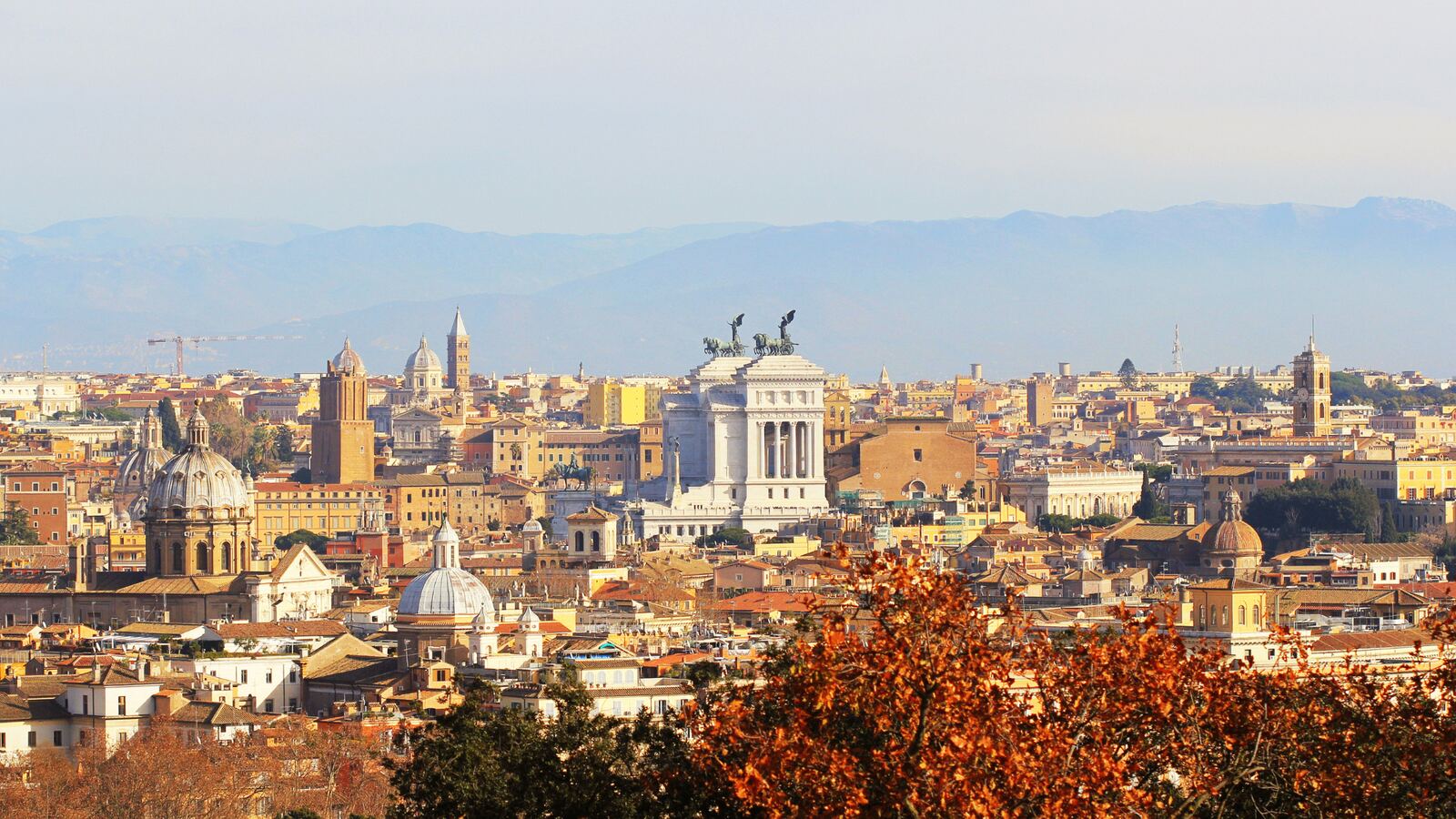
Janiculum Hill
Rome's best panoramic views with noon cannon
Explore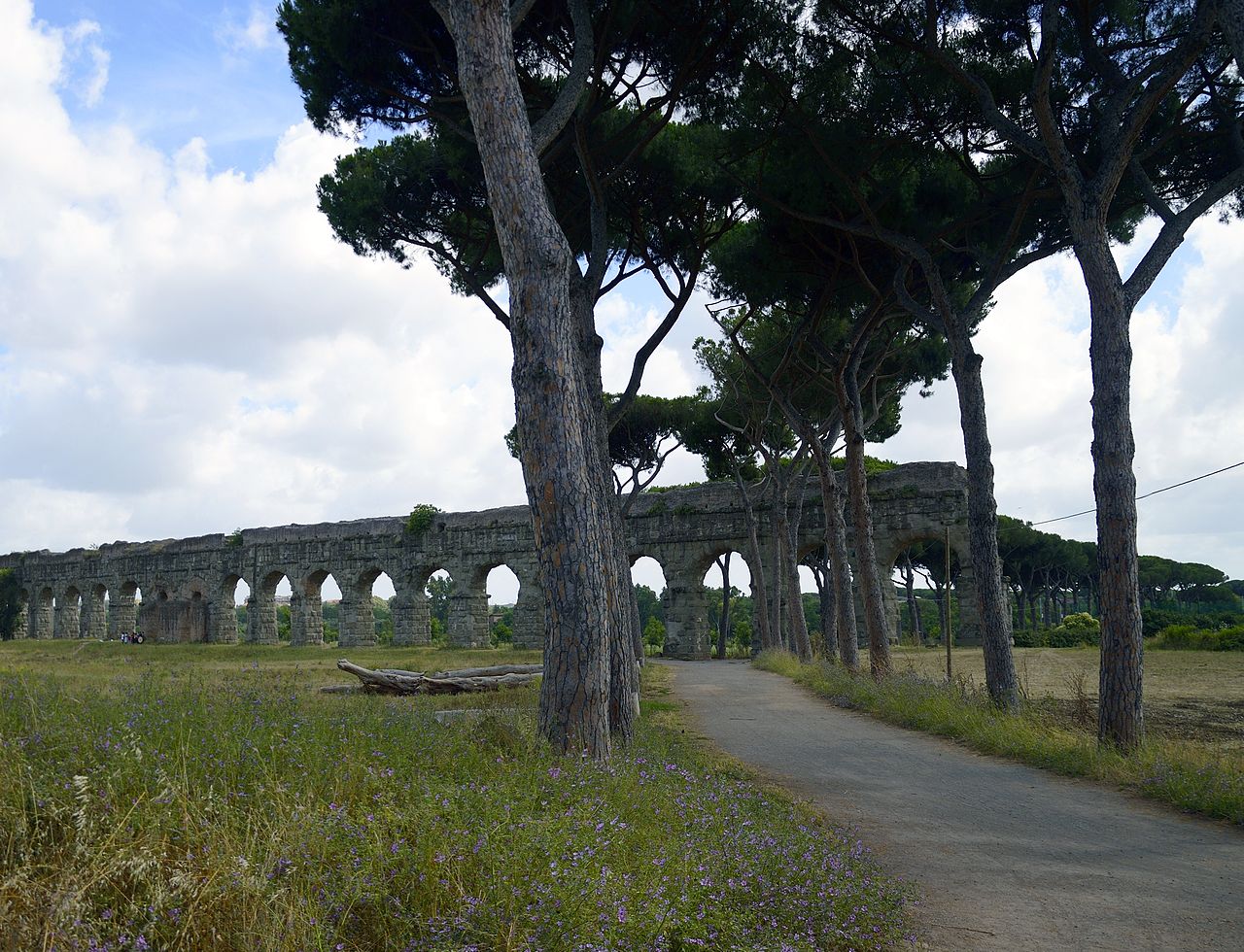
Park of the Aqueducts
Dramatic ancient aqueducts crossing open parkland
Explore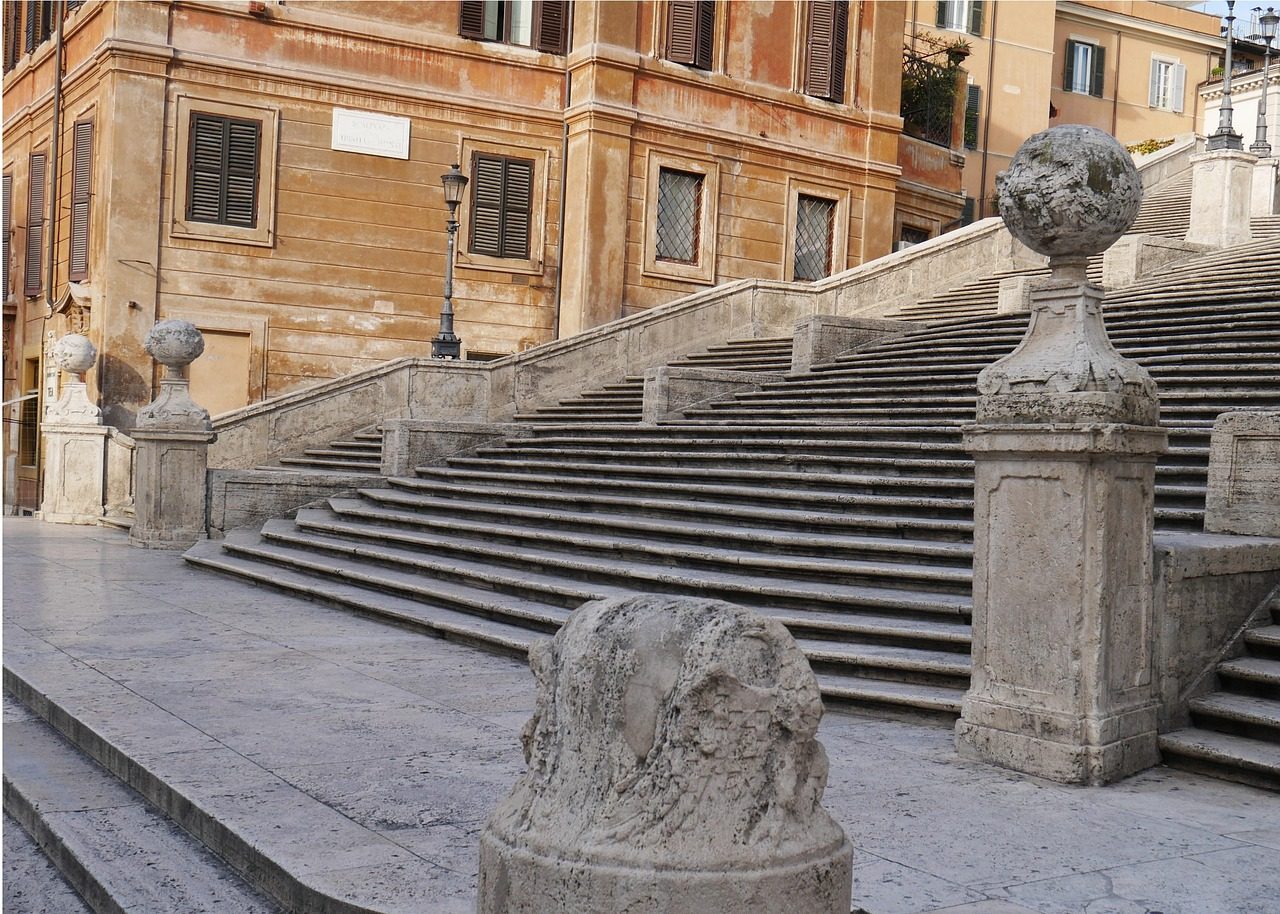
Spanish Steps
Famous Baroque stairway to Trinità dei Monti church
Explore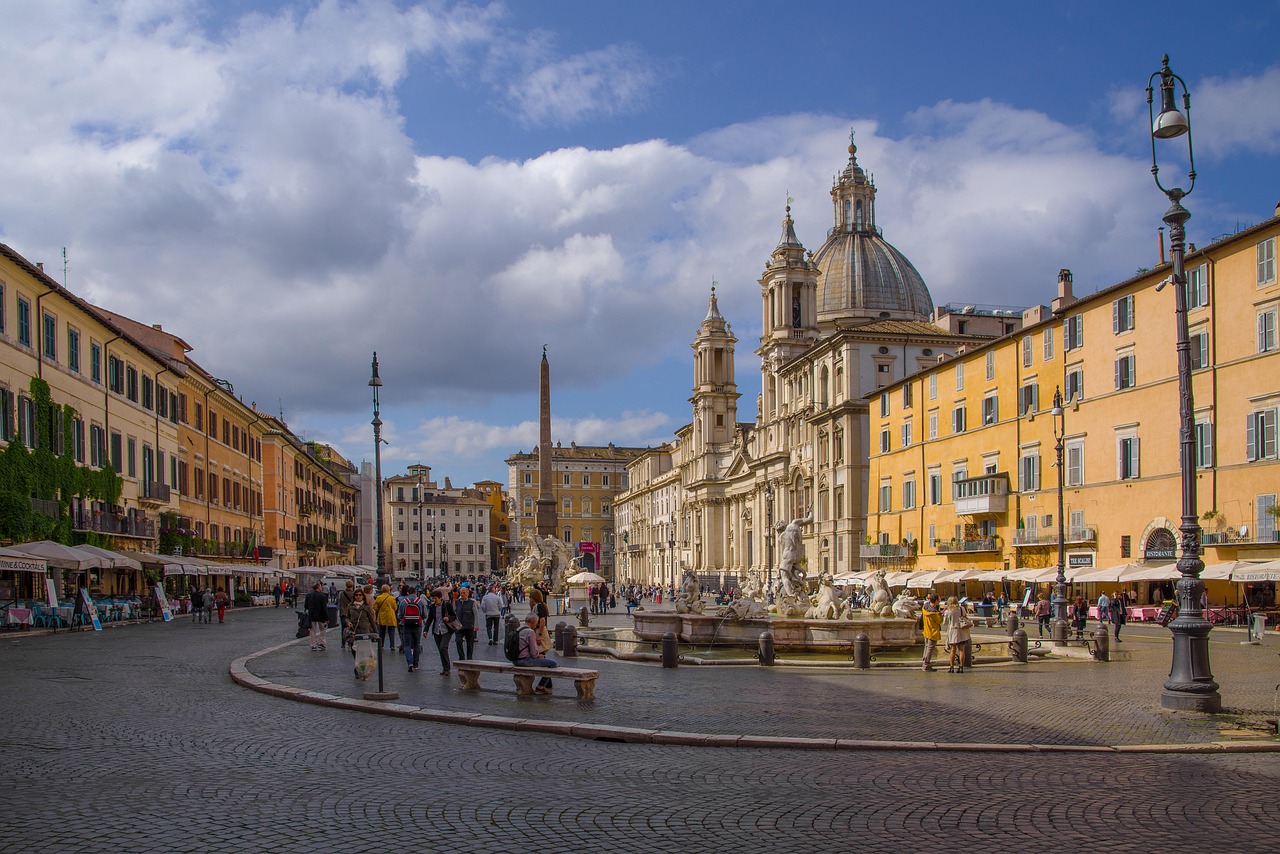
Piazza Navona
Rome's most beautiful baroque square with Bernini fountains
Explore
Mercato Trionfale
Rome's largest covered market near Vatican
Explore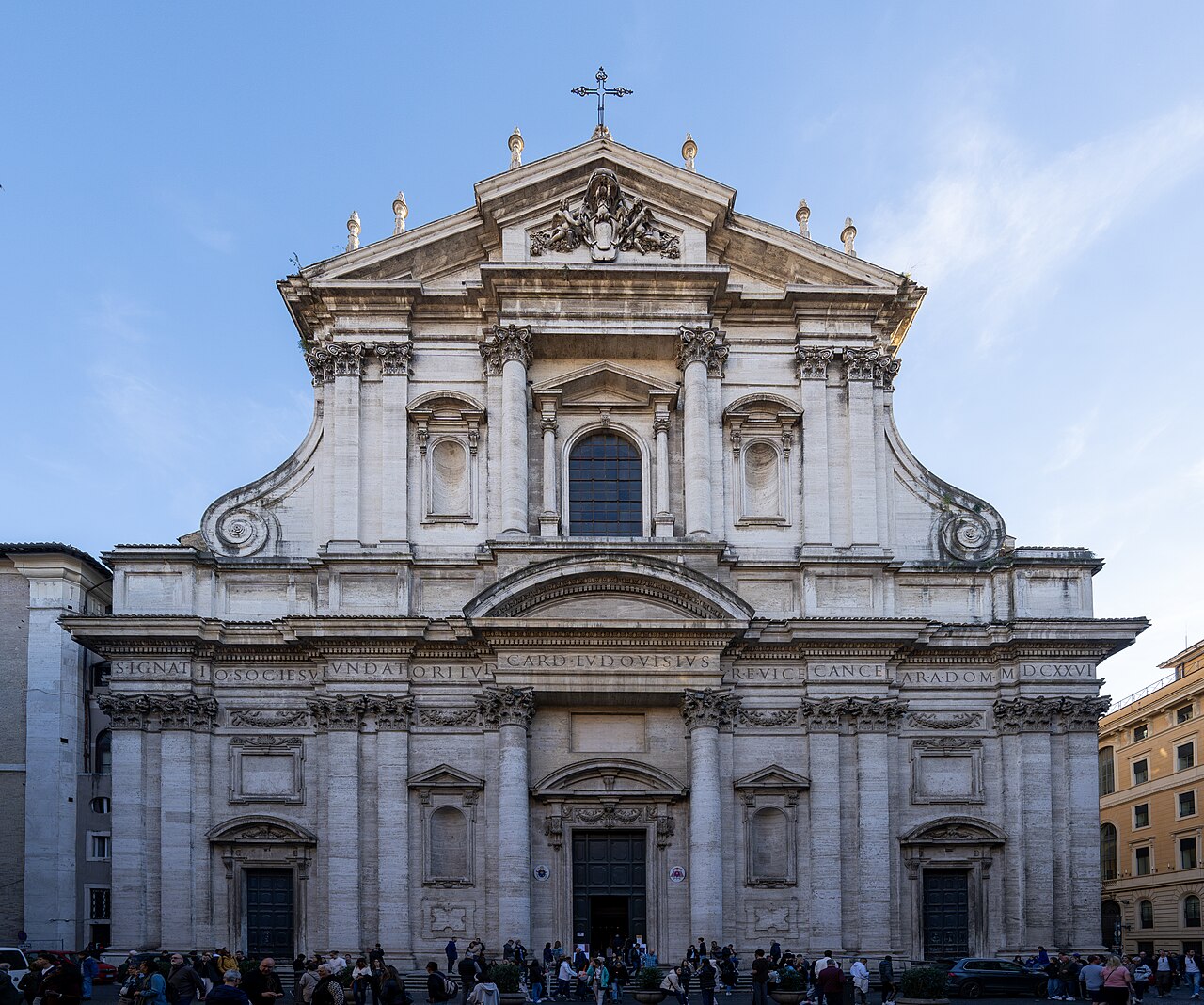
Sant'Ignazio di Loyola
Rome's most spectacular trompe-l'œil ceiling illusion
ExploreQuick Planning Guide
⏱️ Time Needed
2–3 hours
💰 Cost
Free
🎫 Reservation
Not required
♿ Accessibility
Mostly flat, paved paths
📅 Best Time
Morning or late afternoon before closing
👨👩👧👦 Family Friendly
Good — playground & café (verify locally)
Nearby Attractions
Janiculum Hill15-minute walk
Trastevere20-minute walk down
Porta San Pancrazioat entrance
Fontana dell'Acqua Paola15 min
Featured In These Itineraries
Rome Like a LocalRome with KidsGardens & VillasEssential Tips
- ✓ Bring a picnic from Trastevere
- ✓ Tram 8 + bus 982 = easiest
- ✓ Cross the footbridge to the lake
- ✓ Check seasonal closing time before you go