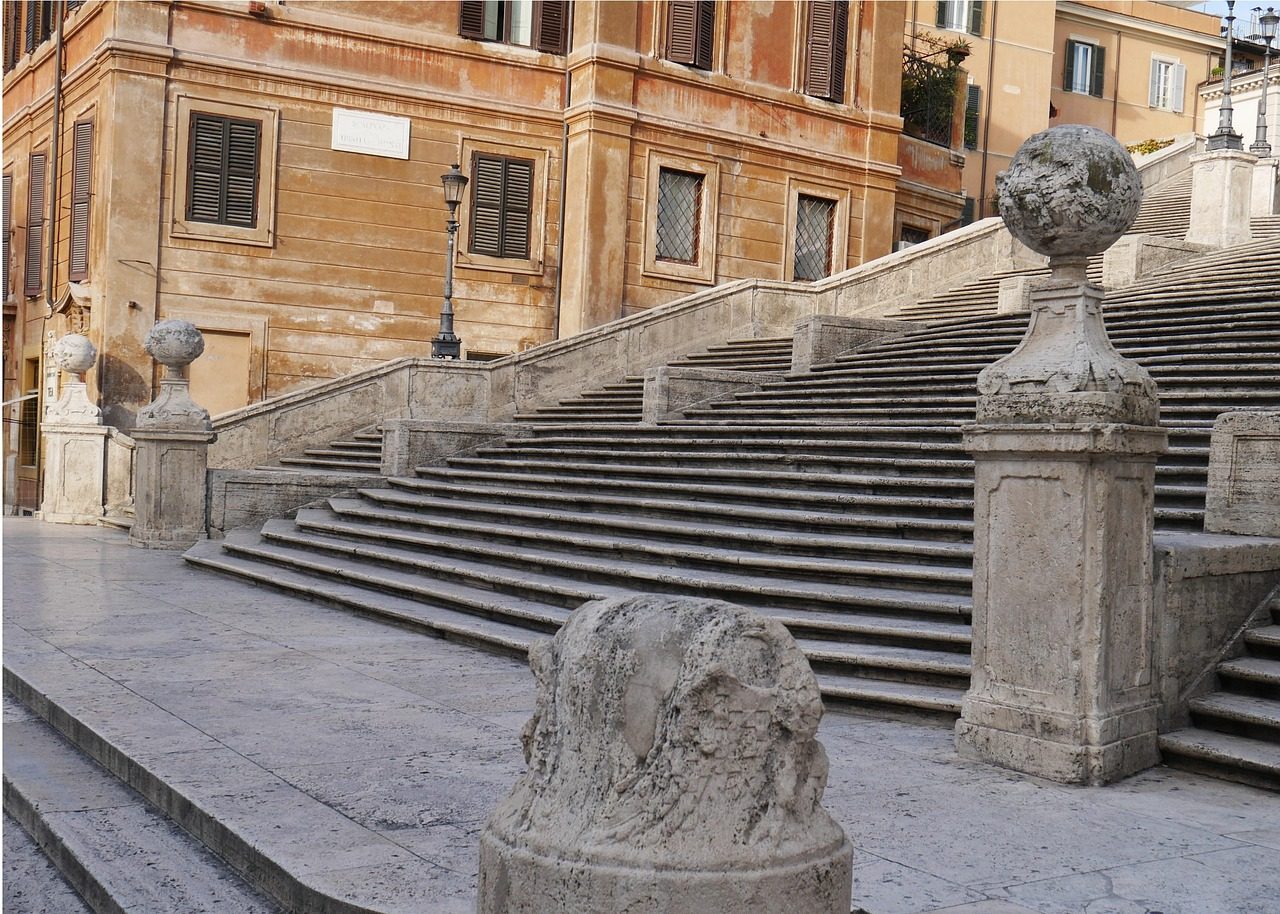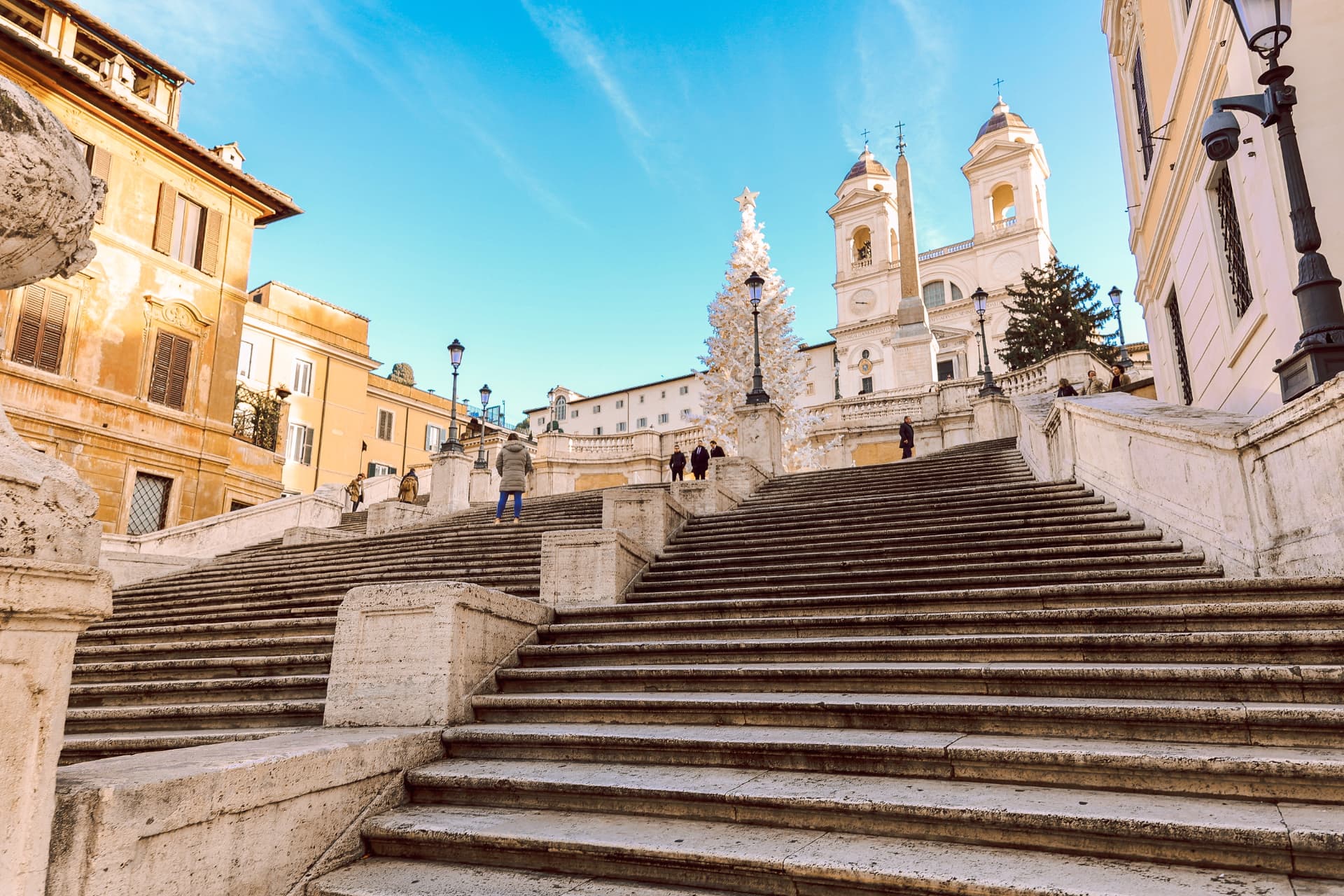
Spanish Steps in Rome (Piazza di Spagna) 2026 — pictures of the 135 elegant Baroque steps connecting Piazza di Spagna to Trinità dei Monti church, with azalea flowers in springBaroque Staircase

Spanish Steps Rome (Piazza di Spagna): Photos, Map & Location Guide

Rome's most elegant Baroque staircase — the Spanish Steps (Scalinata di Trinità dei Monti) — connecting Piazza di Spagna to the Trinità dei Monti church. Below you'll find the exact location, a map of the Spanish Steps in Rome, the best photos and pictures, plus the current 2026 no-sitting rules.

30-60 minutesFree AdmissionLuxury Shopping NearbyPiazza di Spagna, 00187 Roma RMOpen on MapHotels Nearby

Plan Your Visit

Compare tickets, tours and stays — booking ahead usually gives more choice

Book a TourHotels Nearby

Duration

30-60 min

Cost

Free

Built

1723-1725

Steps

135 steps

Why Visit the Spanish Steps?

By AllTrips Editors · Updated August 14, 2026 · Verified against Roma Capitale's 2026 conduct rules.

The Spanish Steps are among Rome's most famous landmarks, offering a perfect blend of Baroque architecture, shopping, and people-watching. This elegant staircase has been a gathering place for Romans and visitors alike for nearly 300 years.

Built

1723-1725

Steps

135 steps

Designer

Francesco de Sanctis

Style

Baroque

Scale

One of Europe's most famous monumental staircases

History of the Spanish Steps

Built between 1723 and 1725, the Spanish Steps were designed by Francesco de Sanctis to connect the Bourbon Spanish Embassy at the base with the French Trinità dei Monti church at the top.

1585

Trinità dei Monti church consecrated

1723

Construction begins under Francesco de Sanctis

1725

Steps completed and opened to public

2015-2016

Bulgari-funded restoration completed

The steps quickly became a popular gathering place and have remained so for centuries. During the 18th and 19th centuries, they were a favorite spot for artists and writers.

Timeline of the Spanish Steps

From diplomatic rivalry to iconic landmark, 300 years of Roman history.

1502-1585

French Church Built

Construction of the Trinità dei Monti church begins at the top of the hill under French royal patronage; the church is consecrated in 1585, with later work and decoration continuing afterward. Access to the hilltop remains difficult.

1660s-1720s

Diplomatic Dispute

France proposes building stairs with Louis XIV's statue at the top. Spain (whose embassy is at the bottom) objects. The project stalls for decades.

1723

Construction Begins

Pope Innocent XIII finally approves Francesco de Sanctis's elegant design, funded by a French diplomat's bequest.

1725

Grand Opening

The 135 steps open to the public and immediately become Rome's most fashionable meeting place for artists and aristocrats.

2015-2016

Bulgari-Funded Restoration

A documented cleaning and restoration campaign, funded by jeweller Bulgari, returns the travertine marble steps to their original brilliance.

2019

Sitting Banned

Rome's urban conduct regulation (Regolamento di Polizia Urbana) is enforced to ban sitting on the steps, protecting the monument. Walking, brief photo pauses, and standing remain allowed.

Engineering Deep-Dive: How the Steps Were Built

De Sanctis's design was a feat of 18th-century geometry and stone-cutting — a curved travertine ribbon climbing 23 metres of a fragile clay slope.

Travertine from Tivoli

All 135 steps are quarried travertine — the same stone as the Colosseum — chosen for its weather resistance and warm tone under low sun.

Ramped landings

Three wide landings break the climb into rhythmic terraces, designed for processions and to disguise the steep 25% gradient of the underlying hill.

Curved geometry

Each flight alternates between straight and convex curves — an unusual Baroque solution that visually softens the diplomatic Spanish-French boundary.

Acqua Vergine supply

The Barcaccia Fountain at the base is supplied by the ancient Acqua Vergine aqueduct, the same Roman-era source that also feeds the Trevi Fountain.

Pope Innocent XIII funding

Construction was made possible by a bequest — reportedly of 20,000 scudi — left decades earlier by French diplomat Étienne Gueffier, held in escrow until political deadlock between France and Spain broke in the 1720s.

2015-2016 restoration

A documented cleaning and restoration campaign, funded by jeweller Bulgari, removed decades of grime and biological staining from the travertine steps.

Combine Your Visit With Nearby Trevi Fountain

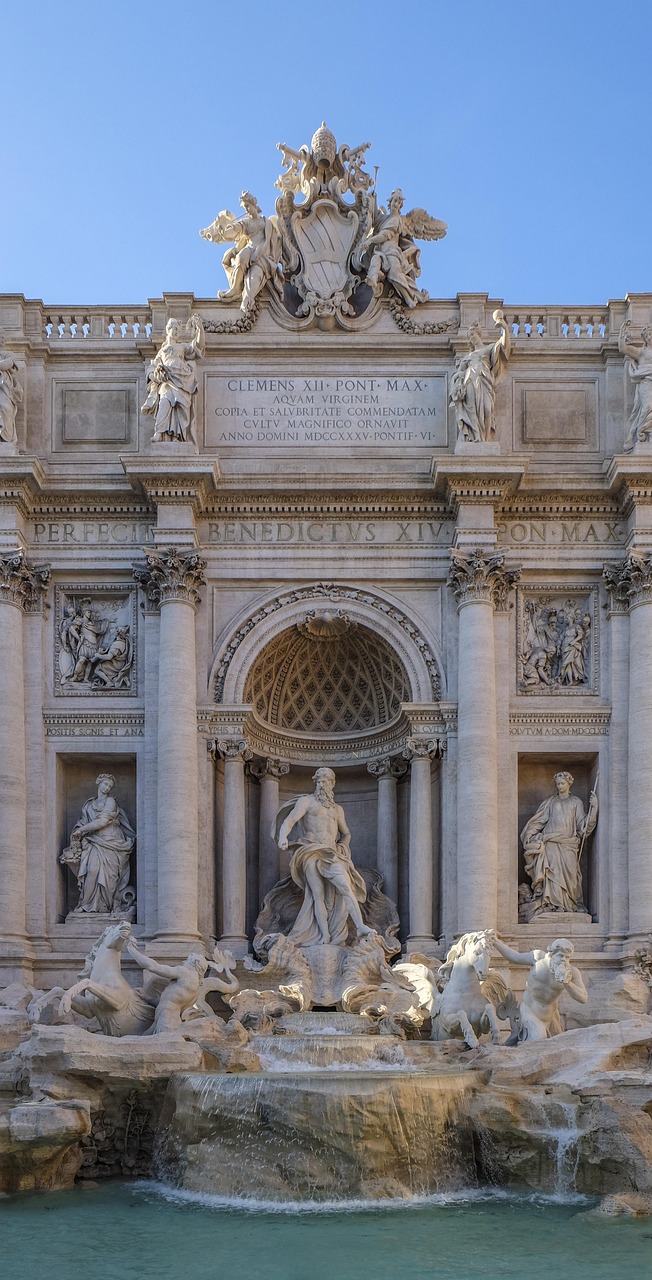
The Spanish Steps are free, and the Trevi Fountain remains free to view from the public square 10 minutes away. Controlled close-up access to the inner perimeter costs €2 during its operating hours. Compare the platforms below for guided and combined products.

Trevi & Historic Centre Tours

Best for: First-time visitors

~1–2 hours

Guided experiences around the Trevi Fountain and Rome's historic centre. These typically bundle fountain access with a walking route through nearby landmarks.

  • Trevi Fountain area covered
  • Live English-speaking guide
  • Guided city walking tour
  • Nearby historic centre stops

🎟️ Compare Prices:

TiqetsKlookTrip.com

Trevi Underground & Archaeological Tours

Best for: History enthusiasts

~40–45 minutes

Tours that include access to the archaeological layers beneath the Trevi Fountain area, such as the Vicus Caprarius with its ancient Roman domus and aqueduct remains.

  • Underground archaeological access
  • Ancient Roman domus & aqueduct ruins
  • Expert guided commentary
  • Small group experience

🎟️ Compare Prices:

TiqetsKlookTrip.com

Combined Trevi & City Walking Tours

Best for: Complete experience seekers

~2 hours

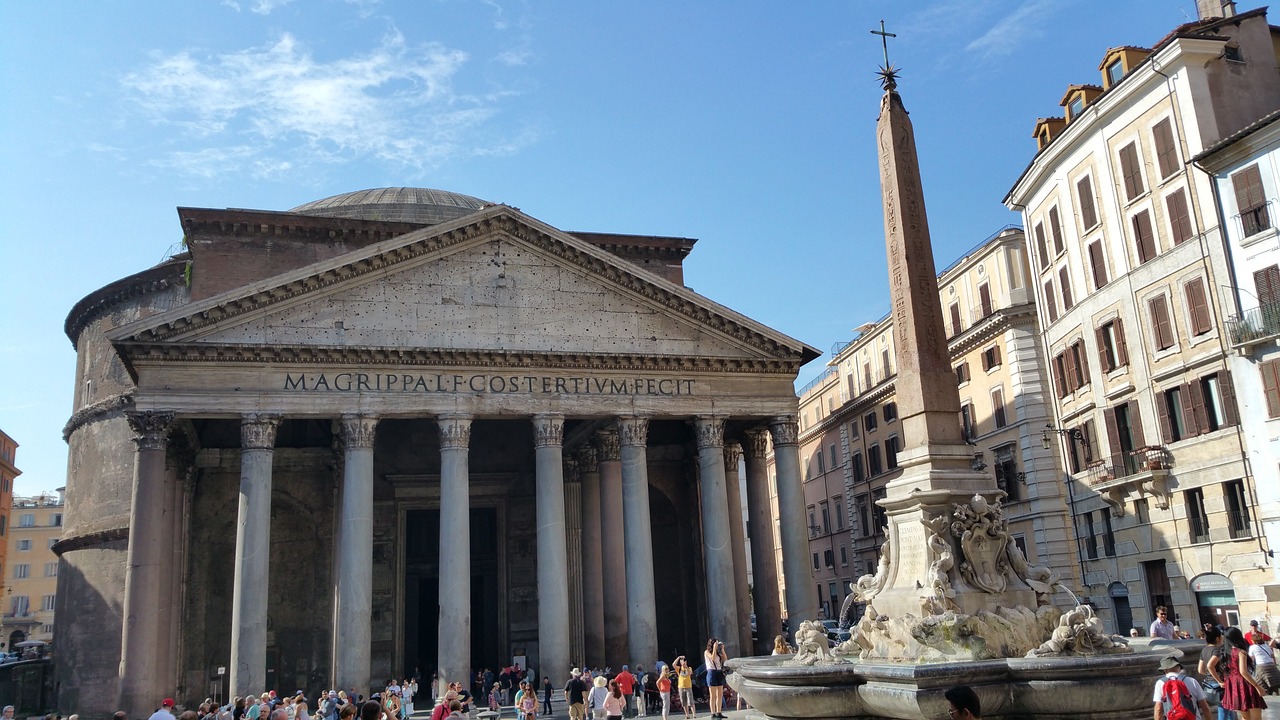
Longer guided experiences that pair the Trevi Fountain area with a broader historic centre route, often covering Piazza Navona, the Pantheon, and the Spanish Steps.

  • Underground domus access
  • Extended city walking tour
  • Pantheon & Piazza Navona often included
  • Live guide in multiple languages

🎟️ Compare Prices:

TiqetsKlookTrip.com

Visiting Information

The Spanish Steps are free to visit and accessible 24/7, though sitting on them is prohibited under Rome's urban conduct regulation.

Staircase Access

Free

Free access to climb the famous steps

  • Photography
  • City views from top
  • Access to Trinità dei Monti

Shopping District

Varies

Luxury shopping at Via dei Condotti

  • High-end boutiques
  • Italian fashion
  • Designer stores

No Sitting Rule: Under Rome's urban conduct regulation (Regolamento di Polizia Urbana), sitting on the steps is prohibited. Sanctions are issued at officers' discretion and reported to range roughly from €100 to €400, with higher amounts for damaging or dirtying the monument.

Where to Stay Near Spanish Steps

Looking for convenient accommodation near Spanish Steps? Stay within walking distance to make the most of your visit.

Hotels Near Spanish StepsTop Rated HotelsBudget-Friendly OptionsLuxury HotelsCentral locations with easy access to Spanish Steps and other attractions

Best Time to Visit

Early Morning

7:00-9:00 AM for fewer crowds and better photos

Afternoon

Perfect for shopping and people-watching

Spring

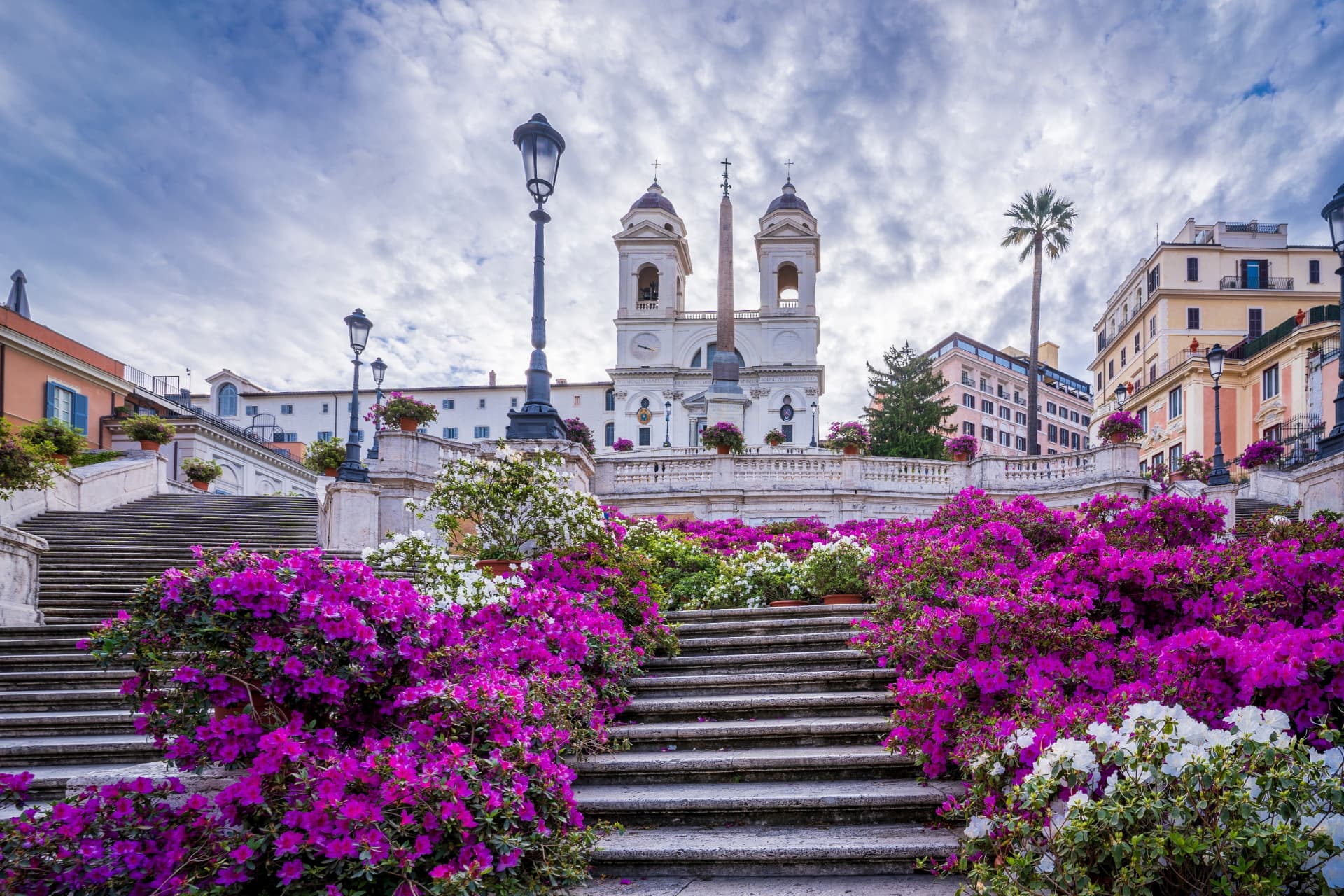
April-May when azaleas bloom along the steps

How to Get to Spanish Steps

Metro Line A (recommended)

Exit at Spagna station, directly at Piazza di Spagna

Bus

Routes serving Spagna (previously 117/119) change periodically — check ATAC's current network map before relying on a specific line

On Foot

10 min from Trevi Fountain, 15 min from Pantheon

What to See

Must-See Features

  • Trinità dei Monti Church - French church at the top
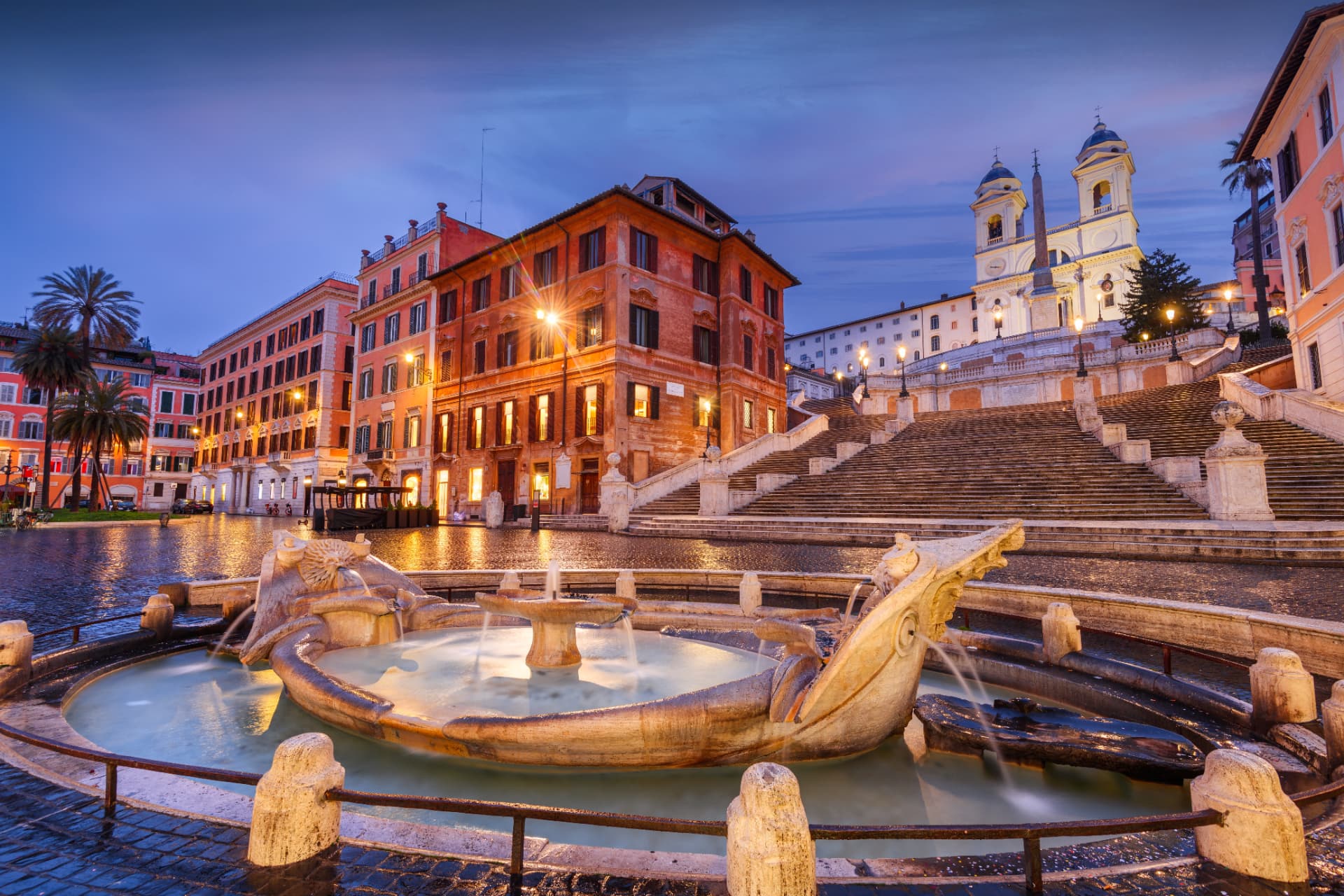
  • Barcaccia Fountain - Bernini fountain at the base
  • Via dei Condotti - luxury shopping street
  • Keats-Shelley House - Romantic poet museum
  • Palazzo di Propaganda Fide - Borromini masterpiece
  • Panoramic Views - stunning vistas over Rome

Nearby Attractions

  • Trevi Fountain - 10-minute walk to famous fountain
  • Pantheon - 15-minute walk to ancient temple
  • Via del Corso - major shopping and pedestrian street
  • Piazza del Popolo - grand square with obelisk
  • Villa Borghese - peaceful park and museums

The No-Sitting Rule, Fines & What's Allowed

Rome's urban conduct regulation (Regolamento di Polizia Urbana) prohibits sitting, eating, or drinking on the Spanish Steps, as well as dirtying, damaging, or obstructing passage on the monument, to protect the 18th-century travertine. Officers patrol the area and can issue sanctions at their discretion — walking up the steps or pausing briefly for a photo is treated differently from sitting down or picnicking on them.

🚫 Sanctionable

  • • Sitting on the steps
  • • Eating or drinking on the steps
  • • Dirtying or damaging the travertine (higher sanctions apply)
  • • Skateboarding or cycling on the steps
  • • Obstructing passage for other visitors
  • • Bathing in the Barcaccia Fountain

Sanctions are reported to range roughly from €100 to €400, with higher amounts for damage, issued at officers' discretion.

✅ Allowed

  • • Walking up and down at any pace
  • • Brief pauses on the landings, including for photos
  • • Photography (no tripods or flash drones)
  • • Refilling bottles at Barcaccia Fountain
  • • Sitting on benches in Piazza di Spagna at the base

Best Photo Times by Season

The Spanish Steps are one of Rome's most photographed monuments — and one of the most crowded. Use this season-by-season table to know exactly when to arrive.

SeasonSunriseBest Photo WindowWhat to Capture
Spring (Mar–May)~6:30 AM6:30–8:00 AMAzalea display (mid-Apr to early May)
Summer (Jun–Aug)~5:45 AM5:45–7:30 AMEmpty steps, soft golden light
Fall (Sep–Nov)~7:00 AM7:00–8:30 AMWarm tones on travertine, fewer crowds
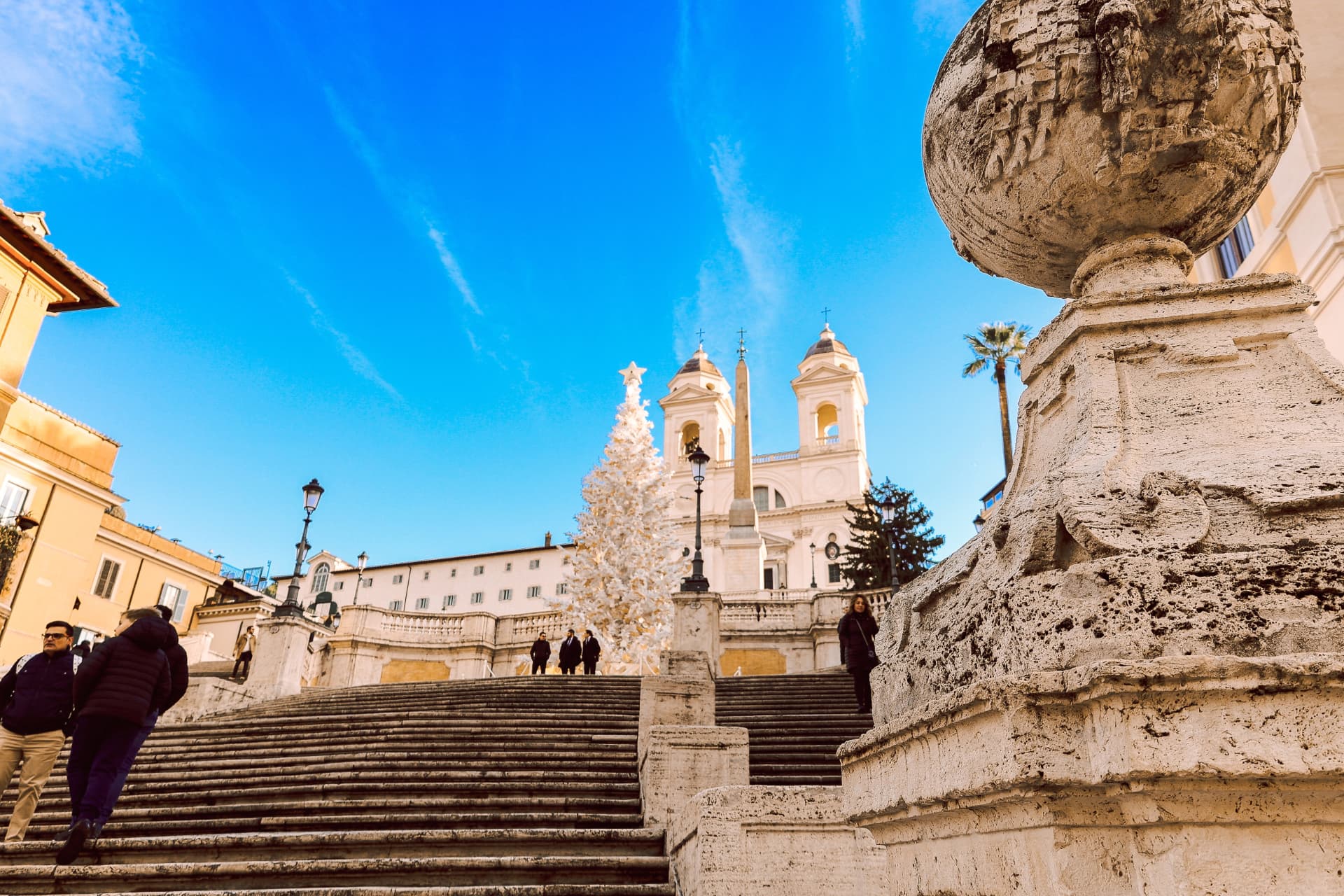
Winter (Dec–Feb)~7:30 AM7:30–9:00 AMChristmas tree & nativity scene at the base

Top 5 Photo Spots

📸 Bottom-center, Barcaccia Fountain

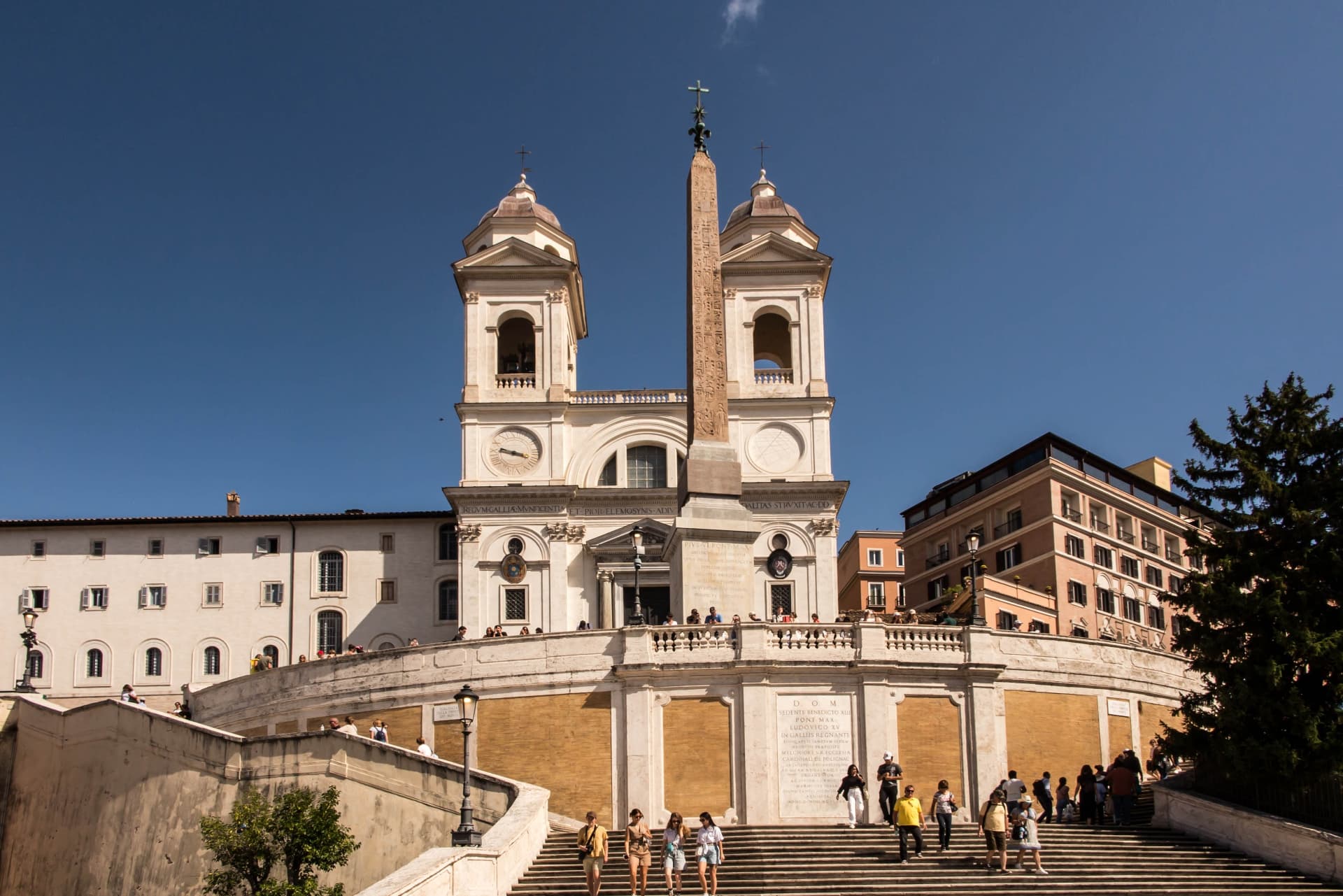
Frame the full 135 steps, obelisk, and church towers in one symmetrical shot. Best at sunrise.

📸 First wide landing

Halfway up — perfect for diagonal Baroque side angles with the curved travertine.

📸 Top terrace looking west

Frame Piazza di Spagna below with St. Peter's dome on the horizon. Best 30 minutes before sunset.

📸 Via dei Condotti looking east

Stand 100m down the shopping street for the classic 'church-framed-by-luxury-storefronts' shot.

📸 Pincio Terrace (3 min walk)

Skip the crowds entirely — get a panoramic view of the steps area from above with all of Rome behind.

Spanish Steps vs Other Rome Free Viewpoints

Worth the climb? Here's how the Spanish Steps compare to Rome's other famous (and free) hilltop spots.

ViewpointClimbCrowdBest For
Spanish Steps135 stepsVery HighBaroque architecture, shopping, history
Pincio Terrace0 (elevator from Spagna metro)MediumSunset over Piazza del Popolo & St. Peter's
Aventine Hill / Orange Garden~50 stepsLowCalmest panorama, Tiber & dome
Janiculum Hill~120 steps or bus 115LowWidest Rome panorama, noon cannon
Capitoline Hill (Cordonata)~120 steps (gentle ramp)MediumForum view, Michelangelo's piazza

Verdict: Visit the Spanish Steps for the architecture and shopping, but for the view itself, walk 3 extra minutes to Pincio Terrace just behind.

8 Common Spanish Steps Mistakes to Avoid

❌ Sitting down for a photo

✅ Sanctioned under Rome's urban conduct rules, with fines reportedly ranging roughly €100–€400. Standing or briefly pausing on a landing is allowed.

❌ Eating gelato on the steps

✅ Eating and drinking on the monument is prohibited under city conduct rules. Eat it 50 metres away in Piazza Mignanelli.

❌ Visiting at midday in summer

✅ Travertine reflects heat and the area is packed. Go 6:30–8:00 AM or after 7 PM.

❌ Climbing with heavy luggage

✅ Use the Spagna metro elevator instead — it bypasses all 135 steps.

❌ Filling water bottles wrong

✅ Drink directly from Barcaccia Fountain — it's potable. Bathing in it = €450.

❌ Skipping Trinità dei Monti

✅ The free French church at the top has Daniele da Volterra frescoes — most miss it.

❌ Buying water from street vendors

✅ €3–€5 mark-up. Use the free nasone fountain in Piazza Mignanelli instead.

❌ Missing the Keats-Shelley House

✅ The pink building right of the steps was where John Keats died in 1821 — €6 entry, often empty.

Accessibility at the Spanish Steps

Wheelchair & Mobility Access

The 135 steps themselves have no ramp or chairlift. To reach the top of the steps and Trinità dei Monti without climbing, take the elevator inside Spagna metro station (Line A, follow signs for "Villa Borghese" exit). It brings you to the Pincio level — a flat 5-minute walk to the top of the steps.

Piazza di Spagna (base)

Fully accessible — flat paving, accessible benches, the Barcaccia Fountain at ground level, and step-free entry to all surrounding streets including Via dei Condotti.

Quietest Times

Before 8 AM any day, or weekday afternoons in November–February. Avoid weekends, holidays, and the entire Easter–azalea period (mid-April to early May).

Insider Tips from Rome Locals

💡 The Barcaccia Fountain at the base is by Pietro Bernini (Gian Lorenzo's father) — built sunken because the water pressure was too low to make a tall fountain.

💡 The pink townhouse on the right of the steps is the Keats-Shelley House — the room where Romantic poet John Keats died in 1821 is preserved exactly as it was.

💡 Walk 30 metres up Via Sistina (top of steps) for the best gelato near the area: Il Gelato di San Crispino.

💡 The obelisk at the top is a Roman copy of an Egyptian obelisk — the original carvings were re-cut by Rome's stonemasons in the 18th century.

💡 Christmas (mid-Dec to Jan 6) brings a giant nativity scene at the base — best photographed at blue hour.

💡 If you want the famous 'azalea photo', book a Rome trip for the last week of April — exact dates depend on weather but this is the safest week.

Pair Your Visit

The Spanish Steps sit at the heart of Rome's most walkable Baroque neighbourhood. Combine them with these nearby attractions in one easy afternoon:

  • Trevi Fountain — 10 min walk south, free to view from the square with €2 controlled close-up access, perfect before climbing the Steps.
  • Pantheon — 15 min walk, Rome's best-preserved ancient temple, free entry on weekdays.
  • Piazza Navona — 18 min west, Bernini's Four Rivers fountain.
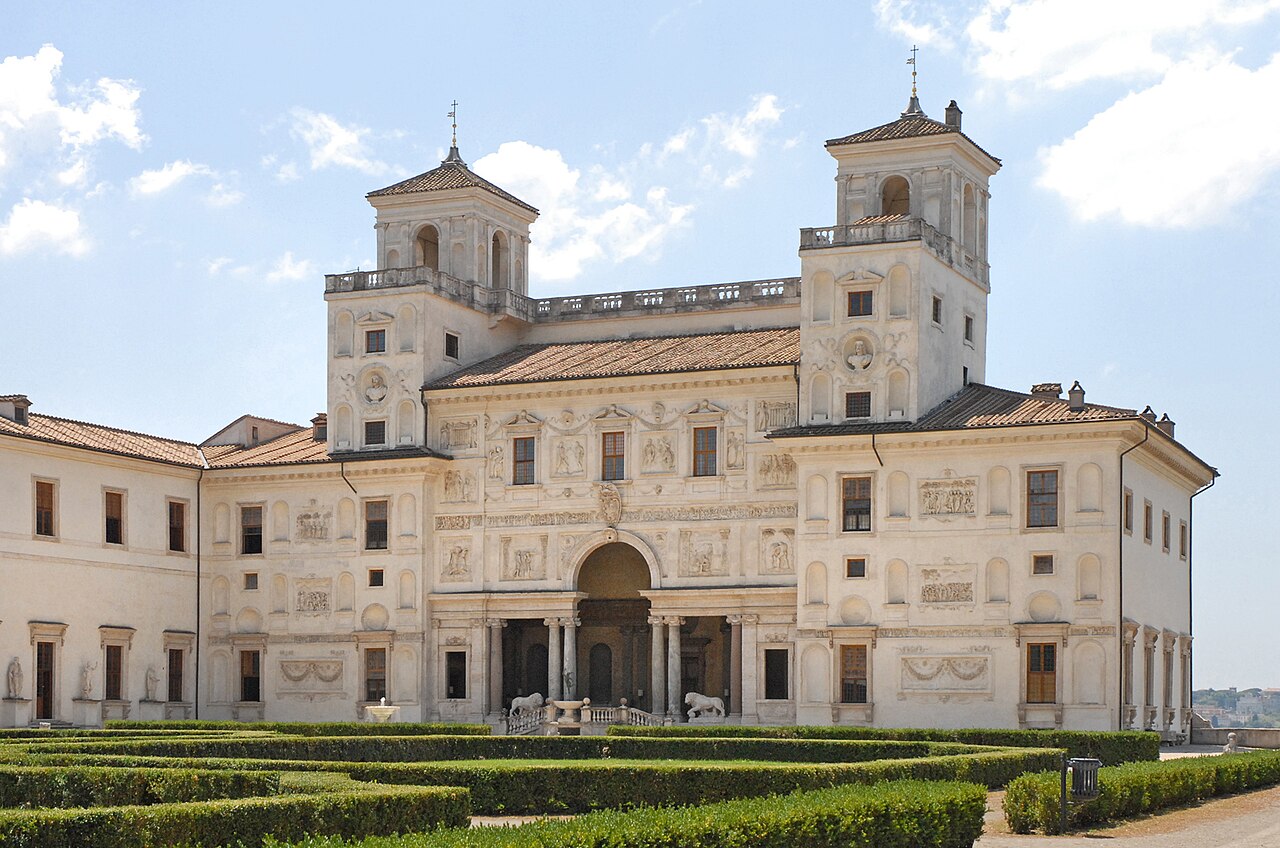
  • Villa Borghese — directly behind Trinità dei Monti, accessible via the Spagna metro elevator without climbing.
  • Piazza del Popolo — 12 min north along Via del Babuino, twin churches and obelisk.

Frequently Asked Questions

Can I sit on the Spanish Steps?

No. Sitting on the Spanish Steps has been prohibited since 2019 to protect the 18th-century travertine. Eating and drinking are also banned. Police actively patrol the area and fines range from €160 to €400. You can walk up, take photos, and stand briefly — just don't sit.

What is the best time to visit the Spanish Steps?

Early morning (7–9 AM) for empty steps and soft golden light on the Trinità dei Monti façade. Sunset is the second best — the warm light hits the church towers. Spring (mid-April to early May) brings the famous azalea display, when over 600 pots of pink and red flowers line the steps.

Are the Spanish Steps free to visit?

Yes. The Spanish Steps, Piazza di Spagna, and the Trinità dei Monti church are all free and open 24/7. There is no ticket, no reservation, and no closing time. The only paid sites nearby are the Keats-Shelley House (€6) and the cloister of Trinità dei Monti (occasional €5 tour).

What shopping is near the Spanish Steps?

Via dei Condotti, directly at the base of the steps, is Rome's premier luxury shopping street — Gucci, Prada, Bulgari, Hermès, Cartier, and Valentino all have flagship stores here. More affordable shopping is on parallel Via del Corso (Zara, COS, Italian high street brands) and Via Frattina.

How many steps are on the Spanish Steps?

There are 135 steps connecting Piazza di Spagna at the base to the Trinità dei Monti church at the top. The staircase was designed by Francesco de Sanctis and built between 1723 and 1725. It is one of Europe's most famous monumental staircases.

Why are they called the Spanish Steps if they were built by the French?

The name comes from the Spanish Embassy to the Holy See, located at the base in Piazza di Spagna since the 17th century. Ironically, the steps themselves were funded by a French diplomat (Étienne Gueffier) and lead to a French church (Trinità dei Monti). Italians call them 'Scalinata di Trinità dei Monti'.

Are the Spanish Steps wheelchair accessible?

The steps themselves are not accessible (135 steps, no ramp). However, you can reach the top via the Spagna metro station elevator (Line A, exit 'Villa Borghese'), which brings you to the Pincio level — a flat 5-minute walk to Trinità dei Monti and the top of the steps. Piazza di Spagna at the base is fully accessible.

When do the azaleas bloom on the Spanish Steps?

The annual azalea display (Mostra delle Azalee) typically runs from mid-April to early May, depending on weather. Around 600 potted azaleas in pink, red, and white are arranged along the steps for about 2–3 weeks. It's Rome's most photographed seasonal event — arrive at sunrise for crowd-free photos.

What's the best photo spot at the Spanish Steps?

Three best spots: (1) bottom-center looking up the full staircase to the church and obelisk, (2) the first landing halfway up for symmetrical side angles, (3) the top terrace looking down over Piazza di Spagna and Via dei Condotti toward St. Peter's dome. Shoot before 8 AM for clean shots.

What's near the Spanish Steps worth visiting?

Trinità dei Monti church (free, top of steps), Keats-Shelley House (€6, right of the steps), Barcaccia Fountain (Bernini, base of steps), Via dei Condotti shopping, the Pincio Terrace and Villa Borghese gardens (5-minute walk via the top), Trevi Fountain (10-minute walk), and the Pantheon (15-minute walk).

Related Attractions

Piazza Navona

Piazza Navona

Rome's most beautiful baroque square with Bernini fountains

Explore
Park of the Aqueducts

Park of the Aqueducts

Dramatic ancient aqueducts crossing open parkland

Explore
Museo delle Mura

Museo delle Mura

Free museum inside Porta San Sebastiano—walk atop the ancient Aurelian Walls

Explore
Aventine Keyhole

Aventine Keyhole

Rome's most famous secret view—see St. Peter's perfectly framed through the keyhole

Explore
Via del Governo Vecchio

Via del Governo Vecchio

Rome's best street for vintage shopping

Explore
Castel Sant'Angelo

Castel Sant'Angelo

Ancient mausoleum turned papal fortress with panoramic city views

Explore

Quick Planning Guide

⏱️ Time Needed

30-60 minutes

💰 Cost

Free

🎫 Reservation

Not required

♿ Accessibility

Limited (135 steps)

📅 Best Time

Early morning or spring

👨‍👩‍👧‍👦 Family Friendly

Yes (but no sitting allowed)

Nearby Attractions

Trevi Fountain

10-minute walk

Villa Borghese Gardens

at the top

Piazza del Popolo

15-minute walk

Pantheon

15-minute walk

You May Also Like

Trevi FountainPiazza del PopoloVilla Borghese GardensPincio Terrace

Featured In These Itineraries

One Day in RomeClassic Rome 3-DayFree Rome Itinerary

Essential Tips