By AllTrips Rome Editorial Team ·
The best time depends on the photograph or visit you want
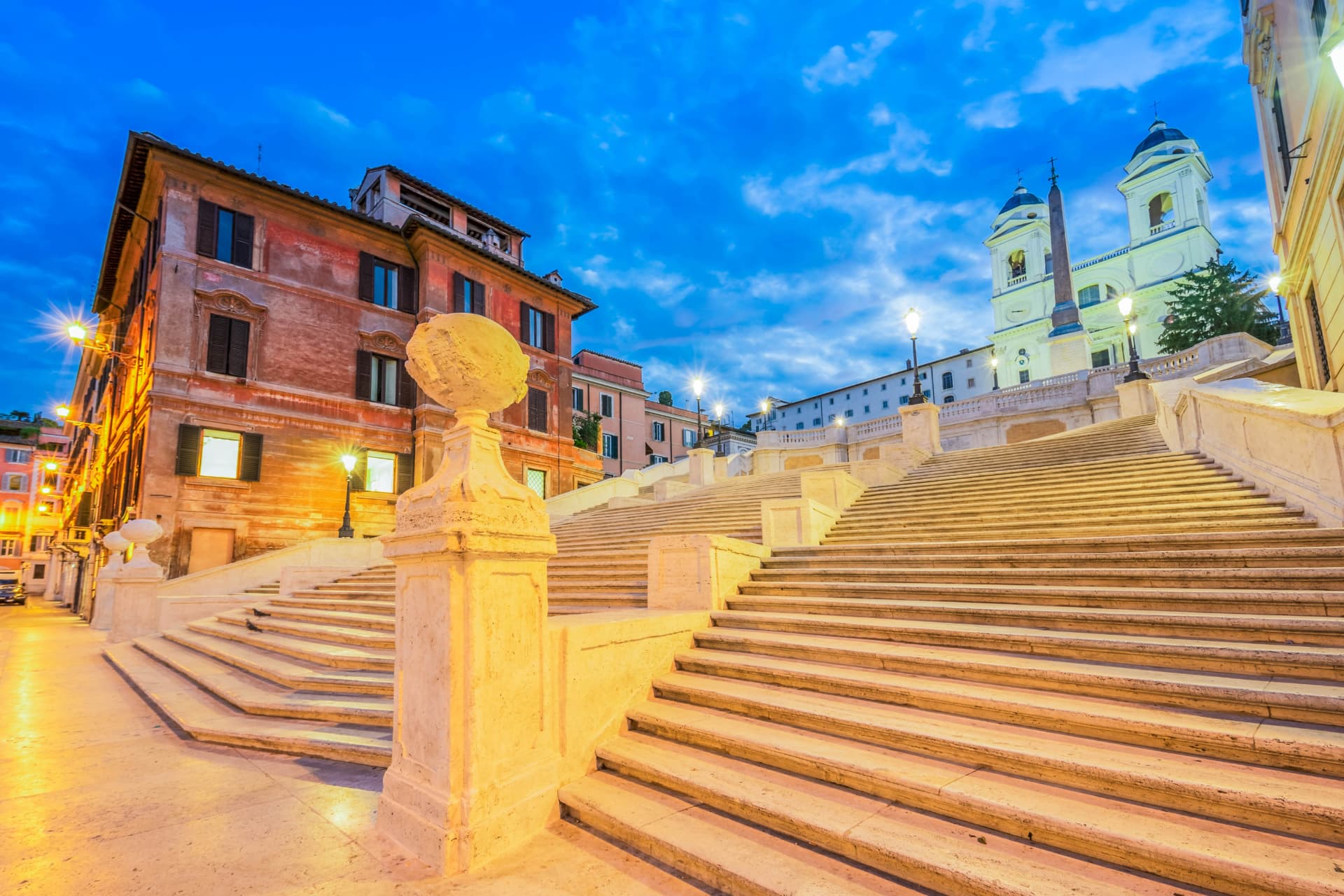
For a calmer architectural view, try early daylight before the main sightseeing and shopping activity builds. For a lively city scene, daytime can be the right choice. For illuminated stone and a different atmosphere, return around dusk or later in the evening. These are editorial planning patterns, not a measured crowd forecast or a guarantee that the stairs will be empty.
Choose one priority rather than waiting all day for a perfect moment. A family passing through, a photographer working with light and someone visiting the church need different schedules. The staircase is a public passage; it can remain busy even when nearby shops or museums are closed.
| When | Main advantage | Trade-off |
|---|---|---|
| Early daylight | Often fewer visitors; clear view of the architecture | Church and museum may not yet be open |
| Daytime | Combine with shopping and cultural visits | More people and stronger sun |
| Late afternoon | Changing light and active streets | Not automatically quiet |
| Dusk / blue hour | Lit stone and colour in the sky | Crowds, low light and variable weather |
| Later evening | An illuminated city setting | Check your return journey and stay aware |
Early morning and sunrise visits
Do not use one fixed clock time for sunrise across spring, summer and winter. Daylight changes through the year, and the clock changes with daylight-saving time. If sunrise matters to your image, check an astronomical forecast for your exact date and Rome location, then allow time to arrive before the light you want.
Early does not mean deserted. Cleaning, deliveries, residents, other photographers and organised groups may already be present. Frame the whole staircase from a position that does not block pedestrian flow. If the view is busy, look for stone details or a side angle instead of waiting for every person to disappear.
Daytime crowds, heat and practical visits
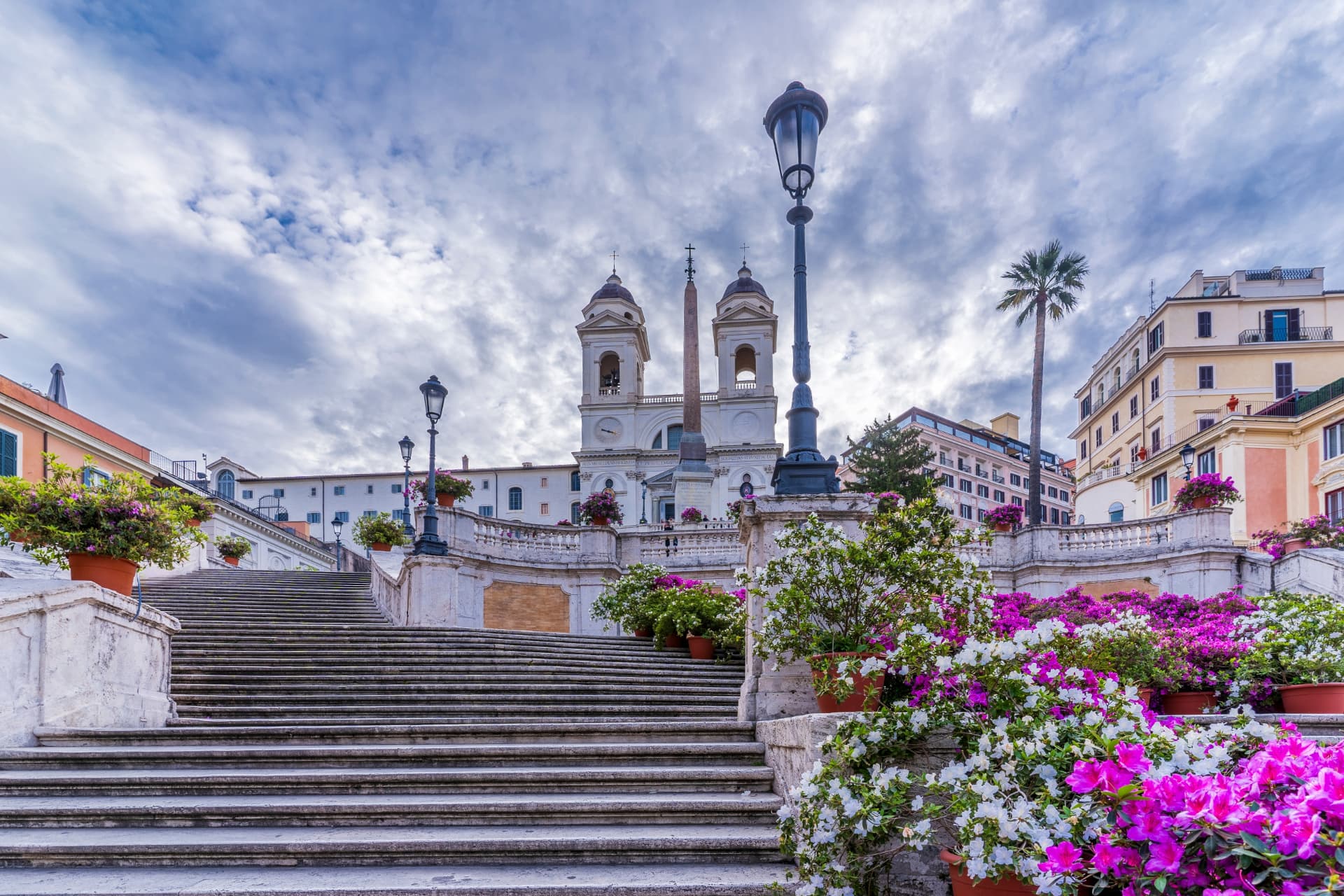
The square and staircase can feel busiest when sightseeing overlaps with shopping. Weekends, holidays and major events may increase demand, but no universal ‘quiet weekday’ rule removes people. The supplied crowded photograph shows what a busy visit can look like without establishing a permanent daily attendance figure.
In hot weather, exposed stone and an uphill climb can be tiring. Keep the stop shorter, carry water and plan an appropriate rest away from the monument. If combining the Steps with the Keats–Shelley House, work around the museum’s listed midday break and current opening days rather than extending a staircase visit simply to fill time.
Sunset, blue hour and night visits
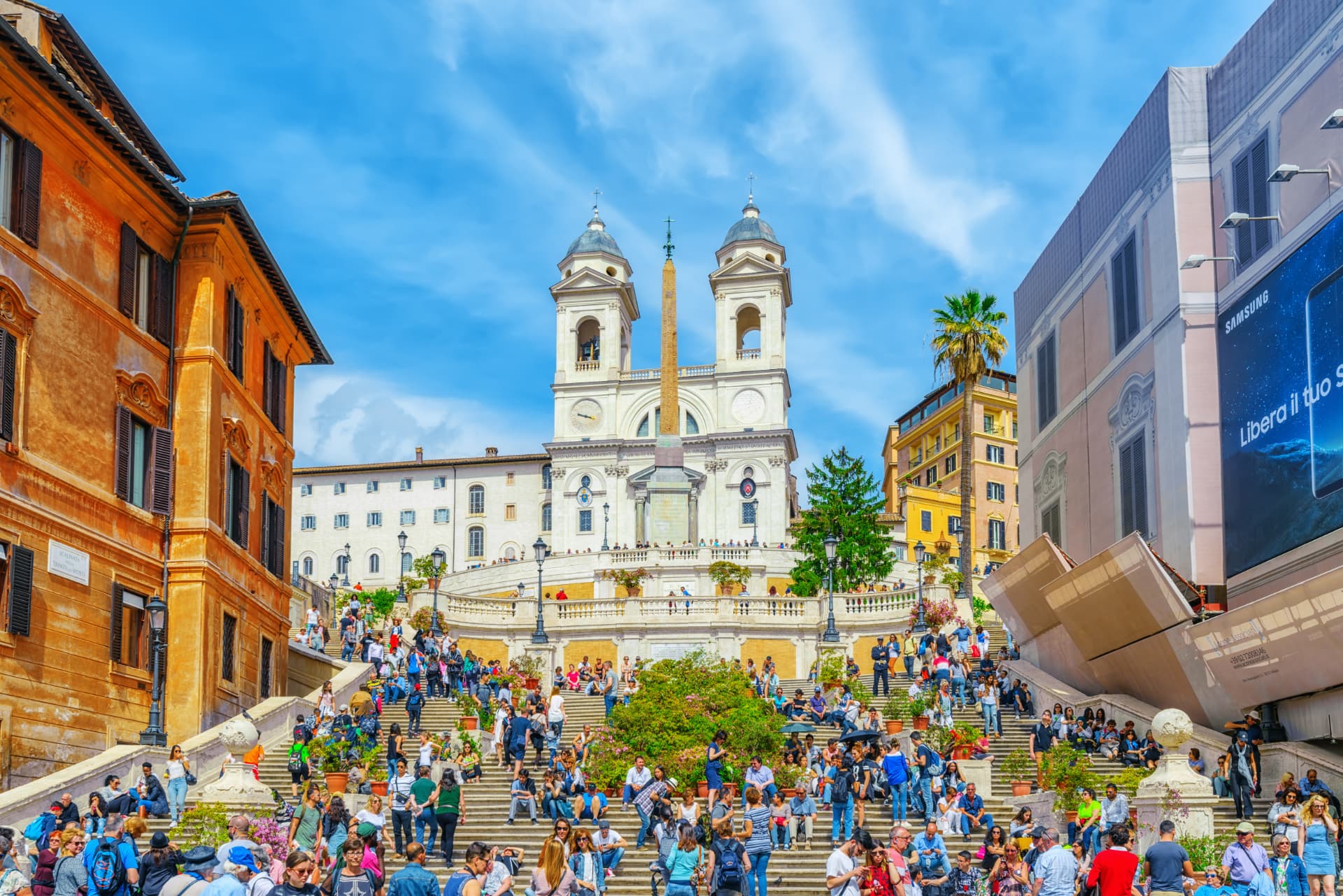
Sunset is not a promise that the church façade will glow in a particular colour. Weather, the sun’s seasonal angle and buildings around the piazza affect the light. Blue hour can be appealing because the artificial lighting becomes visible while the sky still has colour, but its length and appearance vary.
After dark, keep bags secure and choose a clearly lit onward street. Do not assume an evening visit makes sitting on the staircase acceptable. The same monument rules apply. Check transport before leaving, especially if a lift or accessible station connection is essential to your journey. Night photographs often need steadier technique, but large equipment must not obstruct passage.
Azaleas: a seasonal display, not a booking guarantee
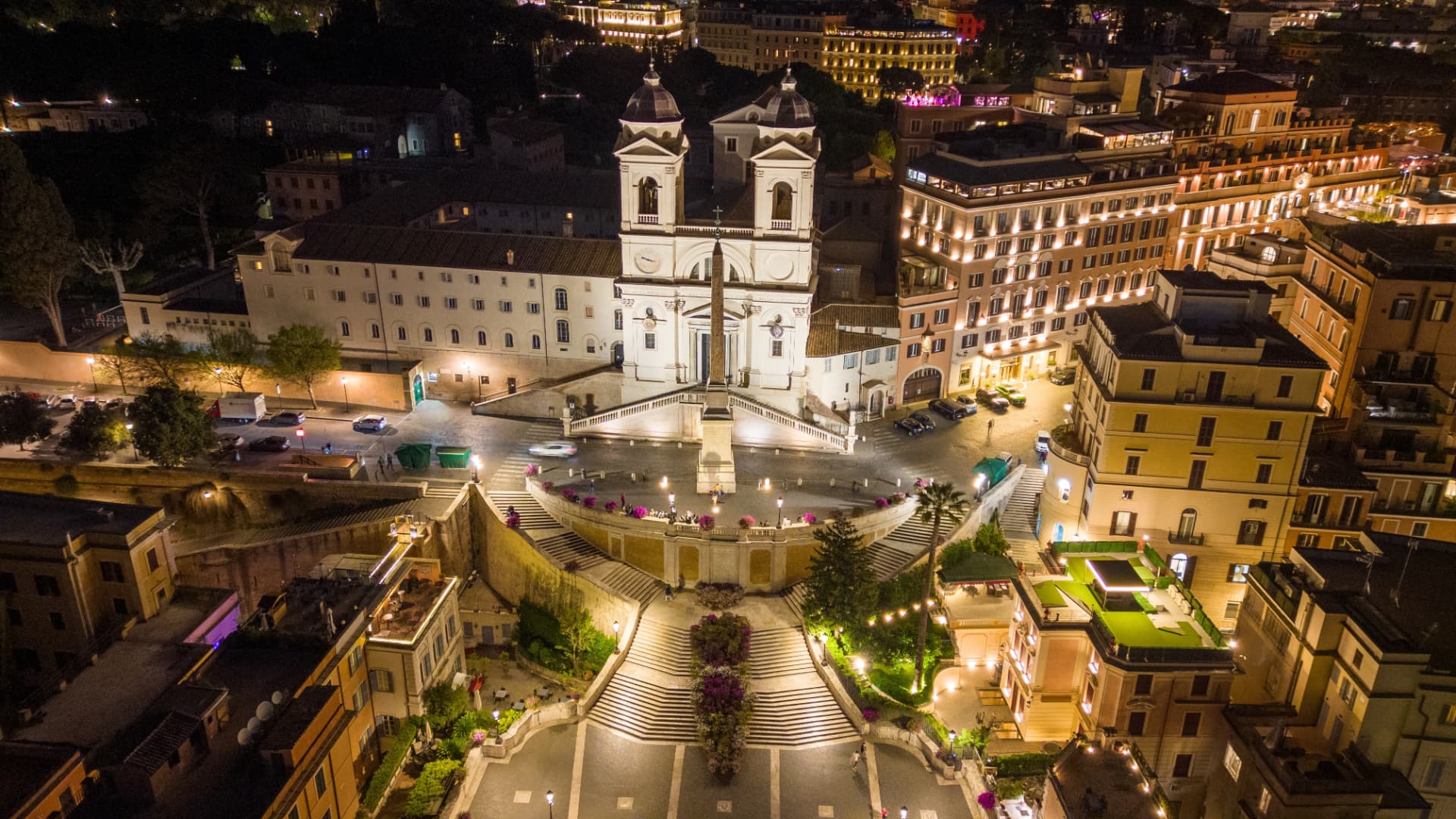
Turismo Roma describes the traditional Capitoline azalea display approximately from mid-April to mid-May. The important word is approximately. Installation, flowering and removal can vary, so verify a current announcement if the flowers are your main reason to travel.
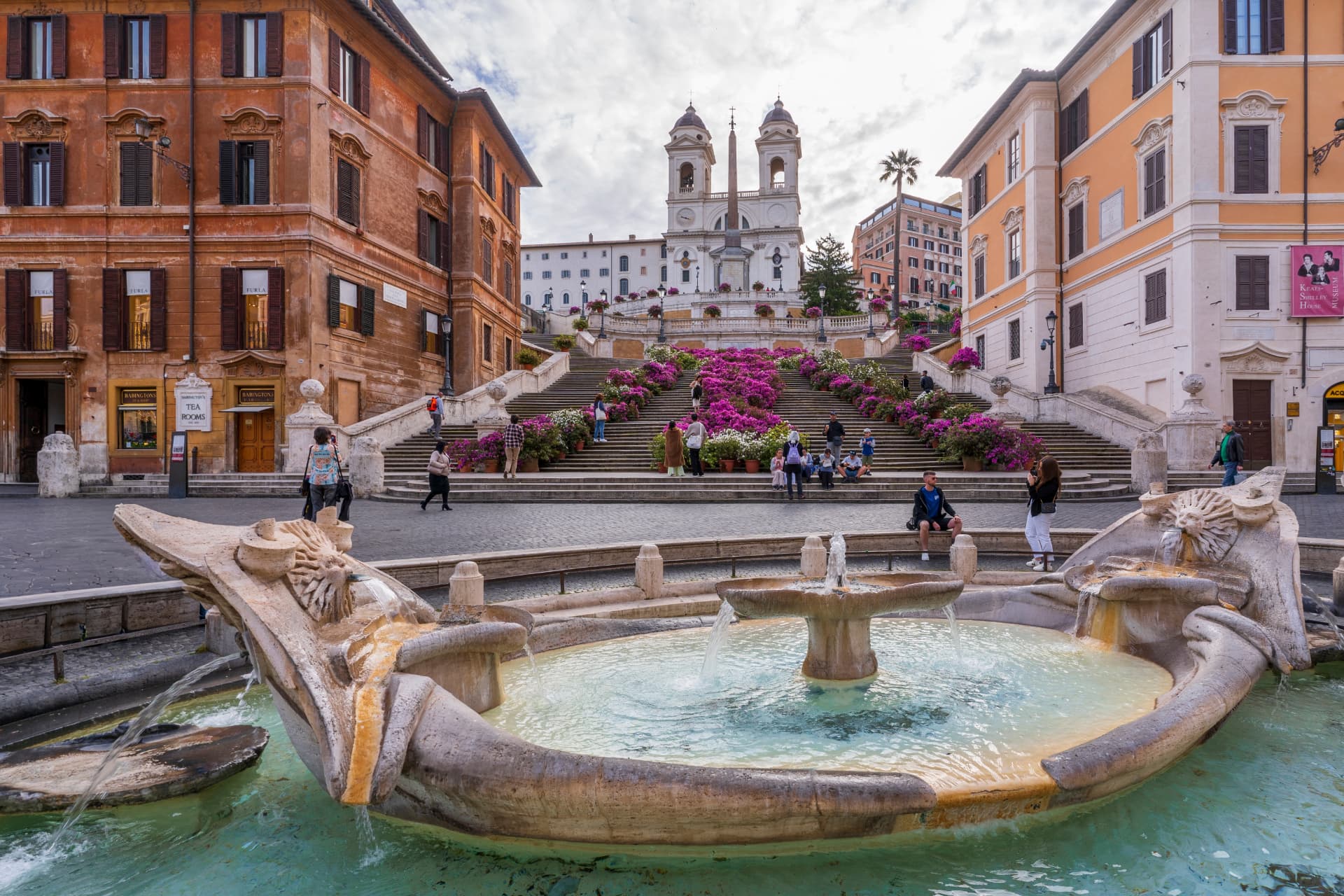
The supplied flower photographs belong in a seasonal context, not as evidence that the Steps look like this in October or all year. A visit without flowers still reveals the staircase’s curves and pale stone. Do not reserve an inflexible trip around an unconfirmed annual display date.
Three useful photo positions
From the public piazza, frame the staircase and church together. From a landing, photograph the curved flights and balustrades while leaving room for others. From the upper level, look back toward Piazza di Spagna for the relationship between the staircase and streets below. None requires sitting on the monument.
For a broader skyline, Pincio is a separate viewpoint with its own surroundings, not an exact replacement for the Steps composition. If you want both, follow the existing Villa Borghese route rather than treating Pincio as a viewpoint immediately behind the church.
Official sources and verification notes
Sources reviewed October 2026. Historical and programme information is separated from live availability. No current museum tariff or operating hilltop lift is claimed where direct confirmation was unavailable.
Frequently asked questions
- What time are the Spanish Steps empty?
- No time guarantees empty stairs. Early daylight often offers a calmer architectural view, but the staircase remains a public passage.
- Is sunset the best time?
- It depends on your priority. Evening lighting can be attractive, but light and crowds vary with the date and weather.
- When are the azaleas displayed?
- Turismo Roma describes an approximate mid-April to mid-May tradition. Confirm current announcements rather than assuming exact annual dates.
- Can you sit on the Steps at night?
- No. The no-sitting rule is not limited to daytime.
More Spanish Steps guides
- Spanish Steps in Rome: What to See, History and Visiting Tips
- Are the Spanish Steps Free? Tickets, Sitting Rules and Visiting Advice
- Spanish Steps History: Why They Were Built and How They Got Their Name
- What to See Near the Spanish Steps: Attractions and Walking Map
- Trinità dei Monti Church: What to See Above the Spanish Steps
- Keats–Shelley House in Rome: What to See and Is It Worth Visiting?
- How to Get to the Spanish Steps: Metro, Walking Routes and Step-Free Approaches
- Spanish Steps to Trevi Fountain and the Pantheon: Walking Route and Stops
- Shopping Near the Spanish Steps: Via Condotti, Via del Babuino and Beyond
- Spanish Steps to Villa Borghese: Walking Route via Pincio Terrace
- Villa Medici, Spanish Steps and Pincio: A Half-Day Walking Itinerary