 Literary House Museum
Keats-Shelley House
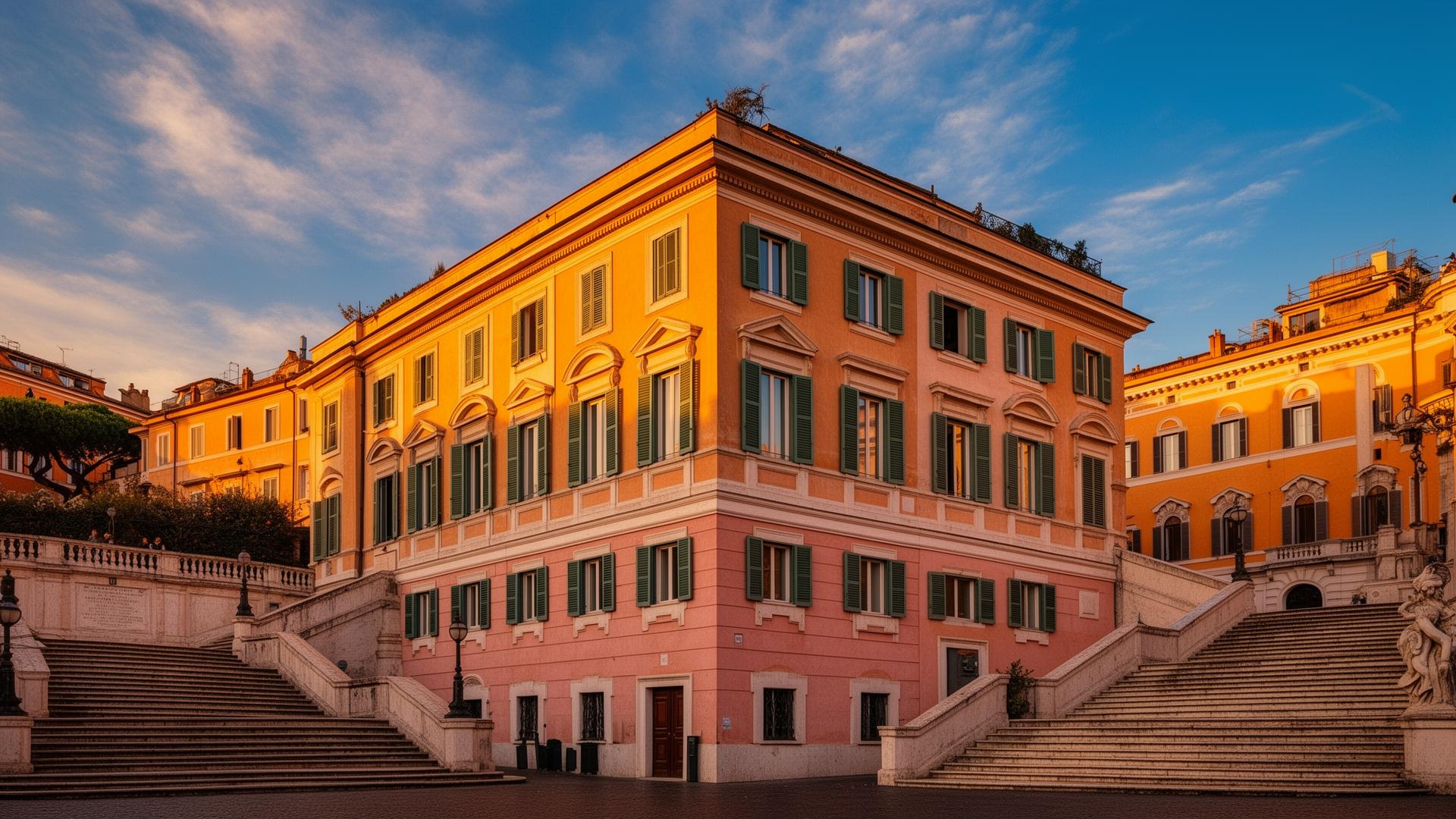
The salmon-pink rooms at the foot of the Spanish Steps where John Keats died in 1821 — Romantic poets' manuscripts, an 8,000-volume library and a quiet pilgrimage above one of Rome's busiest squares.
45–75 min€6 / €5 reducedJohn Keats8,000-vol libraryPiazza di Spagna 26, 00187 RomaOpen on MapPlan Your Visit
Compare tickets, tours and stays — booking ahead usually gives more choice
Get TicketsBook a TourHotels NearbyBy AllTrips Editors••9 min readThe Keats-Shelley House is a literary museum on the second floor of the salmon-pink palazzo at the foot of the Spanish Steps, in the rooms where the English Romantic poet John Keats died of tuberculosis on 23 February 1821, aged 25. Founded in 1909 by Anglo-American admirers of the Romantic poets, it preserves Keats's deathbed bedroom, Joseph Severn's sketch of him drawn 'to keep me awake', one of the world's finest Romantic-era libraries (over 8,000 volumes), and unique relics of Percy Bysshe Shelley and Lord Byron — including a bone fragment traditionally associated with Shelley's cremation. €6 entry, walk-up for individuals (groups need to book ahead).
📋 In This Guide
Duration
45–75 min
Cost
€6 / €5
Photos
No flash
Highlight
Keats's bedroom
Why Visit the Keats-Shelley House?
Below your feet, 30,000 people a day pose on the Spanish Steps. Two flights up, in a quiet salmon-pink room with green shutters, you can stand in the small room where a 25-year-old John Keats spent his final weeks. According to Joseph Severn's accounts of Keats's final illness, the poet spoke repeatedly about death and being beneath the earth; some famous formulations — such as the line about daisies growing over him — survive through Severn's later recollections rather than contemporaneous transcripts. The Keats-Shelley House is the most concentrated literary pilgrimage in Italy — and one of the most surprising contrasts in the entire city.
The Death of Keats
The actual room where one of the greatest English poets died at 25. The original ceiling is the one he looked at — preserved through Roman fumigation laws.
A World-Class Library
8,000+ volumes of first editions, letters and Romantic-era literature — one of the world's most important collections of Romantic literature, in a single magnificent two-story room.
Shelley & Byron Manuscripts
Pages in Shelley's and Byron's own hand, locks of hair, and a bone fragment traditionally associated with Shelley's cremation on the beach in 1822.
Calm Above the Crowds
A reverential, almost monastic interior two floors above the busiest square in Rome. Often you will be the only visitor in Keats's room.
What to See Inside
The Salone
Your first room. Portraits of Keats, Shelley, Byron and Joseph Severn line the walls; a chronological introduction explains why three of the greatest English Romantic poets died in Mediterranean exile within three years of each other (1821–24) and why a memorial museum was opened here in 1909.
The Library
The museum's largest and most spectacular room — a two-story wood-panelled library holding over 8,000 volumes: first editions of Keats, Shelley, Byron, Mary Shelley, Wordsworth, Coleridge and Leigh Hunt, alongside scholarly editions of every major Romantic poet. One of the world's most important collections of Romantic literature.
The Severn Room
Dedicated to the painter Joseph Severn (1793–1879), who travelled to Rome with the dying Keats and nursed him to the end. Includes Severn's poignant deathbed sketch of Keats — drawn at 3 a.m. on 28 January 1821, with the inscription'drawn to keep me awake' — and Severn's letters describing the final days.
Shelley & Byron Room
Manuscripts in Shelley's and Byron's own hand — including pages of Adonais (Shelley's elegy for Keats) and Byron's Italian-period work — locks of hair belonging to both poets (and to Milton and Elizabeth Barrett Browning), and the most striking object in the museum: a small relic associated with Shelley — described cautiously in the museum's own catalogue — said to have been recovered by Edward Trelawny from the funeral pyre on the beach near Viareggio in 1822.
Keats's Bedroom
The smallest, simplest and most affecting room in the museum. The single window looks down on the Spanish Steps; the bed is a 19th-century reconstruction (Roman papal law required the original to be burned after a tubercular death); the ceiling is the original one Keats stared at through three months of illness. Visitors fall silent without being asked.
Death Masks & Personal Relics
The death mask of Keats, taken by the sculptor Gherardi the day after he died; a life mask of Keats taken by Benjamin Robert Haydon; a fragment of Keats's hair; and small personal objects from Joseph Severn's lifetime in Rome.
Bookshop & Reading Room
The small bookshop at the entrance carries an excellent selection of Romantic poetry, scholarly editions and the annual Keats-Shelley Review.
Keats's Bedroom — A Closer Look
On 14 November 1820, John Keats — already in the advanced stages of tuberculosis — arrived in Rome with his friend the painter Joseph Severn. They took rooms on the second floor of the building at 26 Piazza di Spagna, then a respectable casa per forestieri run by an Anglo-Italian landlady, Signora Anna Angeletti.
For three months Keats deteriorated in this small room with its single window over the new Spanish Steps. He read very little, wrote no new poetry, and asked Severn to play him Haydn on a hired piano. His most quoted last words — 'Severn — lift me up — I am dying — I shall die easy — don't be frightened — be firm, and thank God it has come' — were spoken here on the evening of 23 February 1821. He was 25 years old.
Roman papal law required that after any death from infectious disease the room be entirely fumigated, the furniture burned and the walls scraped. Signora Angeletti complied at her own expense. Almost everything in the room today is a sympathetic 19th-century reconstruction — but the coffered ceiling with its small painted rosettes is the one Keats spent three months staring at, and the window opens onto the same steps he never managed to climb again.
Four days later he was buried in the Protestant Cemetery near the Pyramid of Cestius, under a stone he had dictated himself: 'Here lies one whose name was writ in water.'
The Library
The two-story wood-panelled Library is the museum's intellectual heart. It holds over 8,000 volumes of first editions, manuscripts, scholarly editions, letters and 19th- and 20th-century criticism of the English Romantic poets — one of the world's most important collections of Romantic literature, alongside the Bodleian's Romantic collections and the Houghton at Harvard.
The library is a working scholarly resource: visiting researchers from universities around the world consult the collection daily, and the foundation publishes the annual Keats-Shelley Review from these very rooms. For most visitors it is simply the most beautiful and most concentrated literary library you will ever stand in.
Look for: the first edition of Shelley's Prometheus Unbound (1820), the Pisa edition of Adonais (Shelley's elegy for Keats, 1821), Mary Shelley's privately printed editions of her husband's collected works, and a complete run of Leigh Hunt's The Examiner.
Shelley & Byron Relics
Although the building is most associated with Keats, the foundation has spent over a century assembling some of the most important Shelley and Byron relics held outside the British Library and the Bodleian.
Highlights include: a manuscript page from Shelley's Adonais(his elegy for Keats, written from Pisa within months of the death); a manuscript fragment of Byron's Don Juan; a lock of Byron's hair given to a Roman admirer in 1817; and the museum's most striking object — a small relic associated with Shelley, described cautiously in the museum's own catalogue, said to have been recovered by Edward Trelawny from the poet's funeral pyre on the beach near Viareggio after his drowning in July 1822.
The combination of intimate physical relics and intellectual first editions makes the museum unique: most literary collections hold either the books or the bodies, almost never both.
Joseph Severn — The Friend Who Stayed
The often-forgotten hero of this story is the painter Joseph Severn (1793–1879). A young, ambitious and not yet famous artist, Severn agreed at the last minute to accompany the dying Keats to Rome — knowing that he was effectively giving up two years of his career and might never come back.
For three months he nursed Keats almost single-handedly, cleaning the small bedroom, cooking what little the poet could eat, reading aloud through nights of haemorrhage. His deathbed sketch of Keats — drawn at 3 a.m. on 28 January 1821 with the inscription 'drawn to keep me awake' — is one of the most famous images of literary friendship in existence.
Severn ended up loving Rome and returning permanently. He became British Consul in the city, raised six children and lived another 58 years. When he died in 1879 he was buried, by his own request, beside John Keats in the Protestant Cemetery — fulfilling a promise made on the deathbed.
The Keats-Shelley House Through History
1725Spanish Steps Built
Francesco de Sanctis completes the Scalinata di Trinità dei Monti. The corner palazzo at the bottom — today the Keats-Shelley House — is built around the same time as part of the new piazza.
1820Keats Sails for Rome
Diagnosed with tuberculosis and given six months to live, the 25-year-old poet John Keats leaves England with his friend the painter Joseph Severn, hoping Italy's climate will save him. They reach Rome on 14 November.
1821Keats Dies on Piazza di Spagna
After three months of agonising decline, John Keats dies in the small second-floor bedroom on 23 February 1821, aged 25. Severn is at his side. He is buried four days later in the Protestant Cemetery near the Pyramid of Cestius.
1822Shelley Drowns Off Viareggio
Percy Bysshe Shelley drowns in a sailing accident in the Gulf of La Spezia on 8 July 1822, aged 29. His body is cremated on the beach by Lord Byron and Edward Trelawny — a moment that would also enter Romantic legend.
1824Byron Dies in Greece
Lord Byron dies of fever at Missolonghi on 19 April 1824, aged 36, while supporting the Greek War of Independence — completing the trio of English Romantic poets dead in Mediterranean exile in three years.
1879Severn Dies in Rome
Joseph Severn, who had outlived Keats by 58 years and served as British Consul in Rome, dies in the city in 1879 and is buried beside Keats in the Protestant Cemetery — fulfilling a promise made on the deathbed.
1903Memorial Association Founded
Anglo-American admirers of the Romantic poets — including Henry James, Edmund Gosse and Theodore Roosevelt — form an association to buy the building and turn it into a memorial museum.
1909Museum Opens
On 3 April 1909, King Victor Emmanuel III of Italy formally opens the Keats-Shelley Memorial House. It is one of the first literary house museums anywhere and remains an English-speaking foundation operating in Rome.
1944WWII Survival
Library staff hide the most precious manuscripts in private apartments and outside Rome to protect them from the German occupation. Every item is safely returned after the liberation of Rome on 4 June 1944.
2009Centenary Restoration
For the museum's 100th anniversary, the rooms are comprehensively restored, the library re-catalogued and a digital archive of Romantic-era manuscripts is launched.
2021Keats Bicentenary
The 200th anniversary of Keats's death is marked with international online events, a new edition of the Keats-Shelley Review and an exhibition of the deathbed manuscripts and letters.
2026Quiet Pilgrimage on the Steps
While 30,000 people a day pose on the Steps below, the museum remains a peaceful candle for the most famous early death in English literature — €6, no queue, no booking.
Tickets & Hours 2026
🕐 Opening Hours
- Mon–Sat: 10:00–13:00 & 14:00–18:00 (last entry 17:45)
- Closed: Sundays, 1 Jan, 1 May, 15 Aug, 25–26 Dec, Easter
- Free day: 23 February (Keats anniversary)
- The 13:00–14:00 mid-day closure is firmly enforced — plan around it.
💶 Tickets
- Standard: €6
- Reduced: €5 (students, over-65)
- Groups (6+): €4 per person
- Free: Under 12, ICOM members, 23 February
- Roma Pass: NOT included (private foundation)
- Audio guide: Free printed handout in 6 languages
The Keats-Shelley House is a private foundation, not a state museum — so the Roma Pass and the Italian state museum free Sundays do not apply. €6 is the actual ticket price you will pay at the door.
Best Time to Visit
Best of Day
10:00 right at opening — the Steps below are still relatively quiet, the rooms are cool and you may have Keats's bedroom entirely to yourself. Late afternoon (16:00–17:45) is also very calm.
Best Day
Tue–Fri are quietest. Saturdays are a little busier with weekend visitors. Closed Sundays — never come on a Sunday.
Best Season
Year-round — perfect rainy-day stop in winter, blissfully cool refuge in August. February (around the Keats anniversary on the 23rd) is particularly atmospheric.
Visitor Tips
Time the mid-day closure: 13:00–14:00 the museum locks up entirely. Either visit before 12:30 or after 14:00 — never try to slip in at 12:50.
Pick up the printed handout: Free at reception in English, Italian, French, German, Spanish and Japanese. Better than any audio guide.
Photography: Allowed in most rooms without flash, no tripods. Photography of the manuscripts themselves is not allowed.
Voices: The atmosphere is quiet and reverential — keep voices low, especially in Keats's bedroom.
Stairs only: The museum is on the second floor with no lift. Sadly not currently wheelchair-accessible — the foundation publishes a virtual tour for visitors who cannot manage the climb.
Pair with the cemetery: Take Metro Line A to Termini, change to Line B to Piramide. The Non-Catholic Cemetery (where Keats is buried) is a 5-minute walk from the station.
Bookshop: A small English-language bookshop at the entrance — worth a stop even if you are not visiting the museum.
Vs Other Literary House Museums
| Museum | Writer | Cost | Time | Crowds |
|---|---|---|---|---|
| Keats-Shelley House (Rome) | Keats, Shelley, Byron | €6 | 45–75 min | Very low |
| Casa di Goethe (Rome) | J.W. Goethe | €5 | 45 min | Very low |
| Keats House (London) | John Keats (his Hampstead home) | £8 | 60 min | Low |
| Casa di Petrarca (Arquà) | Francesco Petrarca | €5 | 45 min | Very low |
| Maison de Victor Hugo (Paris) | Victor Hugo | Free | 60 min | Medium |
Common Mistakes to Avoid
Coming on a Sunday
Closed Sundays all year. Plan for Mon–Sat. Many visitors make the Steps trip on a Sunday and discover only at the door that the museum is shut.
Trying to enter at lunchtime
The 13:00–14:00 closure is absolute. Either visit before 12:30 or after 14:00 — there is no flexibility.
Expecting Roma Pass coverage
It is a private foundation — the Roma Pass and free state-museum Sundays do not apply. €6 always.
Skipping the Protestant Cemetery
Visiting the museum without going to Keats's actual grave near the Pyramid is missing the second half of the story. Allow a half-day for both.
Going with very young children
It is a contemplative literary museum without interactive exhibits — best for ages 12+ or for adults with a literary interest.
Loud voices in Keats's room
The atmosphere is reverential — guides will (politely) ask you to lower your voice. Keep mobile phones silent throughout.
Colosseum & Forum Tickets Nearby
The Keats-Shelley House is a perfect calm hour before the timed-entry giants. The Colosseum and Roman Forum are 15 minutes away by Metro Line A → B (one change at Termini) — both require advance booking in 2026.
Colosseum Priority Entrance
Best for: First-time visitors
~2 hoursSkip-the-line access to the Colosseum with entry to Roman Forum and Palatine Hill included. Perfect for first-time visitors.
- Skip-the-line entry
- Colosseum access
- Roman Forum included
- Palatine Hill included
🎟️ Compare Prices:
TiqetsKlookTrip.comColosseum Guided Tour
Best for: History enthusiasts
~3 hoursExpert-led tour with professional guide sharing gladiator history, architecture secrets, and ancient Roman stories.
- Professional English-speaking guide
- Skip-the-line entry
- In-depth historical commentary
- Small group experience
🎟️ Compare Prices:
TiqetsKlookTrip.comColosseum Arena & Underground
Best for: Unique experience seekers
~3.5 hoursWalk where gladiators fought on the arena floor and explore the underground chambers where they awaited their fate.
- Arena Floor access
- Underground chambers access
- Roman Forum & Palatine Hill
- Expert guided tour included
🎟️ Compare Prices:
TiqetsKlookTrip.comPair Your Visit With
Spanish Steps
At the door — the 1725 staircase Keats looked down on from his bedroom window. Climb to Trinità dei Monti for the view.
Trevi Fountain
5-min walk via Via di Propaganda — Rome's most theatrical Baroque fountain, ideal coin-throwing pause after a literary morning.
Villa Borghese
10-min walk uphill — the great public park, with the Borghese Gallery (Bernini's Apollo & Daphne) and a panoramic terrace over Piazza del Popolo.
Highlights at a Glance
- The room where John Keats died on 23 February 1821
- Original ceiling Keats looked at during his final illness
- Joseph Severn's deathbed sketch of Keats, drawn 'to keep me awake'
- 8,000+ volume Romantic-era library — one of the world's finest
- Manuscripts in Shelley's and Byron's own hand
- Bone fragment traditionally associated with Shelley's cremation, 1822
- Locks of hair from Keats, Shelley, Milton and Elizabeth Barrett Browning
- Right at the foot of the Spanish Steps — perfect with a Bernini fountain pause
How to Get There
By Metro
The easiest option in Rome — Metro Spagna (Line A) exits directly into Piazza di Spagna. The museum is the salmon-pink palazzo on the right side of the Spanish Steps, at number 26.
By Bus
- Bus 117: Stops in Piazza di Spagna (1-min walk)
- Buses 62, 63, 71, 80, 83, 85, 160: Largo Goldoni (3-min walk)
- From Termini: Metro Line A is faster than any bus
On Foot
From Trevi Fountain: 5 min via Via di Propaganda. From the Pantheon: 8 min via Via di Sant'Andrea delle Fratte. From Piazza del Popolo: 10 min via Via del Babuino. From Villa Borghese: 10 min via Trinità dei Monti.
Where to Stay Near Keats-Shelley House
Looking for convenient accommodation near Keats-Shelley House? Stay within walking distance to make the most of your visit.
Hotels Near This AttractionTop Rated HotelsBudget-Friendly OptionsLuxury HotelsCentral locations with easy access to Keats-Shelley House and other attractionsFrequently Asked Questions
What is the Keats-Shelley House in 2026?
The Keats-Shelley House (Keats-Shelley Memorial House) is a literary house museum on the second floor of the salmon-pink palazzo at the foot of the Spanish Steps. Founded in 1909, it occupies the rooms where the English Romantic poet John Keats died of tuberculosis on 23 February 1821, aged 25. It preserves Keats's death-bed bedroom, an internationally important library of over 8,000 volumes of Romantic-era literature, and unique manuscripts and relics of Keats, Percy Bysshe Shelley, Lord Byron and the Roman branch of British Romanticism.
How much does it cost in 2026?
€6 full / €5 reduced (students, over-65). €4 for groups of 6+. Free for children under six and ICOM members; other concessions require qualifying documentation. The museum also marks its annual John Keats anniversary day (23 February). Roma Pass does NOT cover the Keats-Shelley House — it is a private foundation, not a state museum.
What are the opening hours?
Monday–Saturday 10:00–13:00 and 14:00–18:00 (last entry 17:45). Closed Sundays, 1 January, 1 May, 15 August, 25–26 December and Easter. The mid-day closure 13:00–14:00 is firmly enforced — plan around it.
Did Keats really die here?
Yes. John Keats arrived in Rome with his friend the painter Joseph Severn on 14 November 1820, hoping the milder climate would cure his advanced tuberculosis. He took rooms on the second floor of the house at the foot of the Spanish Steps and died there on 23 February 1821, attended by Severn. The small bedroom — with its single window over the Steps — is preserved as a memorial.
What can I see inside?
Five rooms: (1) the Salone, with portraits of the poets and an introductory exhibition; (2) the Library, one of the world's finest collections of Romantic-era English literature (8,000+ volumes); (3) the Severn Room, with letters and drawings by Joseph Severn including his deathbed sketch of Keats; (4) the Shelley & Byron Room, with manuscripts, locks of hair and a relic associated with Shelley, described cautiously in the museum's own catalogue, said to have been recovered after his cremation; and (5) Keats's bedroom, kept simple and silent, with the original ceiling and a 19th-century rebuilt bed.
Is the original furniture in Keats's room?
No. After Keats died of an infectious disease, Roman papal law required that all furnishings be burned and the walls scraped. The bed and most of the room contents you see today are sympathetic 19th-century reconstructions. The original ceiling, however, is the one Keats looked at — it survived the fumigation.
Is it suitable for children?
It is a quiet, contemplative literary museum without interactive exhibits — best for older children with an interest in poetry or history (12+), or for English-literature students. Younger children are welcome but may find the visit short and reverential.
Is the museum accessible?
Partially. The museum is on the second floor of an early-18th-century palazzo with a narrow staircase and no public lift — meaning it is, unfortunately, not currently wheelchair-accessible. The foundation publishes a virtual tour for visitors who cannot manage the stairs.
How do I get there?
Metro Spagna (Line A) — exit directly into Piazza di Spagna, the museum entrance is on the right of the Steps. Bus 117 stops in Piazza di Spagna; buses 62, 63, 71, 80, 83, 85, 160 stop at Largo Goldoni (3-min walk). On foot: 3 min from Trevi Fountain, 8 min from the Pantheon, 10 min from Piazza del Popolo.
Related Attractions
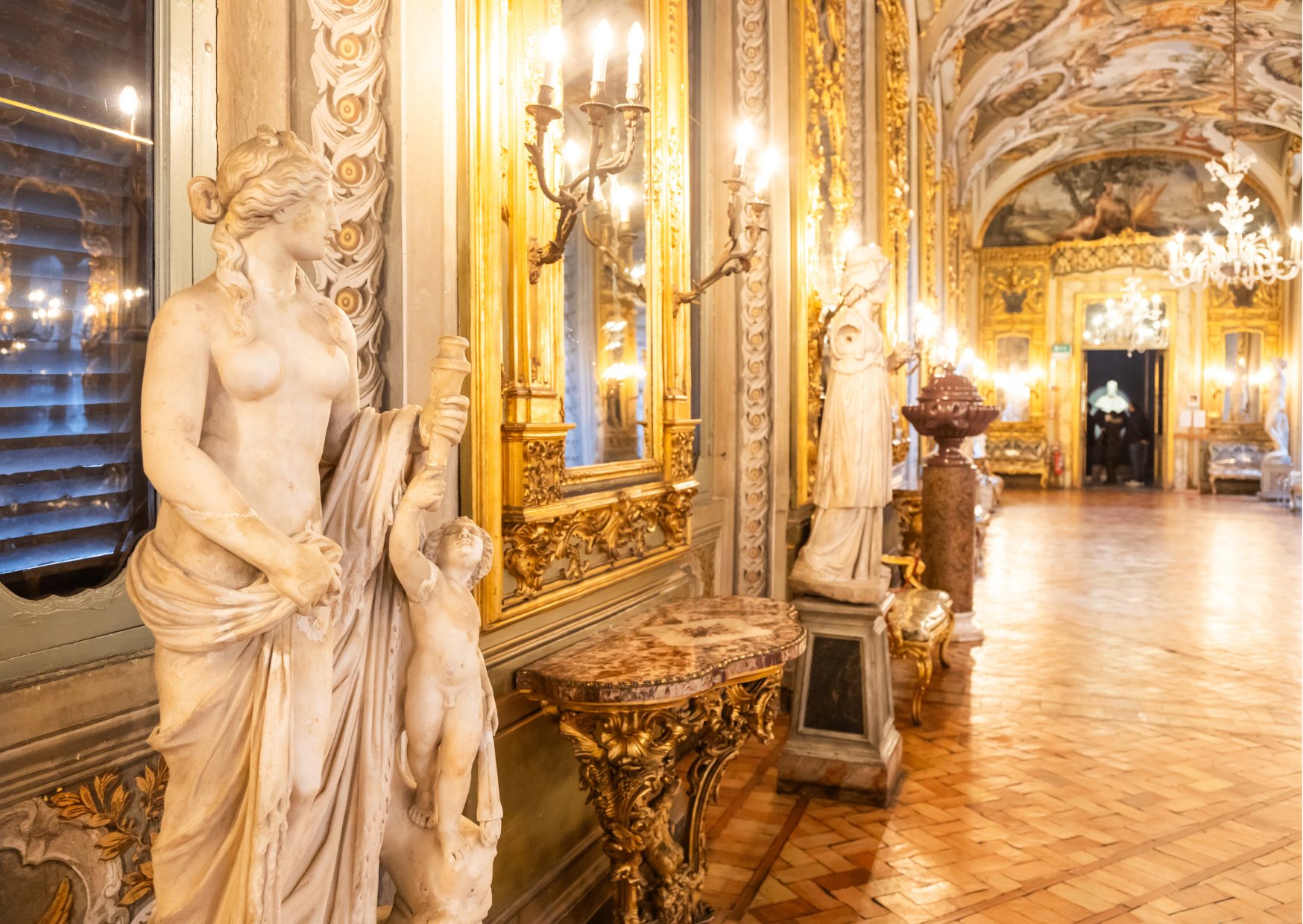
Galleria Doria Pamphilj
Private palace with Velázquez's Pope Innocent X
Explore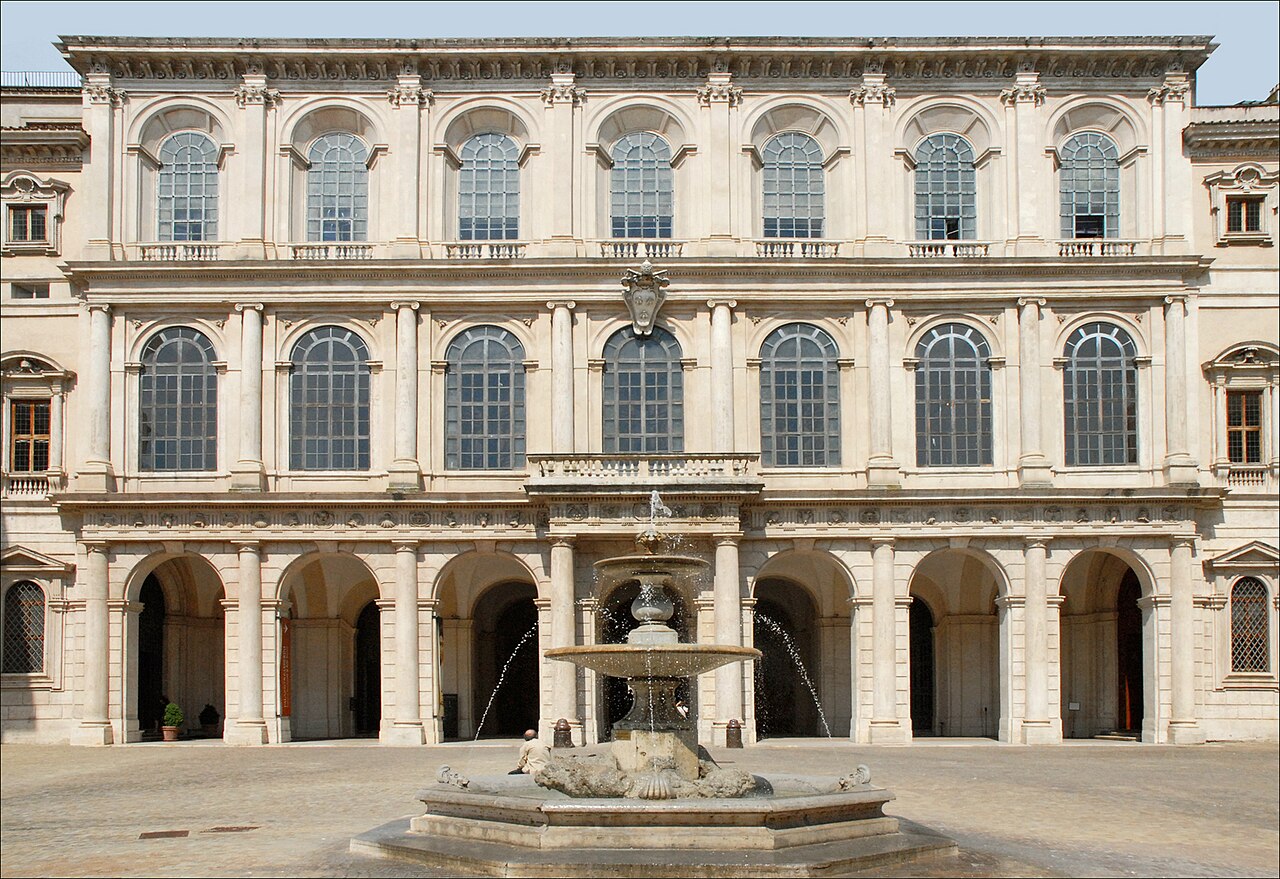
National Gallery of Ancient Art
Palazzo Barberini's Renaissance and Baroque treasures
Explore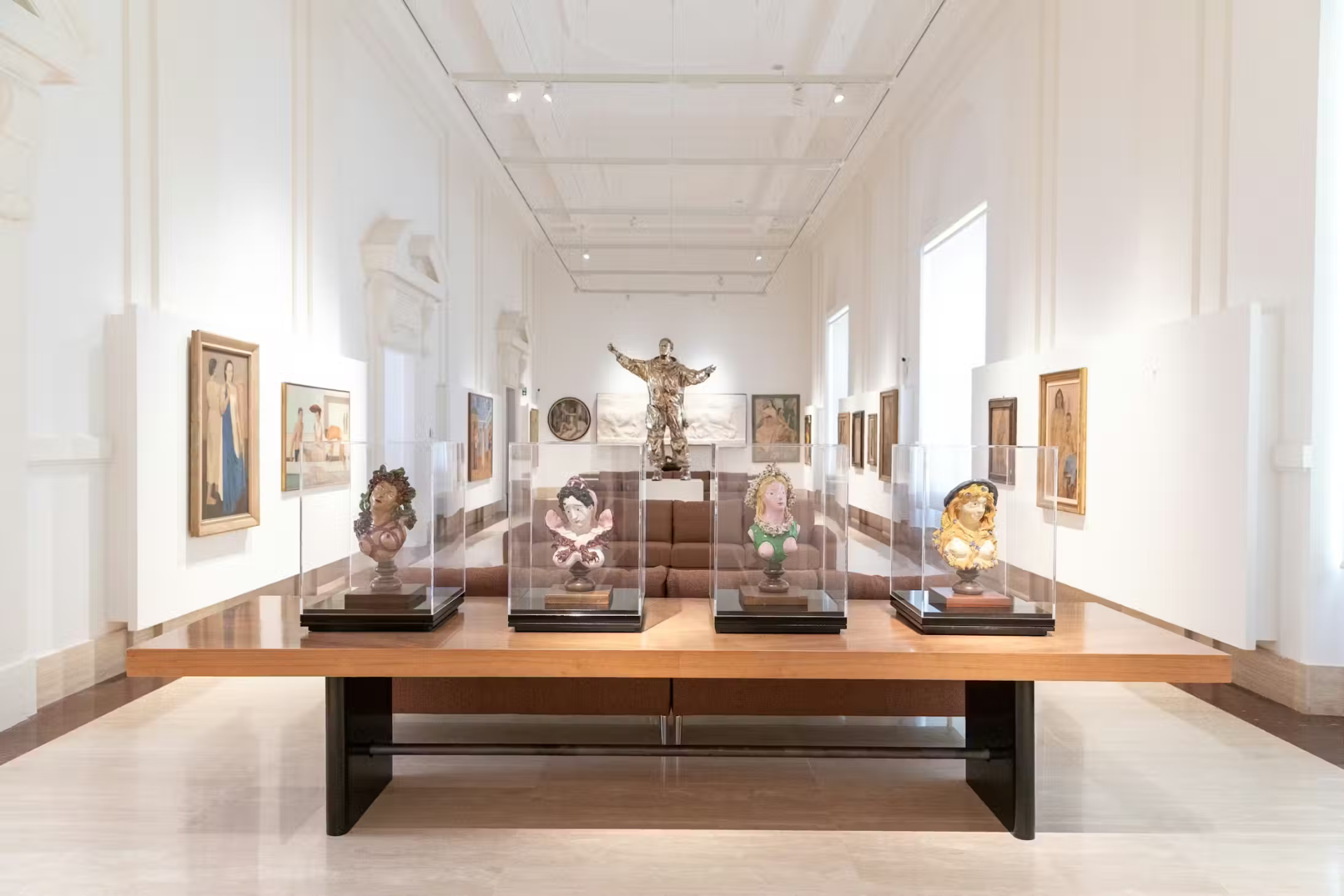
Palazzo Merulana
Hidden gem with 20th-century Italian masterpieces
Explore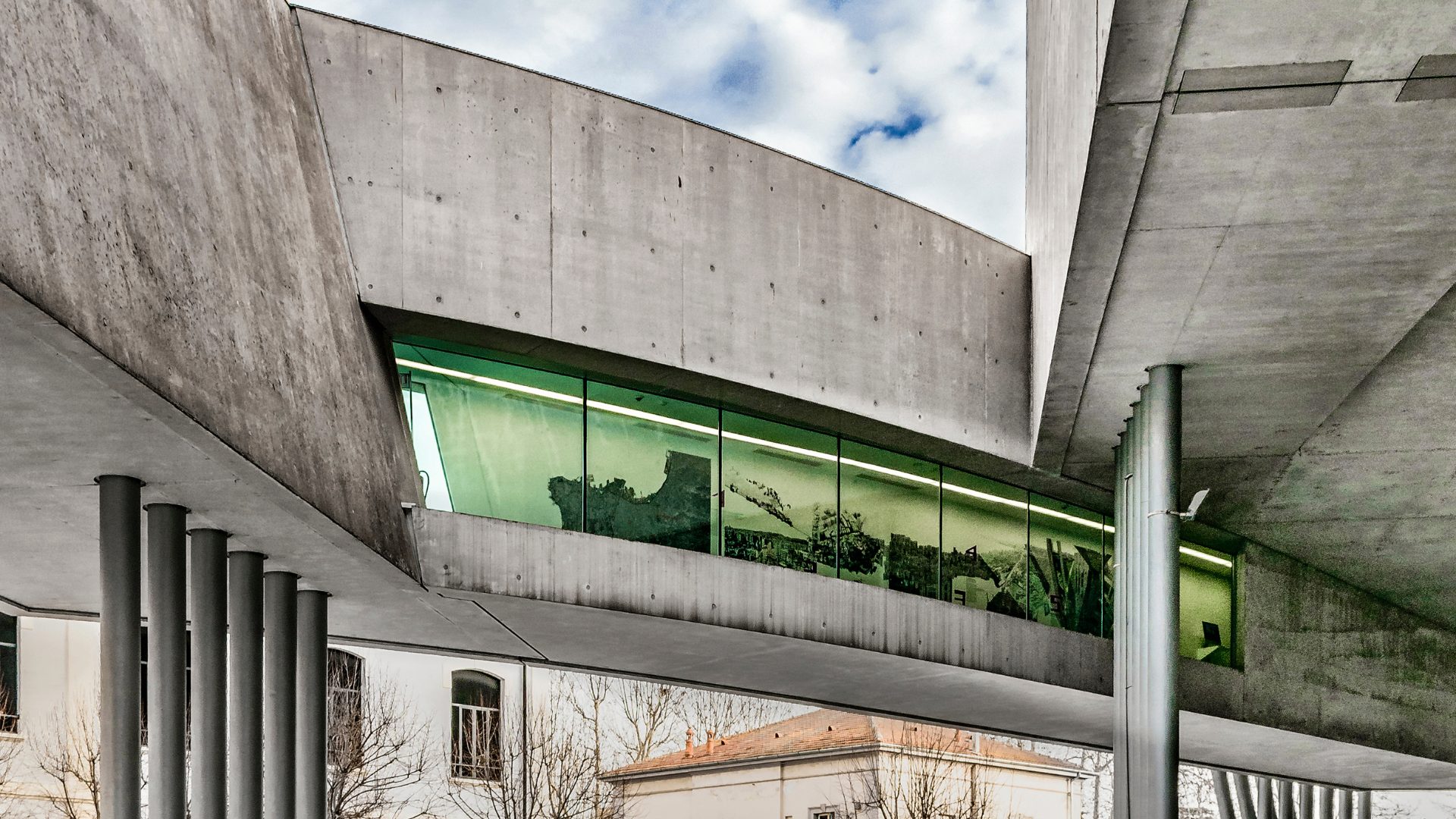
MAXXI Museum
Zaha Hadid's stunning contemporary art and architecture museum
Explore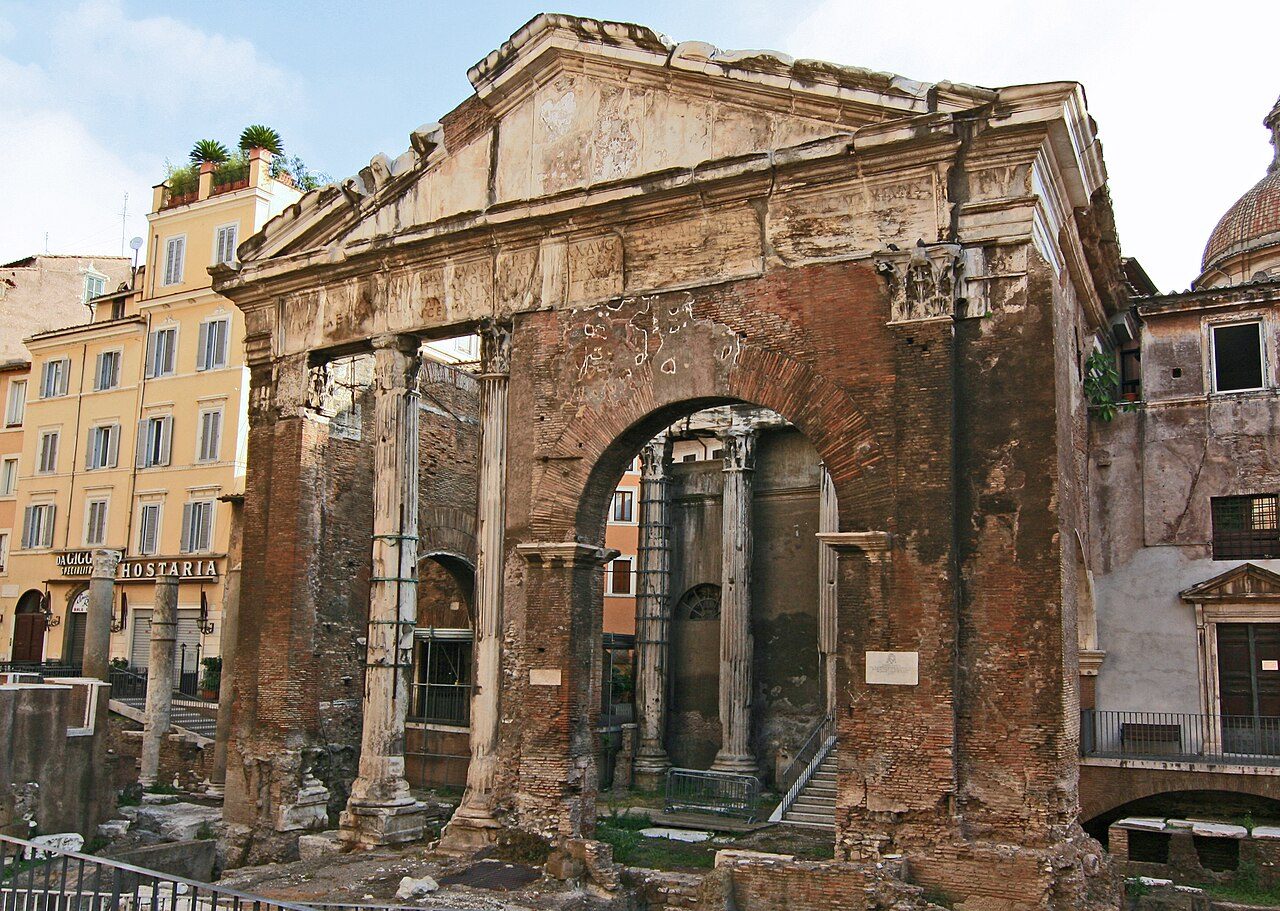
Portico of Octavia
Ancient Roman portico and gateway to the Jewish Ghetto
Explore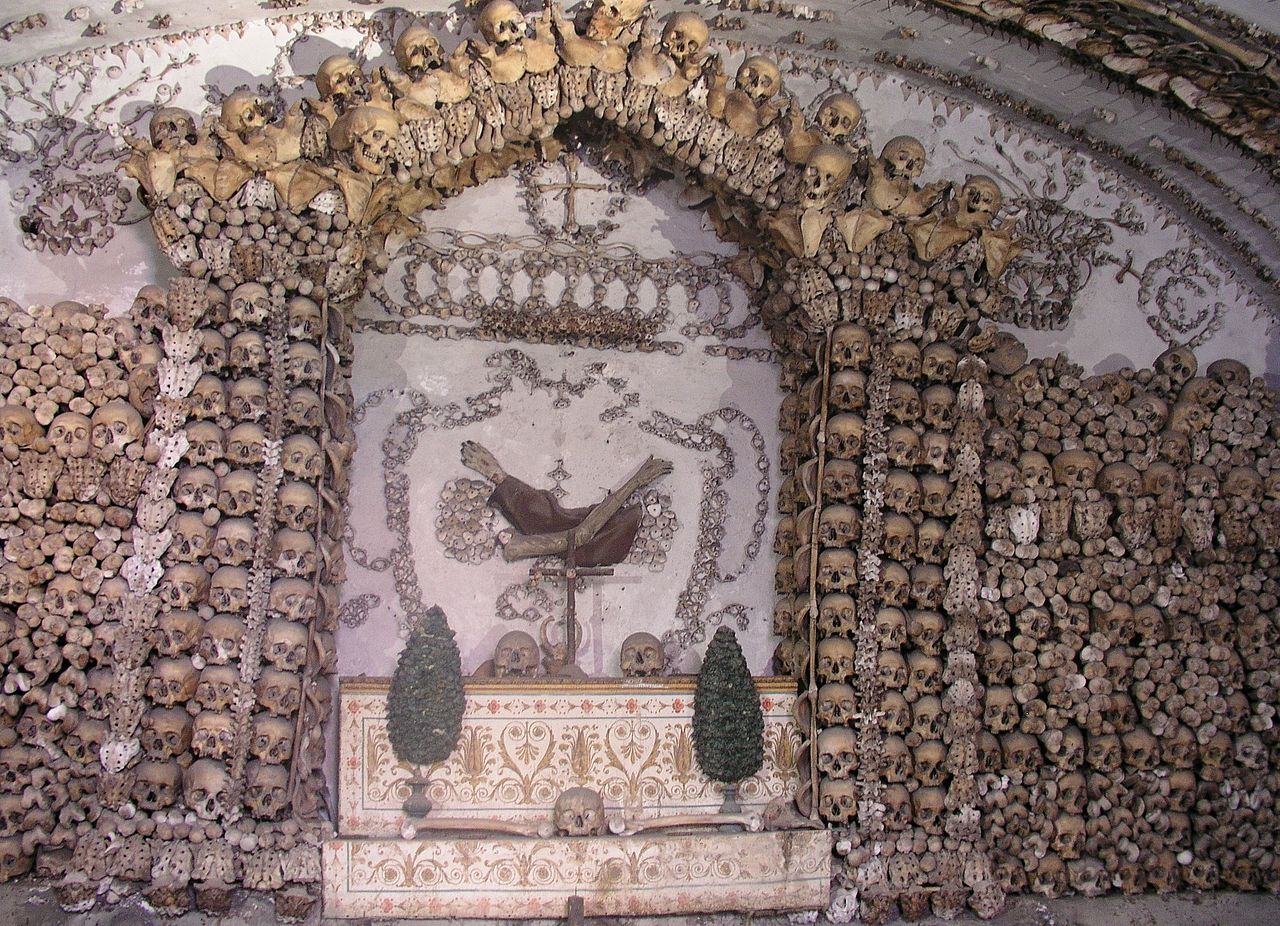
Capuchin Crypt
Haunting ossuary with 3,700 friars' bones arranged artistically
ExploreQuick Planning Guide
⏱️ Time Needed
45–75 minutes
💰 Cost
€6 / €5 reduced
🎫 Reservation
Individual visitors can usually walk in; groups must book ahead
♿ Accessibility
2nd floor, no lift — not wheelchair accessible
📅 Best Time
10:00–12:30 or 14:00–16:00
👨👩👧👦 Family Friendly
Best for ages 12+
🌡️ Weather
Indoor — perfect rainy-day stop
Nearby Attractions
Spanish Stepsat the door
Trinità dei Monti churchtop of the Steps
Trevi Fountain5-min walk
Babington's Tea Roomsacross the Steps
Via Margutta — artists' street5-min walk
Piazza del Popolo10-min walk
Featured In These Itineraries
Hidden Gems of RomeRainy Day in RomeClassic Rome 3-DayEssential Tips
- ✓ Closed Sundays — never come on a Sunday
- ✓ Mid-day closure 13:00–14:00 firmly enforced
- ✓ Individual visitors can usually walk in — groups must arrange visits in advance
- ✓ Pair with the Protestant Cemetery (Keats's grave)
- ✓ Quiet, reverential atmosphere — keep voices low