 Underground Rome
Capuchin Crypt
The Bone Chapel of 3,700 Capuchin friars — Rome's most haunting Franciscan meditation on mortality, beneath an ordinary Via Veneto church.
45-60 min€10 entryOssuaryVia VenetoVia Vittorio Veneto 27, 00187 RomeOpen on MapPlan Your Visit
Compare tickets, tours and stays — booking ahead usually gives more choice
Get TicketsBook a TourHotels NearbyBy AllTrips Editors••8 min readThe Capuchin Crypt (Italian: Cripta dei Cappuccini), often called Rome's Bone Chapel, is a small ossuary beneath the church of Santa Maria della Concezione dei Cappuccini on Via Veneto. Six tiny chapels contain the bones of approximately 3,700 Capuchin friars, arranged between 1631 and 1870 into chandeliers, arches and decorative rosettes. It is not a horror attraction but a Franciscan meditation on mortality — captured by the inscription that closes the visit: "What you are now, we once were; what we are now, you shall be."
📋 In This Guide
Visit Time
45-60 min
Entry Fee
€10
Type
Ossuary + Museum
Photos
Museum only
Why Visit the Capuchin Crypt?
Rome has more famous catacombs and grander churches, but the Capuchin Crypt is unique: nowhere else in the city can you see human bones arranged as decorative architecture on this scale, and nowhere else does the Franciscan philosophy of memento mori ("remember you must die") become so concrete. Macabre, beautiful, deeply meditative — and a 15-minute metro ride from anywhere central.
3,700 Friars, Six Chapels
One of Rome's most striking decorative ossuaries — chandeliers from vertebrae, rosettes from pelvises, arches from femurs.
Memento Mori, Not Horror
A genuine Franciscan meditation on mortality — the inscription at the exit reframes the entire visit as an act of philosophy, not gothic shock.
Two Sites in One Ticket
The €10 includes the modern Capuchin Museum — Franciscan history, vestments, and a disputed Caravaggio St. Francis painting.
2 Minutes from Barberini Metro
One of the easiest "alternative" attractions to slot into a central Rome itinerary — no need to leave the historic centre.
What to See
Crypt of the Skulls
Three deep alcoves entirely lined with bare crania — the most photographed (no, you can't photograph it) chapel in the corridor.
Crypt of the Pelvises
Hundreds of pelvic bones arranged into geometric rosettes and crosses on the walls and vault.
Crypt of the Leg Bones
Femurs and tibias laid in chevron and herringbone patterns — the most architecturally striking arrangement.
Crypt of the Three Skeletons
Three fully articulated child skeletons — one holds a scythe and a balance, traditional symbols of death and judgment. Said to include a small Barberini princess.
Crypt of the Resurrection
The most theatrical chapel — an altar painting of Lazarus framed entirely by Capuchin bones.
The Memento Mori Inscription
"Quello che voi siete noi eravamo; quello che noi siamo voi sarete" — the moral of the visit, in five languages, at the exit.
The Caravaggio Question
The museum displays St. Francis in Meditation — long attributed to Caravaggio, now debated. Either way, a powerful Baroque image.
Capuchin Vestments & Habits
The museum's textile collection includes the rough brown habits that gave cappuccino coffee its name (the colour matched the friars' robes).
Santa Maria della Concezione
Free to enter next door — Guido Reni's Archangel Michael trampling the Devil hangs above the first altar on the right.
Four Centuries of the Bone Chapel
From a Franciscan reform movement to a 500,000-visitor-a-year icon of Roman alternative tourism.
1525Capuchin Order Founded
A reform branch of the Franciscans is established in central Italy, emphasising poverty, contemplation and meditation on death.
1631Capuchins Move to Rome
The friars relocate to the new church of Santa Maria della Concezione dei Cappuccini on Via Veneto, bringing cartloads of soil and bones from their old cemetery.
1631–1870Bone Arrangements
The skeletal remains of approximately 3,700 Capuchin friars are arranged in the six small chapels under the church — possibly by a French friar following a Franciscan tradition.
1775Marquis de Sade Visits
The notorious French aristocrat visits and writes that he had 'never seen anything more striking' in his journal.
1858Hawthorne in The Marble Faun
Nathaniel Hawthorne devotes a chapter of his novel to the crypt, fixing it in the imagination of Anglo-American visitors for generations.
1870Italian Unification Closes Burials
After Rome joins the new Italian state, burials in the crypt cease — the bone arrangements are frozen in their current form.
2012Modern Museum Opens
The Capuchin Museum opens above the crypt, adding context on Franciscan history, Caravaggio's St. Francis, and the meaning behind memento mori.
Present500,000+ Annual Visitors
One of Rome's most popular alternative attractions — booking a timed ticket online avoids the small entrance bottleneck.
Tickets & Entry
🎟️ Tickets — €10 / €6.50 / €7.50
Full price €10, reduced €6.50 (certain categories, e.g. minors, over-65s, students, guides, religious visitors, under stated conditions), group rate €7.50. Includes both the Capuchin Museum and the crypt itself, plus audioguide. Check the official site for eligibility.
🎧 Audio Guide — Included
Included with admission at no extra cost, in multiple languages. Recommended — the chapels have minimal on-site signage.
⏰ Opening Hours
Open daily 09:30–13:30 (last entry 12:30) and 14:30–18:30 (last entry 17:30), with a midday closure 13:30–14:30. Closed Easter Sunday, December 25 and January 1; shortened hours on some holiday eves.
📱 Pre-Booking
Recommended — the entrance hallway is small. Book a timed slot online where available.
Best Time to Visit
Time of Day
10:00–11:00 AM ⭐ Best: Smallest crowds, freshest atmosphere underground.
Late afternoon (16:00–18:00): Light crowds again as tour groups have moved on.
Avoid 12:00–15:00 weekends: Peak crowding in the small corridor.
Season
Winter ⭐ Best: Quietest of the year, indoor venue means weather doesn't matter.
Spring/Autumn: Comfortable above ground for combining with Via Veneto walks.
Summer: The cool underground temperature is a welcome break from the heat — but expect tour groups all day.
Rules & Etiquette
📵 No Photography in the Crypt
Even silent phone photos are forbidden: photography is prohibited inside the crypt out of respect for the deceased and under the museum's visitor rules. Staff enforce this rule. Check current photography rules for the museum on site.
🔇 Silence in the Chapels
Speak in whispers. The corridor amplifies every sound and other visitors are often there for genuine reflection.
👗 Modest Dress Code
Cover shoulders and knees. Sleeveless tops, shorts and short skirts are refused at the door.
🎒 No Large Bags
No cloakroom — leave large backpacks at your hotel. Small day-bags are fine.
Capuchin Crypt vs Other Bone Sites
| Site | Era | Cost | What Makes It Unique | Location |
|---|---|---|---|---|
| Capuchin Crypt | 1631–1870 | €10 | Decorative bone art, memento mori inscription | City centre (Via Veneto) |
| Catacombs of San Callisto | 2nd–4th c. AD | €10 | Vast early-Christian burial network, papal crypts | Appian Way (out of centre) |
| Catacombs of Domitilla | 2nd–4th c. AD | €10 | Largest catacomb, intact early-Christian basilica | South Rome |
| Sedlec Ossuary, Czechia | 1870 | €7 | Gothic chandelier of every bone in the body | Kutná Hora |
| Évora Bone Chapel, Portugal | 16th c. | €6 | 5,000 monks' bones in a single chapel | Évora |
In Europe only Sedlec and Évora rival the Capuchin Crypt for decorative bone arrangement — and neither has the Capuchin Crypt's central-city accessibility.
Common Mistakes to Avoid
Walking up without a ticket
The entrance hallway is tiny and queues can build on weekends. Pre-book a timed slot online where available.
Confusing it with the Catacombs
Different sites entirely — the Catacombs are 2nd-century AD burial tunnels on the Appian Way. The Capuchin Crypt is a 17th-century artistic ossuary in the centre.
Trying to take a sneaky phone photo
Staff watch closely and enforce the no-photography rule. There are licensed image postcards in the gift shop.
Wearing shorts in summer
No shawl rentals here. Visitors are turned away at the door. Carry a thin scarf or wear long pants.
Skipping the museum
Most visitors race straight to the bones — but the museum panels explain who the Capuchins were, why they did this, and make the crypt 10× more meaningful.
Bringing very young children
Real human bones, including child skeletons. Most parents agree 10+ is the right minimum age.
Nearby Colosseum & Forum Tickets
A 12-minute walk south from the Capuchin Crypt brings you to the Colosseum and Roman Forum — Rome's highest-value paid attraction combo. Book skip-the-line tickets below.
Colosseum Priority Entrance
Best for: First-time visitors
~2 hoursSkip-the-line access to the Colosseum with entry to Roman Forum and Palatine Hill included. Perfect for first-time visitors.
- Skip-the-line entry
- Colosseum access
- Roman Forum included
- Palatine Hill included
🎟️ Compare Prices:
TiqetsKlookTrip.comColosseum Guided Tour
Best for: History enthusiasts
~3 hoursExpert-led tour with professional guide sharing gladiator history, architecture secrets, and ancient Roman stories.
- Professional English-speaking guide
- Skip-the-line entry
- In-depth historical commentary
- Small group experience
🎟️ Compare Prices:
TiqetsKlookTrip.comColosseum Arena & Underground
Best for: Unique experience seekers
~3.5 hoursWalk where gladiators fought on the arena floor and explore the underground chambers where they awaited their fate.
- Arena Floor access
- Underground chambers access
- Roman Forum & Palatine Hill
- Expert guided tour included
🎟️ Compare Prices:
TiqetsKlookTrip.comPair Your Visit With
Trevi Fountain10-minute walk south — the perfect lighter counterpoint after the crypt's heavy atmosphere.
Spanish Steps12-minute walk west — pair with the crypt for a classic Via Veneto / Piazza di Spagna afternoon loop.
Pincio Terrace15-minute walk — finish a heavy morning underground with Rome's most romantic free sunset view.
Must-See Highlights
Crypt of the Skulls — three arched alcoves entirely lined with bare craniaCrypt of the Pelvises — geometric rosettes formed from hundreds of pelvic bonesCrypt of the Leg Bones and Thigh Bones — chevron and herringbone patternsCrypt of the Three Skeletons — fully articulated skeletons including a small Barberini childCrypt of the Resurrection — the most theatrical chapel with a bone-framed altar paintingThe memento mori inscription — 'What you are now, we once were'Capuchin Museum — Franciscan history, vestments, and the disputed Caravaggio St. Francis in MeditationGetting There
🚇 Metro Barberini (best)
Line A to Barberini, then 2-minute walk uphill on Via Veneto. Entrance at #27, marked by the Capuchin Museum sign.
🚌 Bus
Buses 52, 53, 61, 62, 63, 80, 83, 116 and 492 stop at Piazza Barberini. Same 2-minute walk from there.
🚶 On Foot from the Centre
10 min from the Trevi Fountain, 12 min from the Spanish Steps, 15 min from Piazza Venezia. All routes uphill on the final stretch.
Where to Stay Near Capuchin Crypt
Looking for convenient accommodation near Capuchin Crypt? Stay within walking distance to make the most of your visit.
Hotels Near This AttractionTop Rated HotelsBudget-Friendly OptionsLuxury HotelsCentral locations with easy access to Capuchin Crypt and other attractionsFrequently Asked Questions
What is the Capuchin Crypt?
The Capuchin Crypt (Cripta dei Cappuccini) is an ossuary beneath the church of Santa Maria della Concezione dei Cappuccini on Via Veneto. Six small chapels contain the bones of approximately 3,700 Capuchin friars, arranged into chandeliers, arches, rosettes and decorative motifs between 1631 and 1870. It is intended not as horror but as a Franciscan meditation on mortality — the famous inscription reads 'What you are now, we once were; what we are now, you shall be.'
How much does the Capuchin Crypt cost in 2026?
Standard entry is €10 for adults, €6.50 reduced, and €7.50 for groups. Reduced pricing applies to certain categories (minors, over-65s, students, guides, religious visitors) under conditions set by the site — check the official website before booking. The ticket includes both the museum and the crypt itself, and an audioguide is included at no extra cost. Pre-booking online is recommended, as the entrance hallway is small.
Is the Capuchin Crypt suitable for children?
The crypt contains real human skulls and skeletal remains arranged decoratively — many children find it fascinating, but it is not appropriate for very young children or those who may be disturbed by death imagery. There is no minimum age but most parents recommend 10+. Children are admitted at the reduced rate.
How do I get to the Capuchin Crypt?
The crypt is at Via Vittorio Veneto 27, near Piazza Barberini. The closest metro is Barberini (Line A) — a 2-minute walk uphill. Buses 52, 53, 61, 62, 63, 80, 83, 116 and 492 also stop nearby. Entrance is through the Capuchin Museum next to the church.
Can I take photos in the Capuchin Crypt?
No. Photography (including phone photography and even without flash) is strictly prohibited in the crypt itself, out of respect for the deceased, copyright considerations and visitor flow. Staff enforce the rule. Photography policy in the museum section can vary — check current rules on site.
What should I wear?
Modest dress is required as this is a religious site. Cover shoulders and knees — no shorts, miniskirts, sleeveless tops or sportswear. The crypt is underground and stays cool, so a light layer is useful even in summer.
How long does the visit take?
Allow 45–60 minutes. The crypt itself takes 15–20 minutes — it is small and you walk a single corridor past the six chapels. The museum section adds another 25–40 minutes depending on how thoroughly you read the panels.
Is the Capuchin Crypt the same as the Catacombs?
No — the Catacombs of Rome (San Callisto, Domitilla, Priscilla) are vast early-Christian underground burial networks on the city's outskirts, dating from the 2nd–5th centuries AD. The Capuchin Crypt is a much smaller, far more recent (17th–19th century) ossuary in the city centre, focused on artistic bone arrangement rather than burial.
Related Attractions
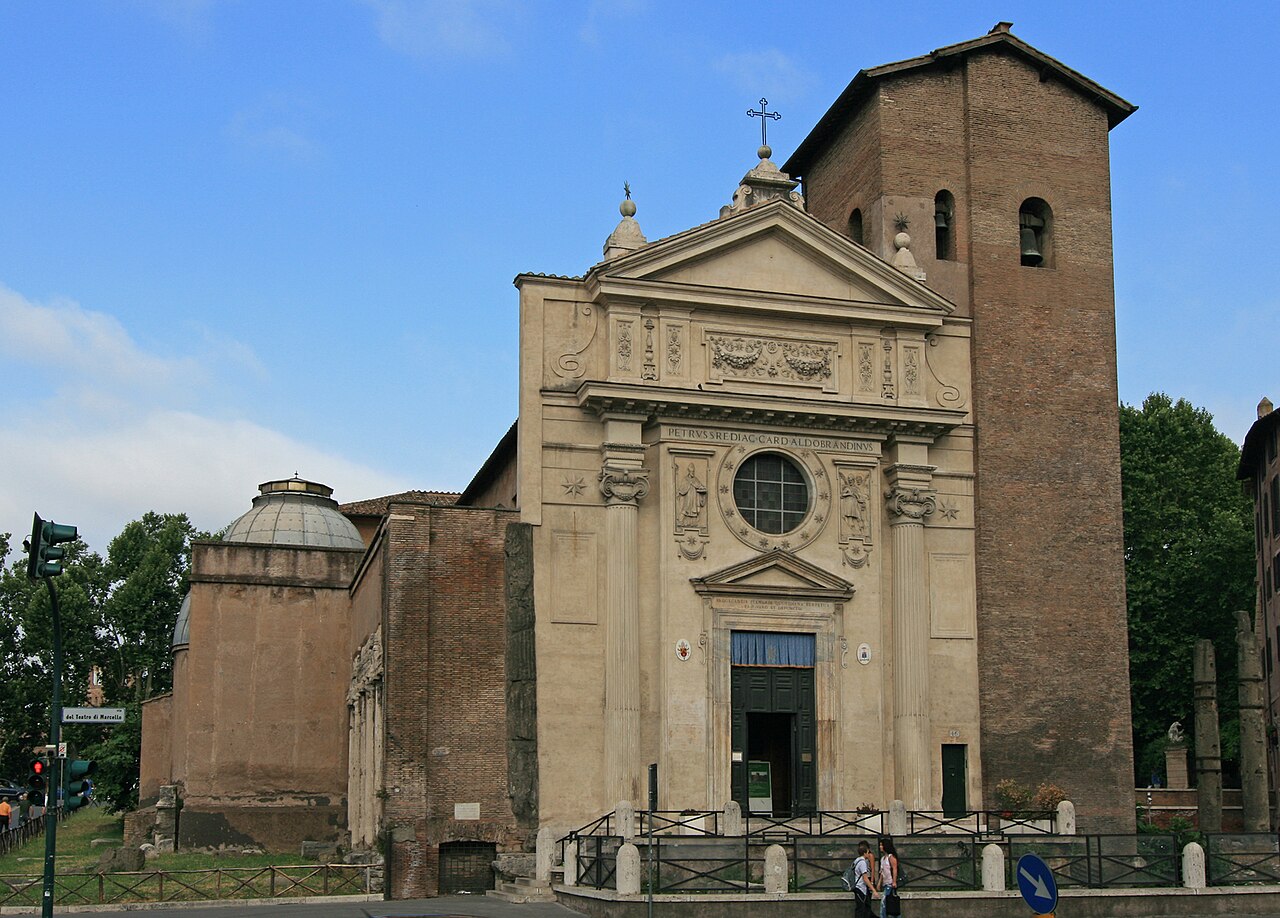
San Nicola in Carcere
Medieval church over three Republican temples; underground access varies
Explore
Underground Basilica of Porta Maggiore
Rome's most mysterious 1st-century subterranean basilica
Explore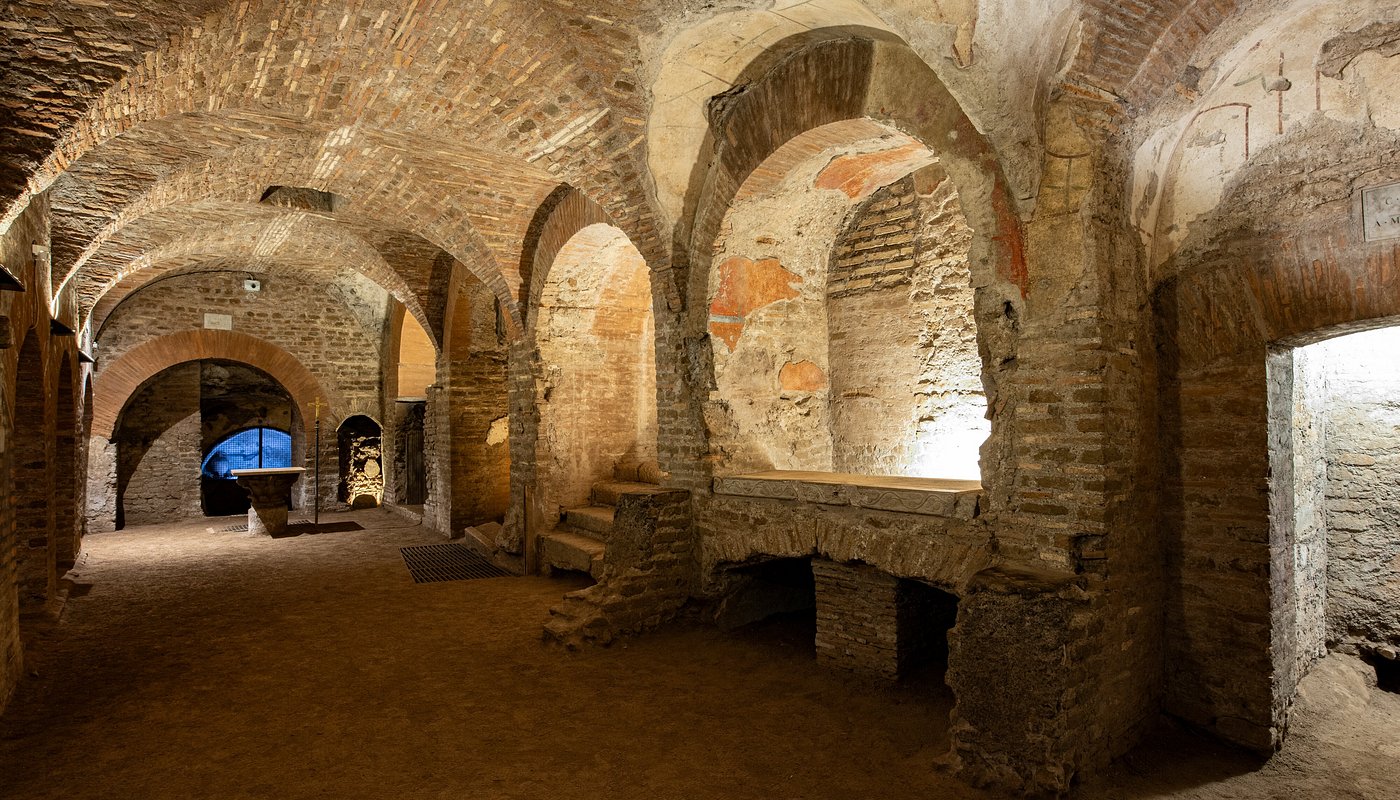
Catacombs of Priscilla
Rare early Christian frescoes including an early image identified as the Virgin and Child
Explore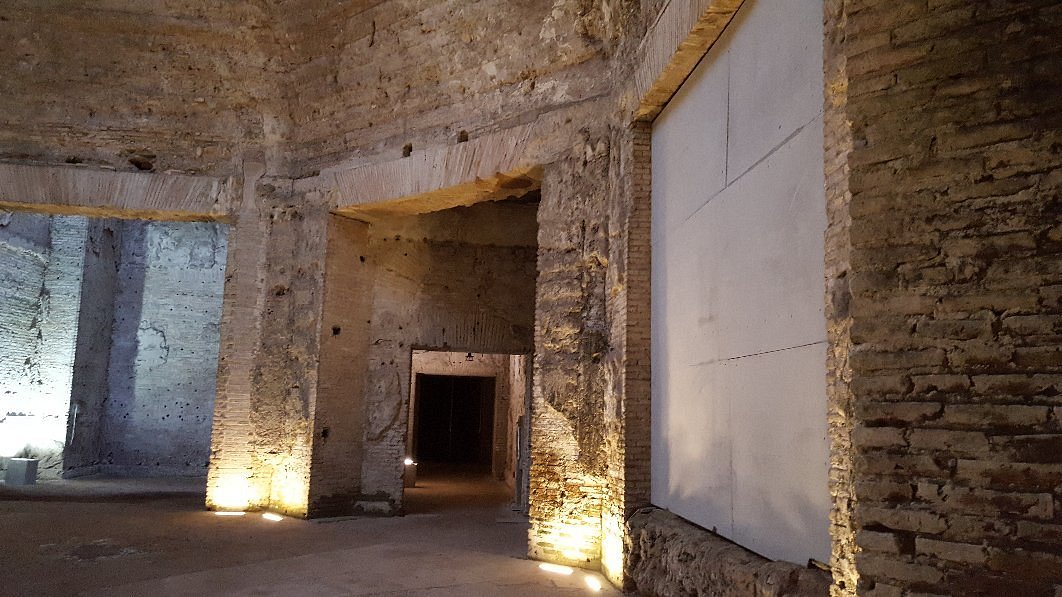
Domus Aurea
Nero's buried Golden House — Friday to Sunday visits, VR tour available
Explore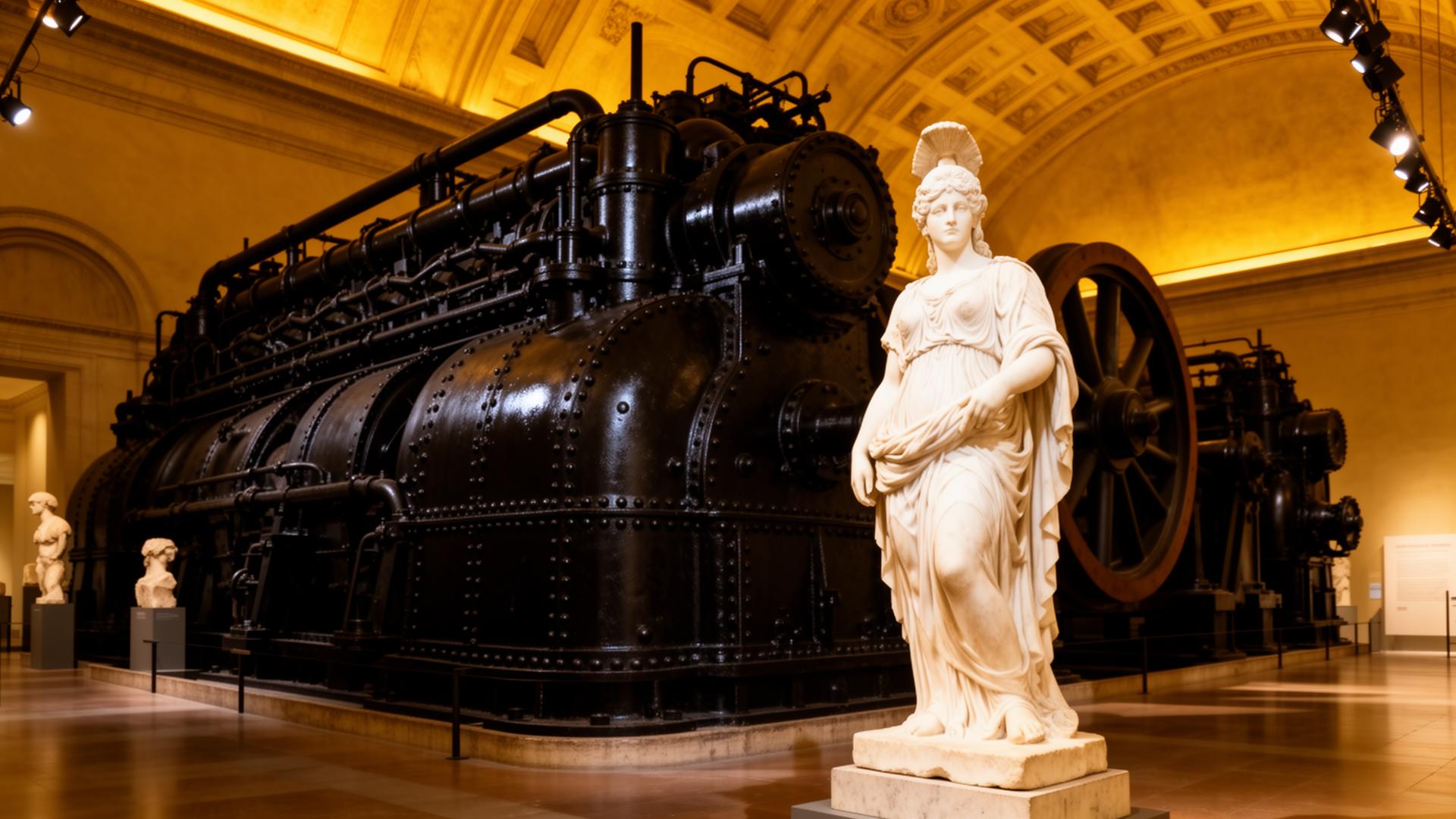
Centrale Montemartini
Ancient sculptures among industrial machinery—Rome's most unique museum
Explore
Villa d'Este
Renaissance masterpiece with 500+ fountains in Tivoli
ExploreQuick Planning Guide
⏱️ Time Needed
45-60 minutes
💰 Cost
€10 adults, €6.50 reduced, €7.50 groups
🎫 Reservation
Strongly recommended
♿ Accessibility
Limited (steps to crypt)
📅 Best Time
Weekday mornings
👨👩👧👦 Family Friendly
Recommended 10+
🌡️ Weather
Indoor — cool underground year-round
Nearby Attractions
Piazza Barberini2-min walk
Palazzo Barberini & Galleria Nazionale5-min
Trevi Fountain10-min walk
Quattro Fontane8-min walk
Spanish Steps12-min walk
Featured In These Itineraries
Hidden Gems of Rome5 Day Rome ItineraryEssential Tips
- ✓ Pre-book online — entrance is tiny, queues build fast
- ✓ Strict no-photography policy in the crypt
- ✓ Cover shoulders and knees (refused otherwise)
- ✓ Bring a light layer — cool underground year-round
- ✓ Combine with Palazzo Barberini next door