 UNESCO Site
Villa d'Este
The pinnacle of Renaissance garden design—hundreds of fountains, jets and gravity-fed water features, and frescoed palace rooms, all set on dramatic terraced hillsides in Tivoli.
2-3 hoursCheck official pricingTivoli (30km)Hundreds of fountainsPiazza Trento, 5, TivoliOpen on MapPlan Your Visit
Compare tickets, tours and stays — booking ahead usually gives more choice
Get TicketsBook a TourHotels NearbyTable of Contents
Jump to any section of the itinerary
Why Visit Villa d'Este?
Villa d'Este is considered the pinnacle of Italian Renaissance garden design and a UNESCO World Heritage Site since 2001. Cardinal Ippolito II d'Este transformed a Benedictine convent into this extraordinary estate, featuring hundreds of fountains, jets and water features powered entirely by gravity.
The ingenious hydraulic engineering creates a symphony of water—cascading down terraces, shooting into the air, and even playing music through the famous Organ Fountain. This masterpiece influenced later European garden design for centuries, including Versailles.
Must-See Fountains & Features
Fountain of Neptune
The dramatic centerpiece with powerful jets rising high into the air against the terraced backdrop
Organ Fountain (Fontana dell'Organo)
An engineering marvel that uses water pressure to play organ music; the hydraulic organ is currently activated daily from 10:30, then every two hours (schedule subject to change).
Hundred Fountains (Cento Fontane)
A spectacular 130-meter avenue lined with a long row of jets, spouts, animal heads, and obelisks—not hundreds of separate monumental fountains
Oval Fountain
A serene semi-circular fountain surrounded by nymphs and overlooking the valley below
Rometta (Little Rome)
A miniature reproduction of ancient Rome with tiny models of landmarks and the Tiber flowing around
Palace Frescoes
The villa interior features stunning Mannerist frescoes depicting mythological scenes and Este family history
History & Significance
Villa d'Este was created between 1550 and 1572 for Cardinal Ippolito II d'Este, son of Lucrezia Borgia and grandson of Pope Alexander VI. Disappointed at losing the papal election, he channeled his ambition into creating an estate that would rival the Vatican itself.
The cardinal employed architect Pirro Ligorio and engineer Alberto Galvani to transform a steep hillside into terraced gardens. They diverted the river Aniene through a complex underground tunnel system to power the hundreds of fountains, jets and water features—all without pumps, using only gravity.
The gardens fell into disrepair after the Este family died out but were restored in the early 20th century. They've inspired composers like Franz Liszt (who composed "Les jeux d'eau à la Villa d'Este" here) and influenced later European garden design, from Versailles to the fountains of Peterhof in Russia.
Historical Timeline
1550Cardinal Ippolito II d'Este appointed Governor of Tivoli, begins villa construction
1572Major fountain works completed; Cardinal d'Este dies the same year
1605Cardinal Alessandro d'Este adds the Water Organ fountain
1803Villa passes to the House of Habsburg
1918Italian state acquires the property after WWI
2001Designated a UNESCO World Heritage Site
Getting There from Rome
🚌 Public Transport
Take Metro B to Ponte Mammolo, then Cotral bus to Tivoli centro. Allow longer than an hour once transfers and waiting are included. Villa d'Este is in the town center, a short walk from the bus stop — confirm current schedules and shuttle options locally.
🚐 Guided Tour
Many day tours include both Villa d'Este and Hadrian's Villa with lunch in Tivoli— the easiest and most informative option for visitors.
Tickets & Tours
Skip-the-Line Entry
Pre-booking may reduce ticket-office waiting, although entrance checks can still apply.
Book Tickets →Tivoli Day Tour from Rome
A full-day tour combining Villa d'Este and Hadrian's Villa with transport and an expert guide may be available — check current offerings when booking.
View Tours →Common Mistakes to Avoid
Assuming Monday hours are the same as other days
Consequence: Villa d'Este normally opens Monday afternoons from 14:00, with longer hours on other days.
Solution: Check the official calendar before visiting, especially around holidays.
Missing the Organ Fountain show
Consequence: You leave without hearing the famous water-powered music.
Solution: The organ is currently activated daily from 10:30 and then every two hours — check posted show times at the entrance, as the schedule can change.
Wearing high heels or flip-flops
Consequence: Steep, slippery terraces become dangerous.
Solution: Wear sturdy, grippy walking shoes; the gardens have many steps.
Going during midday in summer
Consequence: Crowds peak and harsh light flattens the fountain photos.
Solution: Visit late afternoon — softer light, fewer people, fountains backlit.
Skipping the palace interior
Consequence: You miss spectacular Mannerist frescoes that rival Vatican rooms.
Solution: Allow 30-45 minutes for the indoor rooms before exiting to the gardens.
Trying to combine with too much
Consequence: Rushing means you'll only see half the fountains.
Solution: Combining with Hadrian's Villa is possible but needs a full day and careful transport planning — pace yourself accordingly.
Insider Tips
Descend, then climb back
Walk down to the lowest fountains first while you're fresh — the climb back up is steep but quieter at the top.
Time the Organ Fountain
It's currently activated daily from 10:30 and then roughly every 2 hours. Arrive 10 minutes before showtime for a front-row spot, and confirm the schedule locally.
Best photo spot
From the second terrace looking down toward the Hundred Fountains aligned with Cento Fontane is the iconic shot.
Lunch in Tivoli town
Walk 5 min to the historic center for trattorias serving pizza bianca and Lazio specialties.
Where to Stay in Tivoli
Stay overnight in Tivoli to catch both UNESCO villas at golden hour and enjoy a quiet evening in the historic hilltop town — far more relaxed than commuting back to Rome.
Browse Hotels in Tivoli →Frequently Asked Questions
How do I get to Villa d'Este from Rome?
Take Metro B to Ponte Mammolo, then the Cotral bus to Tivoli. Allow longer than an hour once transfers and waiting are included. The villa is in the town center. Alternatively, book a guided tour with transportation.
How long should I spend at Villa d'Este?
Plan 2-3 hours to fully explore the terraced gardens and fountains. The palace interior with frescoes adds another 30-45 minutes.
Can I visit both Villa d'Este and Hadrian's Villa in one day?
Yes, both UNESCO sites are in Tivoli, about 5km apart, but combining them requires a full day and some transport planning. Start early at Hadrian's Villa, then visit Villa d'Este in the afternoon.
What are the must-see fountains?
The Fountain of Neptune, Organ Fountain (plays music!), Hundred Fountains, Oval Fountain, and the Rometta (miniature Rome) are the highlights.
Is Villa d'Este accessible for visitors with mobility issues?
The site has steep terraces and many steps. While some upper areas are accessible, much of the garden involves navigating slopes and stairs.
Related Attractions

Protestant Cemetery
Romantic poets Keats and Shelley rest in this peaceful garden beside the Pyramid
Explore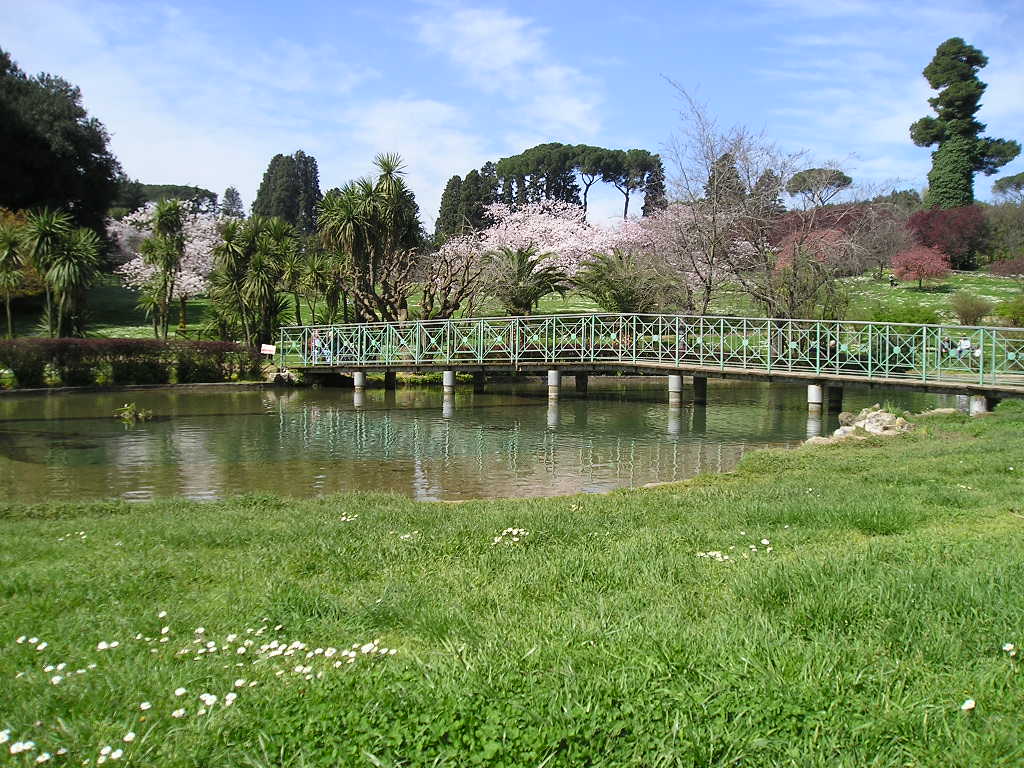
Villa Torlonia
Eclectic noble estate with Art Nouveau Owl House and Mussolini's former residence
Explore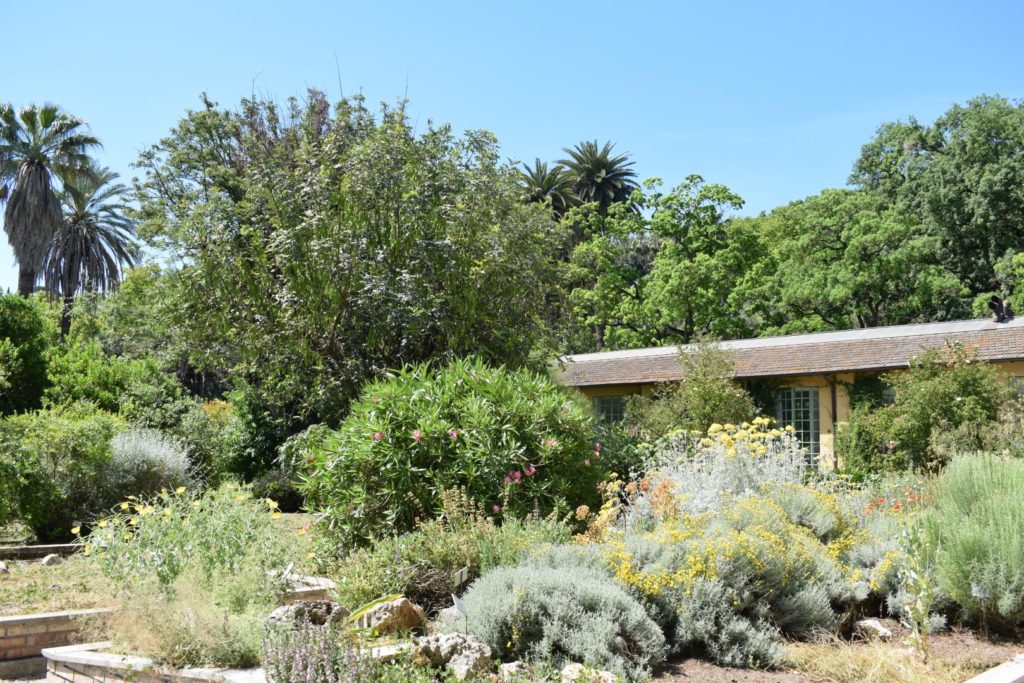
Orto Botanico
12-hectare botanical paradise with Japanese garden
Explore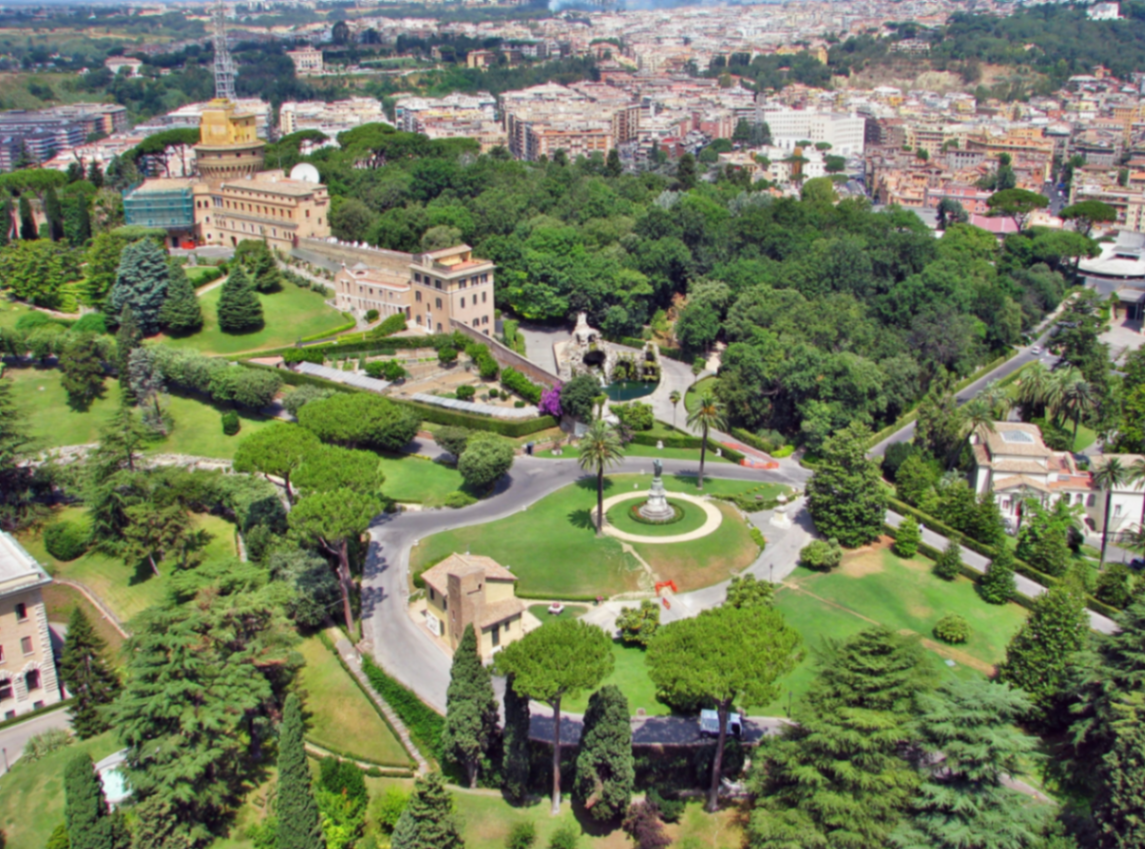
Vatican Gardens
Pope's private paradise—57 acres of Renaissance gardens
Explore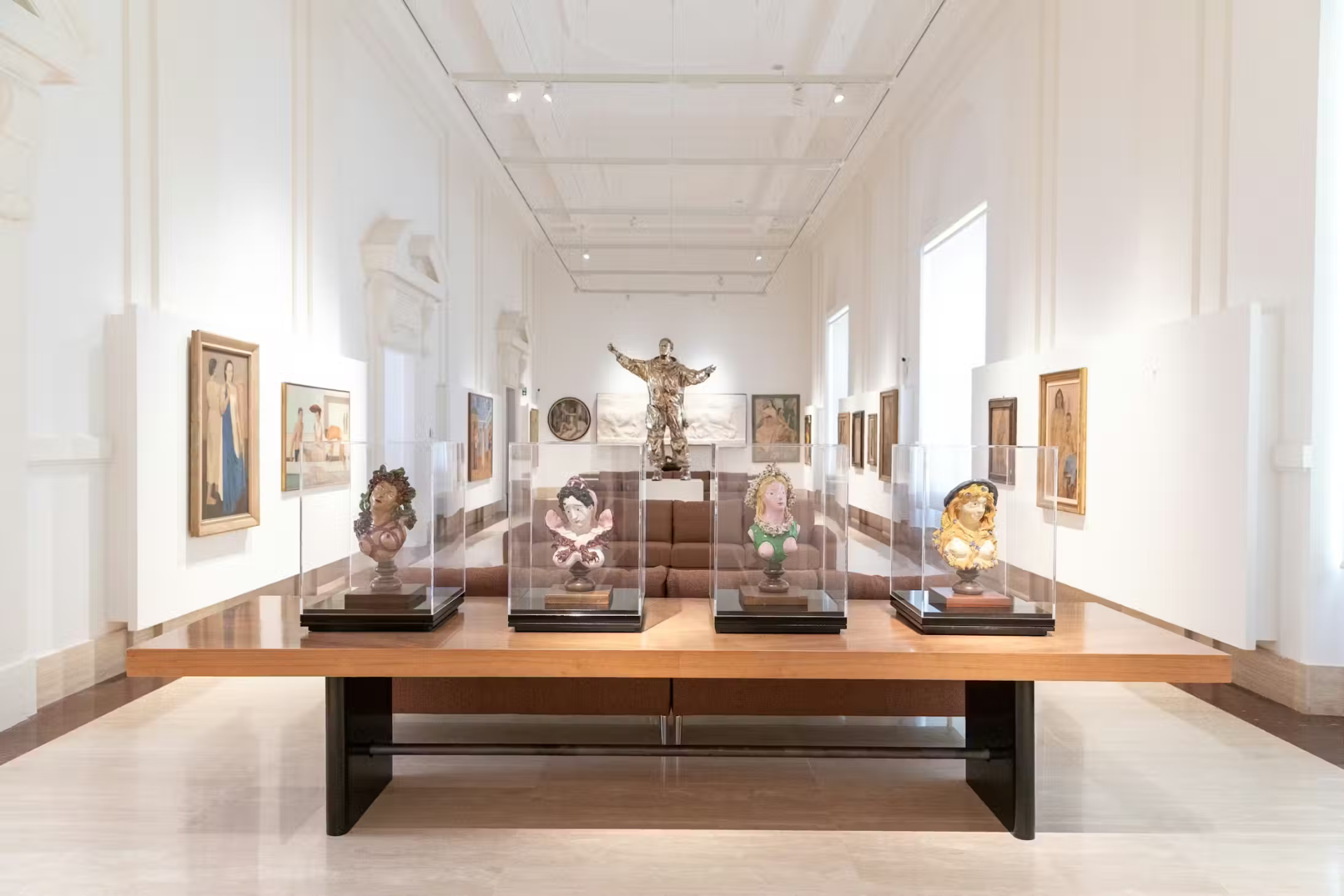
Palazzo Merulana
Hidden gem with 20th-century Italian masterpieces
Explore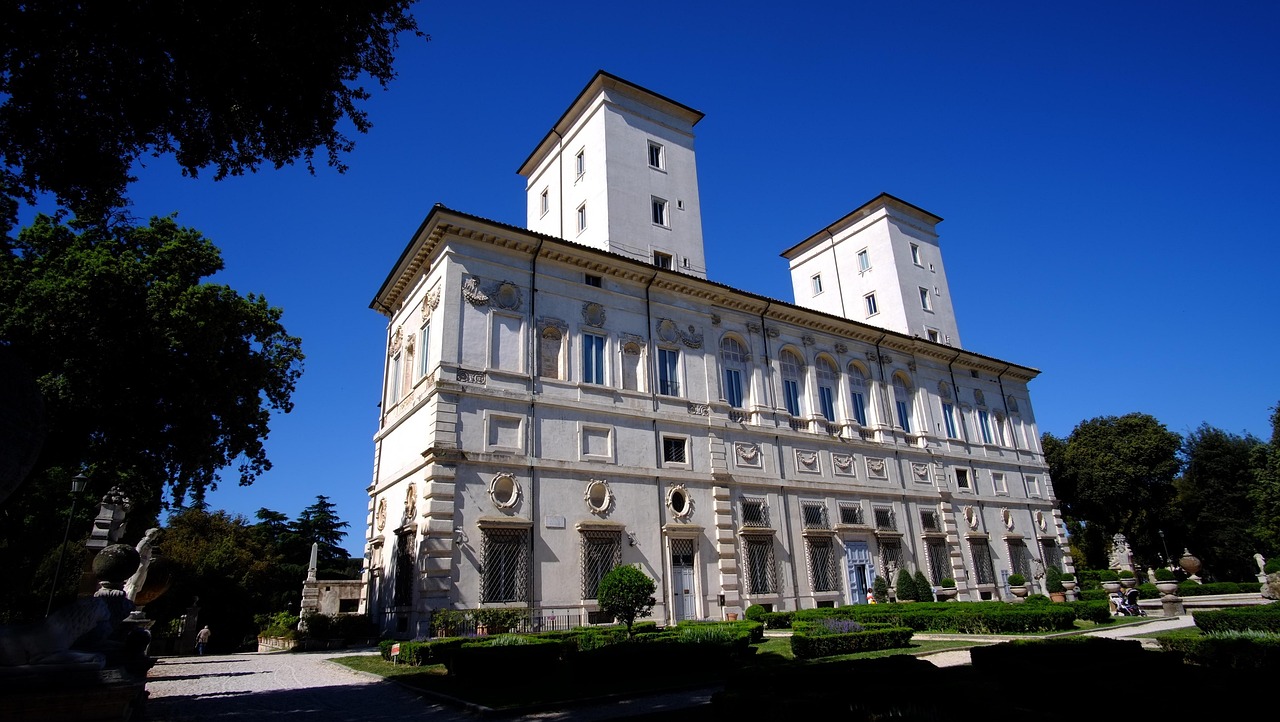
Borghese Gallery
World-class art with Bernini sculptures and Caravaggio paintings
ExploreQuick Planning Guide
⏱️ Time Needed
2-3 hours
💰 Cost
Check official pricing
🎫 Reservation
Recommended
♿ Accessibility
Limited (steep terraces)
📅 Best Time
Late afternoon light
👨👩👧👦 Family Friendly
Yes, all ages
Nearby Attractions
Hadrian's VillaVilla GregorianaTivoli Town CenterTemple of VestaFeatured In These Itineraries
Gardens & VillasHidden Gems RomeEssential Tips
- ✓ Opens Monday afternoons from 14:00; longer hours other days — check the official calendar
- ✓ Wear comfortable walking shoes
- ✓ Combine with Hadrian's Villa
- ✓ Best in late afternoon light
- ✓ Bring camera for fountains