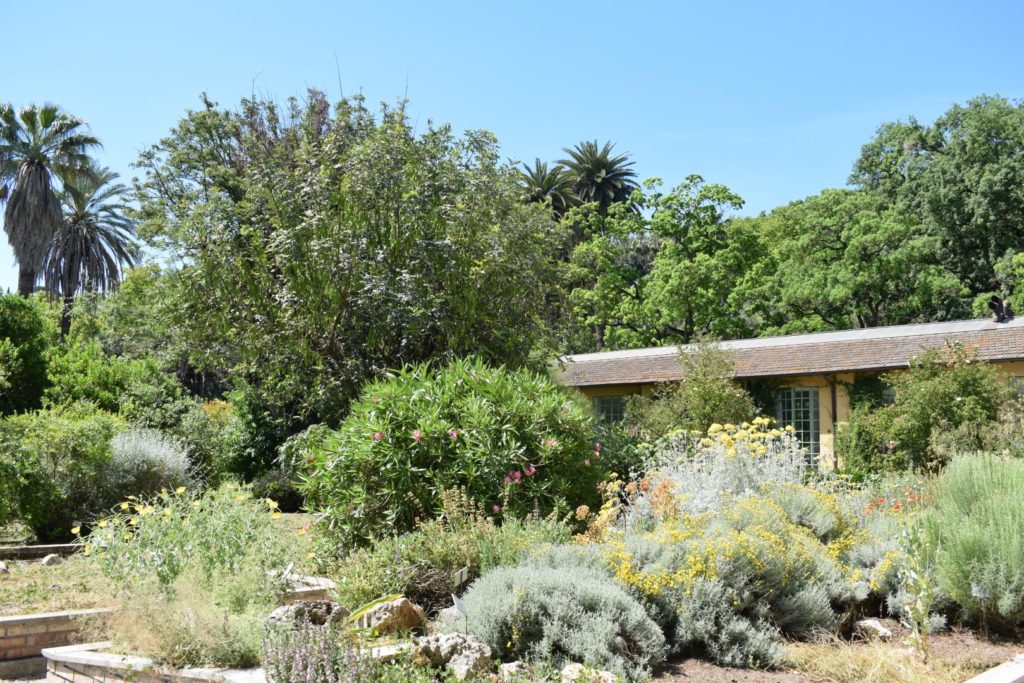
 Hidden gem — Trastevere
Orto Botanico
Rome's most peaceful 12-hectare oasis — a historic botanical garden climbing the Janiculum slopes through Japanese gardens, bamboo groves, ancient sequoias and Renaissance fountains.
90–120 min09:30–18:30 daily12 hectares3,000+ speciesLargo Cristina di Svezia 24, 00165 Roma RMOpen on MapPlan Your Visit
Compare tickets, tours and stays — booking ahead usually gives more choice
Get TicketsBook a TourHotels NearbyThe Orto Botanico di Roma is the botanical garden of Sapienza University — a 12-hectare historic park climbing the slopes of the Janiculum Hill in Trastevere, on the former private grounds of the 17th-century Palazzo Corsini and the gardens of Queen Christina of Sweden. Founded in its current location in 1883 and home to over 3,000 plant species, the garden combines a working scientific collection with one of the most peaceful green spaces in central Rome. Wander through the authentic Japanese garden created with the Embassy of Japan in 1994, climb the Renaissance Scalinata delle Undici Fontane designed by Ferdinando Fuga in the 1730s, lose yourself in the bamboo grove and the giant California sequoias planted in the 1880s, and end at the 19th-century glasshouses with their tropical and orchid collections. Open every day, including Sundays and holidays, 09:30–18:30 (last admission 17:30) — check the official Sapienza garden calendar for any specific dates.
Why visit the Orto Botanico?
Most Roman attractions are crowded and indoors. The Orto Botanico is the opposite — a quiet, outdoor 12-hectare green space climbing the Janiculum slopes, where you can spend two hours without seeing a tour group, recharge between museum visits, and discover one of the great hidden corners of Renaissance and 19th-century Rome.
- Authentic Japanese garden: a dry-and-water garden created 1994 with the Japanese Embassy and designers from Kyoto. Spectacular in sakura (March–April) and momiji (November) seasons.
- Ancient sequoias and bamboo grove: California giant sequoias planted in the 1880s — now the largest trees in central Rome — and a 15-metre bamboo forest that delights children and photographers.
- Renaissance Eleven Fountains: Ferdinando Fuga's 1730s Baroque cascade staircase climbing the Janiculum — the architectural backbone of the garden, restored 2018–2020 and once again fully flowing.
- 3,000 plant species: including the Italian rose garden (350 varieties), the medicinal herb garden, the sensory garden for visually impaired visitors and the historic glasshouses with their orchid collection.
- Almost no crowds, picnic-friendly: a fraction of the visitors of any other major Roman attraction, picnic lawns, perfect for families and a perfect break from museum-heavy days.
Quick facts
Founded
1883 (current site)
Size
12 hectares
Plant species
3,000+
Entry
See official ticket page
Visit time
90–120 minutes
Open
Daily, 09:30–18:30
Location
Largo Cristina di Svezia 24
Managed by
Sapienza University
Table of Contents
Jump to any section of the itinerary
A brief history
Rome's first botanical garden was the medicinal-plant garden created in the Vatican in 1278 by Pope Nicholas III — a precursor to all later European botanical gardens. The collection was expanded under successive Renaissance popes, with separate beds for medicinal, culinary and ornamental plants and the first attempts at scientific classification.
The future site of the Orto Botanico — the eastern slope of the Janiculum, behind Palazzo Corsini in Trastevere — has been a garden for over four centuries. From 1659 the gardens were the private grounds of Palazzo Riario (later Palazzo Corsini), residence of Queen Christina of Sweden after her 1654 abdication and conversion to Catholicism. In 1736 Cardinal Neri Maria Corsini, the new owner, commissioned the architect Ferdinando Fuga to redesign both palace and gardens. Fuga created the magnificent Scalinata delle Undici Fontane (the Eleven Fountains cascade) climbing the hillside — still today the architectural backbone of the garden.
In 1820 the first University of Rome botanical garden was established at Panisperna in central Rome, separate from the future Trastevere site. The collection grew steadily but the location proved cramped. In 1883, after the Italian state's expropriation of the Palazzo Corsini estate, the gardens were gifted to the new University of Rome and the botanical collection was transferred from Panisperna. The Orto Botanico in its current form was born.
The garden suffered significant damage in the Second World War — bombing scars, requisition for food production and loss of staff. A major 1960s restoration recreated the lost greenhouse collections, expanded the Mediterranean and palm sections, and opened the garden to the wider Roman public. The authentic Japanese garden was added in 1994 with the assistance of the Embassy of Japan in Rome and a team of landscape designers from Kyoto.
A four-year restoration of the 19th-century glass-and-iron greenhouses (2010–2014) recovered the tropical, orchid and succulent collections. The Baroque Eleven Fountains cascade was restored in 2018–2020, with the water flow re-established and the Travertine basins consolidated. A new dedicated sensory garden opened in 2024 for visually impaired visitors. Conservation and maintenance work continues on the historic greenhouses — check the official Sapienza garden calendar for any current partial closures.
Orto Botanico through the centuries
1278First Vatican botanical garden
Pope Nicholas III creates the first papal medicinal-plant garden in the Vatican — a precursor to all later Roman botanical gardens. Plants are grown for the medicinal needs of the papal household.
1500sRenaissance herbal gardens
The papal medicinal garden is developed and expanded under successive Renaissance popes, with separate beds for medicinal, culinary and ornamental plants and the first attempts at scientific classification.
1659Queen Christina arrives in Rome
Christina of Sweden, having abdicated and converted to Catholicism, arrives in Rome and is given Palazzo Riario (later Palazzo Corsini) as her residence. Her gardens climb the Janiculum slope on the future Orto Botanico site.
1736Cardinal Corsini's redesign
Cardinal Neri Maria Corsini, having bought the palazzo, commissions Ferdinando Fuga to redesign both palace and gardens. Fuga creates the Scalinata delle Undici Fontane (Eleven Fountains cascade) climbing the hillside — still the architectural backbone of the garden.
1820First university botanical garden
The first University of Rome botanical garden is established at Panisperna (now part of the Lazio regional government complex), separate from the future Trastevere site. The collection grows steadily but the location proves cramped.
1883Move to Palazzo Corsini gardens
After the Italian state's expropriation of the Palazzo Corsini estate in 1883, the gardens are gifted to the new University of Rome and the botanical collection is transferred from Panisperna. The Orto Botanico in its current form is born.
1932Sapienza University
The University of Rome is officially renamed 'La Sapienza' under the 1932 reform; the Orto Botanico becomes formally part of the university's Department of Environmental Biology. The teaching and research function is established.
1944WWII damage
The garden suffers significant damage in 1943–1944 — bombing scars, requisition for food production and loss of staff. Several greenhouses and rare specimens are destroyed; restoration takes 15 years.
1960sPost-war restoration & expansion
A major restoration recreates the lost greenhouse collections, expands the Mediterranean and palm sections, and opens the garden to the wider Roman public. Visitor numbers begin to rise from a research-only audience.
1994Japanese Garden created
An authentic Japanese garden is created with the assistance of the Japanese Embassy in Rome and a team of landscape designers from Kyoto — koi pond, stone lanterns, Japanese maples and traditional design principles. Becomes the most photographed corner of the garden.
2010–2014Greenhouse restoration
A four-year restoration of the 19th-century glass-and-iron greenhouses recovers the tropical, orchid and succulent collections and adds modern climate control. The Corsini Greenhouse (1877) reopens with its full tropical collection on display.
2018–2020Eleven Fountains restored
The Baroque Scalinata delle Undici Fontane is fully restored, with the water flow re-established and the Travertine basins consolidated. The cascade becomes the visual centrepiece of the garden once more.
2024Sensory garden opens
A new dedicated sensory garden opens for visually impaired visitors — fragrant plants, tactile labels in Braille, low-positioned beds and audio guides. A model project in European botanical-garden accessibility.
2026Ongoing greenhouse conservation
Conservation and climate-control maintenance continues on the historic greenhouses. Check the official Sapienza garden calendar for any current partial closures before visiting.
The themed gardens — what to expect section by section
Japanese Garden (1994)
Authentic dry-and-water garden created with the Embassy of Japan and designers from Kyoto. Koi pond, ornamental bridges, Japanese maples, stone lanterns. Spectacular in sakura (March–April) and momiji (November).
Bamboo grove & sequoias
A wide-aisle forest of 15-metre Phyllostachys bamboo, plus the California giant sequoias planted in the 1880s — now over 30 metres tall and the largest trees in central Rome.
Italian rose garden
Over 350 varieties of roses arranged in formal beds — peak bloom May–June. Includes historic Roman cultivars, modern hybrids and rare 19th-century specimens preserved as living heritage.
Eleven Fountains cascade
Ferdinando Fuga's 1730s Baroque staircase climbing the Janiculum. Eleven small basins step up the hillside, fully restored 2018–2020. The view from the top is the photo of the day.
Sensory garden (2024)
A dedicated garden for visually impaired visitors, opened 2024. Fragrant plants, tactile labels in Braille, low-positioned beds and audio guides. A model project in European botanical-garden accessibility.
Historic greenhouses (1877+)
Four 19th-century glass-and-iron greenhouses with the tropical collection (orchids, palms, banana trees) and the cactus collection from the Americas.
What to see at the Orto Botanico
Japanese Garden
- Authentic dry-and-water Japanese garden created 1994 with the Japanese Embassy and landscape designers from Kyoto.
- Koi pond crossed by ornamental wooden bridges, with raked gravel beds, stone lanterns and carefully placed rocks following the principles of harmony and balance.
- Spectacular in March–April for the cherry blossom (sakura) and in November for the Japanese maple foliage (momiji) — the only place in central Rome to see both.
- A meditative refuge — benches positioned for contemplation of the pond. Photography most rewarding in soft early-morning or late-afternoon light.
Ancient trees & forest sections
- California giant sequoias (Sequoiadendron giganteum) planted in the 1880s — now over 30 metres tall and the largest trees in central Rome.
- Bamboo grove — a wide-aisle forest of 15-metre Phyllostachys bamboo creating dappled light and the unique sound of bamboo in the breeze. A favourite with children and photographers.
- Mediterranean forest section with native Italian oaks (Quercus ilex), pines, cypress and arbutus, recreating the natural woodland of Lazio.
- Palm collection along the central avenue — over 20 palm species from the Mediterranean, the Canary Islands, South America and Asia, some dating to the garden's founding in 1883.
Specialised gardens
- Italian Rose Garden — over 350 varieties of roses arranged in formal beds, peak bloom May–June. Includes historic Roman cultivars and modern hybrids.
- Medicinal herb garden — a 'simples' garden in the Renaissance tradition, with the medicinal plants used in monastic and apothecary medicine, each labelled with its traditional uses.
- Sensory garden — opened 2024 for visually impaired visitors, with fragrant plants, tactile Braille labels, low-positioned beds and audio guides. Engaging for all visitors.
- Succulent and cactus collection — outdoor display of cold-hardy species and a dedicated greenhouse for tropical succulents from the Americas and Africa.
Historic features
- Scalinata delle Undici Fontane (Eleven Fountains cascade) — Ferdinando Fuga's 1730s Baroque staircase climbing the Janiculum slope. Eleven small basins step up the hillside, fed from a single source at the top. Restored 2018–2020 and once again fully flowing.
- Four 19th-century glass-and-iron greenhouses — the Corsini Greenhouse (1877, the largest, tropical collection), an orchid house, the succulent house and the small experimental greenhouse.
- Palazzo Corsini connection — the gardens were originally the private grounds of the 17th–18th century Palazzo Corsini, residence of Queen Christina of Sweden after her 1654 abdication and conversion. Christina is one of only three women buried in St Peter's Basilica.
- Renaissance terraces — the formal lower terraces preserve the geometric layout of the Corsini gardens, with box-hedge parterres and citrus trees in terracotta pots. The most 'Italian Renaissance' part of the garden.
Don't-miss details
- View from the top of the Eleven Fountains — climb to the top of the cascade for the best photo of the day: the lower garden, the rooftops of Trastevere, and St Peter's dome in the distance.
- Botanical labels — every significant tree and plant is labelled with both the scientific name and notes on the species' origin, history and uses. Read a few — the Orto Botanico is also a working teaching collection.
- Spring wisteria pergolas — long pergolas covered in mature wisteria vines, spectacular in mid-April when the racemes hang in cascades. One of the photo highlights of the Roman spring.
- Picnic lawns — designated lawns near the entrance and on the upper terrace where picnics are permitted (no glass, no alcohol, no barbecues). Combine with a stop at a Trastevere bakery for an open-air lunch.
The Japanese Garden — sakura, koi and serenity in Trastevere
The Japanese garden was created in 1994 in a formal collaboration between the Embassy of Japan in Rome, the City of Rome and the Department of Environmental Biology of Sapienza University. A team of Japanese landscape designers from Kyoto, working with Italian garden architects and the Sapienza botanists, designed an authentic dry-and-water garden following the traditional principles of harmony (wa), balance (kin) and natural beauty (shizen).
The garden combines two of the classic Japanese garden traditions. The water section features a koi pond crossed by ornamental wooden bridges, with marginal plantings of Japanese maples (Acer palmatum), iris and bamboo. The dry section uses raked gravel beds, carefully placed rocks and stone lanterns to suggest mountains, islands and water — a meditative space designed for contemplation rather than active circulation.
The garden has two great seasonal moments. In late March and early April the cherry trees (Prunus serrulata) come into flower for the sakura — the only place in central Rome where the Japanese cherry blossom tradition can be experienced authentically. In early-to-mid November the Japanese maples turn through gold, scarlet and crimson for the momiji autumn-foliage season — also unique in central Rome.
For photographers, the soft early-morning and late-afternoon light is essential — the koi pond and the maples both photograph poorly in direct midday sun. Aim for a 09:30 visit on a Tuesday or Wednesday for the best chance of having the garden almost to yourself.
The Eleven Fountains cascade — Fuga's Baroque masterpiece
The Scalinata delle Undici Fontane (the Staircase of the Eleven Fountains) is the architectural backbone of the Orto Botanico — a monumental Baroque cascade staircase climbing the eastern slope of the Janiculum from the lower garden to the upper terrace. Eleven small basins step up the hillside, fed by a single source at the top, in a design that combines the late-Renaissance villa-garden tradition with mature 18th-century Baroque sensibility.
The cascade was designed in the 1730s by Ferdinando Fuga (1699–1782), the Florentine architect commissioned by Cardinal Neri Maria Corsini to redesign Palazzo Corsini and its gardens. Fuga is also responsible for the Palazzo della Consulta on the Quirinale, the facade of Santa Maria Maggiore and the Palazzo della Reggia di Caserta in southern Italy — one of the great architects of the late Roman Baroque.
The cascade fell into partial disrepair during the 19th and 20th centuries, with the water flow stopping by the 1960s and the Travertine basins eroding. A 2018–2020 restoration by the Sapienza Department of Environmental Biology, with funding from the Italian Ministry of Culture and the Sovrintendenza Capitolina, fully consolidated the masonry, re-established the water supply from the original Acqua Paola feed, and restored the cascade to its full 18th-century operation. Check the official garden calendar for any current flow interruptions.
From the top of the cascade, the view back over the lower garden, the rooftops of Trastevere and the dome of St Peter's in the distance is the single best photograph in the Orto Botanico — and one of the underrated views of central Rome.
Orto Botanico walking itinerary
A 4-hour, 7-stop walk covering the Orto Botanico and lunch in the heart of Trastevere. Total distance ~2 km with a moderate climb up the Janiculum slope inside the garden, in the most beloved neighbourhood in Rome.
Walking route map


 📍
📍
📍
📍
📍
📍
📍
+− Leaflet | © OpenStreetMap contributors
📍
📍
📍
📍
📍
📍
📍
+− Leaflet | © OpenStreetMap contributorsClick on markers for stop details. Numbers indicate the walking order.
1StartPonte Sisto (start)
Renaissance bridgeStart at Ponte Sisto — the elegant Renaissance pedestrian bridge built 1473–1479 by Pope Sixtus IV. From Campo de' Fiori it is a 5-minute walk south. Cross the bridge into Trastevere.
28 minVia della Lungara walk
Renaissance roadTurn right onto Via della Lungara — the Renaissance papal road built by Julius II to connect the Vatican to Trastevere. Walk 8 minutes north past Villa Farnesina on your left.
35 minOrto Botanico entrance
Garden entranceThe entrance is at Largo Cristina di Svezia 24, on the left just past Villa Farnesina. Pay at the gatehouse (check the official ticket page for current prices), pick up the free trail map.
440 minJapanese Garden & rose garden
Themed gardensWalk straight ahead and slightly left to the Japanese garden (20 minutes by the koi pond) and the adjacent rose garden (peak May–June, 350 varieties).
530 minEleven Fountains & Janiculum slope
Renaissance cascadeClimb the Renaissance Scalinata delle Undici Fontane up the hillside. Stop at the top for the view back over the garden and the rooftops of Trastevere.
630 minBamboo grove, sequoias & greenhouses
Ancient treesWalk through the bamboo grove and the giant sequoia collection on the upper terrace, then descend to visit the historic 19th-century glasshouses with the tropical and orchid collections.
775 minLunch in Trastevere
Roman lunchExit and walk 10 minutes south to Piazza di Santa Maria in Trastevere. Da Enzo al 29 (booking essential), Da Teo or Spirito Divino serve Roman classics — €30–45 a head.
Orto Botanico vs Villa Borghese — which Roman garden?
| Feature | Orto Botanico | Villa Borghese |
|---|---|---|
| Type | Scientific botanical garden (Sapienza University) | Public urban park (Comune di Roma) |
| Size | 12 hectares | 80 hectares |
| Plant species | 3,000+ catalogued and labelled | Mostly large trees, no botanical labelling |
| Entry | See official ticket page | Free |
| Open hours | Daily 09:30–18:30 (last admission 17:30) | Open daily, dawn to dusk |
| Atmosphere | Quiet, contemplative, scientific | Lively park with cyclists, joggers, families |
| Highlights | Japanese garden, sequoias, Renaissance fountains, greenhouses | Galleria Borghese, lake, Pincio terrace |
| Best for | Plant lovers, peace-seekers, photographers | Joggers, picnickers, families with bikes |
Verdict: do both. Villa Borghese is a free public park ideal for cycling, jogging and the Galleria Borghese visit; the Orto Botanico is a paid scientific garden ideal for plant-lovers, photographers and a contemplative Trastevere morning. They complement rather than compete.
Best time to visit
Time of day
Morning (09:30–11:00)
Best — opens at 09:30 and the first hour is quiet. Soft morning light is ideal for the Japanese garden and the rose garden.
Late afternoon (16:00–17:30)
Excellent in summer — cooler, gentler light, fewer visitors. Last admission is 17:30; the garden closes at 18:30. Check the official calendar for any seasonal exceptions.
Avoid midday in summer
July–August midday sun is harsh, the climb is exhausting and the photography is poor. Aim for 09:00 or 16:00.
Best days & seasons
March–April
Cherry blossom (sakura) in the Japanese garden, wisteria in flower, early roses. The most photographically rewarding season.
May–June
Peak rose-garden bloom (350 varieties), full greenery throughout. The most colourful season.
November
Spectacular Japanese maple foliage (momiji) — the only place in central Rome to see authentic Japanese autumn colour.
Weekday mornings
Arrive at the 09:30 opening for the quietest visit — the garden is large enough to never feel crowded.
Getting there
Walking from the centre (best)
From Campo de' Fiori or Piazza Farnese walk 5 min south to Ponte Sisto, cross the bridge into Trastevere and turn right onto Via della Lungara. The Orto Botanico entrance is at Largo Cristina di Svezia 24, an 8-minute walk along the river. The most scenic approach.
Bus to Lungotevere Farnesina
Bus 23 or 280 along Lungotevere — get off at Lungotevere Farnesina, the entrance is 100 metres away. Bus 23 runs from Piazzale Clodio (Vatican area) to Piramide; bus 280 from Ponte Mammolo to Piazza Mancini.
Tram 8 from Largo Argentina
From central Rome take tram 8 from Largo di Torre Argentina to Trastevere/Mastai stop, then walk 8 minutes north to the entrance.
From the Vatican
15-minute walk south along Lungotevere from St Peter's Square. Pleasant riverside walk passing Castel Sant'Angelo. Perfect for combining with a morning Vatican visit and a late-morning garden visit.
Common mistakes to avoid
Assuming seasonal or Monday-closure hours
The Orto Botanico is open every day, including Sundays and holidays, 09:30–18:30 (last admission 17:30). Specific exceptions are published for August 2026 — always verify on ortobotanicodiroma.it before travelling.
Confusing it with Villa Borghese
Villa Borghese is a free public park in northern Rome with the Galleria Borghese inside. The Orto Botanico is a paid scientific botanical garden in Trastevere with 3,000+ labelled plant species. Completely different experiences — both worthwhile, but for different reasons.
Wearing the wrong shoes
The garden climbs the steep eastern slope of the Janiculum with gravel paths, stone steps and uneven Renaissance staircases. Trainers or sturdy walking shoes are essential — leave the heels and dress shoes at the hotel.
Skipping the climb to the top of the cascade
Many visitors stay in the flat lower garden (Japanese garden, rose garden, greenhouses) and miss the climb up the Eleven Fountains cascade. The view from the top — over the lower garden, Trastevere rooftops and St Peter's dome — is the photo of the day.
Not bringing water in summer
The garden has only a small café near the entrance and very few drinking-water fountains. From May to September bring at least one litre of water per person — the climb and the heat add up.
Expecting a free first Sunday
This is a university garden managed by Sapienza, not part of the municipal first-Sunday-free programme — no monthly free-entry day applies here. Check the official ticket page for current prices before visiting.
Insider tips from locals
Visit at 09:00 sharp on a Tuesday or Wednesday
The garden opens at 09:00 and the first hour is virtually empty. Tuesday and Wednesday are the quietest days. The Japanese garden in soft morning light, alone — one of the most peaceful experiences in central Rome.
Pair with Villa Farnesina + Palazzo Corsini
Three world-class sights within 200 metres on Via della Lungara — and almost no one does all three. Villa Farnesina (09:00, Raphael frescoes) → Palazzo Corsini (10:30, Caravaggio) → Orto Botanico (12:00) → lunch in Trastevere. The most underrated morning in Rome.
Time the Japanese garden for sakura or momiji
Late March–early April for the cherry blossom (sakura) and early-to-mid November for the spectacular Japanese maple foliage (momiji). These are the only two weeks each year when the Japanese garden becomes a photographic destination in its own right.
Pack a picnic and use the upper-terrace lawn
Picnics on the lawns are permitted (no glass, no alcohol, no barbecues). Pick up bread, cheese and prosciutto from Antico Forno Roscioli (Via dei Chiavari 34, 10 minutes east) before crossing Ponte Sisto, and have an open-air lunch on the upper terrace with a view over Trastevere.
Arrive at opening for the quietest visit
The garden opens at 09:30 daily and the first hour is quiet. As a Sapienza University garden, it is not part of the municipal first-Sunday-free programme, so there is no crowd spike on that day here.
Climb to the Janiculum after the visit
From the top of the Eleven Fountains cascade you are 5 minutes from the Janiculum panoramic terrace (Piazzale Garibaldi) — the best free view of Rome. Exit the garden, walk up Via Garibaldi to the top — the perfect 30-minute coda to the visit, and totally free.
Where to Stay Near Orto Botanico
Looking for convenient accommodation near Orto Botanico? Stay within walking distance to make the most of your visit.
Hotels Near This AttractionTop Rated HotelsBudget-Friendly OptionsLuxury HotelsCentral locations with easy access to Orto Botanico and other attractionsFrequently Asked Questions
Related Attractions

Pincio Terrace
Rome's most romantic sunset panorama over Piazza del Popolo
Explore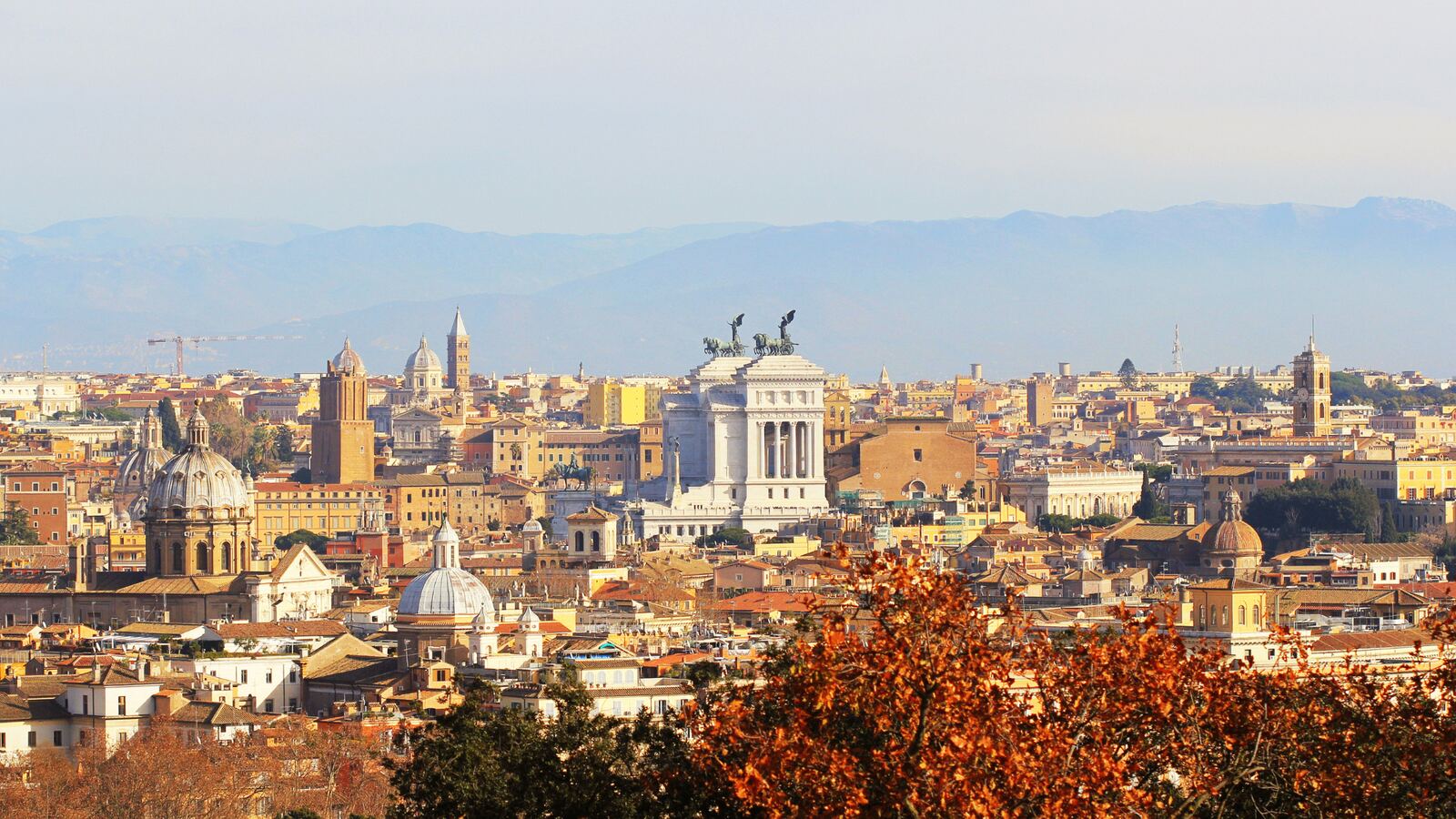
Monte Mario
Rome's highest hill (139m) with panoramic views and Mediterranean hiking trails
Explore
Villa d'Este
Renaissance masterpiece with 500+ fountains in Tivoli
Explore
Protestant Cemetery
Romantic poets Keats and Shelley rest in this peaceful garden beside the Pyramid
Explore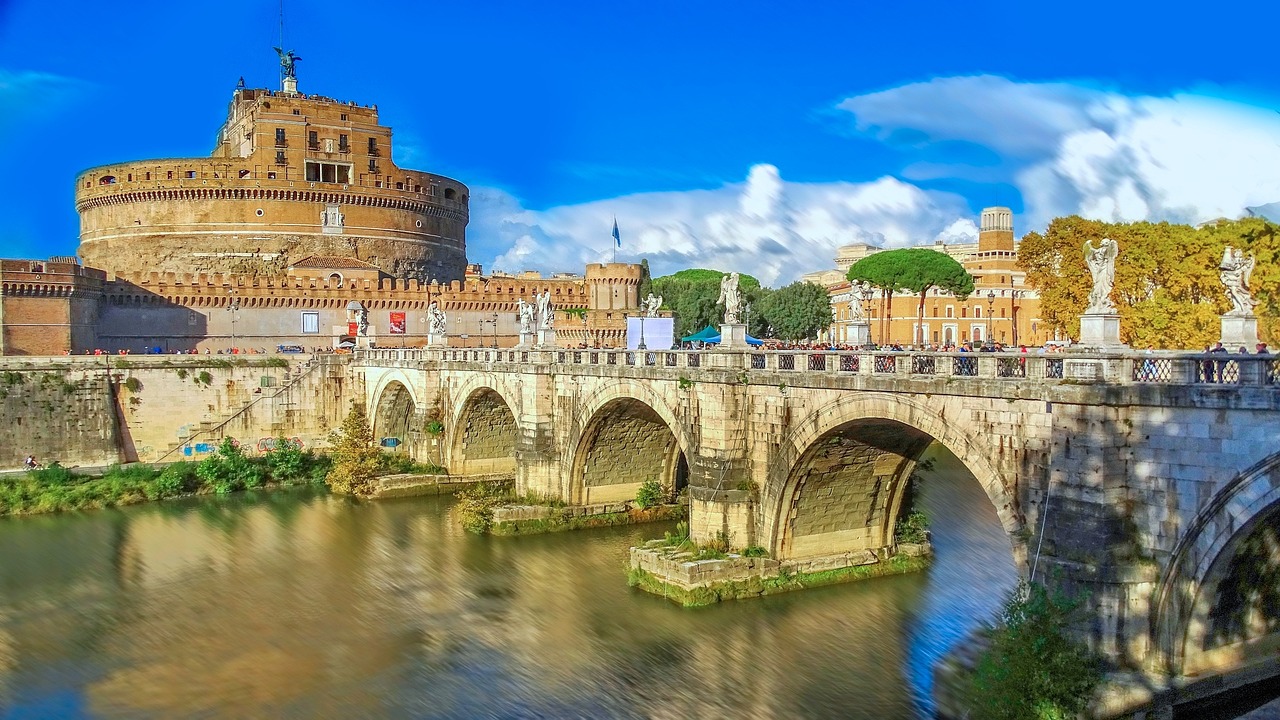
Castel Sant'Angelo
Ancient mausoleum turned papal fortress with panoramic city views
Explore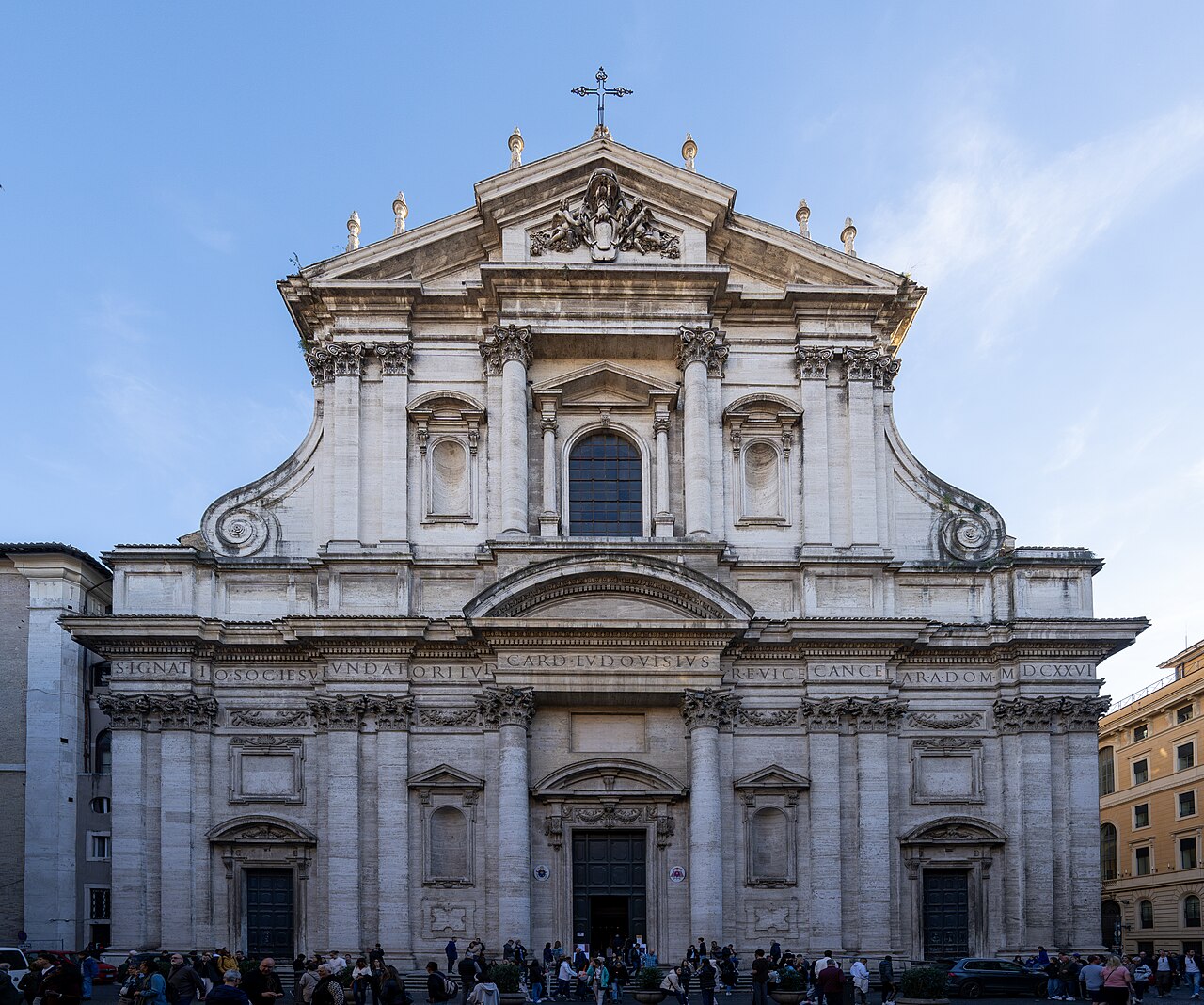
Sant'Ignazio di Loyola
Rome's most spectacular trompe-l'œil ceiling illusion
ExploreQuick Planning Guide
⏱️ Time Needed
90–120 minutes
💰 Cost
See official ticket page for current prices
🎫 Reservation
Walk-up — booking not required
♿ Accessibility
Lower garden flat & accessible; upper slopes uneven gravel
📅 Best Time
Weekday mornings, 09:30–11:00
👨👩👧👦 Family Friendly
Excellent — bamboo grove, koi pond, picnic lawns
🌡️ Weather
Outdoor — best in spring & autumn
Nearby Attractions
Villa Farnesinanext door
Palazzo Corsiniopposite
Janiculum Hill panoramic terrace10 min walk
Santa Maria in Trastevere12 min walk
Ponte Sisto & historic centre8 min walk
Featured In These Itineraries
Gardens & VillasHidden Gems of RomeRome with KidsEssential Tips
- ✓ Open every day, 09:30–18:30 (last admission 17:30)
- ✓ Check the official calendar for August 2026 exceptions
- ✓ Wear sturdy walking shoes (steep slopes)
- ✓ Bring water in summer
- ✓ Combine with Villa Farnesina + Palazzo Corsini