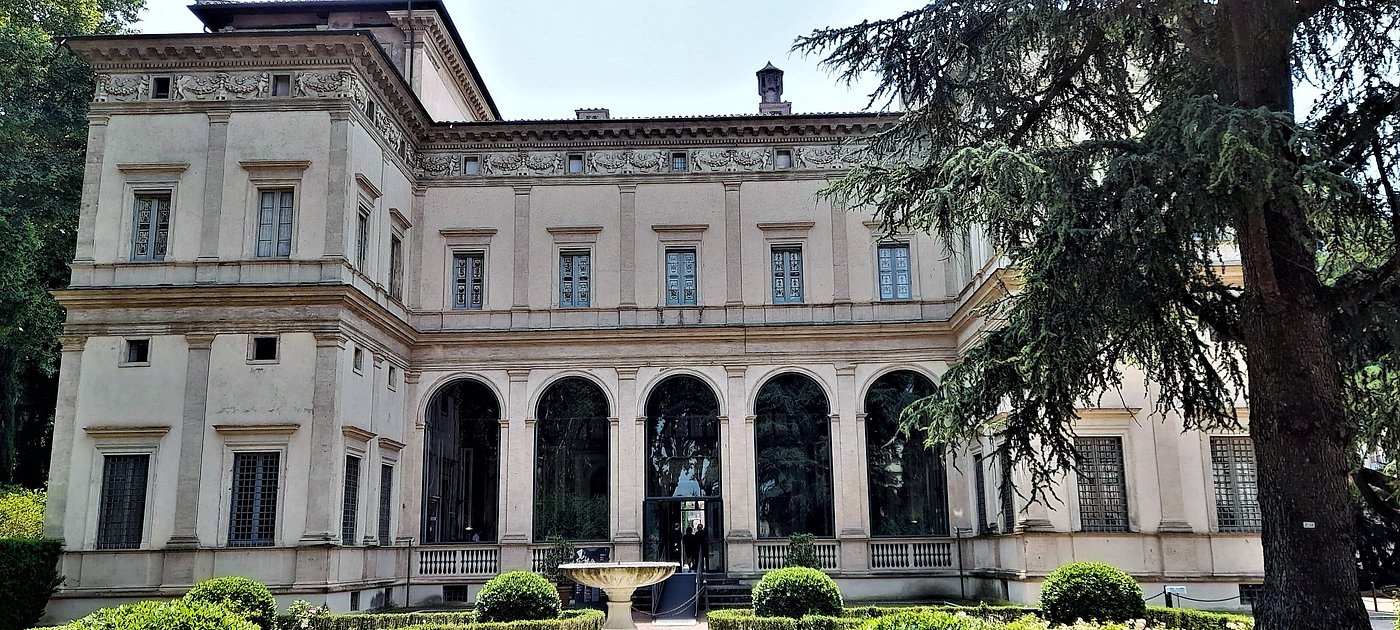
 Renaissance Masterpiece — hidden gem
Villa Farnesina
Raphael's sublime frescoes in an intimate Renaissance villa — the Vatican's masterpieces without the Vatican's crowds.
60–90 min€12Raphael1506–1510Via della Lungara 230, 00165 Roma RMOpen on MapPlan Your Visit
Compare tickets, tours and stays — booking ahead usually gives more choice
Get TicketsBook a TourHotels NearbyVilla Farnesina is the most precious small museum in Rome — a Renaissance suburban villa built 1506–1510 in Trastevere for Agostino Chigi, the wealthiest banker in Europe, by the architect Baldassare Peruzzi, and decorated by Raphael (the Triumph of Galatea and the Loggia of Cupid and Psyche), Peruzzi himself (the Sala delle Prospettive), Sodoma (the Wedding of Alexander and Roxane) and Sebastiano del Piombo. The Vatican Stanze, two kilometres north, contain Raphael at the same moment of genius, but draw far larger crowds; the Villa Farnesina remains comparatively uncrowded, and you will often find quiet moments in front of the Galatea, in the soft morning light it was painted for. €12 entry, Monday–Saturday 09:00–14:00. Italian guided tours are offered during the second-Sunday opening; consult the official booking calendar for current times.
Why visit the Villa Farnesina?
Most Roman museums show you Raphael in monumental halls swept by huge crowds. Villa Farnesina shows you Raphael in the intimate suburban villa he painted for his closest patron, in the soft morning light he intended, with frequently no other visitor in the room. There is no other place in the world to see High Renaissance painting like this.
- Raphael's Triumph of Galatea (1512): one of the supreme achievements of High Renaissance painting, in the Loggia of Galatea on the ground floor. Painted by Raphael's own hand at the height of his powers.
- Loggia of Cupid and Psyche (1517–1518): Raphael's design, executed by his workshop — the entire vault painted as an open garden pergola with Giovanni da Udine's spectacular botanical festoons framing the love-story.
- Peruzzi's Sala delle Prospettive (1518–1519): the founding monument of Renaissance illusionistic painting — walls dissolving into painted colonnades opening onto views of Renaissance Rome, with 1527 Sack-of-Rome graffiti.
- Sodoma's Wedding of Alexander and Roxane (1516–1517): one of the great Renaissance bedroom decorations, painted in Chigi's actual bedroom by the master who Raphael displaced from the Vatican.
- Comparatively uncrowded, €12, 90 minutes: nowhere near the crowds of the Vatican Museums. You will often have entire rooms largely to yourself.
Quick facts
Built
1506–1510
Frescoes
Raphael, Peruzzi, Sodoma, Sebastiano del Piombo
Patron
Agostino Chigi (papal banker)
Entry
€12 (€9 reduced)
Visit time
60–90 minutes
Style
High Renaissance
Location
Via della Lungara 230, Trastevere
Open
Mon–Sat 09:00–14:00
Table of Contents
Jump to any section of the itinerary
A brief history
In 1505, the Sienese banker Agostino Chigi — the wealthiest financier in Europe and personal banker to Popes Julius II and Leo X — bought a strip of land along Via della Lungara on the right bank of the Tiber, just outside the Vatican Borgo. The location was deliberate: close enough to walk to the papal court but far enough to entertain in private. He hired the young Sienese architect Baldassare Peruzzi, recently arrived in Rome, to design a suburban villa.
Construction ran 1506–1510. Peruzzi designed an innovative U-shaped plan with two open loggias on the ground floor — the first villa designed to dissolve the boundary between interior and garden. Peruzzi himself painted the upper-floor mythological cycles and the astrological vault of the Loggia of Galatea (encoding Chigi's exact birth-chart of 1 December 1466).
Between 1511 and 1519 Chigi assembled the most ambitious decorative campaign in Rome outside the Vatican Stanze. The Venetian Sebastiano del Piombo painted the Polyphemus and the lunettes of the Loggia of Galatea (1511). Raphael, Chigi's personal friend, painted the Triumph of Galatea by his own hand (1512) and designed the Loggia of Cupid and Psyche (1517–1518), executed by his workshop including Giulio Romano and Giovanni da Udine. Sodoma, recently dismissed from the Vatican Stanze in favour of the young Raphael, painted Chigi's bedroom (1516–1517). Peruzzi closed the campaign with the Sala delle Prospettive (1518–1519).
Raphael died on 6 April 1520, aged 37; Chigi died eight days later. The villa passed to heirs unable to maintain it. In 1527 the Lutheran soldiers of Charles V sacked Rome and bivouacked in the villa, leaving charcoal graffiti on the walls of the Sala delle Prospettive that are still visible today. In 1580 Cardinal Alessandro Farnese bought the villa; the Farnese already owned the much larger Palazzo Farnese across the Tiber and called the new acquisition 'la Farnesina' (the little Farnese). The name has stuck for 450 years.
In 1927 Italy bought the villa and assigned it to the Accademia dei Lincei, founded 1603 with Galileo Galilei as a member — one of the world's oldest scientific academies. The villa serves both as a museum and as the academy's headquarters.
Villa Farnesina through the centuries
1466Birth of Agostino Chigi
Agostino Chigi is born in Siena into a wealthy banking family. He will move to Rome in his twenties and become the richest banker in Europe — financier of three popes and the Spanish and French crowns.
1505Chigi acquires the site
Chigi buys land along Via della Lungara on the right bank of the Tiber for a suburban pleasure-villa, just outside the city walls but still walkable to the Vatican. The location is deliberately chosen for views over the river and proximity to the papal court.
1506Construction begins
Chigi commissions the young Sienese architect Baldassare Peruzzi (a fellow Sienese, recently arrived in Rome) to design the villa. Peruzzi creates an innovative U-shaped plan with two open loggias on the ground floor — the first villa designed to dissolve the boundary between interior and garden.
1510Villa structure completed
The architectural shell is finished. The two ground-floor loggias open onto formal gardens descending to the Tiber. Peruzzi himself begins frescoing the upper floor with mythological scenes.
1511Sebastiano del Piombo arrives
The Venetian painter Sebastiano Luciani (later del Piombo) is recruited from Venice and paints the lunettes of the Loggia of Galatea with scenes from Ovid's Metamorphoses — including the Polyphemus that faces Raphael's Galatea.
1512Raphael paints the Triumph of Galatea
Raphael, at the height of his powers and a personal friend of Chigi, paints the Triumph of Galatea — one of the supreme achievements of High Renaissance painting. He writes the famous letter to Castiglione explaining that he painted Galatea 'from a certain idea in my mind' since no model could embody perfect beauty.
1516–1517Sodoma paints the bedroom
Giovanni Antonio Bazzi (Il Sodoma), recently dismissed from the Vatican Stanze in favour of Raphael, is brought in by Chigi to paint the upper-floor bedroom with the Wedding of Alexander the Great and Roxane — one of the great Renaissance bedroom decorations.
1517–1518Loggia of Cupid and Psyche
Raphael designs the ceiling cycle of the Loggia of Cupid and Psyche, executed by his workshop (Giulio Romano, Giovanni da Udine, Francesco Penni). Giovanni da Udine paints the spectacular botanical festoons that frame the narrative scenes — the most influential decorative-painting vocabulary of the Renaissance.
1518–1519Sala delle Prospettive
Peruzzi paints the Sala delle Prospettive on the upper floor — the founding monument of Renaissance quadratura (illusionistic architectural painting). The walls dissolve into painted colonnades opening onto views of Renaissance Rome, including the Castel Sant'Angelo and the Vatican.
1520Death of Chigi and Raphael
Raphael dies on 6 April 1520, aged 37. Agostino Chigi dies eight days later, on 11 April. Chigi is buried in the Chigi Chapel in Santa Maria del Popolo (also designed by Raphael). The villa passes to his heirs, who cannot maintain it.
1527Sack of Rome
The Lutheran soldiers of Charles V sack Rome and bivouac in the Villa Farnesina. They leave charcoal graffiti on the walls of the Sala delle Prospettive, still visible today — a poignant reminder of the violence that ended the Renaissance.
1580Acquired by the Farnese
Cardinal Alessandro Farnese, nephew of Pope Paul III, buys the villa for the Farnese family. Already owners of the much larger Palazzo Farnese across the Tiber, they call the new acquisition 'la Farnesina' (the little Farnese). The name sticks for 450 years.
1927Italian state acquisition
Italy buys the villa and assigns it to the Accademia dei Lincei — one of the world's oldest scientific academies, founded 1603 with Galileo as a member. The villa becomes a museum and the academy's headquarters, a status it retains today.
The four great rooms — what to expect
Loggia of Galatea (ground floor)
Raphael's Triumph of Galatea (1512) faces Sebastiano del Piombo's Polyphemus across the loggia. The vault is Peruzzi's astrological depiction of Chigi's birth-chart. Sebastiano's lunettes around the upper walls show further scenes from Ovid.
Loggia of Cupid and Psyche (ground floor)
Raphael's design, executed 1517–1518 by Giulio Romano, Giovanni da Udine, Francesco Penni and Raffaellino del Colle. Vault painted as an open garden pergola with botanical festoons by Giovanni da Udine framing two great central panels.
Sala delle Prospettive (upper floor)
Peruzzi's masterpiece (1518–1519) — illusionistic painted colonnades opening onto views of Renaissance Rome. The founding monument of Renaissance quadratura. 1527 Sack-of-Rome graffiti still visible on the walls.
Sodoma's Bedroom (upper floor)
Sodoma's Wedding of Alexander the Great and Roxane (1516–1517) — Chigi's actual bedroom, where he married his mistress Francesca Ordeaschi in 1519. Additional scenes from Alexander's life around the walls.
What to see at the Villa Farnesina
Loggia of Galatea — Raphael's Triumph of Galatea
- Raphael's Triumph of Galatea (1512) — the sea-nymph rides a shell-chariot pulled by dolphins, surrounded by tritons, nereids and cupids aiming arrows from above. One of the supreme achievements of High Renaissance painting.
- Sebastiano del Piombo's Polyphemus directly faces the Galatea — a Venetian artist's response to Raphael's Roman style, painted 1511. The two frescoes were designed as a paired narrative from Ovid's Metamorphoses.
- The vault is by Baldassare Peruzzi (1510–1511) and depicts Chigi's astrological birth-chart — the position of the planets at his birth on 1 December 1466.
- Sebastiano del Piombo's lunettes around the upper walls show further scenes from Ovid — Boreas and Orithyia, Zephyr and Flora, Phaethon falling from the sun-chariot.
Loggia of Cupid and Psyche
- Raphael's design (1517–1518), executed by the workshop — Giulio Romano, Giovanni da Udine, Francesco Penni and Raffaellino del Colle painted the entire vault with the love-story of Cupid and Psyche from Apuleius's Metamorphoses.
- The vault is painted as an open garden pergola — Giovanni da Udine's spectacular festoons of flowers, fruit and vegetables (over 170 botanical species, identified by modern botanists) frame the ten narrative scenes.
- The two great central panels are the Council of the Gods and the Wedding Banquet of Cupid and Psyche — designed by Raphael himself and considered the closest the workshop came to the master's hand.
- The loggia originally opened directly onto the gardens descending to the Tiber — the glazing was added in the 19th century to protect the frescoes. Stand at the open end for the view as Chigi's guests would have seen it.
Sala delle Prospettive — Peruzzi's masterpiece
- Baldassare Peruzzi's Sala delle Prospettive (1518–1519) — the founding monument of Renaissance quadratura (illusionistic architectural painting). The walls dissolve into painted colonnades opening onto views of Rome.
- Identifiable Roman buildings visible through the painted colonnades include the Castel Sant'Angelo, Santo Spirito in Sassia, the Vatican Borgo and rural views of the Janiculum slopes — the most accurate visual record of Rome c. 1518.
- Charcoal graffiti by the Lutheran soldiers of Charles V from the 1527 Sack of Rome are still visible on the walls — including German signatures, dates and irreverent comments. A poignant historical document.
Sodoma's Bedroom — Wedding of Alexander and Roxane
- Giovanni Antonio Bazzi (Il Sodoma) painted Chigi's bedroom 1516–1517 with the Wedding of Alexander the Great and Roxane — after a description in Lucian of Samosata's ancient Greek dialogue 'Herodotus or Aetion'.
- Roxane sits on the marriage bed surrounded by cupids playing with Alexander's armour — one of the great Renaissance bedroom decorations and a subtle compliment to Chigi himself, who married his mistress Francesca Ordeaschi in this room in 1519.
- Additional scenes show the Family of Darius before Alexander and Alexander taming Bucephalus — sophisticated classical references for an educated patron.
- Sodoma had been Pope Julius II's favourite painter in the Vatican until the arrival of the young Raphael displaced him. His work here is a quiet but defiant masterpiece by an artist working in Raphael's shadow.
Don't-miss details
- The garden — the original Renaissance gardens descending to the Tiber are mostly lost, but a fragment with citrus trees and box parterres survives behind the villa. Free with your ticket.
- Giovanni da Udine's botanical accuracy — the 170+ plant species in the festoons of the Cupid and Psyche loggia include the first European depictions of corn (maize) and several other New World plants brought back by the early conquistadors. The villa's vault is therefore an early ethno-botanical document.
- Chigi's astrological ceiling — Peruzzi's vault in the Loggia of Galatea encodes Chigi's exact birth-chart. A printed chart at the entrance lets you decode which planet is which.
Raphael at the Farnesina — the Galatea and the friendship with Chigi
Raphael (1483–1520) and Agostino Chigi were close personal friends in the years 1510–1520 — the banker financed the artist's projects, the artist designed three buildings and commissions for the banker (Villa Farnesina, the Chigi Chapel in Santa Maria del Popolo, the Chigi Chapel in Santa Maria della Pace). The two died within eight days of each other in April 1520, and are buried within walking distance — Raphael in the Pantheon, Chigi in the Chigi Chapel of Santa Maria del Popolo.
The Triumph of Galatea (1512) was painted by Raphael's own hand on the wall of the ground-floor loggia. He famously wrote to the courtier Baldassare Castiglione that since no living model could embody perfect beauty, he had painted Galatea 'da una certa idea che mi viene nella mente' ('from a certain idea that comes into my mind'). It is the founding statement of artistic idealism in Western art — and the practical demonstration that a painter could improve on nature itself.
The Loggia of Cupid and Psyche (1517–1518) is by contrast a workshop production — Raphael designed the cartoons, supervised the execution, but the actual brushwork is mostly by Giulio Romano, Giovanni da Udine, Francesco Penni and Raffaellino del Colle. The vault was a major workshop showcase before Raphael's death, and the festoons by Giovanni da Udine became the most influential decorative-painting vocabulary of the Renaissance — copied and adapted in palaces and villas across Europe for the next two centuries.
Stand in the Loggia of Galatea in the soft morning light and you are seeing Raphael in the exact conditions, in the exact place, for which he painted — something much harder to find at the Vatican Stanze, where modern lighting, glass barriers and large crowds mediate every encounter. The Villa Farnesina is the single most authentic Raphael experience anywhere in the world.
Agostino Chigi — Europe's richest man and Raphael's friend
Agostino Chigi (1466–1520) was the wealthiest banker in Renaissance Europe — papal treasurer to Julius II and Leo X, financier of the Medici and the Borgia, holder of the papal monopoly on alum mining (essential for textile dyeing) and the salt trade. He owned over 100 ships and warehouses across the Mediterranean and employed more than 20,000 people across his European operations.
Born in Siena, Chigi moved to Rome in his twenties and rose quickly through the papal financial system. By 1500 he had effectively monopolised the papal alum mines at Tolfa — the only European source of the mineral essential for fixing dyes in the booming Renaissance textile industry. The income made him richer than any single European monarch outside the Habsburg Empire.
Chigi's lifestyle was legendary. At a 1518 banquet at the Villa Farnesina for Pope Leo X, he served a different gold dinner-service for each course and instructed his servants to throw the used plates into the Tiber after each course — a magnificent piece of conspicuous waste later revealed (the chronicler Paolo Giovio confides) to have been a stage trick: the plates were caught in nets stretched below the river surface and recovered after the dinner.
His patronage of Raphael was the most ambitious private commission in Renaissance Italy outside the papacy itself — Villa Farnesina, the Chigi Chapel in Santa Maria del Popolo and the Chigi Chapel in Santa Maria della Pace, all designed by Raphael in the years 1510–1520. The two men died within eight days of each other in April 1520. Chigi is buried in the Chigi Chapel of Santa Maria del Popolo, beneath Raphael's altar mosaic — a pairing of patron and artist unique in Renaissance Rome.
Villa Farnesina walking itinerary
A 4-hour, 7-stop walk covering Villa Farnesina, Palazzo Corsini opposite and lunch in the heart of Trastevere. Total distance ~1.5 km, almost flat (one short climb to Trastevere proper), in the most beloved neighbourhood in Rome.
Walking route map


 📍
📍
📍
📍
📍
📍
📍
+− Leaflet | © OpenStreetMap contributors
📍
📍
📍
📍
📍
📍
📍
+− Leaflet | © OpenStreetMap contributorsClick on markers for stop details. Numbers indicate the walking order.
1StartPonte Sisto (start)
Renaissance bridgeStart at Ponte Sisto — the elegant pedestrian bridge built 1473–1479 by Pope Sixtus IV. From Campo de' Fiori it is a 5-minute walk south. Cross the bridge into Trastevere.
28 minVia della Lungara walk
Renaissance roadTurn right onto Via della Lungara — the Renaissance papal road built by Julius II to connect the Vatican to Trastevere. Walk 8 minutes north past Palazzo Corsini on your left.
35 minVilla Farnesina entrance
Renaissance gemThe villa is at number 230, opposite Palazzo Corsini. Buy your €12 ticket at the gatehouse — booking is optional. Enter directly into the Loggia of Galatea.
445 minLoggia of Galatea & Cupid and Psyche
Raphael's frescoesSpend 20 minutes with Raphael's Triumph of Galatea (1512) and 25 minutes with the Loggia of Cupid and Psyche (1517–1518) — the two ground-floor masterpieces. Look up at the vaults.
530 minUpper floor — Prospettive & Sodoma
Peruzzi quadraturaClimb the historic staircase to Peruzzi's Sala delle Prospettive (illusionistic Roman cityscape, 1527 Sack-of-Rome graffiti) and Sodoma's bedroom (Wedding of Alexander and Roxane).
660 minPalazzo Corsini opposite
CaravaggioCross Via della Lungara to Palazzo Corsini — the National Gallery of Ancient Art (€12, free first Sunday) with works by Caravaggio (San Giovannino), Guido Reni, Beato Angelico and Murillo.
775 minLunch in Trastevere
Roman lunchWalk 10 minutes south to Piazza di Santa Maria in Trastevere. Da Enzo al 29 (booking essential), Da Teo or Spirito Divino serve Roman classics — €30–45 a head, the heart of Trastevere.
Villa Farnesina vs Vatican Stanze — which Raphael to see?
| Feature | Villa Farnesina | Vatican Stanze |
|---|---|---|
| Period | High Renaissance (1506–1519) | High Renaissance (1508–1524) |
| Setting | Private suburban villa, intimate scale | Papal apartments, monumental scale |
| Raphael's role | Designs, partly executes (Galatea by hand) | Designs everything, hand on most |
| Other artists | Peruzzi, Sodoma, Sebastiano del Piombo, Giulio Romano | Mostly Raphael's workshop after Stanza della Segnatura |
| Visit duration | 60–90 minutes | 3–5 hours (whole Vatican Museums) |
| Entry cost | €12 | €20 + booking fees |
| Best for | Seeing Raphael in peace, in original context | The greatest concentration of Raphael in one place |
Verdict: do both. The Vatican Stanze are the greatest concentration of Raphael in one place, and unmissable. But the Villa Farnesina is where you actually see Raphael — in peace, in original light, in the intimate suburban villa he painted for his closest friend. The Farnesina is the connoisseur's Raphael; the Vatican is the tourist's.
Best time to visit
Time of day
Morning (09:00–11:00)
Best — the villa opens at 09:00 and the first hour is virtually empty. The Triumph of Galatea in soft morning light, alone in the Loggia, is the experience.
Late morning (11:00–13:00)
Busier but still manageable. Last admission is 13:15, last exit 14:00 — plan the visit accordingly.
Afternoon: closed
The villa closes at 14:00 every day except the second Sunday of the month (when it opens 09:00–17:00, last entry 16:15).
Best days & seasons
Tuesday & Wednesday
Quietest days. Saturdays are busier (locals visit). Avoid the day before national holidays.
Second Sunday of the month
The single best day — open 09:00–17:00 (last entry 16:15). Italian guided tours are offered during the second-Sunday opening; consult the official booking calendar for current times. Saturdays offer guided tours in English at 10:00 and in Italian at 12:30.
March–May & October–November 2026
Ideal weather, manageable crowds, perfect Trastevere-walking weather afterwards.
Avoid Sundays (except 2nd)
Closed on regular Sundays — easy mistake for first-time visitors.
Getting there
Walking from the centre (best)
From Campo de' Fiori or Piazza Farnese walk 5 min south to Ponte Sisto, cross the bridge into Trastevere and turn right onto Via della Lungara. The villa is at number 230, an 8-minute walk along the river. The most scenic approach.
Bus to Lungotevere Farnesina
Bus 23 or 280 along Lungotevere — get off at Lungotevere Farnesina, the villa is 50 metres away. Bus 23 runs from Piazzale Clodio (Vatican area) to Piramide; bus 280 from Ponte Mammolo to Piazza Mancini.
Tram 8 from Largo Argentina
From central Rome take tram 8 from Largo di Torre Argentina to Trastevere/Mastai stop, then walk 8 minutes north to the villa. Useful if combining with a Largo Argentina visit.
From the Vatican
15-minute walk south along Lungotevere from St Peter's Square. Pleasant riverside walk passing Castel Sant'Angelo and Ponte Mazzini. Perfect for combining with a morning Vatican visit (then late-morning Farnesina).
Common mistakes to avoid
Visiting on Sunday
The Villa Farnesina is closed on Sundays — except the second Sunday of every month, when it opens 09:00–17:00. Italian guided tours are offered during the second-Sunday opening; consult the official booking calendar for current times. Plan your visit Monday–Saturday 09:00–14:00, or specifically target the second Sunday.
Arriving too late
Last admission is 13:15 (the villa closes at 14:00). Many visitors arrive at lunchtime expecting an afternoon visit and are turned away. Plan for a morning visit — the natural light in the loggias is best before noon anyway.
Skipping the upper floor
Many visitors do the ground-floor loggias and leave, missing Peruzzi's Sala delle Prospettive — which many art historians consider the single most influential room in Renaissance Italy. Always do both floors.
Missing the second-Sunday guided tour
On the second Sunday of every month the villa opens 09:00–17:00 (last entry 16:15). Italian guided tours are offered during the second-Sunday opening; consult the official booking calendar for current times. On Saturdays, tours run in English at 10:00 and in Italian at 12:30.
Confusing it with the Foreign Ministry
The Italian Foreign Ministry headquarters at the EUR district is also called 'la Farnesina' — for confusing reasons of Roman naming convention. The Renaissance villa is in Trastevere; the ministry is 8 km south. Make sure your taxi knows which one you mean.
Not booking a hotel near Trastevere
Trastevere is the most beloved neighbourhood in Rome — staying here lets you visit Villa Farnesina, Santa Maria in Trastevere, the Janiculum and the Orto Botanico on foot, and dine in the best Roman restaurants. Most first-time visitors stay near Termini and miss this.
Insider tips from locals
Visit at 09:00 sharp on a Tuesday
The villa opens at 09:00 and the first hour is virtually empty. Tuesday and Wednesday are the quietest days. The Triumph of Galatea in soft morning light, alone in the Loggia, is the experience.
Second Sunday of the month
The single best day to visit. The villa opens 09:00–17:00 (instead of being closed; last entry 16:15). Italian guided tours are offered during the second-Sunday opening; consult the official booking calendar for current times. Arrive 09:30. On Saturdays, guided tours run in English at 10:00 and in Italian at 12:30.
Pair with Palazzo Corsini and the Orto Botanico
Three world-class sights within 200 metres on Via della Lungara — and almost no one does all three. Villa Farnesina (09:00) → Palazzo Corsini (10:30) → Orto Botanico (12:00) → lunch in Trastevere is the most underrated morning in Rome.
Bring binoculars for the Cupid and Psyche festoons
Giovanni da Udine's botanical festoons in the Loggia of Cupid and Psyche contain over 170 identifiable plant species — including the first European depictions of corn (maize). Binoculars or a long camera lens reveal the detail; staff are accustomed to the request.
Look for the 1527 Sack-of-Rome graffiti
On the walls of the Sala delle Prospettive (upper floor) the Lutheran soldiers of Charles V left charcoal signatures, dates and irreverent comments during the 1527 Sack. They are easy to miss without guidance — ask the room attendant to point them out.
Lunch at Da Enzo al 29
10 minutes' walk south at Via dei Vascellari 29 — the most beloved trattoria in Trastevere, serving Roman classics (carbonara, cacio e pepe, oxtail, artichokes) at €30–35 a head. Booking essential for lunch from a week before. Cash only.
Where to Stay Near Villa Farnesina
Looking for convenient accommodation near Villa Farnesina? Stay within walking distance to make the most of your visit.
Hotels Near This AttractionTop Rated HotelsBudget-Friendly OptionsLuxury HotelsCentral locations with easy access to Villa Farnesina and other attractionsFrequently Asked Questions
Related Attractions

Temple of Venus and Roma
Rome's largest ancient temple—Emperor Hadrian's masterpiece
Explore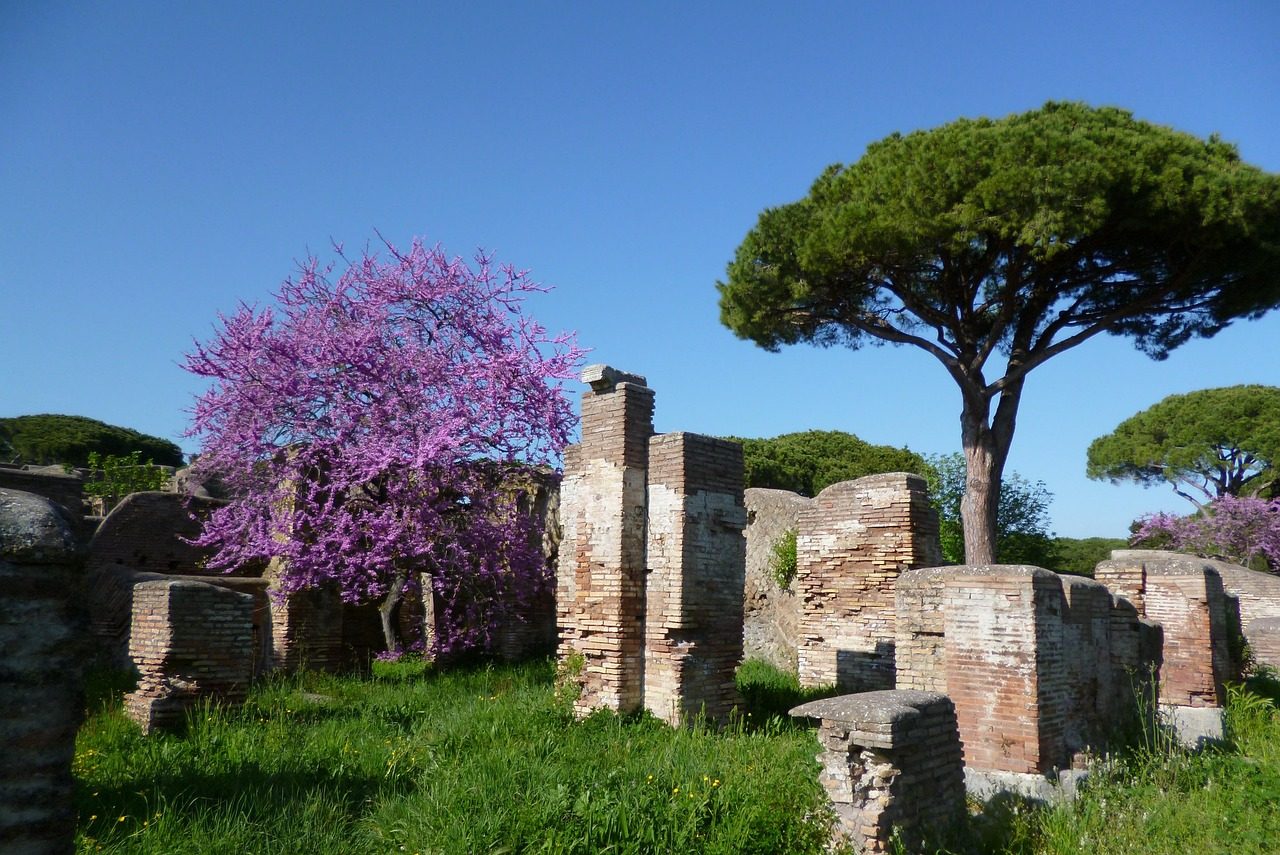
Ostia Antica
Rome’s ancient harbour city; €18 integrated park ticket valid eight days from first entry
Explore
Hadrian's Villa
Emperor's magnificent UNESCO estate in Tivoli—120 hectares
Explore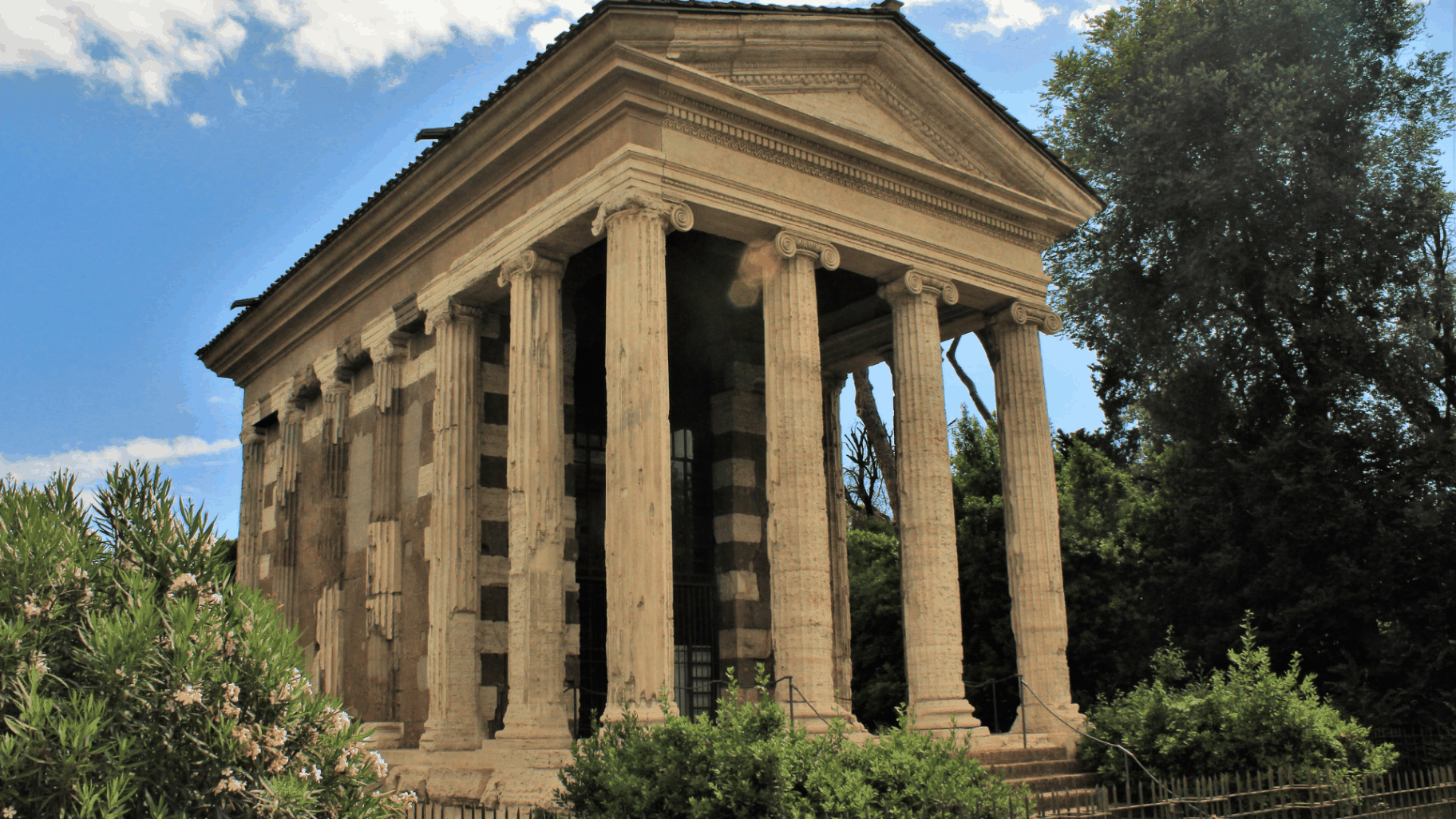
Temple of Portunus
Remarkably intact Republican-era temple to the god of harbors
Explore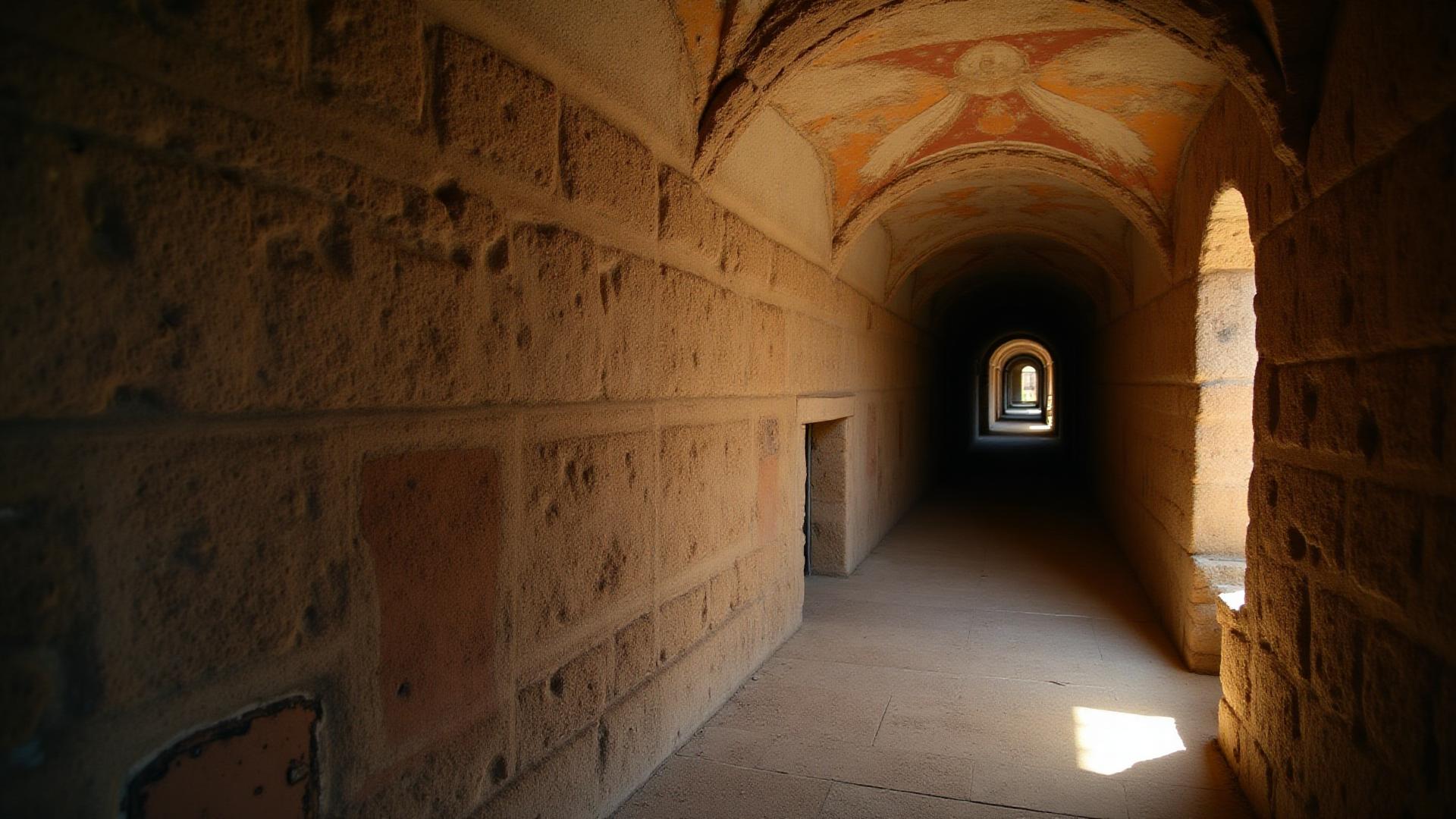
Catacombs of Saint Sebastian
Ancient Christian burial site on the Appian Way—12km of passages
Explore
Catacombs of Domitilla
Rome's oldest catacombs—17km of tunnels and underground basilica
ExploreQuick Planning Guide
⏱️ Time Needed
60–90 minutes
💰 Cost
€12 (€9 reduced, €4 ages 10–18, free under 10)
🎫 Reservation
Walk-up almost always possible; booking optional
♿ Accessibility
Ground floor accessible; upper floor by stairs only
📅 Best Time
Tuesday/Wednesday morning, 09:00–11:00
👨👩👧👦 Family Friendly
Yes — ages 10+, visual storytelling
🌡️ Weather
Indoor; perfect rainy-day Rome activity
Nearby Attractions
Palazzo Corsinidirectly opposite
Orto Botanico5 min walk
Santa Maria in Trastevere10 min walk
Janiculum Hill15 min walk
Ponte Sisto & historic centre8 min walk
Featured In These Itineraries
Hidden Gems of RomeGardens & VillasLocal Rome ExperienceEssential Tips
- ✓ Closed Sundays — visit Mon–Sat 09:00–14:00
- ✓ Last admission 13:15
- ✓ Second Sunday of month: open, with guided tours offered
- ✓ Morning light best for the frescoes
- ✓ Combine with Palazzo Corsini opposite