 Ancient Rome
Temple of Venus and Roma
The largest temple ever built in ancient Rome—Emperor Hadrian's masterpiece honoring the goddess of love and the eternal city itself.
30-45 minForum ticketNear ColosseumInaugurated 136–137 ADVia Sacra, Roman Forum, RomeOpen on MapPlan Your Visit
Compare tickets, tours and stays — booking ahead usually gives more choice
Get TicketsBook a TourHotels NearbyBy AllTrips Editors••6 min readWhy Visit the Temple of Venus and Roma?
The Temple of Venus and Roma was the largest temple ever constructed in ancient Rome — covering a vast 145m × 100m platform between the Colosseum and the Roman Forum. Designed by Emperor Hadrian himself, this double temple honoured both Venus Felix (goddess of love and good fortune) and Roma Aeterna (the divine personification of eternal Rome).
What makes this temple unique is its innovative "back-to-back" design: two cellae (inner chambers) facing opposite directions, with Venus looking toward the Colosseum and Roma facing the Forum. This symbolised Rome's divine origins through Venus (ancestor of Romulus via Aeneas) and its eternal destiny — a piece of imperial propaganda written in marble and bronze.
Today, the temple's most striking surviving feature is its magnificent coffered apse with its distinctive diamond (rhomboid) pattern — a beautiful example of Roman concrete architecture that has inspired buildings for centuries, including Brunelleschi's dome in Florence. Most visitors walk straight past it on their way to the Colosseum, which is exactly why it's such a quiet, photogenic stop.
What to See
Coffered Apse
The stunning semi-dome with its diamond-pattern coffers is the temple's most photogenic feature—originally gilded and painted
Double Cella Design
Unique back-to-back chambers: one for Venus facing the Colosseum, one for Roma facing the Forum
Temple Platform
The massive artificial terrace (145m x 100m) that Hadrian built over Nero's vestibule to his Domus Aurea
Granite Columns
Some of the original 150 columns (grey and red granite) that surrounded the temple still stand
Santa Francesca Romana
The medieval church built into the temple ruins; it keeps its own opening hours and closes during services
Colosseum Views
The temple's elevated position offers excellent views of the Colosseum and Roman Forum
History & Significance
Emperor Hadrian began construction in 121 AD on the site previously occupied by the vestibule of Nero's extravagant Domus Aurea. To make room, Hadrian had to move the colossal bronze statue of Nero (later rededicated to the sun god)—requiring 24 elephants to drag it to its new location near the Colosseum.
Hadrian personally designed the temple, which reportedly caused conflict with the famous architect Apollodorus of Damascus. When Apollodorus criticized the proportions, suggesting the seated statues of the goddesses would "bump their heads" if they tried to stand, the emperor allegedly had him executed—though this story may be apocryphal.
Hadrian inaugurated the temple in 136 or 137; Antoninus Pius completed it in 141. After damage from a fire in 307 AD, Emperor Maxentius rebuilt it with the distinctive coffered apses we see today.
In the 9th century, Pope Leo IV incorporated part of the temple into the church ofSanta Francesca Romana (also called Santa Maria Nova), which still stands within the ancient ruins today.
Historical Timeline
121 ADEmperor Hadrian begins construction
136–137 ADTemple inaugurated by Hadrian
141 ADCompleted under Antoninus Pius
307 ADFire damages the temple
c. 310 ADEmperor Maxentius rebuilds with coffered apses
850 ADPope Leo IV builds Santa Francesca Romana
1935Major archaeological excavations
Tickets & Access
🎟️ Combined Ticket
Access is included in the Colosseum, Roman Forum, and Palatine Hill combined ticket (€18), which allows one timed Colosseum admission plus one combined Forum–Palatine admission within 24 hours.
📍 How to Access
Enter through the Roman Forum and walk toward the Colosseum. The temple is at the eastern end of the Forum, between the Arch of Titus and Via dei Fori Imperiali.
Compare Combined Tickets
The Temple of Venus and Roma is included with the Roman Forum & Palatine combined ticket. Compare trusted vendors below.
Forum & Palatine Hill Entry
Best for: Self-guided explorers
~2 hoursStandard entry to the Roman Forum and Palatine Hill with multimedia video. Explore at your own pace among ancient ruins.
- Roman Forum access
- Palatine Hill included
- Multimedia video guide
- Flexible self-guided visit
🎟️ Compare Prices:
TiqetsKlookTrip.comColosseum + Forum Combo
Best for: First-time visitors
~3 hoursThe most popular option! Combined entry to the Colosseum, Roman Forum, and Palatine Hill with audio guide included.
- Colosseum entry included
- Roman Forum access
- Palatine Hill included
- Audio guide included
🎟️ Compare Prices:
TiqetsKlookTrip.comForum Expert Guided Tour
Best for: History enthusiasts
~2.5 hoursExpert-led tour bringing ancient Rome to life. Includes Palatine Hill and Roman Domus entry with live commentary.
- Professional live guide
- In-depth historical commentary
- Palatine Hill & Roman Domus
- Small group experience
🎟️ Compare Prices:
TiqetsKlookTrip.comHow the Temple Was Engineered — A Deep-Dive
At 110 m × 53 m, the Temple of Venus and Roma was the largest temple ever built in ancient Rome. Hadrian designed it himself in 121 AD — and the engineering choices behind it were as bold as its scale.
Hadrian's own blueprint
Hadrian is credited with designing the temple himself. The tale that he executed the architect Apollodorus of Damascus over criticism of the cult statues comes from Cassius Dio, and its reliability is disputed by modern historians.
A double-cella temple
The temple housed two back-to-back shrines under one roof: Venus facing the Colosseum to the east, Roma facing the Forum to the west. Each goddess had her own apse, statue, and altar — a design with no real precedent in Roman religious architecture.
An artificial platform
To create level ground between the Forum and the Colosseum valley, Hadrian's engineers built a massive concrete podium 145 m × 100 m, partly resting on the foundations of Nero's demolished Vestibulum of the Domus Aurea.
Greek temple, Roman scale
Surrounded by 10 × 20 columns in pure Greek peristyle style — but built at typically Roman superhuman scale. The columns were 1.8 m thick and rose over 20 m high in white Proconnesian marble shipped from the Sea of Marmara.
Maxentius's coffered apses (310 AD)
After a fire in 307 AD, Emperor Maxentius rebuilt the cellae with the surviving rhomboid (diamond) coffered semi-domes — the same engineering breakthrough that made the Basilica of Maxentius vaults possible. These coffers reduced weight while creating the dramatic decorative effect you can still see today.
Why so much survives
When Pope Leo IV built Santa Francesca Romana on top of the Roma cella in 850 AD, he preserved the western half of the structure. The eastern Venus cella, fully exposed, lost its roof — but its 4-meter-thick concrete apse walls were too massive to demolish for spolia.
The Temple Throughout the Day
Because the temple is east-west oriented with two opposing apses, light hits each side at different times — making the moment of your visit unusually important for both photos and atmosphere.
9:00–10:00 AM (opening)
The Forum–Palatine area opens at 09:00. Soft light hits the Venus apse facing the Colosseum, and most visitors head first for the Curia and Via Sacra.
10:00 AM–12:00 PM
Tour groups walk past on Via Sacra but rarely stop. The temple platform stays quiet while the rest of the Forum gets packed.
12:00–3:00 PM (peak heat)
Brutal sun on the exposed platform with zero shade. Skip unless you're crossing through anyway between the Forum and the Colosseum.
3:00–5:00 PM (afternoon switch)
Light pivots to the Roma apse facing the Forum. The diamond-pattern coffers cast geometric shadows that photographers actively chase.
Last 90 minutes before closing
Late light on the Venus apse with the Colosseum behind. Note that the archaeological area closes before sunset for much of the year — check the closing time for your date.
After closing (free exterior view)
Walk along Via dei Fori Imperiali at dusk — the floodlit temple platform is dramatic from above, completely free, and tourists have all left.
The Temple by Season
The temple platform is fully exposed with no shelter. Conditions and crowds shift dramatically across the year.
| Season | Crowds | Conditions | Best For |
|---|---|---|---|
| Spring (Mar–May) | Light at the temple itself | Mild, fresh, breezy | Wildflowers between the columns, perfect light on both apses, comfortable temperatures |
| Summer (Jun–Aug) | Forum heavy, temple still quiet | Brutal heat, no shade | Best at the 09:00 opening or in the last hour before closing — the platform reflects heat |
| Autumn (Sep–Nov) | Light by November | Warm-mild, soft golden light | Best balance of weather and crowds, perfect side-light photography of the coffered apses |
| Winter (Dec–Feb) | Almost empty | Crisp, occasional rain | Walk-up entry, dramatic low-angle sun across the diamond coffers, contemplative empty platform |
Our pick: Late October or early November. The Forum's overall crowds drop by 60–70%, and the lower sun angle creates dramatic geometric shadows across Maxentius's diamond coffers.
Pair Your Temple Visit With…
The temple sits directly between two of Rome's most-visited sites. These pages have detailed visiting tips and timing advice:
- → Colosseum — the Venus apse faces it; walk straight there after visiting the temple platform.
- → Roman Forum — same combined ticket; the Roma apse faces directly into the Forum below.
- → Palatine Hill — also included; the elevated terrace gives the best overhead view of both temple apses at once.
- → Pantheon — pair with Hadrian's other masterpiece; both built within 5 years of each other by the same emperor.
- → Trajan's Market — across Via dei Fori Imperiali; the perfect imperial-architecture pairing.
Best Photo Spots
The Coffered Apse from the East
Stand on the Via Sacra side facing the Colosseum. Late afternoon (around 4–5 PM) lights the diamond coffers from within the semi-dome — the single best shot on site.
Through the Surviving Columns
Frame the Colosseum between two of the original grey-granite columns on the eastern platform. Works best in portrait mode at golden hour.
From the Palatine Hill Belvedere
Walk up to the northeast corner of the Palatine for an aerial-style overview of the entire 145m × 100m platform with the Colosseum behind it.
Santa Francesca Romana Bell Tower
The medieval Romanesque campanile rises directly out of the temple ruins — a unique 'two eras in one frame' composition that few tourists notice.
Compared to Other Forum Temples
The Roman Forum holds half a dozen surviving temples. Here's how the Temple of Venus and Roma stacks up against the most-visited ones — useful if your time on the Forum ticket is limited.
| Temple | Built | Why Visit |
|---|---|---|
| Venus and Roma | 136–141 AD | Largest in Rome; coffered apse |
| Pantheon | 126 AD | Best-preserved ancient temple anywhere |
| Temple of Saturn | 497 BC | 8 columns still standing on the Forum's edge |
| Temple of Antoninus & Faustina | 141 AD | Façade preserved by being walled into a church |
| Temple of Vesta | 7th c. BC | Circular ruin; home of the Vestal Virgins |
Our take: Visit Venus and Roma after the main Forum loop — it sits right at the Colosseum exit, so it costs you almost no extra walking time but adds a 2,000-year-old "wow" moment most tourists miss.
Common Mistakes to Avoid
Walking past it on the way to the Colosseum
The temple platform is the first major ruin on your right after entering the Forum from the Colosseo metro side. Don't blow past it — most people do.
Trying to enter via the Colosseum gate
There's no separate entrance. You access it from inside the Roman Forum, not from Piazza del Colosseo or Via dei Fori Imperiali.
Skipping the rear apse
The west-facing apse is the boring one. The east-facing apse (toward the Colosseum) is the one with the iconic diamond coffers — always loop around to that side.
Visiting at midday in summer
Zero shade on the platform. From 11 AM to 3 PM in July–August it's brutal. Aim for the first hour after opening or the last hour before sunset.
Buying a separate ticket
There isn't one. The temple sits inside the archaeological area covered by the standard €18 Colosseum–Forum–Palatine ticket or a Forum Pass SUPER product — never pay extra for it.
Frequently Asked Questions
Is the Temple of Venus and Roma included in the Roman Forum ticket?
Yes — it lies inside the Roman Forum–Palatine archaeological area, covered by the standard €18 Colosseum–Forum–Palatine combination ticket or a Forum Pass SUPER product.
Why is it called Temple of Venus AND Roma?
Emperor Hadrian dedicated it to two deities: Venus Felix (ancestor of Romulus through Aeneas) and Roma Aeterna (the divine personification of Rome). The back-to-back design honored both.
What's the best time to visit?
Late afternoon offers beautiful golden light on the coffered apse. The temple faces east-west, so sunset creates dramatic shadows in the diamond-patterned dome.
Can you go inside the temple?
There is no interior visit. Routes around the temple platform are usually open, but parts can be closed or rerouted for conservation — arrangements changed temporarily during 2026, so check the park's notices. The adjacent church of Santa Francesca Romana keeps its own opening hours and closes for services.
Why is the apse diamond-patterned?
The rhomboid (diamond) coffers were added during Maxentius's reconstruction around 310 AD. The pattern reduced weight while creating a stunning decorative effect.
Related Attractions
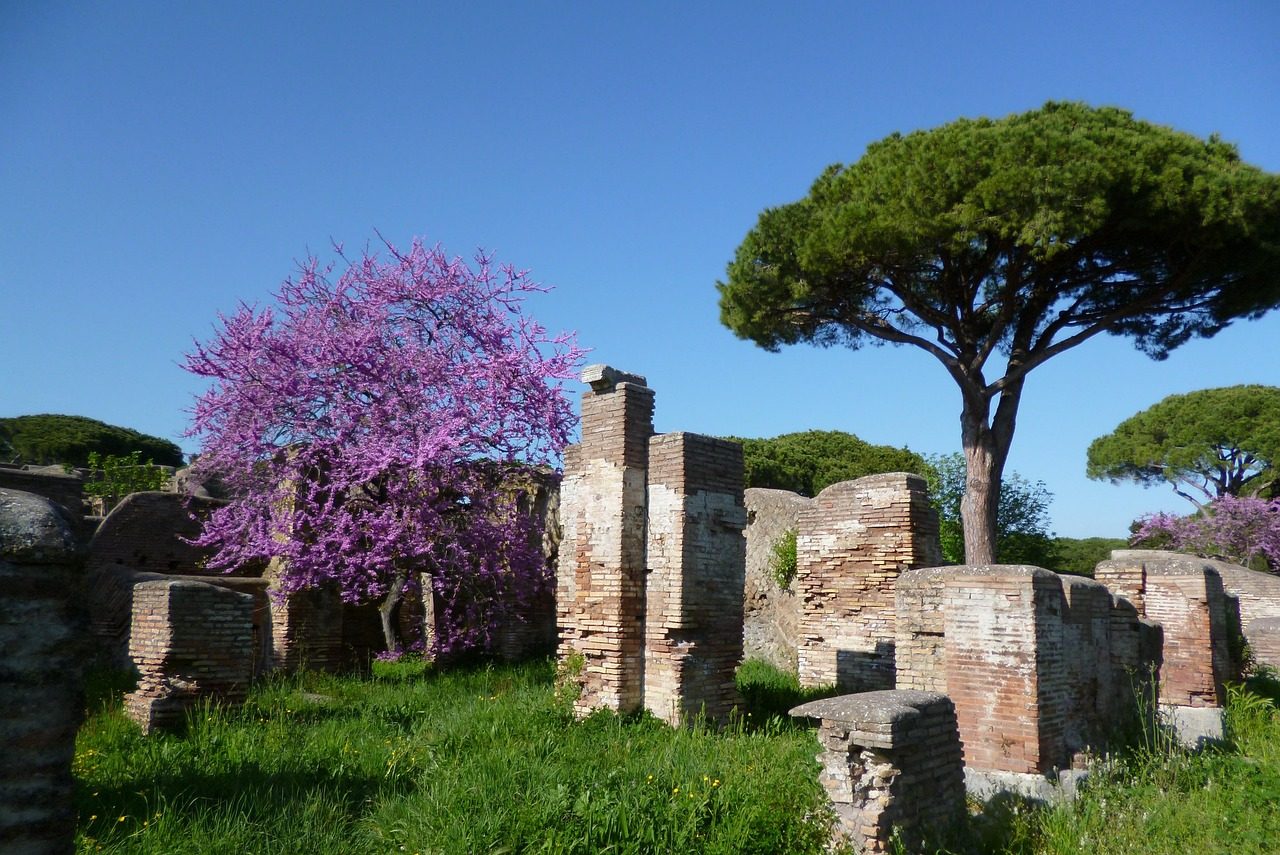
Ostia Antica
Rome’s ancient harbour city; €18 integrated park ticket valid eight days from first entry
Explore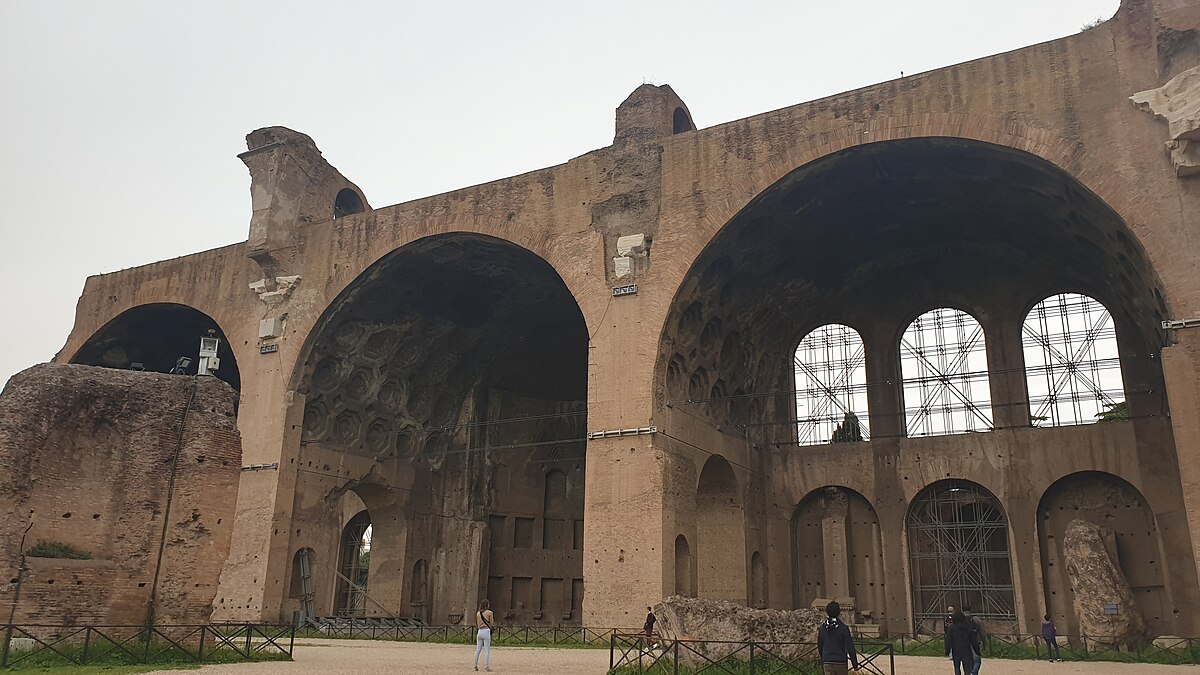
Basilica of Maxentius
The Roman Forum's largest building, with vast surviving concrete vaults
Explore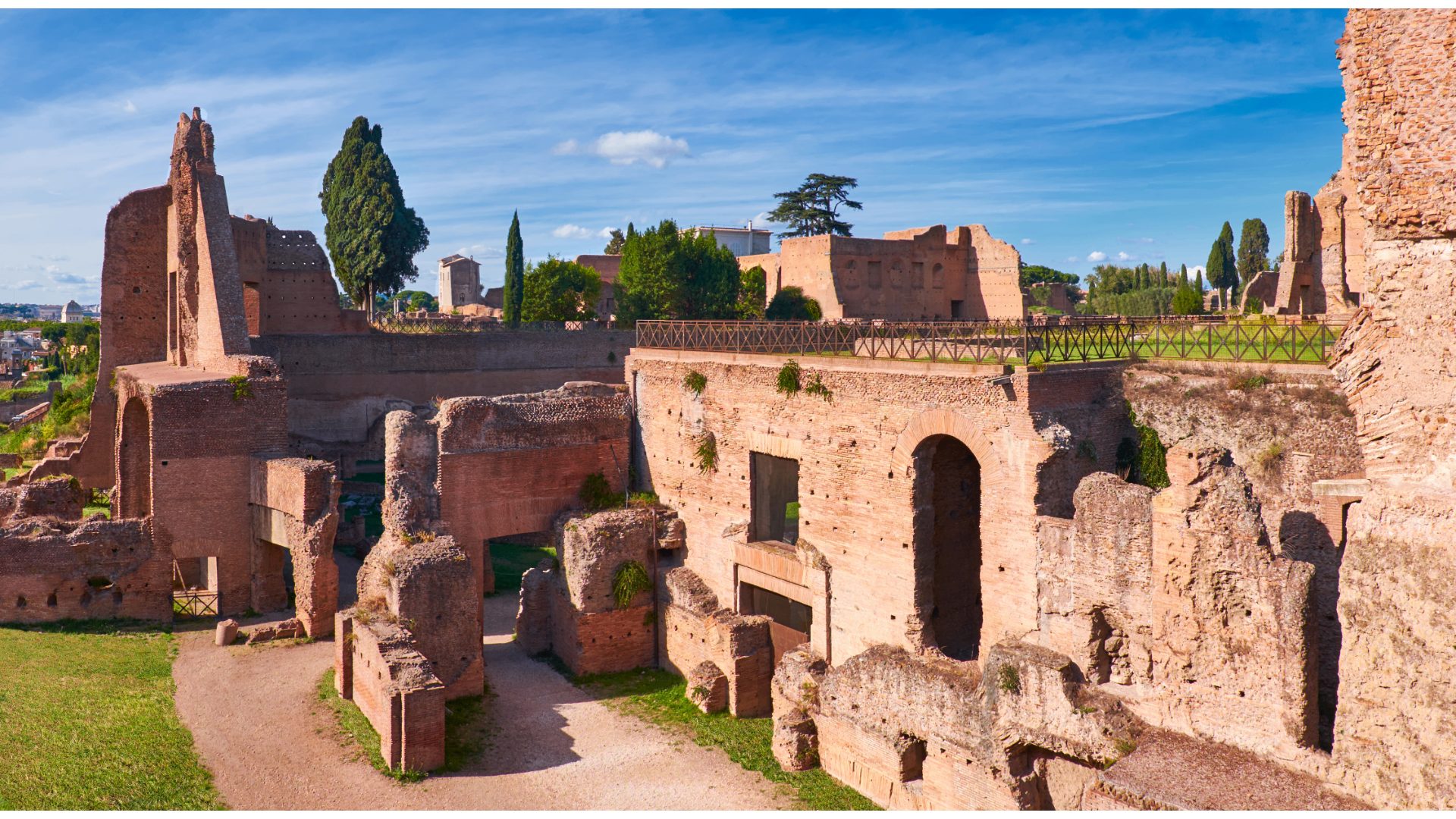
Palatine Hill
Legendary birthplace of Rome and luxurious home of emperors
Explore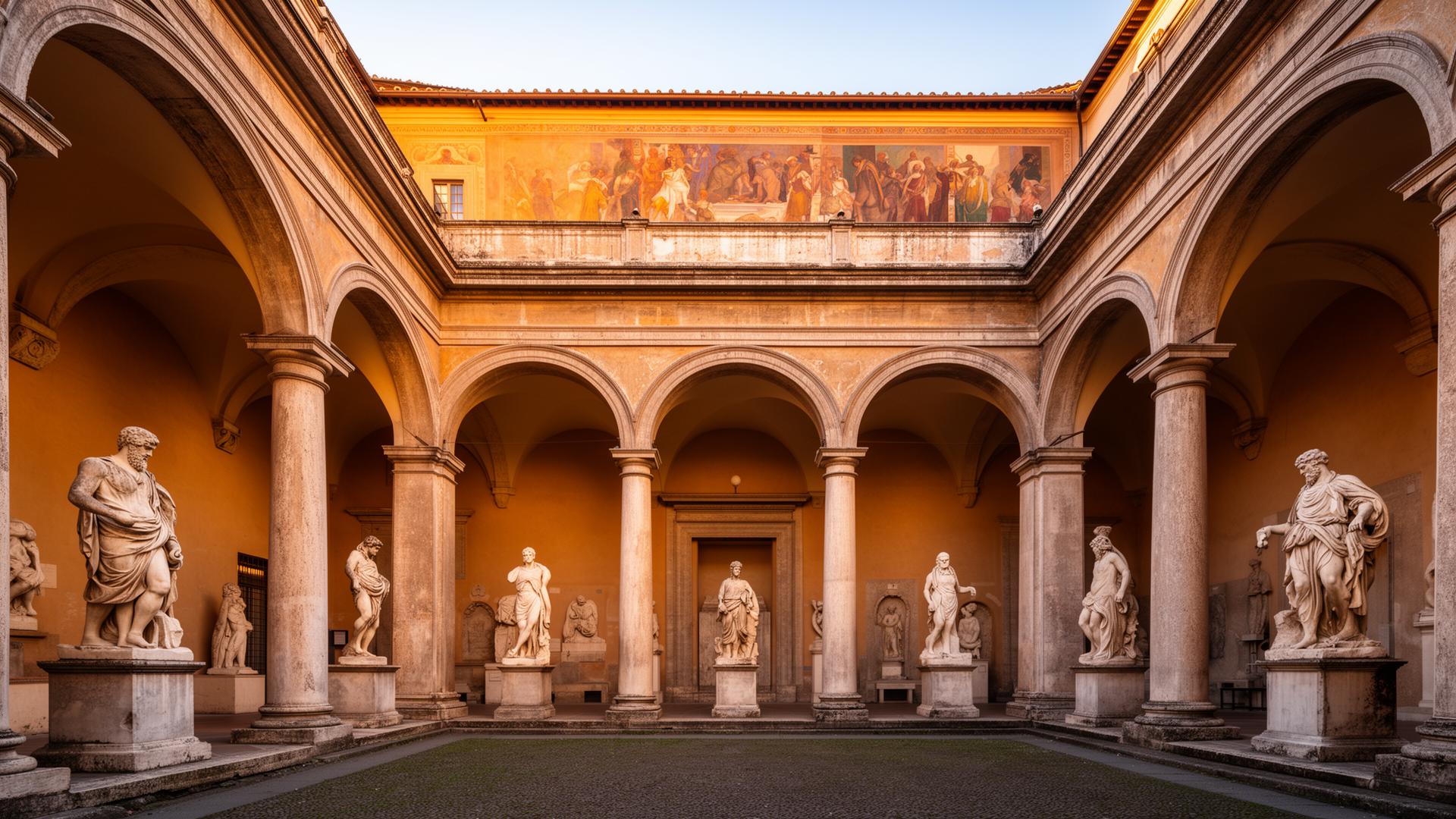
Palazzo Altemps
Renaissance palace with ancient sculptures and Ludovisi Collection
Explore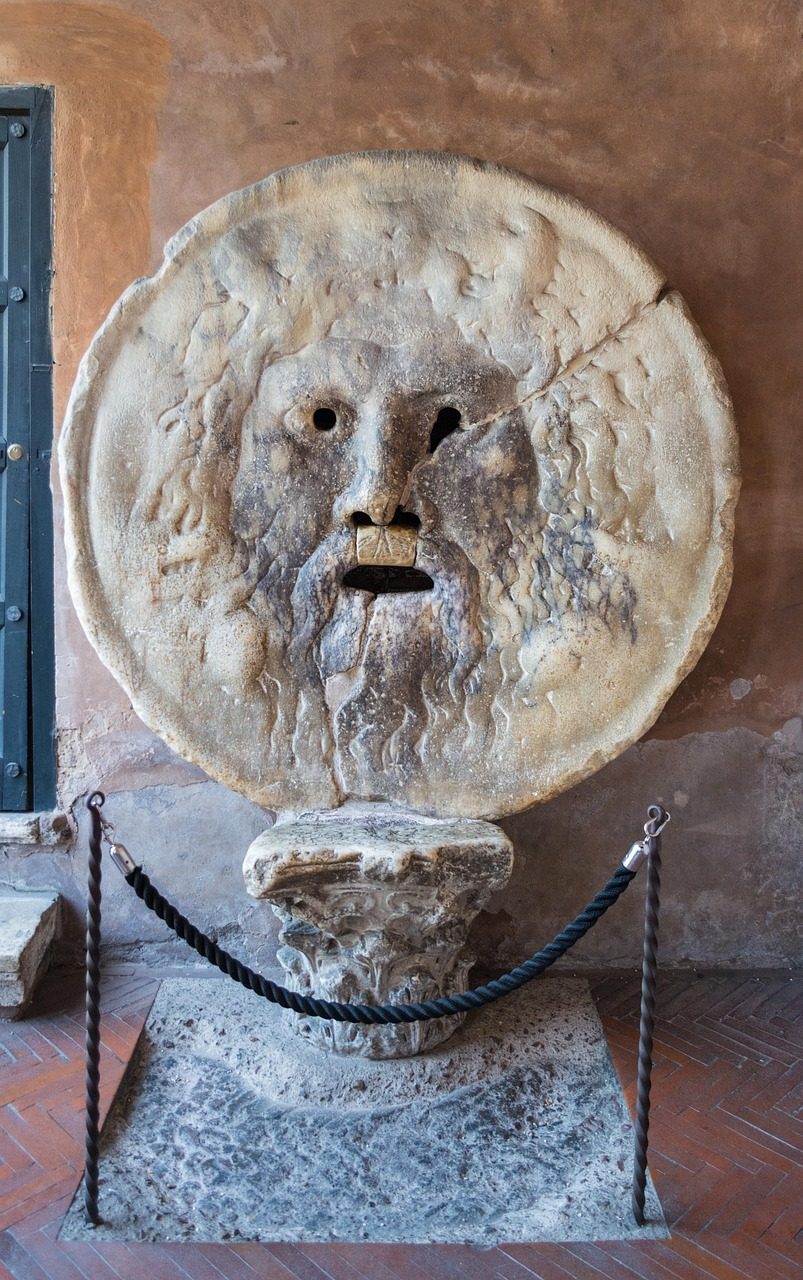
Mouth of Truth
Rome's famous lie detector—legendary marble mask
Explore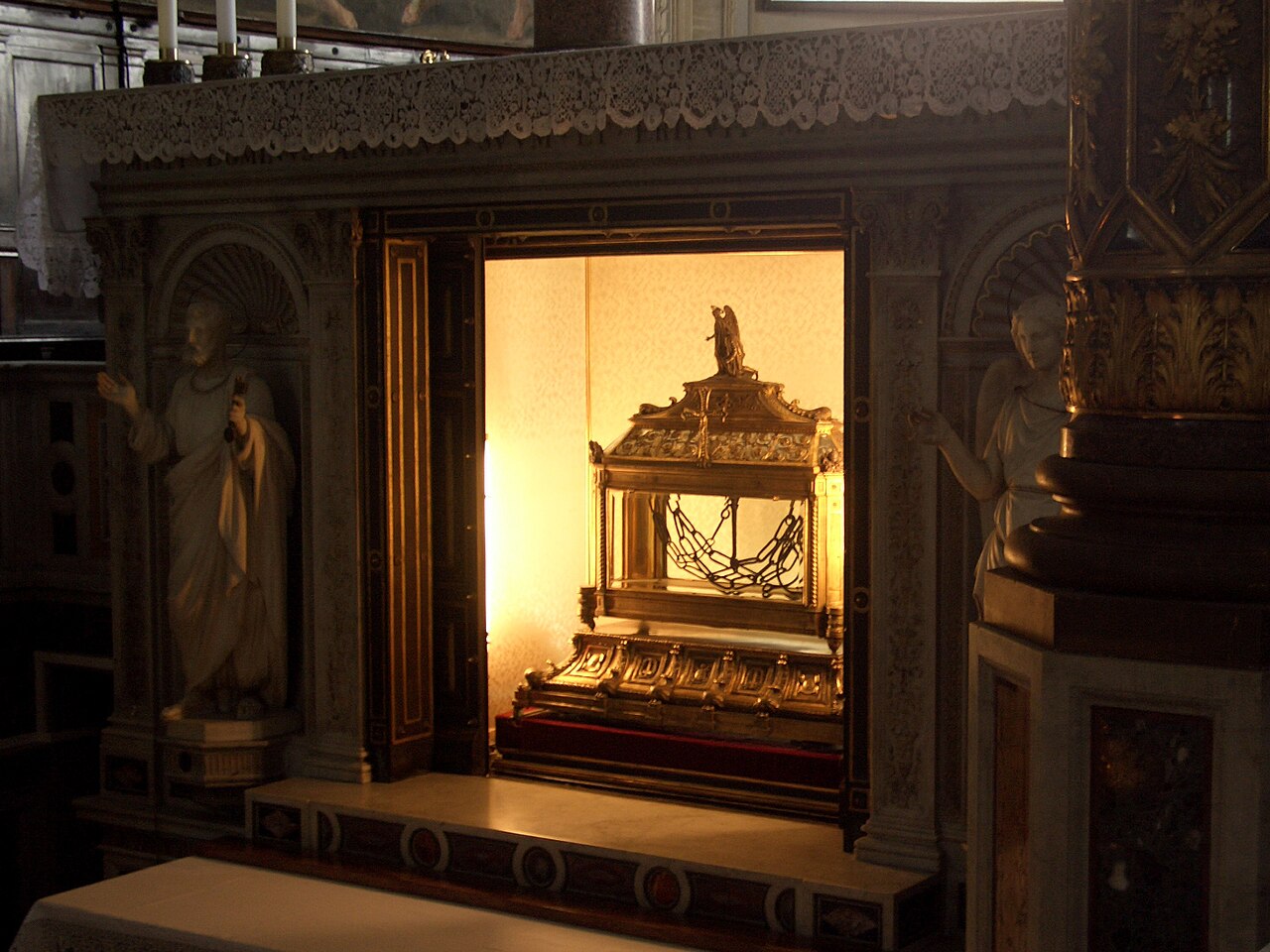
San Pietro in Vincoli
Home to Michelangelo's powerful Moses sculpture
ExploreQuick Planning Guide
⏱️ Time Needed
30-45 minutes
💰 Cost
Included in the standard €18 Colosseum–Forum–Palatine ticket or Forum Pass SUPER
🎫 Reservation
Recommended
♿ Accessibility
Limited (uneven ground)
📅 Best Time
Morning or late afternoon
👨👩👧👦 Family Friendly
All ages
🌡️ Weather
Outdoor site
Nearby Attractions
ColosseumRoman ForumArch of TitusPalatine HillFeatured In These Itineraries
Classic Rome 3 Days5 Day Rome ItineraryEssential Tips
- ✓ Included in Forum/Colosseum ticket
- ✓ Best light for photos at sunset
- ✓ Look for the coffered apse
- ✓ Enter from Forum side
- ✓ Combine with Colosseum visit