 Imperial Fora Museum
Trajan's Market
A vast multilevel Roman complex beside Trajan's Forum, used for administrative and commercial functions and the great vaulted Hall of Trajan, now home to the only museum dedicated to Rome's five Imperial Fora.
90 min – 2 h€15Metro B Cavourc. 110 ADVia IV Novembre, 94, 00187 RomaOpen on MapPlan Your Visit
Compare tickets, tours and stays — booking ahead usually gives more choice
Book a TourHotels NearbyTrajan's Market is a vast multilevel Roman complex beside Trajan's Forum, probably used for administrative, service, storage and some commercial functions—now home to the Museum of the Imperial Fora. Built into the Quirinal Hill around 110 AD by the Greek-Syrian architect Apollodorus of Damascus. Conceived as the administrative and commercial backstop of the new Trajan's Forum, it contains surviving rooms (tabernae), the great vaulted Hall of Trajan, the only complete original Roman street in central Rome (Via Biberatica) and a panoramic terrace giving the single best aerial view of Trajan's Column. Inside the complex sits the Museum of the Imperial Fora — the only museum in the world dedicated to all five of Rome's Imperial Fora (Caesar, Augustus, Vespasian, Nerva, Trajan). €15 standard entry (€19.50 with exhibition), open daily 09:30–19:30, and almost no queues.
Why visit Trajan's Market?
Most visitors race past the brick hemicycle on Via dei Fori Imperiali on their way to the Colosseum — yet Trajan's Market is the most architecturally innovative single complex of the Imperial age, the only place in Rome where you can walk an intact ancient street, and the home of one of the city's best-curated museums.
- Vast multilevel Roman complex: multiple levels, rooms, the earliest large-scale concrete-vaulted commercial building anywhere.
- Apollodorus of Damascus's masterpiece: Trajan's chief military engineer, designer of the Forum, the Column and the Danube Bridge — executed by Hadrian for talking back.
- Walk an intact Roman street: Via Biberatica is the only complete original Roman street still walkable in central Rome.
- Museum of the Imperial Fora: the only museum in the world dedicated to all five Imperial Fora — included in the ticket.
- Best aerial view of Trajan's Column: the panoramic terrace lets you read the spiral Dacian Wars relief from above — the only angle that works without binoculars.
Quick facts
Built
c. 110 AD by Apollodorus
Entry
€15 (museum included)
Visit time
90 min – 2 hours
Metro
B Cavour (10-min walk)
Levels
6 storeys, rooms
Location
Via IV Novembre 94
Table of Contents
Jump to any section of the itinerary
A brief history
The story of Trajan's Market begins with conquest. Between 101 and 106 AD Emperor Trajan defeated Decebalus, king of Dacia (modern Romania), in two brutal campaigns that returned to Rome unprecedented quantities of gold, silver and slaves — an estimated half a million pounds of gold alone. Trajan and his chief military engineer, the Greek-Syrian Apollodorus of Damascus, used the war booty to fund the largest single building campaign in Imperial Rome's history.
The site they chose — a saddle of land between the Capitoline and Quirinal hills — was the last available space for a great Imperial Forum in the centre of Rome. To create it, Apollodorus had to cut away approximately 30 metres of the south flank of the Quirinal Hill. The displaced earth was used as fill across the new Forum platform, and the cliff face left behind needed retaining. Apollodorus solved the engineering problem with extraordinary creativity: rather than build a blank retaining wall, he designed a six-level habitable building that doubled as the retaining structure. Trajan's Market was born.
Completed around 110 AD, the complex contained rooms (tabernae) on multiple levels, a great vaulted hall (the Aula di Traiano), an internal commercial street (Via Biberatica), covered ambulatories on every floor and a panoramic terrace. Its precise functions remain debated among scholars, but it likely combined administrative offices for the Forum's bureaucracy, storage and distribution space connected to the annona (state grain supply), and the imperial chancery. A few rooms may have housed actual shops, but the popular 'vast multilevel Roman complex' label is a modern tourism simplification.
The architecture was revolutionary. The use of opus latericium (brick-faced concrete) at this scale and complexity — multiple levels, intersecting groin vaults, integrated services — pioneered techniques that would dominate Roman architecture for the next 300 years and influence European building until the Industrial Revolution. The Great Hall of Trajan in particular is a direct ancestor of the medieval cathedral nave.
Through the Middle Ages the complex was repurposed but never demolished. Around 1200 the Annibaldi family built the 50-metre brick Tower of the Militia (Torre delle Milizie) on the upper level — Rome's tallest medieval tower, still leaning visibly south after the 1348 earthquake. In 1572 the Convent of Santa Caterina da Siena was built on top of the Markets, partially burying — and accidentally preserving — the upper levels inside its walls.
The convent was demolished and the Markets systematically excavated between 1924 and 1934 as part of Mussolini's Via dell'Impero (now Via dei Fori Imperiali) project. The complex opened to the public for the first time in modern history. In 2007 the Museum of the Imperial Fora — the only museum in the world dedicated to all five Imperial Fora — was inaugurated inside the upper levels. The Sovraintendenza Capitolina continues periodic conservation work in the complex.
Trajan's Market through the centuries
98 ADTrajan becomes emperor
Marcus Ulpius Traianus succeeds Nerva. His reign (98–117 AD) marks the territorial peak of the Roman Empire and one of the greatest building campaigns in Roman history.
101–106 ADThe Dacian Wars
Trajan conquers Dacia (modern Romania) in two campaigns. The vast war booty — gold, silver, slaves — funds the construction of the new Imperial Forum and Markets.
c. 107 ADApollodorus designs the complex
The Greek-Syrian architect and military engineer Apollodorus of Damascus, Trajan's chief designer, conceives the unified Forum + Markets project — cutting away 30 m of the Quirinal Hill.
c. 110 ADTrajan's Market completed
The multilevel brick hemicycle, the Great Hall of Trajan, Via Biberatica and tabernae (rooms) are completed — the world's earliest large-scale multi-storey concrete-vaulted complex.
112 ADTrajan's Forum inaugurated
On 1 January 112 AD Trajan inaugurates his vast new Forum (300 × 185 m) — the largest of the Imperial Fora — with Trajan's Market serving as its administrative and commercial backstop.
113 ADTrajan's Column dedicated
On 12 May 113 AD the 30 m marble column is dedicated, with its 200 m spiral relief depicting the Dacian Wars. It stands directly below the Markets and was originally visible from the Hall of Trajan.
c. 130 ADApollodorus executed by Hadrian
After famously criticising one of Hadrian's own architectural designs, Apollodorus of Damascus is exiled and then executed — a tragic end for the architect of Imperial Rome's greatest commercial complex.
c. 1200Tower of the Militia built
The Annibaldi family build the 50-metre brick Torre delle Milizie atop the Markets — Rome's tallest medieval tower, dominating the city skyline.
1348Earthquake tilts the Tower
A major earthquake causes the Tower of the Militia to lean visibly to the south — the lean is still clearly visible from the panoramic terrace.
1572Convent of Santa Caterina built
A convent is built on top of the Markets, partially burying the upper levels and preserving them inside its walls — accidental conservation that survives until 1924.
1924–1934Mussolini-era excavation
The convent is demolished and the Markets are systematically excavated under Mussolini's regime, opening to the public for the first time as part of the Via dell'Impero (now Via dei Fori Imperiali) project.
OngoingConservation & site management
The Sovraintendenza Capitolina continues periodic conservation work in the complex. Check mercatiditraiano.it for current hours and any special openings.
Architecture & engineering
Opus latericium
Brick-faced concrete: an inner core of caementicium (mortar + rubble) faced with thin red bricks (lateres). Apollodorus pioneered its use at six-storey scale here — a technique that would dominate Roman architecture for 300 years.
The hemicycle solution
By making the cut-hill retaining wall a curved, multi-level habitable building, Apollodorus turned a geological necessity into the most innovative commercial complex in Roman history. Each floor was reached by external staircases and a covered ambulatory.
Concrete vaulting
The Great Hall of Trajan's six bays of intersecting groin vaults are among the earliest and best-preserved examples of complex concrete vaulting in Roman architecture — a direct ancestor of the medieval cathedral nave a thousand years later.
What to see at Trajan's Market
The six-level hemicycle
- A semicircular six-storey brick-and-concrete complex 35 m high — built into the cut hillside as both retaining wall and habitable building.
- tabernae (rooms) arranged around the curve, each with the standard travertine threshold, marble counter and closing bar slot still visible.
- Apollodorus pioneered the use of opus latericium (brick-faced concrete) at this scale — a technique that would dominate Roman architecture for the next 300 years.
- Each level was reached by external staircases and a covered ambulatory walkway — an early ancestor of the modern department store atrium.
The Great Hall of Trajan (Aula di Traiano)
- A 32 × 8 m groin-vaulted hall on the upper level, two storeys high, with internal balconies opening onto two ranks of shops/offices.
- Six bays of intersecting concrete vaults — one of the earliest and best-preserved examples of complex concrete vaulting anywhere in Roman architecture.
- Direct ancestor of the medieval cathedral nave: the structural logic, the play of light from the clerestory windows, the rhythm of the bays — all anticipate the Romanesque and Gothic by a thousand years.
- Used today for temporary exhibitions on Roman archaeology — check the museum website for current programming.
Via Biberatica — a complete Roman street
- A perfectly preserved 100 m Roman commercial street running through the upper level, with original basalt paving, drainage channels, kerbstones and shop fronts on both sides.
- The name 'Biberatica' probably derives from biber (drink) — wine and oil shops once lined the south side, with insulae (apartments) above.
- The only complete Roman street you can walk in central Rome — at the Forum the streets are reconstructed; here they are original.
- Look for the carbonised wooden door frames and the still-functioning Roman drainage channel running along the centre of the street.
Museum of the Imperial Fora
- Opened 2007, the only museum in the world dedicated to Rome's five Imperial Fora (Caesar, Augustus, Vespasian, Nerva, Trajan).
- Original marble statuary recovered from the Forum of Augustus: the colossal head of Augustus's tutelary deity, fragments of the great Mars statue, the caryatids of the upper attic.
- 1:1 reconstruction of the polychrome marble revetment of the Forum of Augustus — the only surviving evidence of how dazzlingly colourful the original Imperial Fora actually were.
- Architectural fragments from Trajan's Forum, including pieces of the Basilica Ulpia's vast roof and the Temple of the Deified Trajan.
Panoramic terrace & Trajan's Column
- The upper terrace gives the single best aerial view of Trajan's Column and the entire Forum complex — better than any street-level perspective.
- Look down on the original 30 m marble column with its 200 m spiral relief depicting 155 episodes of Trajan's Dacian Wars (101–106 AD) — 2,662 individual figures.
- Beyond the Forum: views of the Altare della Patria (Vittoriano), the Capitoline Hill, and on clear days the dome of St Peter's 3 km west.
- The 13th-century Torre delle Milizie rises directly above the terrace — Rome's tallest medieval tower, leaning south since the 1348 earthquake.
Museum of the Imperial Fora
The Museo dei Fori Imperiali, opened in 2007 and housed inside the upper levels of Trajan's Market, is the only museum in the world dedicated entirely to Rome's five Imperial Fora — those of Caesar (46 BC), Augustus (2 BC), Vespasian (75 AD), Nerva (97 AD) and Trajan (112 AD).
The collection is uniquely revealing. The most spectacular galleries display original marble sculpture from the Forum of Augustus: the colossal head of Augustus's tutelary deity, fragments of the great Mars Ultor cult statue, the caryatids (female columnar figures) from the upper attic of the portico. A 1:1 reconstruction of the polychrome marble revetment of the Forum of Augustus is the only surviving evidence of how dazzlingly colourful the original Imperial Fora actually were — porphyry purple, giallo antico yellow, Phrygian pavonazzetto white-and-violet.
Other galleries display architectural fragments from Trajan's Forum (pieces of the Basilica Ulpia roof, fragments of the Temple of the Deified Trajan), the Forum of Nerva (the surviving 'Colonnacce' architrave decorated with Minerva reliefs) and the Forum of Caesar (the Temple of Venus Genetrix, ancestor goddess of the Julian dynasty). 1:50 scale models reconstruct each Forum at the height of its splendour.
The museum is included in the ticket. Allow 45 minutes minimum. Audio-guides (€4, English/Italian/French/Spanish/German) are excellent and recommended.
The Tower of the Militia
Rising 50 metres above the Markets stands the Torre delle Milizie, Rome's tallest surviving medieval tower. Built around 1200 by the powerful Annibaldi family — and briefly inhabited, according to dubious medieval tradition, by Pope Boniface VIII — it was sold to the Caetani family later in the 13th century and to the Confraternity of Santa Caterina in 1572.
The tower leans visibly southward, the result of the great earthquake of 9 September 1348 that struck the Apennines and damaged buildings across central Italy (the same earthquake that toppled the upper colonnade of the Colosseum). The lean is roughly 1.5 metres off vertical — clearly visible from the panoramic terrace below.
The interior is closed to the public for structural reasons, but the tower is best admired from two angles: from the panoramic terrace of Trajan's Market (included with your ticket) and from Largo Magnanapoli on the south side, where the lean is most dramatic at sunset.
Trajan's Market walking itinerary
A 2.5-hour, 7-stop walk through the entire complex from upper-level entrance through the Hall of Trajan, Via Biberatica, the museum, the six-storey hemicycle and the panoramic terrace, ending at Trajan's Column. Total walking distance ~600 m, mostly indoor, with stairs (lift available).
Walking route map


 📍
📍
📍
📍
📍
📍
📍
+− Leaflet | © OpenStreetMap contributors
📍
📍
📍
📍
📍
📍
📍
+− Leaflet | © OpenStreetMap contributorsClick on markers for stop details. Numbers indicate the walking order.
1StartEntrance — Via IV Novembre 94
Easy starting pointBuy your ticket at the gatehouse (€15 standard) on Via IV Novembre. The complex enters from the upper level — you will work your way down through the multiple levels.
220 minGreat Hall of Trajan (Aula di Traiano)
Architectural masterpieceThe architectural masterpiece: a 32 × 8 m two-storey groin-vaulted hall, ancestor of the medieval cathedral nave. Often used for temporary exhibitions.
315 minVia Biberatica
Walk a complete Roman streetWalk the only complete original Roman street in central Rome — basalt paving, drainage channels and shop fronts perfectly preserved.
445 minMuseum of the Imperial Fora
Unique museum collectionThe only museum in the world dedicated to all five Imperial Fora — original sculpture, the Forum of Augustus reconstruction, architectural fragments.
520 minThe Hemicycle (multiple levels)
Six storeys of Imperial RomeDescend through the curved six-storey hemicycle, exploring tabernae on each floor. Take the lift or the original Roman staircases.
615 minPanoramic terrace
Best aerial view in RomeThe best aerial view of Trajan's Column, Trajan's Forum and the entire Via dei Fori Imperiali. Look up to see the leaning Tower of the Militia.
720 minTrajan's Column
End at Trajan's ColumnExit the complex and walk 3 minutes downhill to the base of Trajan's 30 m marble column. The spiral relief depicts 155 episodes of the Dacian Wars.
Trajan's Market vs Roman Forum — which to visit?
| Feature | Trajan's Market | Roman Forum |
|---|---|---|
| Date built | c. 110 AD (Trajan/Apollodorus) | 8th c. BC – 4th c. AD (continuous) |
| Function | Administration, food distribution, offices | Civic, religious, judicial centre |
| Surviving today | Almost complete (rooms, 6 levels) | Foundations + selected temples & arches |
| Entry cost | €15 (museum included) | €18 combined Colosseum-Forum-Palatine |
| Crowds | Low — almost no queues | Very high — book ahead |
| Indoor/outdoor | Mostly indoor + panoramic terrace | Entirely outdoor archaeological park |
| Visit duration | 90 min – 2 hours | 3–4 hours (with Palatine) |
| Best for | Architecture, engineering, Imperial Fora museum | Civic Rome, Senate, Vestals, Caesar |
Verdict: do both. Trajan's Market for the multilevel architecture, museum and intact upper levels; the Roman Forum for the civic and religious heart of the Republic and early Empire.
Best time to visit
Time of day
Morning (09:30 opening)
Best — soft south-east light hits the brick hemicycle, the museum is empty and the panoramic terrace is yours alone.
Late afternoon (16:30–18:30)
Excellent for the panoramic terrace and warm light on the Tower of the Militia. Last entry 18:30.
Avoid 11:00–14:00
School groups and tour groups concentrate in the museum; the panoramic terrace gets crowded.
Best days & seasons
Tuesday & Wednesday mornings
Lowest crowds — most tour groups concentrate at the Colosseum/Forum on these days.
First Sunday of the month
Typically free entry, subject to current official policy — verify on mercatiditraiano.it. Arrive early to avoid the modest queue.
Check for special openings
The museum occasionally offers extended-hours openings. Check mercatiditraiano.it for current dates.
All seasons fine
Mostly indoor — perfect rainy-day or August midday visit. Air-conditioned in the museum galleries.
Getting there
Metro (best)
Line B to Cavour — 10-minute downhill walk west via Via Cavour and Largo Magnanapoli. Line A to Repubblica — 12-minute walk south via Via Nazionale.
Bus
Lines 40, 60, 64, 70, 117, 170 all stop at Piazza Venezia, a 5-minute walk from the entrance. Bus 87 from the Colosseum stops directly at Largo Magnanapoli.
On foot
5 minutes from Piazza Venezia; 8 minutes from the Colosseum via Via dei Fori Imperiali; 10 minutes from Termini Station via Via Nazionale.
Hop-on hop-off
The 110/Open Bus tourist line stops at Piazza Venezia, 5 minutes from the entrance. Useful if combining with Vatican and other major sights in one day.
Common mistakes to avoid
Confusing Trajan's Market with the Roman Forum
These are two separate sites with two separate tickets, on opposite sides of Via dei Fori Imperiali. Trajan's Market (€15) is on the Quirinal slope; the Roman Forum (€18 combined ticket) is on the south side. Visit both, but plan them as separate stops.
Skipping the Museum of the Imperial Fora
Many visitors photograph the brick hemicycle and leave without entering the museum — yet the museum is included in the ticket and contains original Forum of Augustus sculpture you cannot see anywhere else.
Visiting in midday August
Despite the museum's air-conditioning, the panoramic terrace and the Hall of Trajan reach 38°C+ in summer afternoons. Visit at 09:30 opening or after 16:30.
Missing Via Biberatica
The only complete original Roman street in central Rome runs through the upper level — but it is easy to miss if you take the lift directly to the museum. Always walk the upper-level outdoor route first.
Don't assume other combined tickets cover Trajan's Market
Trajan's Market is separately ticketed and is not included in Colosseum–Forum admission or other PArCo combined tickets. Check current inclusions on the official sites before buying.
Ignoring the Tower of the Militia
Most visitors look at the Roman ruins and miss the 50 m brick medieval tower rising from the complex — Rome's tallest medieval tower, leaning visibly since the 1348 earthquake. Best viewed from the panoramic terrace.
Insider tips from locals
Buy tickets at Trajan's Market, not the Colosseum
Same museum network, ten times shorter queue. Walk-up tickets are almost always available at the Mercati di Traiano gatehouse, even on Saturdays — unlike the Colosseum which now requires booking weeks ahead.
Free entry on designated days
Trajan's Market and the Museum of the Imperial Fora are typically free on the first Sunday of the month, subject to current official policy — verify on mercatiditraiano.it before visiting. Arrive early to avoid the modest queue.
Trajan's Market has its own ticket
Trajan's Market is separately ticketed and is not included in Colosseum–Forum admission. Buy admission directly for Trajan's Market if that is your destination.
Best photo: Trajan's Column from the panoramic terrace
From the upper terrace at 10:00–11:00, the morning sun lights the entire spiral relief of Trajan's Column from above — the only angle that lets you read the carving without binoculars.
Check for special evening openings
The museum occasionally offers special extended-hours openings. Check mercatiditraiano.it for current dates and availability.
Combine with San Pietro in Vincoli
After the Markets, walk 8 minutes east via Via di Tor de' Conti and Via Cavour to San Pietro in Vincoli — Michelangelo's Moses (1515) is free and 5 minutes off the tourist trail.
Where to Stay Near Trajan's Market
Looking for convenient accommodation near Trajan's Market? Stay within walking distance to make the most of your visit.
Hotels Near This AttractionTop Rated HotelsBudget-Friendly OptionsLuxury HotelsCentral locations with easy access to Trajan's Market and other attractionsFrequently Asked Questions
Related Attractions

Circus of Maxentius
One of the best-preserved Roman circuses, with the Mausoleum of Romulus nearby
Explore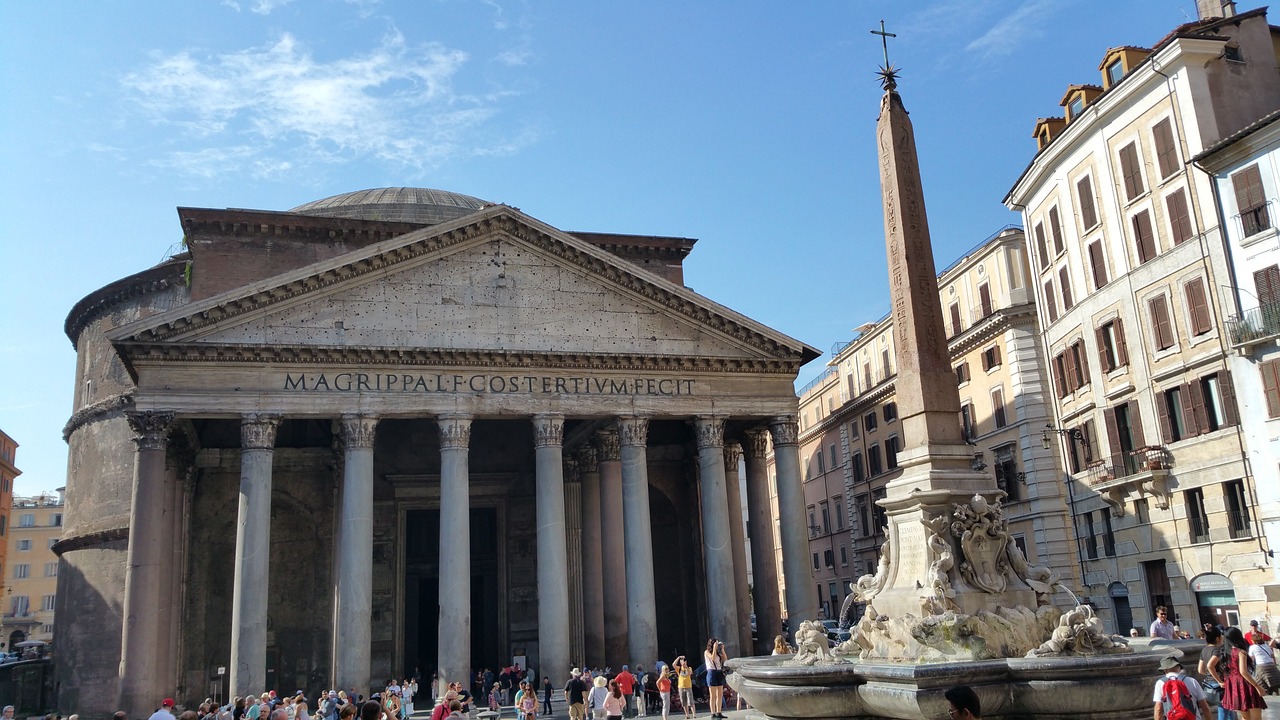
Pantheon
Best-preserved Roman building with the world's largest unreinforced concrete dome
Explore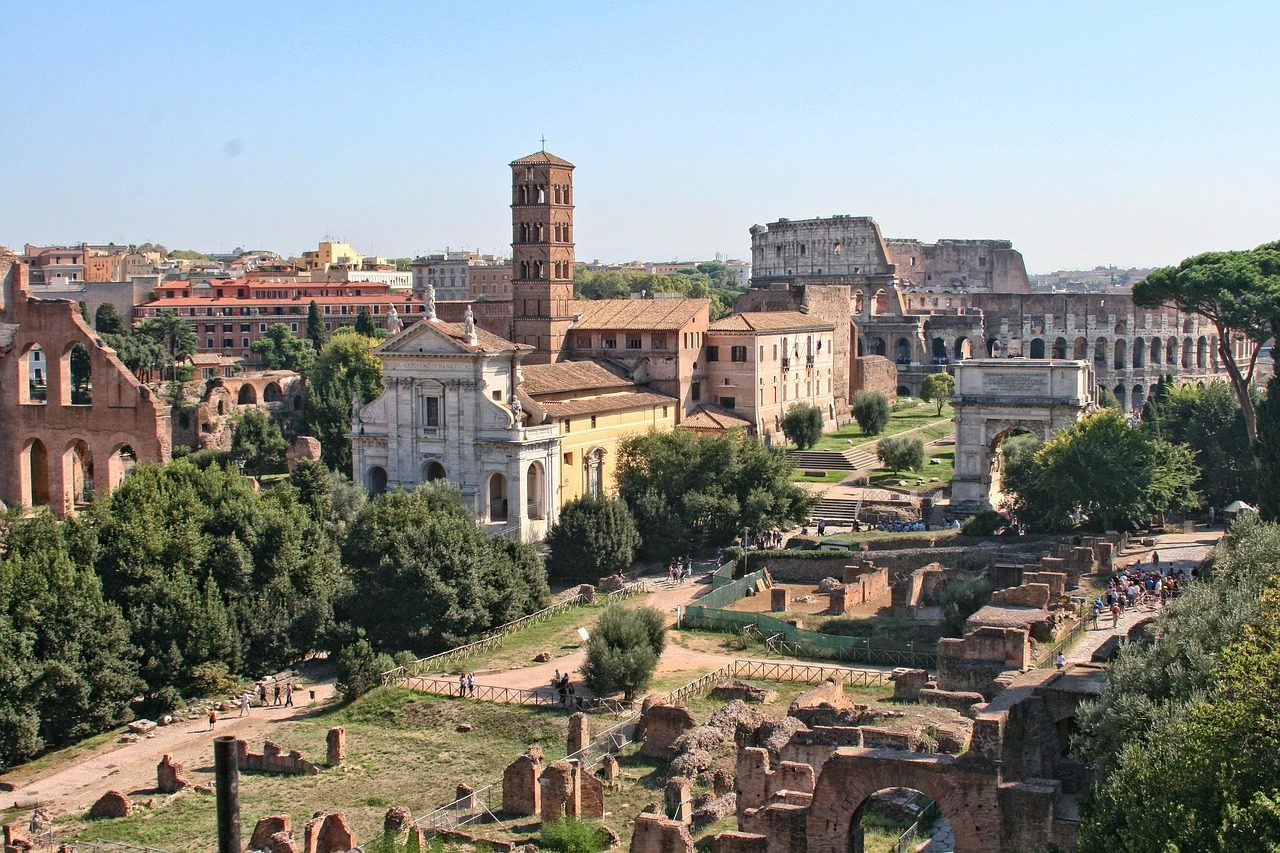
Roman Forum
The beating heart of ancient Rome where politics and daily life flourished
Explore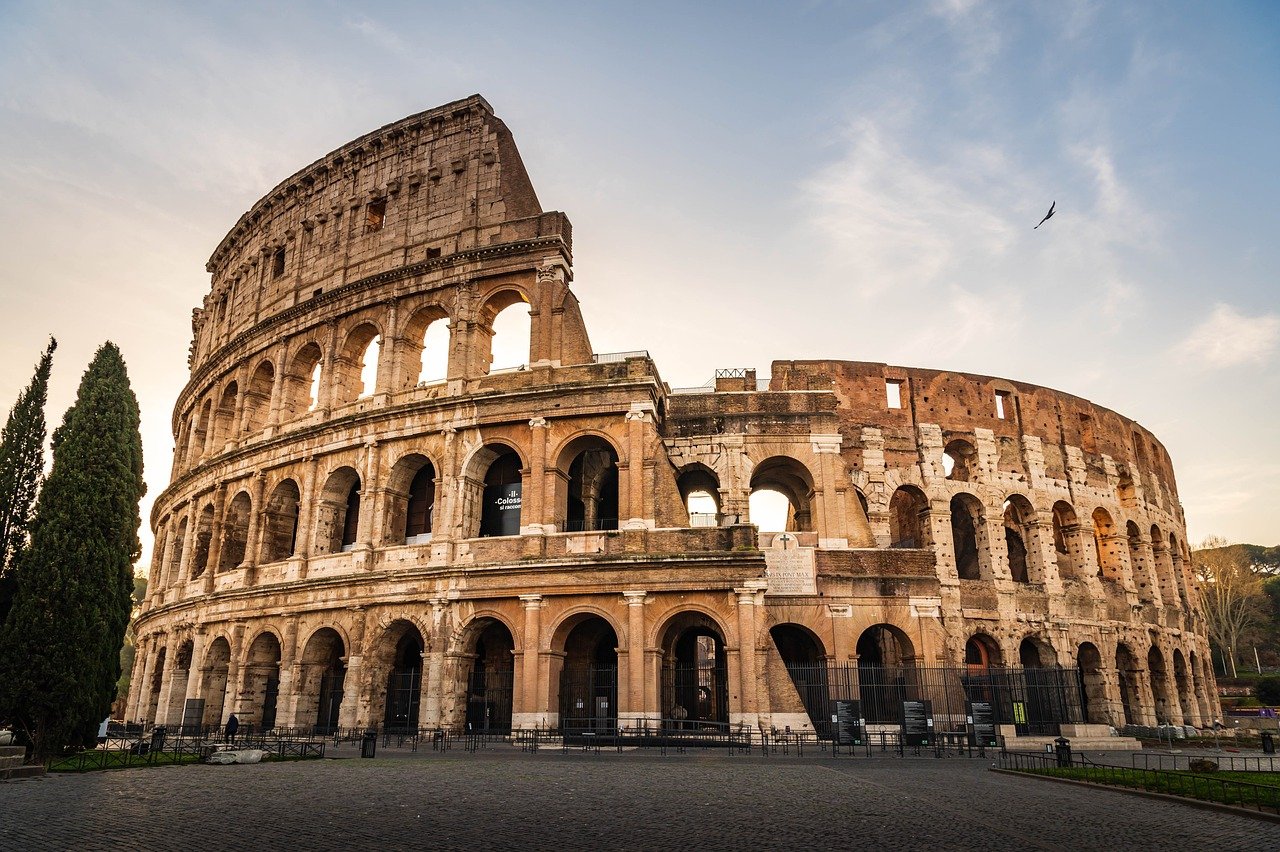
Colosseum
Iconic amphitheater and symbol of Imperial Rome, one of the New 7 Wonders
Explore
Trevi Fountain
Rome's most famous fountain—throw a coin for your return
Explore
Domus Aurea
Nero's buried Golden House — Friday to Sunday visits, VR tour available
ExploreQuick Planning Guide
⏱️ Time Needed
90 min – 2 hours
💰 Cost
€15 (€19.50 with exhibition)
🎫 Reservation
Not needed midweek
♿ Accessibility
Partial — main museum accessible via lift
📅 Best Time
Tuesday/Wednesday morning, 09:30 opening
👨👩👧👦 Family Friendly
Yes — ages 8+, indoor & outdoor
🌡️ Weather
Mostly indoor — good rainy-day visit
Nearby Attractions
Trajan's Column3 min walk
Trajan's Forum2 min walk
Roman Forum8 min walk
Colosseum8 min walk
San Pietro in Vincoli & Moses8 min
Featured In These Itineraries
5 Day Rome ItineraryHidden Gems of RomeFree Rome ItineraryEssential Tips
- ✓ Open daily 09:30–19:30 — no closing day
- ✓ Free entry applies only on designated free-entry days or to eligible categories/residents — check official conditions
- ✓ Trajan's Market is separately ticketed and is not included in Colosseum–Forum admission
- ✓ Best aerial view of Trajan's Column from the terrace
- ✓ Don't miss Via Biberatica — only complete Roman street