 UNESCO World Heritage Site
Roman Forum
The beating heart of ancient Rome, where politics, commerce, and daily life flourished for over a millennium
1.5-2 hoursIncluded with ColosseumAncient RuinsVia della Salara Vecchia, 00186 Roma RMOpen on MapHotels NearbyPlan Your Visit
Compare tickets, tours and stays — booking ahead usually gives more choice
Get TicketsBook a TourHotels NearbyBy AllTrips Editors·Last updatedThe Roman Forum (Foro Romano) was the political, religious and commercial heart of ancient Rome for more than a thousand years. Today its temples, basilicas and triumphal arches sit between the Colosseum, Palatine Hill and the Capitoline Hill — and your Colosseum ticket already includes entry. This 2026 visitor guide covers tickets, the best entrances, what to see, photo spots and the mistakes most first-time visitors make.
Duration
1.5-2 hours
Cost
€18 standard / €24 Full Experience
Era
7th c. BC - 4th c. AD
Type
Ancient Ruins
Why Visit the Roman Forum?
The Roman Forum was the center of political, commercial, and judicial life in ancient Rome. Walking through these ruins allows you to step back in time and experience where history was made.
Political powerhouse
Where senators debated, emperors proclaimed laws, and democracy was born
Commercial hub
Ancient marketplace where merchants traded goods from across the empire
Religious ceremonies
Sacred temples and rituals that shaped Roman spiritual life
Architectural marvels
See the engineering genius that influenced Western architecture
Standing here, you're walking the same paths as Julius Caesar, Cicero, and countless Roman citizens who shaped history.
History of the Roman Forum
Originally a marshy valley between Rome's hills, the Forum became the empire's most important public space. Its history spans over 1,400 years of continuous use and development.
Period
7th century BC - 7th century AD
Size
130m x 50m rectangular plaza
Function
Political, commercial, religious center
Status
UNESCO World Heritage Site
By the 6th century BC the swamp had been drained by the Cloaca Maxima — one of the world's earliest sewers — turning the basin into a paved plaza where elections, trials and triumphal processions unfolded. After the fall of the Western Empire it was gradually buried under silt and grazing pastures (earning the medieval nickname Campo Vaccino, 'cow field'), until 19th- and 20th-century excavations restored it as one of the world's most important archaeological sites.
Timeline Highlights
Five quick steps through 1,400 years of the Forum.
- 7th century BC
A swamp becomes a square
The marshy valley between Rome's hills is drained and paved, and the first markets begin here.
- 509 BC
The Republic takes over
Kings are gone. Senators debate in the Curia, courts sit, and citizens gather to vote.
- 46 BC
Caesar rebuilds
Julius Caesar tears down and rebuilds parts of the Forum, starting a building race later emperors keep up.
- Imperial Era
Marble peak
Emperors add temples, arches and basilicas until the valley is crowded with monuments.
- 7th century AD
Buried and forgotten
The last buildings close, medieval builders cart off the marble, and cows graze over the ruins.
Roman Forum Tickets & Entry
The Roman Forum is part of the Colosseum archaeological park. A single combined ticket covers the Roman Forum, Colosseum and Palatine Hill, valid for 24 hours, but not as two independent scans: the standard €18 ticket allows one timed Colosseum admission and one combined admission to the Roman Forum–Palatine archaeological area. Full Experience products cost €24 and the Forum Pass SUPER (€18) covers the Forum–Palatine area without the Colosseum. Compare prices across our partners below.
Forum & Palatine Hill Entry
Best for: Self-guided explorers
~2 hoursStandard entry to the Roman Forum and Palatine Hill with multimedia video. Explore at your own pace among ancient ruins.
- Roman Forum access
- Palatine Hill included
- Multimedia video guide
- Flexible self-guided visit
🎟️ Compare Prices:
TiqetsKlookTrip.comColosseum + Forum Combo
Best for: First-time visitors
~3 hoursThe most popular option! Combined entry to the Colosseum, Roman Forum, and Palatine Hill with audio guide included.
- Colosseum entry included
- Roman Forum access
- Palatine Hill included
- Audio guide included
🎟️ Compare Prices:
TiqetsKlookTrip.comForum Expert Guided Tour
Best for: History enthusiasts
~2.5 hoursExpert-led tour bringing ancient Rome to life. Includes Palatine Hill and Roman Domus entry with live commentary.
- Professional live guide
- In-depth historical commentary
- Palatine Hill & Roman Domus
- Small group experience
🎟️ Compare Prices:
TiqetsKlookTrip.com
Roman Forum Guided Tours
The Forum is a maze of half-buried ruins — an expert guide turns it into a story. These guided tours bring the temples, basilicas and Via Sacra to life with live commentary, and most include skip-the-line entry to the Forum, Palatine Hill and often the Colosseum.
See guided tours on TiqetsAffiliate link — we may earn a commission at no extra cost to you.
What to See at the Roman Forum
The Forum is not one building but a collection of monuments rebuilt over many centuries. These landmarks help you distinguish the religious sanctuaries, political meeting places and public halls that once filled the valley.
Must-See Features
Temple of Saturn
One of the Forum’s oldest sanctuaries, the Temple of Saturn was traditionally dedicated in 497 BC and housed Rome’s public treasury. Its eight surviving columns belong to a much later rebuilding, not the original Republican temple; look for them on the raised podium at the foot of the Capitoline Hill.
Arch of Septimius Severus
This three-opening marble triumphal arch was dedicated in AD 203 to celebrate the eastern campaigns of Septimius Severus and his sons. Look at the crowded battle reliefs and the inscription above: Geta’s name was removed after his brother Caracalla had him killed, leaving a visible reminder of imperial rivalry.
Curia Julia
Begun by Julius Caesar and inaugurated by Augustus in 29 BC, the Curia Julia was the Roman Senate’s meeting house. The standing brick building largely reflects rebuilding under Diocletian after a fire in AD 283, rather than Caesar’s original structure; when interior access is available, the hall’s marble pavement and stepped seating areas reveal its civic purpose.
Temple of Vesta
The small circular Temple of Vesta housed the sacred flame tended by the Vestal Virgins, whose duty was to keep it burning as a symbol of Rome’s continuity. The columns visible today are a partial modern reconstruction using ancient material from the temple’s later phases; its round plan makes it easy to distinguish from the Forum’s rectangular temples.
Basilica of Maxentius
Begun by Maxentius in the early fourth century and completed under Constantine, this enormous basilica served public administration and judicial business, not Christian worship. The three surviving barrel-vaulted bays belonged to its northern aisle and hint at the scale of the lost central hall; our Basilica of Maxentius guide explains how to read the ruins.
Via Sacra
The “Sacred Way” was the Forum’s ceremonial road, associated with religious processions and the triumphs of victorious Roman commanders. Its surviving stretches of stone paving connect major monuments, but the road extends beyond a single spot: the map marks a representative section rather than its full ancient course.
House of the Vestal Virgins
Beside the Temple of Vesta, the Atrium Vestae was the residence of the priestesses responsible for the sacred flame. The long courtyard, pools and statues of senior Vestals help you picture a substantial residential complex, although much of what survives dates from imperial rebuilding rather than the institution’s earliest days.
Nearby Attractions
Colosseum
East of the Forum, the Flavian Amphitheatre puts the city’s public spectacles into context alongside its political centre. Unlike the open archaeological area, Colosseum visits normally have a reserved entry time; check your own ticket’s inclusions and plan around that appointment.
Palatine Hill
Directly above the Forum, the Palatine contains imperial palace ruins and viewpoints over the ancient valley. It belongs to the combined Forum–Palatine archaeological area, but some individual interiors require a ticket with specific access; the map pin identifies the hill’s palace area, not an entrance.
Capitoline Museums
On Piazza del Campidoglio above the Forum’s western end, these museums display ancient sculpture, inscriptions and objects that make the ruined buildings easier to imagine. The Tabularium gallery provides a memorable elevated view back across the Forum; museum admission is separate from the archaeological park.
Mamertine Prison
At the Capitoline slope near the Arch of Septimius Severus, the Carcer Tullianum preserves chambers associated with Rome’s ancient state prison. Christian tradition connects the site with the imprisonment of Peter and Paul, a religious association rather than a securely documented historical fact; it is a separately managed visit outside the Forum enclosure.
Nearby locations are described by position rather than fixed walking times: the exit you use, ticket checks and uneven ground all affect access.
Historical reference: Colosseum Archaeological Park — Roman Forum.
Roman Forum Landmarks Map
Pins identify the seven features above and four nearby attractions. They mark monuments, not visitor entrances or a walking route; Via Sacra and Palatine Hill are represented by one point each.


 🏛
🏛
🏛
🏛
🏛
🏛
🏛
🏛
🏛
🏺
🏛
+− Leaflet | © OpenStreetMap contributors
Landmark positions checked against geographic references in October 2026. Nearby museums and the prison are outside the Forum–Palatine enclosure.
Open the Roman Forum area in OpenStreetMapBest Photo Spots
Capitoline Hill overlook
Free panoramic view from Piazza del Campidoglio on Capitoline Hill — the classic postcard angle with the Septimius Severus arch in the foreground.
Tabularium terrace
Inside the Capitoline Museums, the ancient Tabularium gallery frames the Forum like a painting through Roman arches.
Arch of Titus at sunrise
Soft east light hits the carved relief of the Menorah — arrive at the 09:00 opening of the Forum–Palatine area for the emptiest shots.
Palatine Hill viewpoint
From the Farnese Gardens above on Palatine Hill, capture the entire Forum basin with the Vittoriano in the background.
Roman Forum vs Imperial Forums vs Palatine Hill
First-time visitors often confuse these three adjacent sites. Here's how to tell them apart.
| Site | Era | Ticket | Best For |
|---|---|---|---|
| Roman Forum | 7th c. BC – 4th c. AD | Standard combo €18 / Full Experience €24 | Republican history, Senate, temples |
| Imperial Forums | 46 BC – 113 AD | Free walk + Trajan's Market (€13) | Trajan's Column, Caesar & Augustus extensions |
| Palatine Hill | 8th c. BC – 4th c. AD | Standard combo €18 / Full Experience €24 | Imperial palaces, panoramic views |
| Capitoline Museums | Founded 1471 | €16 | World's oldest public museum, Tabularium Forum view |
Common Mistakes to Avoid
Buying separate tickets
Your Colosseum ticket already includes the Forum and Palatine Hill — don't pay twice.
Visiting in midday heat
There is almost no shade. Between 11 AM and 3 PM in summer the ruins become punishing. Go early or late.
Skipping Palatine Hill
Palatine Hill is included free with your ticket and offers the best panoramic view of the Forum below — most visitors miss it.
Wearing the wrong shoes
Ancient cobblestones, gravel and steep slopes destroy sandals and dress shoes. Wear sneakers or trainers.
Where to Stay Near Roman Forum
Looking for convenient accommodation near Roman Forum? Stay within walking distance to make the most of your visit.
Hotels Near the Colosseum & ForumCentral locations with easy access to Roman Forum and other attractionsBest Time to Visit
Early Morning
09:00 opening — cooler temperatures and softer light
Late Afternoon
4:00 PM - golden hour lighting, dramatic shadows
Avoid Midday
11 AM - 3 PM: Intense sun, crowds, minimal shade available
The Roman Forum Throughout the Day
The Forum has almost no shade and changes character dramatically hour by hour. Pick the slot that matches your priorities.
9:00–10:00 AM (opening)
The Forum–Palatine area opens at 09:00. Cool air, soft side-light along Via Sacra, and the Temple of Saturn columns catch the morning sun — generally a good window for photographers.
10:00 AM–12:00 PM (Colosseum overflow)
Tour groups finish the Colosseum and pour into the Forum via the Arch of Titus. Still walkable, but the Curia and Vestals area get busy.
12:00–3:00 PM (peak heat)
Worst window. Almost no shade, the marble reflects heat, and there are no covered rest areas. Avoid in summer unless this is your only option.
3:00–5:00 PM (afternoon dip)
Crowds thin as visitors leave for the Vatican. Light becomes warm and the Arch of Septimius Severus glows against the Capitoline behind it.
Last 90 minutes before closing
The single best window. Golden-hour light pours down Via Sacra, the columns cast long dramatic shadows, and most travelers have already left. Bring a wide lens.
After closing (free Capitoline view)
Walk up to Piazza del Campidoglio behind the Capitoline Museums for the iconic floodlit overlook of the Forum from above — completely free, open 24/7.
The Roman Forum by Season
The Forum is open year-round, but the visit changes dramatically with the seasons — it's an open-air archaeological site with almost no shade and few benches.
| Season | Crowds | Conditions | Best For |
|---|---|---|---|
| Spring (Mar–May) | Heavy from late March | Mild, fresh, breezy | Wildflowers between the ruins, perfect light, comfortable temperatures all day |
| Summer (Jun–Aug) | Peak — extremely heavy | Brutal heat, no shade | Best at the 09:00 opening or in the last hour before closing — bring water, hat, SPF 50 |
| Autumn (Sep–Nov) | Heavy Sep, easing by Nov | Warm-mild, soft light | Best balance of weather and crowds, perfect golden-hour photography of Via Sacra |
| Winter (Dec–Feb) | Light (except Christmas/Epiphany) | Crisp, occasional rain | Walk-up entry possible, low-angle sun creates dramatic column shadows, contemplative empty ruins |
Our pick: Late October or early November. Crowds drop sharply after the Italian holiday on November 1, the lower sun angle creates dramatic shadows along Via Sacra, and you can actually hear yourself think.
Pair Your Roman Forum Visit With…
Your Forum ticket already includes the Palatine and Colosseum. These nearby sites complete the perfect ancient-Rome day:
- → Palatine Hill — included with your ticket; climb up via the Arch of Titus for the best view down into the Forum.
- → Colosseum — also included; visit last to avoid the morning entry queues.
- → Temple of Venus and Roma — directly between the Forum and Colosseum, often deserted.
- → Trajan's Market — across Via dei Fori Imperiali; pair both for a complete imperial-forums circuit.
- → Pantheon — 20-minute walk through the historic center; perfect lunch-stop pivot from ancient to baroque Rome.
Frequently Asked Questions
Is the Roman Forum included with Colosseum tickets?
Yes. The standard €18 ticket permits one timed Colosseum admission and one combined admission to the Roman Forum–Palatine archaeological area within its 24-hour validity. The €24 Full Experience adds arena or underground access on the same basis.
How long should I spend at the Roman Forum?
Plan 1.5–2 hours for the Forum alone, or 2.5–3 hours if combining with Palatine Hill. History buffs with an audio or live guide should allow up to 4 hours. Early morning visits offer better lighting for photos and cooler temperatures in summer.
What was the Roman Forum used for?
The Forum was ancient Rome's political, religious, and commercial center for over 1,000 years. Romans gathered here for elections, trials, gladiator games, triumphal processions and public speeches. Julius Caesar was cremated in the Forum, on the spot now marked by the Temple of Caesar.
Is there shade in the Roman Forum?
Very little shade exists among the ruins. Bring sunscreen, a hat, refillable water bottle and comfortable shoes. The free public fountains (nasoni) along Via Sacra provide drinkable water. Visit early morning (from 09:00 opening) or late afternoon (after 4 PM) to avoid peak heat.
What's the best entrance to the Roman Forum?
There are three entrances: Via della Salara Vecchia (main, near the Colosseum), Via di Monte Tarpeo (from Capitoline Hill — best for downhill walk through the Forum) and the Arch of Titus entrance shared with the Colosseum. Entering from Capitoline Hill gives the most dramatic first view.
Is the Roman Forum wheelchair accessible?
Accessibility is limited. The terrain is uneven with ancient cobblestones, gravel paths and slopes. A partially accessible route exists from the Via dei Fori Imperiali entrance, and free entry is available for visitors with disabilities and one companion. Contact the Parco archeologico del Colosseo in advance for a guided accessible itinerary.
Can you visit the Roman Forum for free?
Entry is free on the first Sunday of each month and on official free days including April 25, June 2 and November 4. Expect very long queues. Visitors under 18 enter free, subject to the official eligibility and identification rules. The Via Sacra and key viewpoints from Capitoline Hill (Piazza del Campidoglio) offer free panoramic views of the Forum any time.
What's the difference between the Roman Forum and the Imperial Forums?
The Roman Forum (Foro Romano) is the original Republican-era civic center dating to the 7th century BC. The Imperial Forums (Fori Imperiali) — built by Caesar, Augustus, Nerva, Vespasian and Trajan — are five separate complexes added between 46 BC and 113 AD when the original Forum became too crowded. They sit across Via dei Fori Imperiali and require a separate ticket to enter (though Trajan's Market is the main paid site).
Related Attractions
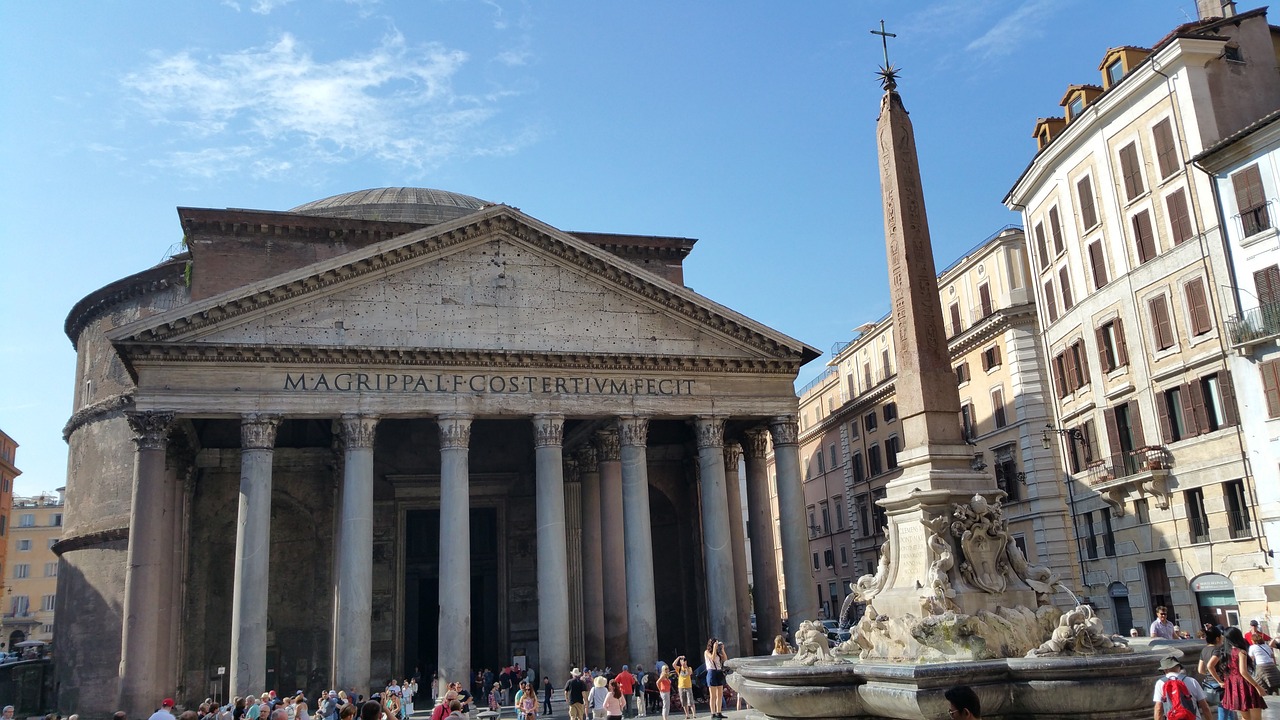
Pantheon
Best-preserved Roman building with the world's largest unreinforced concrete dome
Explore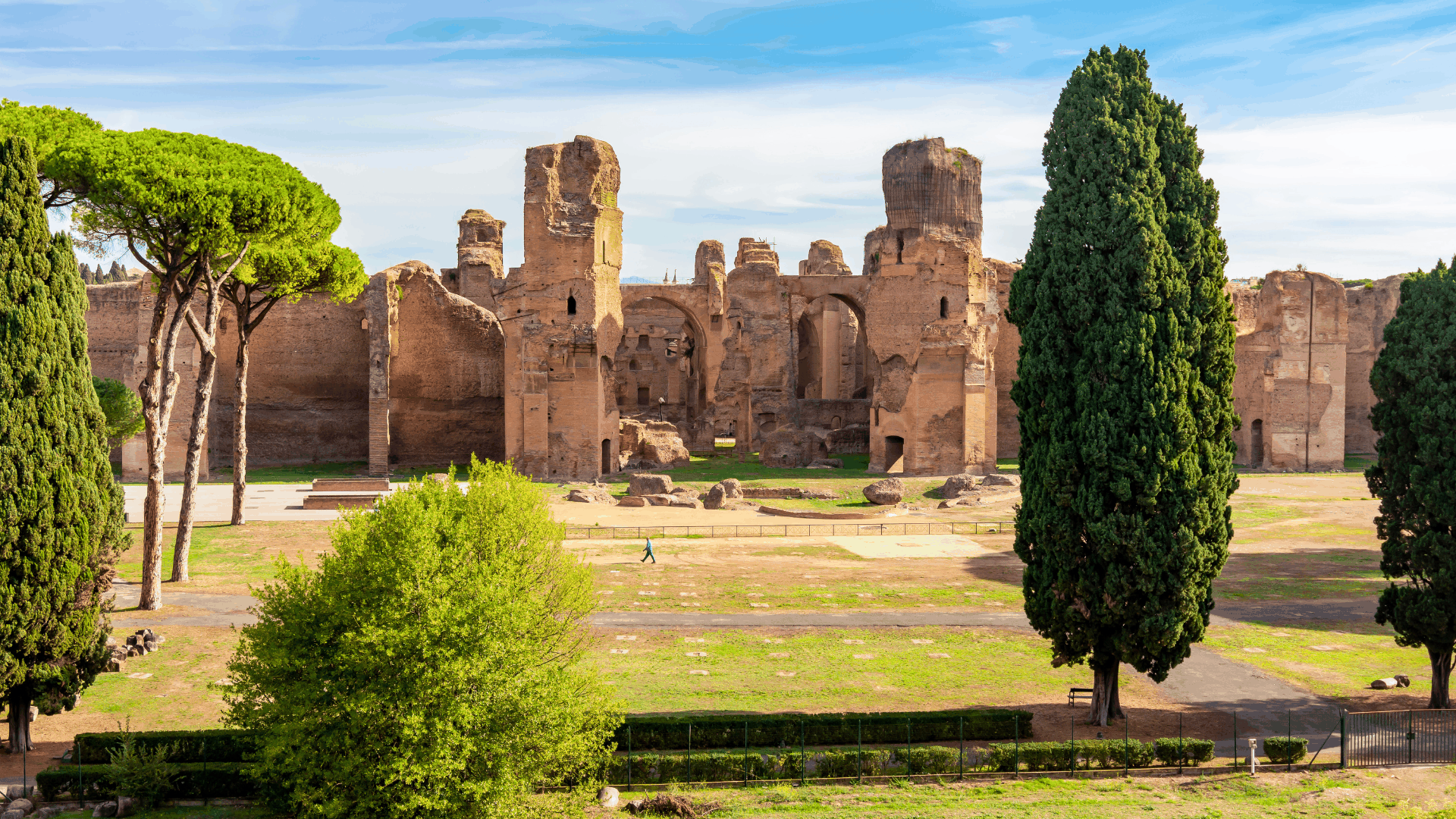
Baths of Caracalla
Ancient Rome's most magnificent public baths with towering ruins
Explore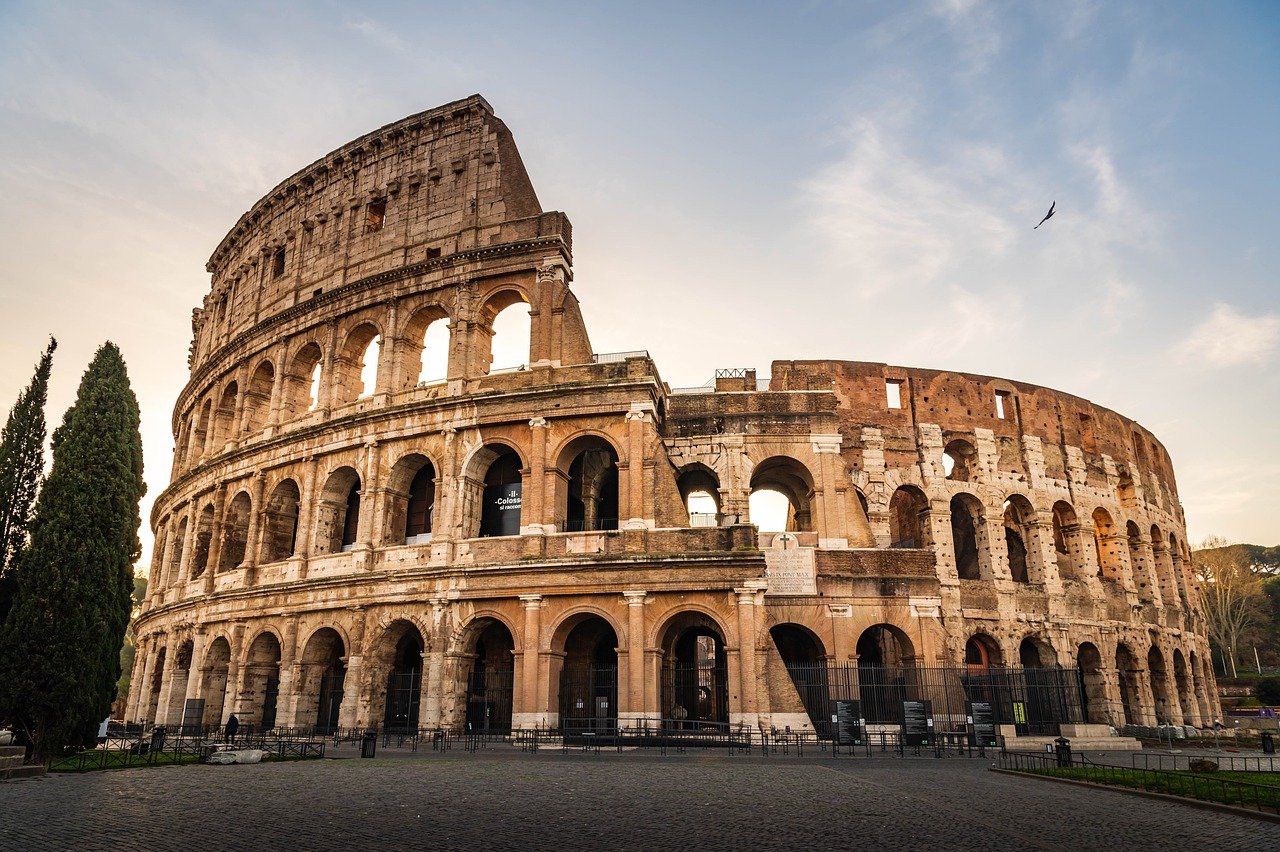
Colosseum
Iconic amphitheater and symbol of Imperial Rome, one of the New 7 Wonders
Explore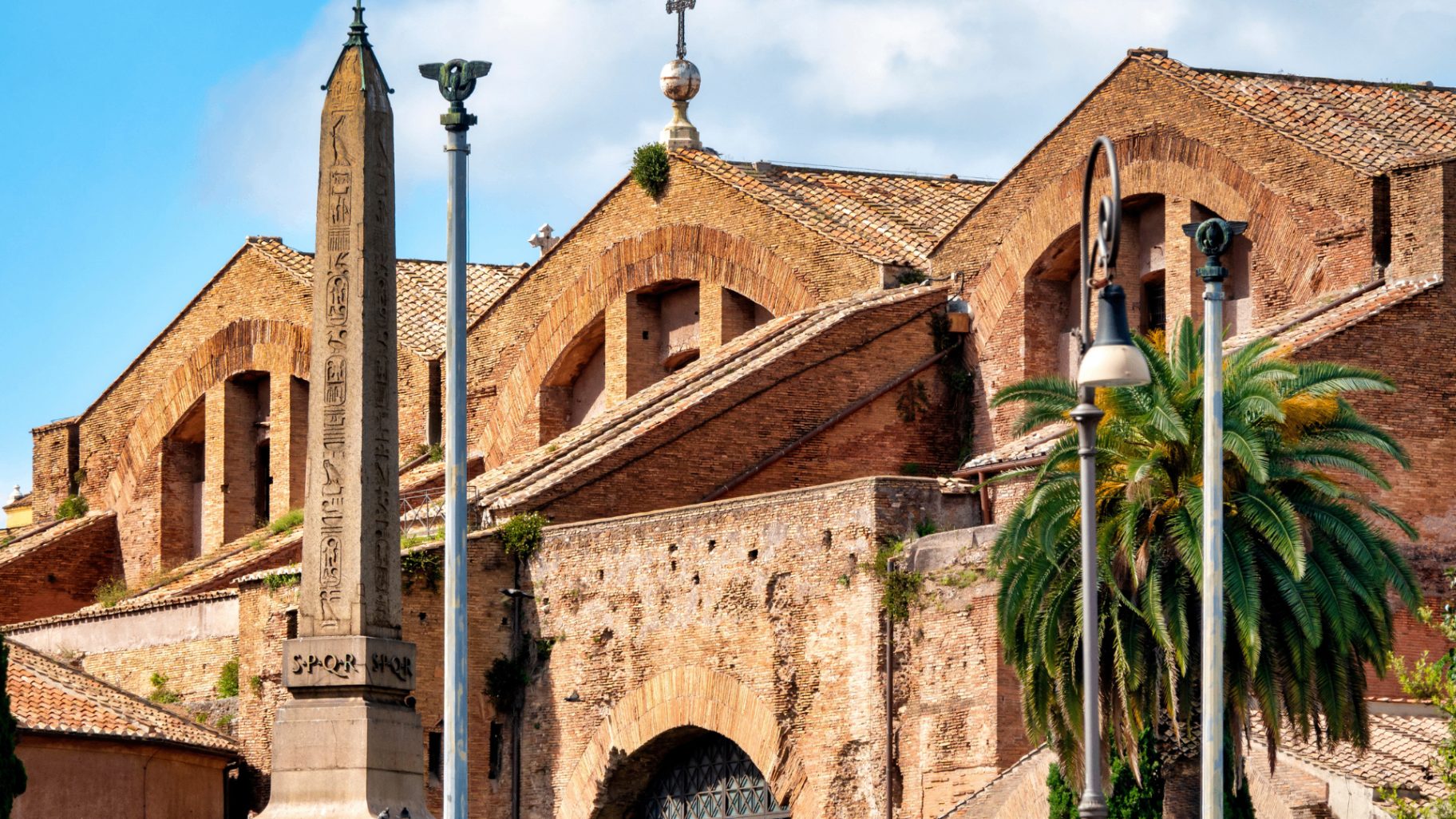
Baths of Diocletian
Ancient Rome's largest baths, now housing the National Roman Museum
Explore
Luneur Park
Rome's beloved children's amusement park since 1953
Explore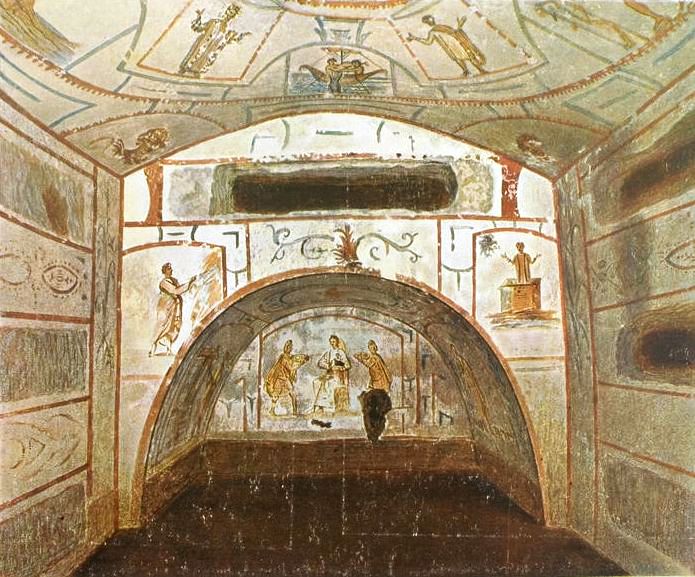
Catacombs of Marcellinus & Peter
900+ painted biblical scenes—Rome's finest early Christian frescoes
ExploreQuick Planning Guide
⏱️ Time Needed
1.5-2 hours
💰 Cost
€18 standard combination ticket; €24 Full Experience
🎫 Reservation
Highly recommended
♿ Accessibility
Limited - uneven ancient paths
📅 Best Time
Early morning or late afternoon
👨👩👧👦 Family Friendly
Yes (great for history lessons)
Nearby Attractions
Colosseumeast of the Forum
Palatine Hilladjacent archaeological site
Capitoline Museumsabove the western end
Mamertine Prisonby the Capitoline slope
You May Also Like
ColosseumPalatine HillCapitoline HillBasilica of MaxentiusFeatured In These Itineraries
One Day in Rome5 Day Rome ItineraryClassic Rome 3-DayEssential Tips
- ✓ One timed Colosseum admission plus one combined Forum–Palatine admission
- ✓ Bring water - limited shade available
- ✓ Wear comfortable shoes for uneven ground
- ✓ Start early to avoid midday heat