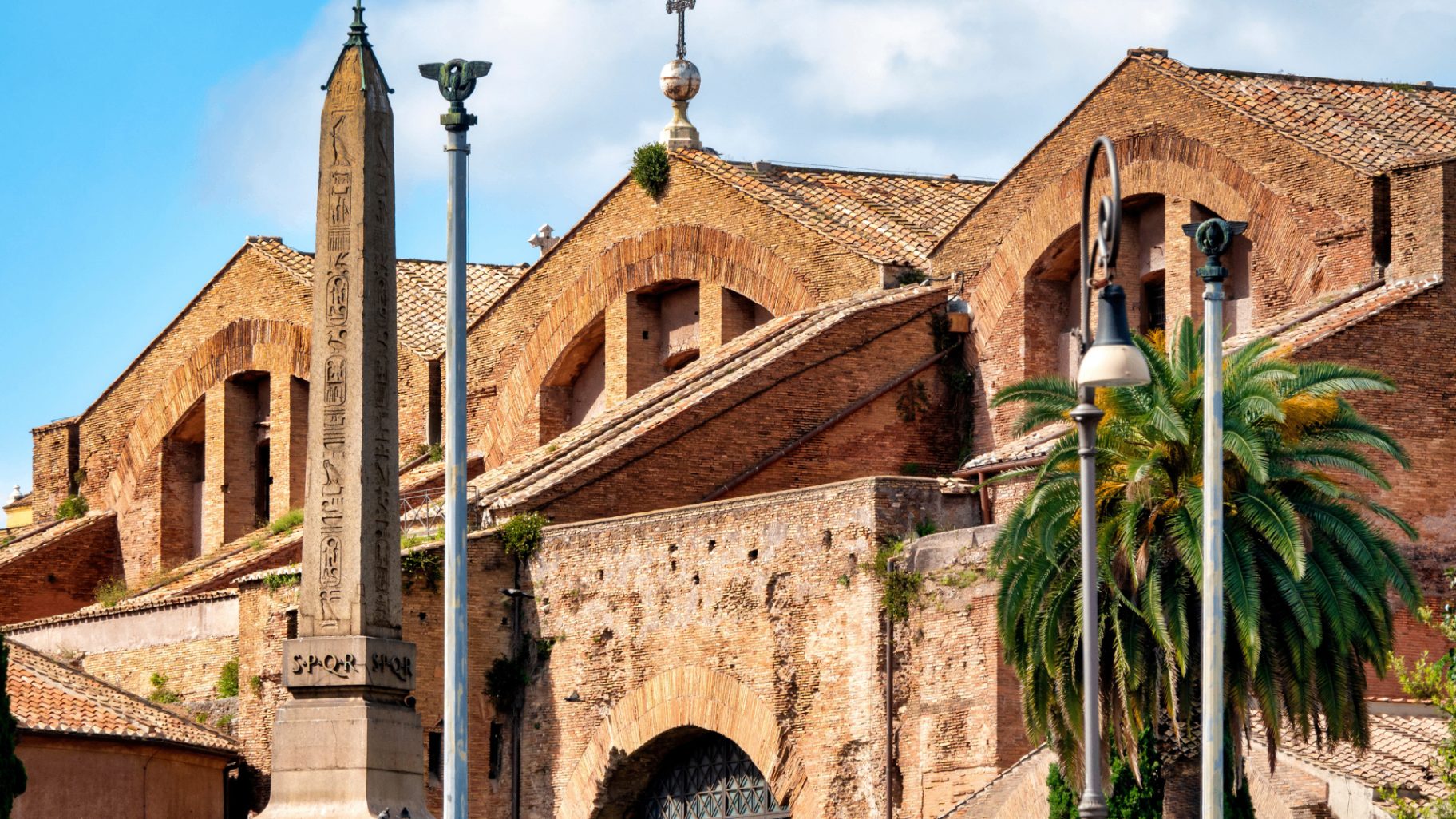
 Ancient Baths
Baths of Diocletian
Ancient Rome's largest public baths, now home to a world-class museum and Michelangelo's masterpiece
2-3 hours€15Ancient WonderViale Enrico De Nicola, 78, 00185 Roma RMOpen on MapPlan Your Visit
Compare tickets, tours and stays — booking ahead usually gives more choice
Get TicketsBook a TourHotels NearbyWhy Visit the Baths of Diocletian?
The Baths of Diocletian were the largest public baths ever built in ancient Rome, with a commonly cited (though unverified) estimate of up to 3,000 bathers at a time. Built between 298-306 AD, they covered 13 hectares and remained in use for over 200 years. Today, the impressive ruins house part of the National Roman Museum and include Michelangelo's serene cloister garden.
Largest Roman Baths
The biggest bath complex in the ancient world, twice the size of Caracalla's baths
Michelangelo's Cloister
A peaceful Renaissance cloister designed by Michelangelo with ancient sculptures
Epigraphic Collection
One of the world's finest collections of Roman inscriptions and sarcophagi
Hidden Gem Location
Less crowded than other Roman sites, right next to Termini Station
Built
298-306 AD
Capacity
~3,000 bathers (est.)
Size
13 hectares
Entry
€15
Visit Time
2-3 hours
Now
Museum & Church
Table of Contents
Jump to any section of the itinerary
What to See
Michelangelo Cloister
- Renaissance-era columns surrounding a peaceful garden
- Old cypresses traditionally said to date from the Renaissance planting
- Roman sculptures and sarcophagi on display
- One of Rome's most serene and photogenic spots
Epigraphic Museum
- Over 10,000 Roman inscriptions
- Ancient love letters and legal documents
- Epitaphs revealing daily Roman life
- One of the world's largest collections
Santa Maria degli Angeli
- Michelangelo's church in the frigidarium
- Original Roman vaulted ceilings preserved
- Massive ancient granite columns
- Free entry (separate from museum)
Aula X & Great Halls
- Original bath complex great halls
- Impressive Roman sculptures on display
- Architectural fragments showing grandeur
- Sense of scale of ancient thermae
History of the Baths of Diocletian
298 ADConstruction Begins
Emperor Diocletian begins building the largest bath complex Rome had ever seen; according to later Christian tradition, Christian prisoners were among the labourers.
306 ADBaths Open
The complex opens to the public, reportedly able to accommodate an estimated 3,000 bathers at a time, featuring hot and cold pools, libraries, and gardens.
537 ADDecline
After the Goths cut Rome's aqueducts, the baths cease functioning but the structures remain standing.
1561Michelangelo's Commission
Pope Pius IV commissions 86-year-old Michelangelo, who designed the church, to transform the frigidarium; the work was completed after his death.
1889Museum Opens
The National Roman Museum is established here, displaying Rome's archaeological treasures.
PresentLiving Heritage
Part of the National Roman Museum network, hosting world-class collections in ancient Roman architecture.
Combined Ticket Value
Your €15 ticket gives one entry to each currently open National Roman Museum venue (Palazzo Massimo, Palazzo Altemps; Crypta Balbi is temporarily closed) and is valid for one week from first use.
Photography Tips
The cloister is best photographed in morning light. Its old cypresses create stunning compositions with the Renaissance columns.
Best Time to Visit
Weekday mornings are quietest. The site closes Mondays. Allow extra time if visiting the free church next door.
Don't Miss
Walk around the exterior to appreciate the massive scale of the original baths—they covered 13 hectares, twice the size of Caracalla's.
Diocletian vs. Caracalla: Rome's Two Great Baths
Rome's two largest bath complexes offer different but complementary experiences. Here's how they compare:
Baths of Diocletian
Size:13 hectares (largest ever built)Built:298-306 AD (newer)Capacity:~3,000 bathers (est.)Today:Museum, church, cloisterHighlight:Michelangelo's Renaissance cloisterLocation:Central (near Termini)Baths of Caracalla
Size:11 hectares (second largest)Built:212-216 AD (older)Capacity:1,600 bathersToday:Open-air ruins, summer operaHighlight:Massive preserved brick walls & mosaicsLocation:South (near Circus Maximus)Which Should You Visit?
Visit Diocletian for museum collections, Michelangelo's architecture, and a more intimate indoor experience near the city center.Visit Caracalla for dramatic outdoor ruins, original mosaic floors, and the sheer scale of ancient Roman engineering.Ideally, visit both—they're complementary experiences that together tell the full story of Roman bathing culture.
Common mistakes to avoid
Skipping it because you've already seen Caracalla
Many visitors think one Roman bath complex is enough. Diocletian's experience is completely different — it's an indoor museum with Michelangelo's Renaissance cloister, not open-air ruins. The two complement rather than duplicate each other.
Missing Santa Maria degli Angeli next door
The basilica built by Michelangelo inside the original frigidarium is FREE to enter and not part of the museum ticket. Many visitors leave without seeing it because it has a separate entrance on Piazza della Repubblica.
Not using the combined ticket fully
Your €15 ticket gives one entry to each currently open National Roman Museum venue (Diocletian, Palazzo Massimo, Palazzo Altemps; Crypta Balbi is temporarily closed) and is valid for one week from first use. Most visitors only use it for one site. Plan to combine at least two.
Visiting on a Monday
The site is closed every Monday like most Italian state museums. Many travelers arrive only to find locked gates. Always check before planning your visit day.
Rushing past the epigraphic collection
The 10,000+ Roman inscriptions look dry at first, but they include love letters, slave manumissions, gladiator epitaphs, and graffiti. Read a few translations — they bring ancient Roman daily life vividly to life in a way statues cannot.
Underestimating the original scale
What you see today is only a fraction of the original 13-hectare complex. Walk around the perimeter (Via Cernaia, Piazza dei Cinquecento) before entering — you'll spot massive ruined walls embedded in modern buildings, giving a sense of how vast the baths really were.
Insider tips from locals
Combine with Palazzo Massimo on the same morning
Palazzo Massimo is a 5-minute walk away and uses the same ticket. It houses the Boxer at Rest, the Hellenistic bronzes, and Livia's painted garden room from Prima Porta — arguably the finest Roman art collection in the world. Do Diocletian first (1.5 hours), then Massimo (2 hours) for an unforgettable archaeology morning.
Enter the Michelangelo cloister first
Most visitors go through the museum chronologically and reach the cloister exhausted at the end. Reverse it: head straight to the cloister while you're fresh, photograph it in the morning light, then loop back through the inscriptions and halls.
Use it as a Termini layover
If you have a long train layover at Roma Termini, the baths are a 5-minute walk away — left luggage at Termini, two hours at the museum, lunch in the area, and back to your platform. One of the best layover plans in any European capital.
Look for the original Roman doorways inside the church
Inside Santa Maria degli Angeli, the massive granite columns and brickwork are largely original 4th-century Roman fabric. The transept follows the exact dimensions of the ancient frigidarium. Look up at the vaulted ceilings, which incorporate original ancient Roman fabric.
Bring a small notebook
The epigraphic museum allows photography but the inscriptions are densely packed. A few minutes copying out a Latin epitaph or a graffito and translating it later turns a passive visit into something you'll remember.
Visit at golden hour
The cloister faces predominantly south and east — late afternoon (16:00–17:30 in winter, 17:30–19:00 in summer) bathes the columns and cypresses in warm low-angle light. The site stays open until 19:30 most days.
Where to Stay Near Baths of Diocletian
Looking for convenient accommodation near Baths of Diocletian? Stay within walking distance to make the most of your visit.
Hotels Near This AttractionTop Rated HotelsBudget-Friendly OptionsLuxury HotelsCentral locations with easy access to Baths of Diocletian and other attractionsFrequently Asked Questions
How much does it cost to visit the Baths of Diocletian?
Entry costs €15 for adults, which includes one entry to each currently open venue of the National Roman Museum (Palazzo Massimo, Palazzo Altemps, and Baths of Diocletian; Crypta Balbi is temporarily closed). The combined ticket is valid for one week from first use. EU citizens aged 18-25 pay reduced rates, and under 18s enter free.
How long should I spend at the Baths of Diocletian?
Plan for 2-3 hours to fully explore the museum collections, the Michelangelo Cloister, and the impressive ancient ruins. A quick visit focusing on highlights takes about 1.5 hours.
What can I see at the Baths of Diocletian today?
The site now houses part of the National Roman Museum with an exceptional collection of Roman inscriptions, sarcophagi, and sculptures. The highlight is the stunning Michelangelo Cloister with its ancient cypress trees. The church of Santa Maria degli Angeli, designed by Michelangelo but completed after his death, is also built into the ruins.
What's the connection between the Baths of Diocletian and Santa Maria degli Angeli?
In 1561, Pope Pius IV commissioned Michelangelo to convert the frigidarium (cold room) of the ancient baths into a church. The result, completed after Michelangelo's death, is the stunning Basilica of Santa Maria degli Angeli e dei Martiri, which preserves much of the original Roman architecture.
Is the Baths of Diocletian included in the Roma Pass?
Yes, the Baths of Diocletian (and the entire National Roman Museum) is included in the Roma Pass. You can use your first or second free entry or get discounted access.
Related Attractions
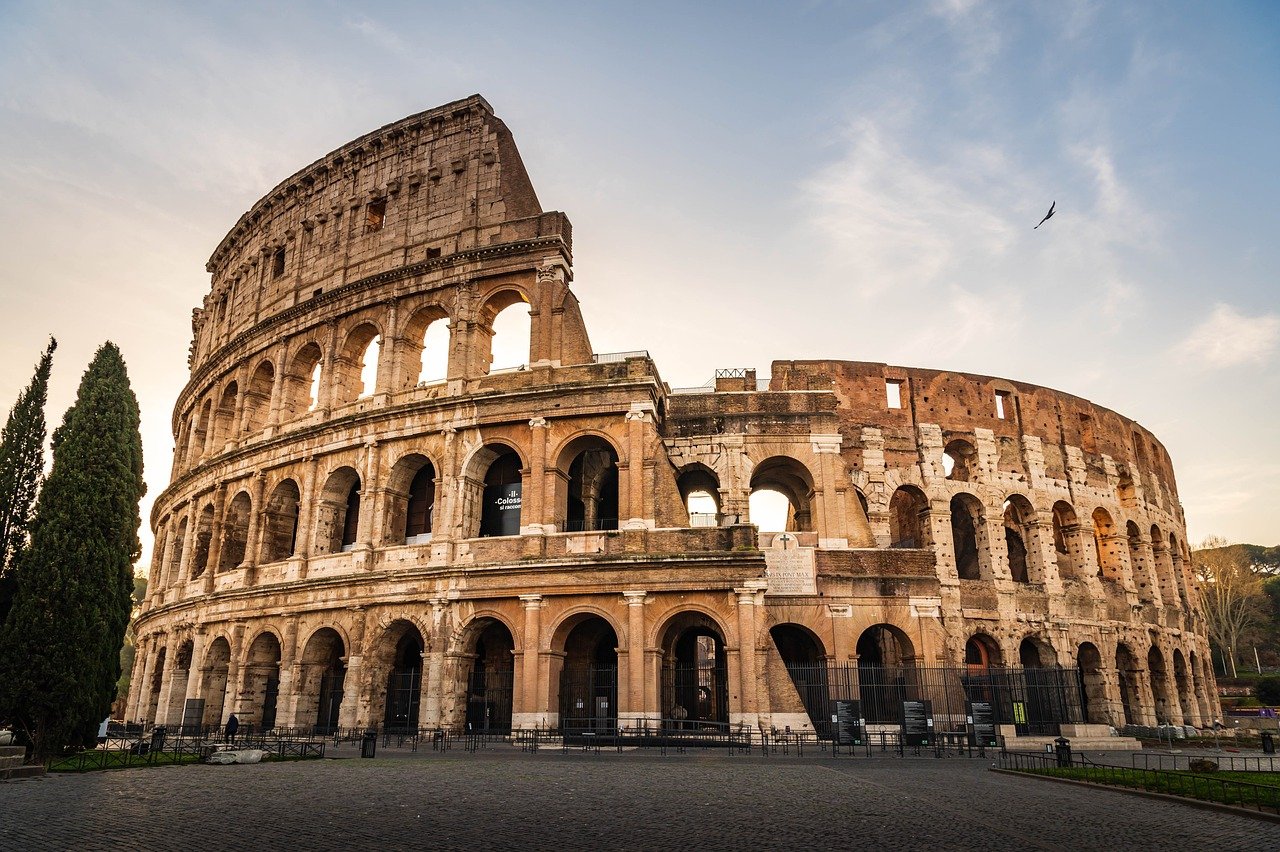
Colosseum
Iconic amphitheater and symbol of Imperial Rome, one of the New 7 Wonders
Explore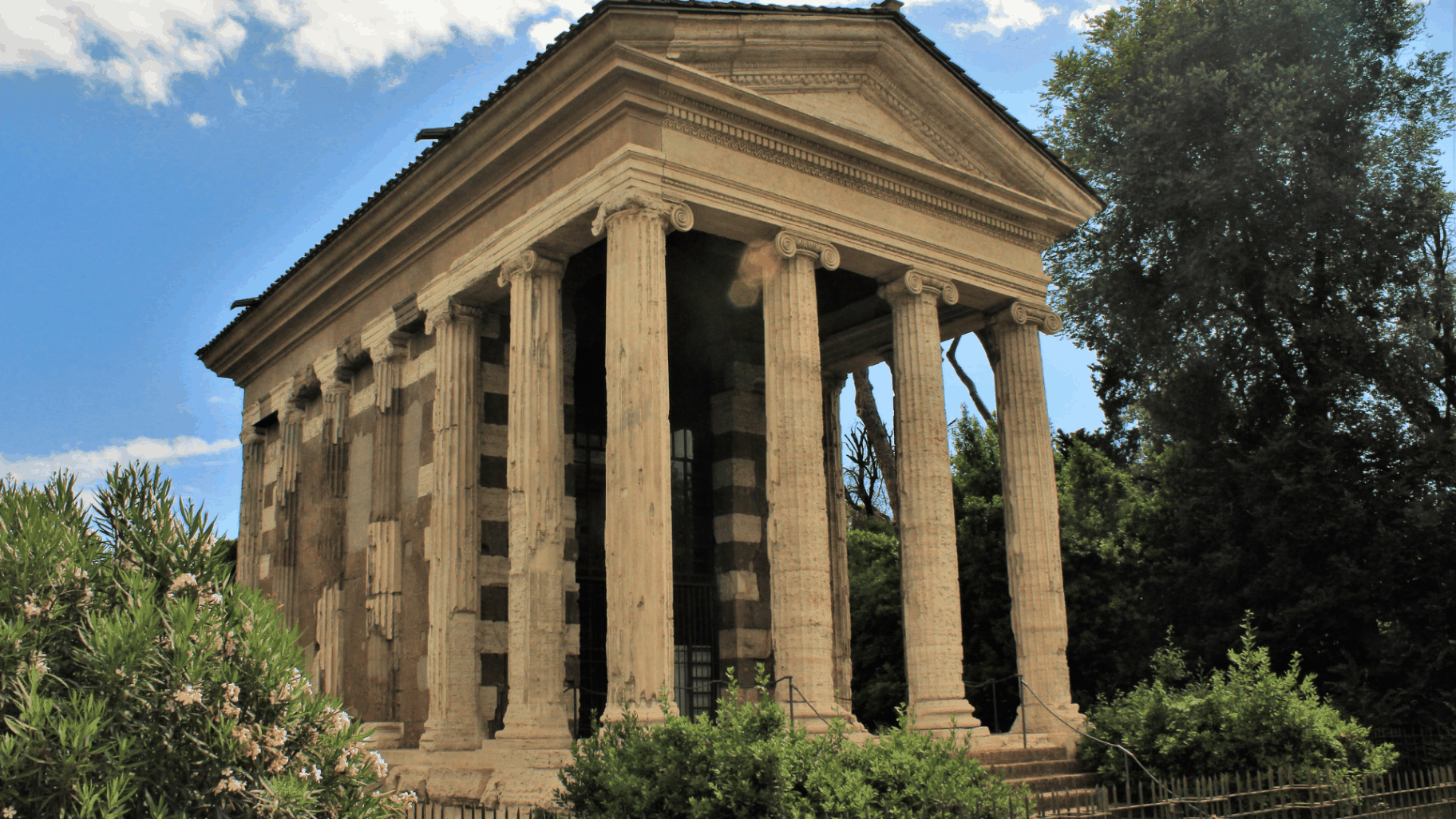
Temple of Portunus
Remarkably intact Republican-era temple to the god of harbors
Explore
Temple of Venus and Roma
Rome's largest ancient temple—Emperor Hadrian's masterpiece
Explore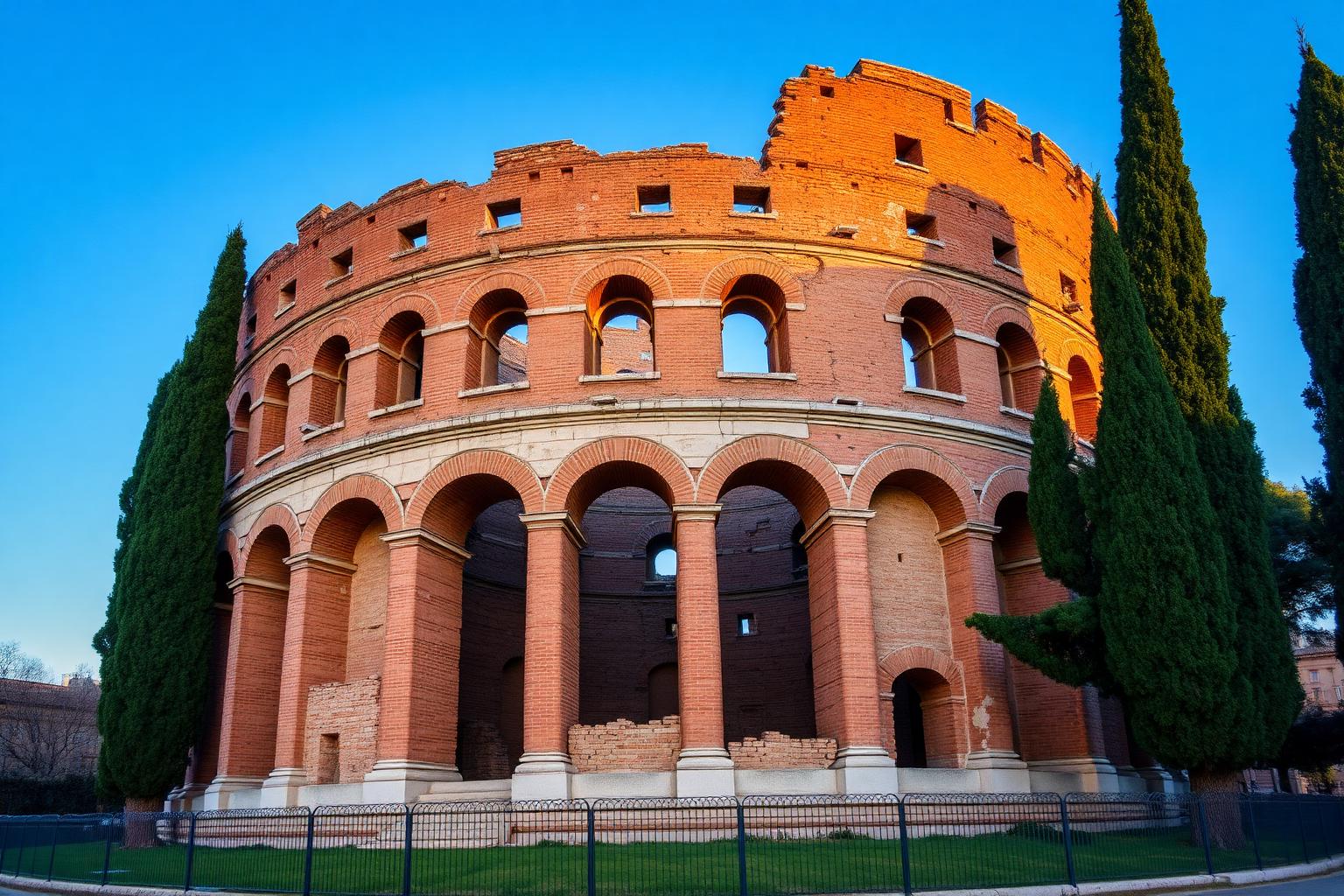
Mausoleum of Helena
Constantine's massive 4th-century tomb for his mother Saint Helena
Explore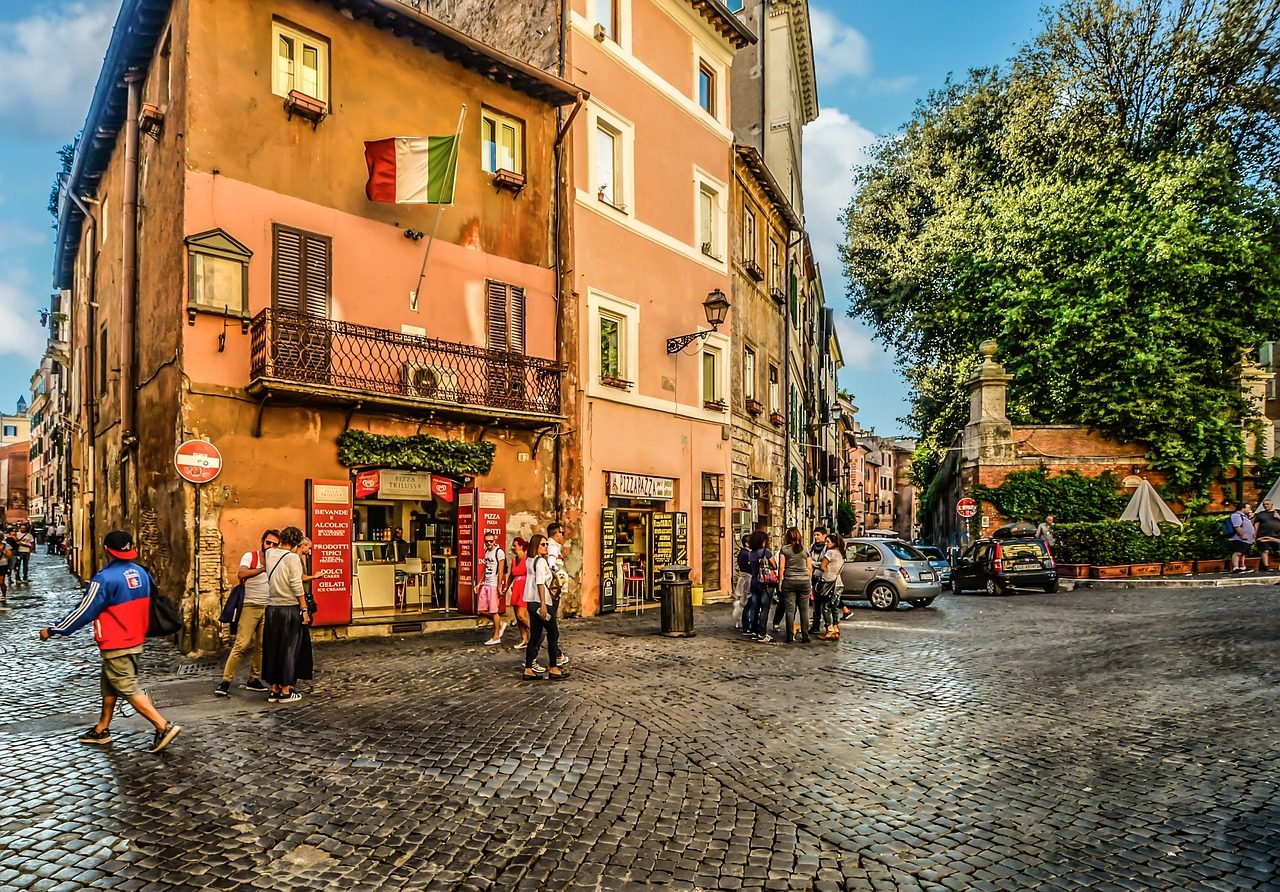
Trastevere
Rome's authentic bohemian heart with medieval streets
Explore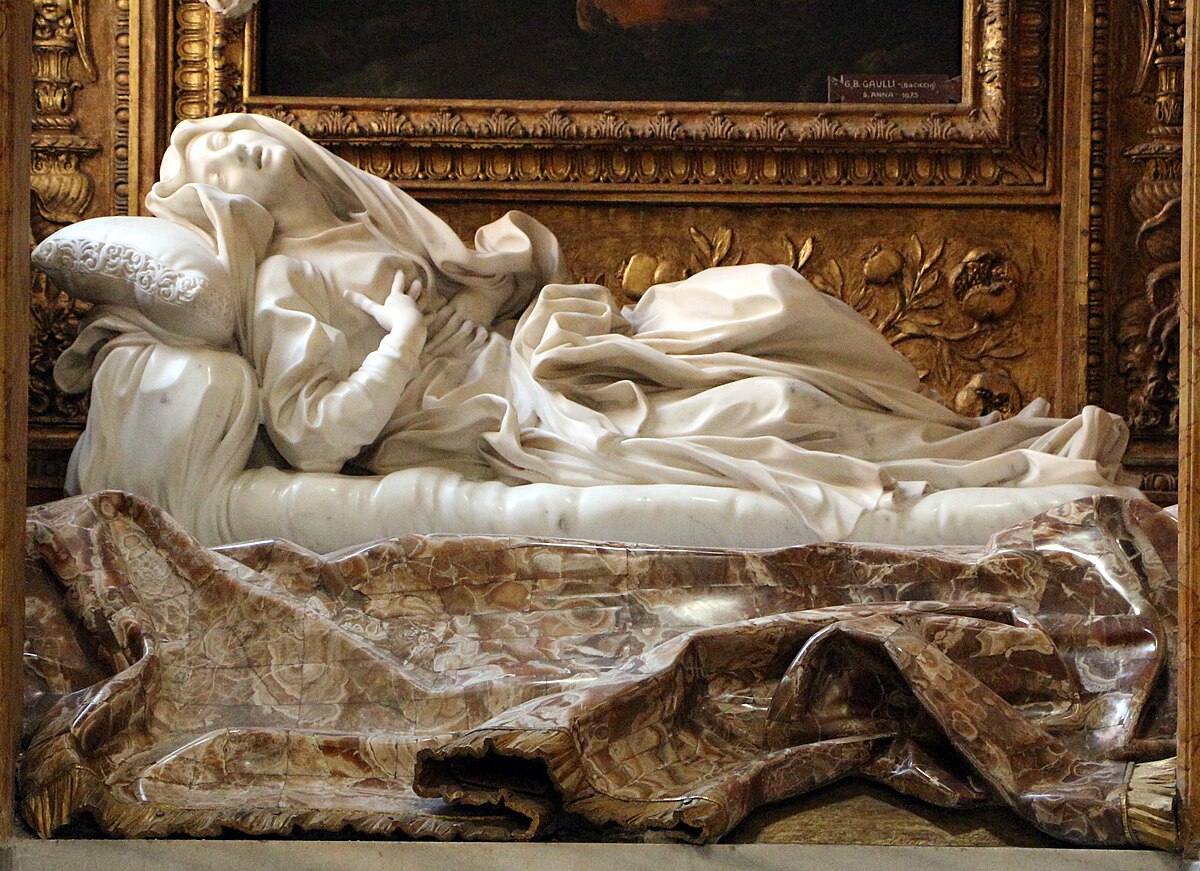
San Francesco a Ripa
Hidden Trastevere church with Bernini's stunning sculpture
ExploreQuick Planning Guide
⏱️ Time Needed
2-3 hours
💰 Cost
€15 (combined museum ticket)
🎫 Reservation
Not required
♿ Accessibility
Mostly accessible
📅 Best Time
Morning weekdays
👨👩👧👦 Family Friendly
Yes, with museum exhibits
Nearby Attractions
Piazza della Repubblicaadjacent
Santa Maria Maggiore10-minute walk
Termini Station5-minute walk
Palazzo Massimo5-minute walk
You May Also Like
Palazzo MassimoSanta Maria MaggioreSanta Maria degli AngeliFeatured In These Itineraries
5 Day Rome ItineraryClassic Rome in 3 DaysRainy Day RomeEssential Tips
- ✓ Combine with Palazzo Massimo next door
- ✓ Don't miss Michelangelo's cloister
- ✓ Visit Santa Maria degli Angeli church (free)
- ✓ Combined ticket valid for one week from first use