 Art Museum
Palazzo Massimo alle Terme
Rome's treasure house of ancient frescoes, mosaics and the Boxer at Rest
2.5–3 hours€15 combinedRoman artLargo di Villa Peretti 2, 00185 Roma RMOpen on MapPlan Your Visit
Compare tickets, tours and stays — booking ahead usually gives more choice
Get TicketsBook a TourHotels NearbyPalazzo Massimo alle Terme is the main site of the National Roman Museum, located 100 metres from Termini station in Rome. It holds one of the world's most important collections of ancient Roman frescoes, including the Garden Room from the Villa of Livia and the bedrooms of the Villa Farnesina, together with the bronze Boxer at Rest and the Discobolus Lancellotti. In 2026 it is open Tuesday to Sunday from 09:00 to 19:00 and the combined ticket costs 13 euros.
Why visit Palazzo Massimo?
A short walk from Termini station, behind a discreet 1880s façade, lies the museum that Rome itself rates as its finest. Palazzo Massimo holds an exceptional concentration of Roman frescoes, mosaics and sculpture: one of the most completely preserved painted garden rooms surviving from antiquity, the bronze Boxer at Rest with copper inlays representing wounds and blood, and the cubicula of an Augustan villa that bring you eye-to-eye with the bedroom walls of Rome's ruling class.
Tourists pass it every day on their way from Termini to the Vatican, never imagining that the better Roman museum is the one they walked past. With the crowds still elsewhere, it is the smartest three hours you can spend in the city.
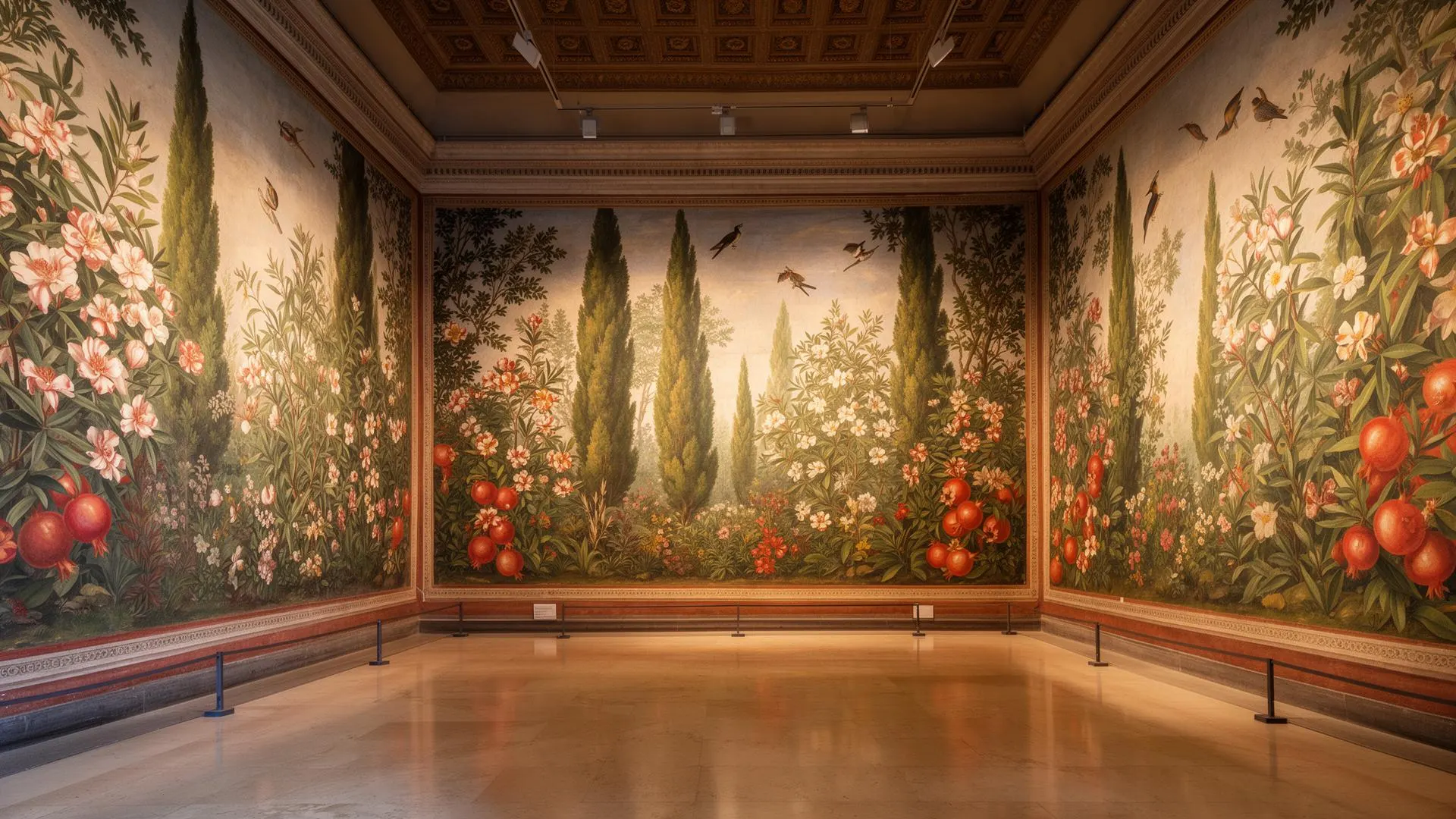
The Garden Room of Livia
An entire fresco-lined dining room from Empress Livia's villa, c. 30 BCE — among the most celebrated surviving Roman paintings.
The Boxer at Rest
Hellenistic bronze of a beaten pugilist with copper-inlaid wounds — antiquity's most human sculpture.
Villa Farnesina cubicula
Three reassembled bedrooms from a luxury Augustan villa on the Tiber, with stuccoes you can almost touch.
Calm and uncrowded
Even in peak season the second-floor fresco rooms are silent. No queues, no shoving, no selfie sticks.
Opened as museum
1998
Boxer at Rest
Hellenistic bronze
Livia's Garden Room
c. 30 BCE
2026 entry
€15 combined
Visit time
2.5–3 hours
Location
100 m from Termini
Table of Contents
Jump to any section of the itinerary
From Jesuit college to fresco vault
The site has a layered history. In the 16th century it was the famous Villa Peretti-Montalto, the country retreat of Pope Sixtus V, with vineyards stretching to the Aurelian Walls. The villa was sacrificed in the 1880s when Rome — newly capital of unified Italy — needed a railway station and the broad new boulevards radiating from it.
On part of the cleared ground, between 1883 and 1887, the architect Camillo Pistrucci built the Collegio Massimiliano Massimo, a Jesuit college named for the noble Massimo family who donated the land. It is a sober, late-19th-century neo-Renaissance palazzo: a rusticated ground floor, paired pilasters, a coffered chapel, and an internal courtyard that still survives.
For nearly a century the college taught the sons of Rome's elite. In 1960 the Jesuits moved their school to EUR, and in 1981 the Italian state bought the building to relieve the overcrowded original Museo Nazionale Romano in the Baths of Diocletian opposite. A 14-year restoration followed. Palazzo Massimo opened as a museum on 12 June 1998, taking the painted and the bronze masterpieces — the most fragile and most spectacular pieces — out of the dimly-lit baths and into a building purpose-rebuilt for them.
Palazzo Massimo through the centuries
30 BCEGarden Room painted
Frescoes executed for Empress Livia's villa at Prima Porta, 12 km north of Rome.
c. 20 BCEVilla Farnesina decorated
A luxurious villa on the Tiber (probably Agrippa's) is decorated with the Second-Style frescoes and stuccoes now in the museum.
1st c. BCEBoxer at Rest cast
A Greek bronze pugilist is sculpted, possibly in Athens or Alexandria, then brought to Rome.
1883–87Palazzo built
Architect Camillo Pistrucci builds the neo-Renaissance Collegio Massimiliano Massimo for the Jesuits, on the site of the demolished Villa Peretti-Montalto.
1885Boxer rediscovered
Workmen on the Quirinal hill unearth the Boxer at Rest and the Hellenistic Prince together — both in pristine condition.
1889Museo Nazionale Romano founded
Italy creates the National Roman Museum to display the city's archaeological harvest. Initially housed in the Baths of Diocletian opposite.
1951Discobolus returns
The Discobolus Lancellotti, sold to Hitler in 1938, is returned to Italy by the Allies and assigned to the museum.
1964Grottarossa mummy found
Construction workers on Via Cassia uncover the only Roman child-mummy known in Italy.
1981–95Palazzo restored
The Italian state buys the building from the Jesuits and converts it into a museum — a 14-year restoration.
1998Palazzo Massimo opens
The four-floor display of the National Roman Museum's masterpieces opens to the public.
2014Boxer at the Met
The Boxer travels to New York for a single sculpture exhibition; visitors queue around the block.
Floor-by-floor: how the museum is organised
Palazzo Massimo is dense rather than large. Four floors, roughly chronological from bottom to top, each with a clear identity. The recommended order is not the obvious one — see below.
Ground floorRepublic to Augustus — sculpture in the round
Early portrait heads, the General from Tivoli, Augustus as Pontifex Maximus, and the central atrium hosting the Boxer at Rest and the Hellenistic Prince. About 30–40 minutes.
First floorImperial Rome — portraits, mosaics, the Discobolus
The full sequence of emperors and empresses, the Sarcophagus of Portonaccio, the Discobolus Lancellotti and a long room of opus sectile and floor mosaics from villas across Italy. About 30–40 minutes.
Second floor — highlightThe frescoes
The Garden Room from the Villa of Livia, the cubicula and triclinia of the Villa Farnesina, painted vault-stuccoes, and reassembled rooms from imperial villas at Castel di Guido and Castel Porziano. 60–75 minutes.
BasementThe Medagliere & the Grottarossa mummy
One of the world's great coin collections, plus gold jewellery, the late-antique opus sectile of Junius Bassus and the only known Roman child-mummy. 20–30 minutes.
Three masterpieces in depth
1. The Garden Room of the Villa of Livia (c. 30 BCE)
In 1863, archaeologists at Prima Porta — 12 km north of Rome — uncovered an underground triclinium in the villa belonging to Livia Drusilla, wife of the Emperor Augustus. The room was painted on all four walls with a single continuous illusion: a low fence, a narrow path, and beyond it an infinite garden of cypresses, pines, oaks, pomegranates, quinces, oleanders, roses, irises and violets, alive with 23 species of birds.
The frescoes were detached in 1951–53 and brought to Palazzo Massimo, where the room was reconstructed in its original dimensions. Stand in the centre. The lighting is deliberately low. The Romans who reclined here in summer were meant to feel they had stepped into an enchanted, eternal garden — and 2,000 years later, you still do.
2. The Boxer at Rest (Hellenistic, date debated)
A Greek bronze, life-size, of a seated boxer immediately after a fight. He wears the leather caestus — the Greek glove studded with metal — wrapped over his hands. His ears are cauliflowered, his nose flat, his lip split. Inlaid copper drops simulate fresh blood on his eyebrows, his lips, the backs of his hands and his right thigh. He turns his head as if someone has just spoken to him, eyes weary.
He was found in February 1885 on the slope of the Quirinal hill, almost intact, together with the Hellenistic Prince. The two had been buried in antiquity, perhaps to protect them from the looting of barbarian invasions. Of all surviving Greek bronzes — and there are perhaps fifty — none is more humanly affecting. Spend ten minutes here. Walk around him. Crouch.
3. The Discobolus Lancellotti (2nd century AD)
The lost original Discobolus by the Greek sculptor Myron (c. 460–450 BCE) was bronze. We know it only through Roman marble copies, of which the Lancellotti version — found in a Roman villa on the Esquiline in 1781 — is the best preserved and the most accurate.
In 1938 the Lancellotti family sold the statue to Adolf Hitler for five million lire. He installed it in Munich's Glyptothek as the embodiment of Aryan beauty. After the war it was traced by the Allied Monuments Men, and in 1948 it was returned to Italy. It has stood here ever since: athletic, coiled, eternally about to throw — and the physical proof of how good Roman sculptors were at copying the Greek tradition they revered.
What to see, floor by floor
A curated highlights list to help you prioritise. Don't try to see everything — see these well.
Second Floor — The Villa Frescoes (the museum's crown jewels)
- Garden Room from Villa of Livia (Prima Porta, c. 30–20 BCE) — an entire underground triclinium reassembled wall-by-wall: a continuous painted garden with cypresses, oleanders, pomegranates, quinces and 23 identifiable bird species. The single most important Roman fresco that survives.
- Villa Farnesina cubicula and triclinia — bedroom and dining-room walls from a luxurious Augustan villa on the Tiber, with delicate red, black and ochre panels, architectural illusions, garlands and miniature mythological scenes.
- Stuccoes from the Villa Farnesina — extremely rare white stucco vault decorations of dancers, satyrs and chariots; the finest surviving Roman stucco-work.
- Castel di Guido and Villa di Castel Porziano frescoes — luminous yellow-and-red panels from imperial properties along the coast.
Ground Floor — Republican and early Imperial sculpture
- The Boxer at Rest (Hellenistic; its exact date is debated) — a battered Greek bronze of a seated pugilist, copper-inlaid wounds, leather caestus on his hands, an exhausted glance over the shoulder. Discovered on the Quirinal in 1885; one of the most emotionally powerful sculptures from antiquity.
- The Hellenistic Prince — a heroic over-life-size bronze nude leaning on a spear, found beside the Boxer, possibly a 2nd-century BCE ruler-portrait.
- Augustus as Pontifex Maximus — the Via Labicana statue: the first emperor with toga drawn over his head, performing sacrifice.
- The General from Tivoli — a Republican portrait combining a heroic Greek body with a starkly realistic Roman head, the perfect emblem of late-Republican taste.
First Floor — Imperial portraits, mosaics and the gardens of Nero
- Discobolus Lancellotti — the best Roman marble copy of Myron's lost bronze Discus Thrower (5th century BCE), recovered after WWII by the Monuments Men.
- Sleeping Hermaphroditus — the celebrated 2nd-century AD marble of an ambiguous, languid figure (the mattress is a Bernini addition not at Massimo, but the original body is here).
- Sarcophagus of Portonaccio — a vast battle-scene sarcophagus from the Marcomannic Wars, carved with violent, deeply undercut detail.
- Imperial portrait gallery — Caesar, Augustus, Vespasian, Hadrian, Antoninus Pius, Marcus Aurelius and the Severans, side by side, in unbroken sequence.
Basement — The Medagliere (numismatic collection) & mummies
- Medagliere — one of the world's great coin collections: Roman Republican aes grave, imperial denarii and aurei, Byzantine solidi, Renaissance medals and papal coins, displayed chronologically.
- Grottarossa Mummy — the 2nd-century AD mummified body of an 8-year-old Roman girl found in 1964, with her ivory doll, amber necklace and embroidered shroud. Italy's only known Roman mummy.
- Gold jewellery — finger rings, hair-nets, snake bracelets and an exquisite gold-leaf bridal crown.
- Opus sectile panels from the Basilica of Junius Bassus — coloured-marble inlay of a tiger savaging a calf, of consuls in chariots: late-antique luxury at its peak.
Don't-miss details easily overlooked
- The Boxer's wounds — copper inlays representing wounds and blood on the lip, eyebrows and ears; bend down to see the red-copper drips on his right thigh.
- Birdwatching in Livia's garden — bring a phone and identify partridges, magpies, golden orioles, jays and a roller; the gallery labels help with identification.
- The signature 'AΓΛΩΜΟC' on the Discobolus base — invisible from a distance, the Roman copyist's Greek name.
- The 19th-century palazzo itself — built 1883–87 by Camillo Pistrucci as the Jesuit Collegio Massimiliano Massimo; coffered ceilings, neo-Renaissance staircase, and the original chapel survive on floor 1.
Tickets & 2026 prices
Standard combined ticket
- • Adult: €15
- • Qualifying EU visitors 18–25: €2
- • Under 18: free
- • Valid one week from first admission
- • Covers Palazzo Massimo, Palazzo Altemps and the Baths of Diocletian — Crypta Balbi is temporarily closed
Free entry
- • First Sunday of the month (all visitors)
- • Disabled visitors + 1 carer
- • ICOM, Italian press, EU teachers with proof
- • Special days announced by Mibact
How Palazzo Massimo compares with the other 3 sites
| Site | Strength | Time needed | Best for |
|---|---|---|---|
| Palazzo Massimo | Frescoes, Boxer, Discobolus | 2.5–3 h | Anyone visiting only one |
| Palazzo Altemps | Ludovisi sculptures, Renaissance setting | 1–1.5 h | Sculpture lovers, near Piazza Navona |
| Baths of Diocletian | Late-antique architecture, epigraphy | 1–1.5 h | Architecture & inscriptions |
| Crypta Balbi | Early-medieval Rome stratigraphy | Temporarily closed | Not currently visitable |
Best time to visit
Quietest hours
09:00 opening or 16:00 onwards. The museum closes at 19:00 (last entry 18:00) but the late afternoon is by far the most contemplative.
Best days
Tuesday to Friday. Weekends are slightly busier but never crowded. Avoid the first Sunday of the month (free entry — predictably packed).
When to skip
Mondays — the museum is closed. Public-holiday Mondays included. 1 January and 25 December also closed.
Getting there
By metro / train
Termini station (metro lines A and B, all regional and high-speed trains). Leave by the south exit onto Piazza dei Cinquecento; the museum is 100 m / 2 min walk on the south-east corner.
By bus
Termini is the city's main bus hub. Lines 16, 38, 40, 64, 70, 75, 90, 92, 105, 170, 175, 360, 590, 649, 714, 910, H all stop at Piazza dei Cinquecento.
On foot from the centre
From Trevi Fountain 15 min, from Piazza Venezia 20 min, from Colosseum 25 min, from Piazza Navona 25 min. Bus or metro recommended in summer heat.
From Fiumicino airport
Leonardo Express direct to Termini in 32 minutes (€14). The museum is then a 2-minute walk — possibly Rome's easiest first-day stop.
Common mistakes first-timers make
1. Walking past it on the way to somewhere else
Hundreds of thousands cross Piazza dei Cinquecento every week without noticing the museum. The façade is plain and there is no banner. Look for the small portico on the south-east corner.
2. Visiting on a Monday
Closed every Monday including public-holiday Mondays. A surprising number of visitors find the doors shut.
3. Saving the second floor for last
By the time you reach the frescoes you are tired, hungry and over-stimulated. Reverse the order: do the second floor second, while you still have attention to give.
4. Buying separate tickets for the four sites
There is no separate ticket. The €15 combined ticket is the standard admission, and it stays valid for one week from first admission — so a short Palazzo Massimo visit can be topped up with the other sites later in the week.
5. Treating it as a 45-minute stop
It cannot be done in less than 90 minutes without missing the point. If you only have an hour, go to the second floor, see the Garden Room and the Villa Farnesina, then leave.
Insider tips
- Pick up the free floor-plan in English at the ticket desk — the museum's labelling is good but the layout is non-obvious.
- Bring small binoculars if you have them — the upper bands of the Villa Farnesina cubicula reward close looking.
- Combine with the Baths of Diocletian's Michelangelo cloister directly opposite — five minutes' walk and the same ticket.
- For lunch afterwards, walk five minutes north to Trimani Wine Bar (Via Cernaia 37b) — a Roman institution since 1821.
- If it rains: this is the perfect rainy-day museum — covered, calm, with everything indoors.
- If you have only one museum day in Rome and have already done the Vatican, choose Palazzo Massimo over the Capitoline.
Book your combined ticket online
Pre-booking is not required but it saves the small queue at the ticket desk and locks in your entry slot. The same combined ticket can be used within one week at Palazzo Altemps and the Baths of Diocletian; Crypta Balbi is temporarily closed.
Colosseum Priority Entrance
Best for: First-time visitors
~2 hoursSkip-the-line access to the Colosseum with entry to Roman Forum and Palatine Hill included. Perfect for first-time visitors.
- Skip-the-line entry
- Colosseum access
- Roman Forum included
- Palatine Hill included
🎟️ Compare Prices:
TiqetsKlookTrip.comColosseum Guided Tour
Best for: History enthusiasts
~3 hoursExpert-led tour with professional guide sharing gladiator history, architecture secrets, and ancient Roman stories.
- Professional English-speaking guide
- Skip-the-line entry
- In-depth historical commentary
- Small group experience
🎟️ Compare Prices:
TiqetsKlookTrip.comColosseum Arena & Underground
Best for: Unique experience seekers
~3.5 hoursWalk where gladiators fought on the arena floor and explore the underground chambers where they awaited their fate.
- Arena Floor access
- Underground chambers access
- Roman Forum & Palatine Hill
- Expert guided tour included
🎟️ Compare Prices:
TiqetsKlookTrip.comWhere to Stay Near Palazzo Massimo alle Terme
Looking for convenient accommodation near Palazzo Massimo alle Terme? Stay within walking distance to make the most of your visit.
Hotels Near This AttractionTop Rated HotelsBudget-Friendly OptionsLuxury HotelsCentral locations with easy access to Palazzo Massimo alle Terme and other attractionsFrequently Asked Questions
What is Palazzo Massimo alle Terme and why is it famous?
Palazzo Massimo is the main of four sites of the Museo Nazionale Romano (National Roman Museum). It is famous for holding the most important collection of ancient Roman wall-paintings in the world — above all the Garden Room from Livia's villa and the cubicula of the Villa Farnesina — together with the Boxer at Rest bronze, the Discobolus Lancellotti, and the Grottarossa mummy.
How much does Palazzo Massimo cost in 2026?
Standard adult entry in 2026 is €15 for the combined ticket, valid one week from first admission across the sites of the Museo Nazionale Romano (Palazzo Massimo, Palazzo Altemps and the Baths of Diocletian). Crypta Balbi is temporarily closed, so the ticket currently provides admission to the three operational principal sites. Qualifying EU visitors aged 18–25 pay €2; under-18s enter free. Free entry the first Sunday of every month.
What are the opening hours?
From 1 March 2026, Tuesday to Sunday 09:00–19:00, with the ticket office closing at 18:00. Closed Mondays, 1 January and 25 December. The museum is open on most public holidays including 25 April, 1 May, 2 June and 15 August.
How long do I need at Palazzo Massimo?
Allow 2.5–3 hours. The museum has four floors but the experience is dense, not large: ground floor (Republican sculpture), first floor (imperial portraits, mosaics, Discobolus), second floor (the famous frescoes — your slowest stop), basement (coins and the Grottarossa mummy).
Where exactly is Palazzo Massimo and how do I get there?
Largo di Villa Peretti 2, on the south-east corner of Piazza dei Cinquecento. From Termini main hall it is a 2-minute (100 m) walk: leave by the south exit (Piazza dei Cinquecento), turn left and the entrance is the first corner. Metro lines A and B and dozens of bus lines all stop at Termini.
Is the combined ticket worth it?
Yes — the €15 combined ticket is valid for one week from first admission and covers the operational Museo Nazionale Romano sites within about 1 km. Realistically you can do Palazzo Massimo (3 h) plus Palazzo Altemps (1 h) or the Baths of Diocletian (1 h) in a single day, and return later in the week for the rest. Crypta Balbi is temporarily closed.
Do I need to book in advance?
Booking is not strictly required because Palazzo Massimo rarely sells out, but it is strongly recommended in spring and on rainy days. A pre-booked timed entry on Tiqets or the official site lets you skip the small queue at the ticket desk and saves 15–20 minutes.
Is Palazzo Massimo good for kids?
Yes, especially for ages 7+. Children love the Boxer at Rest (you can show them the copper inlays representing wounds and bruises), the bird-spotting game in Livia's Garden Room (23 species hidden in the foliage) and the Grottarossa mummy of an 8-year-old girl with her ivory doll. Strollers are admitted; lifts reach all four floors.
Is the museum accessible for visitors with mobility issues?
Fully accessible. Lifts serve all four floors, there are accessible toilets on the ground floor, and wheelchairs are available free of charge at the cloakroom. The portico entrance has a ramp; the security check is at ground level.
What is the single most important object to see?
The Garden Room from the Villa of Livia (Sala II of the second floor). A complete underground dining room from the wife of Emperor Augustus, with all four walls painted as a continuous garden of cypresses, fruit trees, flowers and birds. Nothing else like it survives from antiquity. Plan to spend at least 20 minutes inside.
How does Palazzo Massimo compare to the Vatican Museums?
They are complementary, not competing. The Vatican is overwhelmingly large and dominated by Renaissance and post-antique additions; Palazzo Massimo is small, calm, free of crowds and shows ancient Rome in its purest, best-curated form. Most art historians consider Palazzo Massimo the better museum for Roman art specifically.
Can I take photographs?
Yes. Photography for personal use without flash and without tripod is allowed throughout the museum, including in the fresco rooms. Selfie sticks are not permitted in the second-floor fresco galleries.
Is there a café or restaurant inside?
There is no café inside Palazzo Massimo. However, you are 100 m from Termini's full food hall and 5 minutes from the cafés of Piazza della Repubblica. Trattoria Cecio (Via Cernaia) and the historic Antico Caffè Greco-style Caffè Trombetta on Via Marsala are good lunch stops.
Is the Boxer at Rest always on display?
The Boxer is normally displayed in the central atrium of the ground floor. Like other major ancient works, it can occasionally travel for exhibitions or undergo conservation, so check the museum's current display notices before a visit planned around a specific object.
What is the best order to visit the four floors?
Counter-intuitive but recommended: start on the ground floor (Boxer and Republican sculpture, freshest energy), then second floor (the frescoes — the absolute highlight, while you are still alert), then first floor (imperial portraits and Discobolus), finally the basement (coins and mummy). This keeps the masterpiece for the middle of your visit, not the end when you are tired.
What other museums of the Museo Nazionale Romano should I visit?
Palazzo Altemps (10-min walk near Piazza Navona) for the Ludovisi Throne and Renaissance setting; the Baths of Diocletian (across the road) for late-antique sculpture and the Michelangelo cloister; Crypta Balbi (15-min walk) is temporarily closed. The others are included in the same €15 combined ticket.
Related Attractions
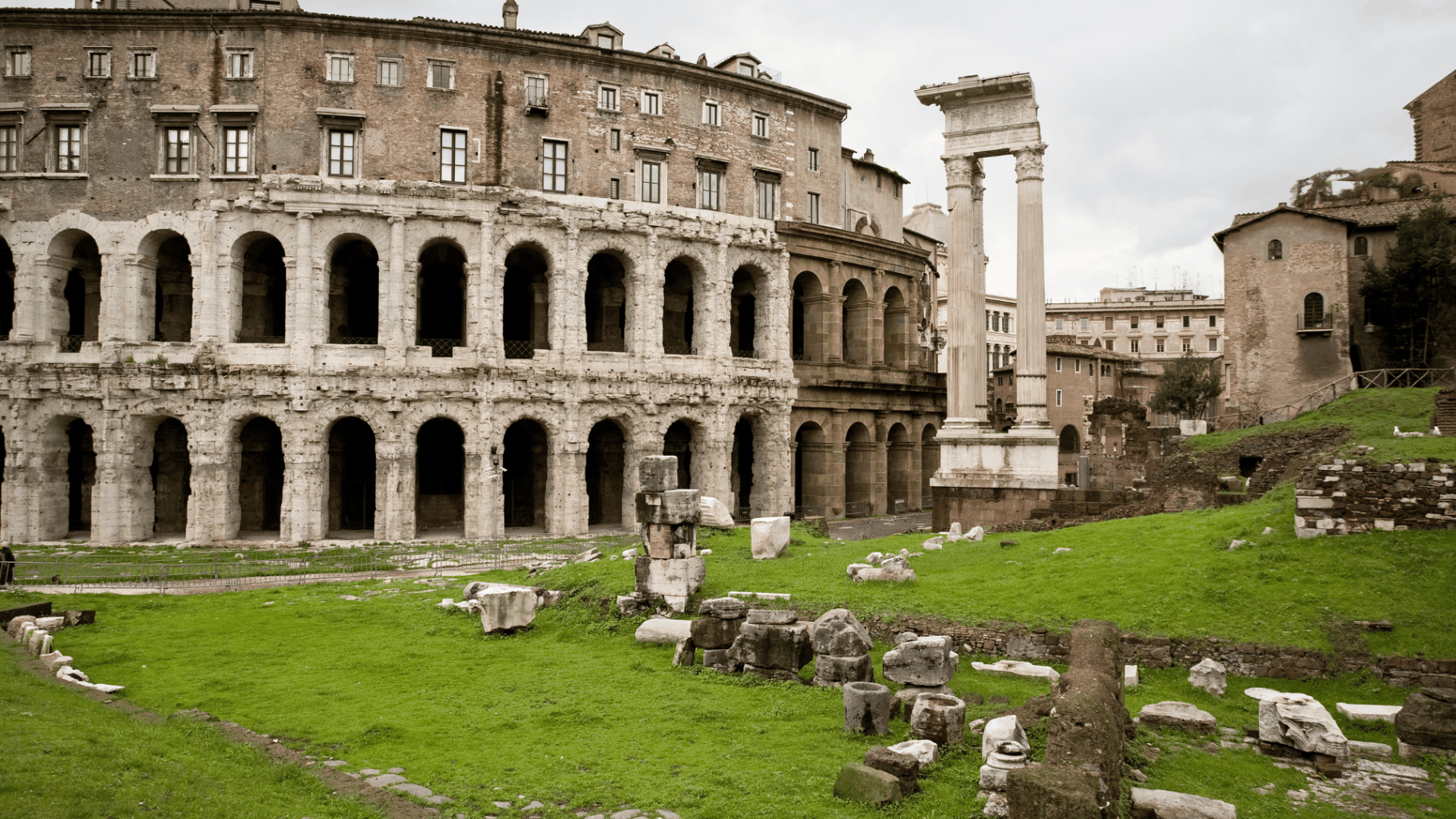
Theatre of Marcellus
Ancient Roman theater that inspired the Colosseum
Explore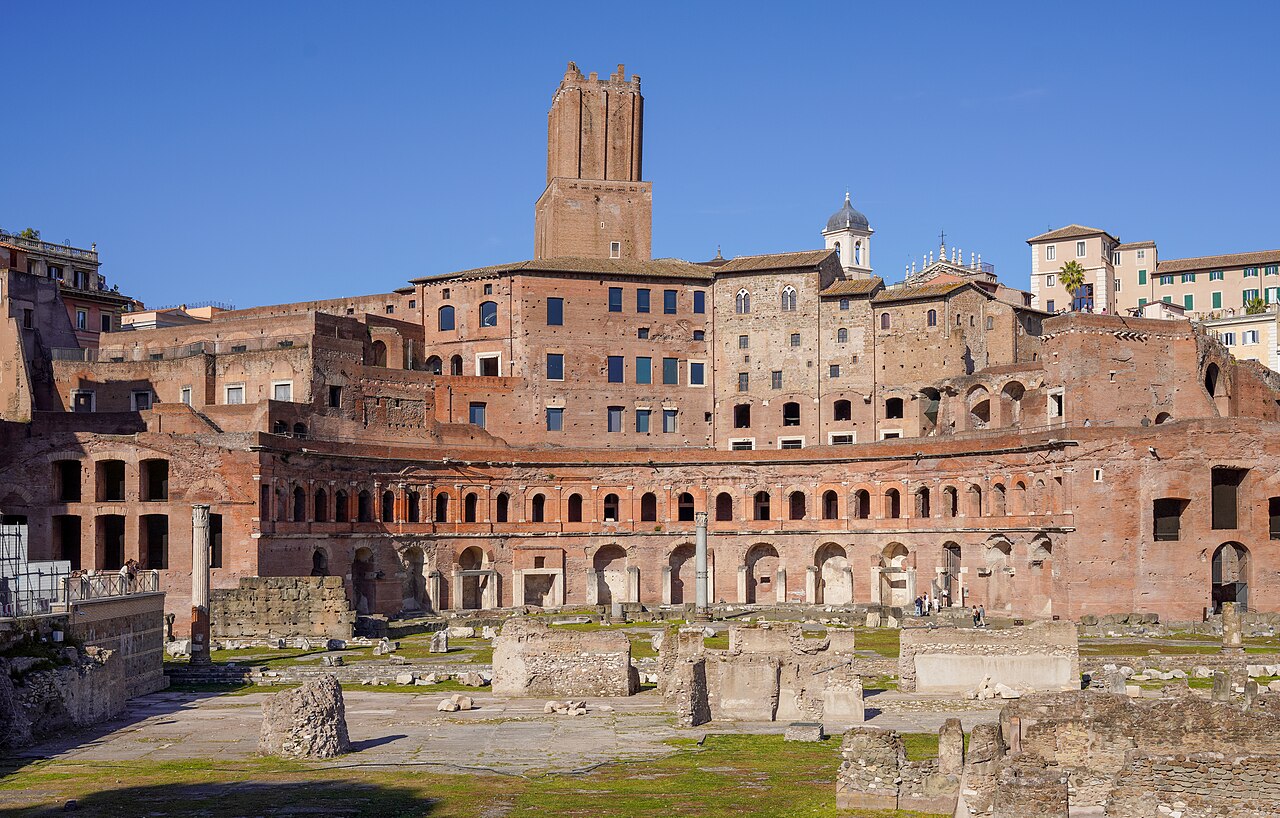
Trajan's Market
A vast multilevel Roman complex beside Trajan's Forum—now the Museum of the Imperial Fora
Explore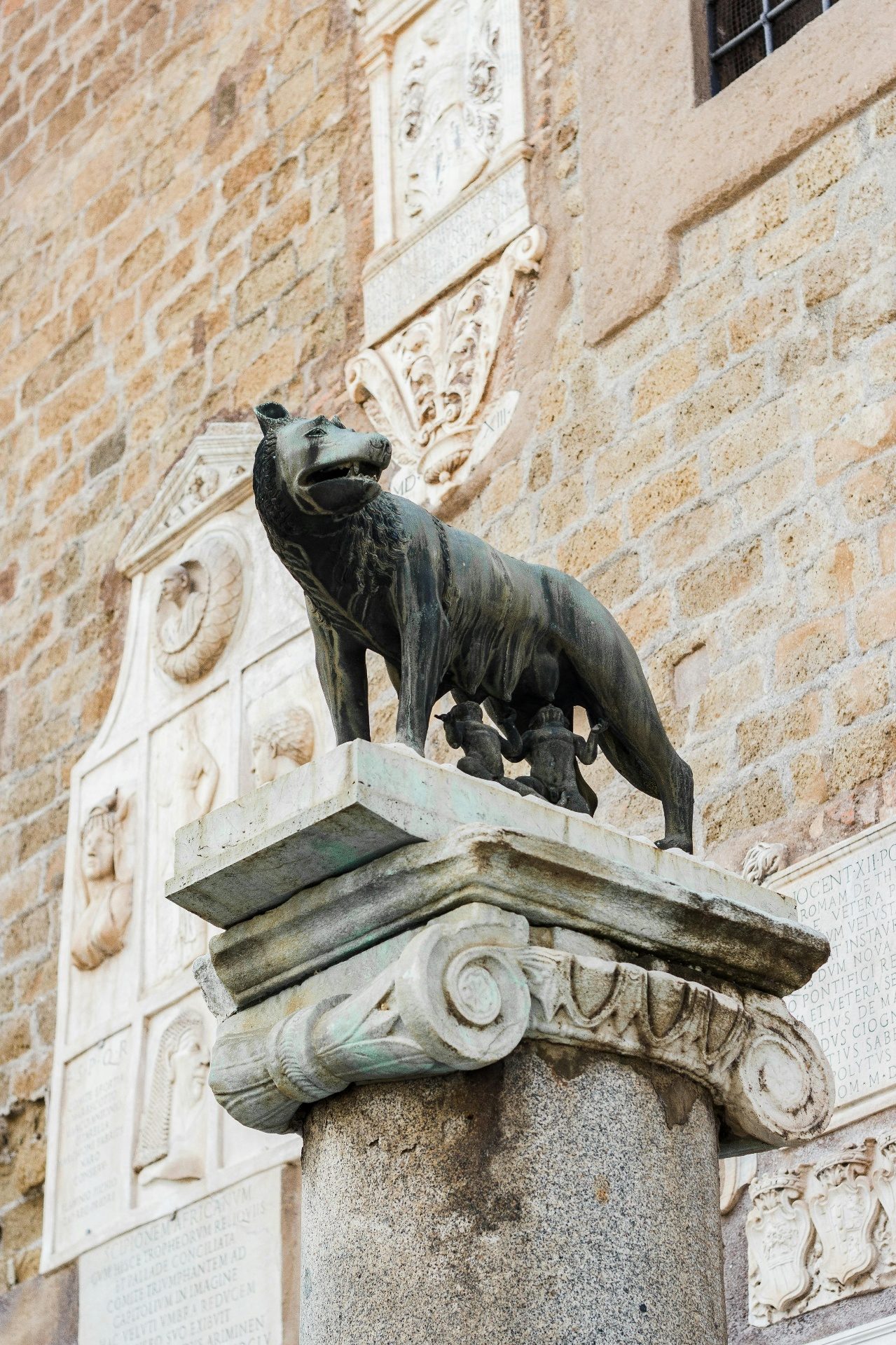
Capitoline Hill
Rome's most sacred hill with Michelangelo's piazza and oldest museums
Explore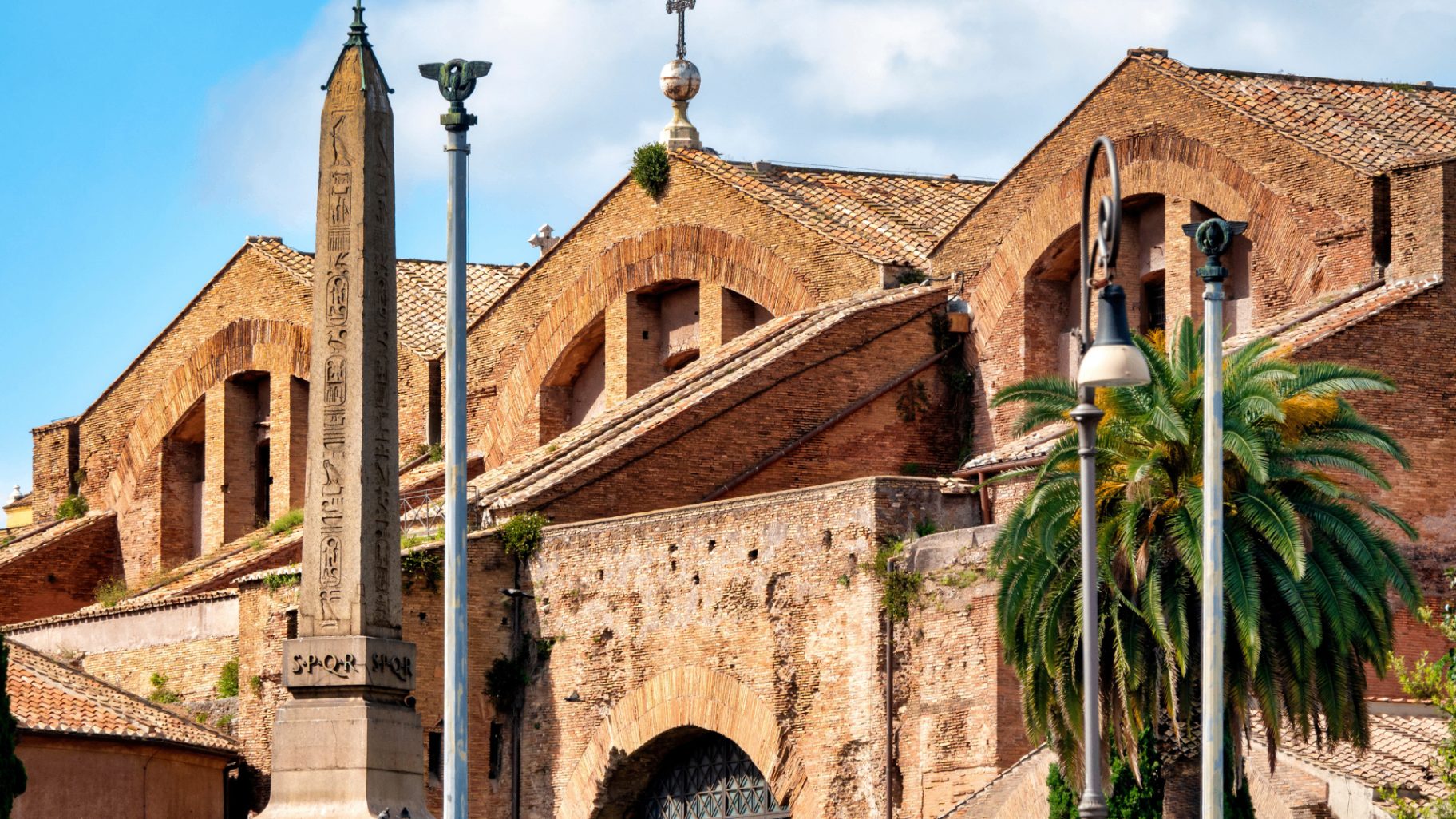
Baths of Diocletian
Ancient Rome's largest baths, now housing the National Roman Museum
Explore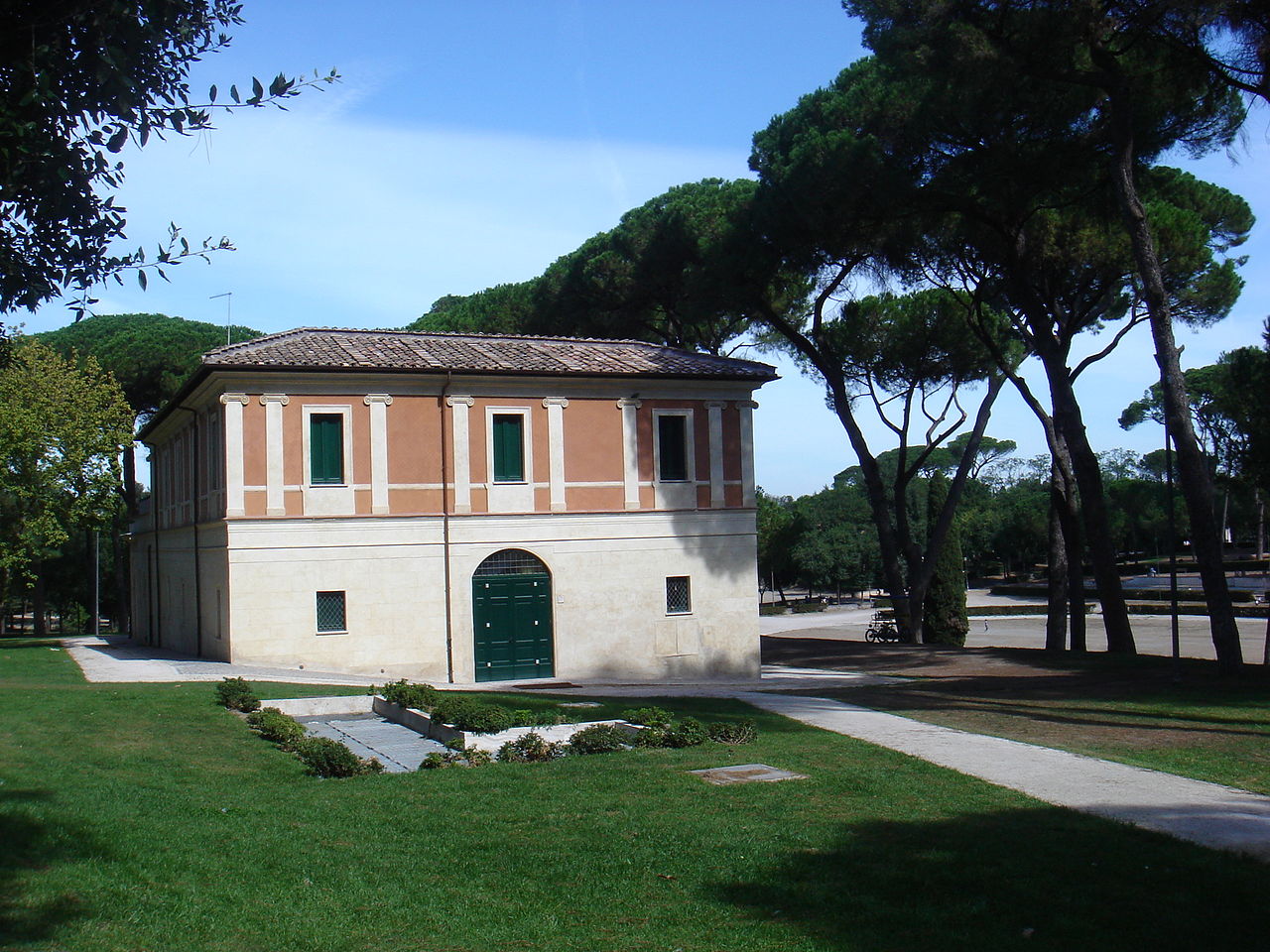
Casina di Raffaello
Magical children's cultural center in Villa Borghese
Explore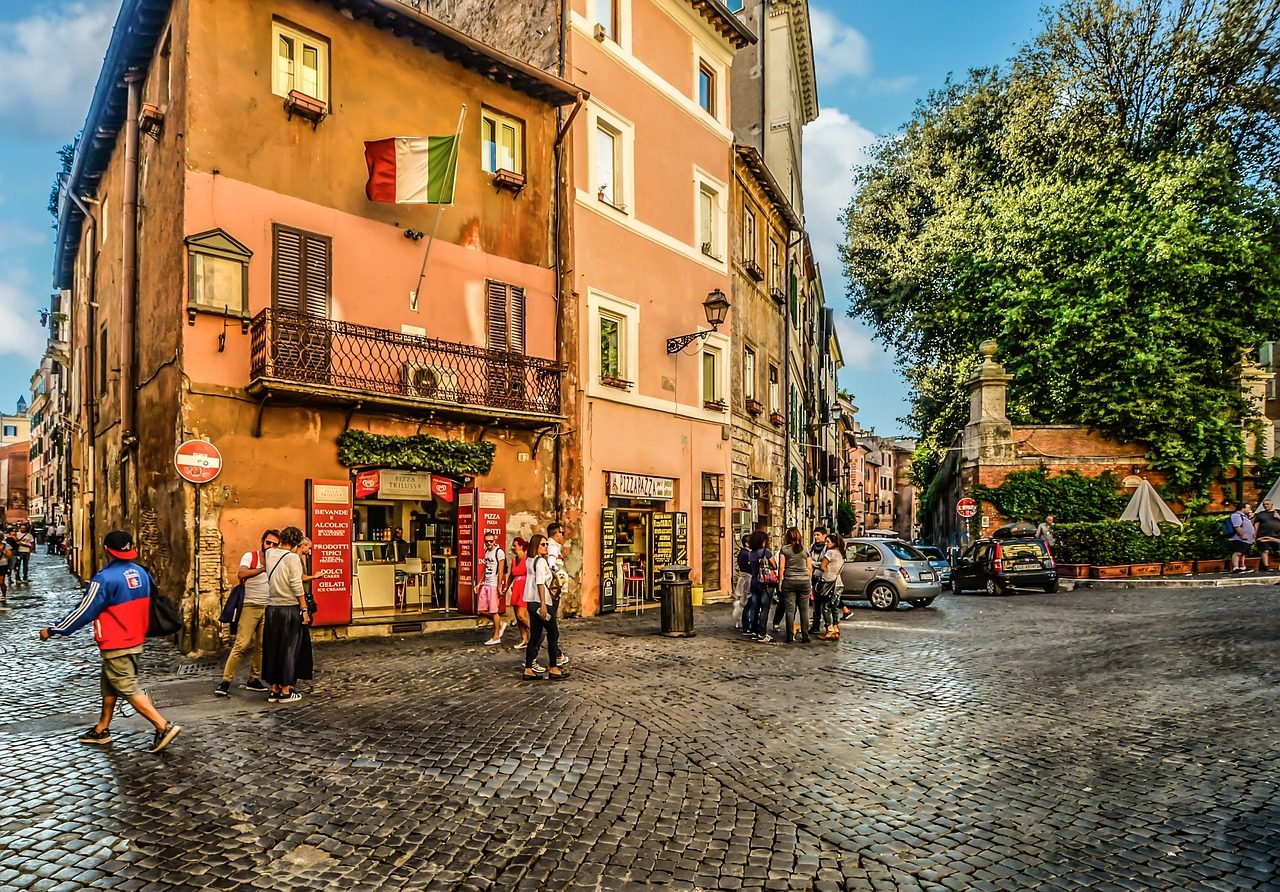
Trastevere
Rome's authentic bohemian heart with medieval streets
ExploreQuick Planning Guide
⏱️ Time Needed
2.5–3 hours
💰 Cost
€15 combined ticket, valid one week from first admission (2026)
🎫 Reservation
Recommended (not essential)
♿ Accessibility
Fully accessible, lifts to all floors
📅 Best Time
Tue–Fri 09:00 opening or 16:00 onwards
👨👩👧👦 Family Friendly
Yes — engaging from age 7+
Nearby Attractions
Baths of Diocletian3-minute walk
Santa Maria degli Angeli e dei Martiri5-minute walk
Piazza della Repubblica5-minute walk
Santa Maria Maggiore10-minute walk
Palazzo Altemps15-minute walk
You May Also Like
Palazzo AltempsCrypta BalbiBaths of DiocletianFeatured In These Itineraries
Hidden Gems of Rome5 Day Rome ItineraryRome with Kids: Rainy DayEssential Tips
- ✓ €15 combined ticket, valid one week across the operational sites
- ✓ Save the second-floor frescoes for the middle of your visit
- ✓ Photography allowed (no flash, no tripod)
- ✓ Free entry first Sunday of the month — expect crowds