 Ancient TheaterFree Entry
Theatre of Marcellus
The Colosseum's older sibling — Augustus's 13 BC theatre, now crowned with Renaissance apartments.
20–30 minFreeAugustan TheatreVia del Teatro di Marcello 44, 00186 Roma RMOpen on MapPlan Your Visit
Compare tickets, tours and stays — booking ahead usually gives more choice
Book a TourHotels NearbyWhy visit the Theatre of Marcellus?
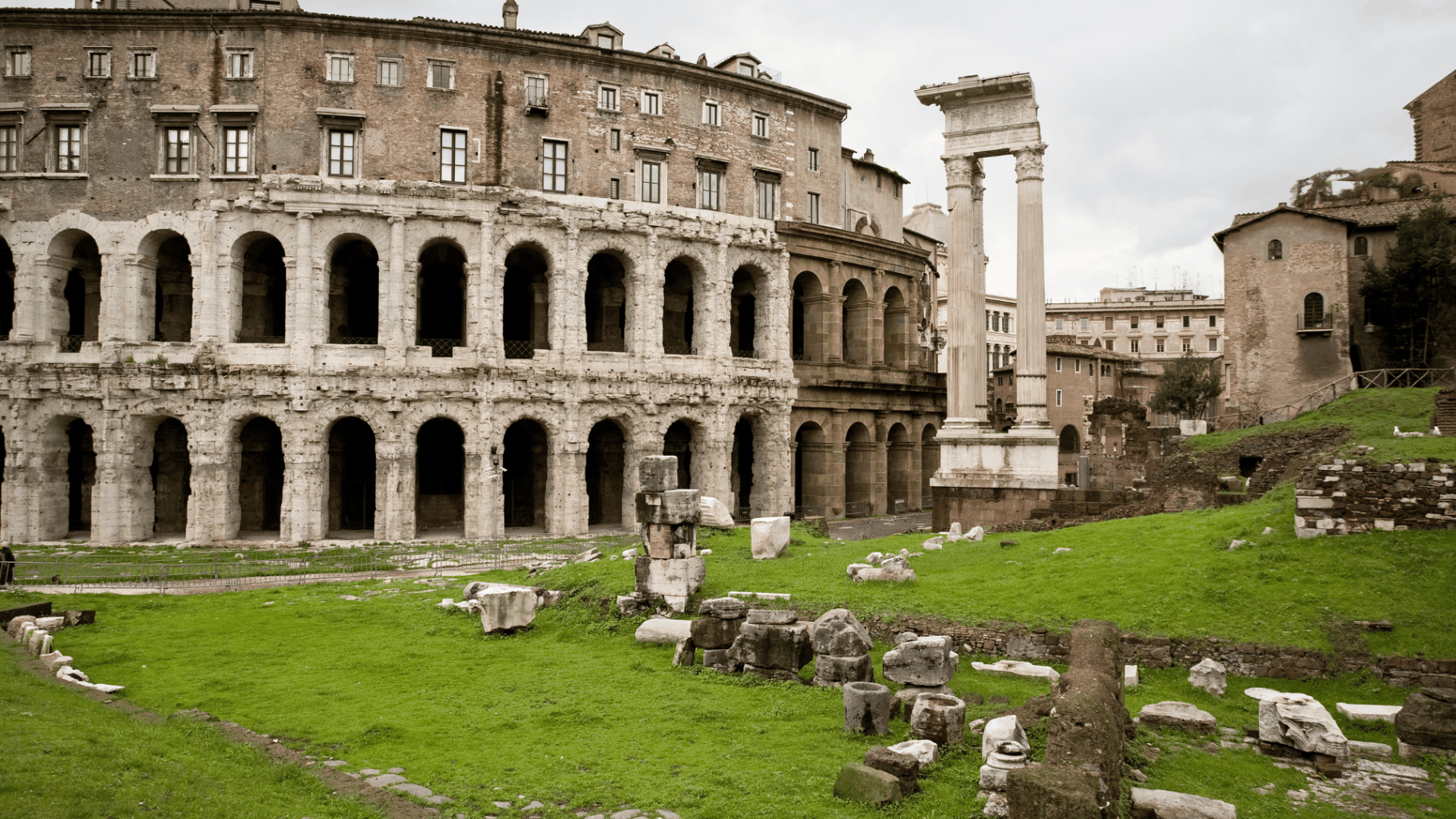
Most visitors call it the 'mini Colosseum' — but the Theatre of Marcellus came ninety years earlier. Inaugurated by Augustus in 13 BC, this monumental travertine theatre's superimposed orders and arcaded exterior anticipate architectural features later used on the Colosseum. Today, two tiers of its original arches survive intact — crowned by an elegant 16th-century Renaissance palace whose upper floors are private apartments — residences, not open to the public. Two thousand years of continuous use stratified in a single building, the exterior free to view from the surrounding streets, twenty metres from Rome's historic Jewish Ghetto.
Older than the Colosseum
Inaugurated 90 years earlier, in 13 BC
Renaissance Apartments Above
16th-c Orsini palace, still inhabited today
Summer Concerts
Held in past seasons — check programme
Free, Always Open
No ticket, no queue, day or night
Quick facts
Inaugurated
13 BC by Augustus
Style
Augustan theatre
Original Capacity
Estimated 15,000–20,000
Orders
Doric, Ionic (3rd Corinthian lost)
Top Floors
Renaissance Orsini palace
Entry
Free (exterior only)
Visit Time
20–30 minutes
Location
Edge of Jewish Ghetto
Metro
Circo Massimo (B), 8 min
Table of Contents
Jump to any section of the itinerary
A brief history
In 44 BC, Julius Caesar planned a great public theatre on the right bank of the Tiber, demolishing buildings and the small Temple of Pietas to clear the site. The project was interrupted by his assassination on the Ides of March, leaving an empty cleared site for his great-nephew Augustus to inherit.
In 23 BC, Augustus's beloved nephew and intended heir Marcus Claudius Marcellus died aged just nineteen — a devastating loss to the imperial succession plan and a personal tragedy that shaped Augustus's later years. Ten years later, in 13 BC, Augustus inaugurated the completed theatre with elaborate ludi (public games) and dedicated it to his nephew's memory. With an estimated seating capacity of 15,000–20,000 spectators across three tiers of monumental travertine arches, the Theatre of Marcellus became one of the largest theatres in Rome, and a key political demonstration of Augustan magnificence.
The architectural language of the theatre — stacked architectural orders (Doric on the ground floor, Ionic above, Corinthian on the lost third tier), each framing a tier of monumental travertine arches — would prove enormously influential. Ninety years later, when Vespasian's architects designed the Colosseum (begun c. 72 AD, inaugurated 80 AD), they used a comparable stacked-orders system across four tiers on an oval plan. The theatre's stacked arcades and superimposed architectural orders anticipate features later used on the Colosseum, although the Colosseum was an amphitheatre with a different oval plan and function.
The theatre served as Rome's principal venue for dramatic performances — comedies of Plautus and Terence, tragedies, mime and pantomime — for over four hundred years. From the 4th century AD onward, with Christianisation and the decline of public theatre culture, the building was increasingly stripped of stone for the repair of bridges and other structures. By the early Middle Ages it stood abandoned and partly ruinous.
From the 11th to 14th centuries, the powerful Pierleoni and then Savelli families transformed the ancient theatre into a medieval fortress, building defensive towers, walling up the arches with red brick and dominating the river crossing here. In 1523–1527, Cardinal Giovanni Battista Savelli commissioned the architect Baldassare Peruzzi (a pupil of Bramante and Raphael) to convert the upper floors into an elegant Renaissance palace. The Orsini family inherited the palace in 1712, and the upper floors remain divided into private luxury apartments today — among the most exclusive residential addresses in Rome.
Italian fascist-era archaeology in 1926–1932 cleared medieval shops and houses from the ancient ground level, exposing the Augustan travertine arches as we see them today. The three columns of the adjacent Temple of Apollo Sosianus were reerected in 1940. In 2026, the Theatre of Marcellus stands as one of the city's most extraordinary stratified monuments — Augustan ruin, medieval fortress, Renaissance palace and modern luxury apartments, all in a single freely accessible façade — The archaeological area has hosted summer concerts in previous seasons; check the current Tempietto programme before planning around a performance.
Two thousand years in ten dates
44 BCCaesar's plan
Julius Caesar plans a great public theatre on the Tiber bank, demolishing buildings and the small Temple of Pietas to clear the site. The project is interrupted by his assassination on the Ides of March.
23 BCMarcellus dies young
Augustus's nephew and intended heir, Marcus Claudius Marcellus, dies aged just 19 — devastating the imperial succession plan. Augustus dedicates the unfinished theatre to his memory.
13 BCTheatre inaugurated
Augustus inaugurates the completed Theatre of Marcellus with elaborate ludi (public games), naming it after his beloved nephew. With an estimated seating capacity of around 15,000–20,000, it becomes the second-largest theatre in Rome after the Theatre of Pompey.
1st–4th centuries ADActive theatre use
The Theatre of Marcellus is the principal venue for Roman dramatic performances — comedies of Plautus and Terence, tragedies, mime and pantomime — for over four hundred years.
4th century ADDecline
Stone is increasingly stripped from the theatre during the late Empire to repair the Pons Cestius bridge and other structures. Public theatre culture declines with Christianisation.
11th–12th centuriesPierleoni fortress
The powerful Pierleoni family transforms the ancient theatre into a medieval fortress, building defensive towers and walling up the surviving arches. The Pierleoni dominate the river crossing here for over a century.
13th–14th centuriesSavelli takeover
The Savelli family seizes the fortified theatre from the Pierleoni and continues to use it as their family stronghold. The medieval brick infill in the arches dates largely from this period.
1523–1527Renaissance palace built
Cardinal Giovanni Battista Savelli commissions the architect Baldassare Peruzzi (a pupil of Bramante and Raphael) to convert the upper floors into an elegant Renaissance palace. The Orsini family inherits the palace in 1712.
1926–1932Mussolini-era restoration
Italian fascist-era archaeology clears medieval shops and houses from the ancient ground level around the theatre, exposing the Augustan travertine arches as we see them today. The three columns of the adjacent Temple of Apollo Sosianus are reerected in 1940.
2026Free monument & occasional concerts
Today the theatre is freely accessible from outside, the upper floors remain divided into private luxury apartments (some of Rome's most exclusive addresses), and The archaeological area has hosted summer concerts in previous seasons. Check the current Tempietto programme before planning around a performance.
What to see at the theatre
The Augustan arches
- Two surviving tiers of monumental travertine arches — originally three tiers in the Augustan design.
- Ground floor: Doric (Tuscan) half-columns framing the arches — the most austere classical order.
- Middle floor: Ionic half-columns with elegant volute capitals — the same vertical order-stacking later used at the Colosseum.
- The lost third tier originally featured Corinthian half-columns — replaced in the 16th century by the Orsini palace.
Original theatre features
- Semicircular Roman theatre design (not a full oval like an amphitheatre).
- Estimated original capacity of 15,000–20,000 spectators on tiered marble seating (now lost).
- Cavea (seating area), orchestra (semicircular floor) and scaenae frons (stage backdrop) — only the outer wall survives.
- Surviving travertine arches show the original sophisticated vault and corridor system.
Renaissance & medieval additions
- 16th-century Orsini family palace (Palazzo Orsini-Savelli) crowns the upper floors.
- Designed by Baldassare Peruzzi (a pupil of Bramante and Raphael) in the 1520s.
- Today divided into private luxury apartments — among the most exclusive addresses in Rome.
- Medieval brick infill and arcade closures from the 11th–12th-century Pierleoni and Savelli fortifications.
Hidden details
- Ancient Roman ground level was approximately 4 metres lower than today — note the 'sunken' appearance.
- Look for ancient graffiti and mason's marks on travertine arches at ground level.
- Three columns of the Temple of Apollo Sosianus stand reerected immediately to the right (north).
- The Portico of Octavia ruins are 2 minutes' walk west — gateway to the medieval Jewish Ghetto.
Photo spots
- Three-quarter view from Via del Teatro di Marcello looking south — full façade with apartments above.
- Side view from Via Petroselli at sunset — golden light on the travertine and the apartment balconies.
- Frame the three reerected columns of Apollo Sosianus alongside the theatre arches.
- Aerial perspective from the Capitoline Hill terrace at the rear of Palazzo Senatorio.
Summer concerts
- The archaeological area has hosted summer concerts in previous seasons. Check the current Tempietto programme before planning around a performance.
- Daily evening performances in the courtyard beside the theatre — chamber music, opera, jazz.
- Ticket prices and programme vary by season — check the current 2026 programme for details.
- Booking via tempietto.it or at the on-site box office on summer evenings.
Architecture — stacked orders and travertine arches
The Theatre of Marcellus is a semicircular Roman theatre — distinct from the oval amphitheatre form of the Colosseum. Its façade originally consisted of three superimposed tiers of monumental travertine arches, each framed by engaged (half) columns of a different classical order: Doric (Tuscan) on the ground floor, Ionic on the middle floor, and Corinthian on the (now lost) top floor.
This system of stacked architectural orders — different classical column types arranged vertically by hierarchy from heaviest (Doric) at the bottom to lightest (Corinthian) at the top, with engaged half-columns framing every arch — was an Augustan-era refinement of earlier Roman experiments. It allowed enormous monumental façades to be visually unified and rhythmic. The Theatre of Marcellus is the most influential surviving example of this system — and ninety years later, when the architects of the Colosseum needed a façade language for their vast new amphitheatre, they used a closely comparable system, adding a fourth tier (Composite) at the top.
Construction is in travertine — the same warm cream-coloured limestone used for the Colosseum, the Pantheon's portico and most major Augustan public buildings. Travertine was quarried at Tivoli, brought to Rome by river, and gives Roman public architecture its characteristic mellow tone. The interior structure (now lost) was a sophisticated system of radial vaults, corridors and stairways, allowing an estimated 15,000–20,000 spectators to enter, find their assigned seats and exit efficiently — a logistical approach later refined at the Colosseum.
Today only two of the original three tiers survive — the Doric ground floor and the Ionic middle floor. The lost Corinthian top tier was replaced in the 16th century by Baldassare Peruzzi's elegant Renaissance palace, whose upper floors remain private apartments, not open to visitors. The original interior — the cavea (seating), orchestra (semicircular floor) and scaenae frons (stage backdrop) — has been entirely lost; only the outer arched perimeter and a section of the radial vault system survive.
The Renaissance palace above
From the 11th century onward, the powerful Pierleoni family seized the abandoned ancient theatre and converted it into a medieval fortress — building defensive towers, walling up the surviving arches with red brick, and dominating the strategic river crossing here. The Pierleoni were one of medieval Rome's most influential families (one of them, Pier Leone, became the antipope Anacletus II in 1130).
In the 13th–14th centuries the rival Savelli family seized the fortified theatre from the Pierleoni and continued to use it as their family stronghold. Most of the medieval brick infill still visible today in the lower arches dates from the Savelli period.
In 1523–1527, Cardinal Giovanni Battista Savelli commissioned the architect Baldassare Peruzzi — a celebrated pupil of Bramante and Raphael, and one of the great masters of late High Renaissance Roman architecture — to convert the medieval fortress into an elegant Renaissance residence. Peruzzi's design respected the ancient lower tiers but added a new sophisticated palace on top, with refined Renaissance windows, cornices and proportions. The result is one of the most unusual buildings in Europe: a Roman imperial monument with a Renaissance palace floating on top of it.
The palace passed to the Orsini family in 1712 — one of Rome's oldest and most powerful aristocratic dynasties — and is still officially called Palazzo Orsini-Savelli. Today the upper floors are divided into private luxury apartments and remain among the most exclusive residential addresses in Rome. At dusk, the apartment lights coming on above the floodlit ancient arches create one of the city's most surreal sights — two thousand years of continuous use stratified in a single façade.
Tempietto summer concerts
The archaeological area immediately beside the Theatre of Marcellus has hosted summer concerts in previous seasons, run by the Tempietto del Marco Aurelio festival — one of Rome's longest-established summer cultural programmes. Check the current Tempietto programme before planning around a performance; dates, venues and whether the season runs at all vary year to year.
When the season runs, performances have typically been held in the evening, in the open air, with the Augustan travertine arches as a backdrop. Programmes are typically chamber music, piano recitals, song cycles, opera arias, jazz quartets and occasional larger ensemble pieces. The intimate scale (a few hundred seats) and the historical setting make for one of the most atmospheric live-music experiences in the city.
Ticket prices and the programme vary from year to year — check the official Tempietto website (tempietto.it) for the current 2026 programme and prices rather than assuming past pricing applies. For the best experience, book in advance for headline performances, arrive early, and bring a light layer for the cooler late-evening Tiber breeze.
When concerts are programmed, they are the main way for visitors to get inside the theatre's iron fence — a real bonus on top of the music itself, and generally far cheaper than the Caracalla opera season.
Suggested walking route
A 90-minute self-guided route from the Theatre of Marcellus through the historic Jewish Ghetto and across to Tiber Island, ending at Michelangelo's Piazza del Campidoglio on the Capitoline Hill for the best free panorama in central Rome. Total walking distance: approximately 2 km.
120 minTheatre of Marcellus (full perimeter)
Augustan arcadesStart at the ancient theatre. Walk the full perimeter — the two surviving travertine arch tiers with Doric and Ionic half-columns, the Renaissance Orsini palace floors above, the medieval brick infill in some of the lower arches. Look for ancient graffiti and mason's marks at ground level.
210 minTemple of Apollo Sosianus
Three magnificent reerected columnsImmediately right (north) of the theatre stand three reerected Corinthian columns of the Temple of Apollo Sosianus (c. 32 BC) — late-Republican, the same age as the theatre, and one of the most photogenic standalone column groups in Rome.
310 minPortico of Octavia ruins
Augustan portico + Ghetto gateWalk 2 minutes west to the Portico of Octavia (Portico d'Ottavia) — a vast Augustan-era columned portico, originally enclosing two temples and a library. The surviving propylaeum (gateway) frames the entrance to the Jewish Ghetto.
430 minJewish Ghetto & Via del Portico d'Ottavia
Roman-Jewish cuisine + historyWalk through Via del Portico d'Ottavia, the heart of Rome's Jewish Ghetto since 1555. Lunch at one of the historic Roman-Jewish trattorias (Nonna Betta, Ba'Ghetto, Giggetto) for carciofi alla giudia (Jewish-style fried artichokes) and ricotta-and-sour-cherry tart from the historic kosher bakery Boccione.
515 minTiber Island (Isola Tiberina)
Oldest Roman bridge + islandCross to the small Tiber Island via Ponte Fabricio (the oldest surviving Roman bridge, 62 BC). The island has been a healing place since antiquity (Temple of Aesculapius) and today hosts the Fatebenefratelli hospital and the medieval church of San Bartolomeo.
620 minCapitoline Hill — Piazza del Campidoglio
Michelangelo's Renaissance piazzaWalk 8 minutes north up the Cordonata staircase to Michelangelo's Piazza del Campidoglio — one of the most beautiful Renaissance squares in Europe, with the equestrian statue of Marcus Aurelius and the Capitoline Museums.
710 minCapitoline rear terrace view
Best free panoramaWalk around the rear of Palazzo Senatorio (the central building of Piazza del Campidoglio) for the best free view in central Rome — looking down at the Theatre of Marcellus, the Apollo columns, the Forum Romanum and the Tiber bend.
Theatre of Marcellus vs other Roman venues
| Feature | Marcellus | Colosseum | Pompey's Theatre | Theatre of Balbus |
|---|---|---|---|---|
| Built | 13 BC (Augustus) | 70–80 AD (Vespasian–Titus) | 55 BC (Pompey) | 13 BC (Balbus) |
| Type | Theatre (semicircular) | Amphitheatre (oval) | Theatre (semicircular) | Theatre (semicircular) |
| Capacity (est.) | 15,000–20,000 | 50,000–80,000 | 17,000–27,000 (lost) | 7,000–8,000 (lost) |
| Performances | Drama, comedy, mime | Gladiator games, hunts | Drama, comedy | Drama, comedy |
| Architectural orders | Doric + Ionic (originally + Corinthian) | Doric + Ionic + Corinthian + Composite | Lost | Lost |
| Survival | Two arch tiers + Renaissance palace | Largely intact outer ring | Foundations only (Largo di Torre Argentina) | Foundations only (Crypta Balbi) |
| Visit | Exterior free, no interior | Paid ticket, full access | Free exterior, no interior | Crypta Balbi museum (paid) |
Verdict: For free Augustan-era public-monument architecture and the ancestor of the Colosseum's stacked-orders façade, the Theatre of Marcellus is unmatched. Its Renaissance palace floors above make it the most stratified single building in Rome. Pompey's and Balbus's theatres survive only as foundations (visible at Largo di Torre Argentina and the Crypta Balbi museum). For the full gladiator-era amphitheatre experience, visit the Colosseum itself.
Best time to visit
Time of day
09:00–10:30 — soft morning light
Before the tour groups arrive at the Capitoline Hill. Quiet street, gentle light on the travertine arches.
17:00–19:00 — golden hour
Late afternoon sun lights the travertine and the Renaissance apartments above. The most photogenic window of the day.
After dark — apartment lights
The most surreal Rome view: floodlit ancient arches with lit-up Renaissance apartments above. Particularly atmospheric in winter.
Avoid 12:00–15:00 in summer
Heavy traffic on Via del Teatro di Marcello, harsh light, no shade. The worst conditions for both visiting and photographs.
Best day & season
Any day — exterior always viewable
The exterior is visible from the surrounding public streets at any time, no ticket needed. The archaeological path and any concert areas are subject to their own access and opening arrangements.
Tuesday–Saturday for Ghetto restaurants
The Jewish Ghetto restaurants close on Friday evening through Saturday lunch (Shabbat). Best lunch combination is Tuesday–Thursday.
Summer for possible concerts
A summer concert series has run in past years in the archaeological area — check tempietto.it for the current 2026 programme, dates and prices.
Spring & autumn (peak)
April–May and September–October give the best light, comfortable temperatures and Tempietto concerts in full swing.
Getting there
Metro Line B — Circo Massimo
The closest metro station, an 8-minute walk north along Via del Teatro di Marcello. Direct from Termini in about 10 minutes.
Bus to Teatro Marcello
Lines 30, 40, 64, 81, 87, 130, 170, 628 and 916 stop on Via del Teatro di Marcello directly outside the theatre. From Termini: 10 minutes. From Trastevere: 8 minutes.
From Piazza Venezia on foot
10 minutes south along Via del Teatro di Marcello — you pass the Capitoline Hill and the Theatre of Marcellus is on your right.
From Trastevere on foot
12 minutes east over Ponte Garibaldi or Ponte Cestio (via Tiber Island) — through the Jewish Ghetto for the most atmospheric arrival.
Address
Via del Teatro di Marcello 44, 00186 Rome. The theatre stands on the right side of the street as you walk south from Piazza Venezia, with the Apollo Sosianus columns immediately to its north.
Common mistakes to avoid
Calling it a 'small Colosseum'
It came first: the Theatre of Marcellus was inaugurated in 13 BC, ninety years before the Colosseum (70–80 AD). The theatre's stacked arcades and superimposed architectural orders anticipate features later used on the Colosseum, although the Colosseum was an amphitheatre with a different oval plan and function.
Confusing theatre with amphitheatre
Roman theatres (like the Theatre of Marcellus) are semicircular and were used for drama, comedy and music. Amphitheatres (like the Colosseum) are full ovals and were used for gladiator combats and animal hunts. Two completely different building types serving different purposes — even if the same architectural language was used.
Trying to go inside
There is no public interior visit. The original theatre seating is entirely lost; the upper floors are private luxury apartments (some of Rome's most exclusive addresses) and not visitable. The only way 'inside' is by attending a Tempietto summer concert in the archaeological area, or via occasional Heritage Days.
Missing the Renaissance palace above
Most visitors only look at the ancient arches and miss the elegant 16th-century Orsini palace floors above — designed by Baldassare Peruzzi (Bramante and Raphael's pupil) and still inhabited today as private apartments — these upper floors are private residences, not open to visitors. Step back across the street to see the complete two-thousand-year-stratified façade in a single view.
Visiting at midday in summer
The exposed travertine glares brutally white in midday sun, and the road around the theatre has heavy traffic. Visit at 09:00 for soft morning light, or after 17:00 for golden hour when the apartment balconies above light up at sunset.
Skipping the adjacent Temple of Apollo Sosianus
Three magnificent reerected Corinthian columns of the Temple of Apollo Sosianus stand immediately to the right (north) of the theatre arches — late-Republican (c. 32 BC), the same age as the theatre, and one of the most photogenic standalone column groups in Rome. Most visitors walk straight past.
Insider tips from locals
Combine with the Jewish Ghetto
The Theatre of Marcellus marks the eastern entrance to Rome's Jewish Ghetto. Walk west through the Portico of Octavia ruins into Via del Portico d'Ottavia for the city's best Roman-Jewish cuisine — Nonna Betta, Ba'Ghetto, Giggetto al Portico d'Ottavia for carciofi alla giudia (Jewish-style fried artichokes), and the historic kosher bakery Boccione for ricotta-and-sour-cherry tart.
Go at sunset for the apartments
At dusk the lights come on in the Orsini palace apartments above the ancient arches — washing lines, shutters, balcony plants visible against the floodlit travertine below. The most surreal Rome view: 2,000 years of continuous use stratified in a single building, with someone's dinner cooking in one of Rome's most expensive flats.
Check the current summer concert programme
The Tempietto del Marco Aurelio festival has historically hosted live classical music, opera and jazz in the archaeological area beside the theatre during summer months. Programme, dates, venues and ticket prices vary year to year — check tempietto.it for the current 2026 programme rather than assuming a fixed schedule or price.
Pair with the Capitoline approach
The best free five-minute view of the theatre is from the rear terrace of Palazzo Senatorio on the Capitoline Hill — looking down at the Augustan arches with the Apollo Sosianus columns and the Tiber bend behind. A perfect quick stop after climbing the Cordonata to Piazza del Campidoglio.
Spot the medieval brick infill
Look closely at the lower travertine arches and you'll see patches of medieval red brick walling up some of the original openings — the surviving traces of the Pierleoni and Savelli family fortifications of the 11th–14th centuries, when the ancient theatre served as a defensive medieval castle.
Best photos from Via Petroselli
The classic three-quarter shot of the theatre — full façade, apartments above, Apollo columns to the right — is from the southern stretch of Via Petroselli, looking northwest. At golden hour the travertine glows; at blue hour the apartment lights make a magic composition.
Practical visitor tips
Best time of day
09:00–10:30 (soft morning light, light traffic) or 17:00–19:00 (golden hour on travertine, apartment lights coming on). Avoid 12:00–15:00 in summer — harsh light, heavy traffic, no shade.
Photography tips
Three-quarter view from Via del Teatro di Marcello south, side angle from Via Petroselli at sunset, and aerial perspective from the Capitoline Hill rear terrace. Frame the Apollo Sosianus columns alongside the theatre arches.
Combine your visit
Pair with the Jewish Ghetto and Portico of Octavia (1 minute west), Capitoline Hill (5 minutes north), Forum Boarium temples (5 minutes south), Tiber Island (3 minutes west), and Largo di Torre Argentina cat sanctuary (8 minutes north).
Don't miss
The Renaissance Orsini palace floors above the ancient arches, the three reerected columns of Apollo Sosianus next door, the medieval brick infill in the lower arches, and a Tempietto evening concert if one is programmed during your visit.
Where to Stay Near Jewish Ghetto
Looking for convenient accommodation near Jewish Ghetto? Stay within walking distance to make the most of your visit.
Hotels Near This AttractionTop Rated HotelsBudget-Friendly OptionsLuxury HotelsCentral locations with easy access to Jewish Ghetto and other attractionsFrequently Asked Questions
What is the Theatre of Marcellus and why visit in 2026?
The Theatre of Marcellus is a 13 BC ancient Roman theatre. Its superimposed orders and arcaded exterior anticipate architectural features later used on the Colosseum, built roughly ninety years afterward. With an estimated seating capacity of 15,000–20,000, it was among the largest theatres in Rome. Today, two tiers of its monumental travertine arches survive, crowned by an elegant 16th-century Renaissance palace whose upper floors are private apartments — some of the most exclusive addresses in Rome, not open to visitors. In 2026 the exterior remains free to view from the surrounding public streets; the archaeological area has uneven surfaces and limited access points, and a summer concert programme (Tempietto) has run in past years — check the current 2026 programme for details. It marks the eastern entrance to the historic Jewish Ghetto.
Where exactly is it?
On Via del Teatro di Marcello, on the right (south) bank of the Tiber, between the Capitoline Hill (5 minutes north) and the Forum Boarium temples (5 minutes south). It marks the eastern edge of the Jewish Ghetto. Postal address: Via del Teatro di Marcello 44, 00186 Rome.
How do I get there?
Easiest by metro: Line B to Circo Massimo, then 8 minutes' walk north along Via del Teatro di Marcello. By bus: 30, 40, 64, 81, 87, 130, 170, 628, 916 stop nearby. On foot: 10 minutes south of Piazza Venezia, 5 minutes from the Capitoline Hill, 12 minutes from Trastevere over Ponte Garibaldi.
Is it really older than the Colosseum?
Yes — by ninety years. The Theatre of Marcellus was inaugurated by Augustus in 13 BC. The Colosseum was begun by Vespasian around 72 AD and inaugurated by Titus in 80 AD. The theatre's stacked arcades and superimposed architectural orders anticipate features later used on the Colosseum, although the Colosseum was an amphitheatre with a different oval plan and function.
Why is it called the Theatre of Marcellus?
Augustus dedicated the theatre to his beloved nephew and intended heir, Marcus Claudius Marcellus, who died aged just 19 in 23 BC — a devastating loss to the imperial succession. The site had originally been planned as a public theatre by Julius Caesar in 44 BC (and demolitions began before his assassination), and Augustus completed and dedicated it ten years after Marcellus's death.
Why are there apartments on top?
From the 11th–14th centuries the ancient theatre was used as a medieval fortress by the Pierleoni and Savelli families. In 1523–1527, Cardinal Giovanni Battista Savelli commissioned the architect Baldassare Peruzzi (a pupil of Bramante and Raphael) to convert the upper floors into an elegant Renaissance palace. The Orsini family inherited it in 1712, and today the upper floors are divided into private luxury apartments — some of the most exclusive addresses in Rome.
Can I go inside?
Not normally. The original ancient theatre seating is entirely lost; the upper floors are private apartments and not open to the public; the archaeological area has uneven surfaces and limited, restricted access points. Occasional access may be possible during a summer concert (check the current programme) or Heritage Days, but these are not guaranteed annual events.
Is it free?
Yes, viewing the exterior is free. It is visible from the surrounding public streets — Via del Teatro di Marcello, Via Petroselli and the Capitoline rear terrace — at any time, no ticket required. Access to the archaeological path and any summer concerts is separate and subject to the current programme and ticketing.
How long does the visit take?
20–30 minutes for a proper visit: a slow walk around the perimeter examining the two tiers of arches, the Renaissance palace floors above, the medieval brick infill, and the three columns of Apollo Sosianus next door. Combined with the Jewish Ghetto, the Portico of Octavia and the Capitoline Hill, allow 90 minutes to half a day.
What is the architecture style?
Augustan-era Roman, the most refined imperial period. The two surviving tiers stack architectural orders vertically: Doric (Tuscan) half-columns frame the ground-floor arches, and Ionic half-columns frame the middle-floor arches. The lost third tier originally featured Corinthian half-columns. This system — different orders stacked vertically with engaged half-columns framing every arch — was copied directly by the Colosseum architects ninety years later, and is one of the most influential ideas in Western architecture.
What was performed here?
Roman dramatic theatre: comedies of Plautus and Terence, Greek-style tragedies, mime, pantomime and recitations of poetry. Roman theatre was sophisticated, expensive and politically significant — Augustus used the inauguration ludi (public games) of 13 BC as a major political demonstration. The theatre was active for over 400 years, declining only with the Christianisation of Rome in the 4th century AD.
How does it compare with the Colosseum?
Different building types serving different purposes. Theatres (like Marcellus) are semicircular and were used for drama, comedy and music; amphitheatres (like the Colosseum) are full ovals and were used for gladiator combats and animal hunts. The Colosseum's design echoes the Theatre of Marcellus's stacked orders and travertine arches on a larger scale: the Colosseum has four tiers to Marcellus's three, and an estimated capacity of 50,000–80,000 versus Marcellus's estimated 15,000–20,000.
What is the Tempietto summer festival?
The Tempietto del Marco Aurelio has, in past years, run a summer classical music festival in the archaeological area beside the Theatre of Marcellus, with chamber music, opera, jazz or classical performances. Dates, venues and ticket prices change from year to year, so check tempietto.it for the current 2026 programme rather than relying on past pricing or schedules.
When is the best time to visit?
Early morning (09:00–10:30) for soft light and few tourists, or late afternoon (17:00–19:00 in summer, 15:00–16:30 in winter) for golden hour on the travertine and the magical moment when lights come on in the Renaissance apartments above. Avoid midday in summer — harsh light, heavy traffic, no shade. Check the current Tempietto programme if you hope to catch an evening concert.
What's near the theatre worth combining?
Within 5 minutes' walk: the Jewish Ghetto and the Portico of Octavia (west), the Capitoline Hill and Piazza del Campidoglio (north), the Forum Boarium temples and Mouth of Truth (south), Tiber Island and Trastevere (west across the river). Within 10 minutes: the Roman Forum, Largo di Torre Argentina cat sanctuary, the Crypta Balbi museum (smaller theatre, same era).
Where should I eat afterwards?
Walk west into the Jewish Ghetto for the city's best Roman-Jewish cuisine — Nonna Betta, Ba'Ghetto and Giggetto al Portico d'Ottavia for carciofi alla giudia (Jewish-style fried artichokes), filetti di baccalà and saltimbocca alla romana. The historic kosher bakery Boccione (Via del Portico d'Ottavia 1) is famous for its ricotta-and-sour-cherry tart. Or walk 12 minutes west across Ponte Garibaldi for Trastevere trattorias.
Related Attractions
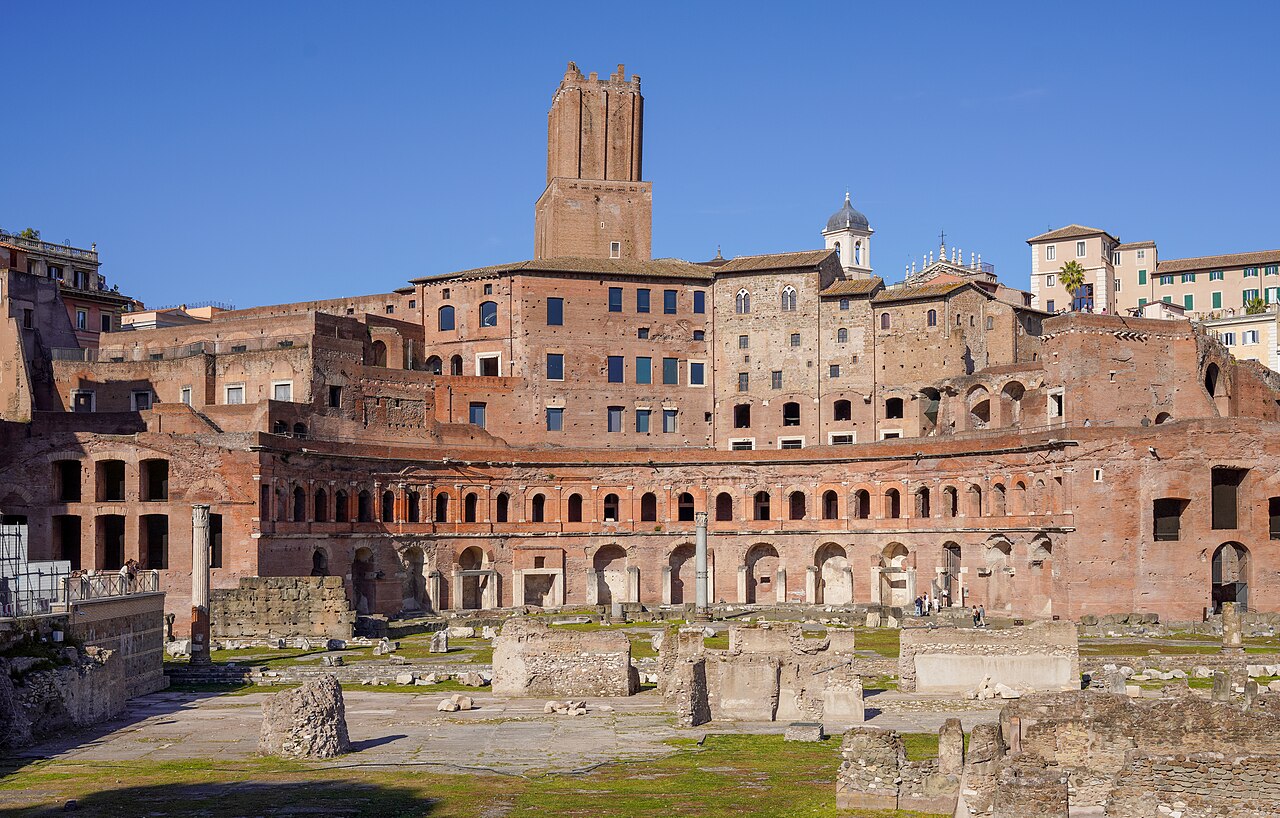
Trajan's Market
A vast multilevel Roman complex beside Trajan's Forum—now the Museum of the Imperial Fora
Explore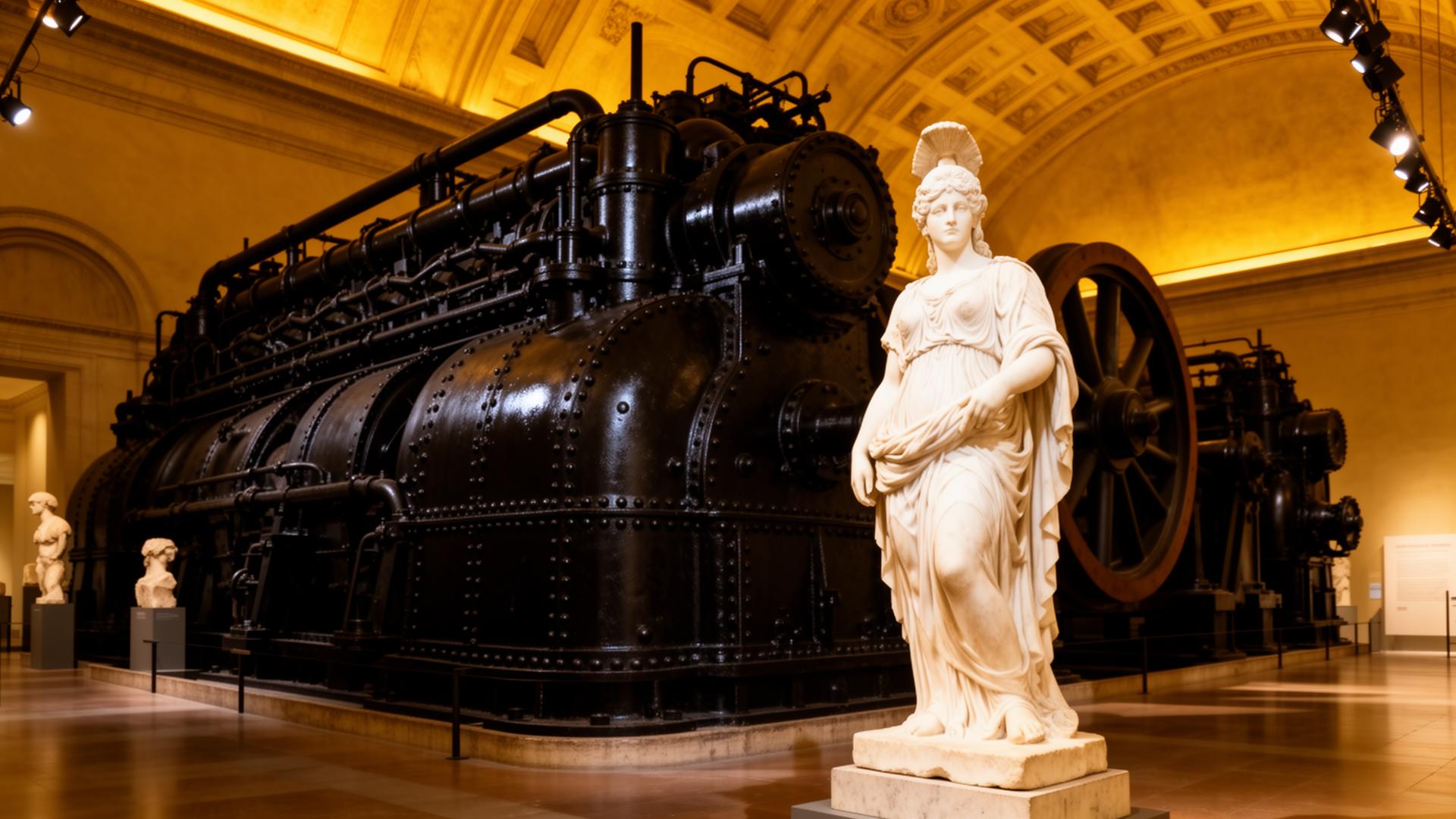
Centrale Montemartini
Ancient sculptures among industrial machinery—Rome's most unique museum
Explore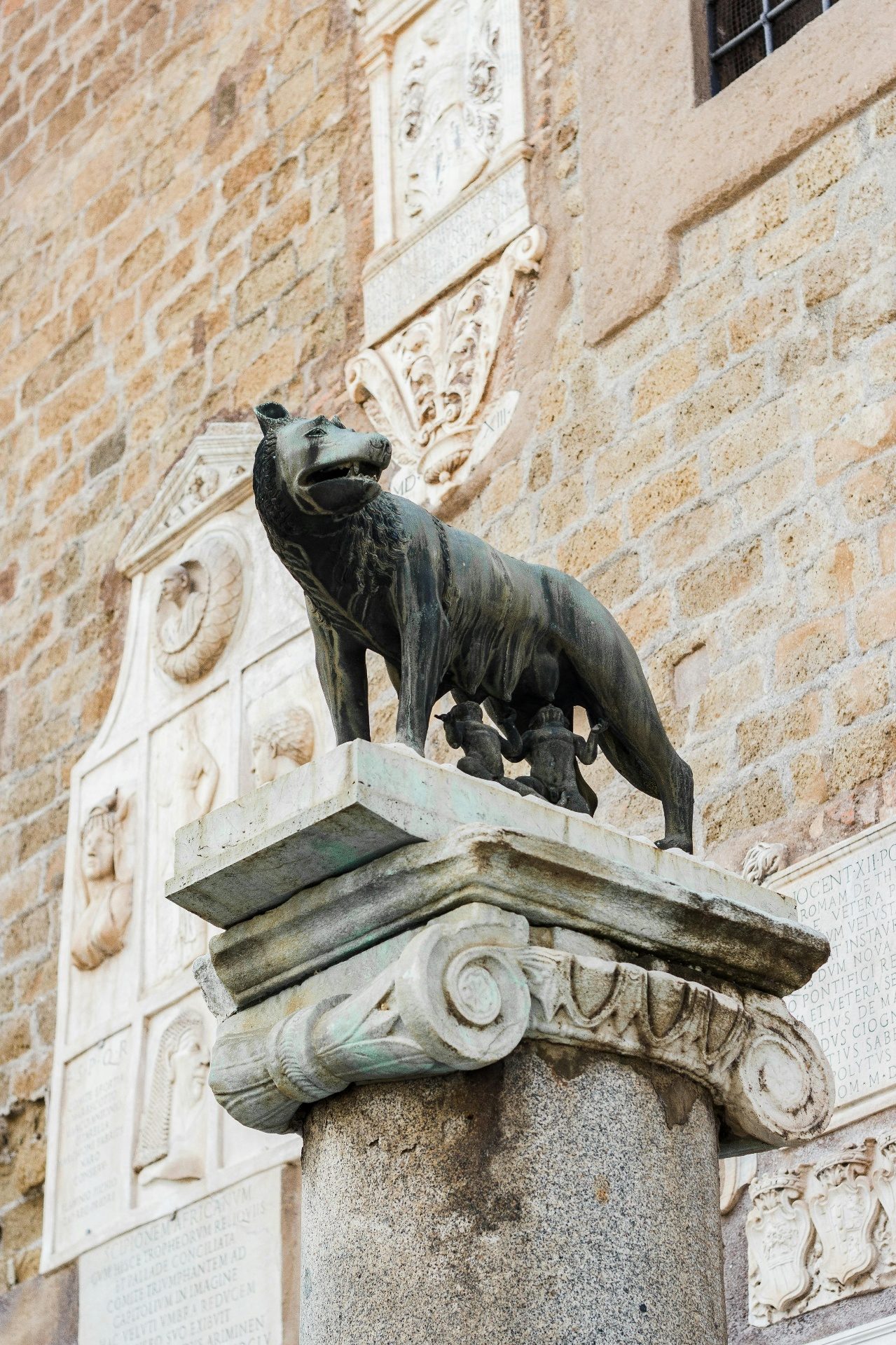
Capitoline Hill
Rome's most sacred hill with Michelangelo's piazza and oldest museums
Explore
Circus of Maxentius
One of the best-preserved Roman circuses, with the Mausoleum of Romulus nearby
Explore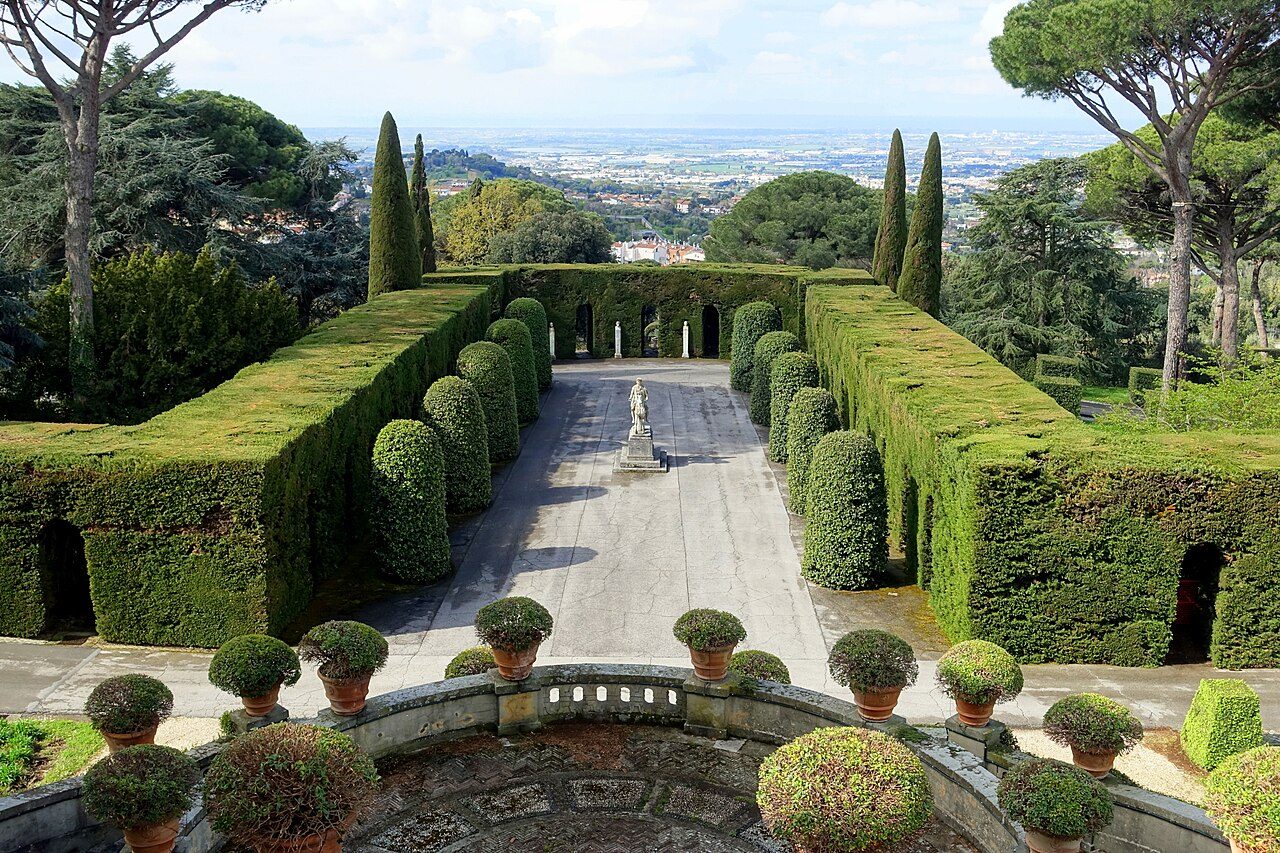
Bracciano Castle
Medieval fortress overlooking Lake Bracciano—Tom Cruise's wedding venue
Explore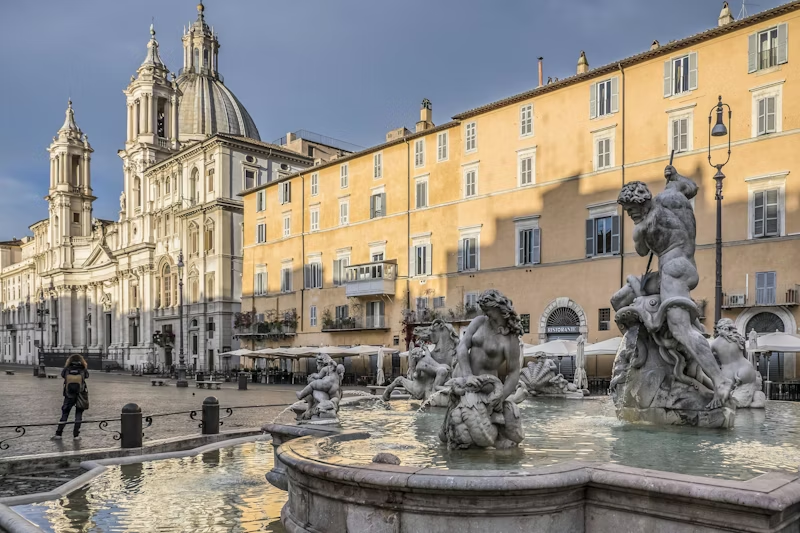
Napoleonic Museum
Free museum with Bonaparte family memorabilia near Piazza Navona
ExploreQuick Planning Guide
⏱️ Time Needed
20–30 minutes
💰 Cost
Free (exterior); concerts per current programme
🎫 Reservation
Not required
♿ Accessibility
Exterior visible from public streets; archaeological area has uneven surfaces and limited access points
📅 Best Time
Morning or golden hour
👨👩👧👦 Family Friendly
Yes
Nearby Attractions
Temple of Apollo Sosianusadjacent
Portico of Octavia2-minute walk
Jewish Ghetto2-minute walk
Capitoline Hill5-minute walk
Tiber Island3-minute walk
Featured In These Itineraries
Hidden Gems of Rome5 Day Rome ItineraryFree RomeEssential Tips
- ✓ Look up at the Renaissance apartments
- ✓ See Apollo Sosianus columns next door
- ✓ Best photos at golden hour
- ✓ Summer concerts in past seasons — check programme