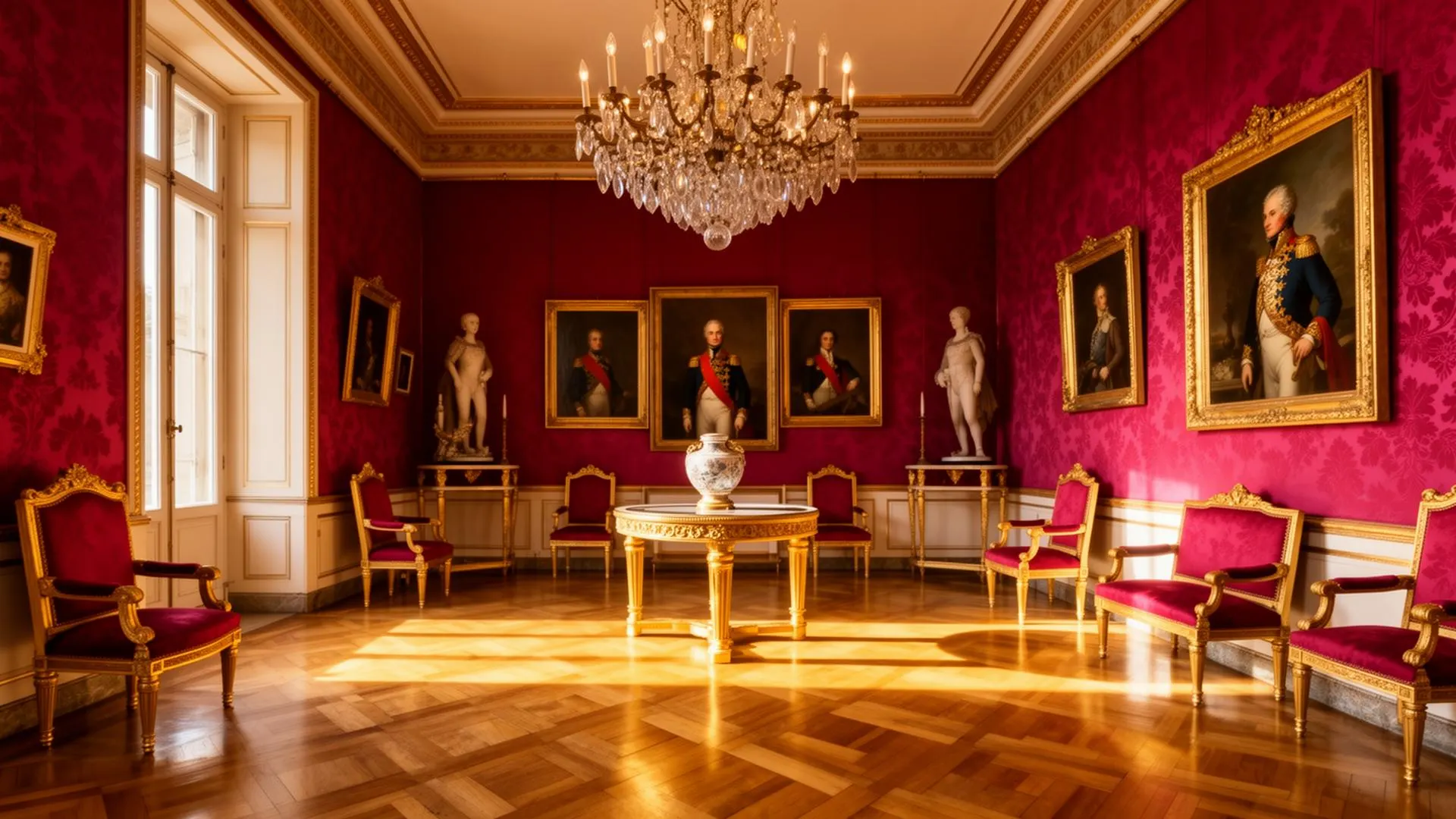
 Free Museum · Bonaparte Collection
Napoleonic Museum
The Bonaparte family's Roman home — around 1,000 items on display (including Empire-era portraits), jewels and mementos donated to the city in 1927 by Count Giuseppe Primoli, three minutes from Piazza Navona.
45–60 minFree entryBonaparte dynastyPauline's jewelsPiazza di Ponte Umberto I 1, 00186 RomaOpen on MapPlan Your Visit
Compare tickets, tours and stays — booking ahead usually gives more choice
Get TicketsBook a TourHotels NearbyBy AllTrips Editors••8 min readThe Napoleonic Museum (Museo Napoleonico) is the quietest free museum in central Rome — ten Empire-style salons in Palazzo Primoli, three minutes from Piazza Navona. Around 1,000 objects on display tell the surprising story of the Bonaparte family in Rome: Pauline Borghese's tiara, Canova's plaster cast of her as Venus Victrix, what the museum catalogue describes as Napoleon I.s bronze death mask, autograph letters, miniatures and the belle-époque photographs of Count Giuseppe Primoli, the great-nephew of Napoleon who in 1927 left his palace and family treasures to the city. Entry is free, no booking is needed and the museum is almost always empty.
📋 In This Guide
Duration
45–60 min
Cost
Free
Photos
Yes — no flash
Highlight
Pauline's jewels
Why Visit the Napoleonic Museum?
Three minutes from Piazza Navona, behind a discreet door on the Tiber, you can walk into a perfectly preserved Empire salon — for free — and stand in front of Pauline Borghese's tiara, the object identified in the catalogue as the object identified in the catalogue as Napoleon's death mask and the plaster cast attributed to Canova's circle, almost always alone. The Museo Napoleonico is the kind of museum that most international guidebooks miss entirely. That is exactly why it is one of the most enjoyable hours in central Rome in 2026.
A Story You Don't Expect
Most visitors don't know Napoleon's mother, sister and brother all lived in Rome under papal protection after 1815. The museum tells that story object by object.
Pauline Borghese's Jewels
A complete Empire parure — tiara, necklace, earrings, cameos — owned by Napoleon's most famous sister, Princess Pauline Borghese of Rome.
Canova & Empire Art
The plaster cast of Pauline as Venus Victrix (Canova's most famous nude is the marble version in the Borghese Gallery), portraits by Empire-era masters, miniatures and Sèvres porcelain.
Free, Empty, Photogenic
No ticket, no queue, no booking — and the crimson damask salons with their Empire furniture are some of the best interior photography spots in Rome.
What to See Inside
Pauline Borghese's Jewels
The undisputed star piece. Pauline Bonaparte (1780–1825), Napoleon's favourite sister, married Prince Camillo Borghese in Rome in 1803 and became one of the great social figures of Empire-era Europe. Her surviving jewels — tiara, necklace, earrings, cameo bracelet, all in classic Empire goldsmith style — are displayed together in their own room.
Canova's Venus Victrix Cast
The plaster model described in official guides as used by Antonio Canova to carve his most famous nude — Pauline Borghese reclining as Venus Victrix (1805–1808). The finished marble is in the Borghese Gallery, but this plaster gives you the artist's working surface, with tiny pin-marks Canova used to transfer measurements to marble.
Napoleon's Death Mask
An object identified in the museum catalogue as a bronze cast of the death mask taken by Dr. Francesco Antommarchi on Saint Helena on 7 May 1821, two days after the Emperor's death. It is an unsettlingly intimate object — the actual lines of Napoleon's face at 51 — and the museum displays it beside his bicorne hat-shaped snuffboxes and personal seals.
The Family Portrait Gallery
Walls of portraits of Letizia Ramolino (the matriarch who lived in Rome until 1836), Cardinal Fesch (Napoleon's uncle and the great Roman art collector of the family), Lucien Bonaparte (Prince of Canino), Joséphine, Marie-Louise of Austria, and the long line of Roman Bonapartes who descended from them.
Autograph Letters & Documents
Original handwritten letters from Napoleon I, Joséphine, Lucien, Pauline and Caroline Bonaparte; the marriage contract of Pauline and Camillo Borghese; political decrees and personal notes — a paper trail of the dynasty.
Second Empire Rooms
The final rooms cover Napoleon III, Eugénie de Montijo and Prince Napoleon (Plon-Plon) — Giuseppe Primoli's first cousin once removed. Includes Eugénie's tea service and several of Primoli's own photographs of the imperial family in exile.
Primoli's Roman Photographs
Count Primoli was one of the most important amateur photographers of belle-époque Europe. A rotating selection of his prints of Roman street life, royal weddings, the Borghese family and literary friends (Zola, D'Annunzio, Edmond de Goncourt) is displayed in the final salon.
Count Giuseppe Primoli — The Man Who Made the Museum
Giuseppe Primoli (1851–1927) is the secret hero of this museum. Through his mother Carlotta Bonaparte he was the great-nephew of Napoleon I — a real Bonaparte heir, raised between Rome and Paris, fluent in three languages, friend of every writer, painter and royal of the late 19th century.
Tall, mustachioed, melancholy and rich, Primoli refused to marry, never took up a profession and spent his life on three things: his Bonaparte family heritage, the literary salons of Paris (he was best friends with Edmond de Goncourt), and his cameras. He photographed Edgar Degas in his studio, Émile Zola at home, Sarah Bernhardt on stage and Pope Leo XIII in the Vatican gardens — all with a casual, modern, almost paparazzi-like eye that was decades ahead of its time.
In 1901 he commissioned the architect Raffaele Ojetti to rebuild the family palace on the Tiber as a museum-house, then quietly spent the next 25 years arranging the Bonaparte heirlooms into the ten ground-floor salons you walk through today. When he died in 1927 he left the palace, the collection and his entire photographic archive of around 16,000 images to the city of Rome and the Italian state.
The Museo Napoleonico is the result. The Fondazione Primoli, on the upper floors, looks after the photographs. Together they form one of the most personal cultural bequests ever made to the city of Rome.
The Bonapartes in Rome
Most visitors are surprised that there is a Napoleonic museum in Rome at all. The reason is simple: after Napoleon's fall in 1815, Pope Pius VII — whom Napoleon had imprisoned for years — generously offered asylum in Rome to the Emperor's relatives. The papal offer was the family's last refuge.
Letizia Ramolino, Napoleon's mother, lived in Palazzo Bonaparte on Piazza Venezia until her death in 1836. Cardinal Joseph Fesch, Napoleon's uncle, became one of the most important art collectors of papal Rome. Lucien Bonaparte, who had quarrelled with the Emperor, became Prince of Canino under papal patronage and dedicated himself to archaeology. Pauline Borghese had married a Roman prince in 1803 and remained the social queen of the city until her death in 1825.
From these four figures descended the entire Roman branch of the Bonapartes — including Charles Lucien Bonaparte the ornithologist, Carlotta Bonaparte the painter, and finally Count Giuseppe Primoli. The Museo Napoleonico is essentially the family album of this long Roman exile.
Palazzo Primoli
The palazzo itself is part of the visit. Originally a 16th-century building of the Gottifredi-Filonardi family, passed by inheritance to the Primoli, it was largely rebuilt between 1901 and 1911 by Raffaele Ojetti. Ojetti kept the historic façades on Via Zanardelli and Piazza di Ponte Umberto I but trimmed back the river side to make way for the new Tiber embankments — the price the palace paid for its spectacular river view.
Inside, the ground floor preserves a perfect Empire-style enfilade: ten interconnected rooms with crimson and gold damask wall coverings, parquet floors, gilded Empire furniture, chandeliers and tall windows. It is one of the very few intact early-20th-century evocations of an Empire palace surviving in Rome.
The upper floors — once Primoli's private apartments — today house the Mario Praz House Museum, the extraordinary frozen-in-time apartment of the eccentric scholar Mario Praz (1896–1982). Visits are free but follow a separate timed, reservation-based system — check the Mario Praz Museum's official website before visiting.
The Napoleonic Museum Through History
1797Napoleon Conquers Italy
Napoleon Bonaparte's First Italian Campaign reaches central Italy and forces the papacy to sign the Treaty of Tolentino — the start of the family's long Roman story.
1804Empire & Family Rises
Napoleon I crowns himself Emperor; his siblings become princes and queens. Pauline marries Prince Camillo Borghese in Rome that same year.
1808–1814Rome Annexed
Napoleon annexes Rome and the Papal States to the French Empire. Roman palaces fill with Empire-style furniture and the ancient city is restyled by French architects.
1815Bonaparte Exiles in Rome
After Waterloo, Pope Pius VII grants asylum in Rome to Napoleon's mother Letizia Ramolino, his uncle Cardinal Fesch, his brother Lucien and several other relatives — the Roman branch is born.
1851Giuseppe Primoli Born
Count Giuseppe Primoli is born in Rome to Pietro Primoli and Carlotta Bonaparte (granddaughter of Lucien). Through his mother he descends from both Lucien Bonaparte and Charles Lucien Bonaparte the ornithologist.
1870–1900Roman Society Photographer
Primoli becomes a celebrated society photographer of belle-époque Rome and Paris, friend of Edmond de Goncourt, Edgar Degas and Gabriele D'Annunzio. His photographs and Bonaparte heirlooms accumulate at Palazzo Primoli.
1901–1910Palazzo Primoli Restored
Primoli has the family palace on the Tiber rebuilt by architect Raffaele Ojetti to display the collection — partly modernised, partly preserved as Empire-style salons.
1927Donation to Rome
On his death, Count Giuseppe Primoli leaves Palazzo Primoli, the Bonaparte collection and his vast photographic archive to the city of Rome and the Italian state — creating both the Museo Napoleonico and the Fondazione Primoli.
1995Major Restoration
After decades of underfunding, the museum undergoes a comprehensive restoration: rooms re-hung scientifically, lighting modernised and a full scholarly catalogue published.
2016Mario Praz Museum Opens
The upper floors of Palazzo Primoli — the apartment of art historian Mario Praz, frozen in time — open to the public as a separate house museum, doubling the cultural offer of the building.
2024New Lighting & Digital Catalogue
Roma Capitale completes a new LED lighting installation across all ten rooms and publishes the entire collection online in high-resolution digital catalogue form.
2026Still Free, Still Empty
The Napoleonic Museum remains the most peaceful free museum in central Rome — three minutes from one of the busiest squares in Europe, almost unknown to international visitors.
Hours & Entry 2026
🕐 Opening Hours
- Tue–Sun: 10:00 – 18:00 (last entry 17:30)
- Closed: Mondays, 1 January, 1 May, 25 December
- Special openings: Sometimes on Roma Capitale free-museum days
- Hours can shift on holidays — check museinemetropolitano.it.
💶 Entry
- Adults: Free
- Children & students: Free
- EU residents over 65: Free
- Booking: Not required
- Audio guide: ask at the museum; availability may vary
- Mario Praz upstairs: Free, hourly guided visits
The Napoleonic Museum belongs to the network of Musei in Comune — small, free city museums of Rome (also includes Museo Carlo Bilotti, Museo di Roma in Trastevere, Museo Pietro Canonica). All free year-round, all virtually empty, all worth an hour.
Best Time to Visit
Best of Day
Late morning (11:00–12:30) is perfect — sunlight pours through the river-facing windows. Late afternoon (16:00–17:30) gives the warm golden light visible in the hero photo.
Best Day
Tue–Fri are quietest. Sundays bring local families but it is still calm. Closed Mondays — never come on a Monday.
Best Season
Year-round — perfect cool refuge in August, ideal rainy-day stop in winter. The salons are always at the same gentle temperature.
Visitor Tips
Skip any "ticket" website: Entry is free and walk-in. If a third-party site is selling you a ticket, it is a scam.
Pick up the room handout: A printed English room handout may be available at reception — confirm availability at the ticket desk.
Photography: Allowed without flash, no tripods. The crimson salons photograph beautifully against the Tiber light.
Bag check: Free cloakroom for large bags and umbrellas at reception.
Add Mario Praz: The Mario Praz Museum upstairs is separate; visit museomariopraz.cultura.gov.it for its specific timed booking requirements.
Toilets: Available inside, accessible. Use them — public toilets in this part of Rome are scarce.
Family-friendly: Short visit, lots of jewels, weapons and uniforms — surprisingly engaging for kids 8+.
Vs Other Free Museums in Central Rome
| Museum | Theme | Cost | Time | Crowds |
|---|---|---|---|---|
| Napoleonic Museum | Bonaparte family in Rome, Empire art | Free | 45–60 min | Very low — almost always empty |
| Mario Praz House Museum | Eccentric scholar's frozen-in-time apartment | Free (timed reservation required) | 60 min | Very low (capped at 10) |
| Museo di Roma in Trastevere | Roman folk life, photo archive | €10 (free 1st Sunday) | 60–90 min | Low |
| San Luigi dei Francesi | Three Caravaggios (Calling of St Matthew) | Free (€1 coin for lights) | 20 min | High at peak hours |
| Sant'Agostino | Caravaggio's Madonna of the Pilgrims | Free | 20 min | Low–medium |
| Pantheon | Best-preserved ancient Roman building | €5 (free Sundays) | 30 min | Very high |
Common Mistakes to Avoid
Coming on a Monday
Closed Mondays all year, plus 1 Jan, 1 May and 25 Dec. Plan for Tue–Sun, ideally Tue–Fri for total calm.
Buying a "ticket" online
Entry is genuinely free. Any third-party site charging for it is a scam. Just walk in.
Assuming the room handout is available
Without it the rooms feel like generic salons. If available, pick it up at reception to help navigate the rooms.
Not asking about Mario Praz
Most visitors don't know there's a second free museum upstairs. The Mario Praz Museum is a separate institution with its own reservation system; check museomariopraz.cultura.gov.it in advance.
Confusing it with Palazzo Bonaparte
Palazzo Bonaparte (Piazza Venezia) is a paid contemporary-exhibition venue — that's where Letizia lived. The Napoleonic Museum is in Palazzo Primoli, near Piazza Navona.
Using flash
Photography is allowed but flash is forbidden — and unnecessary thanks to the 2024 LED lighting upgrade.
Colosseum & Forum Tickets Nearby
The Napoleonic Museum is a perfect free, calm warm-up before the timed-entry giants. The Colosseum and Roman Forum are 15 minutes away by bus 87 along Corso Rinascimento — both require advance booking in 2026.
Colosseum Priority Entrance
Best for: First-time visitors
~2 hoursSkip-the-line access to the Colosseum with entry to Roman Forum and Palatine Hill included. Perfect for first-time visitors.
- Skip-the-line entry
- Colosseum access
- Roman Forum included
- Palatine Hill included
🎟️ Compare Prices:
TiqetsKlookTrip.comColosseum Guided Tour
Best for: History enthusiasts
~3 hoursExpert-led tour with professional guide sharing gladiator history, architecture secrets, and ancient Roman stories.
- Professional English-speaking guide
- Skip-the-line entry
- In-depth historical commentary
- Small group experience
🎟️ Compare Prices:
TiqetsKlookTrip.comColosseum Arena & Underground
Best for: Unique experience seekers
~3.5 hoursWalk where gladiators fought on the arena floor and explore the underground chambers where they awaited their fate.
- Arena Floor access
- Underground chambers access
- Roman Forum & Palatine Hill
- Expert guided tour included
🎟️ Compare Prices:
TiqetsKlookTrip.comPair Your Visit With
Palazzo Altemps
4-min walk — the Ludovisi Collection of ancient sculpture (Galatian Suicide, Ludovisi Throne, Ares restored by Bernini), €10 combined ticket.
Piazza Navona
3-min walk — Bernini's Four Rivers Fountain on the site of the ancient Stadium of Domitian, free and open at all hours.
Castel Sant'Angelo
8-min walk over Ponte Umberto I — Hadrian's mausoleum turned papal fortress, with one of the best rooftop views in Rome.
Highlights at a Glance
- Completely free — no ticket, no booking, no queue
- Around 1,000 objects on display across ten Empire-style salons
- The plaster cast of Pauline Borghese as Venus Victrix (as described in museum records)
- The bronze death mask of Napoleon I (identified by the museum as cast from Saint Helena, 1821)
- Pauline Borghese's tiara, parure and cameo collection
- Autograph letters from Napoleon, Joséphine and Lucien Bonaparte
- Late-19th-century photographs of Roman society by Count Primoli himself
- One of the calmest museums in central Rome — almost always empty
How to Get There
By Bus
Lines 30, 70, 81, 87, 130F, 186, 492, 628 stop on Corso Rinascimento (3-min walk). From Termini, bus 40 or 64 to Largo Argentina (10-min walk).
By Metro
- Spagna or Barberini (Line A): 18-min walk through the Tridente
- No direct Metro — bus or walking is best from Termini
On Foot
From Piazza Navona: 3 min along Via dei Coronari. From the Pantheon: 10 min via Via Giustiniani. From Castel Sant'Angelo: 8 min across Ponte Umberto I. From Campo de' Fiori: 12 min via Corso Vittorio Emanuele.
Where to Stay Near Napoleonic Museum
Looking for convenient accommodation near Napoleonic Museum? Stay within walking distance to make the most of your visit.
Hotels Near This AttractionTop Rated HotelsBudget-Friendly OptionsLuxury HotelsCentral locations with easy access to Napoleonic Museum and other attractionsFrequently Asked Questions
Is the Napoleonic Museum free in 2026?
Yes — entry is completely free for everyone, no booking and no ticket needed. It is one of the small civic museums of Rome (Musei in Comune) that the city keeps free of charge year-round. A paid audio guide may be available — confirm at the ticket desk or visit the temporary exhibitions, which are also usually free.
What can I see at the Napoleonic Museum?
Around 1,000 objects on display across ten Empire-style rooms on the ground floor of Palazzo Primoli: portraits of Napoleon I, Joséphine, Pauline Borghese, Lucien and the Roman Bonapartes; the plaster cast for Pauline as Venus Victrix (attributed to Canova's workshop in official room descriptions); jewels and tiaras; miniature portraits, snuffboxes, autograph letters, what the museum catalogue identifies as the bronze death mask of Napoleon, and Roman-era memorabilia of the Second Empire (Napoleon III). The collection was donated to Rome in 1927 by Count Giuseppe Primoli.
What are the opening hours?
Tuesday–Sunday 10:00–18:00 (last entry 17:30). Closed Mondays, 1 January, 1 May and 25 December. The museum is virtually never crowded, so any time of day works — but late mornings (11:00–12:30) and late afternoons (16:00–17:30) are especially calm.
Where is the Napoleonic Museum located?
On the ground floor of Palazzo Primoli at Piazza di Ponte Umberto I, 1 — between Piazza Navona (3-min walk) and the Tiber, just before the bridge that leads to Castel Sant'Angelo. The same palazzo houses the Mario Praz House Museum on the upper floors. The latter is a separate museum with its own timed, reservation-based visits (see museomariopraz.cultura.gov.it).
Why is there a Napoleonic museum in Rome?
Because the Bonaparte family had deep roots in Rome. After Napoleon's fall in 1815, his mother Letizia Ramolino, his uncle Cardinal Fesch, his brother Lucien and his sister Pauline (married to Prince Camillo Borghese) all lived in or near Rome under papal protection. Count Giuseppe Primoli (1851–1927), grandson of Charlotte Bonaparte and Carlo Luciano Bonaparte, was the family's last great Roman heir — and he gave his palace and family treasures to the city.
How long should I plan to visit?
Plan 45–60 minutes for the Napoleonic Museum itself. The visit is a sequence of ten domestic-scale Empire rooms — slow looking is rewarded. Add 60–90 minutes if you visit the Mario Praz House Museum upstairs, which requires its own timed reservation (visit museomariopraz.cultura.gov.it for details).
Is photography allowed?
Yes — non-flash photography is permitted throughout. The crimson damask salons, the gilded Empire furniture and the tall windows over the Tiber make for some of the most atmospheric interior shots in central Rome.
Is the museum accessible?
Partly. The exhibition rooms are on the ground floor; however, accessibility features like the lift or toilets should be confirmed in advance with the museum to ensure they are operational.
What should I combine it with?
Three perfect pairings: (1) Palazzo Altemps for the Ludovisi sculpture collection — same neighbourhood, €10; (2) Piazza Navona, San Luigi dei Francesi (free Caravaggios) and Sant'Agostino (Madonna of the Pilgrims) for an art-history half-day; (3) Castel Sant'Angelo, 8 min walk across Ponte Umberto I, ideal Bonaparte-into-papal-Rome combination.
Related Attractions
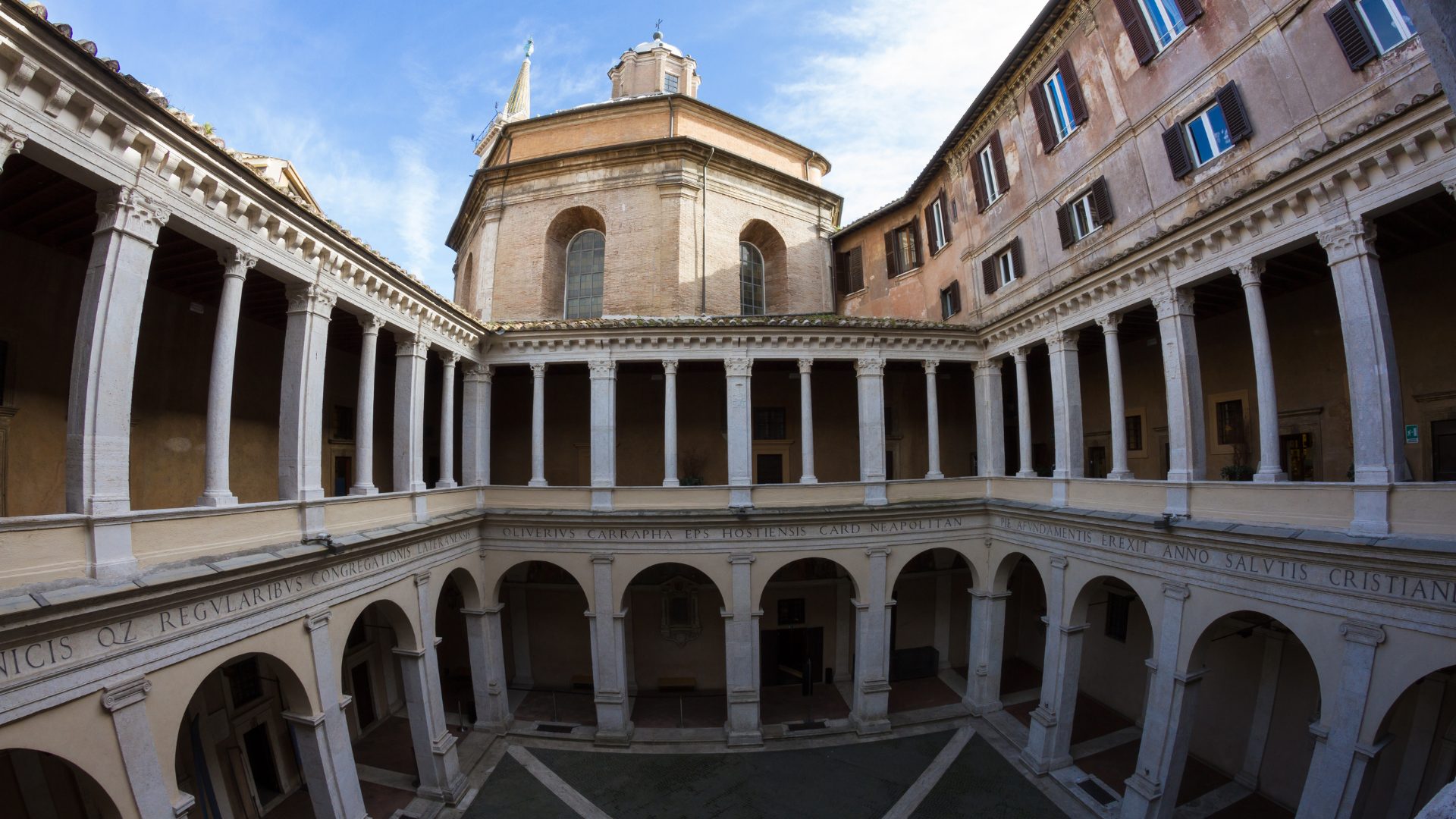
Chiostro del Bramante
Bramante's Renaissance cloister hosting world-class exhibitions
Explore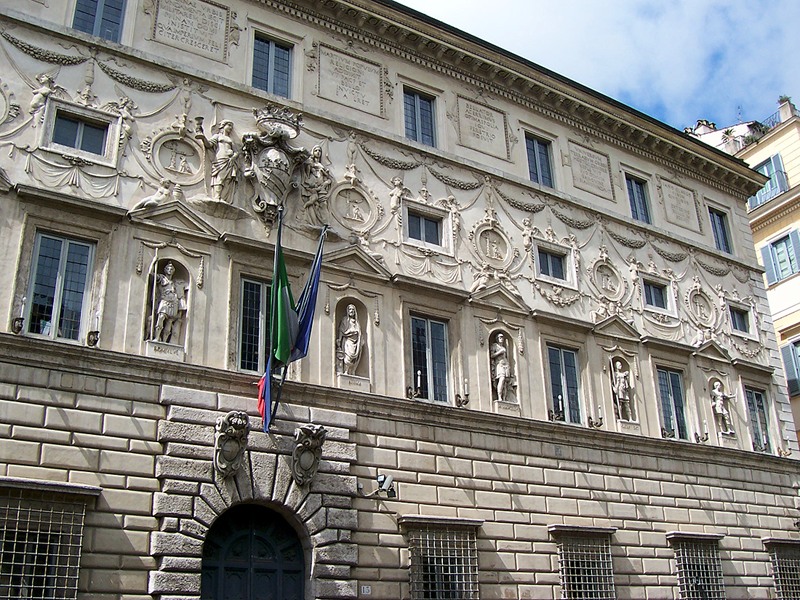
Galleria Spada
Intimate gallery with Borromini's optical illusion corridor
Explore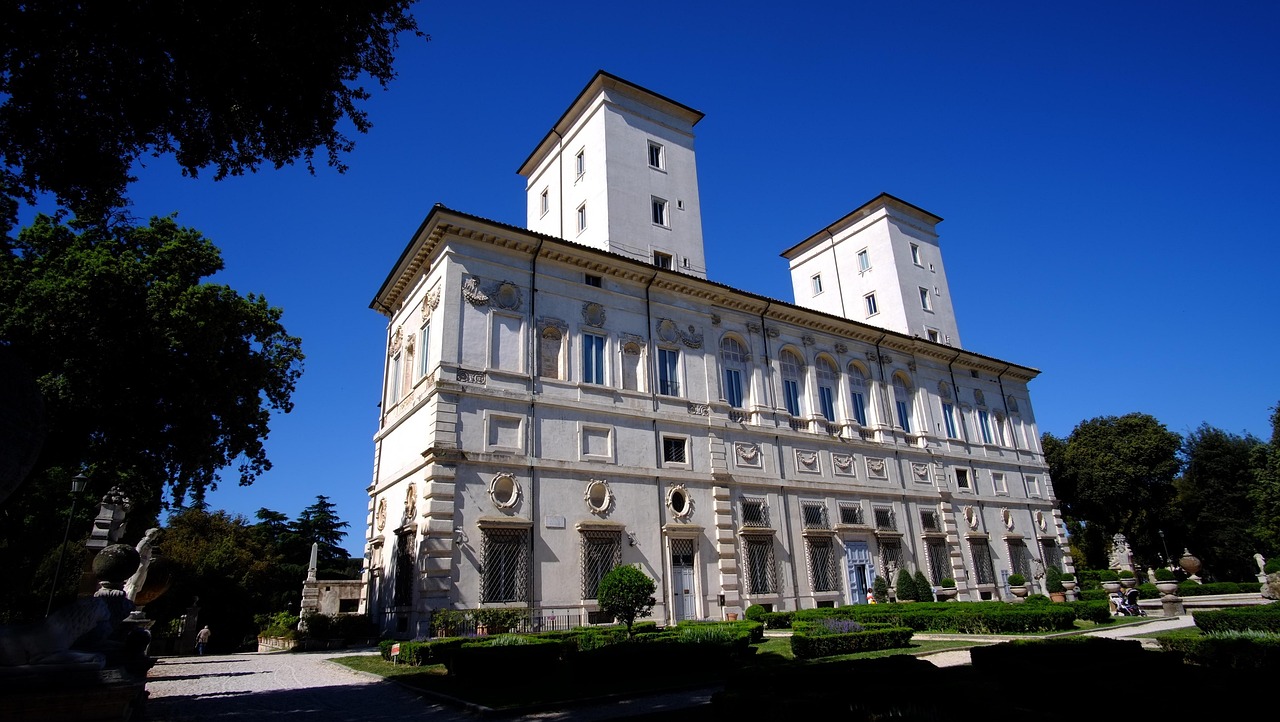
Borghese Gallery
World-class art with Bernini sculptures and Caravaggio paintings
Explore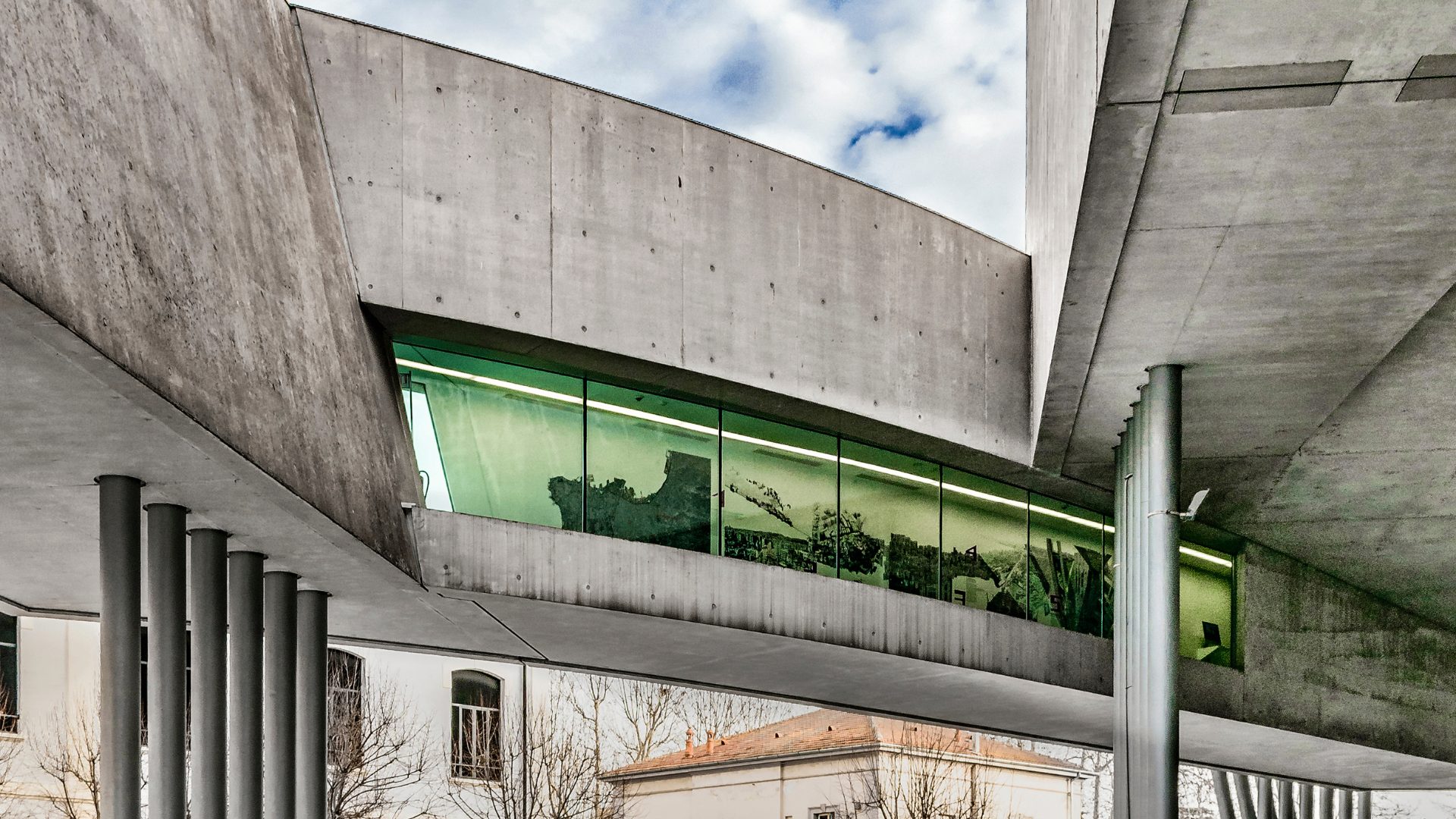
MAXXI Museum
Zaha Hadid's stunning contemporary art and architecture museum
Explore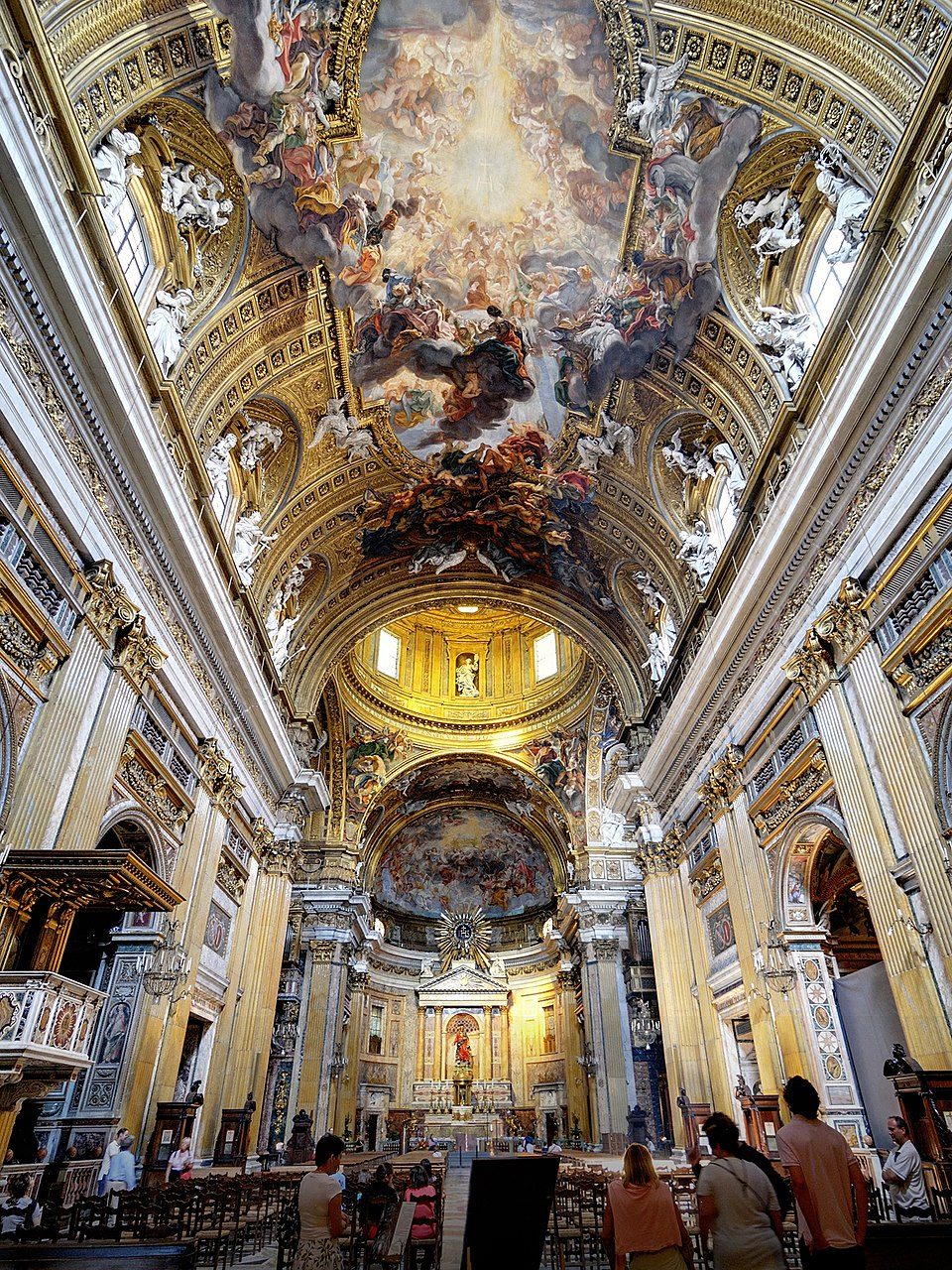
Chiesa del Gesù
Mother church of the Jesuits with stunning ceiling fresco
Explore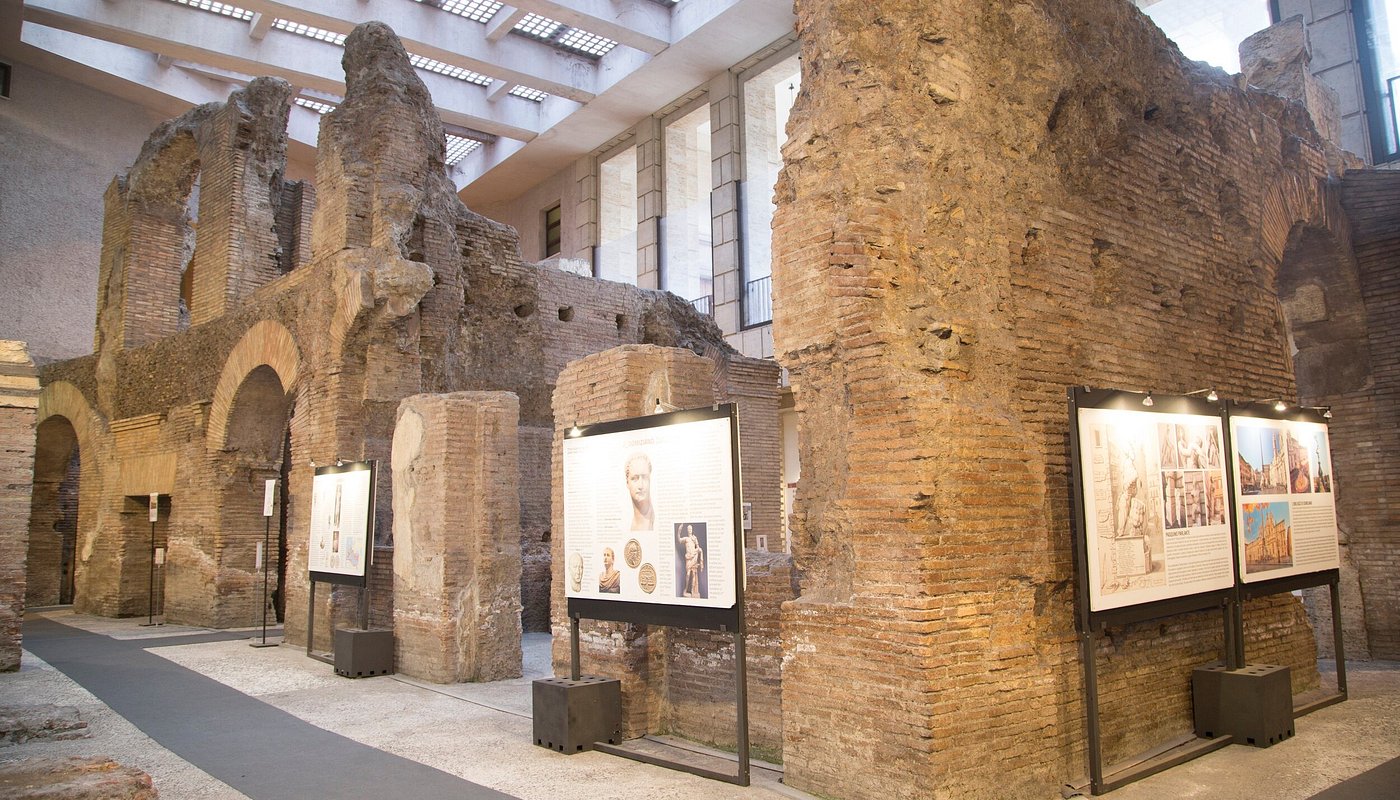
Stadio di Domiziano
Underground remains of Domitian's ancient athletics stadium beneath Piazza Navona
ExploreQuick Planning Guide
⏱️ Time Needed
45–60 minutes
💰 Cost
Free — no ticket needed
🎫 Reservation
Walk-in, no booking
♿ Accessibility
Confirm accessibility features in advance with the museum
📅 Best Time
11:00–12:30 or 16:00–17:30
👨👩👧👦 Family Friendly
Yes — short, calm, photogenic
🌡️ Weather
Indoor — perfect rainy-day stop
Nearby Attractions
Piazza Navona3-min walk
Palazzo Altemps — Ludovisi Collection4-min walk
San Luigi dei Francesi — Caravaggios5-min walk
Sant'Agostino — Caravaggio3-min walk
Castel Sant'Angelo8-min walk over Ponte Umberto I
Pantheon10-min walk
Featured In These Itineraries
Free Things to Do in RomeHidden Gems of RomeRainy Day in RomeEssential Tips
- ✓ Completely free — never pay anyone for a 'ticket'
- ✓ Closed Mondays — never come on a Monday
- ✓ Check at reception for the English room handout (availability may vary)
- ✓ Photography allowed without flash
- ✓ Visit the Mario Praz Museum sharing Palazzo Primoli (separate timed booking required via its [official site](https://museomariopraz.cultura.gov.it/))