 Mother Church of the Jesuits — free entry
Chiesa del Gesù
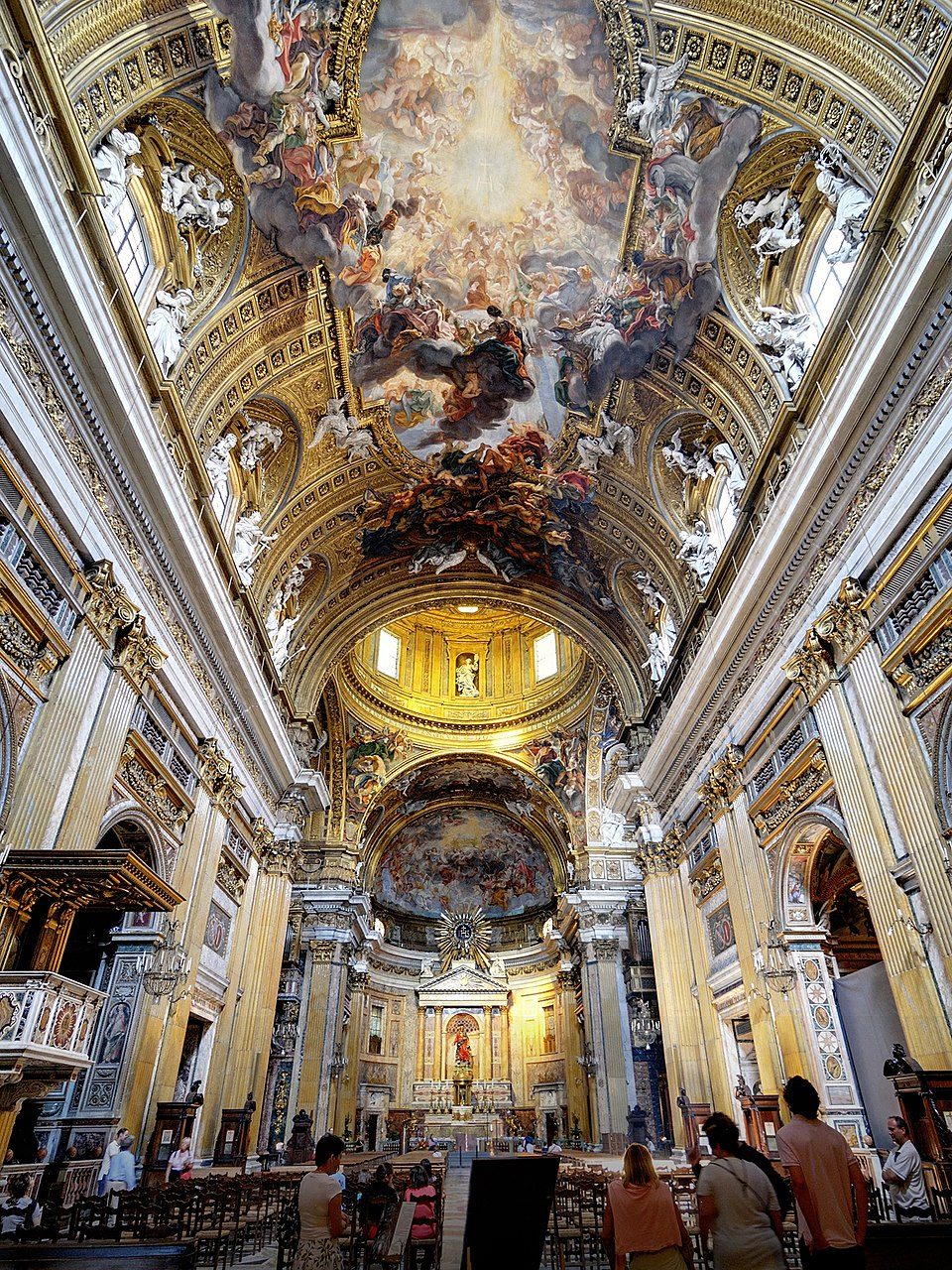
The mother church of the Jesuits (1568–1584) — Baciccio's illusionistic ceiling, the tomb of Saint Ignatius and Pozzo's silver-statue altar with its scheduled mechanical opening.
30–45 min visitFree entryMacchina barocca (scheduled)Prototype Baroque churchVia degli Astalli 16, 00186 Roma RMOpen on MapPlan Your Visit
Compare tickets, tours and stays — booking ahead usually gives more choice
Get TicketsBook a TourHotels NearbyThe Chiesa del Gesù — officially the Chiesa del Santissimo Nome di Gesù all'Argentina — is the mother church of the Society of Jesus and the prototype of all Baroque churches. Built between 1568 and 1584 by Vignola and Giacomo della Porta, financed by Cardinal Alessandro Farnese, it contains the tomb of its founder Saint Ignatius of Loyola, Giovanni Battista Gaulli's celebrated 1676–1679 illusionistic ceiling fresco 'The Triumph of the Name of Jesus' — figures bursting through the architectural frame, stucco angels merging with painted ones — and Andrea Pozzo's silver-statue altar of Saint Ignatius (1697–1699). At scheduled times, the altarpiece is lowered to reveal the statue of Saint Ignatius; times can change around services, so verify the current church programme. Free entry, generally open daily mornings and late afternoons/early evenings — verify current hours — two minutes' walk from Largo di Torre Argentina.
Why visit the Chiesa del Gesù?
Few churches in Rome combine spectacle, history and significance like the Gesù. It is at once the prototype of every Baroque church in the Catholic world (Vignola's nave, Della Porta's facade), the burial place of one of the greatest religious founders of the modern era (Saint Ignatius of Loyola), the home of one of the supreme illusionistic ceilings of the European Baroque (Baciccio's Triumph of the Name of Jesus), and the home of a surviving Baroque mechanical altar mechanism, first built in 1697 (Pozzo's silver-statue Loyola chapel). Free, central, accessible — and almost never as crowded as it deserves.
- Baciccio's 'Triumph of the Name of Jesus' (1676–1679): the climax of Roman illusionistic ceiling painting — figures bursting through the frame, three-dimensional stucco angels by Antonio Raggi merging fresco and sculpture into a single radiant composition.
- Pozzo's Saint Ignatius altar (1697–1699): a precious altar — lapis lazuli columns, gilded bronze, the silver-clad statue and a mechanical altarpiece that, at scheduled times, is lowered to reveal the tomb of the founder of the Jesuits.
- Tomb of Saint Ignatius of Loyola (d. 1556): the spiritual centre of the worldwide Jesuit order, beneath the Pozzo altar — the destination of pilgrimage from every Jesuit institution in the world.
- The prototype Baroque church: Vignola's single-nave plan and Della Porta's 1584 facade became the model for every Counter-Reformation church across Catholic Europe and the New World for the next 150 years.
- Free, central, accessible: 2 minutes from Largo Argentina, free entry, fully wheelchair accessible, no booking required — and the scheduled altar opening, when it takes place, is a memorable free spectacle.
Quick facts
Built
1568–1584
Style
Early Baroque (prototype)
Famous for
Baciccio's ceiling fresco
Don't miss
Pozzo's silver Loyola altar
Entry 2026
Free
Visit time
30–45 minutes
Order
Jesuit (Society of Jesus)
Location
2 min from Largo Argentina
Table of Contents
Jump to any section of the itinerary
A brief history
In 1540, Pope Paul III formally approved the Society of Jesus, founded in Rome by the Basque nobleman and former soldier Ignatius of Loyola. The new order combined rigorous education, foreign missions and direct service to the papacy, and grew with extraordinary speed: by Ignatius's death in 1556 it numbered more than 1,000 members; by the end of the 16th century it was the most influential religious order in Catholic Europe.
In 1568, Cardinal Alessandro Farnese — grandson of Pope Paul III and the most powerful patron in Rome — financed the construction of the new mother church of the Jesuits. The site, in the heart of the historic centre next to the small earlier church of Santa Maria della Strada, had served as the Jesuit base since 1551. The original design was by Giacomo Barozzi da Vignola, the leading post-Michelangelo architect in Rome, who proposed a revolutionary single-nave plan with shallow side chapels — wide, dramatic, unobstructed by aisles, and designed for preaching to vast Counter-Reformation congregations.
On Vignola's death in 1573, Giacomo della Porta took over the project and produced the celebrated facade — the prototype of every Baroque church facade in Catholic Europe for 150 years. The church was consecrated in 1584 under the title 'Santissimo Nome di Gesù'. From the start, it served as the model on which Jesuit churches from Goa to Manila to Mexico City to Asunción were directly designed.
The interior we see today is largely the result of a great Baroque transformation campaign begun in 1672 under the Jesuit superior Giovanni Paolo Oliva. Between 1676 and 1679 Bernini's most gifted painter-protégé, Giovanni Battista Gaulli ('il Baciccio'), painted the great nave ceiling fresco — the 'Triumph of the Name of Jesus' — with three-dimensional stucco angels by Antonio Raggi extending the painted scene into real space. Between 1697 and 1699 Andrea Pozzo designed the spectacular Loyola altar in the left transept — home to the 'macchina barocca', the mechanical altarpiece lowered at scheduled times.
In 1773, Pope Clement XIV suppressed the Society of Jesus under pressure from the Bourbon courts. In 1798, Pozzo's solid-silver Saint Ignatius statue was melted down by order of the French during the Napoleonic occupation; the present silvered-stucco statue is a 19th-century replacement. The Jesuits were formally restored in 1814 by Pope Pius VII, and the Gesù resumed its role as the mother church of the order. Major conservation followed the 1929 Lateran Treaty, and the Camerette di Sant'Ignazio next door reopened to the public in 2006.
The year 2026 marks the 470th anniversary of Ignatius's death (1556) and continues the long programme of conservation on the Baciccio ceiling. The macchina barocca, a mechanism dating from 1697, remains a striking Baroque spectacle at the Gesù, though its statue was replaced after the original was melted down in the Napoleonic period — visitors should check the current schedule rather than assume it runs at a fixed daily time.
The Gesù through the centuries
1540Society of Jesus founded
Ignatius of Loyola founds the Society of Jesus in Rome with the approval of Pope Paul III. The new order is dedicated to education, foreign missions and direct service to the papacy.
1551First Jesuit church on the site
A small earlier church on the present site, Santa Maria della Strada, is given to the Jesuits and serves as their first Roman base. It will eventually be demolished to make way for the Gesù.
1568Construction begins
Cardinal Alessandro Farnese — grandson of Pope Paul III and the most powerful patron in Rome — finances the new mother church of the Jesuits. Design by Giacomo Barozzi da Vignola, the leading post-Michelangelo architect in Rome.
1573Vignola dies; Della Porta takes over
On Vignola's death, Giacomo della Porta takes over the project, modifying the design and producing the celebrated facade — the prototype of every Baroque church facade for the next 150 years.
1584Church consecrated
The church is consecrated under the title 'Santissimo Nome di Gesù'. The single revolutionary nave with shallow side chapels (no aisles) becomes the Counter-Reformation model for preaching churches throughout Catholic Europe and the New World.
1622Canonisation of Ignatius
Pope Gregory XV canonises Ignatius alongside Francis Xavier, Teresa of Ávila, Philip Neri and Isidore the Farmer in one of the most important canonisation ceremonies in Roman history.
1672–1685Baroque transformation begins
Under the leadership of the Jesuit superior Giovanni Paolo Oliva, the relatively austere 16th-century interior is transformed into one of the most elaborate Baroque ensembles in Europe. The vault is prepared for the great fresco programme.
1676–1679Baciccio's ceiling fresco
Giovanni Battista Gaulli ('il Baciccio'), Bernini's most gifted painter-protégé, completes the nave ceiling fresco — the 'Triumph of the Name of Jesus' — with painted figures bursting out of the architectural frame and three-dimensional stucco angels by Antonio Raggi extending the painted scene into real space.
1697–1699Pozzo's Saint Ignatius altar
Andrea Pozzo designs the spectacular Chapel of Saint Ignatius in the left transept, with lapis lazuli columns, gilded bronze, and a mechanical altarpiece that, at scheduled times, is lowered to reveal the silver statue of the saint above his tomb.
1773Suppression of the Jesuits
Pope Clement XIV suppresses the Society of Jesus under pressure from the Bourbon courts. Pozzo's solid-silver Saint Ignatius statue is melted down by order of the French; the present statue is a replacement in silvered stucco. The Jesuits are not formally restored until 1814.
1814Jesuits restored
Pope Pius VII restores the Society of Jesus worldwide. The Gesù resumes its role as the mother church of the order and the burial place of the Superior Generals.
1929Conservation after the Lateran Treaty
Major restoration of the church and its decoration follows the 1929 Lateran Treaty between the Italian state and the Vatican. The Baciccio ceiling, the Pozzo altar and the Cardinal Bellarmine chapel are conserved.
2006Camerette di Sant'Ignazio reopened
The 'Camerette di Sant'Ignazio' — the small private rooms where Ignatius lived and died — are restored and reopened to the public next door to the church, with frescoes by Andrea Pozzo of the saint's life.
2026Anniversary year
2026 marks the 470th anniversary of Ignatius's death (1556). The Baciccio ceiling and the Pozzo altar remain the main draws; check with the parish for any current concerts or special openings.
What to see at the Chiesa del Gesù
Baciccio's Ceiling Fresco (1676–1679)
- Giovanni Battista Gaulli's 'Triumph of the Name of Jesus' — the climax of Roman illusionistic ceiling painting and the model for every Baroque ceiling for a century.
- Painted figures appear to burst through the architectural frame; the central blaze radiates from the Holy Name (IHS), the emblem of the Jesuit order.
- Three-dimensional stucco angels by Antonio Raggi extend the painted scene into real space — fresco and sculpture seamlessly merge.
- The damned souls at the edges appear to tumble out of the frame down onto the nave below — look up from underneath to see the illusion.
Chapel of Saint Ignatius (Pozzo, 1697–1699)
- Andrea Pozzo's vast Baroque altar in the left transept, encasing the tomb of Saint Ignatius of Loyola.
- Four colossal columns of solid lapis lazuli (the largest pieces of lapis worked anywhere in Europe), gilded bronze, polychrome marble inlay and a globe of solid lapis above the altar.
- At scheduled times, the altarpiece painting is lowered to reveal the silver-clad statue of Saint Ignatius above the tomb — the 'macchina barocca'. Times can change around services, so verify the current church programme.
- Two flanking sculptural groups: 'Religion overthrowing Heresy' (Pierre Le Gros) on the right, 'Faith triumphing over Idolatry' (Jean-Baptiste Théodon) on the left.
Chapel of Saint Francis Xavier (Right Transept)
- Pendant chapel to the Loyola altar, dedicated to Ignatius's closest companion and the apostle of Asia.
- Contains a relic of the saint's right arm — the arm with which he baptised, by tradition, more than 700,000 converts in India, Japan and the Spice Islands.
- Pietro da Cortona altar painting of the death of Saint Francis Xavier on Shangchuan Island off the coast of China (1552).
- Together with the Loyola altar, frames the dramatic transept axis of the church — Jesuit Europe and Jesuit Asia in perfect symmetry.
Facade & Architecture
- Giacomo della Porta's 1584 facade — the prototype of every Baroque church facade in Catholic Europe for 150 years (the model for the Counter-Reformation facade).
- Vignola's revolutionary single-nave plan — wide, dramatic, unobstructed by aisles, designed for preaching to vast Counter-Reformation congregations.
- Shallow side chapels replacing the medieval aisle pattern — each a stage for a single dramatic altarpiece.
- The crossing dome (Della Porta, 1584) — one of the largest in late-16th-century Rome and a model for many later Counter-Reformation domes.
Baciccio's ceiling — how the Triumph of the Name of Jesus works
The nave ceiling fresco of 1676–1679 — 'The Triumph of the Name of Jesus' by Giovanni Battista Gaulli, known as il Baciccio — is the climax of Roman illusionistic ceiling painting. Baciccio was Bernini's most gifted painter-protégé, and the entire compositional system of the ceiling is essentially Berninesque: a unified three-dimensional spectacle in which painting, sculpture and architecture merge into a single radiant composition.
The central scene is built around the IHS monogram — the Holy Name of Jesus, which is also the emblem of the Jesuit order. Light radiates outward from the monogram in a great burst of gold and white, while the Blessed are drawn upward toward it and the damned are violently expelled downward, tumbling out of the painted frame onto the nave below. The overall theological argument is direct and Counter-Reformation: at the Holy Name of Jesus, every knee shall bow, both in heaven and on earth and under the earth (Philippians 2:10).
The most remarkable technical feature of the ceiling is the way Baciccio's painted figures merge seamlessly with three-dimensional stucco angels by his collaborator Antonio Raggi. The painted clouds spill out of the architectural frame into real space, where they become real stucco; the painted figures lean out of the painting and become Raggi's sculptures. The effect, particularly from the rear of the nave, is that the entire ceiling has dissolved into an open three-dimensional vision of heaven. The model for almost every later Baroque ceiling in Catholic Europe.
The conservation history has been substantial: the ceiling was cleaned and restored after the 1929 Lateran Treaty and underwent a major modern conservation campaign in the late 20th and early 21st centuries that recovered the original brilliant colour palette. For best viewing, stand at the rear (west) end of the nave and look east — the painted figures appear most three-dimensional from this angle, and Raggi's stucco angels read most clearly as extensions of the painting into real space.
Pozzo's silver altar — the macchina barocca
In the left transept of the Gesù, directly above the tomb of Saint Ignatius of Loyola, stands one of the most richly decorated chapels in Rome: Andrea Pozzo's altar of Saint Ignatius, designed and built between 1697 and 1699 at vast cost to mark the centenary of the canonisation of the saint. Four colossal columns of solid lapis lazuli — among the largest single pieces of lapis worked anywhere in Europe — frame the altar. Gilded bronze, polychrome marble inlay, gold leaf and a globe of solid lapis above the altar complete the ensemble. The two flanking sculptural groups — 'Religion overthrowing Heresy' by Pierre Le Gros (right) and 'Faith triumphing over Idolatry' by Jean-Baptiste Théodon (left) — are themselves among the finest French Baroque sculptures in Italy.
The original 1697–1699 statue of Saint Ignatius above the altar was solid silver — one of the largest single silver statues in Catholic Europe, weighing several tonnes. In 1798, during the Napoleonic occupation of Rome, the statue was melted down by order of the French and the silver requisitioned. The present statue, installed in 1804 and refined throughout the 19th century, is silvered stucco — visually identical from the nave but no longer solid silver. The lapis lazuli columns and gilded bronze of the surrounding altar are, however, original Pozzo.
The altar's most striking feature is its surviving 'macchina barocca': a Pozzo-designed mechanical apparatus that, at scheduled times, slowly lowers the great altarpiece painting of Saint Ignatius to reveal the statue and the tomb beneath, generally with lighting and sometimes music. The mechanism dates from 1697, though it has not run without interruption throughout its history — the original silver statue was removed and melted down in the Napoleonic period and later replaced. Because timings can change around services, verify the current church programme rather than assuming a fixed time.
To experience the macchina barocca: check the current schedule with the parish beforehand, arrive a little early to find a spot in the left transept, and remain quiet during the opening. Afterwards, walk forward to view the statue and the tomb at close range. The event, when it takes place, is free and open to all.
Who was Saint Ignatius of Loyola?
Iñigo López de Loyola was born in 1491 in the Basque country of northern Spain into a family of minor military nobility, the youngest of thirteen children. He spent his youth as a page at the court of Castile and then as a professional soldier. In 1521, defending the Spanish-held citadel of Pamplona against a French invasion, he was struck by a cannonball that shattered his right leg. The wound essentially ended his military career.
During the long and painful recovery at the family castle of Loyola, with no books available except a life of Christ and a collection of saints' lives, Ignatius experienced a profound religious conversion. He resolved to abandon military life entirely and devote himself to the service of God. After a year of solitary prayer in the cave of Manresa in Catalonia (1522–23), he composed the first draft of his 'Spiritual Exercises' — a structured four-week programme of guided meditation that would become one of the most influential spiritual handbooks in Christian history.
In his thirties and forties Ignatius, despite his age and his lameness, returned to formal education — studying first at the Spanish universities of Alcalá and Salamanca, then completing a full degree at the University of Paris (1528–35). At Paris he gathered around him a small group of close companions including the future Saint Francis Xavier, the apostle of Asia. In 1540, in Rome, Pope Paul III formally approved the new order they had founded — the Society of Jesus.
Ignatius governed the rapidly expanding order from Rome until his death in 1556, by which point the Jesuits already numbered more than 1,000 members across Europe, India, Brazil, Japan and Ethiopia. He lived and died in the small private apartments next door to the present Gesù — the rooms today preserved as the Camerette di Sant'Ignazio (entrance at Piazza del Gesù 45). He was canonised in 1622 alongside Francis Xavier, and his tomb beneath Pozzo's silver altar in the left transept of the Gesù has been the spiritual centre of the worldwide Jesuit order ever since.
Il Gesù vs other Jesuit churches in Rome
| Feature | Il Gesù | Sant'Ignazio | San Francesco Saverio |
|---|---|---|---|
| Founded / built | 1568–1584 | 1626–1650 | 1620s |
| Founder buried here | Yes — Saint Ignatius of Loyola | No (only relics) | No |
| Famous artwork | Baciccio ceiling (1679) + Pozzo Loyola altar | Pozzo nave ceiling + fake dome (1685) | Saint Francis Xavier altar |
| Style | Early Baroque, prototype Counter-Reformation | High Baroque + trompe-l'œil | Baroque, smaller scale |
| Don't miss | Scheduled mechanical altar opening | Yellow disc + fake dome distortion | Quiet contemplation |
| Entry 2026 | Free | Free | Free |
| Visit length | 30–45 minutes | 30–45 minutes | 20–30 minutes |
| Crowds | Moderate (peaks around the altar opening) | Moderate | Very quiet |
Verdict: visit both Il Gesù and Sant'Ignazio — they are 8 minutes' walk apart and complementary. Il Gesù is the prototype Jesuit church and contains Ignatius's tomb plus Pozzo's silver altar (check the current schedule for the mechanical opening). Sant'Ignazio offers a spectacular trompe-l'œil experience. The pair makes for a memorable 'Baroque Jesuit Rome' afternoon.
Best time to visit
Time of day
Late afternoon (best, schedule-dependent)
The macchina barocca — Pozzo's altar mechanically opens to reveal the silver Saint Ignatius — usually takes place in the late afternoon, but exact times can change around services. Check the current schedule and arrive a little early to find a spot in the left transept.
09:30–11:30 (quietest)
Weekday mornings — the church is quiet and the morning light from the east end is good for the apse and the Loyola altar.
Mass times (avoid)
Mass times restrict tourist circulation. The altar opening usually follows an evening Mass; either attend or wait quietly, and confirm timing with the parish.
Best days & seasons
Tuesday–Friday (best)
Quietest days. Avoid Sunday morning (Mass); hours vary, so check the current schedule to avoid a midday closure.
31 July — Saint Ignatius's feast
Solemn high Mass with full choir and organ. Among the most beautiful sacred-music events in Rome.
3 December — Saint Francis Xavier
Solemn Mass at the Saint Francis Xavier altar (right transept) — the second-greatest Jesuit feast.
Year-round (indoor)
The church is comfortable in any weather — among the best rainy-day options in central Rome.
Getting there
Walking from Largo Argentina (best)
From Largo di Torre Argentina walk south on Via dei Cestari and Via del Plebiscito for 2 minutes — the church faces Piazza del Gesù. From Piazza Venezia walk west on Via del Plebiscito for 5 minutes. From the Pantheon walk south for 7 minutes. From Sant'Ignazio (the other Jesuit church) walk south for 8 minutes via Via del Corso and Via del Plebiscito.
Tram & Metro
Tram 8 stops at Largo di Torre Argentina, 2 minutes' walk. The closest metro stations — Colosseo (Line B) and Cavour (Line B) — are both 15 minutes' walk; the historic centre is not directly served by the metro.
Bus
Buses 30, 40 Express, 46, 62, 64, 70, 81, 87, 130F, 190F, 492, 628, 916 all stop at Largo di Torre Argentina or Piazza Venezia, 2–5 minutes' walk.
Find the entrance
The main entrance is the great Della Porta facade on the south side of Piazza del Gesù. Address: Via degli Astalli 16, 00186 Rome. The Camerette di Sant'Ignazio entrance is next door at Piazza del Gesù 45.
Common mistakes to avoid
Missing the mechanical altar opening
At scheduled times, Pozzo's vast altarpiece painting is lowered to reveal the silver-clad statue of Saint Ignatius above his tomb, accompanied by lighting and, at times, music. Times can change around services, so verify the current church programme before you go rather than assuming a fixed time.
Confusing Il Gesù with Sant'Ignazio
The two great Roman Jesuit churches are often confused. Il Gesù (1568–1584, on Piazza del Gesù south of Largo di Torre Argentina) is the older, prototype Jesuit church and contains the tomb of Saint Ignatius and Pozzo's Loyola altar. Sant'Ignazio (1626–1650, on Piazza di Sant'Ignazio north of the Pantheon) contains Pozzo's nave ceiling and fake dome. They are 8 minutes' walk apart — visit both.
Looking only at the ceiling
Baciccio's ceiling is famous, but many visitors miss the Pozzo Loyola altar in the left transept (lapis lazuli columns, gilded bronze, the silver statue and its scheduled mechanical opening). First-time visitors often spend a while looking up and miss the chapel entirely.
Skipping the Camerette di Sant'Ignazio
Next door to the church (entrance at Piazza del Gesù 45) are the 'Camerette' — the small private rooms where Saint Ignatius lived and died (1544–1556), with original 16th-century furniture and a beautiful corridor frescoed by Andrea Pozzo. The Camerette have separate, limited opening hours; check the current Jesuit schedule. The most intimate Jesuit shrine in Rome and almost no tourists.
Visiting during Mass without checking
The Gesù is an active Jesuit parish. Mass times restrict tourist circulation. The mechanical altar opening usually follows the evening Mass, but times can change — check the current schedule and plan to attend or wait quietly outside.
Not looking at the floor before walking out
The marble floor of the nave includes commemorative tomb slabs of several Superior Generals of the Jesuit order. The polychrome marble inlay of the crossing and transepts is among the finest in Rome — look down before you leave.
Insider tips from locals
Plan around the macchina barocca
Check the current schedule, arrive in time for the end of the preceding Mass, sit quietly in the left transept, and watch the mechanical opening of Pozzo's silver altar from a good position. Then walk the nave looking up at Baciccio's ceiling in the late-afternoon light.
Combine with Sant'Ignazio in a single afternoon
The two great Jesuit churches are 8 minutes' walk apart — visit Sant'Ignazio first for Pozzo's nave ceiling and fake dome, then walk south to Il Gesù to check for the scheduled silver-altar opening. A rewarding 'Baroque Jesuit Rome' afternoon and a chance to see two of Pozzo's three great Roman commissions in one visit.
Visit the Camerette di Sant'Ignazio next door
The 'Camerette' (small rooms) of Saint Ignatius — the apartments where he lived and died — are free and almost empty. Entrance at Piazza del Gesù 45, open 16:00–18:00 weekdays. Do not miss the corridor frescoed by Andrea Pozzo with scenes from the saint's life. The most intimate Jesuit shrine in Rome.
Photograph the ceiling from the rear of the nave
The Baciccio ceiling is best photographed from the rear (west) end of the nave, looking east — the painted figures appear to spill out toward you and the stucco angels read most three-dimensionally. Stand against the back wall, hold the phone vertically, wide-angle lens. Bring a small zoom for the central Holy Name (IHS).
Sunday Vespers
The Gesù has historically hosted Sunday Vespers and occasional sacred-music events, particularly around the feasts of Saint Ignatius (31 July) and Saint Francis Xavier (3 December). Programmes vary from year to year — check with the parish or its website for the current schedule.
Aperitivo at Largo Argentina
After the church, walk 2 minutes north to Largo di Torre Argentina (the four Republican-era temples and Caesar's assassination site) for a drink at Bar Argentina or Caffè Argentina overlooking the ruins. Or 10 minutes west to Campo de' Fiori for evening aperitivo. The Gesù sits at the perfect pivot between papal Rome and ancient Rome.
Practical visitor tips
Check the altar-opening schedule
The macchina barocca — Pozzo's altar mechanically opens to reveal the silver Saint Ignatius — is a highlight for many visitors. Times can change around services, so verify the current schedule and arrive a little early to find a spot in the left transept.
Photograph from the back
Stand at the rear of the nave and shoot the Baciccio ceiling from there — the figures and Raggi's stucco angels appear most three-dimensional from this angle. Wide-angle lens, no flash, vertical phone.
Look at both transepts
The Loyola altar (left, Pozzo) is paired symmetrically with the Saint Francis Xavier altar (right). Together they frame the dramatic transept axis — the Jesuit founder and the apostle of Asia in perfect Baroque symmetry.
Sunday Vespers
The church has historically offered Sunday Vespers in the late afternoon or evening under Baciccio's ceiling. Check with the parish for the current schedule.
Where to Stay Near Chiesa del Gesù
Looking for convenient accommodation near Chiesa del Gesù? Stay within walking distance to make the most of your visit.
Hotels Near This AttractionTop Rated HotelsBudget-Friendly OptionsLuxury HotelsCentral locations with easy access to Chiesa del Gesù and other attractionsFrequently Asked Questions
What is the Chiesa del Gesù?
The Chiesa del Gesù (officially the Chiesa del Santissimo Nome di Gesù all'Argentina) is the mother church of the Society of Jesus (the Jesuits) and the prototype of all Baroque churches. Built between 1568 and 1584 by Vignola and Della Porta, it contains the tomb of its founder Saint Ignatius of Loyola, Baciccio's celebrated 1676–1679 illusionistic ceiling fresco 'The Triumph of the Name of Jesus', and Andrea Pozzo's silver-statue altar of Saint Ignatius (1697–1699), which at scheduled times is lowered to reveal the saint's tomb.
Where is the Gesù located?
The church faces Piazza del Gesù, just south of Largo di Torre Argentina in the historic centre of Rome. The official address is Via degli Astalli 16, 00186 Rome. From Largo di Torre Argentina it is a 2-minute walk; from the Pantheon 7 minutes; from Piazza Venezia 5 minutes; from Campo de' Fiori 8 minutes. Tram 8 stops at Largo di Torre Argentina, 2 minutes' walk.
How much does it cost to visit in 2026?
Entry to the church is completely free, with no ticket and no booking required. The Camerette di Sant'Ignazio (the saint's private rooms next door, entrance at Piazza del Gesù 45) are also free. Donations are appreciated but not required.
What are the opening hours?
The church has generally been open daily around 07:00–12:30 and 16:00–19:45, closing during the long midday break like many Roman churches, but hours can change around services and holidays — verify locally or with the parish before visiting. The Camerette di Sant'Ignazio have generally opened weekday afternoons and weekend mornings (closed Tuesday); check current times. Best visiting hours are generally mid-morning or late afternoon.
What is the mechanical altar opening?
At scheduled times, the altarpiece painting of Saint Ignatius in Pozzo's Loyola altar (left transept) is lowered to reveal the silver-clad statue of Saint Ignatius above his tomb, an effect known as the 'macchina barocca' (Baroque machine), a Pozzo-era invention from 1697–1699. Times can change around services and the exact schedule is not fixed, so verify the current church programme rather than relying on a set time.
Who painted the famous ceiling?
Giovanni Battista Gaulli (1639–1709), known by his nickname 'il Baciccio' (or 'Baciccia'), was Bernini's most gifted painter-protégé. He painted the nave ceiling fresco — 'The Triumph of the Name of Jesus' — between 1676 and 1679. The work is a masterpiece of illusionistic ceiling painting, with the painted figures appearing to burst through the architectural frame and three-dimensional stucco angels by Antonio Raggi extending the painted scene into real space. The central blaze radiates from the IHS monogram, the emblem of the Jesuit order.
Is the silver statue of Saint Ignatius original?
No. Pozzo's original 1697–1699 statue was solid silver — one of the largest single silver statues in Catholic Europe. In 1798, during the Napoleonic occupation of Rome, it was melted down by order of the French and the silver requisitioned. The present statue, installed in 1804 and refined throughout the 19th century, is silvered stucco — visually identical from the nave but no longer solid silver. The lapis lazuli columns and gilded bronze of the surrounding altar are, however, original Pozzo.
What about the tomb of Saint Ignatius?
Saint Ignatius of Loyola (1491–1556), founder of the Jesuits, is buried directly beneath Pozzo's silver altar in the left transept. His remains are contained in a precious bronze and gilt urn beneath the silver statue. The tomb has been the destination of Jesuit pilgrimage and the spiritual centre of the order since 1556 — every Superior General of the Society of Jesus, on election in Rome, prays at this tomb.
What is the Chapel of Saint Francis Xavier?
The Chapel of Saint Francis Xavier in the right transept is the symmetrical pendant to the Loyola altar in the left transept — the closest companion of Ignatius and the apostle of Asia. The chapel contains a precious relic of the saint's right arm — the arm with which he baptised, by tradition, more than 700,000 converts in India, Japan and the Spice Islands. The altar painting by Pietro da Cortona depicts the death of Saint Francis Xavier on Shangchuan Island off the coast of China in 1552. Together with the Loyola altar, the two transepts frame the dramatic Baroque axis of the church — Jesuit Europe and Jesuit Asia in perfect symmetry.
Why is the Gesù called the 'mother church' of the Jesuits?
The Gesù is the principal Roman church of the Society of Jesus and the burial place of its founder Saint Ignatius. It is the seat of the Father General (the worldwide head of the order) and the model on which Jesuit churches throughout the Catholic world — from Goa to Manila to Mexico City to Asunción — were directly designed. Vignola's single-nave plan and Della Porta's facade became the template for the entire Counter-Reformation church across Catholic Europe and the New World for the next 150 years.
What are the Camerette di Sant'Ignazio?
The 'Camerette di Sant'Ignazio' (the small rooms of Saint Ignatius) are the original private apartments where Ignatius lived and died (1544–1556), preserved next door to the church. The entrance is at Piazza del Gesù 45 (the Casa Professa). The small rooms contain original 16th-century furniture, the saint's working desk, his table-top altar, and a beautiful corridor frescoed by Andrea Pozzo with scenes from the saint's life. Free entry. Open weekday afternoons 16:00–18:00 and weekends 10:00–12:00 (closed Tuesday). The most intimate Jesuit shrine in Rome and almost no tourists.
Is the church wheelchair accessible?
Yes — the Gesù is fully wheelchair accessible at ground level. The nave is a single open space with no steps from the main entrance. The Loyola altar in the left transept is fully visible from a wheelchair position; the apse area has a few steps but the altar paintings are visible from the nave. The macchina barocca, when it takes place, can be watched comfortably from any position in the left transept. The Camerette next door, however, involve stairs.
Is photography allowed?
Yes — photography for personal use is permitted (no flash, no tripod, no commercial use). The Baciccio ceiling and the Pozzo Loyola altar are among the most photographed Baroque artworks in Rome. For best ceiling photos, stand at the rear of the nave with a wide-angle lens. For the Loyola altar, check the current schedule for the mechanical opening and photograph the silver statue once it is revealed.
How does the Gesù compare with Sant'Ignazio?
The two great Roman Jesuit churches are complementary. The Gesù (1568–1584, the older, the prototype, on Piazza del Gesù south of Largo di Torre Argentina) contains the tomb of Saint Ignatius, Baciccio's Triumph of the Name of Jesus and Pozzo's silver-statue altar with its scheduled mechanical opening. Sant'Ignazio (1626–1650, on Piazza di Sant'Ignazio north of the Pantheon) contains Pozzo's nave ceiling and the painted fake dome. The two churches together represent the climax of Roman Baroque ceiling painting and Andrea Pozzo's three great Roman commissions. Visit both — they are 8 minutes apart on foot.
When are the best times to visit?
Two general windows tend to work well. Late afternoon on weekdays — the church is beautiful in the warm light, you can see the Baciccio ceiling and the Loyola altar well, and you may be positioned for the macchina barocca if it is taking place (check the current schedule). Weekday mornings — the church is quieter and the morning light from the east end is good for the apse. Avoid Mass times for tourist visiting, and verify the schedule locally rather than relying on fixed hours.
What should I combine with the Gesù?
An ideal Baroque-Jesuit half-day. Largo di Torre Argentina (2 min north — Republican-era temples and Caesar's assassination site, free), Crypta Balbi museum (5 min east), Sant'Ignazio (8 min north — the other great Jesuit church), the Pantheon (7 min north), and Piazza Venezia and the Capitoline Museums (5 min south). For a Pozzo-focused afternoon, pair Sant'Ignazio with the Gesù, checking ahead for the current macchina barocca schedule.
Related Attractions
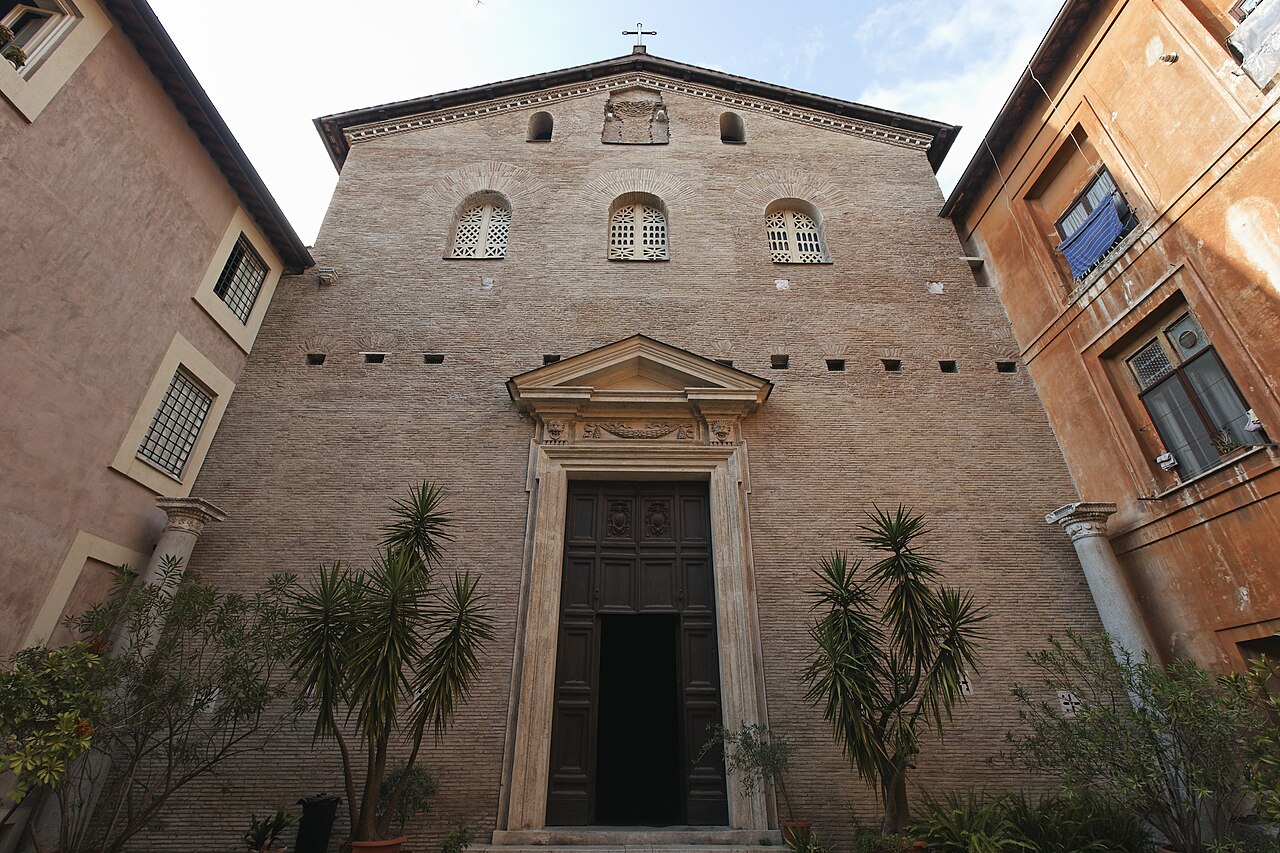
Santa Prassede
Hidden Byzantine gem with dazzling 9th-century golden mosaics
Explore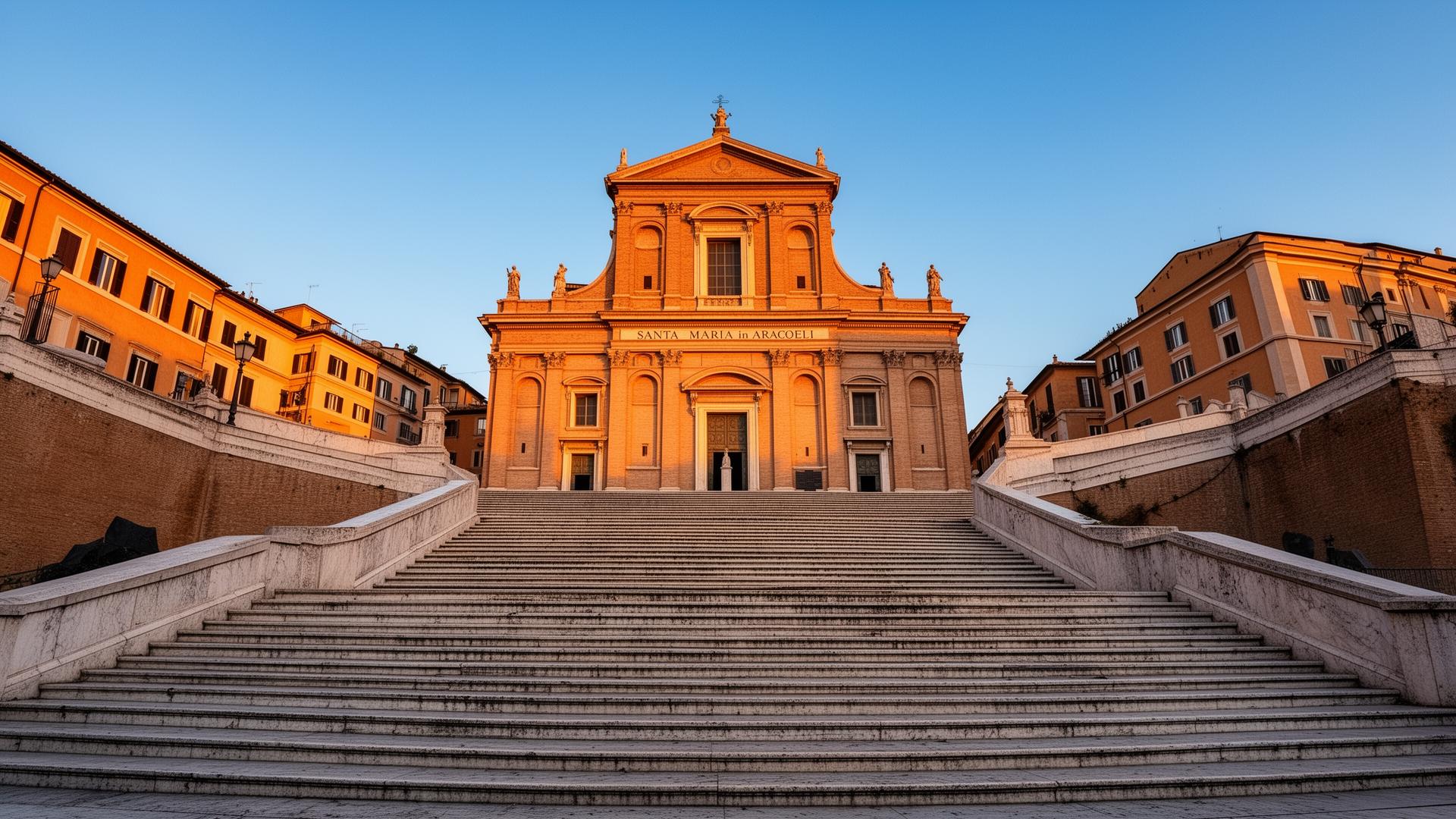
Santa Maria in Aracoeli
Hilltop church with 124 marble steps and Santo Bambino
Explore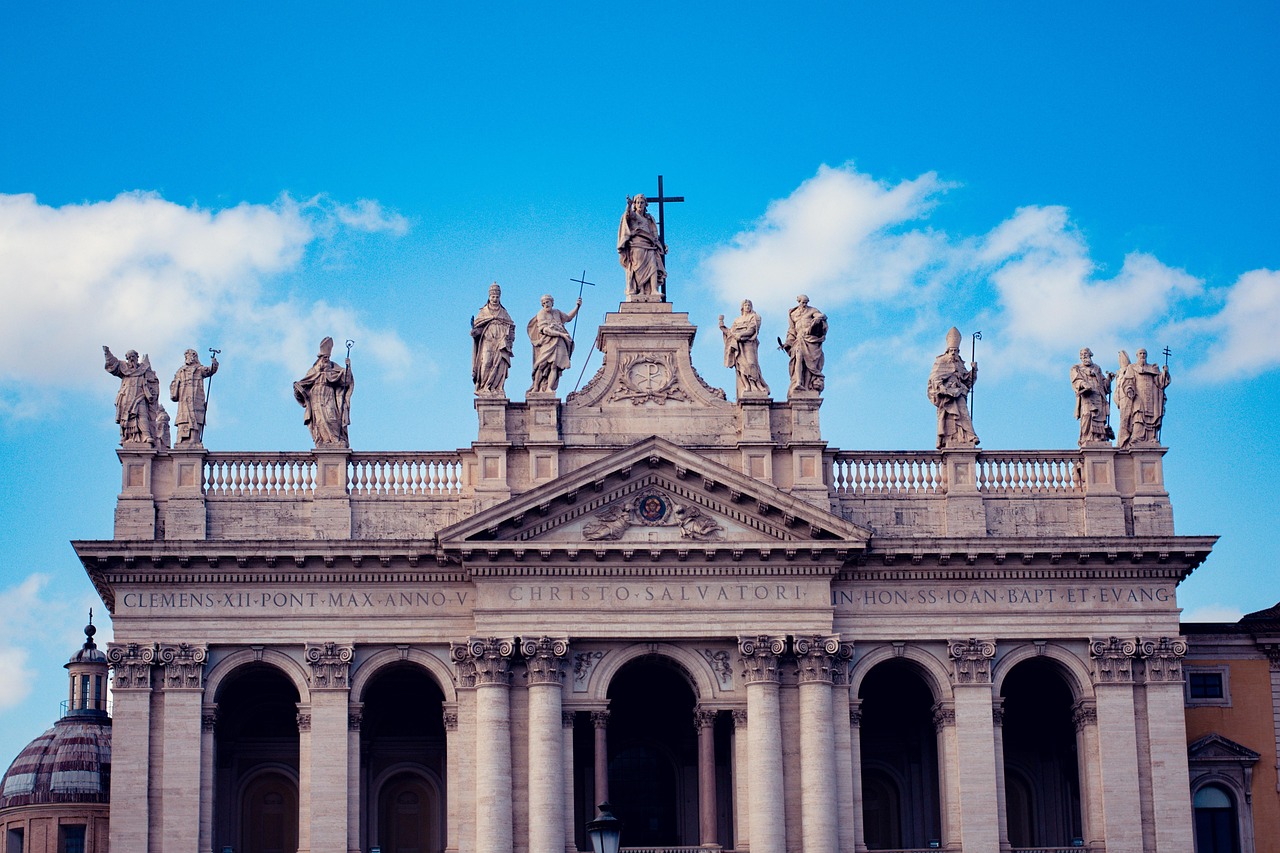
Basilica di San Giovanni in Laterano
Rome's official cathedral—the Pope's seat since 324 AD
Explore
Sant'Ignazio di Loyola
Rome's most spectacular trompe-l'œil ceiling illusion
Explore
Roman Forum
The beating heart of ancient Rome where politics and daily life flourished
Explore
Venice Day Trip
Experience the magic of the floating city from Rome
ExploreQuick Planning Guide
⏱️ Time Needed
30–45 minutes
💰 Cost
Free
🎫 Reservation
Not required
♿ Accessibility
Fully wheelchair accessible
📅 Best Time
Late afternoon; check for the macchina barocca schedule
👨👩👧👦 Family Friendly
Excellent — children love the mechanical altar
Nearby Attractions
Largo di Torre Argentina2-minute walk
Piazza Venezia5-minute walk
Pantheon7-minute walk
Sant'Ignazio — the other Jesuit church8-minute walk
Campo de' Fiori8-minute walk
Capitoline Museums8-minute walk
You May Also Like
Sant'IgnazioLargo ArgentinaCrypta BalbiFeatured In These Itineraries
Classic Rome in 3 DaysHidden Gems of RomeFree Rome ItineraryEssential Tips
- ✓ Check the current schedule for the silver-altar opening
- ✓ Look up at Baciccio's ceiling from the rear of the nave
- ✓ Visit the Camerette di Sant'Ignazio next door (free)
- ✓ Pair with Sant'Ignazio for full Jesuit Rome
- ✓ Modest dress required — active parish