 Historic Market Square
Campo de' Fiori
Rome's most vibrant outdoor market and historic piazza
1-2 hoursFree entryMarket: Mon-Sat 7AM-2PMPiazza Campo de' Fiori, 00186 Roma RMOpen on MapPlan Your Visit
Compare tickets, tours and stays — booking ahead usually gives more choice
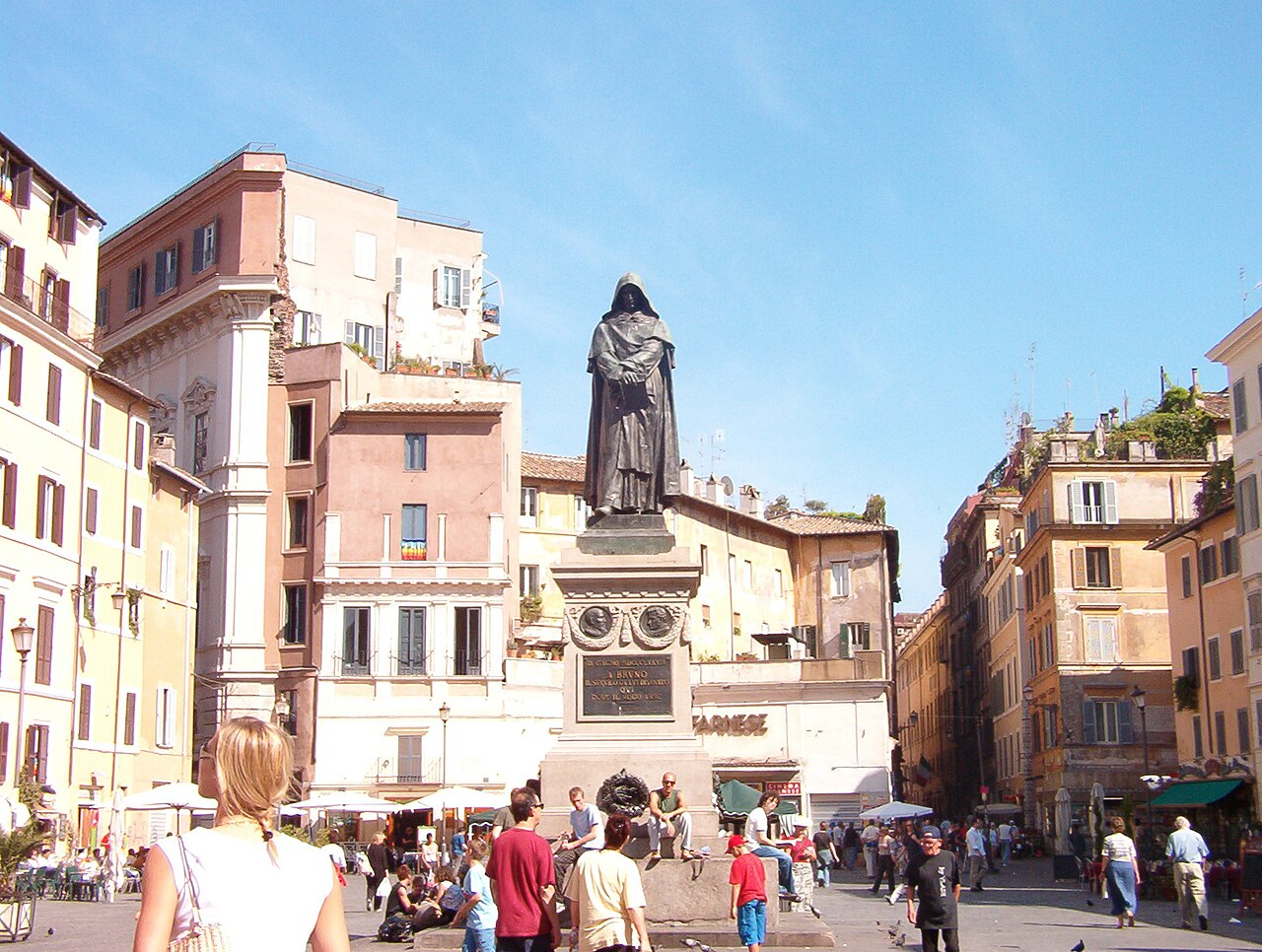
Book a TourHotels NearbyBy AllTrips Editors••7 min readCampo de' Fiori ("Field of Flowers") is a historic, highly visited market square mixing traditional produce stalls with flowers, spices, packaged foods and tourist-oriented vendors — open every morning Mon–Sat, and one of the city's liveliest aperitivo squares by night. Free to walk, brimming with porchetta, pizza bianca, and the haunting Giordano Bruno statue at its center.
📋 In This Guide
Why Visit Campo de' Fiori?
Campo de' Fiori ("Field of Flowers") is a historic, highly visited market square mixing traditional produce stalls with flowers, spices, packaged foods and tourist-oriented vendors. By day, it's a bustling marketplace filled with fresh produce, flowers, and local specialties. By night, it transforms into a lively social hub surrounded by restaurants, bars, and cafes.
Fresh Market Experience
Browse stalls of seasonal produce, cheeses, and artisan goods
Street Food Paradise
Try porchetta sandwiches, supplì, and pizza bianca
Evening Atmosphere
Vibrant nightlife with aperitivo bars and restaurants
Historic Significance
Learn about Giordano Bruno and the square's fascinating past
History of Campo de' Fiori
The name "Campo de' Fiori" dates back to the Middle Ages when the area was literally a flowery meadow. During the Renaissance, it became one of Rome's most important squares, hosting festivals, executions, and markets. The square has maintained its market tradition — a market has operated here since 1869.
Campo de' Fiori Through the Ages
Middle AgesField of Flowers
The area was a flowery meadow—hence the name 'Campo de' Fiori' (Field of Flowers).
15th CenturyCommercial Hub
The square becomes a bustling center for horse trading, commerce, and public gatherings.
1600Bruno's Execution
Philosopher Giordano Bruno is burned at the stake here for heresy, becoming a martyr for free thought.
1869Market Established
The formal daily market is established in its current form, continuing Rome's trading tradition.
1889Bruno Monument
A bronze statue of Giordano Bruno is erected at the center, facing the Vatican in defiance.
PresentLiving Tradition
The market continues daily, while evenings bring vibrant nightlife to the historic square.
Best Time to Visit
Morning Market
8:00-11:00 AM for fresh products and authentic atmosphere
Lunch Time
12:00-2:00 PM for outdoor dining at surrounding trattorias
Evening Aperitivo
6:00-9:00 PM for wine bars and people-watching
Must-See Highlights
Fresh Italian produce - seasonal fruits, vegetables, and herbsArtisanal cheeses and cured meats from local producersFlower stalls - beautiful blooms and potted plantsSpice vendors - authentic Italian seasonings and dried goodsStreet food - porchetta sandwiches and pizza biancaGiordano Bruno Statue - memorial to philosopher executed here in 1600Nearby Stadium of Domitian Tickets
The market is free, but the underground Stadium of Domitian beneath neighbouring Piazza Navona (8-min walk) is one of Rome's best hidden ruins. Compare official tickets below.
Stadium of Domitian Underground
Best for: History lovers
~40 min - 1 hourDescend beneath Piazza Navona to explore the ancient Stadium of Domitian where 30,000 Romans once watched athletic competitions. A hidden archaeological treasure most visitors walk over without knowing.
- Underground ruins access
- Ancient stadium remains
- Live guided tour available
- Multiple language options
🎟️ Compare Prices:
TiqetsKlookTrip.comGuided Walking Tour
Best for: First-time visitors
~1.5 - 2.5 hoursExpert-led walking tour covering Piazza Navona's Baroque fountains, the Pantheon, Trevi Fountain, and Spanish Steps. Perfect introduction to Rome's historic center highlights.
- Professional English-speaking guide
- Navona + Pantheon + Trevi Fountain
- Bernini & Baroque art insights
- Small group experience
🎟️ Compare Prices:
TiqetsKlookTrip.comNavona Underground + Bundles
Best for: Full experience seekers
~2 - 3 hoursCombine Navona Underground with Trevi Fountain guided tour, Pantheon advance timed ticket entry, or Museum of Rome. Save time and money with bundled experiences.
- Underground + second attraction
- Skip-the-line entry included
- Save vs. separate bookings
- Museum of Rome option available
🎟️ Compare Prices:
TiqetsKlookTrip.comSquare Design & Market Engineering Deep-Dive
No Church on the Square
Campo de' Fiori is the only monumental square in Rome's historic centre without a church.
Bruno Statue Orientation
Ettore Ferrari's 1889 bronze deliberately faces the Vatican — a 19th-century gesture of defiance toward the Papal States.
Forno Campo de' Fiori (1900)
Wood-fired oven still operating on the south-west corner — pizza bianca recipe unchanged for 125 years.
The Square's Fountain
The original fountain was designed by Giacomo della Porta in 1590, later covered, moved and reconstructed elsewhere in Rome; the fountain seen in Campo de' Fiori today is a 1924 replacement inspired by the original basin.
Sismondi Palazzo Foundations
The east-side Palazzo Pio Righetti sits on the curved foundations of the ancient Theatre of Pompey (55 BC) — same theatre where Caesar was assassinated.
Best Photo Spots in Campo de' Fiori
Bruno Statue at Dawn
Empty square at 7 AM, hooded silhouette against soft rose sky — most powerful shot of the day.
Flower Stalls Wide
North end of the market around 9 AM — saturated colours under the canopies.
Forno Pizza Bianca Close-Up
Slice in hand, blurred Bruno statue behind — classic Rome food shot.
Aperitivo Hour Crowds
7–9 PM from a south corner — wine glasses, golden lights, wide-angle people-watching.
Campo de' Fiori vs Other Roman Markets & Squares
| Place | Type | Best For | Crowds |
|---|---|---|---|
| Campo de' Fiori | Daily produce + nightlife | Morning market, evening aperitivo | High |
| Mercato di Testaccio | Indoor food market | Authentic Roman lunch, no tourists | Low-Medium |
| Mercato Trionfale | Largest covered market | Cheapest produce, near Vatican | Low |
| Piazza Navona | Baroque square (no market) | Bernini fountains, atmosphere | Very High |
Common Mistakes to Avoid
Eating at the square's main restaurants
Touristy and overpriced. Walk one block to Roscioli, Ditirambo, or Pianostrada instead.
Coming on Sunday
No market — the square is just bars and a empty cobblestone plaza. Mon–Sat is the rule.
Photographing vendors without asking
Stallholders are working — buy something small first, then ask "posso fare una foto?"
Carrying only large bills
€50 notes are unwelcome. Bring €5–10 bills and coins for fast transactions.
Pair Your Visit With
Piazza Navona8-minute walk north — Bernini's Four Rivers Fountain and baroque grandeur.
PantheonAbout 10 minutes away; standard Pantheon admission is €7, with exemptions and free first Sundays.
Jewish Ghetto5-minute walk south — for carciofi alla giudia at lunch.
Where to Stay Near Campo de' Fiori
Looking for convenient accommodation near Campo de' Fiori? Stay within walking distance to make the most of your visit.
Hotels Near This AttractionTop Rated HotelsBudget-Friendly OptionsLuxury HotelsCentral locations with easy access to Campo de' Fiori and other attractionsFrequently Asked Questions
When is Campo de' Fiori market open?
The market traditionally operates Monday-Saturday mornings, roughly from early morning until early afternoon, though hours can vary, so it's best to check locally. It's closed on Sundays. Arrive early (before 9 AM) for the best selection and photo opportunities with fewer crowds.
What can I buy at Campo de' Fiori?
Fresh produce, cheeses, cured meats, dried pasta, spices, flowers, and souvenirs. It's also great for picnic supplies. Prices are slightly higher than neighborhood markets due to the tourist location.
Is Campo de' Fiori good for nightlife?
Yes! The square transforms at night with bars and restaurants. It's popular with both locals and tourists. The atmosphere is lively, especially on weekend evenings.
Who is the statue in Campo de' Fiori?
The statue depicts Giordano Bruno, a philosopher burned at the stake for heresy in 1600 on this exact spot. The statue faces the Vatican as a symbol of defiance.
Related Attractions
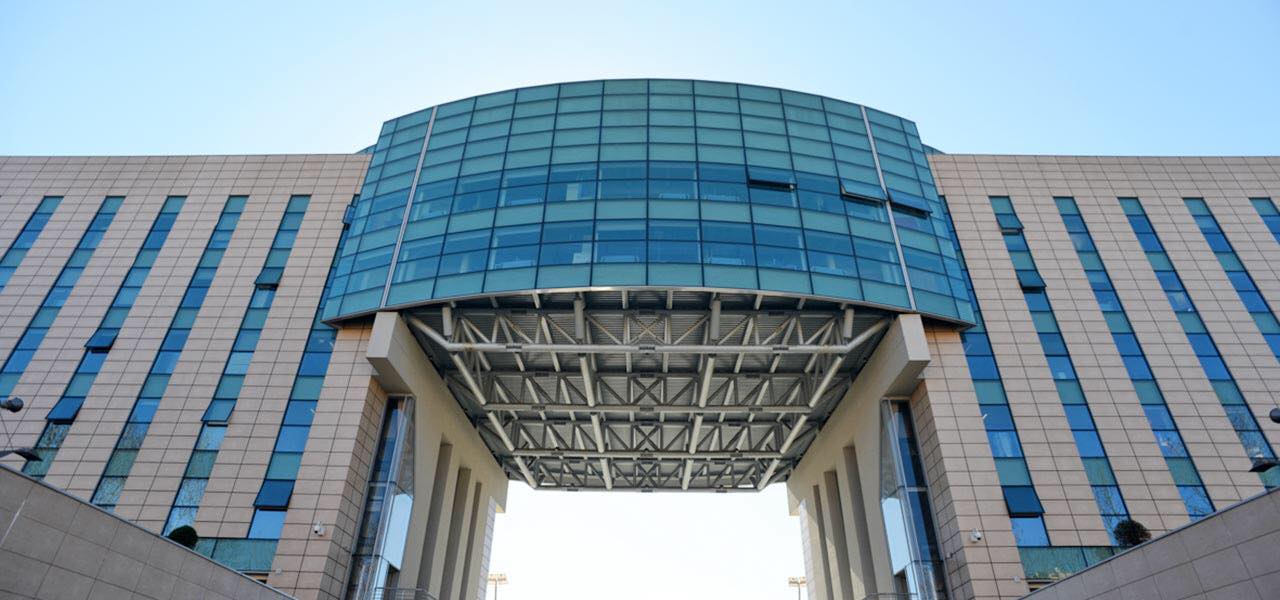
Mercato Trionfale
Rome's largest covered market near Vatican
Explore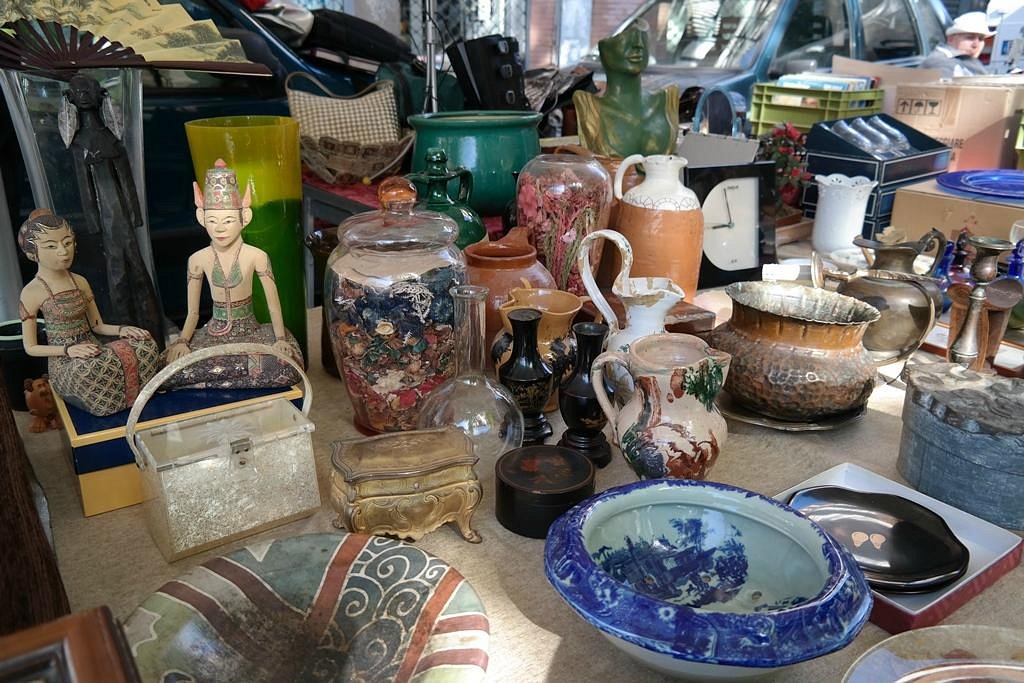
Porta Portese Flea Market
Rome's legendary Sunday flea market
Explore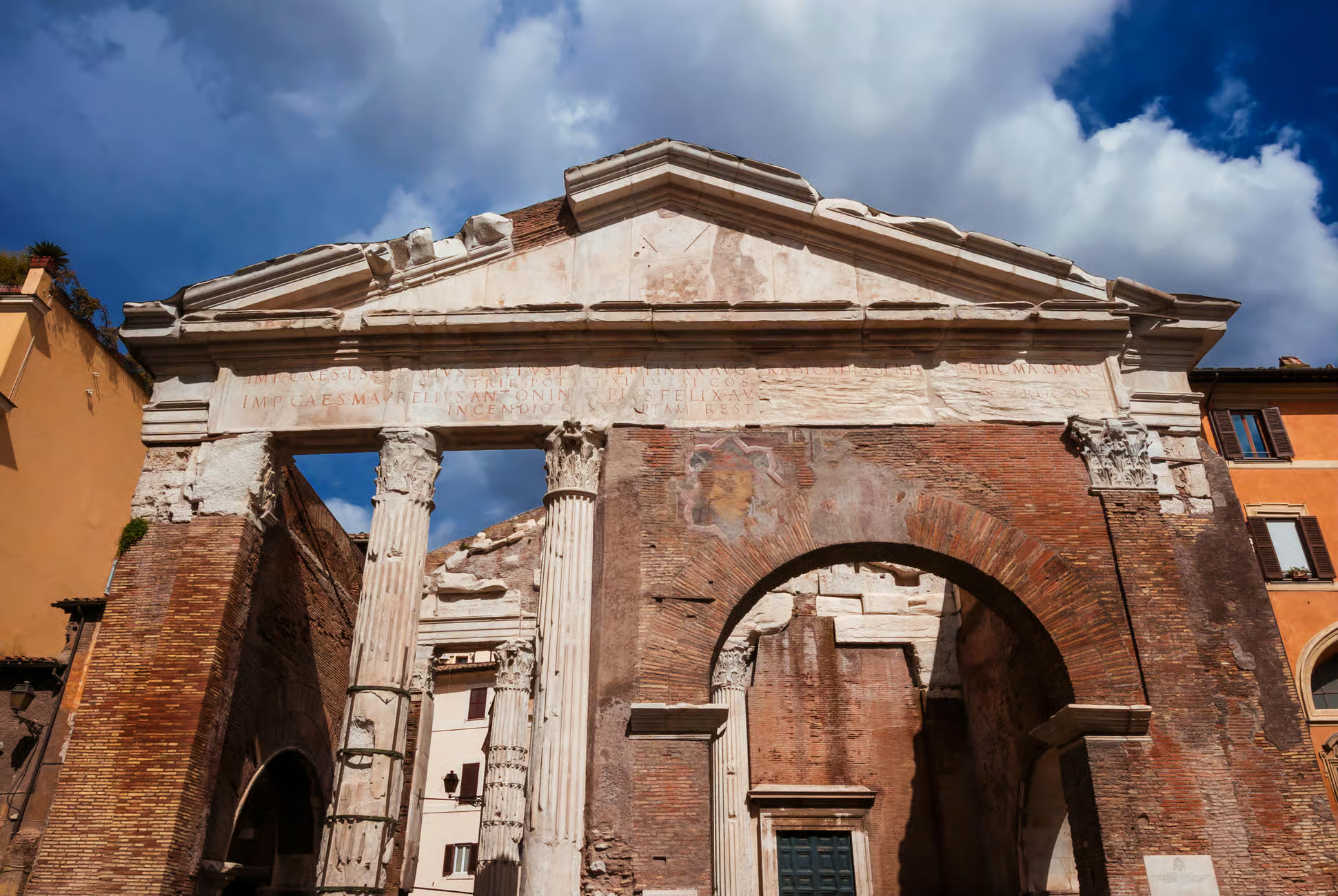
Jewish Ghetto
Historic Jewish quarter with unique cuisine and heritage
Explore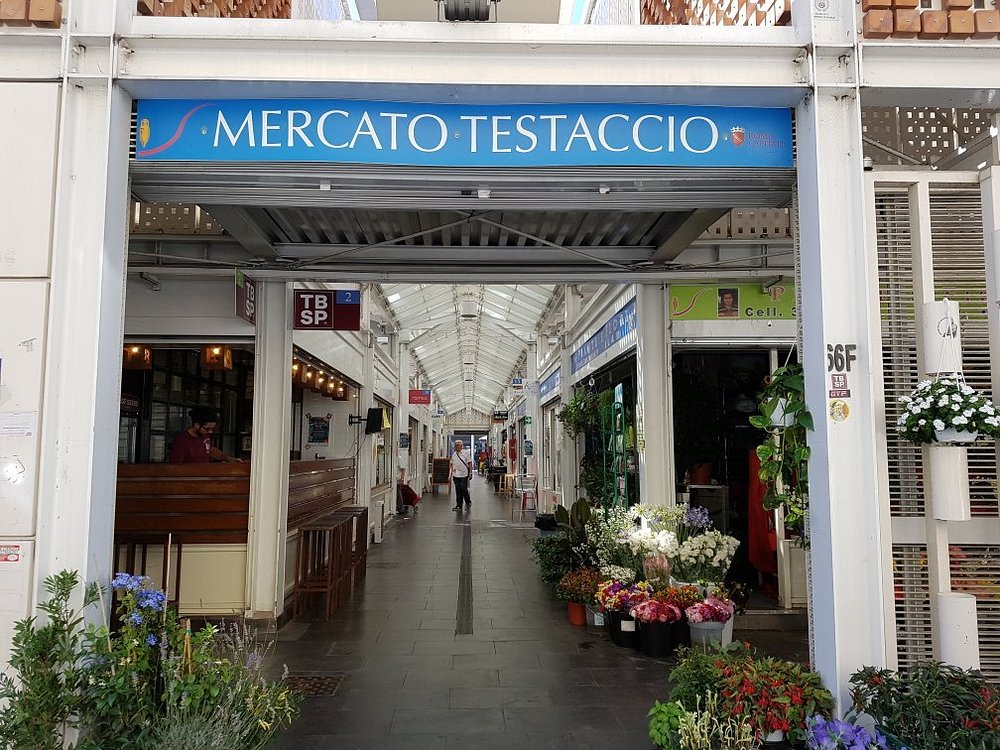
Testaccio Market
Rome's best food market with street food stalls
Explore
Piazza della Rotonda
Elegant square fronting the Pantheon
Explore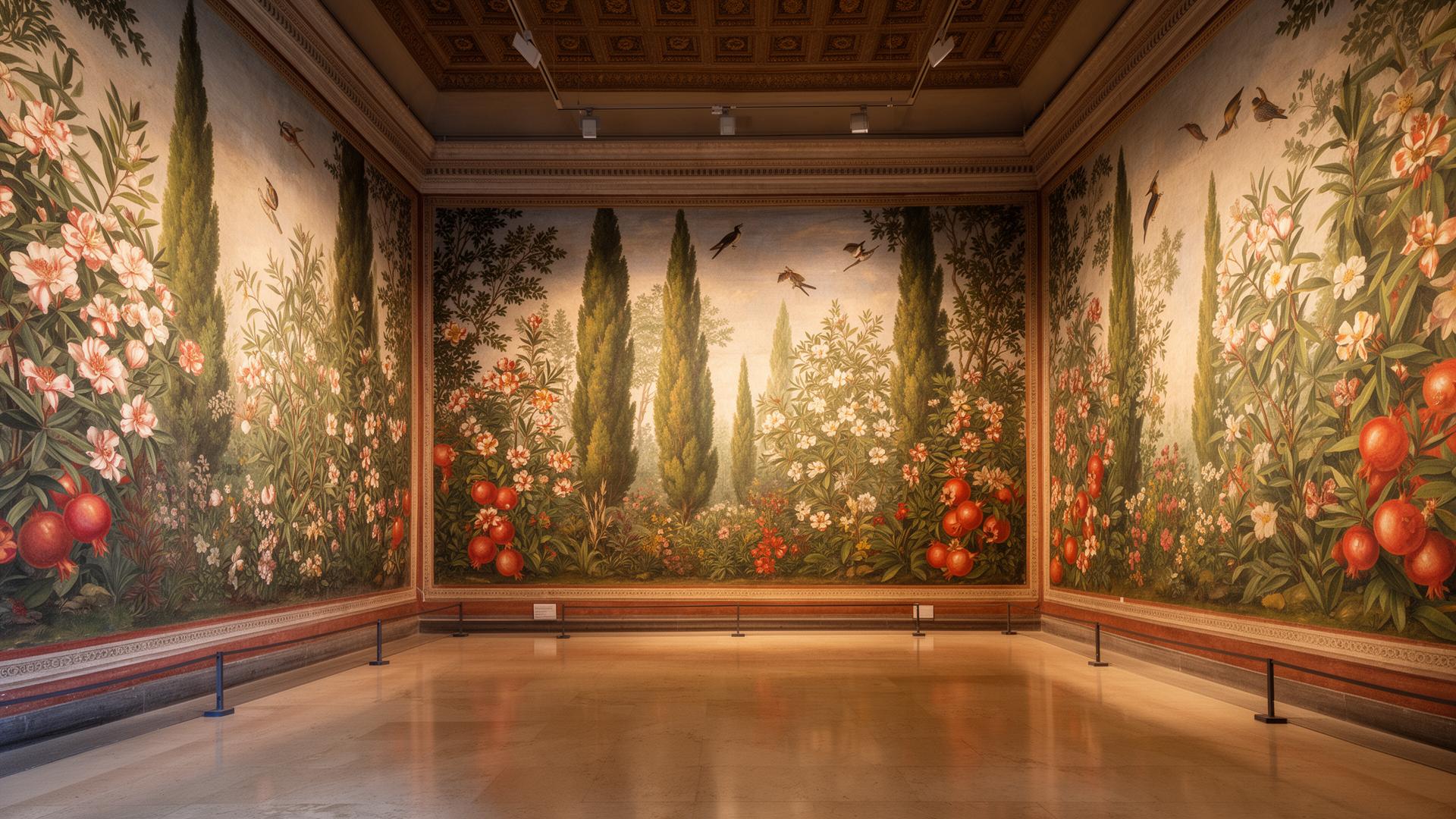
Palazzo Massimo alle Terme
Rome's finest ancient art museum with stunning frescoes and mosaics
ExploreQuick Planning Guide
⏱️ Time Needed
1-2 hours
💰 Cost
Free to visit (shopping extra)
🎫 Reservation
Not required
♿ Accessibility
Fully accessible, flat cobblestone area
📅 Best Time
8-11 AM for fresh produce, evening for nightlife
👨👩👧👦 Family Friendly
Yes, great for experiencing local Roman life
Nearby Attractions
Piazza Navona8-minute walk
Pantheon10-minute walk
Jewish Ghetto5-minute walk
Largo Argentina5-minute walk
Featured In These Itineraries
Local Rome 2 DaysClassic Rome in 3 DaysFree Rome ItineraryEssential Tips
- ✓ Carry some cash - not every stall takes cards
- ✓ Visit before 10 AM for best selection
- ✓ Don't hesitate to ask for samples
- ✓ Avoid the touristy restaurants around the square