 Food MarketFree Entry
Testaccio Market
Rome's best food market where locals shop and eat—the authentic heart of Roman culinary culture
Mon-Sat 7am-3:30pmStreet FoodTestaccioVia Beniamino Franklin, 00153 Roma RMOpen on MapPlan Your Visit
Compare tickets, tours and stays — booking ahead usually gives more choice
Book a TourHotels NearbyWhy Visit Testaccio Market?
Testaccio Market (Mercato Testaccio) is one of Rome's best-loved food markets—a modern covered market where Romans actually shop and eat. Unlike touristy markets, this is the real deal: generations-old vendors selling fresh produce alongside street food stalls that have become destinations in their own right, including the well-known Mordi e Vai. It's a great introduction to authentic Roman food culture.
Legendary Street Food
Home to Mordi e Vai's quinto quarto sandwiches and other Roman street food at its finest
Authentic & Local
Where Romans actually shop—not a tourist trap like Campo de' Fiori, but real neighborhood life
Fresh Produce
Quality seasonal fruits, vegetables, aged cheeses, cured meats, and Roman pantry staples
Affordable Eats
Roman food at local prices—a filling lunch here is one of Rome's best value meals
New Building
2012
Vendors
100+ stalls
Best For
Street food
Hours
Mon-Sat 7am-3:30pm
Visit Time
1-2 hours
Specialty
Roman cuisine
Table of Contents
Jump to any section of the itinerary
What to Discover
Legendary Street Food Stalls
- Mordi e Vai - traditional Roman sandwiches
- Roman street food such as sandwiches, supplì, pizza and seasonal prepared dishes
- Supplì and pizza al taglio vendors
- Fresh porchetta and panini stalls
Fresh Produce & Groceries
- Seasonal fruits and vegetables
- Aged pecorino and local cheeses
- Cured meats and salumi
- Fresh pasta and Roman pantry staples
Wine & Specialty Foods
- Local wine by the glass or bottle
- Olive oils from Lazio region
- Roman-style pickled vegetables
- Artisanal bread and baked goods
Local Experience
- Watch Romans do their daily shopping
- Learn about traditional Roman ingredients
- Practice Italian with friendly vendors
- Experience authentic neighborhood life
Must-Try Food Stalls
Mordi e Vai
This legendary stall serves traditional Roman "quinto quarto" (offal) sandwiches that honor Testaccio's slaughterhouse heritage. Try the bollito (boiled beef), trippa (tripe), or their famous coda alla vaccinara (oxtail stew) in a crusty roll. It's old-school Roman comfort food at its finest—arrive early as popular items sell out.
Roman street food
The market is known for Roman street food such as sandwiches, supplì, pizza and seasonal prepared dishes. The branded Trapizzino shops are separate venues elsewhere in Testaccio and Rome. Prepared-food stalls in and around the market change over time, so see what is trading on the day.
Supplì, Pizza & More
Multiple stalls serve supplì (fried rice balls with mozzarella), pizza al taglio (by the slice), fresh porchetta sandwiches, and seasonal specialties. Look for the longest queues—that's often where Romans are eating. Don't miss the seasonal carciofi (artichokes) when available.
Wine & Aperitivo
Several vendors offer local wines by the glass—perfect for pairing with your street food lunch. Look for wines from Lazio region including Frascati and Cesanese. Some stalls also serve craft beers and natural wines for the more adventurous.
Best Timing
For fresh produce, arrive by 8-9 AM. For street food lunch, come between 11:30 AM and 1:30 PM when stalls are bustling and food is freshest.
Cash is King
Many stalls prefer cash and card acceptance varies from vendor to vendor. Bring a reasonable amount of small bills to avoid issues at your favorite food stops.
Photography Tips
Ask before photographing vendors up close. Most are happy to pose with their products, especially if you're buying something!
Combine with Testaccio
After the market, explore the Testaccio neighborhood: Monte Testaccio, Protestant Cemetery, Pyramid of Cestius, and the street art scene.
History of Testaccio Market
1800sSlaughterhouse Era
Testaccio becomes Rome's working-class neighborhood, centered around the city's main slaughterhouse (Mattatoio). The quinto quarto tradition is born.
1940sOriginal Market
The original outdoor market opens in Piazza Testaccio, serving the local working community with fresh produce and affordable food.
1975Slaughterhouse Closes
The Mattatoio closes but Testaccio retains its culinary identity. The quinto quarto tradition continues at the market.
2000sStreet Food Growth
Testaccio Market becomes known for its street food stalls alongside its traditional produce trade.
2012New Building Opens
The market moves to its current modern covered structure on Via Beniamino Franklin—cleaner and more accessible but keeping its soul.
PresentCulinary Destination
Considered Rome's best market for authentic local food. Food writers, chefs, and travelers pilgrimage here for the real Roman experience.
Common mistakes to avoid
Showing up on Sunday
Testaccio Market is closed every Sunday, and some surrounding shops and trattorias also close or keep reduced hours. Many visitors plan a 'Roman food Sunday' here only to find shutters down. Plan for Monday–Saturday, ideally between 09:00 and 14:00.
Confusing it with the old Piazza Testaccio market
The market moved in 2012 from Piazza Testaccio to a modern covered building on Via Beniamino Franklin. Older guidebooks and Google still occasionally point to the old square, where there's now nothing. Search 'Mercato Testaccio Via Beniamino Franklin' to avoid the wrong-square mistake.
Eating one supplì and calling it lunch
The market is designed for a progressive lunch: supplì at one stall, a slice of pizza or a seasonal prepared dish at another, a quinto quarto sandwich at Mordi e Vai, finish with a glass of Frascati. Treating it as a single-stall stop is the biggest under-use of what's here.
Going only for street food and skipping produce
Even if you can't cook in Rome, walking the produce side teaches you what's actually in season — puntarelle in winter, fave in spring, fichi in late summer. Buying €3 of perfect cherries or a wedge of pecorino romano DOP from the wheel is one of the best Rome souvenirs that exists.
Arriving at 14:30 expecting a full market
The market usually closes in the early afternoon and stalls start packing up beforehand; popular food vendors can sell out well before closing. Late morning to early afternoon is generally the best window: most stalls trading, food fresh, queues manageable. Arriving at 14:30 means picked-over choices and rushed service.
Paying card-only at small stalls
Many stalls prefer cash and card acceptance varies from vendor to vendor. Bring a reasonable amount of small bills to avoid awkwardness at the counter.
Insider tips from locals
Order at Mordi e Vai by name, not by pointing
The queue moves fast, so decide before you reach the counter: 'Allesso' (boiled beef with salsa verde), 'Trippa' (tripe), 'Picchiapò' (slow-cooked beef with tomato), or 'Coda alla vaccinara' (oxtail). Knowing the name in advance keeps the queue moving and usually earns a smile.
Eat street food soon after ordering
Fried and filled Roman street food is best eaten shortly after being handed over. There's often no seating; lean on the counter, finish it, then move on. Carrying it around for a long time before eating can affect the texture.
Ask vendors what's in season today, not on the menu
Roman cooking follows the produce calendar so closely that the same stall serves different things week to week. 'Cosa c'è di buono oggi?' ('what's good today?') will get you the actual best plate of the day rather than the printed menu — vendors love being asked and often hand-pick something for you.
Pair the market with the Non-Catholic Cemetery
The Cimitero Acattolico (Keats and Shelley are buried there) is a 10-minute walk south and one of the most peaceful places in Rome. The local move: market lunch from noon, walk to the cemetery for an hour of quiet, then aperitivo at one of the wine bars on Via di Monte Testaccio. Three of Rome's best non-touristy experiences in one afternoon.
Go on Saturday morning to see Romans shop
Saturday mornings tend to be busier with local families doing their weekly shop, offering a good window into everyday Roman neighbourhood life. Expect a livelier atmosphere than on a quiet weekday.
Don't feel obligated to tip
Tipping is not expected at market food stalls — rounding up to the nearest euro is a common and appreciated gesture, but it's optional. Save tips for sit-down restaurants where service is more involved.
Where to Stay Near Testaccio Market
Looking for convenient accommodation near Testaccio Market? Stay within walking distance to make the most of your visit.
Hotels Near This AttractionTop Rated HotelsBudget-Friendly OptionsLuxury HotelsCentral locations with easy access to Testaccio Market and other attractionsFrequently Asked Questions
What are Testaccio Market's opening hours?
The market is typically open Monday to Saturday from around 7:00 AM to 3:30 PM, though individual stalls may vary. It's closed on Sundays. For the freshest produce, arrive early in the morning. For street food lunch, aim for 11:30 AM to 1:30 PM when stalls are busiest.
What food should I try at Testaccio Market?
Must-tries include: supplì (fried rice balls), fresh pasta, porchetta sandwiches, Roman-style pizza, and seasonal produce. Look for Mordi e Vai for traditional Roman sandwiches.
Is Testaccio Market good for tourists?
Absolutely! Unlike touristy Campo de' Fiori, Testaccio is where Romans actually shop. It's authentic, affordable, and welcoming. Some vendors speak English, but pointing and smiling works perfectly. It's one of the best ways to experience real Roman food culture.
Can I eat lunch at Testaccio Market?
Yes! The market has become known for its street food stalls. You can eat at small tables or standing at the counters. A filling lunch of a couple of street-food items and a drink is generally inexpensive. It's one of the best and most authentic cheap eats in Rome.
How do I get to Testaccio Market?
The market is in the Testaccio neighborhood at Via Beniamino Franklin. Take Metro B to Piramide station (10-minute walk), or tram 3 to Via Marmorata. It's about 20-25 minutes from the Colosseum on foot.
What is a trapizzino?
A trapizzino is a triangular pizza pocket filled with traditional Roman dishes, such as pollo alla cacciatora, lingua, trippa, and melanzane alla parmigiana. The branded Trapizzino shops are separate venues elsewhere in Testaccio and around Rome, not stalls inside Testaccio Market.
What is quinto quarto and where can I try it?
Quinto quarto means 'fifth quarter'—the offal and less noble cuts traditionally eaten by Roman slaughterhouse workers. At Testaccio Market, Mordi e Vai serves well-known quinto quarto sandwiches including trippa (tripe), coda alla vaccinara (oxtail), and bollito (boiled beef). It's authentic working-class Roman cuisine.
Related Attractions
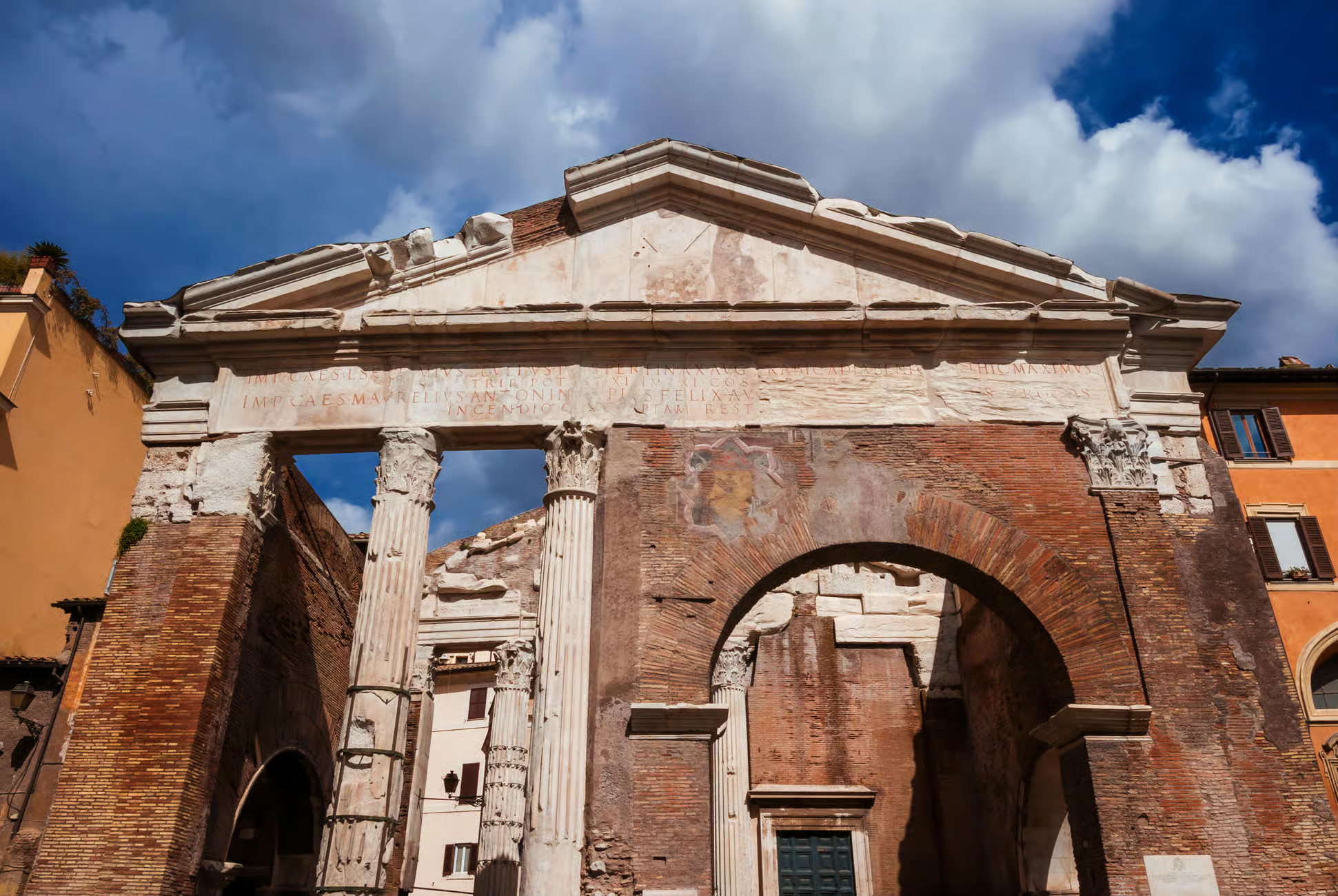
Jewish Ghetto
Historic Jewish quarter with unique cuisine and heritage
Explore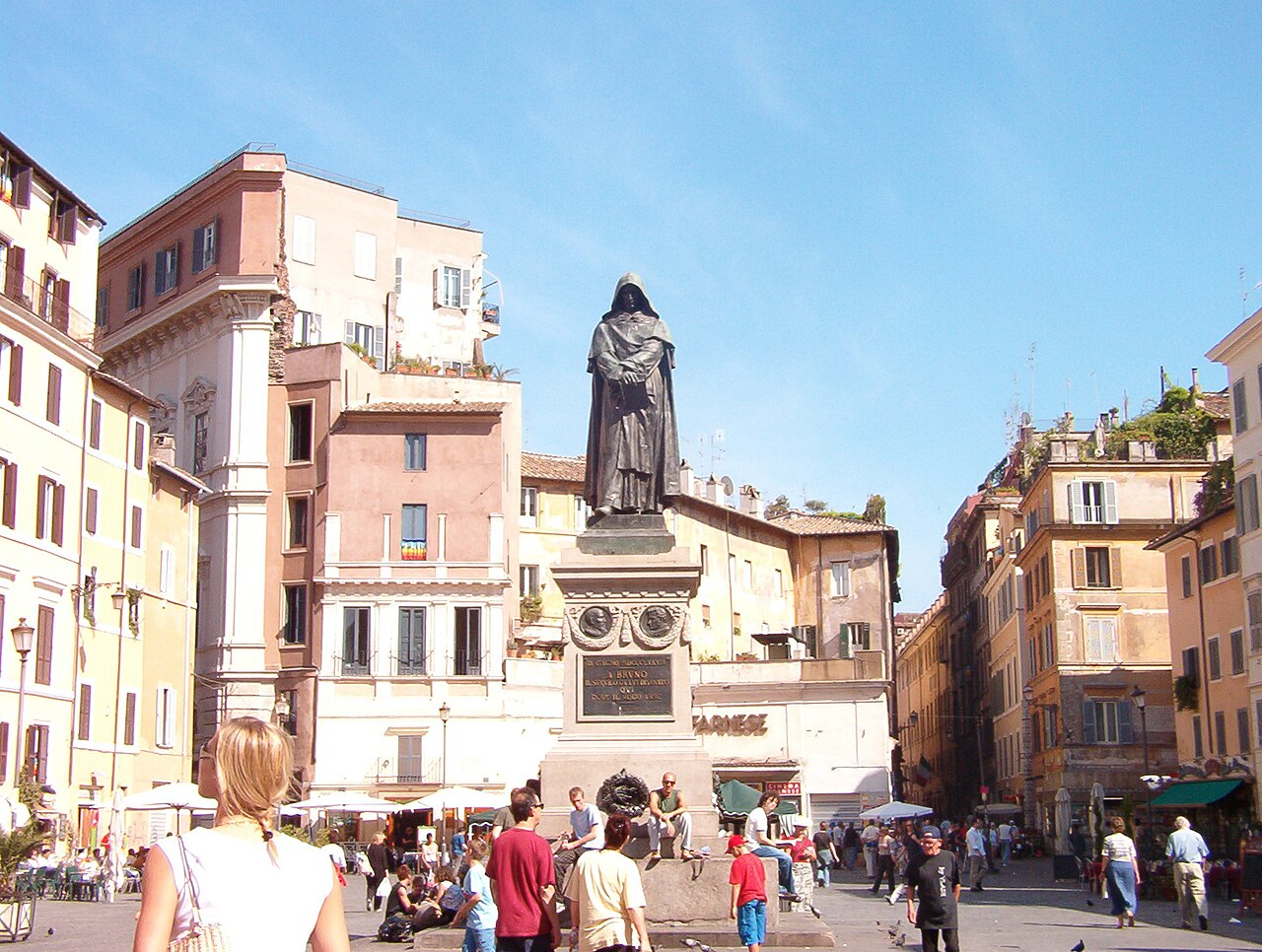
Campo de' Fiori Market
Rome's most vibrant outdoor market and piazza
Explore
Mercato Trionfale
Rome's largest covered market near Vatican
Explore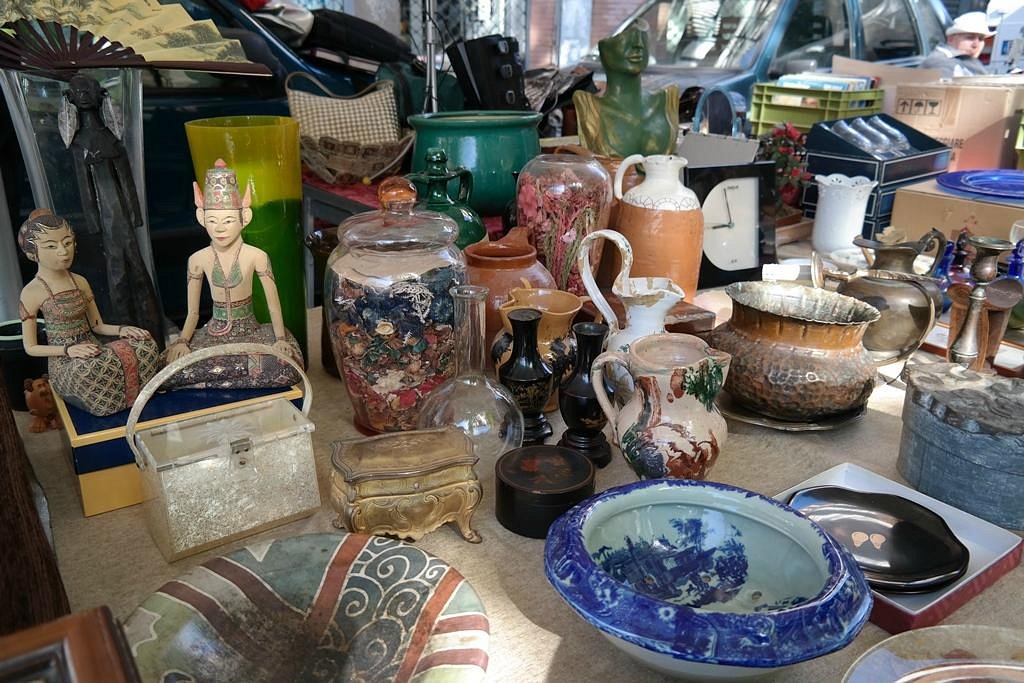
Porta Portese Flea Market
Rome's legendary Sunday flea market
Explore
Tomb of Cecilia Metella
Majestic 1st-century BC mausoleum on the Appian Way
Explore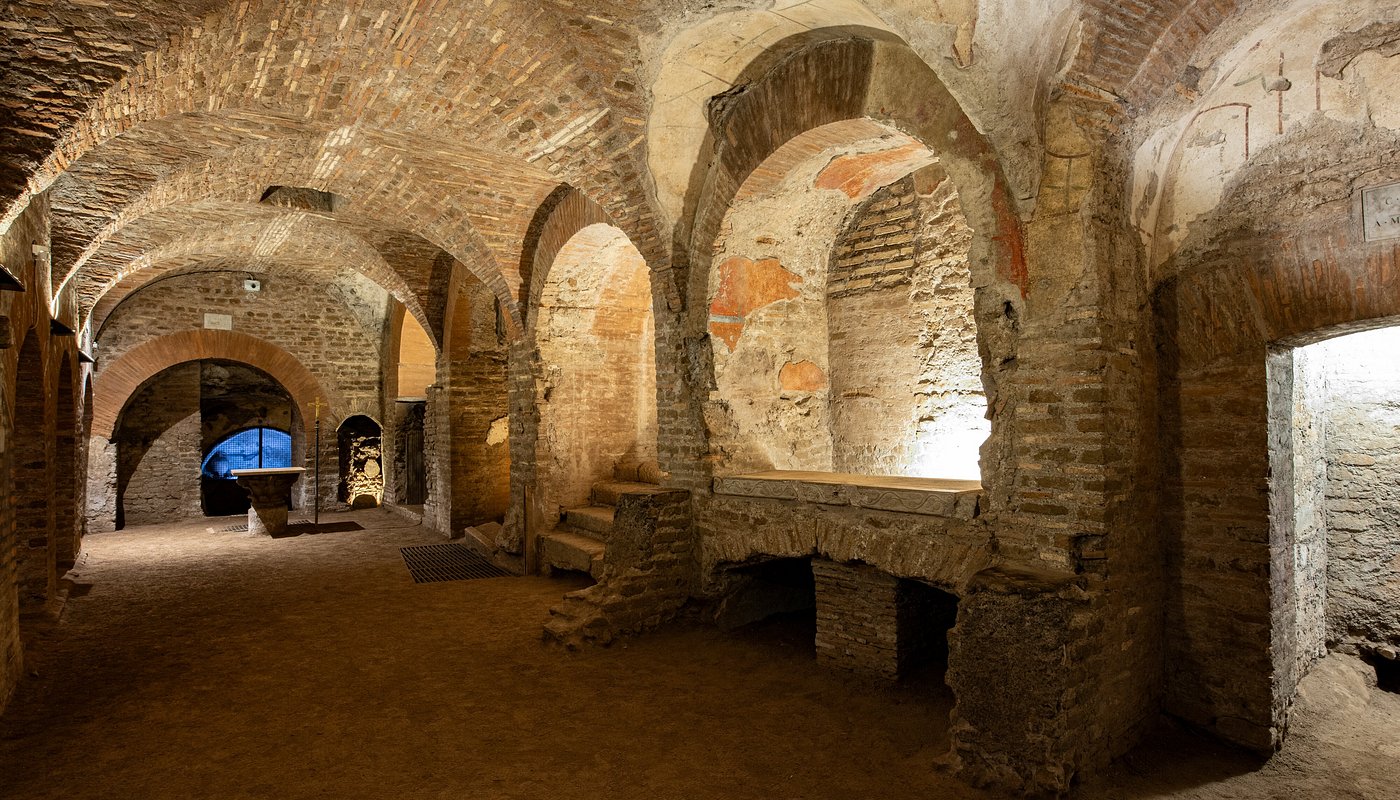
Catacombs of Priscilla
Rare early Christian frescoes including an early image identified as the Virgin and Child
ExploreQuick Planning Guide
⏱️ Time Needed
1-2 hours
💰 Cost
Free entry (pay per item at stalls)
🎫 Reservation
Not needed
♿ Accessibility
Fully accessible
📅 Best Time
Late morning for street food
👨👩👧👦 Family Friendly
Yes, kids love the food stalls
Nearby Attractions
Monte Testaccio5-minute walk
Pyramid of Cestius10-minute walk
Protestant Cemetery10-minute walk
Mattatoio di Romaformerly MACRO Testaccio) (5-minute walk
Featured In These Itineraries
Rome Like a LocalHidden Gems RomeTestaccio NeighborhoodEssential Tips
- ✓ Come hungry for street food lunch
- ✓ Closed Sundays; stalls wind down in the early afternoon
- ✓ Bring cash for smaller vendors
- ✓ Try supplì, pizza, and porchetta