 Historic Neighborhood
Jewish Ghetto
Rome's historic Jewish quarter with centuries of culture and cuisine
2-3 hoursFree to exploreFood ParadiseVia del Portico d'Ottavia, 00186 Roma RMOpen on MapPlan Your Visit
Compare tickets, tours and stays — booking ahead usually gives more choice
Book a TourHotels NearbyBy AllTrips Editors••8 min readRome's Jewish Ghetto (Ghetto Ebraico) sits at the heart of one of Europe's oldest continuously documented Jewish communities. Jewish envoys were recorded in the city as early as 161 BCE, while the walled ghetto itself was created much later, in 1555. Today its lanes hold the soaring Great Synagogue, the ancient Portico d'Ottavia, somber Stolpersteine memorials, and the legendary carciofi alla giudia — fried artichokes you won't taste anywhere else on earth.
📋 In This Guide
Why Visit the Jewish Ghetto?
Rome's Jewish Ghetto is one of the city's most atmospheric and historically significant neighborhoods. Home to a Jewish presence in Rome documented since 161 BCE and a walled ghetto established in 1555, this small area tells a powerful story of resilience, tradition, and cultural fusion.
Great Synagogue
Stunning Tempio Maggiore built in 1904
Jewish-Roman Cuisine
Unique fusion of Jewish and Italian traditions
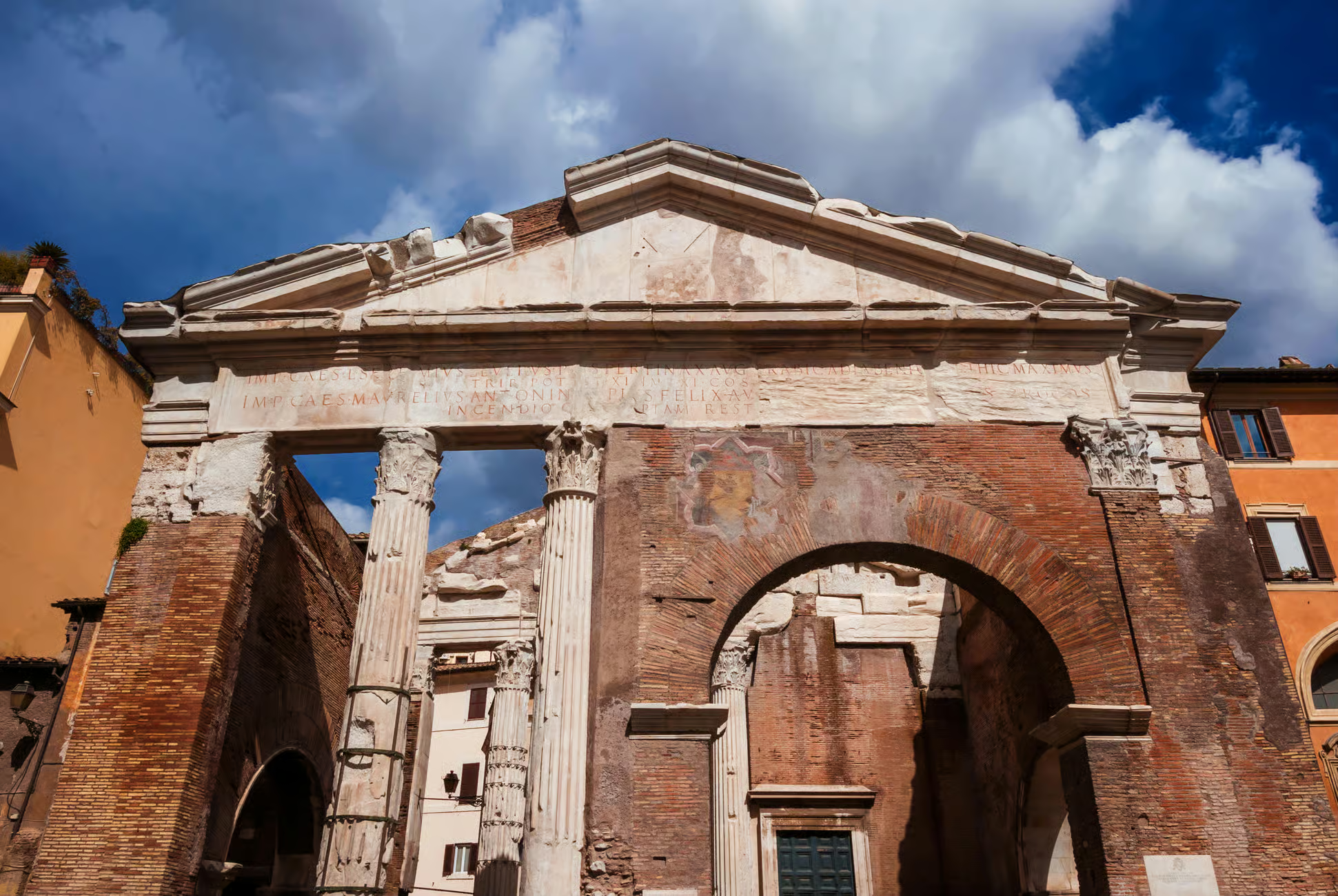
Portico d'Ottavia
Ancient Roman ruins at the ghetto entrance
Authentic Atmosphere
Charming streets with living history
Heritage Deep-Dive: 6 Things You'll Miss Without a Guide
The Ghetto rewards slow looking. These six layered details turn a 30-minute walk-through into a two-hour journey across 2,000 years.
Roman columns inside medieval houses
Look up on Via del Portico d'Ottavia — entire Imperial-era marble columns are embedded in 14th-century apartment walls, recycled when Rome's population collapsed.
The 1555 walls' invisible footprint
The original ghetto enclosed just 3 hectares for 4,000+ people. Trace the perimeter from Via del Progresso to Via Catalana — buildings still cluster taller and tighter inside the old line.
Stolpersteine — 200+ brass cobblestones
Artist Gunter Demnig's 'stumbling stones' name each of the 1,022 Roman Jews deported after the roundup of 16 October 1943 — only 16 returned. Watch your step on Via della Reginella.
Tempio Maggiore's square dome
Its distinctive square-based aluminium dome makes the 1904 synagogue immediately recognisable among Rome's church domes, shimmering differently in every light.
Sant'Angelo in Pescheria
The medieval church grafted onto the Portico d'Ottavia is where Jews were forced to attend Catholic sermons every Saturday until 1848 — a coercion known as 'predica forzata'.
Why the cuisine is unique
Confined for 300+ years, the community developed cucina ebraico-romanesca by working within poverty, legal restrictions, and kosher dietary rules — turning humble, seasonal local ingredients like artichokes, salt cod, anchovies, and ricotta into distinctive dishes through centuries of exchange with Roman cooking.
Jewish Community in Rome
161 BCEAncient Jewish Presence
Jewish envoys from Judea are recorded in Rome, marking the start of one of Europe's oldest continuously documented Jewish communities.
1555Compulsory Ghetto Established
Pope Paul IV's bull confines Jews to a small walled and gated area near the Tiber, where residence is compulsory for the next three centuries.
1848Walls First Opened
Pope Pius IX briefly opens the ghetto walls amid reform movements, though full legal emancipation does not yet follow.
1904Great Synagogue Built
The magnificent Tempio Maggiore is completed, becoming a symbol of Roman Jewish pride.
1870Emancipation
Rome's incorporation into the Kingdom of Italy grants Roman Jews full legal emancipation, ending the compulsory ghetto system; much of the former ghetto area is later demolished and redeveloped in the following decades.
1943Nazi Raid
Following the October 16, 1943 roundup, 1,022 Roman Jews are deported to Nazi camps; only 16 survive to return.
PresentLiving Heritage
The neighborhood thrives as a cultural hub with restaurants, shops, and the Jewish Museum.
What to See in the Jewish Ghetto
This compact neighborhood is packed with 2,000 years of history, unique architecture, and some of Rome's best food. Here's everything to discover as you explore.
Historic Landmarks
- Great Synagogue (Tempio Maggiore) – Rome's magnificent 1904 synagogue with its distinctive square aluminum dome, visible from across the city. Tours include the Jewish Museum inside.
- Portico of Octavia – Ancient Roman colonnade from 27 BCE, once a grand entrance to temples, now the atmospheric gateway to the ghetto where the fish market operated for centuries
- Theatre of Marcellus – Just steps away, this 1st-century BC amphitheatre predates the Colosseum and is remarkably well-preserved
- Turtle Fountain (Fontana delle Tartarughe) – Renaissance masterpiece in nearby Piazza Mattei, featuring bronze youths lifting turtles to drink
Jewish Heritage Sites
- Jewish Museum of Rome – Inside the Synagogue complex, documenting 2,000 years of Jewish life in Rome with textiles, silver, and historical artifacts
- Stolpersteine (Stumbling Stones) – Brass cobblestones throughout the neighborhood marking homes of Holocaust victims, a moving memorial
- Via del Portico d'Ottavia – The ghetto's main street, where the original walls stood until 1848
- Piazza delle Cinque Scole – Named for the five synagogues that once stood here before being destroyed
Food & Culinary Spots
- Carciofi alla Giudia – The legendary Jewish-style fried artichokes, crispy and golden, served at trattorias throughout the area
- Nonna Betta – Famous for authentic Roman-Jewish cuisine including fried zucchini flowers and salt cod
- Pasticceria Boccione – The legendary 'Jewish bakery' selling ricotta tarts and burnt almond cookies since 1850—cash only, no set hours
- Kosher restaurants – Several certified kosher eateries line Via del Portico d'Ottavia
Hidden Details to Discover
- Ancient Roman columns embedded in medieval buildings throughout the neighborhood
- The narrow alleyways that reveal the cramped conditions when walls confined the community
- Plaques and inscriptions on buildings marking significant historical events
- The view of the Synagogue dome from the Tiber Island bridge at sunset
Best Photo Spots
- The Portico of Octavia columns framing the ghetto entrance
- The Great Synagogue from Lungotevere de' Cenci
- Turtle Fountain in Piazza Mattei
- Atmospheric side streets with laundry hanging between buildings
Jewish Ghetto Walking Route
A self-guided walk through the neighborhood's highlights in about 2–2.5 hours (including a food stop). All stops are within a few minutes of each other.
115 minPortico of Octavia
Ancient gatewayStart at this stunning 2,000-year-old colonnade — the ancient gateway to the ghetto. The medieval church of Sant'Angelo in Pescheria is built right into the ruins. Look for the Latin inscription and the old fish market plaques.
210 minVia del Portico d'Ottavia
Memorial stonesStroll the ghetto's main street lined with kosher restaurants and bakeries. Notice the Stolpersteine (brass stumbling stones) embedded in the pavement — each one marks the home of a Holocaust victim.
330-45 minGreat Synagogue & Jewish Museum
Must-see landmarkVisit Rome's magnificent 1904 synagogue with its distinctive aluminum dome. The Jewish Museum inside documents 2,000 years of Jewish life in Rome. Guided tours run regularly (approx. €11, bring photo ID for security). Admission prices and tour schedules change; check the Jewish Museum's official calendar before visiting.
410 minPiazza delle Cinque Scole
Historic squareThis small square is named after the five synagogues that once served the community before the Great Synagogue was built. A quiet spot to reflect on the neighborhood's layered history.
510 minTurtle Fountain (Piazza Mattei)
Renaissance gemA short detour to one of Rome's most charming fountains. According to local legend (not documented history), the bronze turtles were added by Bernini overnight — a charming story, though the turtles were actually a later addition by another sculptor. The intimate piazza is a hidden gem most tourists miss entirely.
610 minTheatre of Marcellus viewpoint
Ancient theatreWalk to the edge of the ghetto for views of this 1st-century BC amphitheatre — older than the Colosseum. Medieval apartments were built directly into the ancient arches, creating a striking architectural mashup.
745-60 minLunch at Nonna Betta or Pasticceria Boccione
Food finaleEnd with the ghetto's legendary food. Try carciofi alla giudia (Jewish-style fried artichokes) at Nonna Betta, then grab a ricotta tart from Pasticceria Boccione — the iconic bakery open since 1850 (cash only!).
Jewish Ghetto vs Other Historic Quarters
Rome has several atmospheric old neighborhoods. Here's how the Ghetto compares for travellers choosing where to spend an afternoon.
| Neighborhood | Vibe | Best For | Crowds |
|---|---|---|---|
| Jewish Ghetto | Layered, somber, intimate | History, fried artichokes, synagogue tour | Light–moderate |
| Trastevere | Bohemian, lively at night | Trattorias, bar-hopping, ivy lanes | Heavy after 19:00 |
| Monti | Hip, indie boutiques | Aperitivo, vintage shopping | Moderate |
| Campo de' Fiori | Market by day, party by night | Produce market, nightlife | Heavy |
5 Common Mistakes to Avoid
1. Visiting on Saturday (Shabbat)
The Synagogue, Jewish Museum, kosher restaurants, and Pasticceria Boccione are all closed Friday sundown to Saturday sundown. Plan for Sun–Fri.
2. Arriving without photo ID
The Synagogue requires a security screening, and visitors should carry official photo identification. Rules for minors can vary — verify current requirements directly with the museum before visiting.
3. Ordering carciofi alla giudia in summer
True Roman artichokes are seasonal — October to April. Anything served in July is frozen and disappointing.
4. Eating on the main tourist strip
Some Via del Portico d'Ottavia restaurants run €25 'tourist menus' of mediocre food. Walk one street back to Nonna Betta or Ba'Ghetto.
5. Skipping the Stolpersteine
These small brass cobblestones are easy to walk over without noticing. Slow down — each one is a name, an address, a deportation date.
Pair Your Visit
The Ghetto sits at the geographic heart of historic Rome — three of the city's best attractions are a 5–10 minute walk away.
Campo de' Fiori →
8-min walk. Morning produce market then aperitivo bars.
Largo Argentina →
5-min walk. Roman temples + the spot Caesar was assassinated.
Trastevere →
10-min walk across Tiber Island. Perfect for dinner after.
Nearby Tickets & Tours
The Ghetto itself is free to walk. For nearby paid attractions like the Stadium of Domitian under Piazza Navona, compare official options below.
Stadium of Domitian Underground
Best for: History lovers
~40 min - 1 hourDescend beneath Piazza Navona to explore the ancient Stadium of Domitian where 30,000 Romans once watched athletic competitions. A hidden archaeological treasure most visitors walk over without knowing.
- Underground ruins access
- Ancient stadium remains
- Live guided tour available
- Multiple language options
🎟️ Compare Prices:
TiqetsKlookTrip.comGuided Walking Tour
Best for: First-time visitors
~1.5 - 2.5 hoursExpert-led walking tour covering Piazza Navona's Baroque fountains, the Pantheon, Trevi Fountain, and Spanish Steps. Perfect introduction to Rome's historic center highlights.
- Professional English-speaking guide
- Navona + Pantheon + Trevi Fountain
- Bernini & Baroque art insights
- Small group experience
🎟️ Compare Prices:
TiqetsKlookTrip.comNavona Underground + Bundles
Best for: Full experience seekers
~2 - 3 hoursCombine Navona Underground with Trevi Fountain guided tour, Pantheon advance timed ticket entry, or Museum of Rome. Save time and money with bundled experiences.
- Underground + second attraction
- Skip-the-line entry included
- Save vs. separate bookings
- Museum of Rome option available
🎟️ Compare Prices:
TiqetsKlookTrip.comWhere to Stay Near Jewish Ghetto
Looking for convenient accommodation near Jewish Ghetto? Stay within walking distance to make the most of your visit.
Hotels Near This AttractionTop Rated HotelsBudget-Friendly OptionsLuxury HotelsCentral locations with easy access to Jewish Ghetto and other attractionsFrequently Asked Questions
Is the Jewish Ghetto free to visit?
Yes, walking the neighborhood is free. The Jewish Museum and Great Synagogue require tickets (approx. €11). Some historic sites like the Portico of Octavia are free to view from outside. Admission prices and tour schedules change; check the Jewish Museum's official calendar before visiting.
What should I eat in the Jewish Ghetto?
Try carciofi alla giudia (Jewish-style fried artichokes), a signature Roman-Jewish dish. Other specialties include fried zucchini flowers, ricotta-filled pastries, and kosher-style baccalà (salt cod).
What is the history of Rome's Jewish Ghetto?
Rome's Jewish community is documented from 161 BCE, but the compulsory walled ghetto was established only in 1555. Jews were legally confined there until 1870, when Rome's incorporation into the Kingdom of Italy brought full emancipation; much of the old ghetto area was later demolished and redeveloped. The area now celebrates Jewish culture with restaurants, bakeries, and the magnificent Great Synagogue built after emancipation.
Is the Synagogue open to visitors?
Yes, guided tours of the Great Synagogue and Jewish Museum run regularly (about 45 minutes). Photography is limited. Security checks are required at entry.
Related Attractions
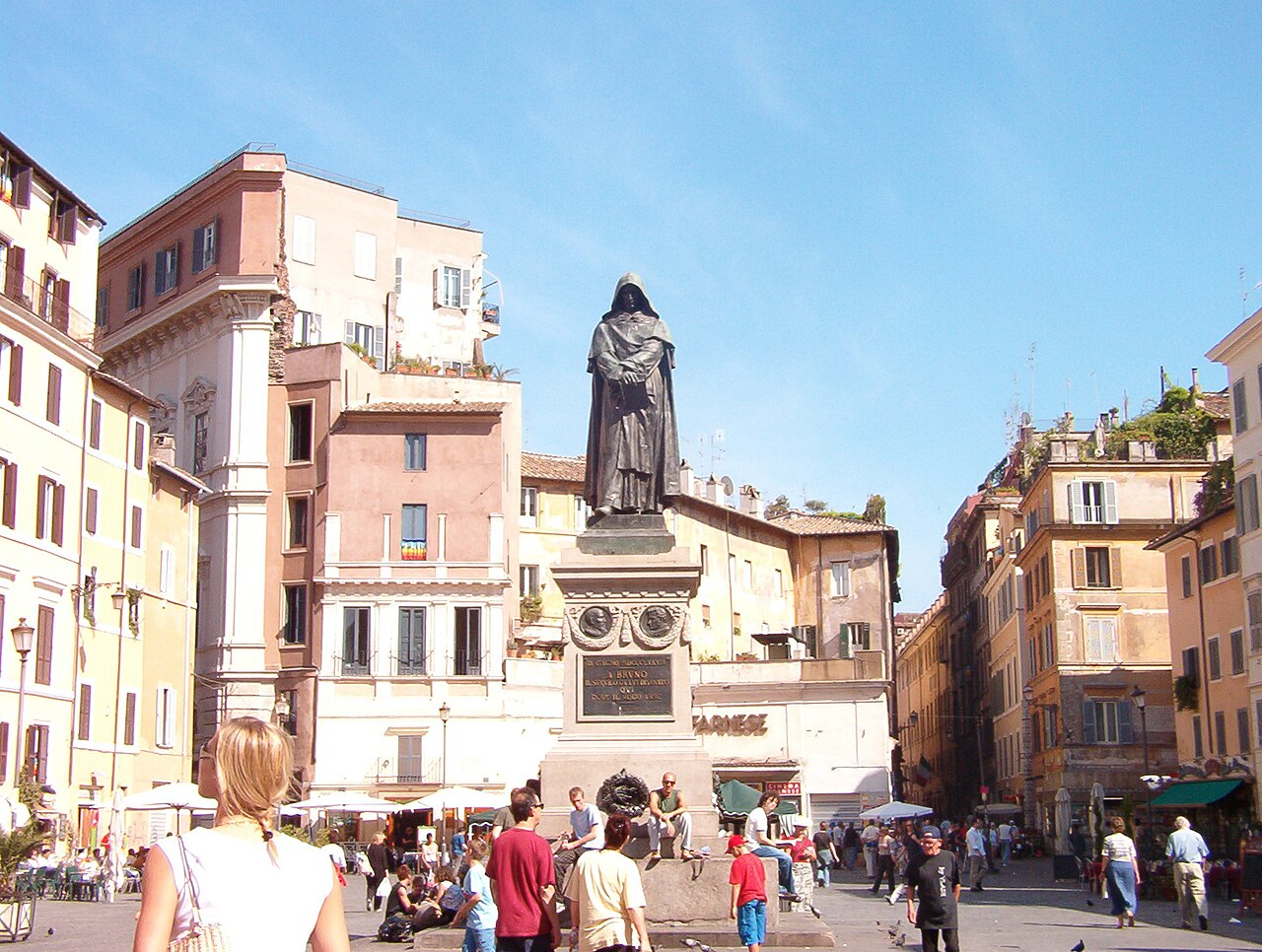
Campo de' Fiori Market
Rome's most vibrant outdoor market and piazza
Explore
Mercato Trionfale
Rome's largest covered market near Vatican
Explore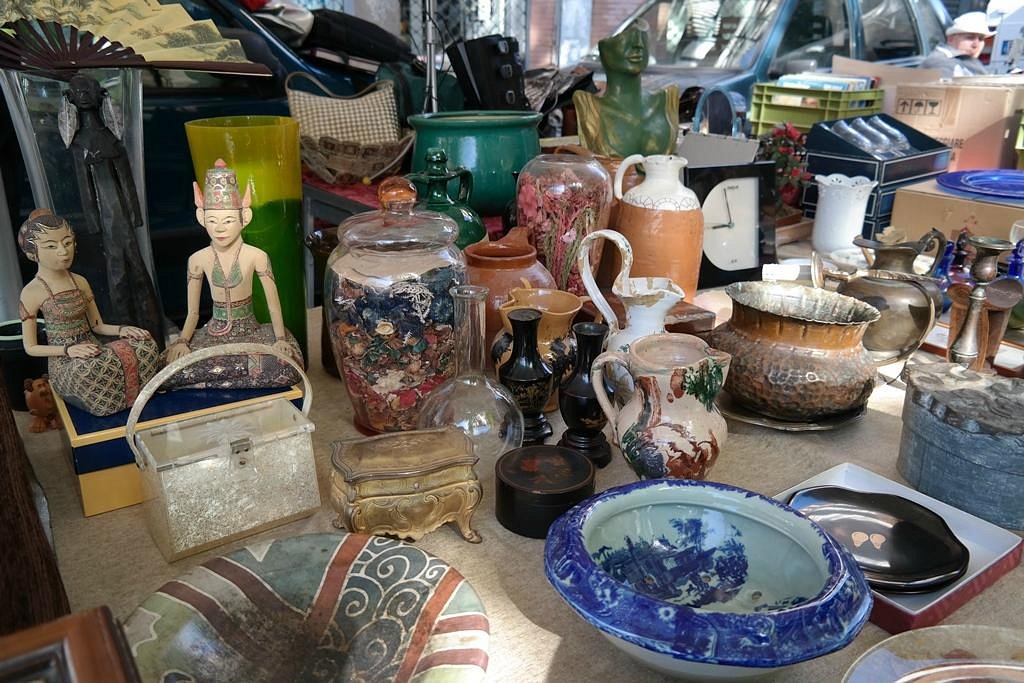
Porta Portese Flea Market
Rome's legendary Sunday flea market
Explore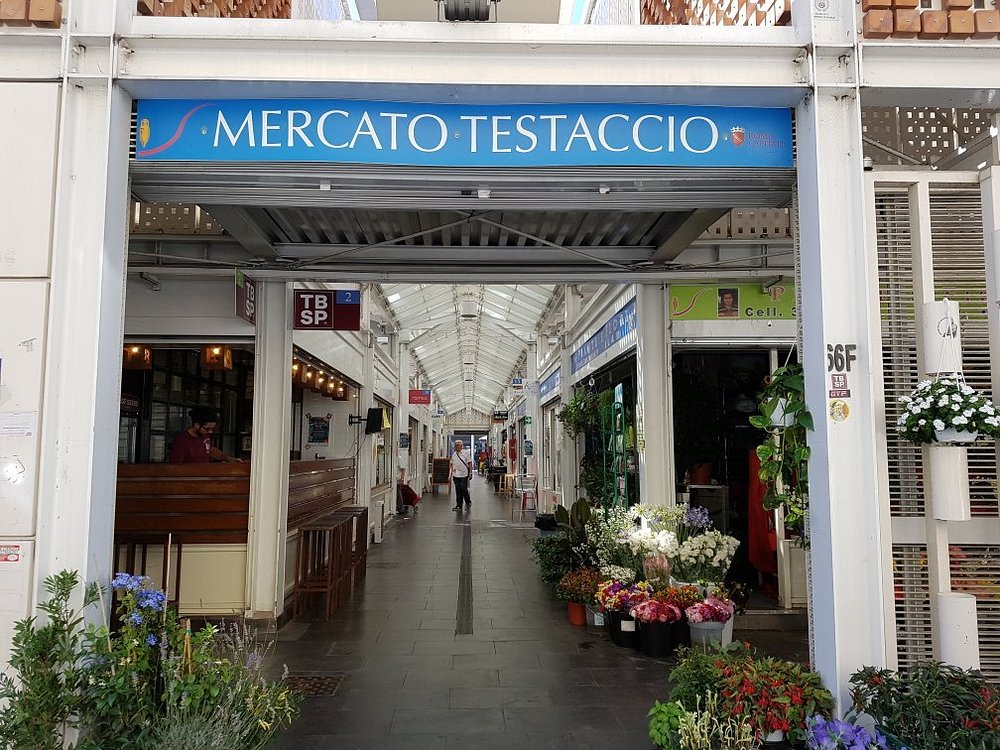
Testaccio Market
Rome's best food market with street food stalls
Explore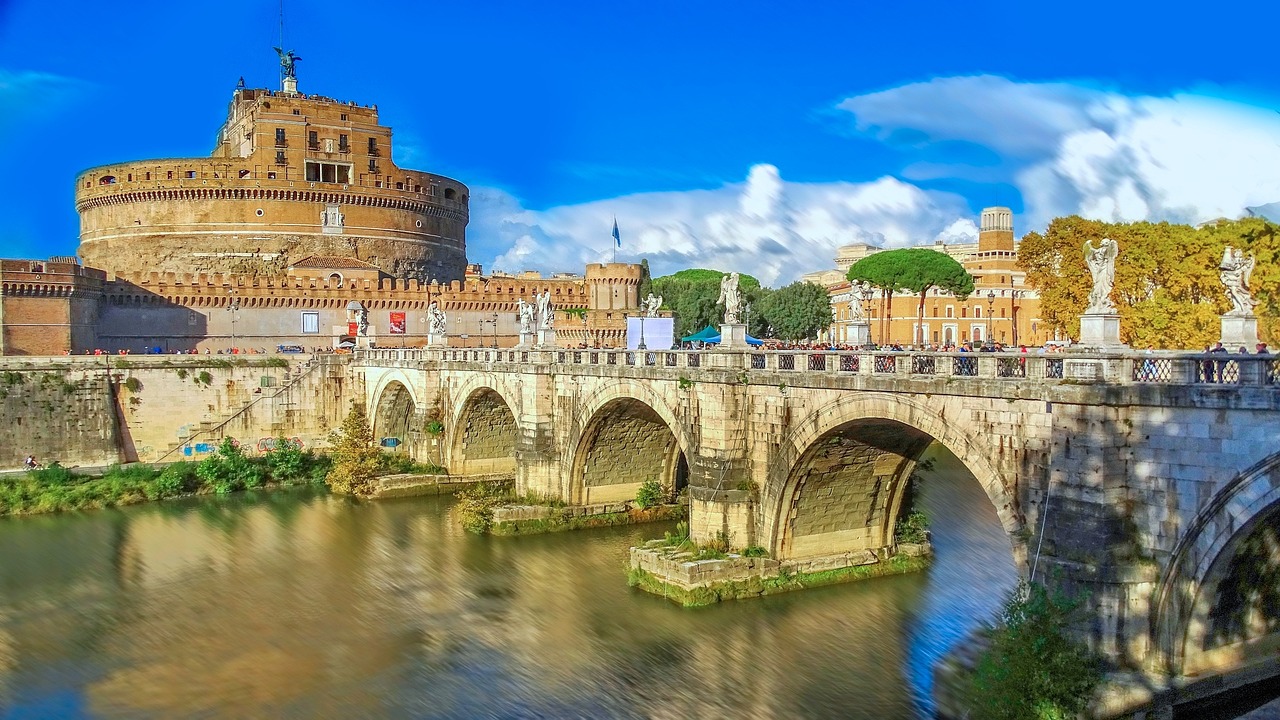
Castel Sant'Angelo
Ancient mausoleum turned papal fortress with panoramic city views
Explore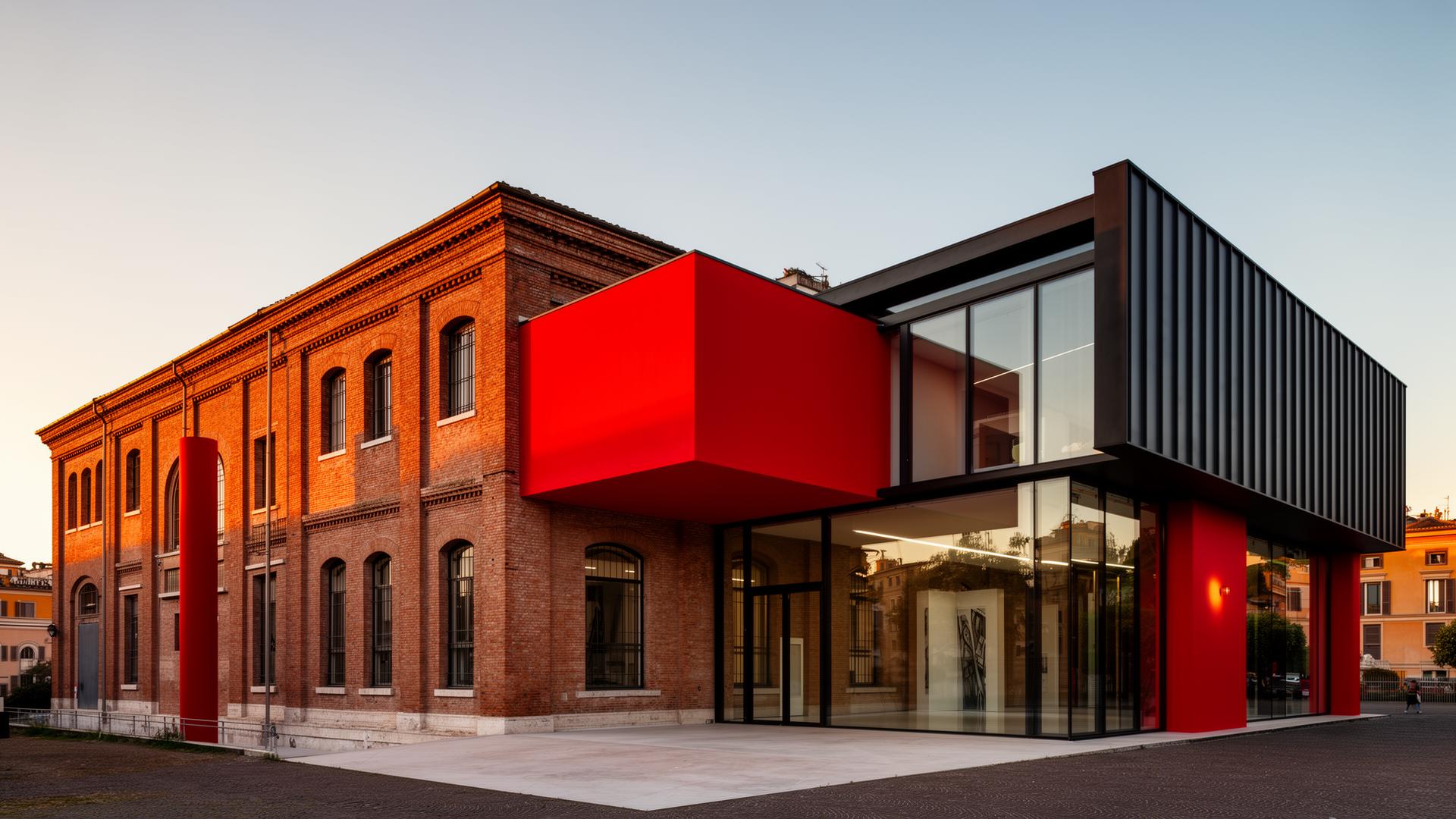
MACRO Museum
Contemporary art in a converted Peroni brewery
ExploreQuick Planning Guide
⏱️ Time Needed
2-3 hours
💰 Cost
Free to walk (Synagogue/Museum approx. €11)
🎫 Reservation
Recommended for synagogue
♿ Accessibility
Flat cobblestone streets
📅 Best Time
Sunday-Friday (closed Shabbat)
👨👩👧👦 Family Friendly
Yes, great for food exploration
Nearby Attractions
Portico of Octaviaadjacent
Largo Argentina5-minute walk
Campo de' Fiori8-minute walk
Trastevere10-minute walk
You May Also Like
Portico of OctaviaTheatre of MarcellusTurtle FountainTiber IslandFeatured In These Itineraries
Local Rome 2 DaysClassic Rome in 3 DaysHidden Gems of RomeEssential Tips
- ✓ Try carciofi alla giudia (fried artichokes)
- ✓ Avoid Saturdays - many places closed for Shabbat
- ✓ Bring ID for synagogue security check
- ✓ Explore the Portico of Octavia nearby