 Ancient Roman Monument
Portico of Octavia
Ancient Roman monument and gateway to the Jewish Ghetto
10-20 minutesFreeRoman RuinsVia del Portico d'Ottavia, 00186 RomaOpen on MapPlan Your Visit
Compare tickets, tours and stays — booking ahead usually gives more choice
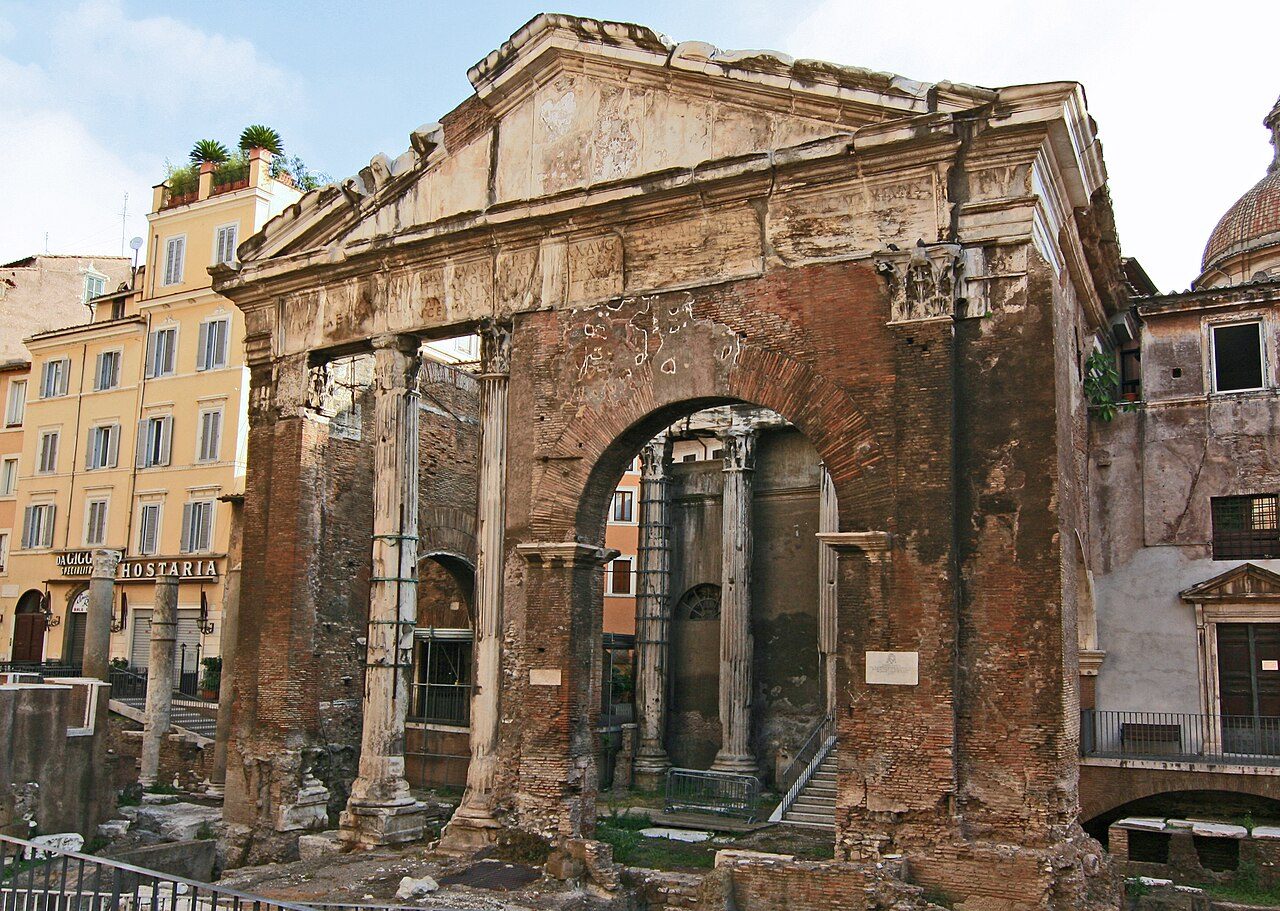
Book a TourHotels NearbyBy AllTrips Editors••6 min readThe Portico of Octavia (Porticus Octaviae) is a 2,000-year-old Roman colonnade standing at the entrance to Rome's Jewish Ghetto. Originally built in 146 BCE and rebuilt by Emperor Augustus for his sister Octavia, the surviving columns, pediment, and medieval church grafted onto the ruins create one of the most layered archaeological sites in the city — and it's completely free to visit.
📋 In This Guide
Why Visit the Portico of Octavia?
The Portico of Octavia is one of Rome's most fascinating examples of how the ancient and medieval city layers blend together. Originally a grand portico enclosing two temples, this 2,000-year-old structure now marks the entrance to Rome's Jewish Ghetto — and the medieval church built directly into its ruins is one of Rome's striking examples of this layering.
Built
146-131 BCE
Rebuilt
23 BCE by Augustus
Original Size
119m x 132m
History of the Portico
The Portico was originally built between 146-131 BCE by Quintus Caecilius Metellus Macedonicus and was known as the Porticus Metelli. Emperor Augustus rebuilt and enlarged it between 27-23 BCE, dedicating it to his sister Octavia Minor. It enclosed two temples — to Jupiter Stator and Juno Regina — plus a library, curia, and Greek and Latin schools.
From the Middle Ages it served as Rome's fish market (mercato del pesce), with stones inscribed limiting the size of fish vendors could keep. From 1555 to 1848 it was the entry gate to the walled Jewish Ghetto, where residents were locked in nightly.
Portico of Octavia Through Time
146-131 BCEPorticus Metelli
General Metellus Macedonicus builds the original portico to celebrate his Macedonian victories.
27-23 BCEAugustus' Dedication
Emperor Augustus rebuilds and dedicates the enlarged portico to his sister Octavia Minor.
203 CESeveran Restoration
Emperor Septimius Severus restores the propylaeum after a devastating fire — the inscription is still visible.
8th CenturyMedieval Church
The Church of Sant'Angelo in Pescheria is built into the ancient ruins.
1555Ghetto Gateway
Pope Paul IV establishes the Jewish Ghetto; the portico becomes its main gate, locked nightly.
PresentLiving History
Free open-air ruins, Sant'Angelo church, and gateway between ancient Rome and the vibrant Jewish Quarter.
Architecture Deep-Dive: 6 Things You'll Miss Without a Guide
The Portico looks small until you understand what once stood here. These six details unlock the real scale and 2,000-year story.
The propylaeum is just the gateway
What you see — four Corinthian columns and a pediment — is only the entrance arch. The original portico was a 119×132 m enclosed colonnade wrapping two temples.
Two lost temples inside
The portico framed the Temples of Jupiter Stator (the first all-marble temple in Rome) and Juno Regina. Their foundations lie under the Ghetto streets just behind.
The Severan inscription
After the 191 CE fire, Septimius Severus rebuilt the propylaeum in 203 CE. His Latin restoration inscription is still legible on the architrave above the columns.
Sant'Angelo in Pescheria
The medieval church (8th century) is built into the portico's brick spine. 'In Pescheria' refers to the area serving as Rome's fish market for centuries during the medieval and early modern periods.
The Ghetto gate stones
This was the site of the wooden ghetto gate, which was closed each night between 1555 and 1848, sealing residents inside.
The fish-market plaque
On the exterior wall, a Latin inscription decreed that any fish longer than the marble slab had to have its head donated to the city Conservators — a 1,000-year-old tax law in stone.
Tickets & Entry
Monument Access
Free access to view the ruins from street level and from the open archaeological zone during daylight hours.
Jewish Ghetto Walking Tour
€25-40 for a guided tour including Portico history, Synagogue, and culinary stops.
Best Time to Visit
Morning
8:00-10:00 AM for best light and almost no crowds.
Late Afternoon
4:00-6:00 PM for golden-hour photography of the columns.
Avoid Saturdays
Many Jewish Ghetto businesses close for Shabbat — pair with a different day.
Best Photo Spots
Lungotevere de' Cenci viewpoint
Cross to the riverside for the postcard shot of the propylaeum framed by medieval rooftops and the Synagogue dome behind.
Inside the archaeological zone
Stand at the original Roman paving and shoot upward at the columns and pediment for dramatic perspective.
Via del Portico d'Ottavia entrance
From the Ghetto side, capture the propylaeum framing the modern street with people walking through 2,000-year-old stones.
From Theatre of Marcellus side
A short stroll east gives you the portico, the medieval houses, and the Theatre of Marcellus arches in one frame.
Portico of Octavia vs Other Free Roman Ruins
Rome has several free open-air archaeological sites. Here's how the Portico stacks up.
| Site | Era | Best For | Time Needed |
|---|---|---|---|
| Portico of Octavia | 146 BCE – 203 CE | Architecture layering, Ghetto gateway | 10-20 min |
| Largo Argentina | 3rd century BCE | Caesar's assassination site, cat sanctuary | 20-30 min |
| Theatre of Marcellus | 13 BCE | Pre-Colosseum amphitheatre exterior | 15-20 min |
| Trajan's Column | 113 CE | Spiral narrative reliefs, Imperial Rome | 15-20 min |
5 Common Mistakes to Avoid
1. Walking past it without stopping
Most tourists rushing to the Synagogue glance at the columns and keep moving. Take 10 minutes inside the archaeological zone — it's free.
2. Missing the Severan inscription
The 203 CE Latin restoration text on the architrave is one of the few in-situ Severan inscriptions in Rome. Look up before walking through.
3. Not entering Sant'Angelo in Pescheria
When open, the church inside the portico has medieval frescoes and a unique view back through the ancient stones.
4. Visiting Saturday morning
The surrounding Ghetto is largely closed for Shabbat. The ruins are always viewable from street level, but you'll lose the food and synagogue context. Entry into the open archaeological area may be controlled and limited to daylight hours.
5. Skipping the Theatre of Marcellus
It's literally next door — the 13 BCE amphitheatre that inspired the Colosseum. Five extra minutes, free to view.
Pair Your Visit
The Portico is at the geographic heart of Rome's most under-visited historic quarter. Three of the city's best free walks start within five minutes.
Jewish Ghetto →
Adjacent. The neighborhood the portico gated as a compulsory ghetto from 1555 until 19th-century emancipation — synagogue, food, Stolpersteine.
Largo Argentina →
5-min walk. Republican-era temples and the spot Julius Caesar was assassinated.
Campo de' Fiori →
10-min walk. A historic market square trading Monday–Saturday mornings, perfect lunch stop.
Nearby Tickets & Tours
The portico itself is free. For the closest paid attraction — the Stadium of Domitian under nearby Piazza Navona — compare official options below.
Stadium of Domitian Underground
Best for: History lovers
~40 min - 1 hourDescend beneath Piazza Navona to explore the ancient Stadium of Domitian where 30,000 Romans once watched athletic competitions. A hidden archaeological treasure most visitors walk over without knowing.
- Underground ruins access
- Ancient stadium remains
- Live guided tour available
- Multiple language options
🎟️ Compare Prices:
TiqetsKlookTrip.comGuided Walking Tour
Best for: First-time visitors
~1.5 - 2.5 hoursExpert-led walking tour covering Piazza Navona's Baroque fountains, the Pantheon, Trevi Fountain, and Spanish Steps. Perfect introduction to Rome's historic center highlights.
- Professional English-speaking guide
- Navona + Pantheon + Trevi Fountain
- Bernini & Baroque art insights
- Small group experience
🎟️ Compare Prices:
TiqetsKlookTrip.comNavona Underground + Bundles
Best for: Full experience seekers
~2 - 3 hoursCombine Navona Underground with Trevi Fountain guided tour, Pantheon advance timed ticket entry, or Museum of Rome. Save time and money with bundled experiences.
- Underground + second attraction
- Skip-the-line entry included
- Save vs. separate bookings
- Museum of Rome option available
🎟️ Compare Prices:
TiqetsKlookTrip.comHow to Get There
Public Transport
- Bus: Lines 23, 63, 280, 780 — Stop: Lungotevere de' Cenci
- Tram 8: Stop: Arenula/Cairoli (5-minute walk)
- Metro Line B: Colosseo or Circo Massimo (15-minute walk)
Walking Routes
- From Campo de' Fiori: 8-minute walk east
- From Pantheon: 15-minute walk south
- From Trastevere: 10-minute walk via Ponte Fabricio
Where to Stay Near Portico of Octavia
Looking for convenient accommodation near Portico of Octavia? Stay within walking distance to make the most of your visit.
Hotels Near This AttractionTop Rated HotelsBudget-Friendly OptionsLuxury HotelsCentral locations with easy access to Portico of Octavia and other attractionsFrequently Asked Questions
Is the Portico of Octavia free to visit?
Yes, the ruins are free to view from the street and from inside the open archaeological area during daylight. The integrated medieval church may have limited opening hours.
When was the Portico built?
Originally built 146-131 BCE as Porticus Metelli, then rebuilt by Augustus 27-23 BCE and dedicated to his sister Octavia Minor.
What can I see at the Portico?
The surviving Corinthian columns and pediment of the propylaeum, fragments of the original enclosure, the medieval Church of Sant'Angelo in Pescheria built into the ruins, and the entrance to Rome's Jewish Ghetto.
How long should I spend here?
10–20 minutes to view the portico itself. Budget 30–45 minutes if you also visit the church and read the interpretive panels in detail. Pair with a 2-hour Jewish Ghetto walk for a half-day visit.
Is it accessible?
Step-free street-level viewing is possible for the exterior. The open archaeological zone has uneven Roman paving stones, so wheelchair users should expect some difficulty.
Related Attractions
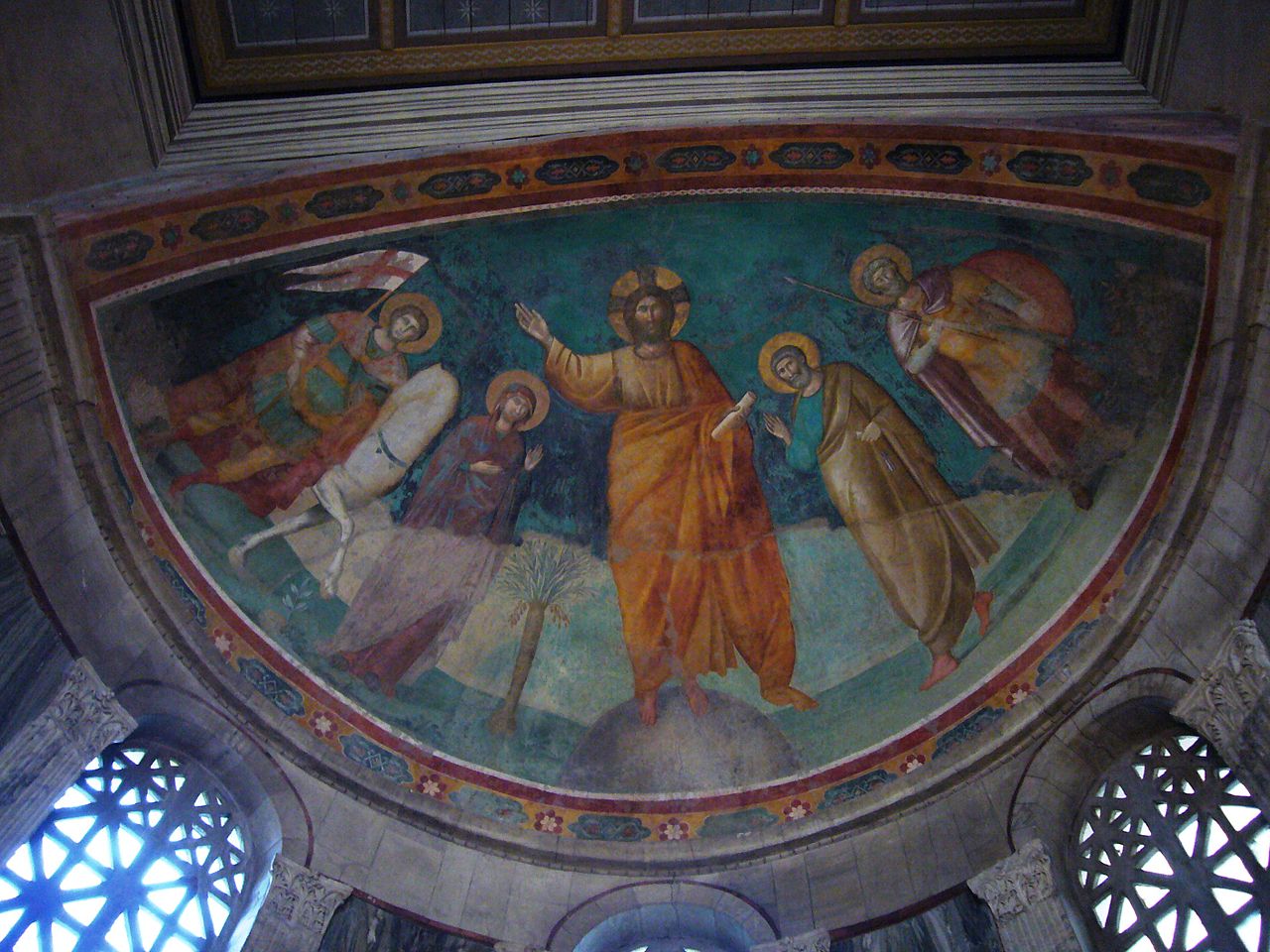
San Giorgio in Velabro
Early medieval church beside Rome's only surviving ancient quadrifrons arch
Explore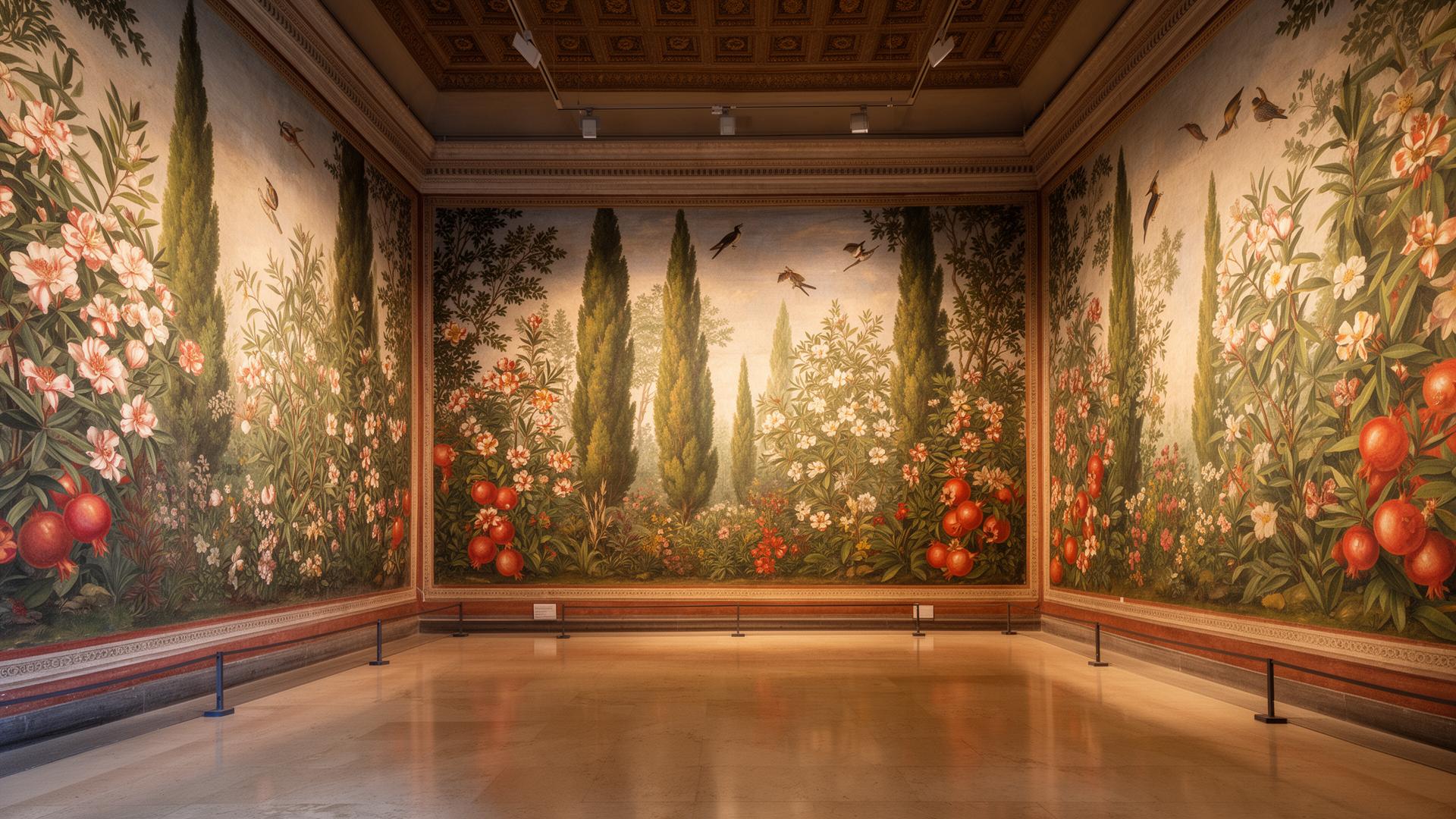
Palazzo Massimo alle Terme
Rome's finest ancient art museum with stunning frescoes and mosaics
Explore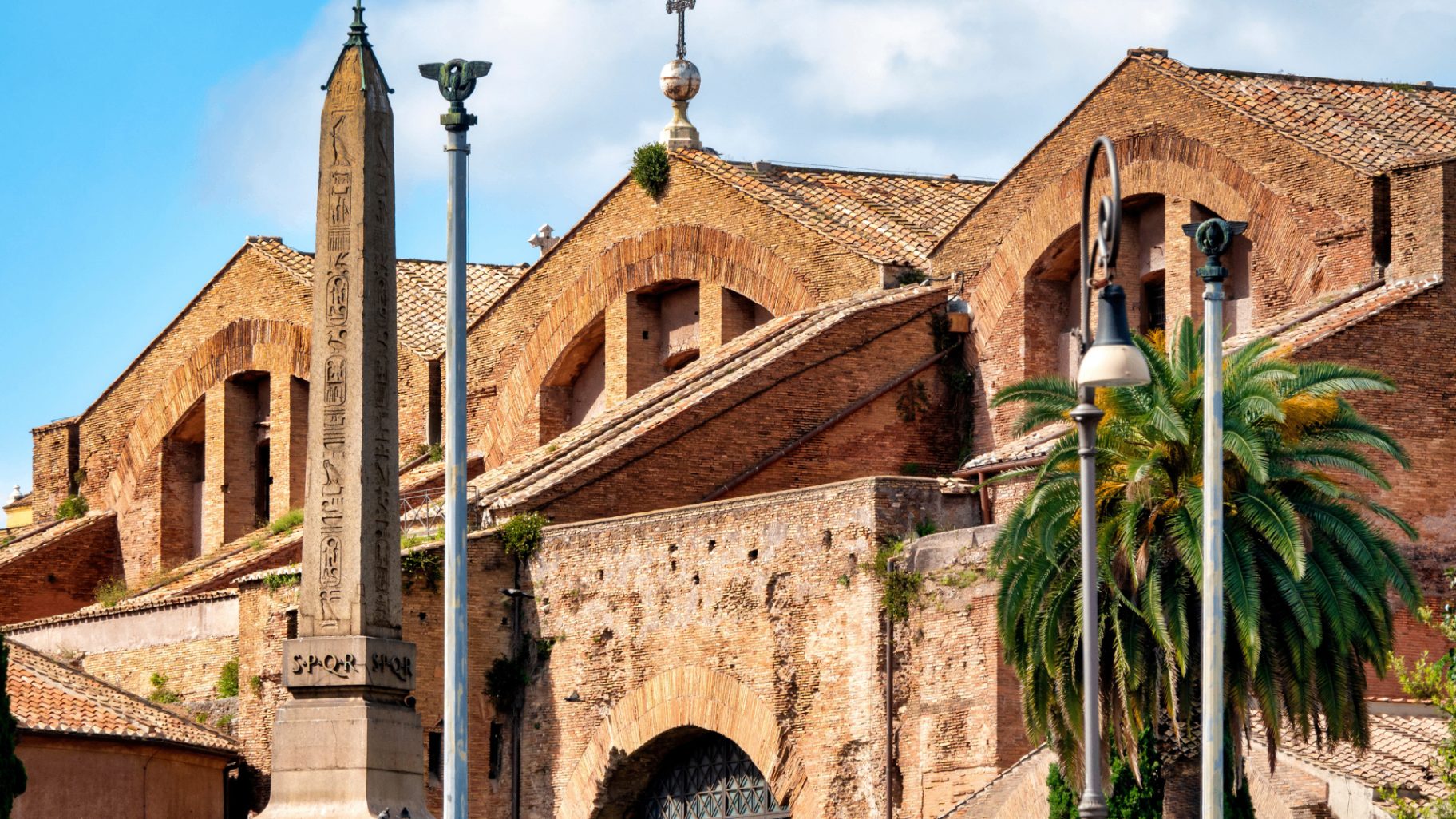
Baths of Diocletian
Ancient Rome's largest baths, now housing the National Roman Museum
Explore
Hadrian's Villa
Emperor's magnificent UNESCO estate in Tivoli—120 hectares
Explore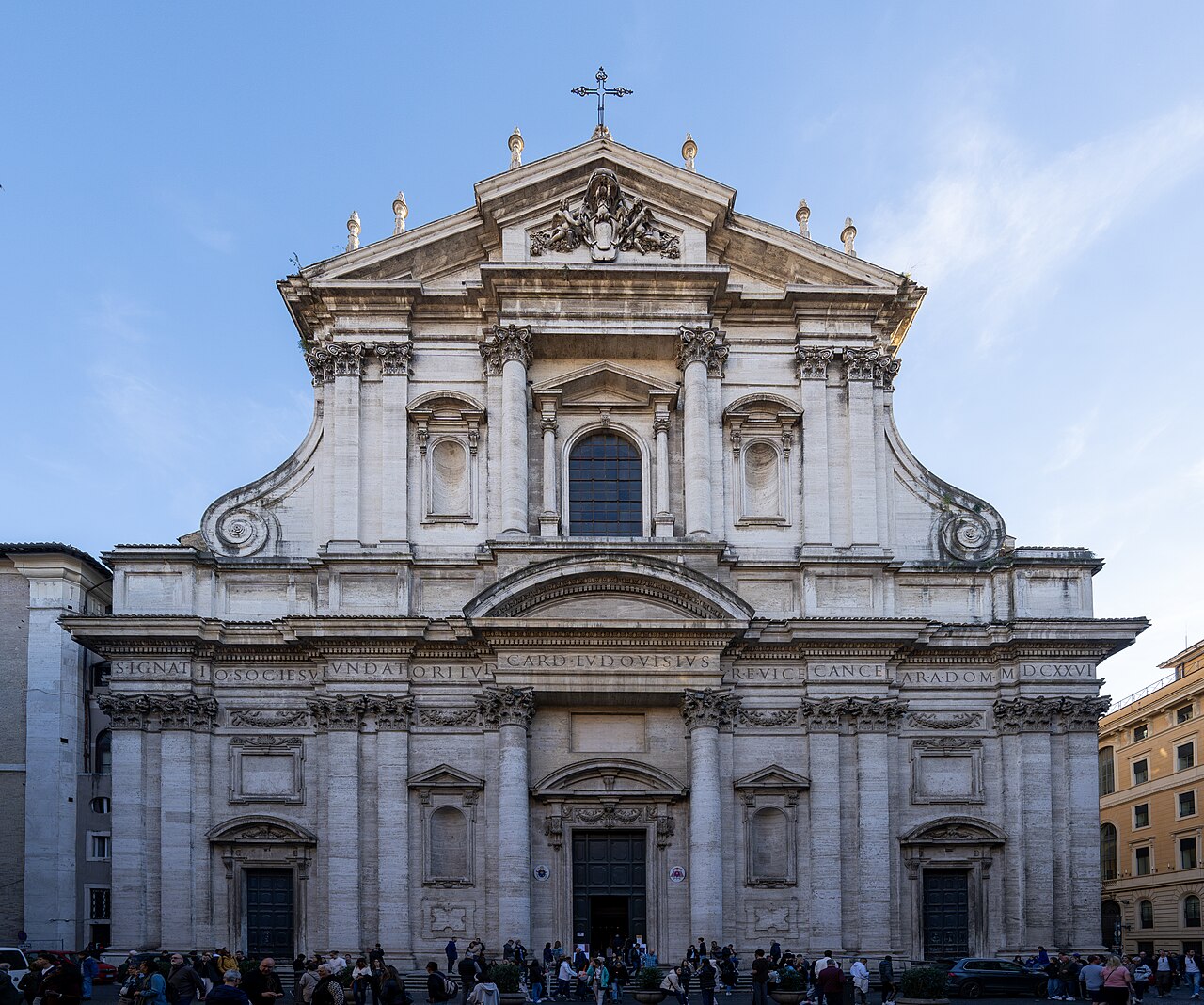
Sant'Ignazio di Loyola
Rome's most spectacular trompe-l'œil ceiling illusion
Explore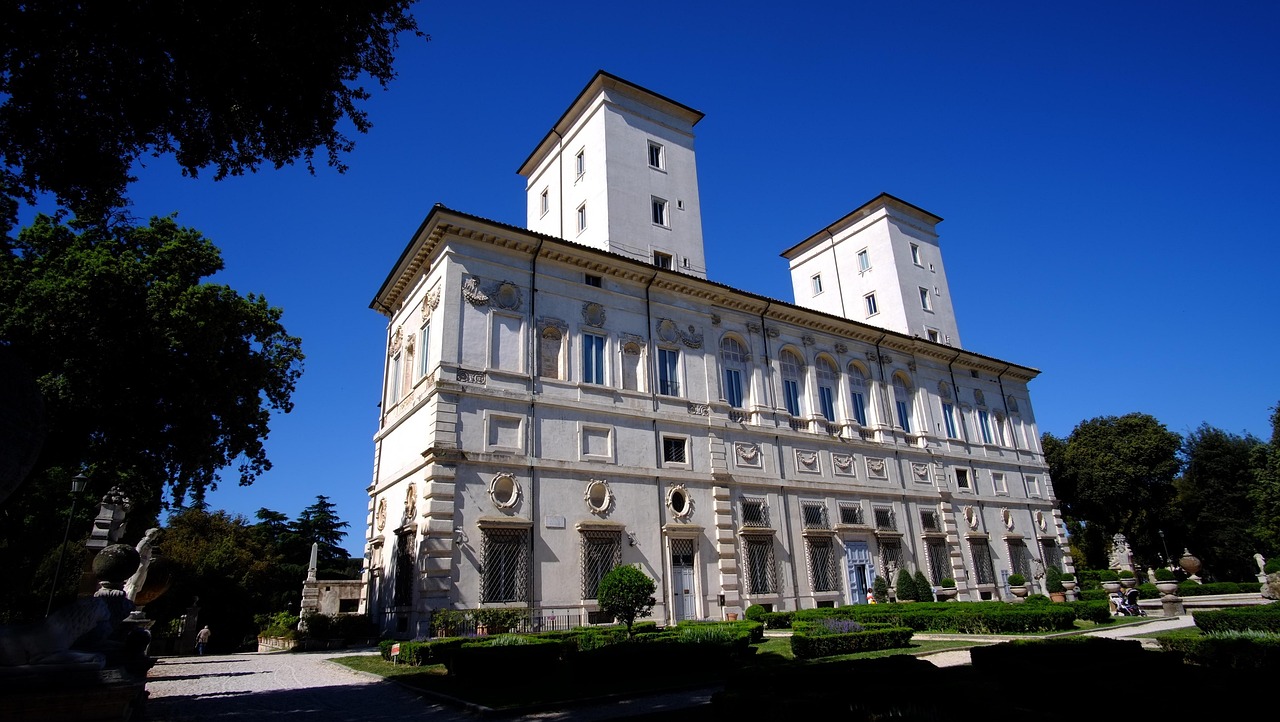
Borghese Gallery
World-class art with Bernini sculptures and Caravaggio paintings
ExploreQuick Planning Guide
⏱️ Time Needed
10-20 min (portico); 30-45 min with church & history
💰 Cost
Free
🎫 Reservation
Not needed
♿ Accessibility
Step-free street-level viewing; archaeological paving is uneven
📅 Best Time
Morning (8-10 AM) for best photography
👨👩👧👦 Family Friendly
Yes, combine with Jewish Ghetto food tour
Nearby Attractions
Jewish Ghettoadjacent
Largo Argentina5-minute walk
Capitoline Hill10-minute walk
Campo de' Fiori10-minute walk
Featured In These Itineraries
5 Day Rome ItineraryLocal Rome ItineraryHidden Gems of RomeEssential Tips
- ✓ Morning light (8-10 AM) is best for photos
- ✓ Combine with Jewish Ghetto exploration
- ✓ Visit Theatre of Marcellus next door
- ✓ Avoid Saturdays when Jewish businesses close