 UNESCO Site
Hadrian's Villa (Villa Adriana)
Emperor Hadrian's magnificent imperial retreat—a vast 2nd-century estate spanning 120 hectares (about 40 hectares currently open to visitors) with over 30 structures.
2-3 hoursCheck official pricingTivoli (30km)UNESCO HeritageLargo Marguerite Yourcenar, 1, TivoliOpen on MapPlan Your Visit
Compare tickets, tours and stays — booking ahead usually gives more choice
Get TicketsBook a TourHotels NearbyTable of Contents
Jump to any section of the itinerary
Why Visit Hadrian's Villa?
Hadrian's Villa (Villa Adriana) is one of the largest and most spectacular imperial villas built in the Roman Empire. Emperor Hadrian, one of Rome's most cultured rulers, created this 120-hectare estate (of which roughly 40 hectares, about 99 acres, are currently open to visitors) as a retreat that also served governmental and ceremonial functions, featuring buildings that evoke and interpret monuments he admired during his extensive travels throughout the empire.
Unlike the crowded attractions in central Rome, Hadrian's Villa offers a peaceful escape where you can wander through ancient ruins set amid olive groves and Mediterranean gardens. The site's UNESCO World Heritage status recognizes it as a masterpiece of Roman architecture and landscape design.
Must-See Structures
Maritime Theatre
Hadrian's private island retreat—a circular pool surrounding a miniature villa where the emperor could escape court life
Canopus
A spectacular pool inspired by Egypt's Nile Canal, lined with columns and statues of Egyptian and Greek deities
Imperial Palace
The emperor's main residence with intricate mosaics, heated floors, and private gardens
Large Baths (Grandi Terme)
Impressive Roman baths with vaulted ceilings and sophisticated heating systems
Pecile
A massive portico inspired by the famous Painted Stoa of Athens—perfect for philosophical walks
Greek Theatre
An intimate theatre for private performances and cultural events
History & Significance
Hadrian's Villa was constructed between 117 and 138 AD as a retreat for Emperor Hadrian, one of Rome's most cultured and well-traveled rulers. In addition to serving as a personal retreat, the complex also hosted governmental and ceremonial functions, and Hadrian chose this site 30km from Rome for its natural springs and peaceful setting.
The visionary emperor designed the villa as a microcosm of the Roman Empire. Having traveled extensively, he had architects create buildings that evoke and interpret monuments he had admired—the Canopus is inspired by Egypt's Nile Canal, the Pecile echoes Athens' Painted Stoa, and Greek-style theatres reflect his love of Hellenic culture—rather than exact copies.
After Hadrian's death in 138 AD, successive emperors continued using the villa. During Rome's decline, the complex was abandoned and later plundered for building materials. The 18th-century artist Giovanni Battista Piranesi documented the ruins, inspiring neoclassical architecture across Europe.
Historical Timeline
117 ADConstruction begins after Hadrian becomes emperor
134 ADMajor structures completed; Hadrian spends final years here
138 ADEmperor Hadrian dies; villa used by successors
c. 500 ADVilla abandoned after Rome's decline
1550sCardinal d'Este begins systematic excavations
1870Italian state acquires the property
1999Designated a UNESCO World Heritage Site
Getting There from Rome
🚌 Public Transport
Take Metro B to Ponte Mammolo, then Cotral bus to Tivoli (ask for Villa Adriana stop). Allow longer than an hour once transfers and waiting times are included.
🚐 Guided Tour
Many day tours include both Hadrian's Villa and Villa d'Este with transportation and expert guides—the easiest option for first-time visitors.
Tickets & Tours
Skip-the-Line Entry
Pre-booking can reduce time at the ticket office, but security and entrance queues may still apply.
Book Tickets →Hadrian's Villa + Villa d'Este Tour
If currently offered, a combined ticket or full-day Tivoli tour can cover both UNESCO sites, transport from Rome, and an expert guide — check availability when booking.
View Tours →Common Mistakes to Avoid
Underestimating the size
Consequence: You leave exhausted after seeing only a fraction of the site.
Solution: Plan a minimum of 2.5 hours and pick 5-6 priority structures in advance.
Visiting in midday summer heat
Consequence: Little shade and long walking paths make it brutal in July/August.
Solution: Arrive near opening or later in the afternoon (hours are seasonal — check the official schedule); bring water and a hat.
Confusing it with Villa d'Este
Consequence: You arrive at the wrong site and waste hours.
Solution: Hadrian's Villa = ancient Roman ruins; Villa d'Este = Renaissance fountains. They're 5 km apart.
Skipping the audio guide or map
Consequence: Without context, the ruins look like scattered walls.
Solution: If available, rent an audio guide or pick up a map at the entrance.
Wearing sandals or dress shoes
Consequence: Uneven gravel and ancient stones cause blisters fast.
Solution: Wear sturdy walking shoes or trail sneakers.
Assuming fixed opening hours
Consequence: Hours vary seasonally and the site may have exceptional closures.
Solution: Verify hours on the official website before traveling out from Rome.
Insider Tips
Start at the Canopus
Walk straight to the Canopus pool first — best photo light in the morning before tour groups arrive.
Find the Maritime Theatre
Hadrian's private 'island within an island' is easily missed; ask staff to point it out as you enter.
Pair with a Tivoli lunch
Drive 10 min into Tivoli town for trattorias serving local Lazio cuisine — far better than the on-site café.
Visit in spring
April-May brings wildflowers across the ruins and mild temperatures — the most photogenic season.
Where to Stay in Tivoli
For two-day Tivoli explorers, staying in town lets you visit both UNESCO villas at golden hour and enjoy dinner in the historic center without rushing back to Rome.
Browse Hotels in Tivoli →Frequently Asked Questions
How do I get to Hadrian's Villa from Rome?
Take Metro B to Ponte Mammolo, then the Cotral bus to Tivoli. Allow longer than an hour once transfers and waiting are included. Alternatively, book a guided tour with transportation—much easier for first-time visitors.
How long should I spend at Hadrian's Villa?
Plan 2-3 hours minimum. The site spans 120 hectares, of which roughly 40 hectares are currently open to visitors, with over 30 structures. Wear comfortable shoes and bring water, especially in summer.
Can I visit both Hadrian's Villa and Villa d'Este in one day?
Yes, both UNESCO sites are in Tivoli, about 5km apart, though combining them requires a full day and some transport planning. A combined ticket may be available if currently offered — check when booking. Visit Hadrian's Villa first, then Villa d'Este in the afternoon.
What are the must-see structures?
The Maritime Theatre (Hadrian's private island), Canopus pool with Egyptian-style sculptures, Imperial Palace, Large and Small Baths, and the Pecile.
Is Hadrian's Villa accessible for visitors with mobility issues?
The site has uneven ancient surfaces and limited accessibility. Some main areas have paths, but much of the terrain involves rough ground and steps.
Related Attractions
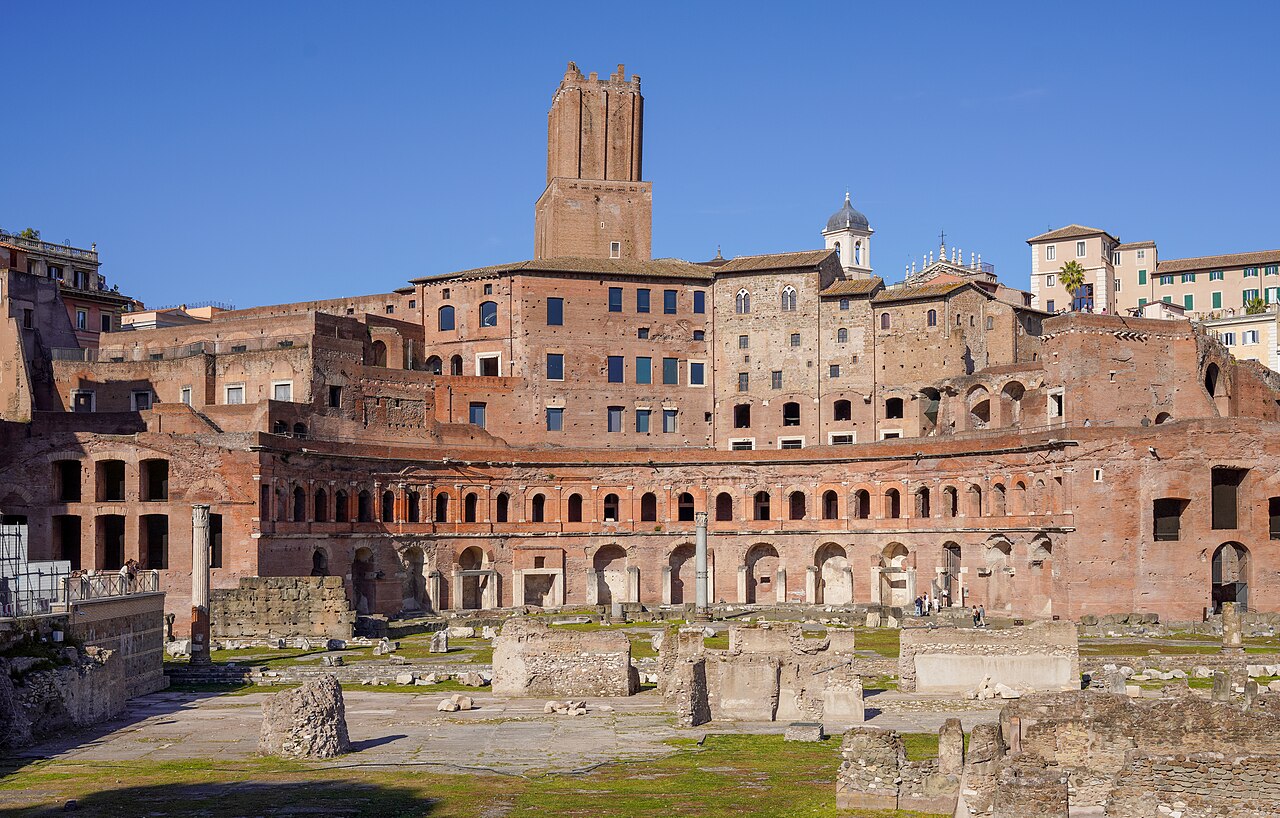
Trajan's Market
A vast multilevel Roman complex beside Trajan's Forum—now the Museum of the Imperial Fora
Explore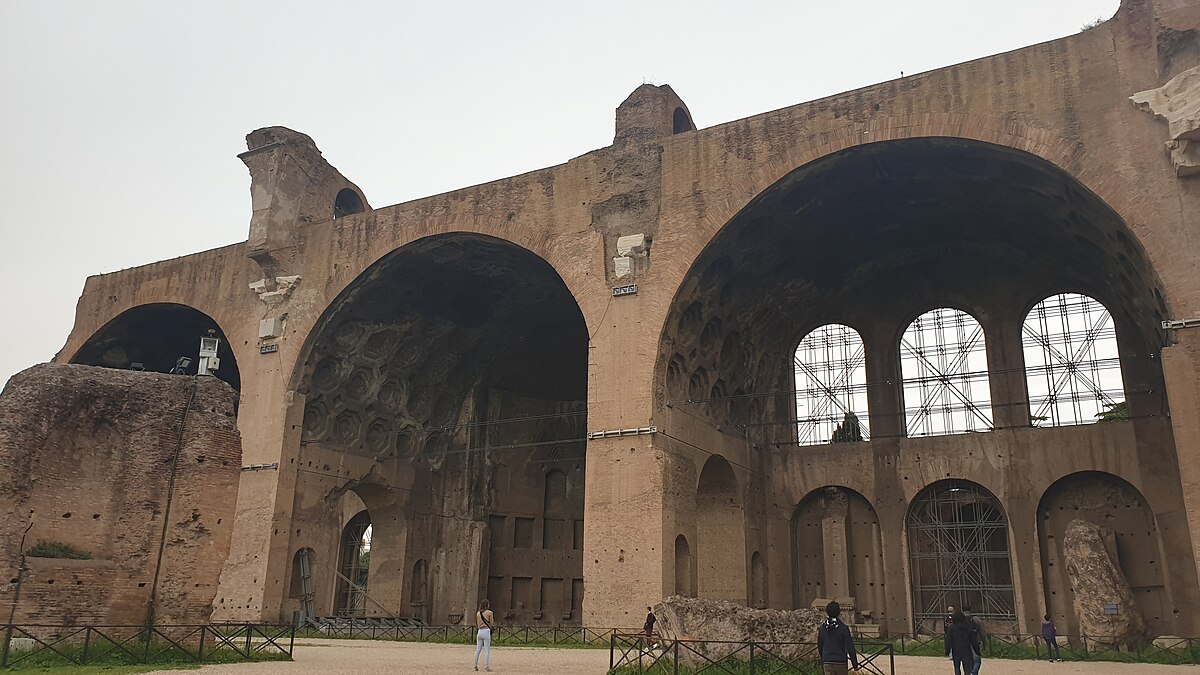
Basilica of Maxentius
The Roman Forum's largest building, with vast surviving concrete vaults
Explore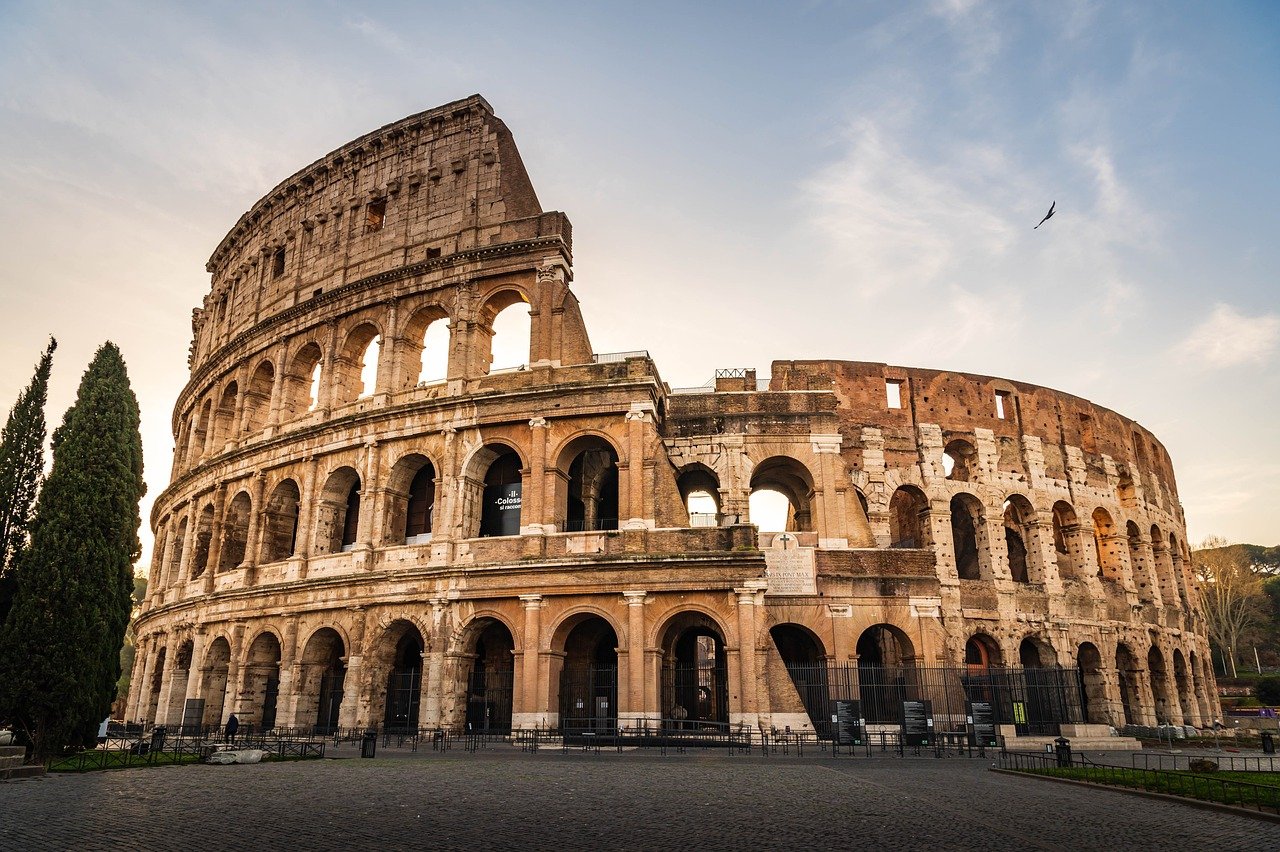
Colosseum
Iconic amphitheater and symbol of Imperial Rome, one of the New 7 Wonders
Explore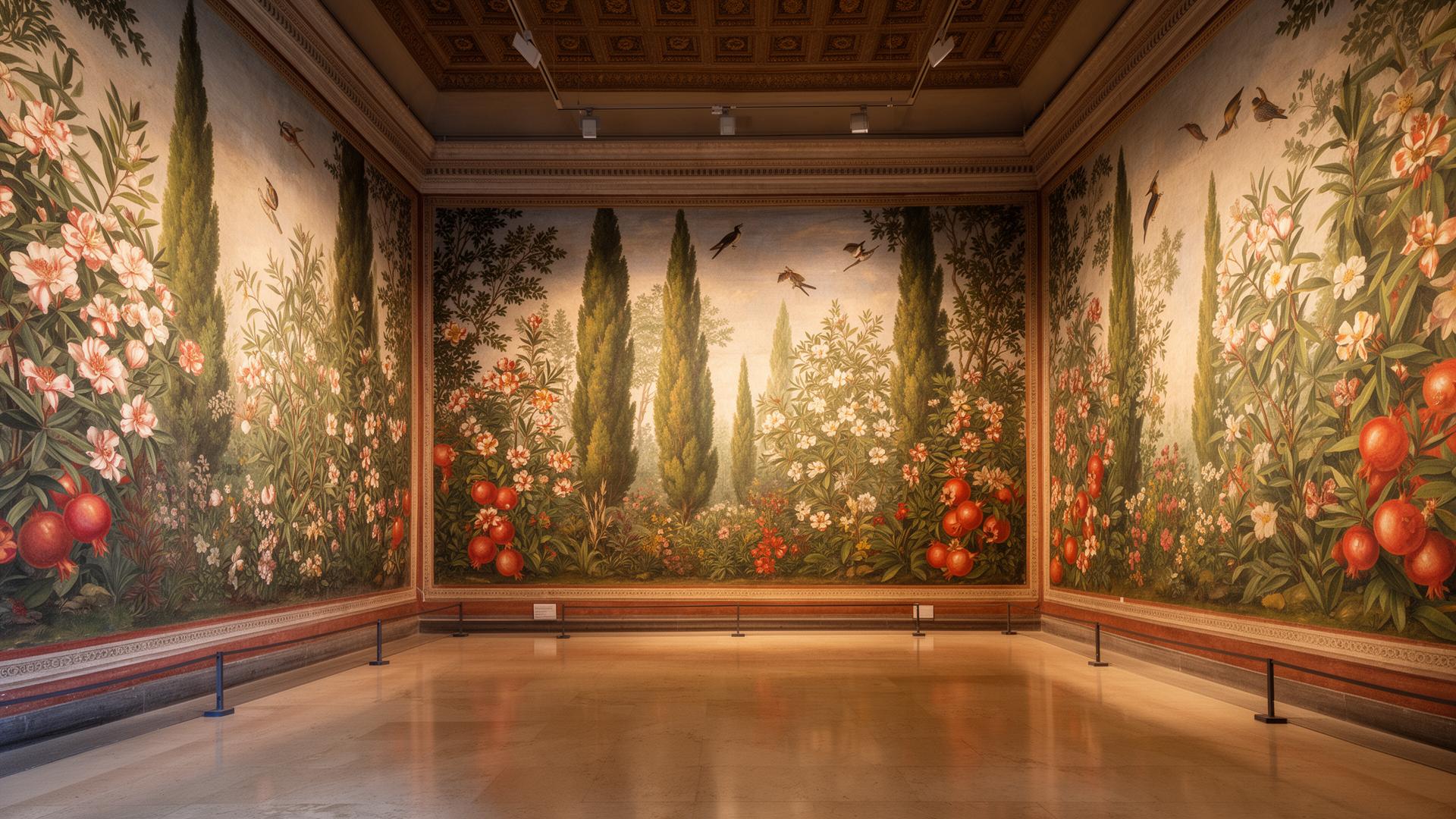
Palazzo Massimo alle Terme
Rome's finest ancient art museum with stunning frescoes and mosaics
Explore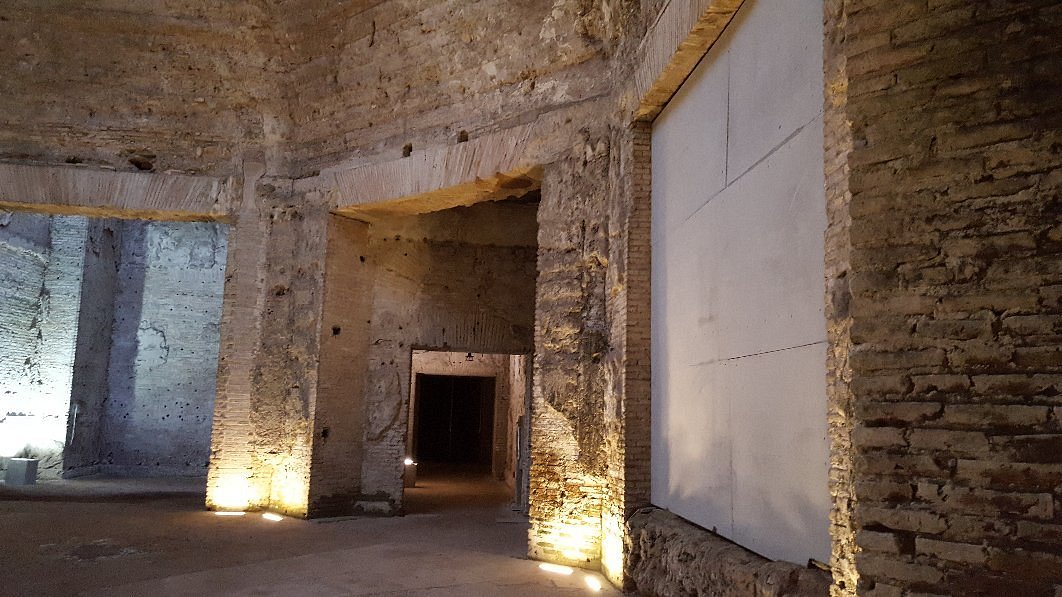
Domus Aurea
Nero's buried Golden House — Friday to Sunday visits, VR tour available
Explore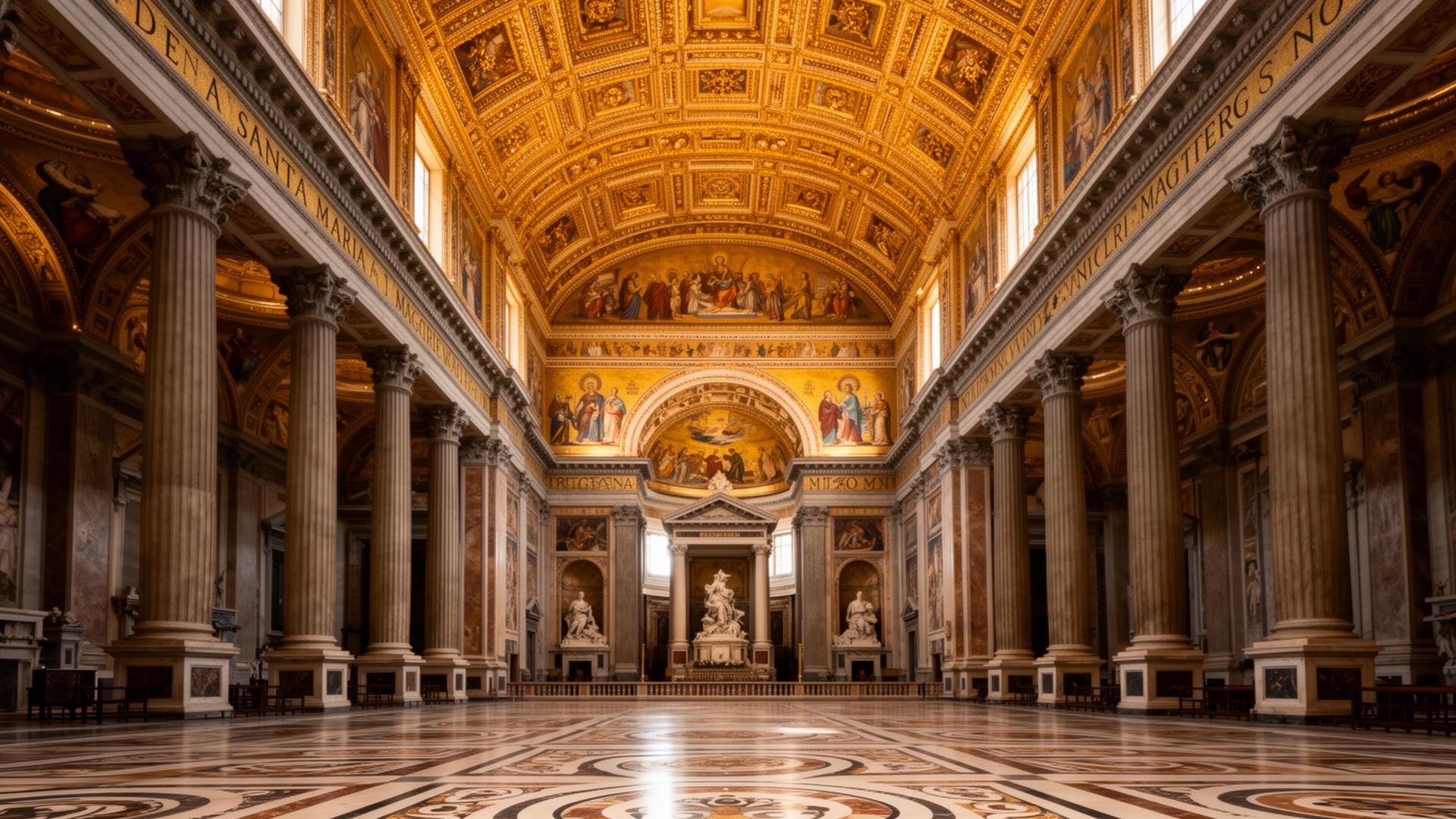
Santa Maria Maggiore
Rome's largest Marian church with stunning 5th-century mosaics
ExploreQuick Planning Guide
⏱️ Time Needed
2-3 hours
💰 Cost
Check official pricing
🎫 Reservation
Recommended
♿ Accessibility
Limited (uneven terrain)
📅 Best Time
Morning (less crowded)
👨👩👧👦 Family Friendly
Ages 8+
🌡️ Weather
Outdoor site
Nearby Attractions
Villa d'EsteTivoli Town CenterVilla GregorianaTemple of VestaFeatured In These Itineraries
5 Day Rome ItineraryHidden Gems RomeEssential Tips
- ✓ Wear comfortable walking shoes
- ✓ Bring water and sunscreen
- ✓ Combine with Villa d'Este visit
- ✓ Audio guide may be available to rent on-site
- ✓ Allow at least 1.5 hours from central Rome by public transport, including transfers; actual travel time varies