 Underground Rome — Friday–Sunday
Domus Aurea
Nero's legendary Golden House buried beneath modern Rome — guided visits Friday–Sunday with an educational tour and immersive VR reconstruction.
Guided visit€26 with VRVR experienceFriday–SundayViale della Domus Aurea, Colle Oppio, 00184 Roma RMOpen on MapPlan Your Visit
Compare tickets, tours and stays — booking ahead usually gives more choice
Get TicketsBook a TourHotels NearbyThe Domus Aurea — Nero's "Golden House" — was the most extravagant private residence ever built in ancient Rome. Constructed between 64 and 68 AD on the cleared land of the Great Fire, it covered up to 100 hectares across the Palatine, Caelian and Oppian hills, with 300 rooms, gilded ceilings, painted vaults, an artificial lake (where the Colosseum now stands) and a 36-metre bronze Colossus of Nero at the entrance. After Nero's suicide in 68 AD it was deliberately buried by his Flavian successors and forgotten for 1,400 years — until Renaissance artists rediscovered the painted chambers in the 1480s and copied the decorations that became the foundation of the entire Renaissance grotesque tradition. Today the surviving Esquiline wing is open Friday, Saturday and Sunday for guided visits, with an educational tour including virtual reality available for €26, and a limited €18 admission-only option at specified times without the educational tour or VR. Check the official calendar when booking.
Why visit the Domus Aurea?
The Domus Aurea is the missing chapter of the Roman Empire most visitors skip — and the prequel to the Colosseum. Nero's buried palace tells the story of imperial autocracy, the Great Fire, the Flavian backlash, and the Renaissance rebirth of Roman art, all in one underground corridor. It is also one of the only ancient Roman sites you can visit in small guided groups, away from the crowds.
- The Octagonal Room: Rome's first great concrete dome, built around 65 AD and the direct ancestor of the Pantheon (118–125 AD). The single most important room in the history of Western dome architecture.
- 2,000-year-old frescoes: the painted decorations of Famulus, Nero's master decorator — the originals that inspired the Vatican Logge of Raphael, the Villa Madama and the entire Renaissance grotesque tradition.
- Immersive VR experience: a reconstruction of the room you are sitting in, restored to its 64 AD splendour with gilded ceilings, marble veneers and views of the artificial lake. One of the best archaeological VR experiences in Europe.
- Renaissance graffiti: see the actual signatures and notes of Pinturicchio, Ghirlandaio and Raphael-workshop members on the walls — direct, physical contact with the Renaissance masters at work.
- The prequel to the Colosseum: Nero's drained artificial lake is literally the foundation of the Colosseum. Visit Domus Aurea morning, Colosseum afternoon — the political story of imperial Rome makes sense only when you do both.
Quick facts
Built
64–68 AD
Emperor
Nero
Original size
80–100 hectares
Surviving rooms
150+ (Esquiline wing)
Entry 2026
€26 with VR; limited €18 admission-only
Tour length
75 minutes
Open
Friday–Sunday
Location
Colle Oppio, near Colosseum
Table of Contents
Jump to any section of the itinerary
A brief history
In July 64 AD a fire broke out in the wooden shops near the Circus Maximus and burned for six days, destroying ten of Rome's fourteen districts. The Roman historian Tacitus records that Nero, in Antium when the fire began, returned to organise relief and opened his private gardens to the homeless — but rumours spread that he had started the fire himself to clear land for a new palace. Whether or not he was responsible, Nero made full use of the cleared centre.
Between 64 and 68 AD Nero commissioned the architects Severus and Celer to build the Domus Aurea — an unprecedented private palace stretching across the Palatine, Caelian and Oppian hills. Suetonius records 300 rooms, gilded ceilings, walls inlaid with mother-of-pearl and precious stones, painted vaults by the master decorator Famulus, an artificial lake in the valley (where the Colosseum now stands), vineyards and woodlands within the city walls, and a 36-metre bronze Colossus of Nero at the entrance — a statue so vast it gave its name centuries later to the Colosseum built on the lake-bed.
On 9 June 68 AD, facing rebellion from the legions and the Senate, Nero committed suicide. The Senate immediately declared damnatio memoriae — the condemnation of his memory — and his Flavian successors made the dismantling of the Domus Aurea a central political project. Vespasian (69–79 AD) drained the artificial lake and began building the Colosseum on the site, deliberately returning the land 'from a tyrant to the Roman people'. Titus (79–81 AD) built his baths over the southern wing.
The decisive burial came under Trajan. After a fire in 104 AD damaged the surviving Esquiline wing, Trajan commissioned the great architect Apollodorus of Damascus to fill the entire palace with brick rubble and earth and build the colossal Baths of Trajan on top. The deliberate burial — intended as final political erasure — paradoxically preserved the frescoes in their dark, sealed chambers for the next 1,400 years.
Around 1480 a young Roman accidentally fell through a hole on the Oppian Hill into the buried palace. Within a decade every great Renaissance artist — Pinturicchio, Ghirlandaio, Filippino Lippi, Raphael, Michelangelo, Giovanni da Udine — was being lowered by ropes into the dark chambers to copy the painted decorations by torchlight. They called the rooms grotte (grottoes) and the decorations grottesche — the origin of the word 'grotesque'. Raphael's Vatican Logge (1517–1519) and the Villa Madama (1520s) are direct copies, and the grotesque style spread across Europe to define Renaissance and Mannerist interior decoration.
The site's modern history has been one of slow, careful conservation. After major excavations in the 1930s and 1960s the site opened to limited visits in 1969. Severe water damage closed the site for restoration in 1999; it reopened in 2014 with the introduction of the immersive virtual-reality experience, one of the first major archaeological sites in Europe to use VR. Conservation work on the frescoed rooms continues; check the official calendar for current access before planning your visit.
Domus Aurea through the centuries
64 ADThe Great Fire of Rome
Rome burns for six days and seven nights, destroying ten of fourteen districts. Nero (in Antium when the fire begins) returns to organise relief but is later accused of starting the fire to clear land for his palace.
64–68 ADConstruction of the Domus Aurea
Nero commissions the architects Severus and Celer to build a vast palace covering 80–100 hectares across the Palatine, Caelian and Oppian hills, with 300 rooms, gilded ceilings, an artificial lake and a 36-metre bronze Colossus.
68 ADNero's suicide
Facing rebellion from the legions and the Senate, Nero commits suicide on 9 June 68 AD. The Senate declares damnatio memoriae — his name is erased from monuments and his palace begins to be dismantled.
70–80 ADVespasian builds the Colosseum
Vespasian drains Nero's artificial lake and begins construction of the Flavian Amphitheatre — the Colosseum — on the site, deliberately returning land 'from a tyrant to the Roman people'. Inaugurated by Titus in 80 AD.
104 ADTrajan buries the Esquiline wing
After a fire in 104 AD damages the surviving palace, Trajan commissions Apollodorus of Damascus to fill the entire Esquiline wing with brick rubble and earth and to build the colossal Baths of Trajan on top — paradoxically preserving the frescoes for 1,400 years.
1480sRenaissance rediscovery
A young Roman accidentally falls through a hole on the Oppian Hill and discovers painted chambers below. Pinturicchio, Ghirlandaio, Filippino Lippi, Raphael, Michelangelo and Giovanni da Udine are lowered by ropes to copy the frescoes by torchlight, inventing the 'grottesche' decorations.
1500s–1700sVatican Logge & grotesque revival
Raphael's Vatican Logge (1517–1519) and the Villa Madama (Giulio Romano, 1520s) are direct copies of Domus Aurea decorations. The 'grotesque' style spreads across Europe, defining Renaissance and Mannerist interior decoration.
1813–1814First systematic excavation
Antonio De Romanis carries out the first scientific survey of the buried palace and publishes the first plans of the Esquiline wing — establishing it as a major archaeological site rather than a curiosity.
1969Modern site opens to public
After major excavations in the 1930s and 1960s, the Soprintendenza opens the Esquiline wing to limited guided visits — the first time in nearly 1,900 years the public can walk Nero's corridors.
1999Closure for restoration
Severe water-damage problems and a partial collapse force the closure of the site for an extensive 15-year restoration of the vaults, drainage and fresco conservation.
2014Reopening with VR
The site reopens to guided tours with the introduction of an immersive virtual-reality experience — one of the first major archaeological sites in Europe to integrate VR, becoming a highlight of the visit.
2026Ongoing fresco conservation
Conservation work continues on the site's frescoed rooms. Tour routes may be adjusted — check the official calendar before booking to confirm current access.
What to see at the Domus Aurea
Architectural Marvels
- The Octagonal Room (Sala Ottagona) — a revolutionary 65 AD concrete dome with central oculus, the direct ancestor of the Pantheon (built 50 years later).
- The Cryptoporticus — a long underground corridor used for processions and as a service passage between palace wings, with original brick patterns intact.
- Vaulted ceilings showing the experimental concrete construction techniques that would define Imperial Roman architecture for the next four centuries.
- Traces of the legendary rotating dining-room mechanism described by Suetonius — possibly located above the Octagonal Room.
Ancient Frescoes
- Original 2,000-year-old frescoes attributed to the painter Famulus (or Fabullus), Nero's master decorator who reportedly worked in full toga to maintain dignity even on scaffolding.
- The Room of the Gilded Vault (Volta Dorata) — fragments of the famous gilded ceiling that gave the palace its name 'Golden House'.
- Mythological scenes from the Trojan cycle in the Room of Achilles, including episodes of Achilles disguised among the daughters of Lycomedes.
- Architectural fantasies, garlands, masks and grotesque decorations that became the foundational vocabulary of Renaissance painted decoration.
Renaissance Graffiti
- Original 1480s–1530s signatures by Renaissance artists scratched into the painted walls — Pinturicchio, Ghirlandaio, members of Raphael's workshop and many others, still visible by torchlight.
- Notes and sketches left by the artists as they copied the 'grottesche' decorations — the working notebooks of the Italian Renaissance, preserved on the walls.
- Later 16th–18th-century graffiti by Grand Tour visitors and antiquarians, recording the centuries-long fascination with the buried palace.
- Areas where new excavation is ongoing — every year the site reveals new corridors, rooms and frescoes, and the visit route is occasionally extended.
VR Experience
- Virtual reality reconstruction of the room you are sitting in — see it transformed from a brick shell back to its 64 AD splendour with gilded ceilings, marble veneers and frescoed walls.
- Watch the artificial lake (where the Colosseum now stands) appear through the original windows that were sealed up by Trajan in 104 AD.
- Experience the legendary rotating banquet hall described by Suetonius — the ceiling slowly turning as petals and perfumes fall on the diners below.
- Considered one of the best archaeological VR experiences in Europe and the highlight of the visit for most guests — included with the educational visit ticket.
The Octagonal Room — Rome's first great dome
The Sala Ottagona is the most architecturally important room in the Domus Aurea and arguably the single most important room in the history of Western dome architecture. Built around 65 AD by Severus and Celer, more than 50 years before the Pantheon (118–125 AD), it pioneered the combination of complex octagonal geometry with a hemispherical concrete dome and a central oculus open to the sky.
The room's eight sides flow into the dome through a sequence of pendentive-like transitions — an extraordinarily ambitious solution at a time when Roman architecture was still dominated by post-and-lintel construction. The use of opus caementicium (Roman concrete) lightened by aggregate of pumice and tufa allowed the unprecedented span. The oculus floods the chamber with shifting daylight, and small annular openings around the dome's base illuminated the surrounding rooms.
The Octagonal Room's influence is direct and unmistakable. Hadrian's architects studied it carefully when designing the Pantheon half a century later. The Byzantine builders of Hagia Sophia in 6th-century Constantinople drew on the same tradition. Brunelleschi's Florence Cathedral dome (1418–1436), Bramante's St Peter's and Wren's St Paul's all stand in a continuous architectural lineage that begins here, in this single underground chamber.
Some scholars also believe this is the location of the legendary rotating dining-room ceiling described by Suetonius — "the main banquet hall was circular and revolved perpetually, day and night, like the heavens." Recent excavations have found traces of a mechanism that could have rotated a wooden ceiling above the dome. Recent excavations continue to add to our understanding of the room and its original purpose.
Renaissance graffiti — Raphael, Pinturicchio and the birth of the grotesque
Around 1480 a young Roman accidentally fell through a hole on the Oppian Hill into the buried palace below. Word spread quickly. Within a decade, the painters of the Italian High Renaissance were being lowered by ropes into the dark chambers — torches lit, sketchbooks in hand — to copy the painted decorations of Famulus that Trajan had buried 1,400 years earlier.
The list of artists who descended into the Domus Aurea reads like a roll-call of the Renaissance: Pinturicchio (Borgia Apartments, 1492–1494), Ghirlandaio, Filippino Lippi, Perugino, Raphael and his entire workshop including Giulio Romano and Giovanni da Udine, and according to tradition Michelangelo himself. They scratched their signatures into the painted plaster — many still legible today by torchlight — and they took the decorations back to their workshops.
The results redefined European art. Raphael's Vatican Logge (1517–1519) is a direct, conscious copy of the Domus Aurea decorations, applied to the corridors of the Apostolic Palace. The Villa Madama (Giulio Romano, 1520s), the Stanze of Raphael, the Studiolo of Francesco I de' Medici in the Palazzo Vecchio, and countless 16th–18th-century palace interiors across Europe all derive directly from these few weeks of sketching by torchlight in the underground rooms.
The artists called the buried rooms grotte ('grottoes') and the decorations grottesche — the painted style we now call 'grotesque', a word that has since drifted into general usage but originally meant simply 'painted in the manner of Nero's underground rooms'. Today, with a small phone torch (no flash), you can still read the original signatures of Renaissance masters on the walls. It is one of the most direct, physical connections to the Italian Renaissance that any visit to Rome can offer.
The VR experience — what Nero's palace really looked like
During the educational visit with virtual reality, you sit on benches in a darkened chamber, put on a VR headset and noise-cancelling headphones, and watch the room around you transform from a brick shell back to its 64 AD splendour. Marble veneers re-clad the walls. Frescoed panels by Famulus reappear on the vaults. Gold leaf rebuilds the lost ceiling. Through what are now sealed walls you see, recreated, the artificial lake stretching across the valley to the Caelian Hill — the lake that would be drained by Vespasian to build the Colosseum.
The reconstruction was developed by the Parco Archeologico del Colosseo with archaeologists and 3D artists. Every detail — the colour palette, the marble veining, the placement of the windows, the views over the lake — is based on archaeological evidence and the descriptions in Suetonius, Tacitus and Pliny the Elder.
The experience also includes a fly-through of the broader complex — the gardens, the colonnaded portico, the artificial lake at the centre, and the 36-metre bronze Colossus of Nero standing at the entrance. It ends by turning off the reconstruction and leaving you, headset off, sitting back in the brick shell — a deliberate emotional contrast that brings home the scale of what was lost.
The Domus Aurea VR experience is widely considered one of the best archaeological virtual-reality reconstructions in Europe, and was among the first major archaeological sites worldwide to integrate VR into the standard visitor route. It is included with the €26 educational visit ticket; it is not included in the limited €18 admission-only option.
Domus Aurea vs Colosseum — the prequel and the sequel
| Feature | Domus Aurea (Nero) | Colosseum (Vespasian & Titus) |
|---|---|---|
| Era | 64–68 AD (Nero) | 70–80 AD (Vespasian & Titus) |
| Function | Private imperial palace | Public amphitheatre for all citizens |
| Site today | Buried under Trajan's Baths, Oppian Hill | Standing in the valley below, on Nero's drained lake |
| Visit format | Guided visit, Friday–Sunday | Self-guided or guided, daily |
| Entry 2026 | €26 with VR; limited €18 admission-only | €18 (with Forum & Palatine) |
| Highlight | Octagonal Room, frescoes, VR | Arena floor, hypogeum, upper tiers |
| Crowds | Small guided groups, intimate | Up to 30,000 visitors per day |
| Tells the story of | Imperial autocracy and luxury | Public spectacle and Flavian propaganda |
Verdict: do both, in the right order. Domus Aurea, then the Colosseum. The political story of the early Roman Empire — autocracy, fire, suicide, Flavian propaganda, public spectacle — only makes sense when you visit both sites. Check coopculture.it for current combined-ticket options.
Best time to visit
Time of day
First visit slots (best)
The freshest visit of the day, with the lowest humidity and smallest group. Book the English-language slot ahead where available.
Mid-morning 10:30–11:45
Excellent backup slots. Book early — these sell out quickly in April–October.
Last admission 15:30
Quieter and ideal for combining with a morning Colosseum visit. The site is slightly damper after a full day of group breath.
Best days & seasons
October–March (best)
Cooler, less crowded, and the underground temperature contrast is gentler. Easier to book at short notice.
April–June
Excellent weather for combining with the Colosseum, but book 3 weeks ahead — the most popular months sell out fast.
July–August
The 35°C–10°C temperature contrast is dramatic — the underground is a welcome cool refuge, but bring a jacket.
Friday vs weekend
Fridays tend to be slightly quieter than the weekend. Check the official calendar for the current visiting days before planning.
Getting there
Metro Line B — Colosseo (best)
Take Metro Line B to Colosseo. From the station exit, walk past the Colosseum on its north side, cross Via Labicana and enter Parco del Colle Oppio. The entrance is a 5-minute walk on Viale della Domus Aurea.
Walking from the centre
From Piazza Venezia, walk 12 minutes east via Via dei Fori Imperiali to the Colosseum, then 5 minutes north into Parco del Colle Oppio. The most scenic approach — the Forum and Colosseum on the way.
Bus to the Colosseum
Bus 75 from Termini, bus 87 from the Vatican area, bus 117 small electric from the historic centre — all stop at the Colosseum. Then 5-minute walk into Colle Oppio.
Find the entrance
The Domus Aurea entrance is not on the Colosseum side of Colle Oppio — it is inside the park, on Viale della Domus Aurea, near the children's playground. Allow 10 minutes from the Colosseum and arrive 15 minutes before your booked slot.
Common mistakes to avoid
Not booking in advance
Advance booking is strongly recommended via coopculture.it, especially in high season. Check the official calendar for current availability and language-specific slots.
Assuming it's open every day
The Domus Aurea is open Friday, Saturday and Sunday, with visits every 15 minutes from 09:00 and last admission at 15:30. Check the official coopculture.it calendar before planning your visit.
Wearing inadequate clothing
10–12°C / 50–54°F year-round, with high humidity and slightly damp air. Bring a hoodie or jacket even in August. Closed sturdy shoes are essential — the floor is wet brick and uneven. Hard hats are provided.
Bringing very young children
The underground setting, low light and hard hats make this better suited to older children. Check the official site for current age conditions. Younger families are often better off with the Colosseum.
Arriving late
Arrive 15 minutes before your booked slot at the Colle Oppio entrance. Tours start exactly on time and late arrivals are not admitted — no refunds. The entrance is on Viale della Domus Aurea inside the park, not on the Colosseum side.
Skipping the Colosseum afterwards
The Domus Aurea is the prequel to the Colosseum — Nero's drained artificial lake is literally the foundation of the Colosseum. Check coopculture.it for current combined-ticket options and visit Domus Aurea, then Colosseum/Forum. The historical penny drops only when you do both.
Insider tips from locals
Book the first slot of the day
The first visit of the day tends to be the freshest, with the lowest humidity and smallest group. Book an English-language slot ahead on coopculture.it.
Explore the Parco del Colle Oppio
The park above the Domus Aurea, with the ruins of the Baths of Trajan, is free to visit before or after your underground tour and adds useful context to the site's layered history.
Check combined-ticket options
coopculture.it periodically offers combined tickets bundling the Colosseum, Forum, Palatine and Domus Aurea. Check the official site for current bundles and prices before booking separately.
Bring a phone with a low-light camera
The site is deliberately dim to protect the frescoes; flash and tripods are forbidden. Modern phones with night mode (iPhone 12+, Pixel 6+) take excellent shots of the brick patterns, fresco fragments and Renaissance graffiti.
Have lunch at Li Rioni or Luzzi
After the morning Domus Aurea tour, walk 5 minutes south to Via dei SS Quattro for lunch at Li Rioni (the best Roman pizza near the Colosseum) or Luzzi (classic trattoria, no booking, 10€ pasta). Avoid the tourist traps directly facing the Colosseum.
Carry a small torch for the Renaissance graffiti
The guide will point out the Renaissance signatures, but a small phone torch (not flash) helps you read Pinturicchio, Ghirlandaio and Raphael-workshop scratches in the wall plaster. One of the most direct connections to the Renaissance you will ever experience.
Where to Stay Near Domus Aurea
Looking for convenient accommodation near Domus Aurea? Stay within walking distance to make the most of your visit.
Hotels Near This AttractionTop Rated HotelsBudget-Friendly OptionsLuxury HotelsCentral locations with easy access to Domus Aurea and other attractionsFrequently Asked Questions
What is the Domus Aurea?
The Domus Aurea ('Golden House') was Emperor Nero's vast palace complex, built 64–68 AD after the Great Fire of Rome devastated the centre. At its peak it covered 80–100 hectares across the Palatine, Caelian and Oppian hills, with 300 rooms, gilded ceilings, frescoed vaults, an artificial lake where the Colosseum now stands, vineyards, woodlands and a 36-metre bronze Colossus of Nero at the entrance. After Nero's suicide in 68 AD it was systematically buried by his successors and forgotten until Renaissance artists rediscovered it in the 1480s by lowering themselves through a hole in the ceiling.
Where is the Domus Aurea located?
The visitable section is on the Oppian Hill (Colle Oppio) in Parco del Colle Oppio, with the entrance on Viale della Domus Aurea, just 5 minutes' walk from the Colosseum. The closest metro is Colosseo (Line B). The address is for the surviving Esquiline wing, buried under Trajan's Baths in 104 AD — the only part open to the public. The other wings on the Palatine and Caelian were destroyed.
How much do Domus Aurea tickets cost in 2026?
Educational visit with virtual reality: €26. A limited €18 admission-only option (without the educational tour or VR) is available at specified times — check the official calendar when booking. Free for under 18 and disabled visitors with one carer, subject to official conditions. Tickets are bookable on coopculture.it — the official Parco Archeologico del Colosseo concessionaire.
Why are Domus Aurea tours only on weekends?
The Domus Aurea is open Friday, Saturday and Sunday, with visits departing every 15 minutes from 09:00 and last admission at 15:30. Mandatory hard hats are provided. Check the official coopculture.it calendar, as schedules can vary.
Do I need to book in advance?
Advance booking is strongly recommended, especially in high season (April–October). Book via coopculture.it, the official site. Choose your language slot at booking where available. Arrive 15 minutes early at the Colle Oppio gate; late arrivals may miss the slot. Check the official calendar for current walk-up availability.
What is the VR experience like?
During the educational tour with virtual reality, you sit in a darkened chamber wearing a VR headset for a reconstruction of the same room you are sitting in restored to its 64 AD splendour: gold-leaf ceilings, marble veneers, frescoed walls, ivory inlays and views over the artificial lake (now the Colosseum site). Considered a highlight of the visit for most guests. The limited €18 admission-only option does not include the VR experience.
What is the Octagonal Room?
The Sala Ottagona is a revolutionary octagonal hall covered by an unprecedented concrete dome with a central oculus — built around 65 AD, more than 50 years before the Pantheon (118–125 AD). The dome's combination of geometric daring (eight sides flowing into a hemispherical vault) and the open oculus to the sky was so advanced it directly influenced the Pantheon, Hagia Sophia and the entire history of Western dome architecture. Some scholars believe this is also where Nero's legendary rotating dining-room ceiling was located, described by Suetonius.
Why did Renaissance artists climb into the Domus Aurea?
Around 1480 a young Roman accidentally fell through a hole on the Oppian Hill and discovered the painted chambers below. Within a decade, every great Renaissance artist — Pinturicchio, Ghirlandaio, Filippino Lippi, Raphael, Michelangelo, Giovanni da Udine — had been lowered by ropes into the buried rooms to copy the frescoes by torchlight. They called the rooms 'grotte' (grottoes) and the painted decorations 'grottesche' — the origin of the word 'grotesque'. The decorations they copied went on to inspire the Vatican Logge of Raphael, the Villa Madama and the entire Renaissance grotesque tradition. Many Renaissance signatures and graffiti are still visible on the walls today.
How big was the original Domus Aurea?
Estimates range from 80 to 300 acres (32–120 hectares), depending on which Roman authors and modern archaeologists you trust. Suetonius's famous account describes a complex stretching from the Palatine across the valley (where the Colosseum now stands) up to the Esquiline and Oppian hills, with vineyards, woodlands, an artificial lake and a 36-metre bronze Colossus of Nero at the entrance — the statue that gave the Colosseum its name when it was eventually demolished. The Esquiline wing alone (the surviving section) had over 150 rooms.
Is the Domus Aurea good for children?
Best for older children. The guided tour requires concentration; the underground setting is dim, cool and slightly damp; hard hats are mandatory. Check the official site for current age restrictions and family conditions. The VR experience and the rope-lowered Renaissance graffiti story are huge hits with older children, but younger ones often find the long stretches of brick and fresco fragments slow. For families with young children, the Colosseum is a better first introduction to ancient Rome.
What is the temperature underground?
A constant 10–12°C / 50–54°F year-round, with high humidity. Bring a jacket or hoodie even in August — the contrast with a 35°C Roman summer day outside is sharp. Sturdy closed shoes are essential (the floor is wet brick and uneven). Hard hats are provided. The site is not heated in winter — dress in layers.
Is the Domus Aurea wheelchair accessible?
Limited. The site is an active archaeological excavation with uneven brick floors, narrow corridors, low headroom in places, and stairs at both entrance and exit. Wheelchair users and visitors with mobility difficulties should contact coopculture.it before booking — partial accessibility is possible for the first three rooms only. The VR experience is fully accessible from a seated position.
What did Nero's contemporaries think of the Domus Aurea?
It scandalised them. The Roman historian Suetonius records the famous epigram daubed on the walls of Rome: 'Romani, fugite! Quirites, omnia uno tollantur Domus Aurea' ('Flee, Romans! All Rome is becoming a single house!'). The senator Tacitus describes Nero as building 'a country residence in the middle of the city.' After Nero's suicide in 68 AD his successors — Vespasian, Titus, Trajan — made it a political priority to dismantle the palace and return the land to the people: the artificial lake became the Colosseum (open to all citizens, free), the upper terraces became the Baths of Trajan (free public baths) and the bronze Colossus was rededicated as the Sun god.
What happened to the Domus Aurea after Nero?
Within 40 years of Nero's death in 68 AD the palace was systematically demolished and buried as deliberate damnatio memoriae (condemnation of memory). Vespasian (69–79 AD) drained the artificial lake and built the Colosseum on the site. Titus (79–81 AD) built his baths over the southern wing. Trajan (98–117 AD) commissioned the architect Apollodorus of Damascus to fill the entire surviving Esquiline wing with brick rubble and earth and build the colossal Baths of Trajan on top — a deliberate burial that paradoxically preserved the frescoes for 1,400 years until the Renaissance.
Can I take photos inside the Domus Aurea?
Yes, photography for personal use is permitted (no flash, no tripod, no commercial use). Low-light camera and phone settings are essential — the site is deliberately dim to protect the frescoes. The VR room is the brightest section. Best subjects: the Octagonal Room dome, the brick patterns of the long corridors, the visible Renaissance graffiti, fresco fragments in the Room of the Gilded Vault. Allow extra battery — phones drain fast in the cold.
Should I combine the Domus Aurea with the Colosseum?
Yes — they are 5 minutes' walk apart and tell two halves of the same story. Recommended order: Domus Aurea morning visit → coffee on Via Labicana → Colosseum → Roman Forum → Palatine. Check coopculture.it for current combined-ticket options across the sites. The juxtaposition is unique: Nero's private 'Golden House' in the morning, the public Colosseum built on the site of his drained lake in the afternoon — the political triumph of Vespasian made vivid.
Related Attractions
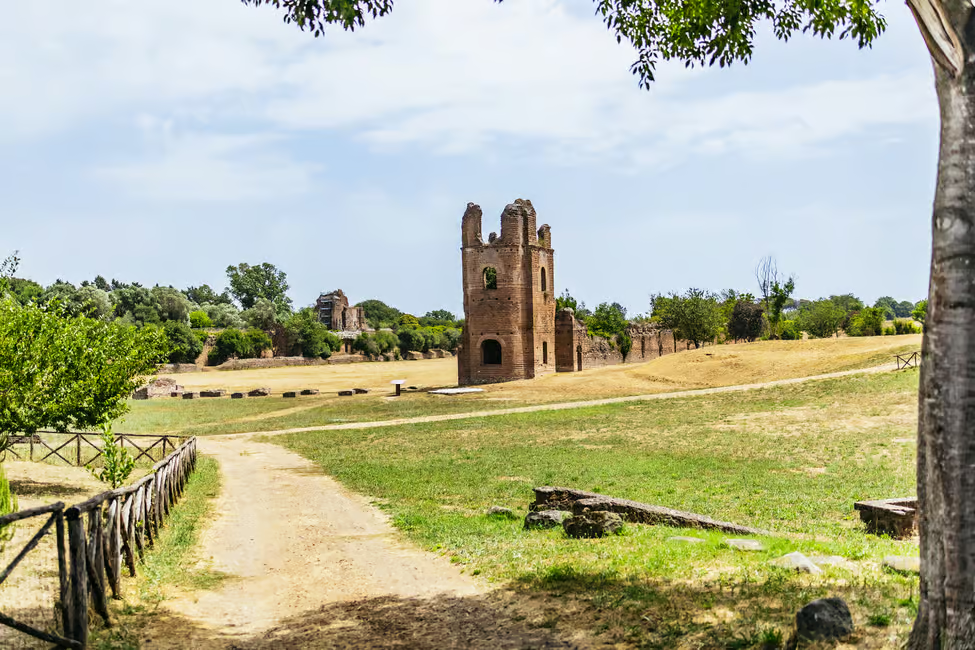
Appian Way
The Queen of Roads—walk on 2,300-year-old Roman paving stones
Explore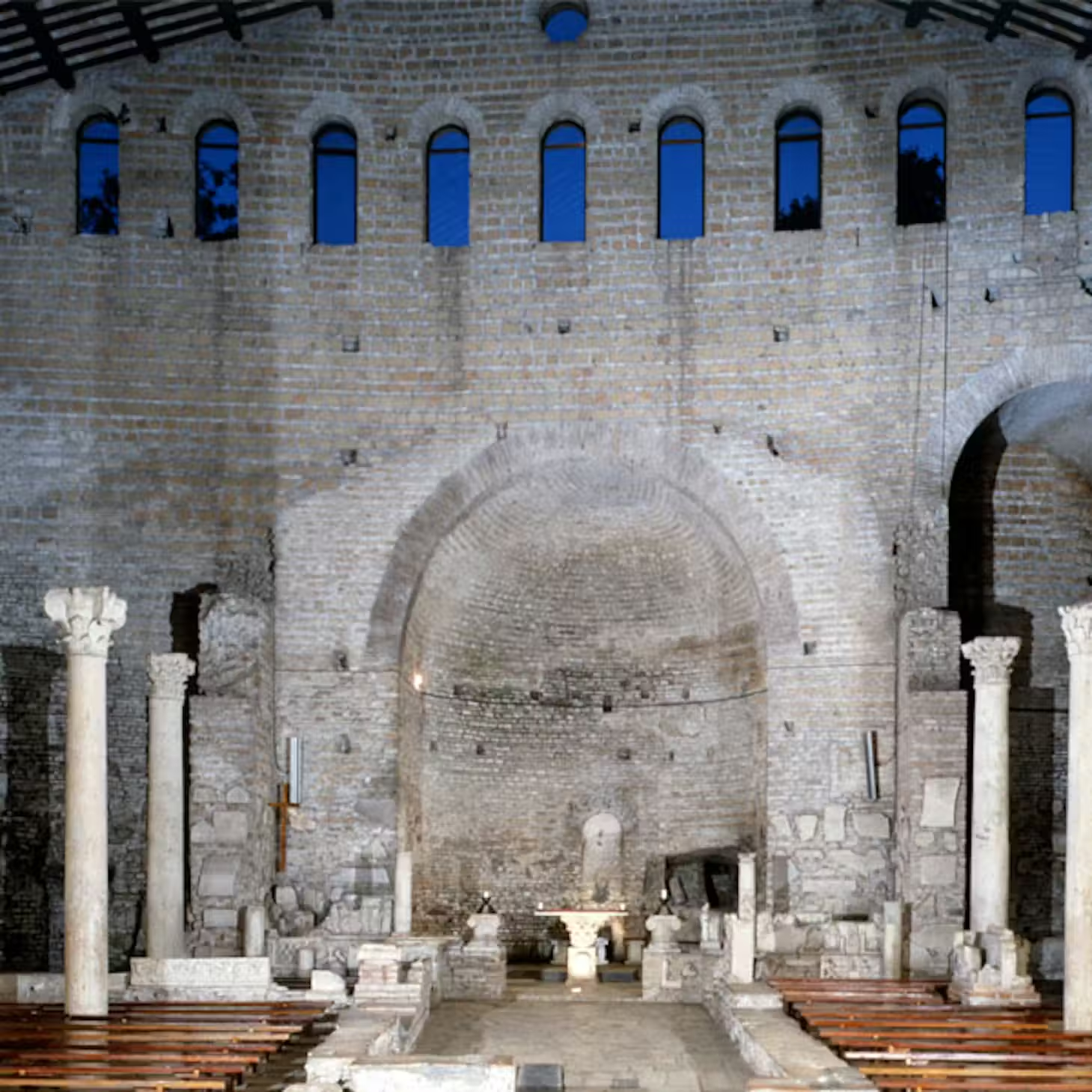
Catacombs of Domitilla
Rome's oldest catacombs—17km of tunnels and underground basilica
Explore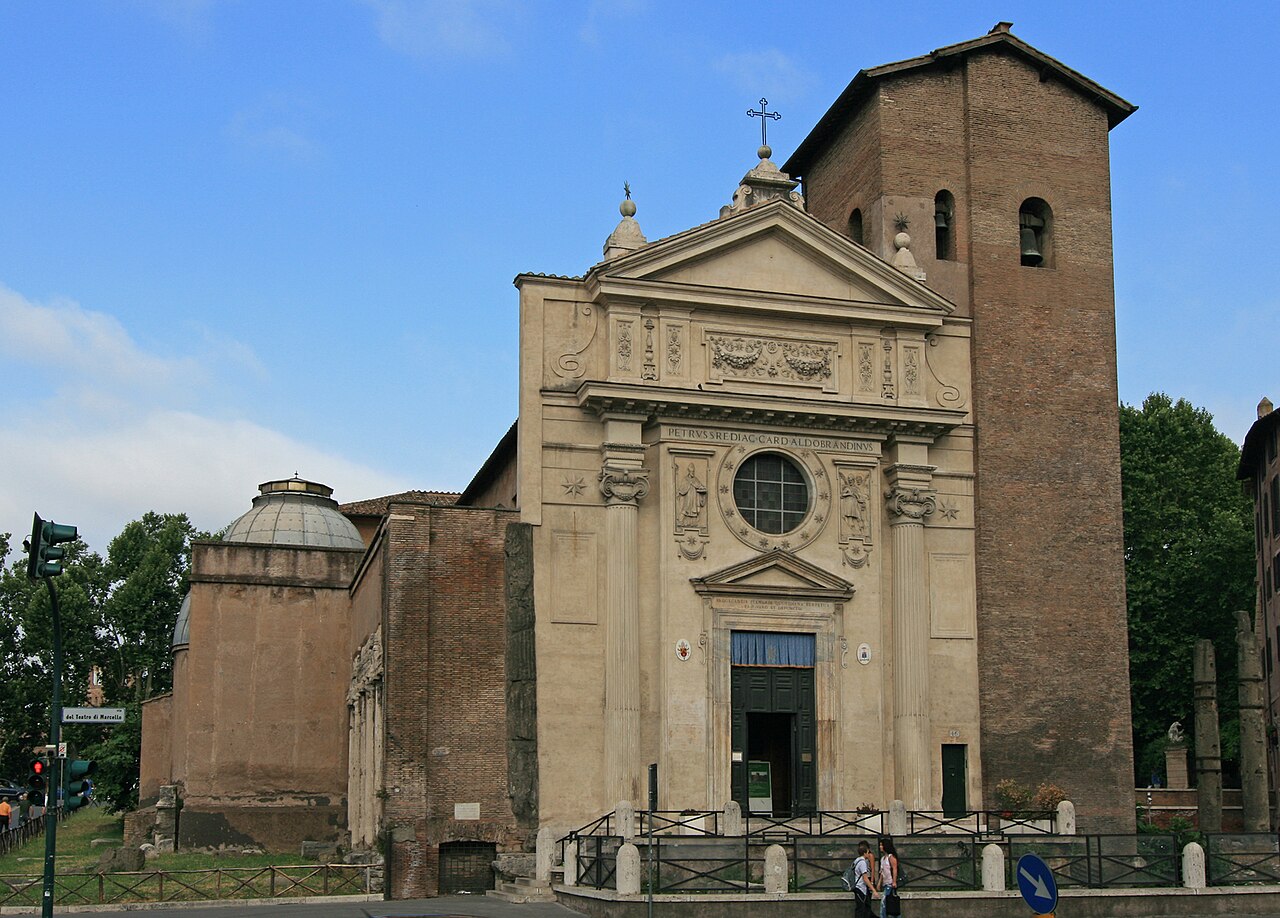
San Nicola in Carcere
Medieval church over three Republican temples; underground access varies
Explore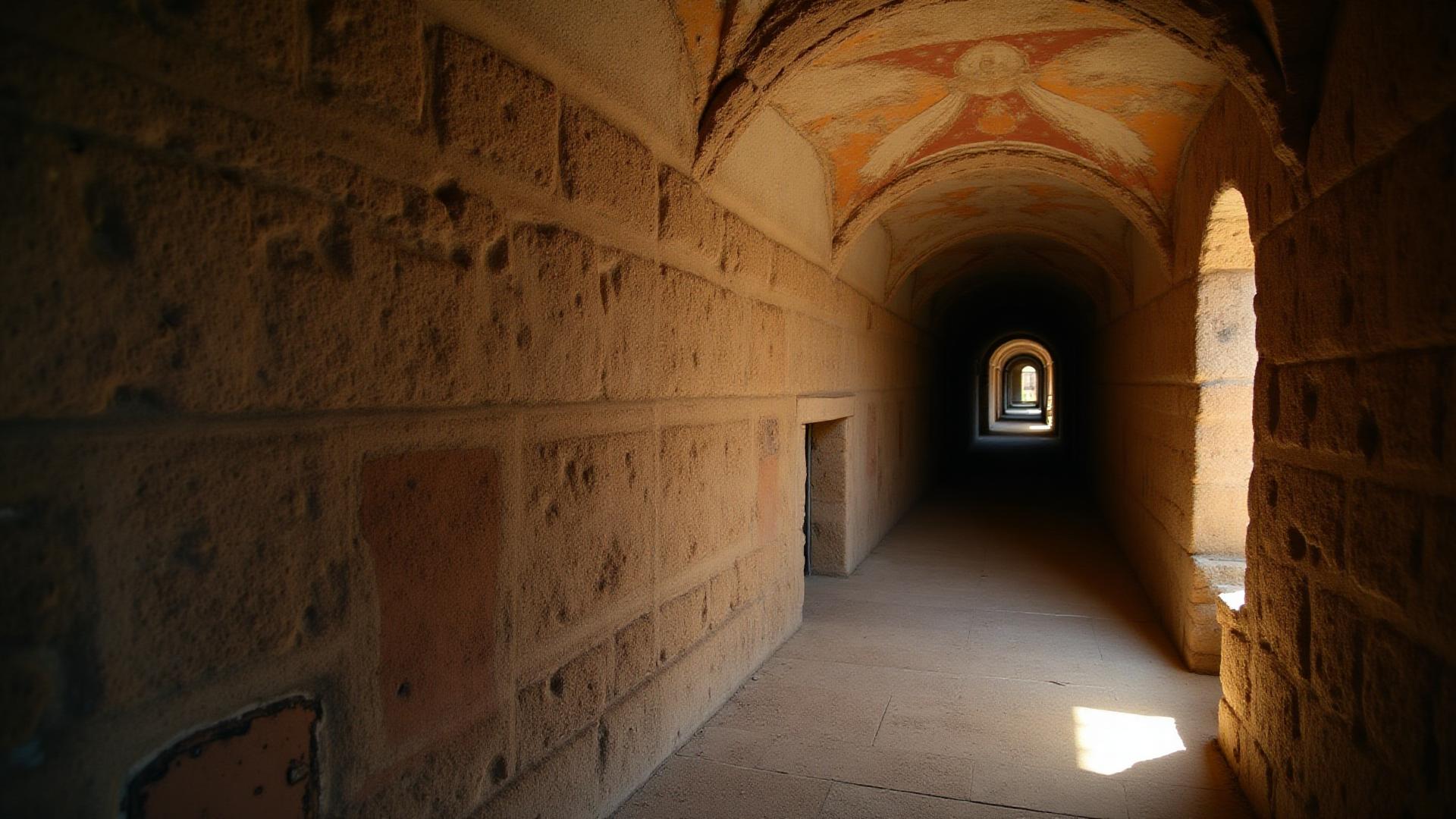
Vigna Codini Columbarium
Three preserved Roman burial chambers with hundreds of niches and frescoes
Explore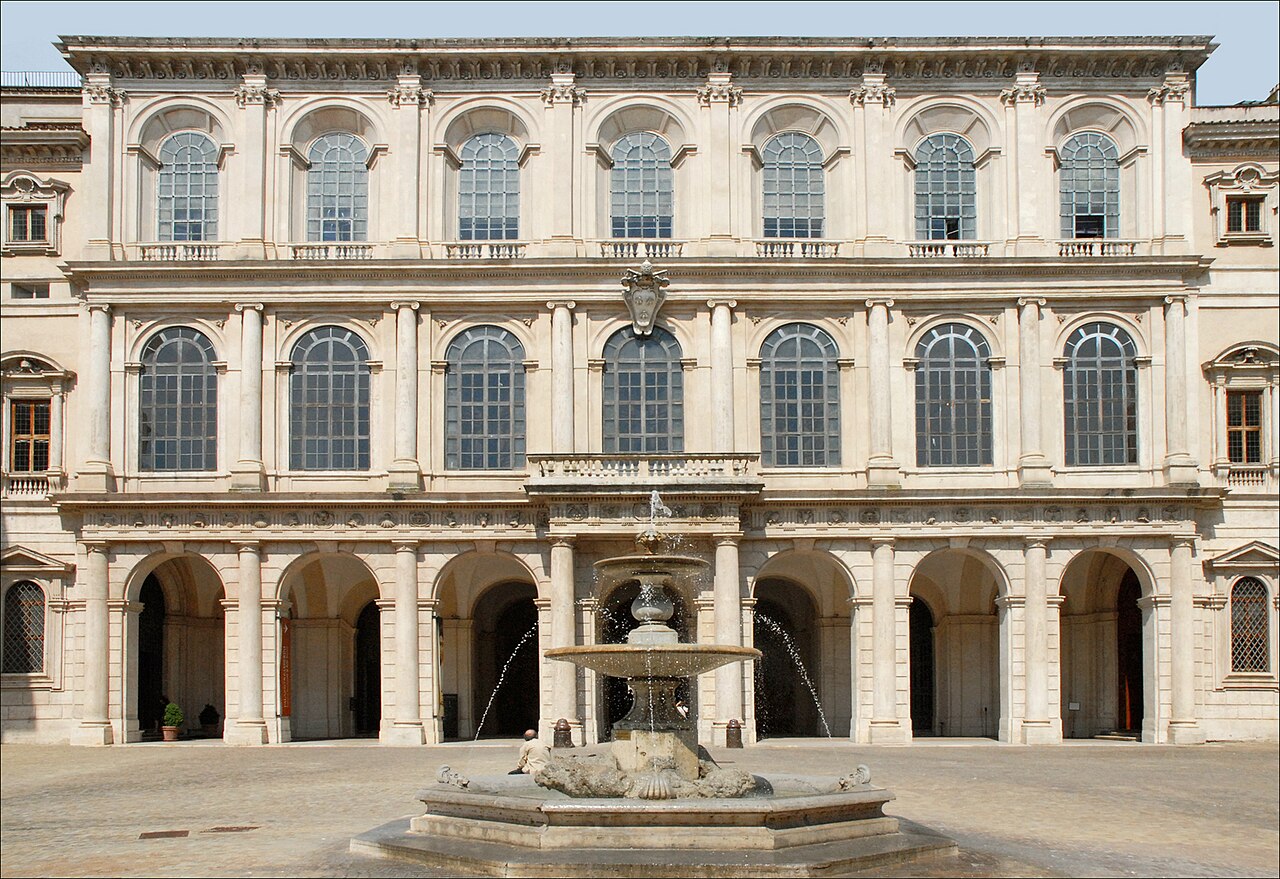
National Gallery of Ancient Art
Palazzo Barberini's Renaissance and Baroque treasures
Explore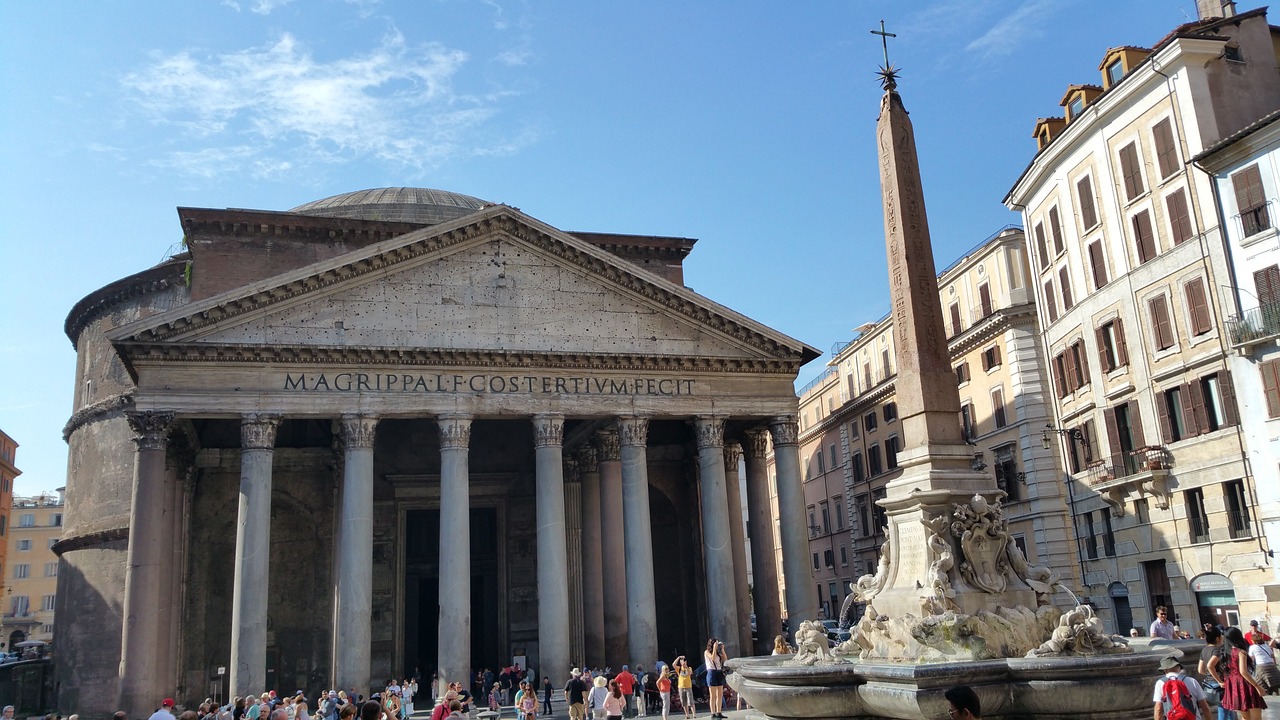
Pantheon
Best-preserved Roman building with the world's largest unreinforced concrete dome
ExploreQuick Planning Guide
⏱️ Time Needed
75 minutes (guided tour)
💰 Cost
€26 with VR; limited €18 admission-only options at specified times
🎫 Reservation
Recommended — book via coopculture.it
♿ Accessibility
Limited — uneven brick, low headroom
📅 Best Time
First visit slots after 09:00, Friday–Sunday
👨👩👧👦 Family Friendly
Better suited to older children — check official age conditions
🌡️ Weather
Underground — constant 10–12°C, bring a jacket
Nearby Attractions
Colosseum5-minute walk
Roman Forum10-minute walk
San Pietro in Vincoli — Michelangelo's Moses5-minute walk
Basilica of San Clemente10-minute walk
Baths of Trajan ruinsin Colle Oppio park, free
Featured In These Itineraries
5 Day Rome ItineraryHidden Gems of RomeClassic Rome in 3 DaysEssential Tips
- ✓ Book ahead on coopculture.it
- ✓ Open Friday, Saturday and Sunday
- ✓ Bring a jacket — 10–12°C underground
- ✓ Educational visit with VR: €26; limited €18 admission-only option available at specified times
- ✓ Check the official calendar when booking