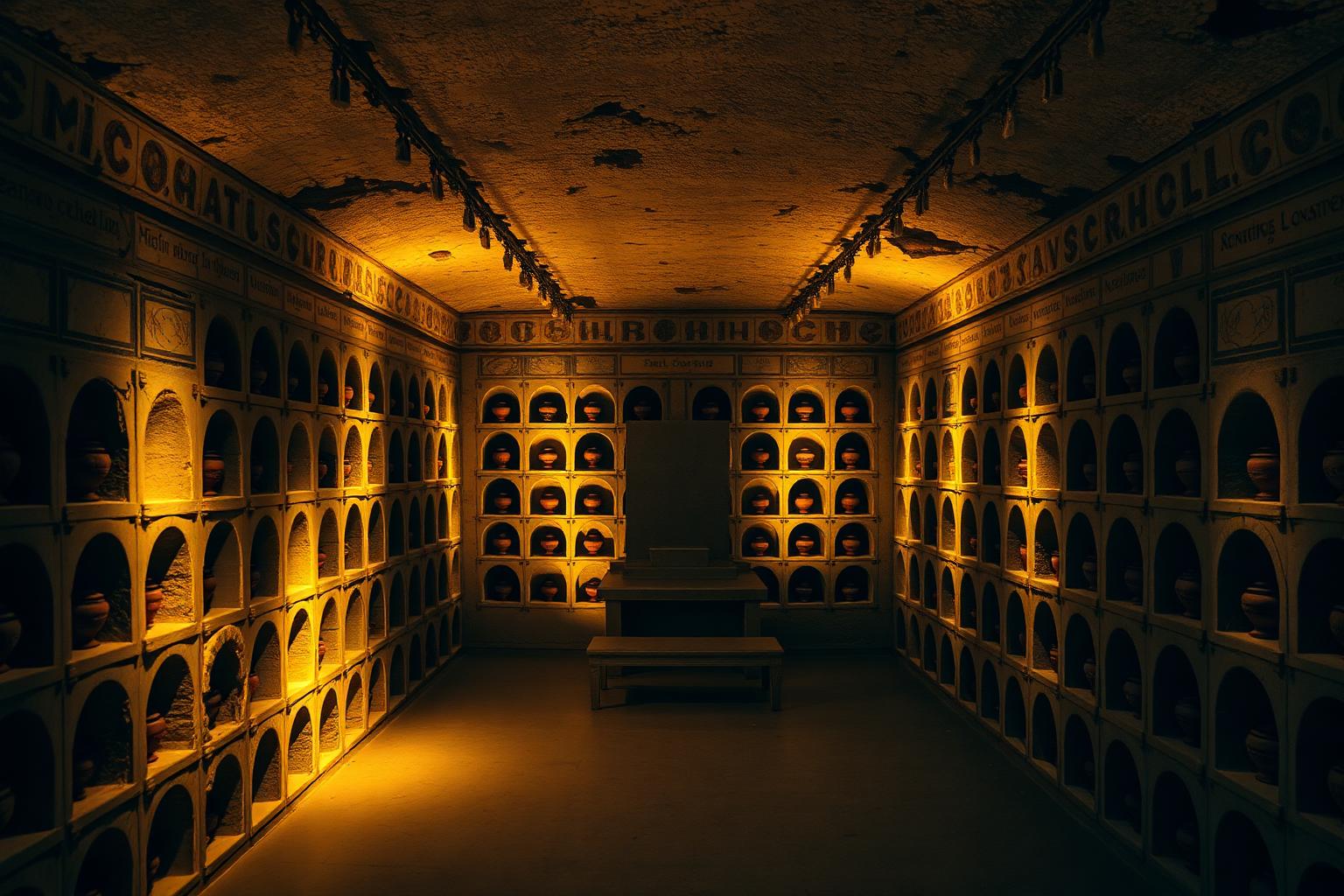
 Imperial-Era Burial Chamber
Vigna Codini Columbarium
Three important imperial-period columbaria preserving funerary niches, inscriptions, paintings and stucco decoration associated with Roman freedpeople and household communities.
1st c. ADLimited openings; reservation requiredPorta LatinaVia di Porta Latina, 00179 RomaOpen on MapPlan Your Visit
Compare tickets, tours and stays — booking ahead usually gives more choice
Get TicketsBook a TourHotels NearbyBy AllTrips Editors••9 min readThe Vigna Codini Columbaria (Italian: Colombari di Vigna Codini) are three important imperial-period columbaria — dug into the tufa of a private estate just inside the Aurelian Walls near Porta Latina, a few hundred metres from the start of the Appian Way. Built during the 1st century AD, they preserve funerary niches, inscriptions, paintings and stucco decoration associated with Roman freedpeople and household communities. The site has limited, irregular official openings and cannot normally be visited as a walk-in attraction; consult the Soprintendenza Speciale di Roma's current programme before planning a visit.
📋 In This Guide
Type
Imperial-period columbaria
Access
Limited official openings
Photos
At archaeologist's discretion
Focus
Freedpeople & household burials
Why Visit Vigna Codini?
Most surviving Roman tombs commemorate emperors and aristocrats. Vigna Codini preserves three important imperial-period columbaria — funerary niches, inscriptions, paintings and stucco decoration associated with Roman freedpeople and household communities. Hundreds of marble plaques name individuals along with their household roles, preserved largely where they were placed in antiquity. Step into one of the chambers and you are surrounded, niche after niche, by evidence of the working population of Roman households — a sociological record with few equivalents in Rome.
The Imperial Household
Burial chambers associated with freedpeople and household communities of the imperial period — inscriptions record individuals and, where preserved, their household roles.
Hundreds of Niches
Walls covered floor to ceiling in tightly packed arched loculi, each with one or two cinerary urns. The architectural definition of a columbarium — and on a scale you'll see almost nowhere else.
Original Latin Inscriptions
Marble plaques in situ name the deceased with their job title and household — a unique epigraphic archive of Roman working life, still where it was placed in the 1st century.
Almost No Tourists
Limited monthly openings, capped at small groups, on a private estate behind a discreet gate. Visitor numbers are consistently very low.
What to See on the Tour
Columbarium I
The first and largest chamber, discovered in 1840. Rectangular plan with niches on all four walls — associated with imperial-period freedpeople and household staff.
Columbarium II
Discovered 1847, decorated with finer stuccowork and frescoes — part of the same imperial-period household community.
Columbarium III
Discovered 1852 — the most architecturally elaborate, with painted niche surrounds and inscriptions naming household members of the period.
In Situ Cinerary Urns
Many niches still hold their original terracotta urns — round, lidded vessels for the cremated remains of one or two persons.
Marble Inscription Plaques
Small rectangular plaques over each niche giving the name, age and household office of the deceased — the heart of the visit.
Frescoes & Stucco
Fragments of 1st-century painted decoration — geometric borders, floral garlands, small mythological scenes between the niches.
Two Millennia Beneath a Vineyard
Built for the Julio-Claudian household, sealed for eighteen centuries, rediscovered by farmers digging a vineyard — the strangest preservation story on the Appian Way.
c. 10–50 ADConstruction
The three columbaria are dug into the tufa of an estate beside the road from the Caelian Hill to the Appian Way — collective tombs for the freedmen, slaves and household servants of the Julio-Claudian imperial family.
1st–2nd c. ADActive Use
Hundreds of cremated members of the imperial familia are interred. The household burial collegium maintains the chambers, holds memorial banquets and adds new inscriptions for over a century.
c. 200 ADInhumation Replaces Cremation
As burial customs shift across the empire from cremation to inhumation, columbaria fall out of use. The Vigna Codini chambers are sealed and forgotten.
271 ADAurelian Walls
Emperor Aurelian builds the new city walls just metres away — the Porta Latina. The columbaria, now beneath farmland inside the walls, vanish from any source for the next 1,500 years.
Middle Ages → 1800A Vineyard Above
The Codini family acquires the estate as agricultural land. Vines are planted directly above the buried chambers; not a single medieval or Renaissance source mentions them.
1840 / 1847 / 1852Three Discoveries
Workers cultivating the vineyard fall through the ground three times in twelve years — uncovering each chamber in turn. The Codini family preserves them privately and opens them to the early Roman archaeological community.
20th c.State Protection
The Soprintendenza takes over conservation. Decades of consolidation work stabilise the friable plaster, the inscriptions and the surviving cinerary urns.
PresentLimited Official Access
The site has limited, irregular official openings and cannot normally be visited as a walk-in attraction. Consult the Soprintendenza Speciale di Roma's current programme before planning a visit. The site remains on the original private estate.
Tickets & Booking 2026
🎟️ Limited Official Openings
The site has limited, irregular official openings and cannot normally be visited as a walk-in attraction. Advance reservation is normally required. Consult the Soprintendenza Speciale di Roma's current programme for dates, prices and any reductions.
⚡ Specialist Private Tour
Licensed Roman-archaeology operators may offer a private specialist guide alongside official access and often combine with the Tomb of the Scipios next door. Check current pricing directly with operators.
📅 Booking Window
Availability and release timing are set by the Soprintendenza Speciale Roma and can change. Check their official site and CoopCulture for the current process before planning a visit.
🌐 Tour Languages
Language availability varies by date and is set by the Soprintendenza. Check the current programme to confirm whether an English-language visit is offered.
Best Time to Visit
Time of Day
Earlier slots: Smaller groups are usual, and it is easier to read the inscriptions with the guide before attention drifts.
Mid-morning: Equally fine underground — the chambers stay cool and stable regardless of street weather.
Late slots: Groups can overlap and time on each inscription tends to be shorter.
Pair with the afternoon Appian Way: Walk south after the visit for a perfect ancient-Rome day.
Season
Spring (Mar–May): Mild aboveground for the Appian Way pairing, and openings are usually more frequent than in midsummer.
Autumn (Sep–Nov): Equal to spring — soft light on the Aurelian Walls and a fuller programme of openings.
Summer: The cool underground air is a relief from Roman heat, but mid-August closures are common — plan around Ferragosto.
Winter: Quietest time of year. Bring a real jacket — the chambers feel colder the longer you stay underground.
Rules & What to Bring
📷 Photography Rules
Photography rules may vary by opening; follow the guide's instructions.
🧥 Bring a Jacket
The chambers stay cool and damp year-round — a light jacket is sensible even in August.
👟 Flat, Grippy Shoes
Original Roman stairs descend 5–7 metres into each chamber — uneven, with low ceilings in places. No heels, no flip-flops.
🎒 Small Bags Only
Tight chambers and protected niches mean no backpacks or tripods. A small handbag only.
🤫 Quiet Voices
Acoustics are intense and the chambers are an active funerary site. Speak quietly, listen carefully — the inscriptions reward attention.
🚫 Do Not Touch
Plaster, inscriptions and urns are extremely fragile. The salt and oils in human skin are the single greatest threat. Hands stay in pockets.
Vigna Codini vs Other Roman Tombs
| Site | Cost | Booking | Highlight | Crowds |
|---|---|---|---|---|
| Vigna Codini Columbarium | See official programme | Limited openings; reservation normally required | Imperial freedpeople, hundreds of inscriptions | Almost none |
| Tomb of the Scipios | €5 | Walk-up OK | Republican-era family hypogeum, sarcophagus of Scipio Barbatus | Low |
| Tomb of the Baker Eurysaces | Free (exterior) | Walk-up OK | Bizarre cylindrical 1st-c. BC tomb at Porta Maggiore | Almost none |
| Catacombs of San Callisto | €10 | Walk-up OK | Crypt of the Popes, Saint Cecilia | High (coach tours) |
| Catacombs of Marcellinus & Peter | From €10 | Required, 2–4 weeks ahead | Early Christian wall paintings | Very low |
Vigna Codini is an unusually rich site for Roman funerary culture and epigraphy, preserving the columbaria of imperial freedpeople. Pair it with the Tomb of the Scipios five minutes away for a republican-meets-imperial tomb day.
Common Mistakes to Avoid
Trying to walk up
There is no walk-in entry. Without a place on an official opening arranged in advance, you'll see only a discreet iron gate on Via di Porta Latina.
Assuming dates are regular
Openings are limited and irregular rather than scheduled monthly. Follow the Soprintendenza Speciale di Roma programme and reserve as soon as a date appears.
Confusing it with the catacombs
Columbaria are pagan cremation tombs of the 1st century AD — not Christian catacombs. Different culture, different rite, three centuries earlier.
Skipping the inscriptions
The whole point of Vigna Codini is the names. Slow down at each plaque — the guide will translate, and a few of the offices are extraordinary.
Skipping the Tomb of the Scipios
The republican-era hypogeum of Rome's most famous family is 5 minutes' walk away and walk-up. Do them together — the perfect tomb-history sequence.
Booking with claustrophobia or back issues
Steep original Roman stairs, low ceilings, no quick exit. Refunds are not granted on tour day.
Nearby Colosseum & Forum Tickets
Vigna Codini is a 25-minute walk from the Colosseum via the Aurelian Walls — if you secure a morning columbarium visit, pair it with a Colosseum afternoon for a quintessential ancient-Rome day.
Colosseum Priority Entrance
Best for: First-time visitors
~2 hoursSkip-the-line access to the Colosseum with entry to Roman Forum and Palatine Hill included. Perfect for first-time visitors.
- Skip-the-line entry
- Colosseum access
- Roman Forum included
- Palatine Hill included
🎟️ Compare Prices:
TiqetsKlookTrip.comColosseum Guided Tour
Best for: History enthusiasts
~3 hoursExpert-led tour with professional guide sharing gladiator history, architecture secrets, and ancient Roman stories.
- Professional English-speaking guide
- Skip-the-line entry
- In-depth historical commentary
- Small group experience
🎟️ Compare Prices:
TiqetsKlookTrip.comColosseum Arena & Underground
Best for: Unique experience seekers
~3.5 hoursWalk where gladiators fought on the arena floor and explore the underground chambers where they awaited their fate.
- Arena Floor access
- Underground chambers access
- Roman Forum & Palatine Hill
- Expert guided tour included
🎟️ Compare Prices:
TiqetsKlookTrip.comPair Your Visit With
Tomb of the Scipios5 minutes' walk — the republican hypogeum of Rome's most famous patrician family. The perfect republican counterpart to Vigna Codini's imperial columbaria.
Appian Way Regional Park15 minutes' walk south through the Porta San Sebastiano — Rome's queen of roads, lined with tombs and monuments for the perfect afternoon extension.
Baths of Caracalla15 minutes' walk — the colossal 3rd-century imperial baths, perfectly positioned between the columbaria and the city centre.
Must-See Highlights
Three important and well-preserved imperial-period columbariaHundreds of original Latin inscriptions naming imperial freedmen and slavesBurial niches still containing terracotta cinerary urns in situFrescoes, stuccoes and decorative motifs from the Julio-Claudian period (1st c. AD)Discovered between 1840 and 1852 on the Codini family estate, untouched since antiquityInscriptions naming individuals and their household roles, part of the imperial-period communityOriginal Roman stairways still in use to descend each chamberAdjacent to the Tomb of the Scipios and the Aurelian Walls — a perfect archaeological half-dayGetting There
🚇 Metro Line A (best)
San Giovanni or Re di Roma — both 10 minutes' walk from Via di Porta Latina. Easiest option from anywhere in central Rome.
🚌 Bus to Porta Latina
Local ATAC buses from San Giovanni in Laterano stop close to Porta Latina — a standard €1.50 ticket. Check current routes and frequencies with ATAC before setting out.
🚶 Walk from the Colosseum
25 minutes via the Aurelian Walls and the Caelian Hill — one of Rome's most beautiful approach walks if the morning weather permits.
Where to Stay Near Vigna Codini Columbarium
Looking for convenient accommodation near Vigna Codini Columbarium? Stay within walking distance to make the most of your visit.
Hotels Near This AttractionTop Rated HotelsBudget-Friendly OptionsLuxury HotelsCentral locations with easy access to Vigna Codini Columbarium and other attractionsFrequently Asked Questions
What makes the Vigna Codini columbaria special?
Three important imperial-period columbaria preserving funerary niches, inscriptions, paintings and stucco decoration associated with Roman freedpeople and household communities. The three chambers sit on a private estate just inside the Aurelian Walls and are visited by very few tourists.
How do I book a visit?
The site has limited, irregular official openings and cannot normally be visited as a walk-in attraction. Consult the Soprintendenza Speciale di Roma's current programme before planning a visit, as dates, group sizes and language availability vary.
How much does it cost?
Ticket prices are set by the Soprintendenza Speciale di Roma and can change; check their current programme for exact fees and any reductions. Specialist private tours through licensed Roman-archaeology operators are also available and may include adjacent sites (Tomb of the Scipios, Aurelian Walls).
What exactly is a columbarium?
A columbarium (Latin for 'dovecote') is a Roman collective tomb built around hundreds of small arched niches, each holding one or two terracotta cinerary urns. They served funerary collegia (burial associations) and the household familiae of wealthy patrons, allowing ordinary Romans, freedmen and slaves to receive proper memorialisation at a fraction of the cost of an individual tomb.
Who is buried in the Vigna Codini columbaria?
The niches and inscriptions are generally associated with Roman freedpeople and household communities of the imperial period, naming individuals along with their household roles — a valuable sociological window into Roman working life, though specific individual attributions should be treated cautiously.
Can I take photos inside?
Photography policy is set at the discretion of the accompanying archaeologist and may change to protect the friable plaster and inscriptions. Confirm on arrival.
Are the columbaria accessible for wheelchair users?
No. Each chamber is reached by a steep flight of original Roman stairs descending 5–7 metres underground. Floors are uneven and ceilings are low in places.
How do I get there from central Rome?
Metro Line A to San Giovanni or Re di Roma, then a 10-minute walk. Buses also serve Porta Latina from San Giovanni in Laterano. Or a 25-minute walk from the Colosseum via the Aurelian Walls — one of Rome's most beautiful approach walks.
Related Attractions
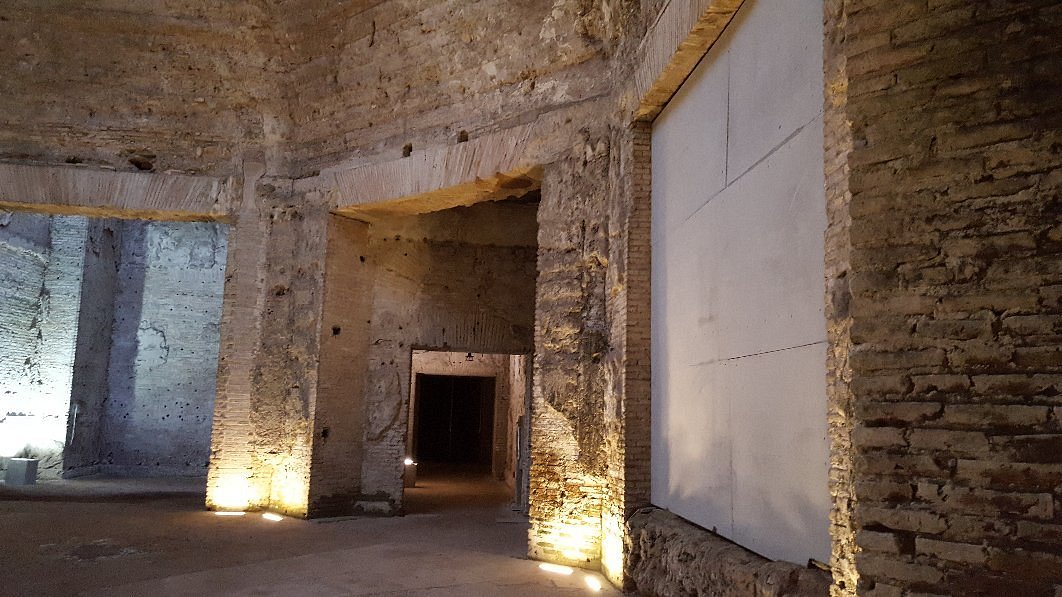
Domus Aurea
Nero's buried Golden House — Friday to Sunday visits, VR tour available
Explore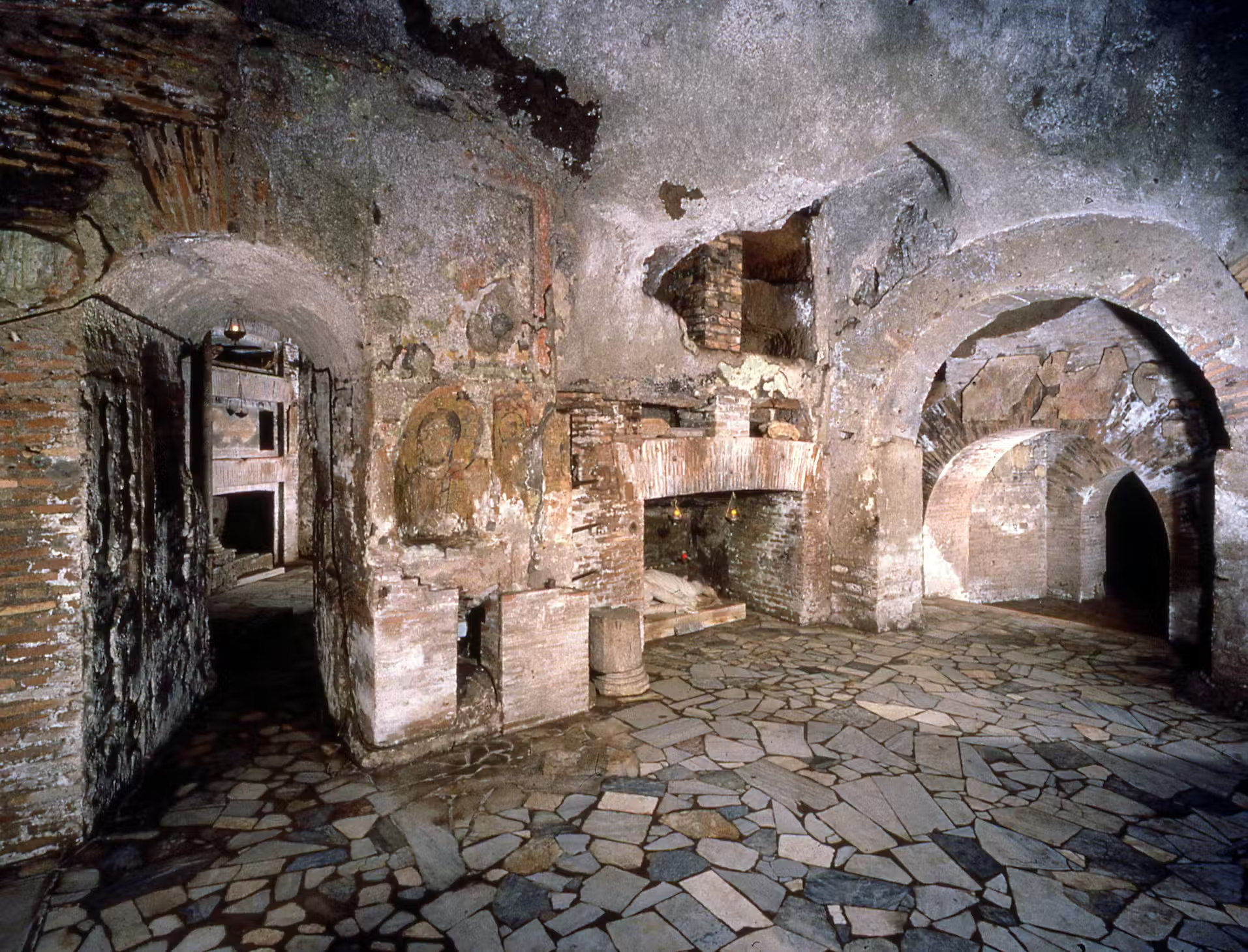
Catacombs of Saint Callixtus
Rome's largest Christian catacombs—20km of tunnels, 16 popes
Explore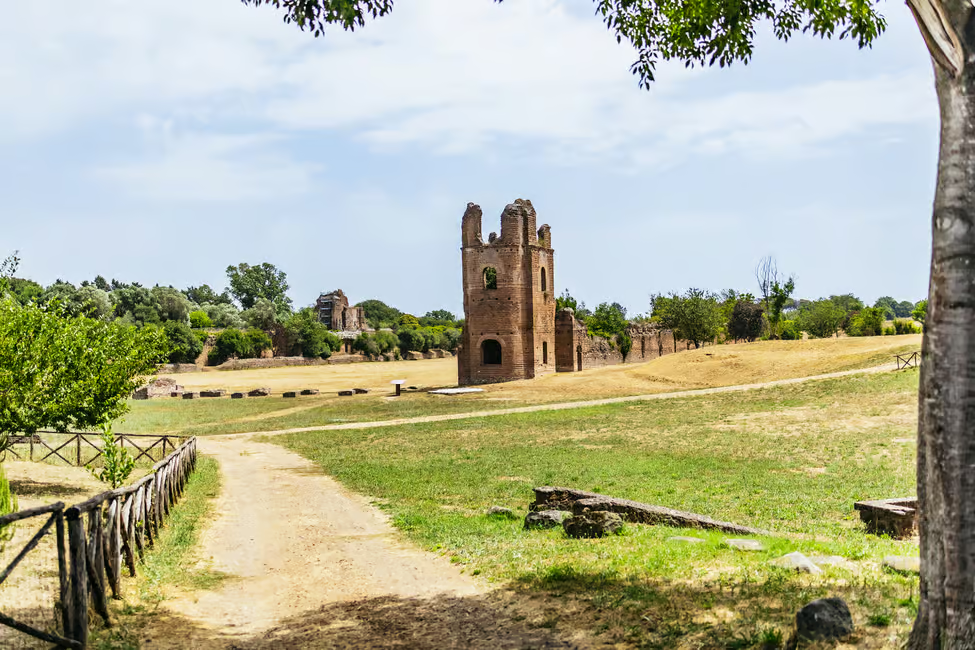
Appian Way
The Queen of Roads—walk on 2,300-year-old Roman paving stones
Explore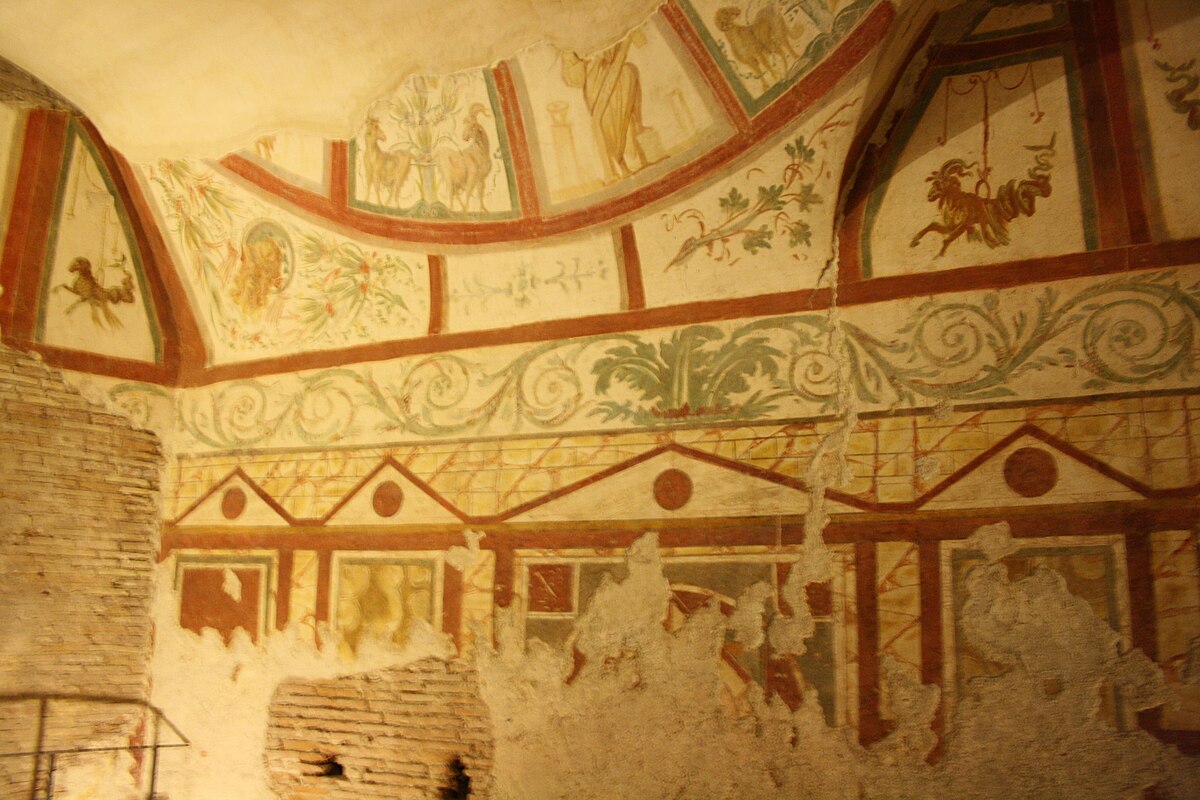
Case Romane del Celio
Late Roman houses with well-preserved frescoes beneath the Caelian Hill
Explore
Prati & Borgo
Elegant neighborhood near Vatican with great restaurants
Explore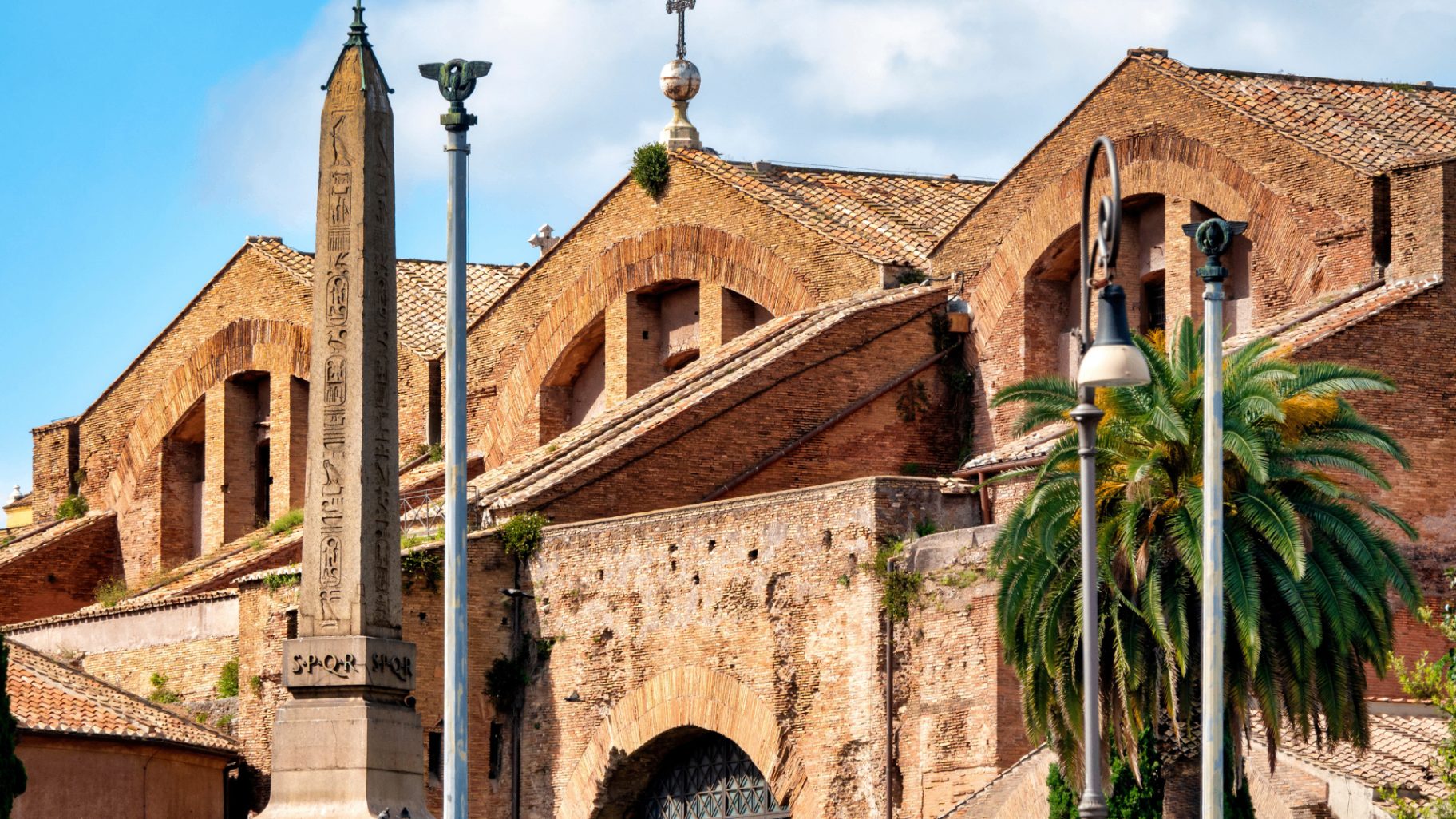
Baths of Diocletian
Ancient Rome's largest baths, now housing the National Roman Museum
ExploreQuick Planning Guide
⏱️ Time Needed
Varies — check official programme
💰 Cost
Set by the Soprintendenza — check current programme
🎫 Reservation
Limited official openings; advance reservation normally required
♿ Accessibility
Not accessible — original Roman stairs
📅 Best Time
See Soprintendenza's current programme
👨👩👧👦 Family Friendly
Recommended for older children and adults
🌡️ Weather
Underground, cool year-round
Nearby Attractions
Tomb of the Scipios5-min walk
Porta Latina & San Giovanni a Porta Latina5-min walk
Aurelian Walls Museum10-min walk
Baths of Caracalla15-min walk
Appian Way15-min walk
Featured In These Itineraries
Hidden Gems of Rome5 Day Rome ItineraryClassic Rome ItineraryEssential Tips
- ✓ Check the Soprintendenza's current programme before planning a visit
- ✓ Bring a light jacket — cool underground year-round
- ✓ Wear flat shoes — original Roman stairs
- ✓ Skip if you have claustrophobia or back issues
- ✓ Combine with the Tomb of the Scipios next door