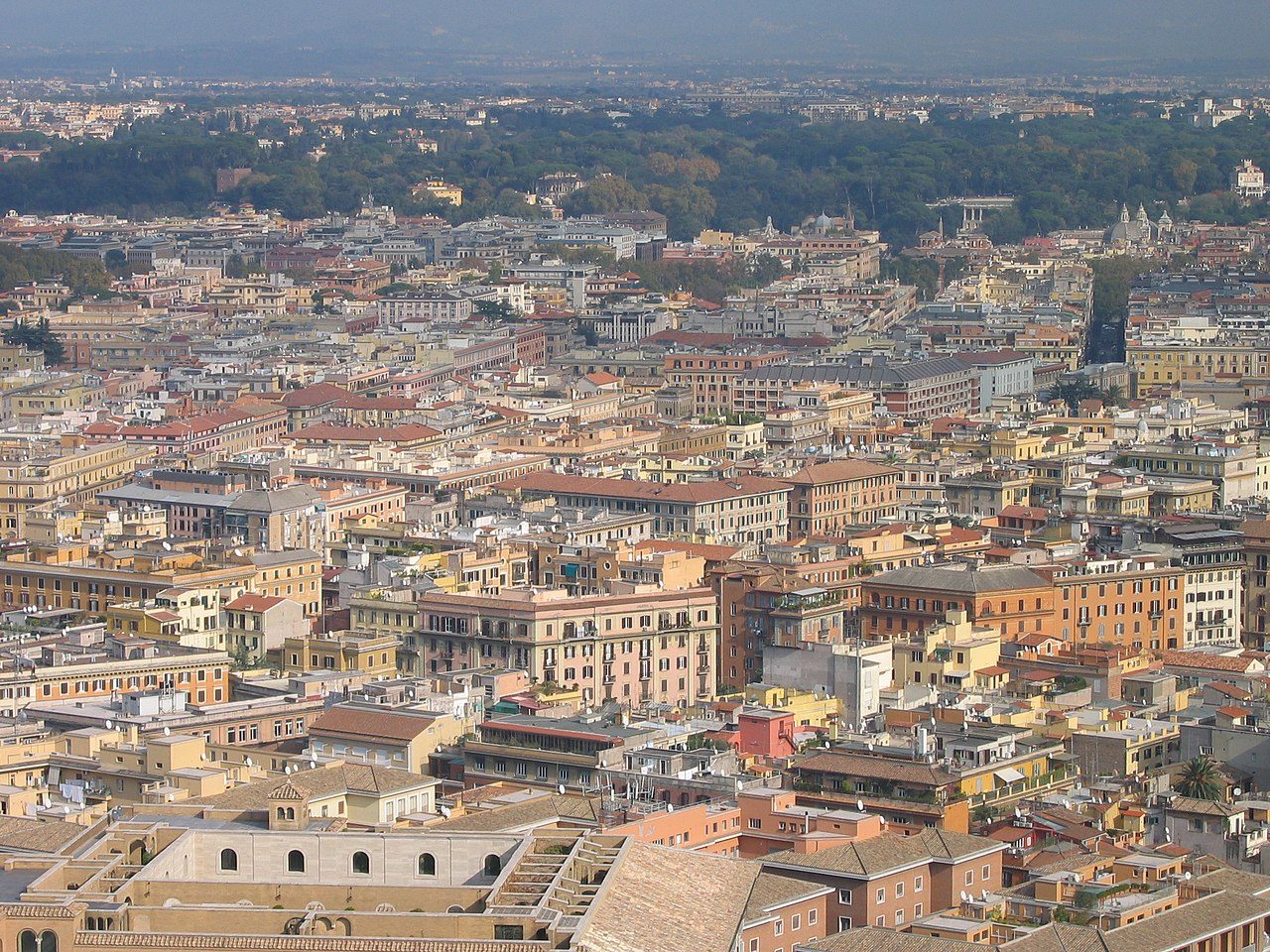
 NeighborhoodFree Entry
Prati & Borgo
The elegant Vatican neighborhood where Romans actually eat — Pizzarium, Castroni and Borgo Pio.
2–3 hoursBest Food Near VaticanAdjacent to St Peter'sTop Shopping StreetRione Prati & Rione Borgo, 00193 Roma RMOpen on MapPlan Your Visit
Compare tickets, tours and stays — booking ahead usually gives more choice
Book a TourHotels NearbyWhy visit Prati & Borgo?
Skip the tourist traps of Via della Conciliazione and step one block north into the real Vatican neighbourhood. Borgo is the medieval pilgrim quarter of Renaissance houses and ecclesiastical tailors that survived the Mussolini demolitions; Prati is the elegant late-19th-century residential grid built after Italian Unification, full of serious trattorias, the city's most famous pizza al taglio (Pizzarium) and Rome's best gourmet delis (Castroni and Franchi). Together they are the obvious base for any Vatican-centred Rome trip.
- Pizzarium & Tordomatto: Gabriele Bonci's pizza al taglio (Rome's best slice) and a Michelin-starred modern Roman kitchen, ten minutes apart.
- Castroni & Franchi: two of Rome's most historic delis, four doors apart on Via Cola di Rienzo — the city's best gourmet shopping concentration.
- Borgo Pio & the Passetto: the medieval pilgrim quarter with the famous 1277 fortified corridor used by popes to flee to Castel Sant'Angelo.
- Elegant Liberty Prati: wide boulevards, Belle Époque apartment blocks and the towering Palazzo di Giustizia on the Tiber.
- Calm and residential: the rare central Rome neighbourhood adjacent to a major monument that still feels like a local quarter, especially at dinner.
Quick facts
Location
Right of the Vatican
Character
Elegant Prati / medieval Borgo
Known For
Pizzarium, Castroni, trattorias
Entry
Free to explore
Metro
Ottaviano / Lepanto (A)
Best Time
Lunch after the Vatican
Shopping
Via Cola di Rienzo, Borgo Pio
Adjacent To
St Peter's & Castel Sant'Angelo
Best Day
Tuesday–Saturday for restaurants
Table of Contents
Jump to any section of the itinerary
A brief history of Prati & Borgo
Borgo is one of the oldest non-classical settlements in Rome — a pilgrim quarter that grew up around the tomb of St Peter from the 4th century onward. By the 9th century it housed organised foreign communities (Saxons, Frisians, Frankish, Lombards) in walled compounds called Scholae, and in 852 Pope Leo IV enclosed the whole quarter with defensive walls — the so-called Leonine City — to protect St Peter's from Saracen raids. In 1277, Pope Nicholas III added the famous Passetto di Borgo, an elevated fortified corridor on top of the Leonine Wall, linking the Vatican Palace to the Castel Sant'Angelo fortress as a papal escape route.
The corridor proved its worth in the Sack of Rome of 1527: on 6 May, mutinous troops of Charles V's army stormed Rome, and Pope Clement VII fled from the Vatican to Castel Sant'Angelo through the Passetto — saved by the heroic stand of his Swiss Guards on the basilica steps (147 of 189 died, an act commemorated annually on 6 May). Borgo itself was sacked for eight months.
In 1500, Pope Alexander VI Borgia had opened a wide new street (Via Alessandrina) for that year's Holy Year, lined with Renaissance apartment blocks — the so-called Spina di Borgo ('spine of Borgo') — running between Castel Sant'Angelo and St Peter's Square. For four centuries this Spina was the dramatic medieval approach to the basilica: visitors emerged from narrow streets into the sudden vast embrace of Bernini's colonnade. In 1936–1937, Mussolini demolished the entire Spina to create the wide ceremonial Via della Conciliazione, opened for the 1950 Holy Year. A thousand families were displaced; the medieval surprise of arrival at St Peter's was lost forever.
Prati is much younger. Until 1870, the area was a flat marshy plain (Prati di Castello — 'meadows of the castle') used by the popes for cattle grazing and military drills. When Rome became the capital of the newly unified Kingdom of Italy that year, the new secular state deliberately developed Prati as an elegant residential quarter for civil servants, lawyers and middle-class professionals — laid out on a perfect orthogonal grid that turns its back on the Vatican (no street in Prati points at the basilica) as a deliberate political gesture.
The vast white-travertine Palazzo di Giustizia (the 'Palazzaccio') was begun in 1889 by Guglielmo Calderini and completed in 1911, anchoring Prati as Rome's professional and judicial quarter. The grid filled in the following decades with elegant Liberty (Italian Art Nouveau) and Umbertine apartment blocks. Castroni opened on Via Cola di Rienzo in 1932 and Franchi in 1925, beginning Prati's reputation as Rome's gourmet shopping street. Pizzarium arrived in 2003, and by the 2010s Prati had cemented its reputation as the city's most reliable food district outside the historic centre. In 2026, despite the millions of pilgrims passing through Via della Conciliazione, the back streets of Prati remain a calm, lived-in residential and gastronomic neighbourhood — the obvious base for any Vatican-centred Rome trip.
Prati & Borgo through the centuries
9th centuryBorgo founded as pilgrim quarter
Saxon, Frisian and Frankish pilgrim communities established 'Schola' districts (residential compounds) around St Peter's tomb. The settlement is enclosed by Pope Leo IV's defensive walls in 852 (the Leonine City).
1277Passetto di Borgo built
Pope Nicholas III constructs the elevated fortified corridor on top of the Leonine Wall, connecting the Vatican Palace with the Castel Sant'Angelo fortress — a 800-metre escape route for besieged popes.
1500Renaissance Borgo planning
Pope Alexander VI Borgia opens Via Alessandrina (the central spine of medieval Borgo) for the 1500 Holy Year, linking Castel Sant'Angelo to St Peter's Square — and lining it with the 'Spina di Borgo' apartment blocks.
1527Sack of Rome — the Passetto saves the Pope
On 6 May 1527, Charles V's mutinous German and Spanish troops storm Rome. Pope Clement VII flees from the Vatican to Castel Sant'Angelo via the Passetto, surviving as 147 of his 189 Swiss Guards die defending him on the basilica steps. Borgo is sacked for eight months.
1870Italian Unification — Prati is born
When Rome becomes the capital of newly unified Italy, the Prati di Castello meadows (north of the Vatican) are drained and developed into a planned grid of wide boulevards — deliberately turning its back on the Vatican to assert the new secular state.
1889Palazzo di Giustizia begins
The vast white-travertine Palace of Justice (the 'Palazzaccio') is started by Guglielmo Calderini on the Tiber, anchoring Prati as Rome's professional and administrative quarter. Completed 1911.
1936–1937Mussolini demolishes the Spina di Borgo
Mussolini demolishes the entire 'Spina di Borgo' — the central spine of Renaissance apartment blocks between Castel Sant'Angelo and St Peter's — to create the wide ceremonial Via della Conciliazione opened for the 1950 Holy Year. A thousand families are displaced and the medieval approach to St Peter's is lost forever.
1980s–2000sFoodie reputation grows
Pizzarium opens in 2003 (Gabriele Bonci) and Tordomatto in 2009 — together with Castroni and Franchi delis they cement Prati's reputation as Rome's most reliable food district outside the historic centre.
2026The Vatican neighbourhood that locals own
Despite millions of pilgrims passing through Via della Conciliazione, the back streets of Prati remain a calm residential and gastronomic neighbourhood where Roman professionals live, eat and shop — and where post-Vatican lunch is reliably better than anywhere on the basilica side.
What to see in Prati & Borgo
Medieval Borgo
- Borgo Pio — the picture-postcard pedestrian street of low Renaissance houses, trattorias and ecclesiastical tailors, surviving the Mussolini demolitions of 1936.
- Passetto di Borgo — the elevated fortified corridor (1277) that allowed popes to flee from the Vatican to Castel Sant'Angelo.
- Castel Sant'Angelo — Hadrian's mausoleum, papal fortress and prison, today a museum with one of Rome's best rooftop views.
- Churches of Santo Spirito in Sassia (the historic hospital chapel of pilgrims) and Santa Maria in Traspontina.
Elegant Prati
- Piazza Cavour — the rione's grand civic square, dominated by the immense Palazzo di Giustizia (the 'Palazzaccio').
- Via Cola di Rienzo — the main shopping artery of central Rome, lined with mid-range fashion, gourmet delis and historic cafés.
- Late 19th-century Liberty (Italian Art Nouveau) and Umbertine apartment buildings — the Haussmann of Rome.
- Tree-lined boulevards on a perfect orthogonal grid — completely different from medieval Rome.
Food highlights
- Pizzarium — Gabriele Bonci's pizza al taglio, routinely cited as Rome's best slice. Tiny, no seating, queue from 12:00.
- Castroni (Via Cola di Rienzo 196) — Rome's most famous gourmet deli since 1932, every imported ingredient and the city's best coffee bar.
- Franchi (Via Cola di Rienzo 200) — historic delicatessen and supplì counter, opened 1925 — the rival to Castroni right next door.
- Trattorias of the back streets: Dal Toscano (Florentine steak since 1923), Osteria dell'Angelo, Tordomatto.
Photogenic corners
- Ponte Sant'Angelo with Bernini's ten angel statues and Castel Sant'Angelo behind — Rome's most photographed bridge.
- Borgo Pio looking west toward the dome of St Peter's at the end of the street — a perfect framed composition.
- The towering Palazzo di Giustizia from Lungotevere Prati at sunset, mirrored in the Tiber.
- Via dei Coronari → Ponte Sant'Angelo at golden hour, looking back toward the centro storico.
Café & sweet stops
- Caffè Sciascia (Via Fabio Massimo 80) — the historic 1919 café famous for the chocolate-and-coffee 'Caffè Eustachio' specialty.
- Pasticceria Antonini — the elegant traditional Roman pâtisserie of Prati (since 1956).
- Fatamorgana Prati — branch of Rome's most creative artisanal gelato (basil-walnut-honey, gorgonzola-pear).
- Canova Tadolini and Sant'Eustachio (just across Ponte Sant'Angelo in the centro storico).
Religious & papal landmarks
- St Peter's Basilica & Square — immediately south of Borgo (separate page).
- Santo Spirito in Sassia — the Anglo-Saxon pilgrim church, attached to Rome's oldest hospital (Santo Spirito).
- Santa Maria in Traspontina — the Carmelite church on the line of the demolished medieval 'Spina di Borgo'.
- Papal ecclesiastical tailors and rosary shops on Via dei Cestari and Borgo Pio — a unique Roman commercial niche.
Borgo — the medieval pilgrim quarter
Borgo (Rione XIV) is the small medieval rione between the Tiber, the Vatican walls and St Peter's Square — historically the residential and commercial quarter for pilgrims to the tomb of St Peter. The name comes from the Saxon word burh ('settlement'), reflecting the Anglo-Saxon and Germanic pilgrim communities that established the original Scholae here from the 8th century onward.
Despite Mussolini's catastrophic 1936–1937 demolition of the central Spina di Borgo for Via della Conciliazione, the rione preserves much of its medieval character on its surviving lateral streets — particularly the pedestrian Borgo Pio (a postcard street of Renaissance houses, ecclesiastical tailors and trattorias that runs parallel to Via della Conciliazione) and the parallel Borgo Vittorio, Borgo Sant'Angelo (along the Passetto) and Borgo Santo Spirito.
Beyond the streetscape, Borgo's headline monuments are Castel Sant'Angelo (Hadrian's mausoleum-turned-papal-fortress), the Passetto di Borgo (the 1277 papal escape corridor), and the medieval churches of Santo Spirito in Sassia (linked to Rome's oldest hospital, founded in 727 for Anglo-Saxon pilgrims) and Santa Maria in Traspontina on Via della Conciliazione itself.
Borgo is best at early evening (18:00–20:00), when the day-tour traffic has left St Peter's, the trattoria tables come out on Borgo Pio, and the light catches the Renaissance façades and the dome of St Peter's at the western end of the street. The most atmospheric medieval quarter in Rome that you can walk in five minutes from the Vatican.
Prati — the elegant 19th-century quarter
Prati (Rione XXII) is the largest and most populous rione of central Rome — a planned grid of wide boulevards, elegant Liberty (Italian Art Nouveau) and Umbertine apartment blocks, leafy piazzas and serious shopping streets, built almost entirely between 1870 and 1920 after Rome became the capital of unified Italy.
The rione's orthogonal grid is one of its most distinctive features in a city otherwise dominated by medieval and Renaissance street plans. It was designed by Viviani and Pio Piacentini as Rome's first modern residential quarter for civil servants and the new professional middle class. The street names celebrate Italian Risorgimento heroes (Cavour, Mazzini, Garibaldi, Cola di Rienzo) and ancient Roman generals (Germanico, Marcantonio Colonna, Scipione, Pompeo Magno) — and crucially, no street in Prati points at the Vatican, a deliberate political gesture by the new secular Italian state.
The two key civic anchors are Piazza Cavour (with the immense Palazzo di Giustizia, the 'Palazzaccio') and Piazza dei Quiriti (with its 19th-century allegorical fountain). The two main commercial axes are Via Cola di Rienzo (running west from Piazza Cavour to Piazza Risorgimento and the Vatican walls — Rome's best mid-range shopping street and home to Castroni and Franchi) and Via Ottaviano (running south from Piazza dei Risorgimento to the Vatican Museums entrance).
From the 2000s, Prati emerged as one of Rome's most reliable gastronomic districts — Pizzarium (2003), Tordomatto, Osteria dell'Angelo, 200 Gradi, Pinsere, Fatamorgana, Gelateria dei Gracchi — and Castroni's standing-bar coffee remains one of the city's serious espressos. Combined with two Metro A stations (Ottaviano, Lepanto), it is the most practical first-time base in central Rome.
Shopping & gourmet delis
Via Cola di Rienzo is the main shopping artery of central Rome's right bank — a 1.5 km elegant boulevard running from the Tiber (Piazza della Libertà) west to Piazza Risorgimento and the Vatican walls. Mid-range Italian fashion (Coin Excelsior department store, Furla, Geox, Calzedonia, Intimissimi, Maglieria, OVS), shoes, lingerie, books, perfumeries — far more practical and far less expensive than Via Condotti.
The street's two world-famous historic delicatessens sit four doors apart:
- Castroni (no. 196) — opened 1932. The most famous gourmet deli in Rome: imported British biscuits and Marmite, German sausages, American peanut butter, Japanese matcha, Sardinian pecorino, every Italian pasta shape, and a serious standing-bar espresso considered one of the city's best.
- Franchi (no. 200) — opened 1925. The legendary historic salumeria: an entire wall of cheeses and cured meats, exceptional supplì and porchetta sandwiches at the takeaway counter, and one of the largest wine selections in Rome.
Beyond Cola di Rienzo, look for the Mercato Trionfale covered market (Via Andrea Doria) — one of Rome's largest covered markets, three minutes from Ottaviano metro. And on Borgo Pio, browse the ecclesiastical tailors and rosary shops (Gammarelli, Mancinelli, De Ritis) supplying vestments to visiting cardinals — a unique Roman commercial niche found nowhere else.
Most shops observe the long Roman lunch break: open Mon–Sat 10:00–13:30 and 16:00–20:00. Sundays mostly closed (some big chains and Castroni open 09:00–14:00).
Where to eat in Prati & Borgo
Pizzarium (Bonci)
Via della Meloria 43, Prati. Gabriele Bonci's tiny takeaway pizza al taglio — long-fermented dough, bold seasonal toppings, sold by weight. Routinely cited as Rome's best slice. Arrive 11:30 or after 14:30 to skip the queue.
Tordomatto
Via Pietro Giannone 24, Prati. Modern Roman kitchen, Michelin-starred. Refined tasting menus, deep wine list — the most reservation-worthy Prati address for a special occasion dinner.
Dal Toscano
Via Germanico 58, Prati. Open since 1923 — the temple of Florentine bistecca alla fiorentina in Rome. Charcoal-grilled T-bones from Chianina cattle, Tuscan wine list, white tablecloths.
Osteria dell'Angelo
Via Bettolo 24, Prati. The classic neighbourhood Roman trattoria — a no-menu set feast of antipasti, pasta, secondi and dessert. Cacio e pepe and amatriciana are the standouts. Reserve 2–3 days ahead.
Velando
Borgo Vittorio 26, Borgo. The most refined option inside Borgo itself — modern Italian, careful wine list, calm room. The reliable Borgo dinner address when you want to stay near St Peter's.
Il Sorpasso
Via Properzio 31–33, Prati/Borgo edge. All-day cicchetti, boards of cured meat and cheese, natural wine list, Italian comfort food. Perfect for a long aperitivo or a casual lunch after the Vatican.
Pinsere & 200 Gradi
Pinsere (Via Flavia, just east) for the famous Roman 'pinsa' (oval flatbread); 200 Gradi (Piazza dei Risorgimento) for excellent stuffed Roman pizza tonda — both ideal cheap lunch alternatives to Pizzarium queues.
Fatamorgana & Gelateria dei Gracchi
Two of Rome's three or four best gelaterias — Fatamorgana for original creative flavours (basil-walnut-honey, gorgonzola-pear, chocolate-tobacco); dei Gracchi for the classic Italian repertoire done at the highest level.
Suggested walking route
A 2–3 hour route from Castel Sant'Angelo through Borgo into Prati, ending at Pizzarium for lunch and an espresso at Caffè Sciascia. Total walking distance: approximately 2.5 km on flat streets and pavements.
1StartCastel Sant'Angelo / Ponte Sant'Angelo
The papal fortressBegin at Bernini's Ponte Sant'Angelo with its ten angel statues. Climb to the panoramic terrace of Castel Sant'Angelo (check the current official ticket price — exhibition supplements may apply) for a 360° view over Prati, the Vatican and the centro storico.
230 minBorgo Pio
Medieval pilgrim quarterWalk south into Borgo and stroll the pedestrian Borgo Pio with its Renaissance houses, trattorias and ecclesiastical tailors. Look for the framed view of St Peter's dome at the western end of the street.
310 minPassetto di Borgo (exterior)
Papal escape routeWalk along Borgo Sant'Angelo to see the exterior of the famous 1277 fortified corridor used by Clement VII to flee the Sack of Rome. Mostly closed inside, but spectacular from below.
420 minPiazza Cavour & the Palazzaccio
Elegant Prati beginsCross north into Prati to the grand Piazza Cavour, dominated by the immense Palazzo di Giustizia (the 'Palazzaccio'). The transition from medieval Borgo to elegant 19th-c Prati is dramatic.
545 minVia Cola di Rienzo shopping
Best deli street in RomeWalk west on Via Cola di Rienzo — the main shopping street of Prati. Browse the boutiques, then visit Castroni (no. 196) and Franchi (no. 200) delicatessens, four doors apart and both Roman institutions since the 1920s and 1930s.
630 minPizzarium for lunch
Rome's best pizza al taglioWalk west on Via Cola di Rienzo, north on Via della Meloria to Via della Meloria 43 — Gabriele Bonci's tiny Pizzarium, routinely called the best pizza al taglio in Rome. No seating; eat standing on the street.
7As neededCaffè Sciascia for an espresso
Historic café finaleWalk back east on Via Fabio Massimo to no. 80 — Caffè Sciascia (1919) for the legendary 'Caffè Eustachio' (espresso poured over a layer of bittersweet chocolate cream). The most refined finish to a Prati day.
Prati & Borgo vs other Rome neighborhoods
| Feature | Prati & Borgo | Trastevere | Monti | Centro Storico |
|---|---|---|---|---|
| Atmosphere | Elegant 19th-c residential | Postcard medieval | Bohemian-designer | Layered antiquity |
| Best for | Food + shopping + Vatican base | Dinner + nightlife | Vintage + aperitivo | Major monuments |
| Distance from St Peter's | 5–10 min walk | 20 min walk | 30 min / Metro A+B | 15 min walk |
| Tourist saturation | Low (back streets) | Very high | Medium | Very high |
| Best meal type | Pizza al taglio + trattorias + delis | Roman trattoria classics | Aperitivo + small plates | Classic Roman dining |
| Shopping | Excellent (Cola di Rienzo) | Limited (souvenirs) | Vintage boutiques | Luxury (Via Condotti) |
| Best base for first-time Rome | Yes — Vatican + metro + food | Atmospheric but loud | Hip but compact | Central but expensive |
Verdict: Prati & Borgo is the only central Rome neighbourhood that combines walking proximity to a top monument (the Vatican), serious daily-life amenities (delis, supermarkets, two metro stations), reliable trattorias and a calm residential atmosphere. It is the most practical first-time base. For nightlife choose Trastevere; for hip vintage choose Monti; for layered antiquity choose the centro storico — but for a Vatican-centred Rome trip, Prati & Borgo wins.
Best time to visit
Time of day
12:30–15:00 — long lunch
Pizzarium peaks, the trattorias open, Castroni and Franchi are firing. The most atmospheric food window of the day.
18:00–20:00 — Borgo magic hour
Borgo Pio empties of pilgrim traffic, trattoria tables come out, light catches the dome of St Peter's at the end of the street.
20:00–22:30 — Roman dinner
All Prati trattorias peak. Reserve for 20:00 or 20:30 for the proper atmosphere.
Avoid 09:00 around St Peter's
Pilgrim coaches arrive en masse. Eat breakfast in Prati and walk to St Peter's after 10:00, or do the Vatican Museums first.
Best day & season
Tuesday–Saturday for restaurants
Most Prati trattorias close on Sunday or Monday. Friday and Saturday dinner needs reservation 3–4 days ahead.
Saturday morning for shopping
Via Cola di Rienzo at peak — locals doing the weekly grocery and clothing shop. Castroni and Franchi packed.
Spring & autumn (peak)
April–early June and September–October give comfortable outdoor lunches and the best Vatican season. Ideal Prati window.
Avoid mid-August
Many Prati trattorias and shops close 2–3 weeks for ferragosto. Vatican Museums also at minimum capacity.
Getting there
Metro Line A — Ottaviano (Vatican Museums)
The closest metro to St Peter's Square (5-minute walk south on Via Ottaviano) and the Vatican Museums (5-minute walk west on Viale Vaticano). The natural starting point for any Vatican-first day.
Metro Line A — Lepanto (heart of Prati)
The middle of Prati, 3 minutes from Castroni and Franchi delis on Via Cola di Rienzo. The best metro for Prati restaurants and shopping.
From the centro storico on foot
15 minutes from Piazza Navona across Ponte Sant'Angelo (Bernini's bridge of angels). The most beautiful arrival into Borgo.
Bus 40, 64, 81 across Ponte Sant'Angelo
Direct buses from Termini, Piazza Venezia and the centro storico cross the Tiber into Borgo. About 15–20 minutes from Termini.
Address
Rione Prati & Rione Borgo, 00193 Rome. Boundaries: the Tiber (east), the Vatican walls (south & west), Piazza Mazzini / Viale delle Milizie (north). Most of the action concentrates between Castel Sant'Angelo and Pizzarium — a 25-minute walk end to end.
Common mistakes to avoid
Eating on Via della Conciliazione
The wide ceremonial avenue between Castel Sant'Angelo and St Peter's is lined with overpriced tourist menus. Walk one block north or south into Borgo or Prati for restaurants where actual Romans eat.
Going to Pizzarium without a plan
Pizzarium is tiny, no seating, takeaway only — and there is always a queue between 12:30 and 14:00. Arrive at 11:30 opening, between 14:30 and 17:00, or after 19:30 for the shortest waits.
Confusing Prati with Borgo
They are two distinct neighbourhoods. Borgo = the medieval pilgrim quarter immediately south of Castel Sant'Angelo and east of St Peter's. Prati = the late-19th-century elegant residential grid north of Borgo. Both are 'next to the Vatican' but they look and feel completely different.
Missing Castroni and Franchi
Two of Rome's most famous historic delis sit four doors apart at Via Cola di Rienzo 196 and 200 — the single best concentration of Italian gourmet shopping in the city. Many Vatican visitors walk straight past.
Booking dinner for 19:00 (too early)
Roman dinner starts at 20:00–20:30. At 19:00 the trattorias are half-empty and the kitchen has just opened. Book for 20:00 or 20:30 for the proper atmosphere — and be aware many close on Sundays or Mondays.
Trying to 'see' the Passetto
The Passetto di Borgo is normally closed to the public; it opens only occasionally via specialised guided tours announced through the current official programme (limited dates, advance booking). Otherwise you can see the corridor from outside on Borgo Sant'Angelo street — that is normal, not a missed opportunity.
Insider tips from locals
Lunch at Pizzarium, dinner in Borgo
The perfect Prati food day: pizza al taglio at Pizzarium for lunch (around 14:30 to skip the queue), an espresso at Castroni, an aperitivo on Via Cola di Rienzo, then a long Roman dinner at Dal Toscano or Velando in the Borgo back streets.
Walk Borgo Pio at 19:00
The pedestrian Borgo Pio empties of day-tour traffic by early evening, when the trattoria tables come out and the ecclesiastical tailors close. The light on the Renaissance façades and the dome of St Peter's at the end of the street is magical.
Castroni is the best espresso near the Vatican
Castroni's standing-bar coffee on Via Cola di Rienzo 196 is among Rome's serious espressos and three minutes from Ottaviano metro — far better than anything immediately outside St Peter's Square.
Stay in Prati, not in Borgo
Prati has the best mix in central Rome of Vatican proximity, metro access (Ottaviano + Lepanto), serious restaurants, neighbourhood feel and value. Borgo hotels are charming but more touristed and the streets are noisier with pilgrim traffic.
Cross Ponte Sant'Angelo at sunset
Walk from Prati across Bernini's Ponte Sant'Angelo into the centro storico just before sunset — the angel statues and Castel Sant'Angelo behind catch the last light, and you arrive in Piazza Navona for aperitivo at golden hour.
Avoid Sundays for shopping
Most Via Cola di Rienzo shops are closed on Sundays (some big chains open). Castroni and Franchi's Sunday hours vary and should be checked before you go. Plan your shopping for Monday afternoon to Saturday to be safe.
Practical visitor tips
Reserve the trattorias
Dal Toscano, Tordomatto and Osteria dell'Angelo book up 2–4 days ahead, especially Friday–Saturday. Reserve via the restaurant's own website or phone, not a third-party app.
Time your Pizzarium visit
Arrive at 11:30 (opening) or after 14:30. Bonci bakes fresh batches throughout the day — the slices that come out of the oven at 13:30 are worth a 15-minute wait.
Best photo spots
Ponte Sant'Angelo with the angels, Borgo Pio framing St Peter's dome, Piazza Cavour at the Palazzaccio, the Tiber from Lungotevere Prati at sunset.
Combine with the Vatican
Best Vatican day: Sistine Chapel + Vatican Museums in the morning, lunch at Pizzarium in Prati (15 min walk), St Peter's in the afternoon, dinner in Borgo. Avoids Vatican lunch crowds.
Where to Stay Near Prati neighborhood
Looking for convenient accommodation near Prati neighborhood? Stay within walking distance to make the most of your visit.
Hotels Near This AttractionTop Rated HotelsBudget-Friendly OptionsLuxury HotelsCentral locations with easy access to Prati neighborhood and other attractionsFrequently Asked Questions
What is Prati and what is Borgo?
They are two adjacent but distinct neighbourhoods immediately next to the Vatican. Borgo (Rione XIV) is the medieval pilgrim quarter between Castel Sant'Angelo and St Peter's, full of low Renaissance houses, ecclesiastical tailors and trattorias. Prati (Rione XXII) is the elegant late-19th-century residential grid built after Italian Unification (from 1870), with wide boulevards, Liberty-style apartment buildings, the Palazzo di Giustizia and the city's best gourmet shopping street, Via Cola di Rienzo.
Why visit Prati and Borgo in 2026?
Two reasons. First: the food. Prati hosts Pizzarium (Rome's most famous pizza al taglio), the historic delis Castroni and Franchi (Italian gourmet at its purest), and a string of serious trattorias (Dal Toscano, Tordomatto, Osteria dell'Angelo) that locals genuinely use. Second: it is the quiet, calm, residential alternative to the crush of Via della Conciliazione — the obvious place to base yourself for any visit centred on the Vatican, with two metro stations (Ottaviano, Lepanto) connecting you to the rest of Rome.
Where exactly are Prati and Borgo?
Both sit on the right (west) bank of the Tiber, immediately north of the Vatican. Borgo runs from Castel Sant'Angelo south to St Peter's Square. Prati runs from Castel Sant'Angelo north to Piazza Mazzini and the Lungotevere. Together they form a roughly rectangular block bounded by the Tiber (east), Vatican walls (south and west), and Viale delle Milizie / Piazza Mazzini (north).
Where should I eat in Prati?
For pizza al taglio: Pizzarium (Via della Meloria 43, Bonci). For Roman trattoria: Osteria dell'Angelo (Via Bettolo 24, set menu). For Florentine steak: Dal Toscano (Via Germanico 58, since 1923). For modern Roman tasting menus: Tordomatto (Via Pietro Giannone 24, Michelin-starred). For supplì and porchetta sandwiches: Franchi deli (Via Cola di Rienzo 200). For pizza tonda: 200 Gradi or Pinsere. For gelato: Fatamorgana Prati or Gelateria dei Gracchi.
Where should I eat in Borgo?
Borgo is smaller and more touristed than Prati, but several reliable spots: Velando (Borgo Vittorio 26) for refined Italian; Il Sorpasso (Via Properzio 31, technically just inside Prati) for all-day cicchetti; Ristorante La Veranda (inside Hotel Columbus) for fine dining in a historic palazzo. Most trattorias on Via della Conciliazione itself are tourist traps — walk one block into Borgo Pio or Borgo Vittorio instead.
What is Borgo Pio?
The signature street of Borgo — a low pedestrian lane of Renaissance houses, ecclesiastical tailors, rosary shops and small trattorias running parallel to Via della Conciliazione but one block north. It survived the 1936 Mussolini demolitions of the Spina di Borgo and remains the most atmospheric medieval streetscape near the Vatican. Best at early evening when the trattoria tables come out.
What is the Passetto di Borgo?
An elevated 800-metre fortified corridor built in 1277 on top of the 9th-century Leonine Walls, connecting the Vatican Palace with the Castel Sant'Angelo fortress. It was designed as a papal escape route and was famously used by Pope Clement VII to flee the 1527 Sack of Rome. The Passetto is normally closed to the public; it is occasionally opened for specialised guided tours announced through the current official programme, and its exterior is freely visible from Borgo Sant'Angelo street.
What is Castel Sant'Angelo?
Originally Hadrian's mausoleum (135–139 AD), then a medieval and Renaissance papal fortress, then a prison, and today a museum. The cylindrical structure sits at the head of Bernini's Ponte Sant'Angelo and offers one of Rome's best rooftop views from its panoramic terrace. Check the current official ticket price (exhibition supplements may apply); open Tue–Sun. Connected to the Vatican by the Passetto.
How do I get to Prati and Borgo?
Easiest: Metro Line A to Ottaviano (north end of Prati, closest to the Vatican Museums) or Lepanto (centre of Prati, closest to Castroni); Pizzarium itself is nearest to Cipro metro station. For Borgo, walk from Castel Sant'Angelo or St Peter's Square. From Termini it is a direct Metro A ride. From the Colosseum it is Metro B → A change at Termini, about 25 minutes. Several city buses cross from the centro storico over Ponte Sant'Angelo — verify the current ATAC routing before relying on it.
Is Prati a good base for first-time Rome visitors?
Yes — it is one of the strongest choices, with trade-offs. Prati combines: walking proximity to the Vatican (5–10 minutes), two metro stations on Line A connecting to Termini and the Spanish Steps, the city's best deli and grocery shopping, serious neighbourhood restaurants, a calm residential atmosphere, and reasonable hotel prices compared to the centro storico. The downside is distance: the Colosseum and Trastevere both need a metro ride or a long walk, and the area is quieter at night than the centro storico. Stay near Ottaviano metro for Vatican-first trips, near Lepanto for a more central feel.
What is Pizzarium and is it really worth it?
Pizzarium is the original 2003 takeaway pizzeria of Gabriele Bonci, the celebrity baker who reinvented Roman pizza al taglio with long-fermented dough, bold seasonal toppings and pay-by-weight slices. It is tiny (no seating), routinely cited as the best pizza al taglio in Rome by critics including Gambero Rosso, and yes — it is worth the queue. Arrive at 11:30 opening or after 14:30 to skip the worst lines.
Why are there so many ecclesiastical tailors in Borgo?
Borgo has supplied the Vatican with vestments, cassocks, mitres, rosaries and liturgical objects for over five centuries. Specialised tailoring shops (some five-generation family businesses) cluster on Borgo Pio, Borgo Vittorio and Via dei Cestari — visiting cardinals and bishops still order their ceremonial clothing here. The shops are open to visitors as boutiques and museums in their own right.
What was the 'Spina di Borgo' that Mussolini demolished?
The Spina ('spine') was the central rectangular block of Renaissance apartment buildings between Castel Sant'Angelo and St Peter's Square — opened by Pope Alexander VI Borgia in 1500 as Via Alessandrina. In 1936–1937 Mussolini demolished the entire Spina and surrounding houses to create the wide ceremonial Via della Conciliazione, opened for the 1950 Holy Year. A thousand families were displaced and the dramatic medieval surprise of stepping out into St Peter's Square was lost forever — replaced by the perspective view we have today.
How does Prati compare with Trastevere?
Prati is more elegant, more residential, more orderly (a 19th-century grid), better for shopping, calmer at night, and closer to the Vatican. Trastevere is more medieval-postcard, more touristed, louder at night, dominated by trattoria dinners and bars. For a serious food day with a Vatican focus and a calm hotel base, choose Prati. For loud nightlife, narrow medieval streets and atmospheric dinner crowds, choose Trastevere.
When is the best time to visit Prati and Borgo?
Spring (April–early June) and autumn (September–October) for comfortable outdoor lunches and the best Vatican season. Borgo is best at early evening (18:00–20:00) when day-tour groups have left and the streets quieten. Prati is liveliest 12:30–15:00 (lunch) and 19:30–23:00 (dinner). Avoid Sundays for shopping (most shops closed) and August for restaurants (many close 2–3 weeks).
Where should I stay in Prati or Borgo?
Prati: streets around Ottaviano metro for closest Vatican access; streets around Lepanto for a more central feel and better restaurants. Borgo: small boutique hotels on Borgo Pio and Borgo Vittorio for atmospheric proximity to St Peter's. The whole rione is well-served by Metro A, with quick connections to Termini, the Spanish Steps and Piazza del Popolo.
Related Attractions
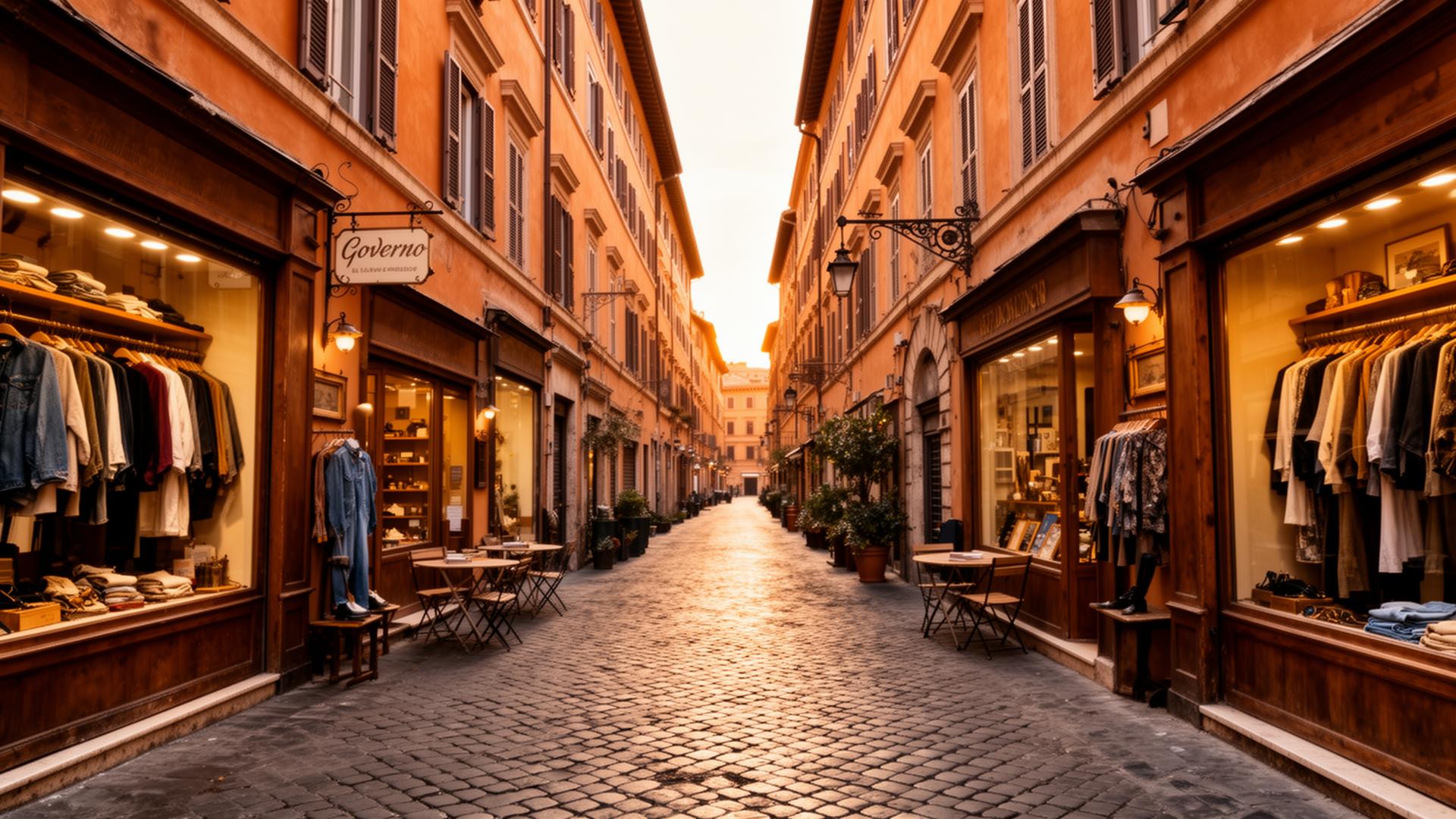
Via del Governo Vecchio
Rome's best street for vintage shopping
Explore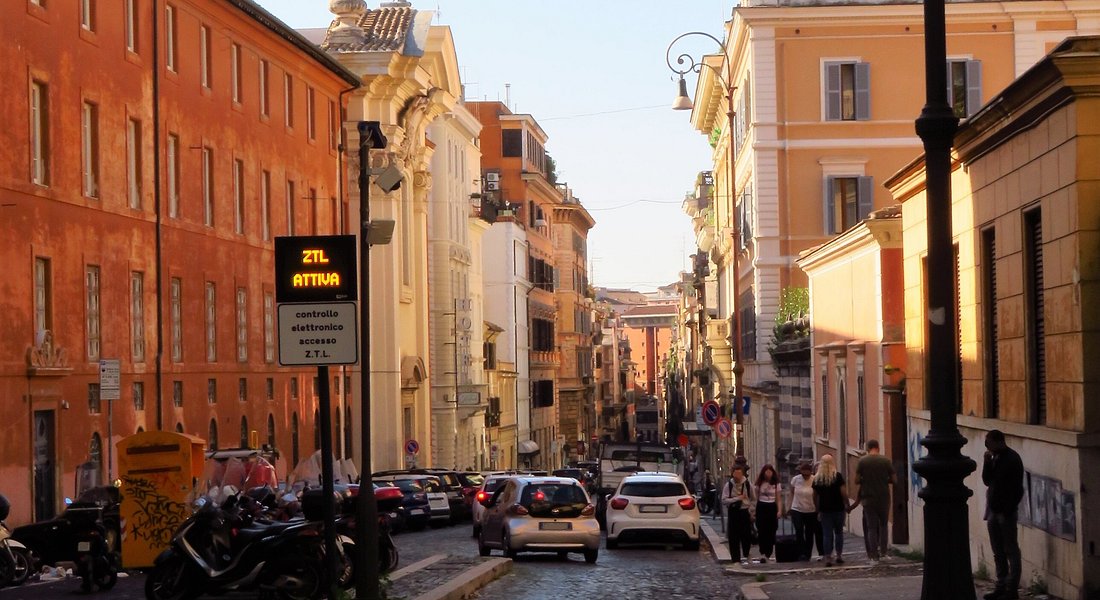
Monti Neighborhood
Rome's trendiest ancient neighborhood with vintage shops
Explore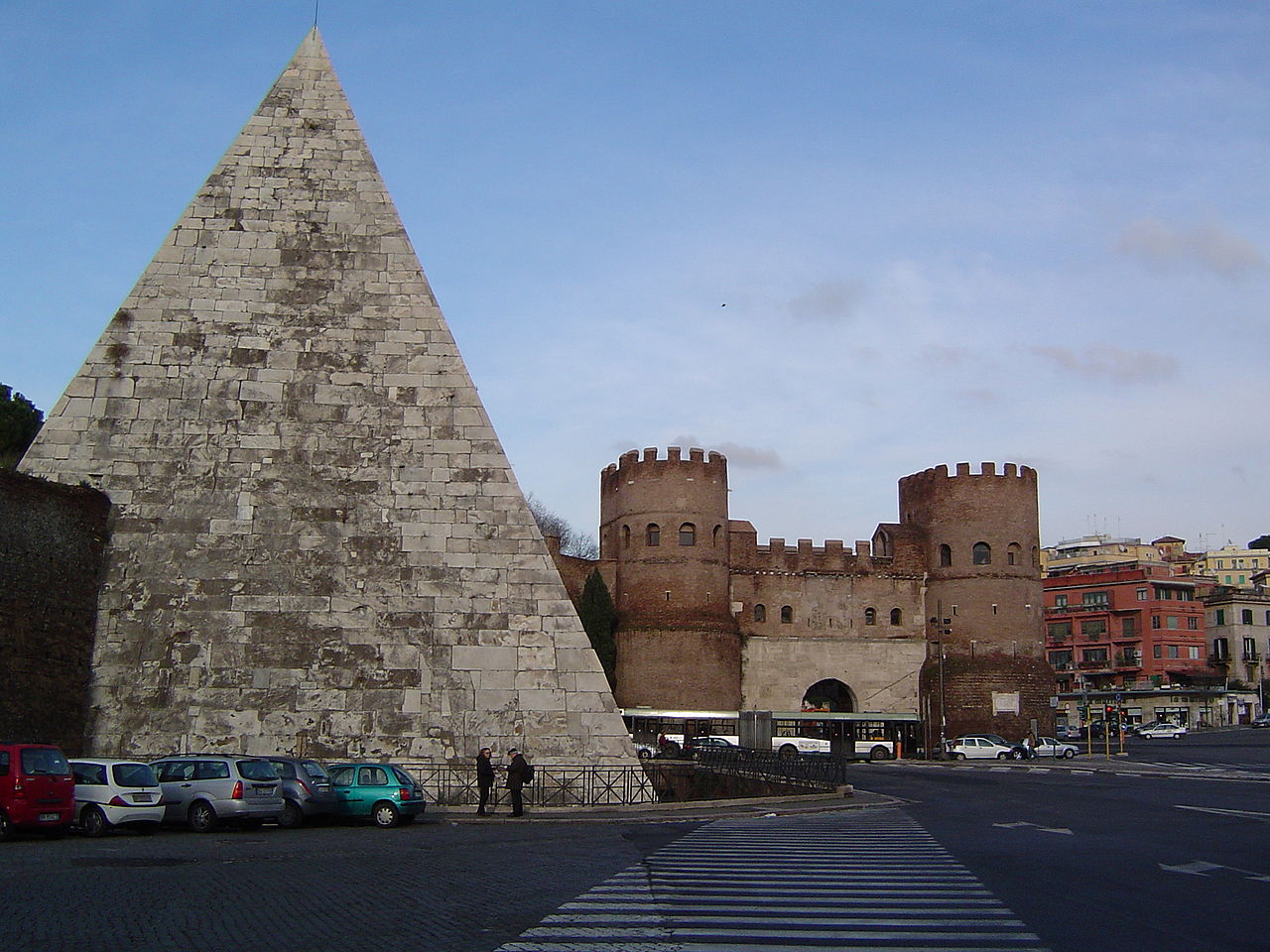
Testaccio
Authentic working-class Rome with the best food
Explore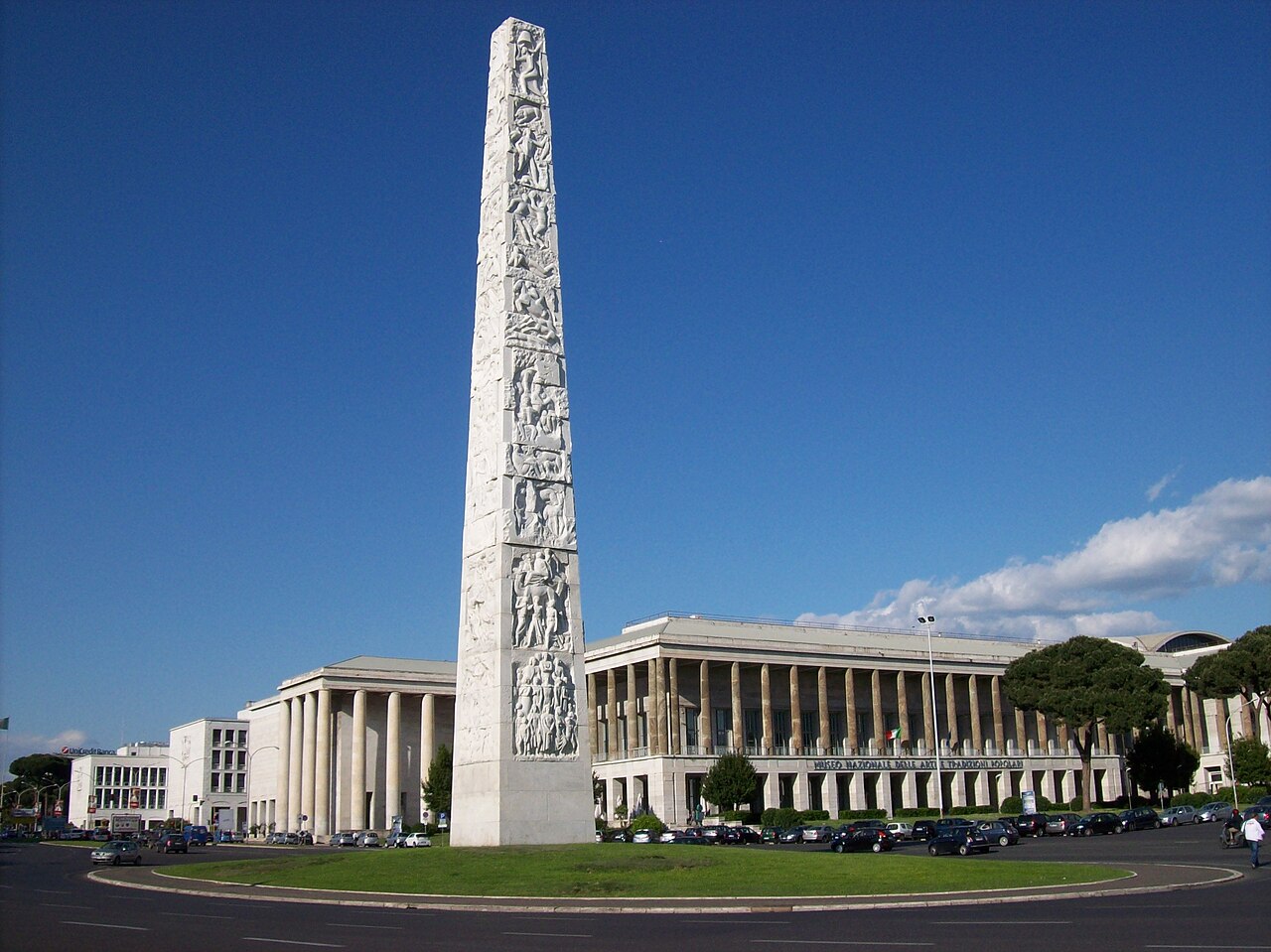
EUR District
Mussolini-era rationalist architecture with Square Colosseum
Explore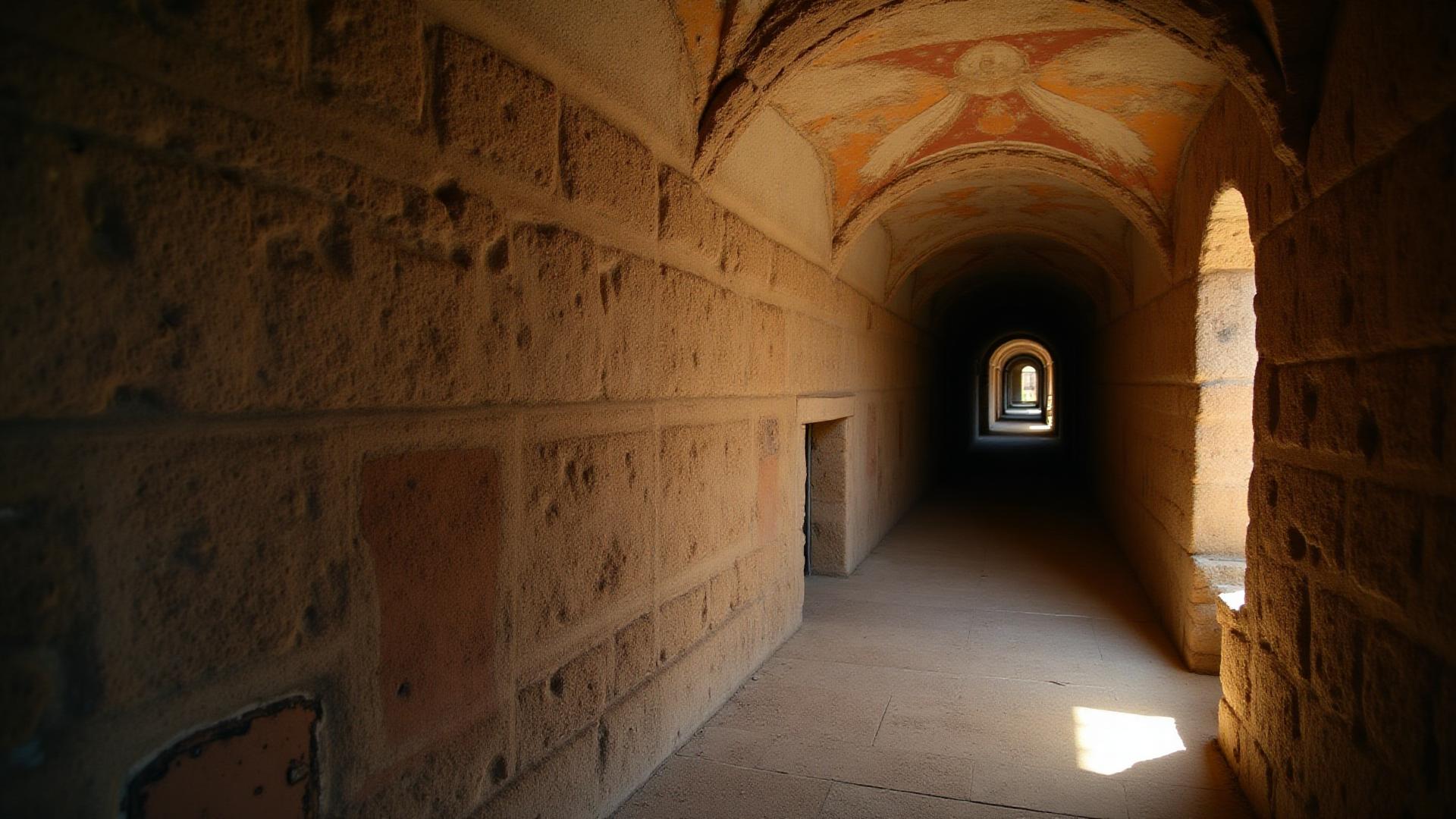
Vigna Codini Columbarium
Three preserved Roman burial chambers with hundreds of niches and frescoes
Explore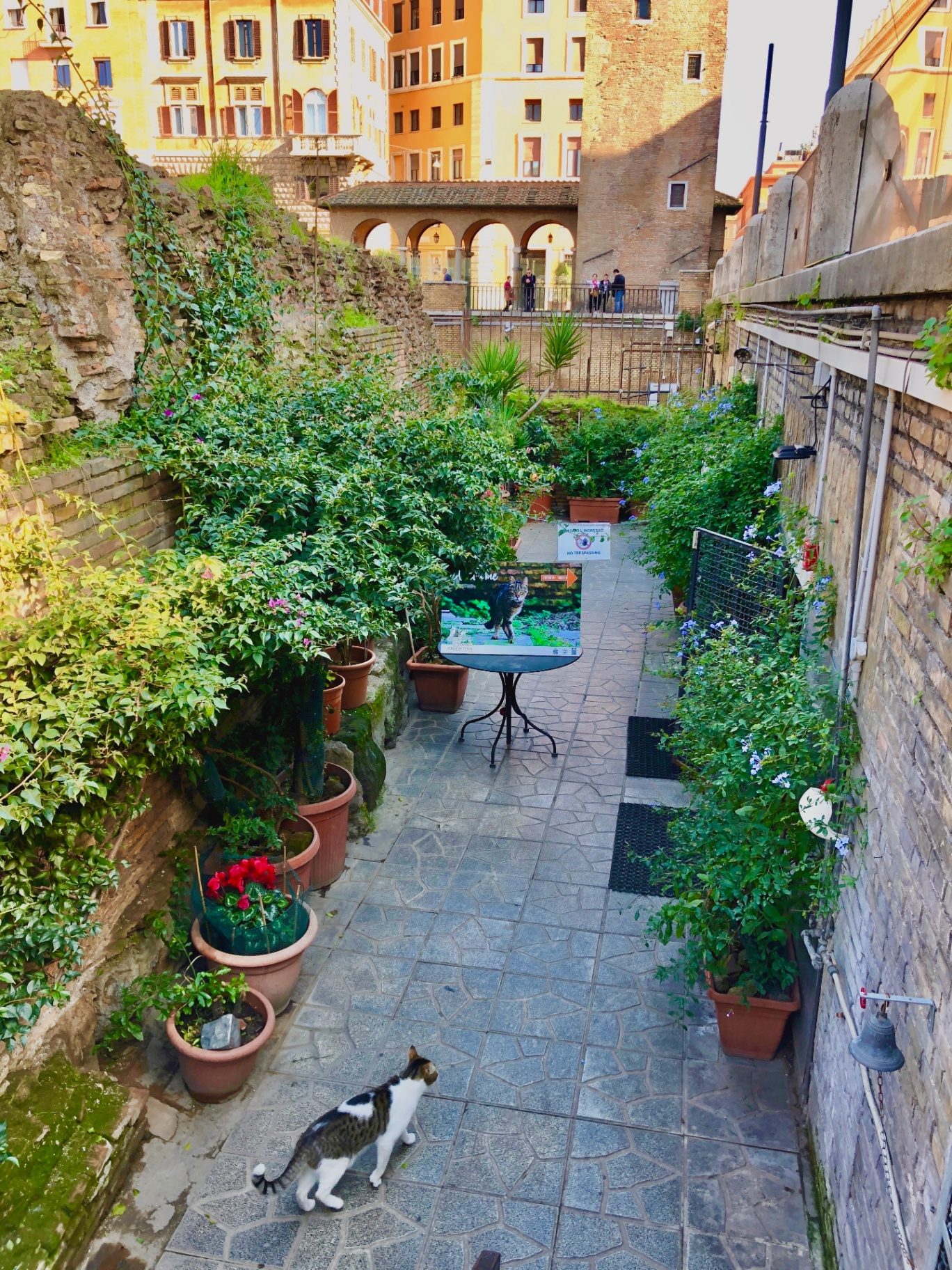
Largo di Torre Argentina
Ancient temples with 130+ rescue cats—history meets heart
ExploreQuick Planning Guide
⏱️ Time Needed
2–3 hours
💰 Cost
Free to explore
🎫 Reservation
For top trattorias
♿ Accessibility
Flat, easy walking
📅 Best Time
Lunch or dinner
👨👩👧👦 Family Friendly
Yes
Nearby Attractions
Vatican Museumsadjacent
St Peter's Basilicaadjacent
Castel Sant'Angeloin Borgo
Janiculum Hill15-minute walk
Featured In These Itineraries
Classic Rome in 3 DaysRome Like a Local4-Day RomeEssential Tips
- ✓ Pizzarium for Rome's best slice
- ✓ Castroni & Franchi delis side-by-side
- ✓ Borgo Pio at early evening
- ✓ Metro A: Ottaviano or Lepanto