 Neighborhood
Testaccio
Rome's authentic food neighborhood — where locals eat and cucina romana was born.
2–3 hoursFree EntryBest Food in RomeCave NightlifeRione Testaccio, 00153 Roma RMOpen on MapPlan Your Visit
Compare tickets, tours and stays — booking ahead usually gives more choice
Book a TourHotels NearbyWhy visit Testaccio?
Skip the tourist trattorias of the centro storico and eat where Romans eat. Testaccio is the city's authentic working-class quarter — built around Monte Testaccio, a hill formed from an estimated 50–53 million broken Roman amphorae — and home to one of Rome's best food markets and its most legendary trattorias. Add an ancient pyramid, a romantic poets' cemetery and nightlife venues carved into cellars cut into the mound of ancient pottery for one of Rome's most distinctive neighbourhoods.
- Foodie capital of Rome: Felice, Da Remo, Flavio al Velavevodetto and Perilli — the city's most famous trattorias all sit within four blocks.
- Mercato di Testaccio: Rome's best food market, with the legendary Mordi e Vai panino and Casa Manco pizza al taglio.
- Pyramid & Cemetery: Rome's only ancient pyramid (12 BC) and the romantic cemetery where Keats and Shelley are buried.
- Monte Testaccio: a 35-metre hill formed from an estimated 50–53 million ancient amphorae, with nightlife venues in excavated cellars and occasional archaeological tours of the summit.
- Genuinely local: the rare central Rome neighbourhood where residents still outnumber tourists, especially at the market and on weekday evenings.
Quick facts
Known For
Best food in Rome
Location
South of Aventine, on the Tiber
Top Sights
Pyramid, Market, Monte Testaccio
Entry
Free to explore
Best Time
Lunch (market) or evening (dinner)
Metro
Piramide (Line B)
Nightlife
Clubs in Monte Testaccio caves
Market Days
Mon–Sat, 7:00–15:30
Local Hub
Mercato di Testaccio (Via Beniamino Franklin)
Table of Contents
Jump to any section of the itinerary
A brief history of Testaccio
In antiquity, the area now known as Testaccio was the warehouse district behind Rome's great river port — the Emporium, built in the 2nd century BC where ships from across the empire unloaded grain, wine, marble and especially the millions of amphorae of olive oil shipped from southern Spain. Because the porous clay absorbed the rancid residue and could not be reused, the empty jars were broken and stacked in careful layers behind the warehouses. Over three centuries, this discard heap grew into a 35-metre artificial mountain — the famous Monte Testaccio ('mountain of pottery shards'), which still gives the rione its name.
In 12 BC, the Roman magistrate Gaius Cestius was buried in a striking Egyptian-style pyramid at the edge of the future rione, faced in pristine Carrara marble — Rome's only surviving ancient pyramid. Three centuries later, Emperor Aurelian incorporated it as a bastion into his great defensive walls (271–275 AD) at Porta San Paolo, saving it from the medieval demolitions that destroyed almost every other ancient monument outside the city centre.
Through the medieval and early-modern centuries, Testaccio remained sparsely populated — meadows, vineyards and the river port. In 1716, Pope Clement XI granted permission for a Non-Catholic Cemetery next to the Pyramid for foreigners and Protestants who died in Rome. By the early 1800s it had become one of Europe's most beautiful cemeteries — the final home of Keats, Shelley, Antonio Gramsci and hundreds of artists and exiles.
The decisive transformation came with the Mattatoio — Rome's vast municipal slaughterhouse — which opened in Testaccio in 1891 and employed thousands of locals. Workers were paid partly in quinto quarto (the offal cuts the wealthy did not want), and the trattorias clustered around the slaughterhouse turned these cheap cuts into the dishes that now define cucina romana: coda alla vaccinara, rigatoni alla pajata, trippa alla romana, sweetbreads. The historic open-air Testaccio Market opened on Piazza Testaccio in 1907 to feed the worker families.
From the 1970s and 1980s, cellars excavated into the flanks of Monte Testaccio — some previously used for wine storage — were converted into nightclubs and restaurants, making the rione a late-night centre of Rome; the specific venues have changed over the decades. The slaughterhouse closed in 1975 (its great industrial complex now houses the Mattatoio di Roma, formerly MACRO Testaccio, museum and Roma Tre architecture), and in 2012 the historic market relocated to a modern, light-filled covered hall on Via Beniamino Franklin, adding a famous cluster of street-food counters that has drawn food pilgrims from across the world. In 2026, Testaccio remains one of the city's most authentic cucina romana neighbourhoods — where trattorias such as Felice, Da Remo, Flavio and Perilli have long drawn Romans first, travellers second, though as with any restaurant scene, current status is worth checking before you go.
Testaccio through the centuries
2nd century BCThe Emporium river port
Rome builds the great Emporium — a vast commercial port on the Tiber where ships from across the empire unloaded grain, wine, oil and marble. Testaccio is the warehouse district behind it.
12 BCPyramid of Cestius built
Roman magistrate Gaius Cestius commissions an Egyptian-style pyramid as his tomb, completed in 330 days during Rome's post-Cleopatra Egyptmania. Faced in white Carrara marble.
1st–3rd century ADMonte Testaccio forms
Broken amphorae from the port — mostly Spanish olive-oil jars, impossible to recycle because porous oil-soaked clay turned rancid — are stacked in careful layers behind the warehouses, slowly forming a 35-metre artificial mountain.
271–275 ADAurelian Walls absorb the Pyramid
Emperor Aurelian builds his great defensive walls to protect Rome and incorporates the Pyramid as a bastion at Porta San Paolo — saving it from medieval demolition.
1716Non-Catholic Cemetery founded
Pope Clement XI permits the burial of non-Catholic foreigners in a meadow next to the Pyramid. The cemetery later becomes the resting place of Keats, Shelley, Gramsci and hundreds of artists, diplomats and exiles.
1888–1891The Mattatoio (slaughterhouse)
Rome's vast new municipal slaughterhouse opens in Testaccio, designed by Gioacchino Ersoch. It employs the entire neighbourhood and gives birth to the cucina del 'quinto quarto' — the offal cuisine that defines Roman cooking.
1907Testaccio Market (first hall)
The historic Testaccio Market opens as an open-air pavilion on Piazza Testaccio — feeding generations of Roman families and becoming the city's most beloved daily market.
1970s–1980sCaves become nightclubs
Cellars excavated into the flanks of Monte Testaccio, some previously used for wine storage, are converted into nightclubs and restaurants, making Testaccio the late-night centre of Rome. Specific venues have opened and closed over the decades.
2012New covered market opens
The market relocates to a modern, light-filled covered hall on Via Beniamino Franklin. Street-food counters (Mordi e Vai, Casa Manco) explode in popularity, drawing food pilgrims from across the world.
2026Rome's foodie capital
Testaccio remains the city's purest cucina romana neighbourhood — locals genuinely outnumber tourists, and Rome's most famous trattorias (Felice, Da Remo, Perilli, Flavio) still pack their tables every night.
What to see in Testaccio
Pyramid of Cestius (12 BC)
- A 36-metre Egyptian-style pyramid built in just 330 days as the tomb of magistrate Gaius Cestius — Rome's only surviving ancient pyramid.
- Faced in pristine white Carrara marble, embedded into the 3rd-century Aurelian Walls at Porta San Paolo.
- Interior frescoed burial chamber open to guided tours on selected weekends (book ahead via Coopculture).
- Sits at the entrance to Testaccio next to the beautiful Non-Catholic Cemetery — one of Rome's most surreal monuments.
Testaccio Market (Mercato di Testaccio)
- Rome's single best food market — moved in 2012 from its old 19th-century pavilion to a modern covered hall on Via Beniamino Franklin.
- Around 100 stalls: fresh produce, fish, butchers, cheese, fresh pasta, wine, plus a famous cluster of street-food counters.
- Lunch institutions inside: Mordi e Vai (Sergio Esposito's legendary boiled-beef-and-chicory panino), Pizzeria Casa Manco (Roman pizza al taglio), Dess'Art (Sardinian sweets).
- Open Monday to Saturday, 7:00–15:30. Best between 11:00 and 13:30 for the full atmosphere and street-food crowd.
Monte Testaccio
- A 35-metre hill formed from broken amphorae — an estimated roughly 50–53 million pots discarded between the 1st and 3rd century AD, with cellars excavated into its flanks much later.
- The amphorae carried Spanish olive oil into Rome's nearby river port (Emporium); the broken jars were stacked in careful layers.
- The caves cut into the hill's flanks today host nightclubs, restaurants and the legendary Roman wine cellars — the night-life heart of the rione.
- Daytime archaeological tours of the summit are bookable through the Sovrintendenza Capitolina (limited weekend slots).
Non-Catholic Cemetery (Cimitero Acattolico)
- One of Europe's most beautiful cemeteries, founded in 1716 next to the Pyramid for non-Catholic foreigners who died in Rome.
- Final resting place of the Romantic poets John Keats (d. 1821) and Percy Bysshe Shelley (d. 1822), plus Antonio Gramsci, the painter Karl Brullov and many others.
- Cypress-shaded paths, a colony of protected cats, romantic 19th-century funerary sculpture — Henry James called it 'the most beautiful thing in Italy'.
- Open daily 9:00–17:00 (Sundays from 9:00–13:00). Suggested donation €5.
The trattoria axis
- Felice a Testaccio (Via Mastro Giorgio) — the most famous Roman trattoria in the city, legendary cacio e pepe finished tableside. Reserve days ahead.
- Da Remo (Piazza Santa Maria Liberatrice) — the Roman pizzeria; thin scrocchiarella crust, supplì, no reservations, queue from 19:00.
- Flavio al Velavevodetto (Via di Monte Testaccio) — built directly into Monte Testaccio with amphora shards visible in the wall; perfect carbonara and rigatoni alla gricia.
- Trattoria Perilli (Via Marmorata) — open since 1911, the temple of the Roman 'quinto quarto' (offal cuisine) and tonnarelli alla gricia.
Photogenic corners
- Pyramid of Cestius framed by the Aurelian Walls at Porta San Paolo — best at golden hour with the marble glowing.
- Piazza Santa Maria Liberatrice — the rione's leafy main square, full of life in the early evening when locals fill the cafés.
- Via Galvani at sunset — the long perspective from the market down to Monte Testaccio.
- The covered Testaccio Market hall — graphic colours, mountains of artichokes, Roman butchers in their white aprons.
The Pyramid of Cestius
The Pyramid of Cestius (Piramide Cestia) is Rome's only surviving ancient pyramid — a 36-metre marble-faced tomb built between 18 and 12 BC for Gaius Cestius Epulo, a wealthy Roman magistrate. Cestius's will famously stipulated that the pyramid had to be completed within 330 days or his heirs would forfeit their inheritance — they made it.
The pyramid was built during Rome's post-Cleopatra 'Egyptmania', when the recent conquest of Egypt (30 BC) made Egyptian-style monuments deeply fashionable. Faced in pristine white Carrara marble over a brick-and-concrete core, with bilingual Latin/Greek inscriptions on the eastern and western faces, it was one of two pyramids built in Rome (the other, near the Vatican, was demolished in the 16th century).
In the 3rd century AD, Emperor Aurelian incorporated the pyramid as a bastion into his great defensive walls — the reason it survives today, when virtually every other monument outside the city centre was dismantled for stone in the medieval period. The frescoed burial chamber inside (5.95 × 4.10 metres) is open to guided tours on selected weekends, bookable through Coopculture — frescoes show female figures and decorative panels in the Pompeian Third Style.
The pyramid sits at Porta San Paolo, where the modern Metro Piramide station, the entrance to the Non-Catholic Cemetery and the start of the Via Ostiense (which leads to St Paul Outside the Walls) all converge — one of Rome's most surreal historical settings.
Mercato di Testaccio
The Mercato di Testaccio is one of the best food markets in Rome and in Italy — a working market where neighbourhood Romans still do their shopping, not a tourist showcase. The historic 1907 market on Piazza Testaccio relocated in 2012 to a modern covered hall on Via Beniamino Franklin, adding a famous cluster of street-food counters.
Around 100 stalls: fresh produce, fish, butchers, cheese-mongers, fresh-pasta makers, wine, household goods. The street-food counters draw food pilgrims from across the world. The most famous:
- Mordi e Vai (stall 15) — Sergio Esposito's legendary boiled-beef-and-chicory panino (his father's recipe), routinely called the best sandwich in Rome. Around €5.
- Casa Manco (stall 22) — superb Roman pizza al taglio, sold by weight, baked fresh through the morning.
- Dess'Art (stall 67) — Sardinian seadas (cheese-and-honey fried pastries) and pardulas — the only counter of its kind in central Rome.
- Food Box (stall 66) — modern street-food bowls, supplì, fried artichokes Roman-Jewish style.
- Pesci Fritti — fritto misto of small fish in a paper cone, the Roman beach-snack done indoors.
Open Monday to Saturday, 7:00–15:30. Closed Sundays. Fresh produce peaks 8:00–11:00 (the housewives' shopping window); street food peaks 12:00–14:00 (lunch crowd). Best single visit: arrive around 11:30 for both atmospheres in one shot.
Monte Testaccio — the mountain of jars
Monte Testaccio is one of the most extraordinary surviving structures of ancient Rome — a 35-metre-high hill formed entirely from broken amphorae. Estimates put the total at around 50–53 million pots, accumulated between the 1st and 3rd centuries AD behind the warehouses of the nearby Emporium river port.
Most of the amphorae carried Spanish olive oil from Baetica (modern Andalusia) into the imperial capital. Olive oil could not be transported in skins or barrels — only in unglazed terracotta — and the porous clay absorbed so much rancid oil that the empty jars could not be reused or recycled. The Roman state therefore organised the systematic breaking, neutralising (with lime) and stacking of the empty amphorae in carefully calibrated layers behind the port. Modern excavations have shown the layers were designed for stability and ventilation — this was not a random rubbish dump but a state-managed landfill.
Stamped inscriptions on the amphora handles (tituli picti) recording the producer, weight, content, the customs official and the merchant — survived intact and provide one of the richest sources of evidence about the Roman imperial economy. Hundreds of thousands of stamps have been catalogued.
Long after antiquity, cellars were excavated into the hill's flanks; in the medieval and early-modern periods some of these cool, constant-temperature cellars were used for storing wine — porous terracotta makes for ideal ageing conditions. From the 1970s, several were converted into nightclubs and restaurants, making Monte Testaccio a late-night centre of Rome. Specific venues have opened, closed and changed hands over the decades, so check current listings rather than assuming a particular club is still open.
The summit and slopes are fenced as an archaeological site. Saturday morning archaeological tours are run by the Sovrintendenza Capitolina (booking essential, slots fill weeks ahead). Otherwise you walk around the base on Via di Monte Testaccio, where the cave restaurants offer a glimpse of the embedded amphora walls inside.
Where to eat in Testaccio
Felice a Testaccio
Via Mastro Giorgio 29. Rome's most famous trattoria — legendary tonnarelli cacio e pepe finished tableside, perfect saltimbocca, abbacchio scottadito. Reserve 5–7 days ahead.
Da Remo
Piazza Santa Maria Liberatrice 44. The Roman pizzeria — thin scrocchiarella crust, bruschetta, supplì, fast service. No reservations: arrive 19:00 sharp or queue.
Flavio al Velavevodetto
Via di Monte Testaccio 97. Built directly into Monte Testaccio with amphora shards visible in the wall. Outstanding carbonara, rigatoni alla gricia, polpette al sugo.
Trattoria Perilli
Via Marmorata 39. Open since 1911 — the temple of Roman quinto quarto. Coda alla vaccinara, rigatoni alla pajata, trippa, tonnarelli alla gricia. Marble counters, white tablecloths.
Mordi e Vai (Mercato Stall 15)
Sergio Esposito's legendary boiled-beef-and-chicory panino — routinely called the best sandwich in Rome. Around €5. Lunch only, 12:00–15:00.
Checchino dal 1887
Via di Monte Testaccio 30. The historic upmarket trattoria, founded by the Mariani family the year the slaughterhouse opened. Refined coda alla vaccinara, deep wine cellar inside Monte Testaccio.
Suggested walking route
This 2–3 hour route covers Testaccio's highlights from the Pyramid to the market to Monte Testaccio. Best done starting mid-morning for the market and ending with lunch or dinner at one of the trattorias. Total walking distance: approximately 2.5 km on flat streets.
1StartMetro Piramide
Gateway to TestaccioExit Metro B at Piramide. You emerge directly in front of the Pyramid of Cestius and the Aurelian Walls at Porta San Paolo — one of Rome's most striking historical settings.
220 minPyramid of Cestius
Rome's only pyramidWalk around the 36-metre marble pyramid, embedded into the ancient walls. Read the bilingual Latin/Greek inscription on the eastern face. If it is a tour weekend, enter the frescoed burial chamber.
330 minNon-Catholic Cemetery
Poets' final restSlip behind the Pyramid into the quiet, cypress-shaded Cimitero Acattolico. Find the graves of Keats and Shelley, sit a moment, donate €5 on the way out.
460 minTestaccio Market
Best food market in RomeWalk south on Via Marmorata to the covered Mercato di Testaccio. Lunch at Mordi e Vai (panino), Casa Manco (pizza al taglio), Dess'Art (Sardinian sweets). Browse the produce stalls, buy a wedge of pecorino.
520 minPiazza Santa Maria Liberatrice
Local heart of TestaccioThe leafy main square of the rione — full of cafés, kids playing, and Da Remo on its eastern side. Have an espresso, soak in the local life.
630 minMonte Testaccio
Mountain of broken jarsWalk west on Via Galvani to Monte Testaccio — the 35-metre hill formed from an estimated 50–53 million discarded amphorae. Walk a full circle around the base; you can see embedded pottery shards in the cellar walls of the restaurants and clubs built into it.
7As neededDinner at a Roman trattoria
Cucina romana finaleEnd at Felice a Testaccio for tableside cacio e pepe (book ahead), Flavio al Velavevodetto for carbonara built into the hill itself, or Perilli for offal classics. The most Roman dinner you can have in Rome.
Testaccio vs other Rome neighborhoods
| Feature | Testaccio | Trastevere | Monti | Pigneto |
|---|---|---|---|---|
| Atmosphere | Working-class foodie | Tourist-medieval | Bohemian-designer | Edgy hipster |
| Best for | Cucina romana + market | Dinner + nightlife | Vintage + aperitivo | Cocktails + street art |
| Distance from Colosseum | Metro B, 2 stops (10 min) | 20 min walk / tram 8 | 5 min walk | Metro/tram 15–20 min |
| Tourist saturation | Low–medium | Very high | Medium (rising) | Low |
| Best meal type | Roman classics + offal + pizza | Roman trattoria classics | Aperitivo + small plates | Pizza + ethnic + cocktails |
| Shopping | Food market only | Limited (souvenirs) | Excellent (vintage) | Independent stores |
| Best night to go | Friday–Saturday | Any night | Thursday–Saturday | Weekend |
Verdict: Testaccio is a central Rome neighbourhood that combines one of the city's best food markets, legendary cucina romana trattorias, an ancient pyramid and nightlife venues in cellars cut into a mound of broken Roman amphorae. For dinner-and-bars choose Trastevere; for vintage shopping and aperitivo choose Monti; for hipster cocktails choose Pigneto. For an authentic Roman food day — Testaccio.
Best time to visit
Time of day
11:00–13:30 (the magic window)
The market is at peak: produce stalls busy with locals, street-food counters firing for lunch. The single best window for a first visit.
19:30–23:00 for dinner
Felice, Flavio and Perilli all peak. Da Remo opens at 19:00 — be there at the door.
After 23:30 on weekends
The Monte Testaccio nightlife venues, built into excavated cellars, come alive on Friday and Saturday nights. Specific club names change over time, so check current listings.
Avoid Sundays for the market
Mercato di Testaccio is closed. The trattorias are open and great for long Sunday lunches, but the market is the main reason to come.
Best day & season
Saturday lunch (peak market)
The market is busiest on Saturday morning when Roman families do the weekly shop — the most atmospheric day of the week.
Sunday lunch (long Roman meal)
Book Flavio or Perilli for 13:00 and stay until 16:00 — the most Roman day of the week, even with the market closed.
Spring & autumn (peak)
April–early June and September–October give comfortable outdoor lunches and peak market produce (artichokes, porcini).
Avoid mid-August
Many trattorias close 2–3 weeks for ferragosto. The market stays open but the rione is sleepy.
Getting there
Metro Line B — Piramide (easiest)
You exit straight in front of the Pyramid of Cestius and the Aurelian Walls. The market is a flat 7-minute walk south on Via Marmorata.
From the Colosseum
Two metro stops on Line B (direction Laurentina) — about 5 minutes underground. Or tram 3 along Viale Aventino.
Bus 75 from Trastevere
Direct connection from Trastevere station and Viale Trastevere across Ponte Sublicio into Testaccio. About 15 minutes.
From Trastevere on foot
20 minutes across Ponte Sublicio and along Lungotevere — pleasant Tiber walk past the Tiber Island and Aventine.
Address
Rione Testaccio, 00153 Rome. The boundaries: Aventine Hill (north), the Tiber (west), Via Galvani / Ostiense railway (south), Viale di Porta Ardeatina / Aurelian Walls (east). Most of the action is concentrated in the central blocks around Piazza Testaccio and Piazza Santa Maria Liberatrice.
Common mistakes to avoid
Visiting the market on Sunday
The Mercato di Testaccio is closed on Sundays — the entire reason most people come to the rione. Always go Monday to Saturday, ideally between 11:00 and 13:30.
Showing up at Da Remo at 20:30
Da Remo takes no reservations and queues form by 19:30. Arrive at 19:00 sharp when it opens or expect a 45-minute wait — both equally part of the experience.
Not booking Felice a Testaccio in advance
Felice is Rome's most famous trattoria and is fully booked nightly. Reserve at least 5–7 days ahead via their website. Walk-ins are turned away even at 19:30.
Confusing Pyramid with the Vatican Pyramid
There is only one ancient Roman pyramid — the Pyramid of Cestius at Porta San Paolo. The 'Vatican Pyramid' some travellers mention is a confusion with the obelisk in St Peter's Square.
Ignoring Monte Testaccio in daylight
Most visitors only see the hill at night for the clubs and miss the archaeological surface — bookable Saturday tours from the Sovrintendenza let you walk the summit and see the layered amphora structure up close.
Eating at the chain cafés around Piramide metro
The strip immediately around Piramide station is mostly underwhelming. Walk 7 minutes south into the rione (Via Marmorata, Piazza Santa Maria Liberatrice) for the real Testaccio.
Insider tips from locals
Mordi e Vai panino at the market
The legendary boiled-beef-and-chicory panino at Mordi e Vai (stall 15 inside the Mercato di Testaccio) is the single best lunch in Rome under €6. Arrive 12:30 and join the locals — Sergio Esposito's father invented it.
Aperitivo on Piazza Testaccio fountain
Grab a glass of wine from one of the surrounding bars and sit on the fountain steps in Piazza Testaccio at 19:00. The square fills with neighbourhood families — the rione's most authentic free aperitivo.
Sunday lunch at Flavio al Velavevodetto
Sunday is when Roman families eat their long lunch out. Book a table at Flavio for 13:00, order the classic carbonara, the rigatoni alla gricia and a litre of vino della casa, and stay until 16:00.
Combine the cemetery with the Pyramid
Most visitors stop at the Pyramid and miss the Non-Catholic Cemetery 100 metres behind it. €5 donation, cypress-shaded paths, Keats and Shelley's graves — one of Rome's most peaceful corners.
Stay for nightlife only on weekends
Monte Testaccio's clubs are largely quiet Sunday–Wednesday, livelier Friday and Saturday after 23:30. Names such as Caffè Latino, Akab and Caruso belong to the area's club history rather than to a current listing — venues here close, change or relocate often, so check current listings before heading out.
Walk the Aventine afterwards
Testaccio's neighbour to the north is the Aventine — Rome's quietest hill, with the famous Knights of Malta keyhole view of St Peter's. A perfect 25-minute morning walk before lunch in the market.
Practical visitor tips
Time the market right
Mercato di Testaccio is open Mon–Sat, 7:00–15:30. Sweet spot is 11:00–13:30 for the full atmosphere and the street-food counters at peak. Sundays the rione is sleepy.
Book your trattoria early
Felice a Testaccio fills 5–7 days ahead. Flavio al Velavevodetto and Perilli also recommend booking. Da Remo accepts no reservations — arrive 19:00 sharp.
Start at Piramide metro
Metro B's Piramide station drops you at the Pyramid of Cestius — the natural starting point. The market is a flat 7-minute walk south through Via Marmorata.
Nightlife after midnight
Monte Testaccio clubs don't really get going until after midnight on Friday and Saturday. Have a long Roman dinner first, then walk over — most clubs are within 5 minutes of the trattorias.
Where to Stay Near Testaccio
Looking for convenient accommodation near Testaccio? Stay within walking distance to make the most of your visit.
Hotels Near This AttractionTop Rated HotelsBudget-Friendly OptionsLuxury HotelsCentral locations with easy access to Testaccio and other attractionsFrequently Asked Questions
What makes Testaccio special in 2026?
Testaccio is Rome's purest food neighbourhood — a working-class rione below the Aventine, built around a 35-metre hill of ancient broken amphorae and home to the city's best food market and most legendary trattorias (Felice, Da Remo, Flavio, Perilli). It is the rare central Rome quarter where locals genuinely outnumber tourists, where Roman families still do their daily shopping, and where the cucina romana of carbonara, gricia, cacio e pepe, coda alla vaccinara and trippa was effectively invented and is still cooked at its highest level.
Where exactly is Testaccio?
Testaccio is Rione XX, immediately south of the Aventine Hill and bounded on the west by the Tiber. The pyramid-shaped neighbourhood lies between Porta San Paolo (Metro Piramide) at its northern tip and the Tiber/Ostiense railway to the south. From the Colosseum it is two metro stops on Line B (about 10 minutes door to door).
Is Testaccio safe?
Generally safe and lively around the market and restaurant streets, although quieter industrial sections warrant normal late-night precautions. It is a residential neighbourhood with a strong local identity and constant foot traffic on the main streets. Standard urban precautions apply (watch your bag in crowded market stalls and on metro), but no special concerns. The Monte Testaccio nightlife area is typically well-lit and busy on weekend nights when clubs are open.
When is Testaccio Market open?
Monday to Saturday, 7:00–15:30. Closed Sundays. The fresh-produce stalls peak between 8:00 and 11:00 (the Roman housewives' shopping window), and the street-food counters peak between 12:00 and 14:00 (lunch). For a single visit balancing both, arrive around 11:30.
What is the Pyramid of Cestius?
A 36-metre Egyptian-style pyramid built in 12 BC as the tomb of the Roman magistrate Gaius Cestius — Rome's only surviving ancient pyramid. Faced in pristine white Carrara marble and embedded into the 3rd-century Aurelian Walls at Porta San Paolo. The frescoed burial chamber inside can be visited on selected weekends with a guided tour booked through Coopculture.
What is Monte Testaccio?
A 35-metre hill formed entirely from broken amphorae — an estimated roughly 50–53 million ancient Roman pots discarded between the 1st and 3rd century AD behind the nearby river port. The amphorae mostly carried Spanish olive oil; they could not be reused or recycled because the porous clay absorbed rancid oil, so they were stacked in careful, calibrated layers. Long after antiquity, cellars were excavated into the hill's flanks; some were later used for wine storage and, more recently, some now host restaurants and nightclubs.
What should I eat in Testaccio?
The four classic Roman pastas (carbonara, amatriciana, cacio e pepe, gricia) at their highest level — best at Felice a Testaccio, Flavio al Velavevodetto or Perilli. Roman pizza scrocchiarella at Da Remo. Quinto-quarto offal cooking (coda alla vaccinara, trippa alla romana, pajata) at Perilli or Checchino dal 1887. Street food at the Testaccio Market: Mordi e Vai's boiled-beef panino, Casa Manco's pizza al taglio, Dess'Art's Sardinian sweets. Gelato at Giolitti's smaller cousin or Otaleg in nearby Trastevere.
How do I get to Testaccio from the Colosseum?
Easiest: Metro Line B (direction Laurentina) from Colosseo to Piramide — 2 stops, about 5 minutes underground. From Piramide you walk straight into the rione. Alternative: Tram 3 from the Colosseum runs along Viale Aventino to Piramide. From Trastevere it is a 20-minute walk across Ponte Sublicio, or bus 75. From Termini it is 4 metro stops south on Line B.
Is Testaccio good for families with children?
Yes, especially during the day. The Testaccio Market is a sensory adventure for kids (mountains of pasta, cheese, fish on ice, butchers in white aprons), Da Remo serves pizza any kid will love, and Piazza Santa Maria Liberatrice has shaded benches and a small playground. The Pyramid fascinates children. Avoid the Monte Testaccio nightlife area with kids after 22:00.
Why is Testaccio called the home of cucina romana?
The vast municipal slaughterhouse (Mattatoio) opened in Testaccio in 1891 and employed thousands of locals for nearly a century. Workers were paid partly in 'quinto quarto' — the offal cuts the wealthy did not want (oxtail, tripe, pajata, sweetbreads). Roman wives transformed these cheap cuts into the city's signature dishes, and the trattorias around the slaughterhouse refined them. Coda alla vaccinara, rigatoni con la pajata and trippa alla romana were essentially invented in Testaccio kitchens.
Can I tour inside Monte Testaccio?
Yes — the Sovrintendenza Capitolina runs occasional Saturday morning archaeological tours of the summit and the excavated cellar structures. Booking is essential and slots fill weeks ahead; check current availability before planning around it. Otherwise the hill is fenced and you walk around its base on Via di Monte Testaccio, where the cellar restaurants and clubs offer a glimpse of the layered amphora walls inside.
Why are there nightclubs in Monte Testaccio?
Cellars were excavated into the hill's flanks long after antiquity; some were later used for storing wine, since the constant cool temperature inside a hill of porous terracotta is ideal for ageing. From the 1970s and 1980s, several of these cellars were converted into nightclubs, making Monte Testaccio the late-night centre of Rome. The specific venues have changed over the decades, so check current listings rather than assuming any named club is still operating.
Who is buried in the Non-Catholic Cemetery?
The English Romantic poets John Keats (d. 1821) and Percy Bysshe Shelley (d. 1822), the Italian communist philosopher Antonio Gramsci (d. 1937), the Russian painter Karl Brullov (d. 1852), and hundreds of diplomats, artists, exiles and travellers who died in Rome over three centuries. Henry James called it 'the most beautiful thing in Italy'. Open daily 9:00–17:00, Sundays 9:00–13:00, suggested donation €5.
How does Testaccio compare with Trastevere?
Testaccio is purer cucina romana, more local, less touristed and entirely about the food. Trastevere is more medieval-postcard, far more touristed, and built around evening dinner-and-bars rather than market lunches. Testaccio closes earlier (most trattorias finish by 23:30); Trastevere stays loud past 02:00. For an authentic Roman food day, choose Testaccio. For postcard cobblestones and big nightlife, choose Trastevere.
When is the best season to visit Testaccio?
Spring (April–early June) and autumn (September–October) are ideal: comfortable for outdoor lunches at Da Remo and Piazza Santa Maria Liberatrice, and the market produce is at its best (artichokes in spring, porcini mushrooms in autumn). Summer afternoons are very hot and many trattorias close for two weeks in mid-August. Winter is quietest, most local, and perfect for long Sunday lunches indoors.
Where should I stay in Testaccio?
Inside the rione for the best atmosphere and the easiest walking access to the market — try the small boutique hotels and apartments around Via Marmorata, Via Galvani and Piazza Santa Maria Liberatrice. You wake up 7 minutes from the Tiber, 10 minutes from the Aventine, and inside Rome's most authentic food neighbourhood. Hotels closer to Piramide metro are more conventional but slightly cheaper and very convenient for the metro and trams.
Related Attractions
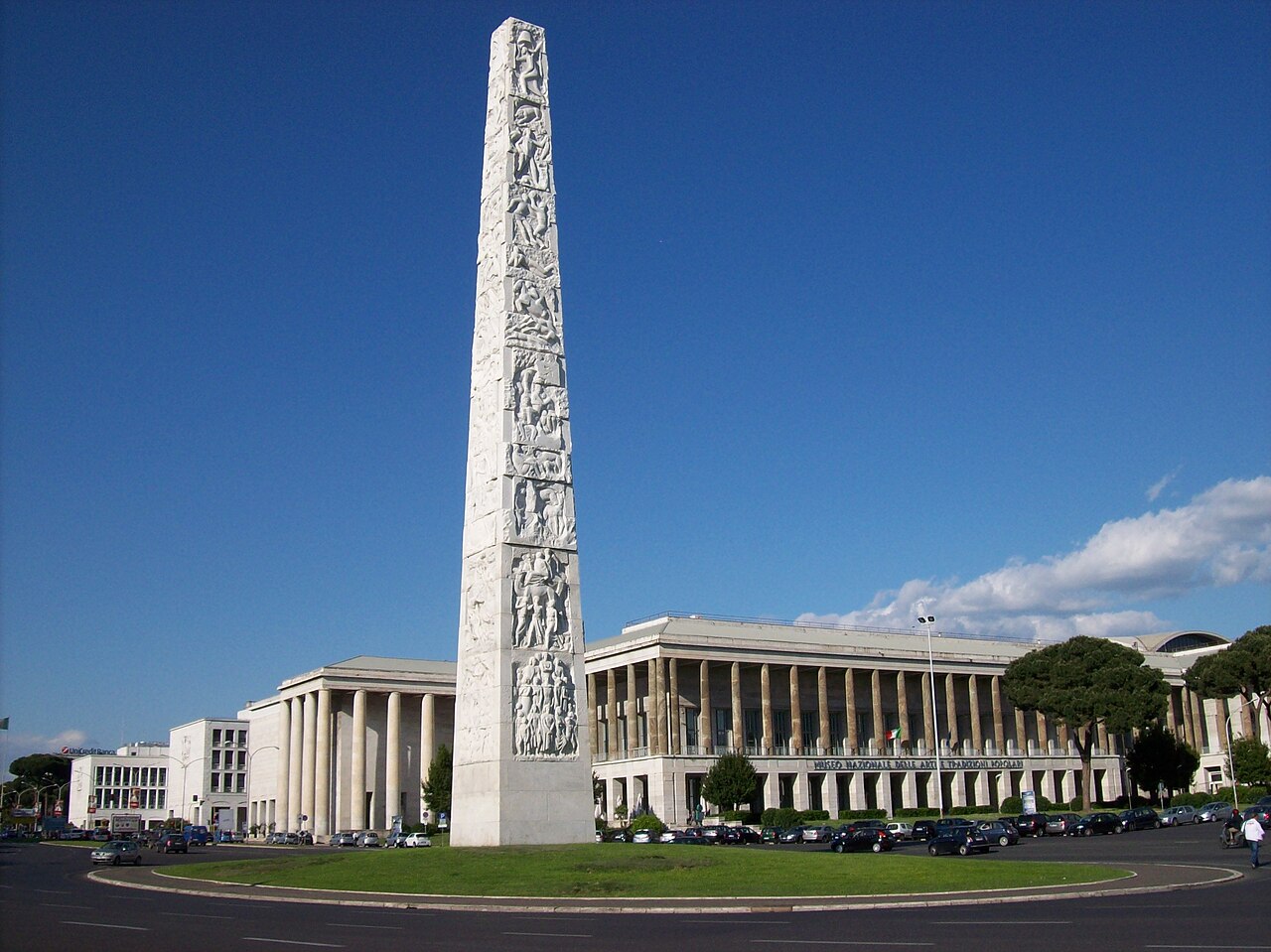
EUR District
Mussolini-era rationalist architecture with Square Colosseum
Explore
Quartiere Coppedè
Fairy-tale Art Nouveau neighborhood
Explore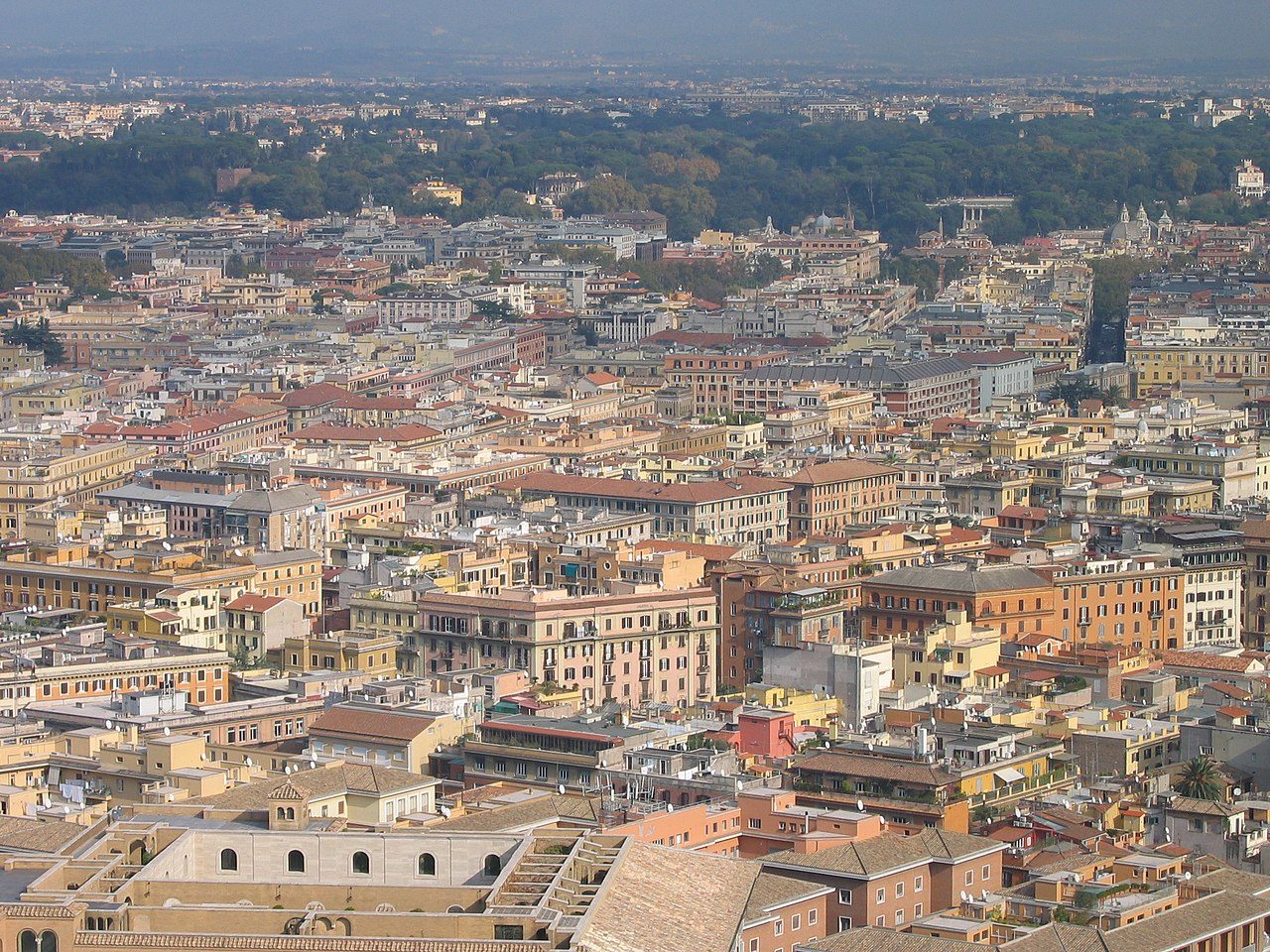
Prati & Borgo
Elegant neighborhood near Vatican with great restaurants
Explore
Piazza Farnese
Elegant Renaissance square with Michelangelo's palazzo
Explore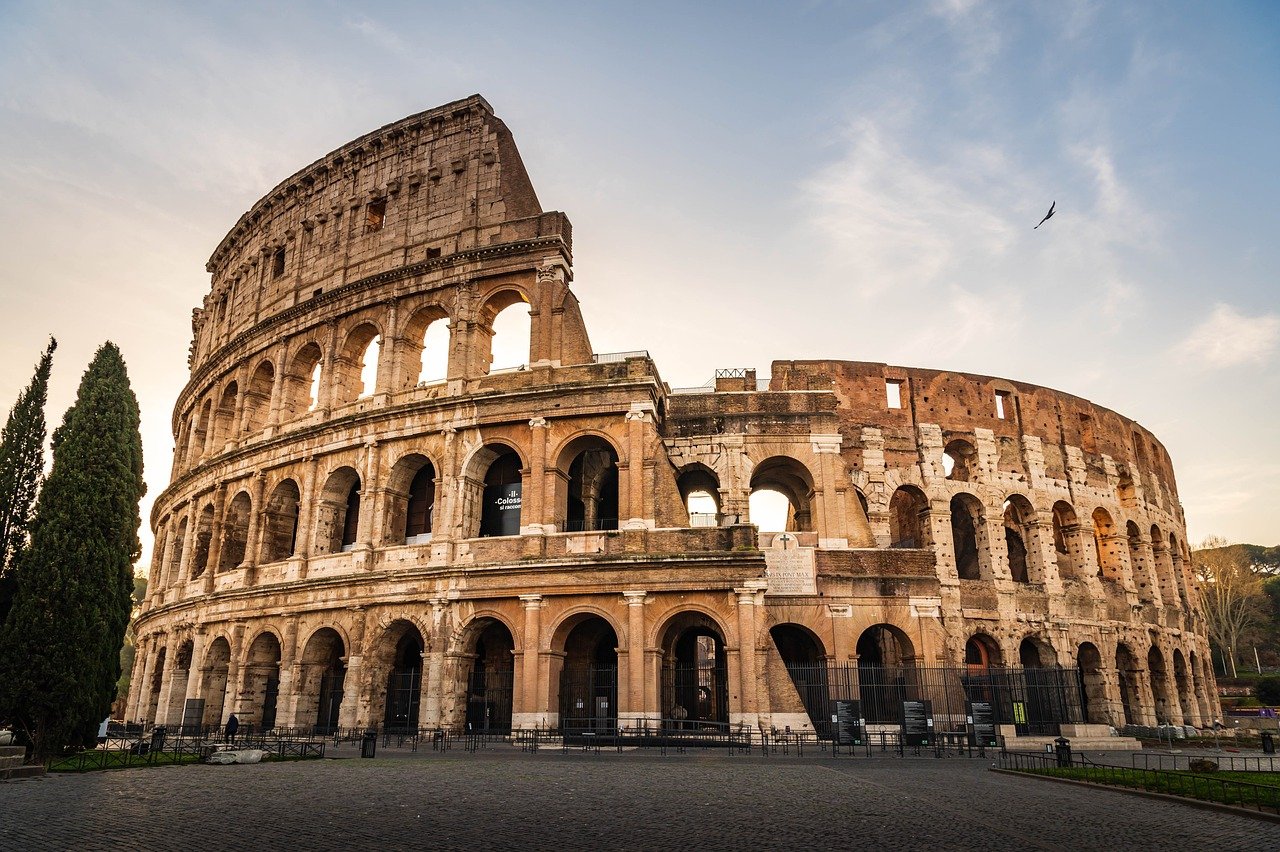
Colosseum
Iconic amphitheater and symbol of Imperial Rome, one of the New 7 Wonders
Explore
Porta Maggiore
Monumental 1st-century aqueduct arches later incorporated into the Aurelian Walls
ExploreQuick Planning Guide
⏱️ Time Needed
2–3 hours
💰 Cost
Free to explore
🎫 Reservation
Recommended for trattorias
♿ Accessibility
Mostly flat
📅 Best Time
Lunch (market) or dinner
👨👩👧👦 Family Friendly
Yes
Nearby Attractions
Pyramid of Cestiusat Piramide metro
Non-Catholic Cemeteryadjacent
Aventine Hill & Knights of Malta keyhole15-minute walk
Circus Maximus20-minute walk
You May Also Like
Testaccio MarketCentrale MontemartiniAventine HillFeatured In These Itineraries
Rome Like a LocalHidden Gems of RomeFree Rome 2 DaysEssential Tips
- ✓ Market open Mon–Sat, 7:00–15:30
- ✓ Book Felice 5–7 days ahead
- ✓ Da Remo: arrive 19:00 sharp
- ✓ Metro B to Piramide station