 Free Entry
Porta Maggiore
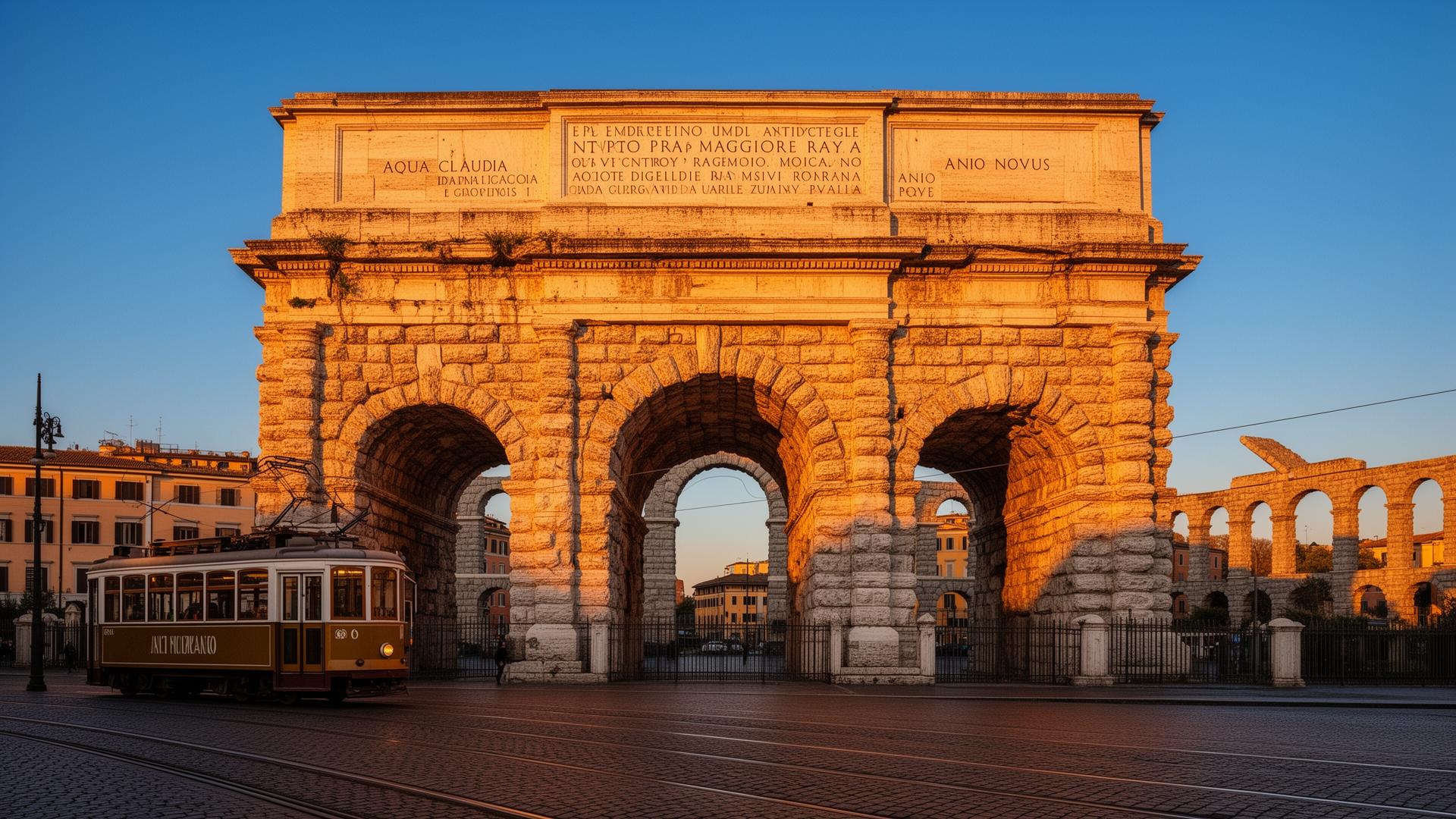
Monumental 1st-century aqueduct arches later incorporated into Rome's Aurelian Walls, with the unusual Baker's Tomb standing nearby. The structure began as a double arch carrying two aqueduct channels, not originally a city gate.
25–40 minFreeTram 5/14/1952 ADPiazzale Labicano, 00185 RomaOpen on MapPlan Your Visit
Compare tickets, tours and stays — booking ahead usually gives more choice
Book a TourHotels NearbyPorta Maggiore is one of Rome's most spectacular ancient monuments — a monumental 1st-century aqueduct arch later incorporated into Rome's Aurelian Walls. It began as a monumental double archway carrying two aqueduct channels — the Aqua Claudia and Anio Novus — over the roads, not originally a city gate. Two centuries later it was incorporated into the Aurelian Walls and became one of Rome's main gates. Today it stands free and open 24/7 in the middle of a busy tram piazza, surrounded by the bizarre Tomb of the Baker Eurysaces, intact stretches of 3rd-century walls and — 9 metres below ground — a perfectly preserved Neo-Pythagorean basilica discovered by accident in 1917.
Why visit Porta Maggiore?
While millions queue at the Colosseum 2 km away, Porta Maggiore stands in near-solitude — a colossal piece of Imperial Rome you can walk around, photograph and study from every angle without a ticket, a queue or a crowd.
- Living engineering: two superposed aqueduct channels still visible across the attic, part of one of ancient Rome's most notable water-supply crossings.
- Three emperors in stone: Latin inscriptions of Claudius (52 AD), Vespasian (71 AD) and Titus (81 AD) — among the longest hydraulic dedications to survive.
- Strangest tomb in Rome: the 30 BC oven-shaped Tomb of the Baker Eurysaces, 20 m away — Rome's most eccentric funerary monument.
- Hidden Underground Basilica: a 1st-century stuccoed Neo-Pythagorean hall, 9 m below the gate — visited by guided tour only.
- Free, 24/7, no queue: arguably the best free Imperial monument in Rome — and one of the least crowded.
Quick facts
Built
52 AD by Claudius
Entry
Free, 24/7
Visit time
25–40 minutes
Tram
5, 14, 19 — Porta Maggiore
Aqueducts
Aqua Claudia + Anio Novus
Location
Piazzale Labicano, 00185
Table of Contents
Jump to any section of the itinerary
A brief history
The story of Porta Maggiore begins not with a gate but with water. In 38 AD Emperor Caligula started construction of two new aqueducts — the Aqua Claudia (69 km) and the Anio Novus (87 km) — to address Rome's chronic water shortages. By 52 AD his successor Claudius had completed both. To carry them across the busy junction of the Via Praenestina and Via Labicana, Roman engineers built a monumental two-arched travertine viaduct, deliberately designed as a triumphal statement: rusticated stonework, towering attic, sculpted aedicules.
The two channels — one for each aqueduct — ran inside the attic, visible to anyone passing beneath. Together they supplied baths, fountains and homes across Rome. Vespasian (71 AD) and Titus (81 AD) restored the structure after damage, and added their own dedicatory inscriptions to the attic; the three texts survive intact, making Porta Maggiore one of the longest hydraulic inscriptions to come down from antiquity.
In 271–275 AD Emperor Aurelian, facing the threat of Germanic invasion, built defensive walls 19 km long around Rome. Rather than tear down the Claudian arch he absorbed it directly into the fortifications: the two arched openings became one of the city's main eastern gates, controlling the road to Praeneste (modern Palestrina). It was renamed Porta Praenestina by Romans and Porta Labicana in administrative documents. A century later, in 401–403 AD, Honorius reinforced the gate against Alaric's Visigoths, walling up the secondary openings and doubling the masonry — work still visible on the city-facing façade.
Through the medieval centuries the gate accumulated chapels, customs houses and lean-to structures. Pope Gregory XVI cleared them all in 1838, restoring the Claudian original — and unexpectedly rediscovering the Tomb of the Baker Eurysaces, long buried inside the Honorian fortifications. The greatest surprise came on 23 April 1917: workers digging a railway tunnel 9 m below the gate accidentally broke into a perfectly preserved 1st-century underground basilica with stuccoed walls — the so-called Underground Basilica of Porta Maggiore, today one of Rome's most enigmatic ancient monuments.
The monument periodically undergoes conservation work, and the Soprintendenza Speciale di Roma offers guided tours of the Underground Basilica by advance reservation only. Dates, prices and availability change — check the official calendar before planning a visit.
Porta Maggiore through the centuries
c. 312 BCFirst aqueduct, Aqua Appia
Censor Appius Claudius Caecus builds Rome's first aqueduct nearby — the start of 600 years of hydraulic engineering that will culminate at Porta Maggiore.
c. 30 BCTomb of Eurysaces
The freedman baker Marcus Vergilius Eurysaces builds his bizarre oven-shaped tomb at the fork of Via Praenestina and Via Labicana — 80 years before the gate that will frame it.
38 ADCaligula begins the aqueducts
Emperor Caligula starts construction of the Aqua Claudia and Anio Novus, two of Rome's longest aqueducts (69 km and 87 km respectively) tapping springs in the Aniene valley.
52 ADClaudius inaugurates the arch
Emperor Claudius completes the aqueducts and the monumental travertine arch where they cross the consular roads. The structure is technically a viaduct — not yet a gate.
71 ADVespasian restores the line
After damage during the year of four emperors, Vespasian rebuilds nine arches of the Aqua Claudia and adds his dedicatory inscription to the attic.
81 ADTitus completes the works
Vespasian's son Titus finishes the restoration and adds the third great inscription — the trio still legible 1,945 years later.
271–275 ADIncorporated into the Aurelian Walls
Emperor Aurelian's defensive walls absorb the arch, transforming it into one of Rome's main eastern gates — Porta Praenestina-Labicana.
401–403 ADHonorius reinforces the gate
Emperor Honorius doubles the wall thickness, walls up the secondary openings and turns the gate into a small fortress against the Visigothic threat.
1838Pope Gregory XVI clears the medieval additions
Centuries of medieval superstructures are demolished and the Tomb of Eurysaces — long buried inside the Honorian fortifications — is rediscovered intact.
23 April 1917Underground Basilica discovered
Workers digging the Rome–Cassino railway 9 metres below the gate accidentally break into a perfectly preserved 1st-century stuccoed Neo-Pythagorean basilica.
1955Tram terminus modernised
The historic tram lines 5, 14 and 19 are reorganised around Piazzale Labicano, making Porta Maggiore one of Rome's most-photographed working transport hubs.
OngoingConservation & guided tours continue
The monument periodically undergoes conservation work, and the Soprintendenza continues to offer guided tours of the Underground Basilica by advance reservation. Dates, prices and availability change — check the official calendar.
Engineering: how the aqueducts crossed
Aqua Claudia (lower channel)
Started by Caligula in 38 AD, completed by Claudius in 52 AD. Length 69 km from springs near Subiaco. Daily flow ~190,000 m³. Supplied the Caelian and Aventine hills. Channel section: 1.20 × 1.40 m.
Anio Novus (upper channel)
Inaugurated alongside the Claudia in 52 AD. Length 87 km — longest aqueduct in Rome. Daily flow ~190,000 m³. Highest source elevation (1,000 ft) of any Roman aqueduct, allowing distribution to the Esquiline and Quirinal heights.
Opus rusticum travertine
Deliberately rough, unfinished blocks — a Claudian aesthetic also used at the Anio Vetus and the Forum of Augustus. Smooth tabernacles around the openings provide intentional contrast. The look would inspire Renaissance and Baroque architects 1,500 years later.
What to see at Porta Maggiore
The double-arched travertine gate
- Two large arched openings (8 m wide, 15 m high) originally spanning the Via Praenestina and Via Labicana — the eastern consular roads to Praeneste (Palestrina) and Labicum.
- Rusticated 'opus rusticum' travertine: deliberately rough, unfinished blocks expressing Claudian power and engineering honesty. The fashion was imitated 1,500 years later by Renaissance and Baroque architects.
- Decorative tabernacles with engaged columns and pediments framing each opening — the only smooth-finished elements, intentionally contrasting with the rough blocks.
- Original height preserved on the south-west façade; the north-east face was partially modified by Honorius's 5th-century reinforcements.
The aqueduct channels above
- Two superposed water channels visible across the entire attic — the lower one carried the Aqua Claudia, the upper one the Anio Novus.
- Water travelled from springs near Subiaco, roughly 70 km away, supplying baths, fountains and homes across Rome.
- Section dimensions: 1.20 m wide × 1.40 m tall — large enough for a maintenance worker to walk inside (you can see access manholes from below).
- Three monumental Latin inscriptions on the attic — Claudius (52 AD), Vespasian (71 AD), Titus (81 AD) — record the engineering, distances and water volumes.
Tomb of Marcus Vergilius Eurysaces
- Standing immediately south-east of the gate (free to walk around): a bizarre travertine monument c. 30 BC, 7 m tall, shaped like grain measures or kneading machines.
- Eurysaces was a freed Greek slave who became Rome's wealthiest commercial baker, supplying bread to the legions — a remarkable tale of social mobility in the late Republic.
- Frieze around the top depicts every stage of bread production: grain delivery, milling, mixing, baking, weighing, distribution. One of antiquity's earliest 'industrial' visual records.
- Original portrait statues of Eurysaces and his wife Atistia were removed in 1838 — now in the Capitoline Museums, Sala dei Conservatori. A fragment of the funerary urn remains on site.
Aurelian Walls section
- A well-preserved stretch of 3rd-century Aurelian Wall runs south from the gate along Via di Porta Maggiore. You can follow it externally from the pavement — free and ground level — but there is no elevated rampart access here; that experience is at Museo delle Mura.
- Look for the typical Aurelian features: 4 m thick brickwork, semi-circular towers every 30 m, internal galleries. This stretch was reinforced by Honorius in 401–403 AD.
- Honorius's 5th-century intervention turned the gate into a small fortress: he walled up the secondary openings, doubled the masonry and added a sentry walkway above.
- Behind the gate (city side) you can still see the Honorian inscription celebrating the reinforcement against the Visigothic invasion of Alaric.
The Underground Basilica (separate guided tour)
- Discovered 23 April 1917 by railway workers — a 1st-century AD subterranean hall 9 m below modern street level, 12 × 9 m, with three naves, an apse and a vestibule.
- Walls and vault entirely covered in white-stucco reliefs: Sappho leaping into the sea, Ganymede carried by the eagle, Orpheus charming the beasts, mystery initiation scenes.
- Most archaeologists now identify it as a private Neo-Pythagorean cult hall, possibly closed by Imperial decree around 65 AD during Nero's persecution of foreign cults.
- Visits are by advance reservation only through guided tours organised by the official archaeological authority. Dates, prices and availability change — check the official calendar and book via coopculture.it.
The Underground Basilica
On 23 April 1917, workers digging the new Rome–Cassino railway broke through the roof of a perfectly preserved subterranean hall 9 metres below the gate. The discovery — pure chance — revealed one of the most enigmatic monuments to survive from Imperial Rome.
The basilica is small (12 × 9 m) but architecturally complete: a vestibule, three barrel-vaulted naves separated by six pillars, a semi-circular apse. Every internal surface — vault, walls, apse — is covered in delicate white-stucco reliefs depicting mythological initiations: Sappho leaping from the Leucadian cliff, Ganymede carried up by the eagle of Zeus, Orpheus charming the beasts, Hercules and Hesperides, mystery banquets.
The dating (mid-1st century AD) and the iconography point to a private cult hall of a Neo-Pythagorean sect — a philosophical-mystical movement persecuted under Nero around 65 AD, which is also the most likely date for the basilica's deliberate sealing. No other comparable monument has survived from antiquity.
Visiting essentials
- • Access: by advance reservation only, through guided tours organised by the official archaeological authority
- • Schedule, prices & availability: these change — check the official Soprintendenza calendar before planning a visit
- • Language: availability and languages vary by date — check the current listing
- • Booking: via coopculture.it — book well ahead as availability is limited
- • Meeting point: Via Prenestina 17, ahead of your confirmed slot
- • Note: not wheelchair accessible (steep staircase, low temperature ~14°C)
Tomb of the Baker Eurysaces
Twenty metres south-east of Porta Maggiore stands one of antiquity's most eccentric monuments: the 7-metre travertine tomb that Marcus Vergilius Eurysaces — a freed Greek slave turned wealthiest commercial baker in late-Republican Rome — built for himself and his wife Atistia around 30 BC.
The architecture is unmistakably weird. The lower part is built of upright stone slabs; the middle band shows three rows of horizontal cylindrical openings imitating either bread-kneading machines or grain measures; the upper band repeats the cylinders vertically. The whole composition is crowned by a frieze depicting every stage of bread production: grain delivery, weighing, milling, mixing, kneading, baking in domed ovens, distribution to officials.
The frieze is one of antiquity's earliest visual records of an industrial process — a deliberate celebration of Eurysaces's commercial pride. The original portrait statues of Eurysaces and Atistia, plus the funerary urn shaped like a kneading-trough, were removed during Pope Gregory XVI's 1838 clearance and are now in the Capitoline Museums (Sala dei Conservatori). One inscription on the tomb declares simply: "Est hoc monumentum Marcei Vergilei Eurysacis pistoris redemptoris apparet" — "This is the monument of Marcus Vergilius Eurysaces, baker, contractor, magistrate's servant".
In an age dominated by aristocratic mausolea, the Tomb of Eurysaces is unique: a freedman turning his commercial trade into the very form of his eternal monument. It is arguably the most moving piece of social history in Rome.
Porta Maggiore walking itinerary
A 1.5-hour, 7-stop walk covering the gate, the Tomb of Eurysaces, the intact stretch of Aurelian Walls and the nearby Constantinian basilica of Santa Croce in Gerusalemme. Total distance ~1 km, completely flat. Optionally add the 60-minute Underground Basilica tour.
Walking route map


 📍
📍
📍
📍
📍
📍
📍
+− Leaflet | © OpenStreetMap contributors
📍
📍
📍
📍
📍
📍
📍
+− Leaflet | © OpenStreetMap contributorsClick on markers for stop details. Numbers indicate the walking order.
1StartTram stop Porta Maggiore
Starting pointGet off Tram 5, 14 or 19 at Porta Maggiore. The travertine gate dominates the piazza in front of you — a startling first view.
210 minSouth-west façade & Claudian inscription
Best façade for photosWalk to the side facing the Tomb of Eurysaces. Read the long Latin inscription of Claudius (52 AD) on the attic and admire the rusticated travertine.
312 minTomb of the Baker Eurysaces
Strangest tomb in RomeCircle the bizarre cylindrical openings of the c. 30 BC tomb. Look up to the frieze depicting bread production — antiquity's earliest 'industrial' relief.
48 minNorth-east face & Vespasian–Titus inscriptions
Three emperors in stoneUse the legal pedestrian crossings to reach the city-side façade — Porta Maggiore sits in a busy traffic junction, so do not walk through the arches. Two more inscriptions record the 71 AD and 81 AD restorations.
515 minAurelian Walls walk
Street-level wall viewsFollow Via di Porta Maggiore south alongside an intact stretch of 3rd-century Aurelian Wall. Free, ground level and external — not an official rampart walk.
6If pre-bookedUnderground Basilica entrance
Hidden 1st-century gemMeeting point on Via Prenestina 17 — for pre-booked Soprintendenza tours only, by advance reservation. Descend 9 m to the stuccoed Neo-Pythagorean hall. Check the official calendar for dates and prices.
730 minBasilica di Santa Croce in Gerusalemme
End at a Constantinian basilicaWalk 12 minutes south-west to this Constantinian basilica housing relics of the True Cross. Free entry, open 07:00–12:45 and 15:30–19:30.
Porta Maggiore vs Porta San Sebastiano — which to choose?
| Feature | Porta Maggiore | Porta San Sebastiano |
|---|---|---|
| Date built | 52 AD (Claudius) | 275 AD (Aurelian), rebuilt c. 401 (Honorius) |
| Original purpose | Aqueduct viaduct, then gate | Defensive city gate |
| Material | Rusticated travertine | Travertine + brick + tufa |
| Entry cost | Free (24/7) | Free (Museo delle Mura) |
| Climbable | No (panoramic walk on adjacent walls) | Yes — walkway on the Aurelian Walls |
| Visit duration | 25–40 minutes | 60–90 minutes (with museum) |
| Crowds | Almost none | Very few |
| Best for | Engineering, inscriptions, bizarre baker's tomb | Wall-walking, Appian Way starting point |
Verdict: do both. Porta Maggiore for monumental Imperial engineering and the Eurysaces tomb; Porta San Sebastiano for the unmissable wall-walk and the start of the Appian Way.
Best time to visit
Time of day
Late afternoon (16:00–18:00 winter / 18:00–20:00 summer)
Best — warm side-light brings out the rusticated travertine and shadows the Latin inscriptions for maximum legibility.
Early morning (07:30–09:00)
Good for the east façade and for empty piazza shots before tram traffic intensifies.
Avoid noon
Harsh top-light flattens the relief and washes out the inscriptions. The piazza also gets very hot in summer.
Best days & seasons
2nd & 4th Sundays of the month
Underground Basilica guided tours run on these dates — advance booking is required; lead times vary by date.
March–May & October–November 2026
Ideal weather, soft light, full Underground Basilica tour calendar.
Avoid August afternoons
Travertine reflects intense heat and tram service is reduced. Visit early morning if travelling in August.
Getting there
Tram (best)
Lines 5, 14 and 19 all stop at "Porta Maggiore" — the gate is right at the tram terminus. From Termini take the 5 or 14 (8 min, €1.50). The historic Stanga 7000 trams (1948) themselves are an attraction.
Metro
Metro Line A to Manzoni, then a flat 10-minute walk south-east via Via Statilia. Or Metro Line C to Lodi, 15-minute walk north.
Bus
Lines 105, 81 and 590 stop at Piazzale Labicano. From the Vatican area take the 81 (25 min).
On foot
18 minutes flat walk from Termini via Via Giolitti; 25 minutes from the Colosseum via Via Labicana — easy and historic.
Common mistakes to avoid
Showing up for the Underground Basilica without booking
The 1917 basilica can be visited only on selected guided openings and advance booking is required. Availability, languages and booking lead times vary by date — check the current official listing before your trip.
Visiting at noon
Harsh top-light flattens the rusticated travertine and washes out the inscriptions. Come in late afternoon (16:00–18:00 winter, 18:00–20:00 summer) for warm side-light.
Missing the Tomb of Eurysaces
Many visitors photograph only the gate and never circle to the south-east side where the bizarre baker's tomb stands — arguably the strangest funerary monument in Rome.
Skipping the back side
The city-facing façade carries the Vespasian and Titus inscriptions and shows Honorius's 5th-century reinforcements. Use the legal pedestrian crossings to circle the whole monument — Porta Maggiore sits in a busy traffic junction, so never walk through the arches themselves.
Forgetting to look up
The aqueduct channels are clearly visible across the attic — but easy to miss. Step back 30 m into the piazza for the best angle.
Confusing it with Porta Maggiore di Milano
Search 'Porta Maggiore' on Google and you'll find a Milan piazza too. Always add 'Rome' or use the address Piazzale Labicano, 00185 Roma.
Insider tips from locals
Combine with Tomb of Eurysaces in 30 minutes
These two monuments are 20 m apart and tell completely different stories — Imperial engineering and freed-slave entrepreneurship. Together they make the most efficient archaeology stop in Rome.
Read the inscriptions with Google Lens
Open Google Lens on the Latin attic inscriptions — it provides instant English translation. The Claudius dedication mentions specific water sources (Caerulus, Curtius) still flowing today.
Free Aurelian Wall walk behind the gate
Most tourists don't follow the preserved Aurelian Wall along Via di Porta Maggiore — free and ground-level, with quiet views of the gate's attic. It is an external pavement walk, not the Museo delle Mura rampart experience.
Ride Tram 5 or 14 from Termini
The historic Stanga 7000 trams (1948) themselves are a free attraction. Sit on the right-hand side coming from Termini for the dramatic gate-reveal as you approach Porta Maggiore.
Combine with Basilica di Santa Croce
12 minutes south-west, this Constantinian basilica houses the relics of the True Cross. Free, almost empty of tourists — a perfect pairing with Porta Maggiore.
Best photo spot: tram tracks at sunset
Stand on the eastern edge of Piazzale Labicano just before sunset. The tram tracks lead the eye to the gate, the travertine glows golden and a passing tram completes the iconic Rome scene.
Where to Stay Near Porta Maggiore
Looking for convenient accommodation near Porta Maggiore? Stay within walking distance to make the most of your visit.
Hotels Near This AttractionTop Rated HotelsBudget-Friendly OptionsLuxury HotelsCentral locations with easy access to Porta Maggiore and other attractionsFrequently Asked Questions
Related Attractions
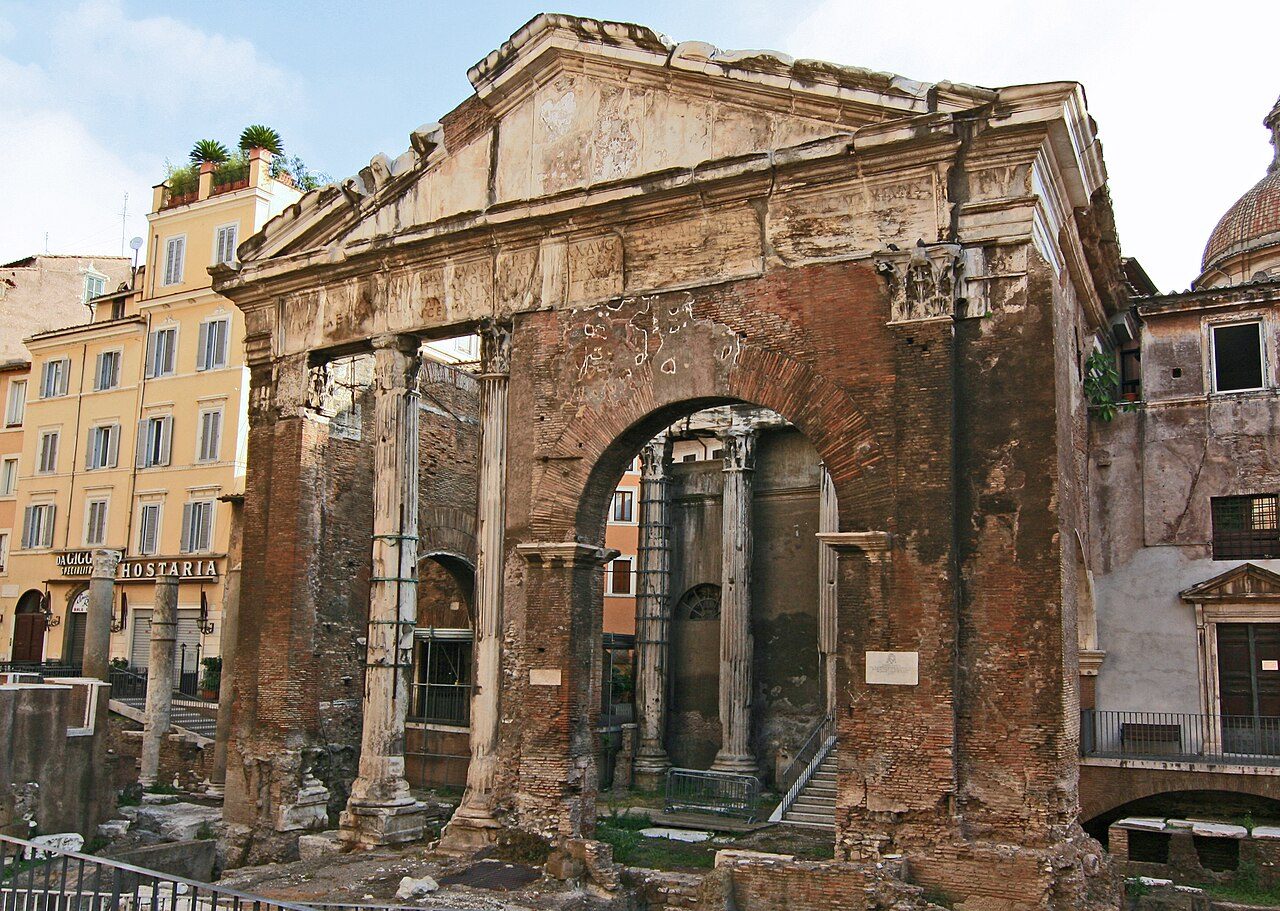
Portico of Octavia
Ancient Roman portico and gateway to the Jewish Ghetto
Explore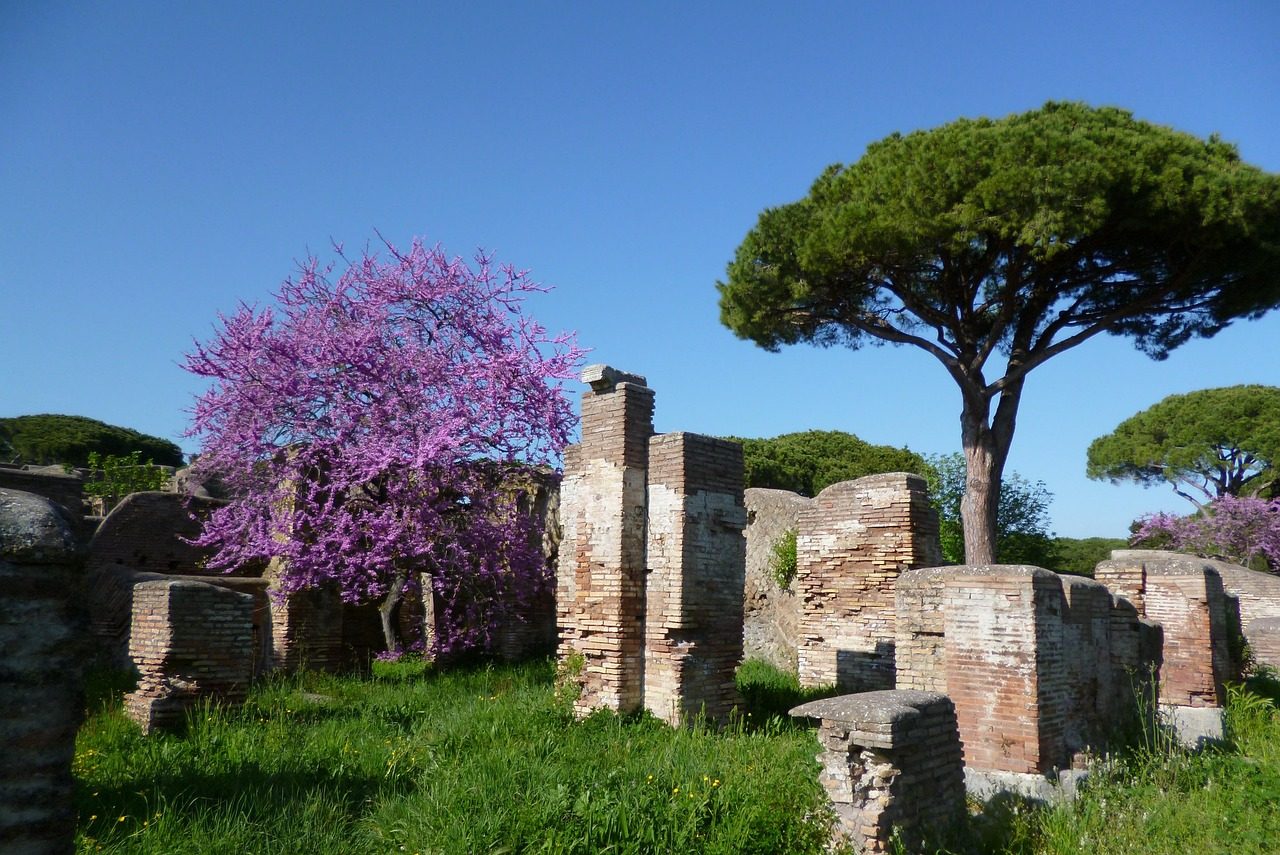
Ostia Antica
Rome’s ancient harbour city; €18 integrated park ticket valid eight days from first entry
Explore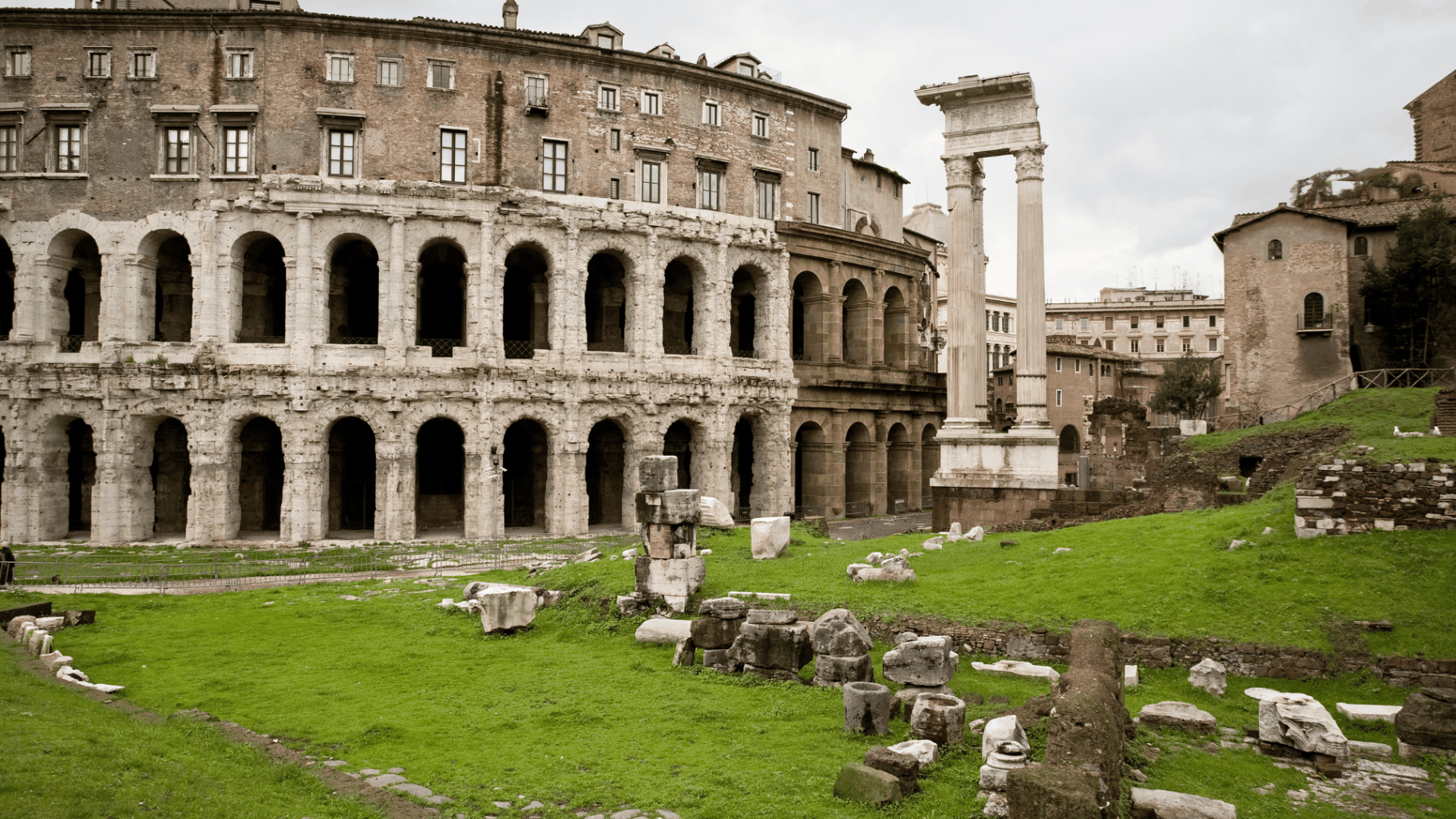
Theatre of Marcellus
Ancient Roman theater that inspired the Colosseum
Explore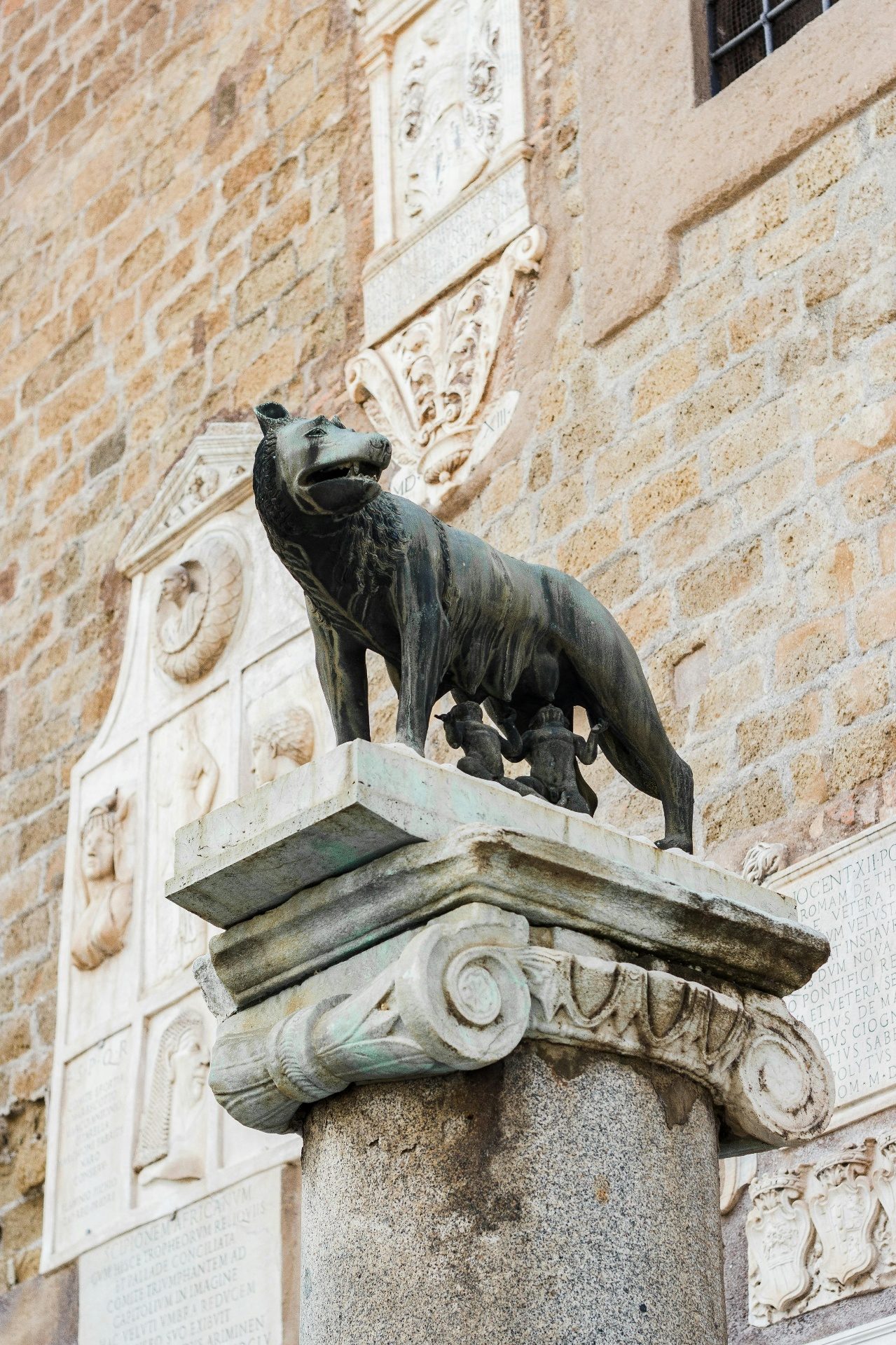
Capitoline Hill
Rome's most sacred hill with Michelangelo's piazza and oldest museums
Explore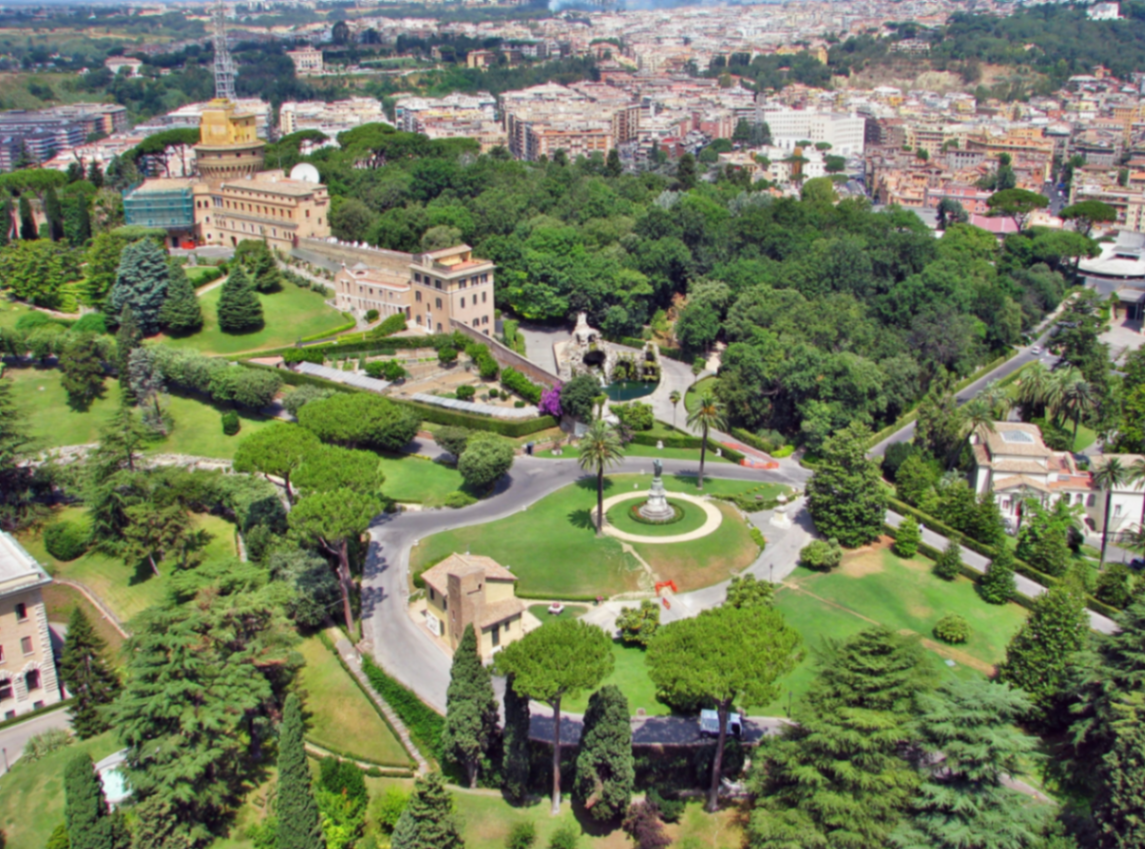
Vatican Gardens
Pope's private paradise—57 acres of Renaissance gardens
Explore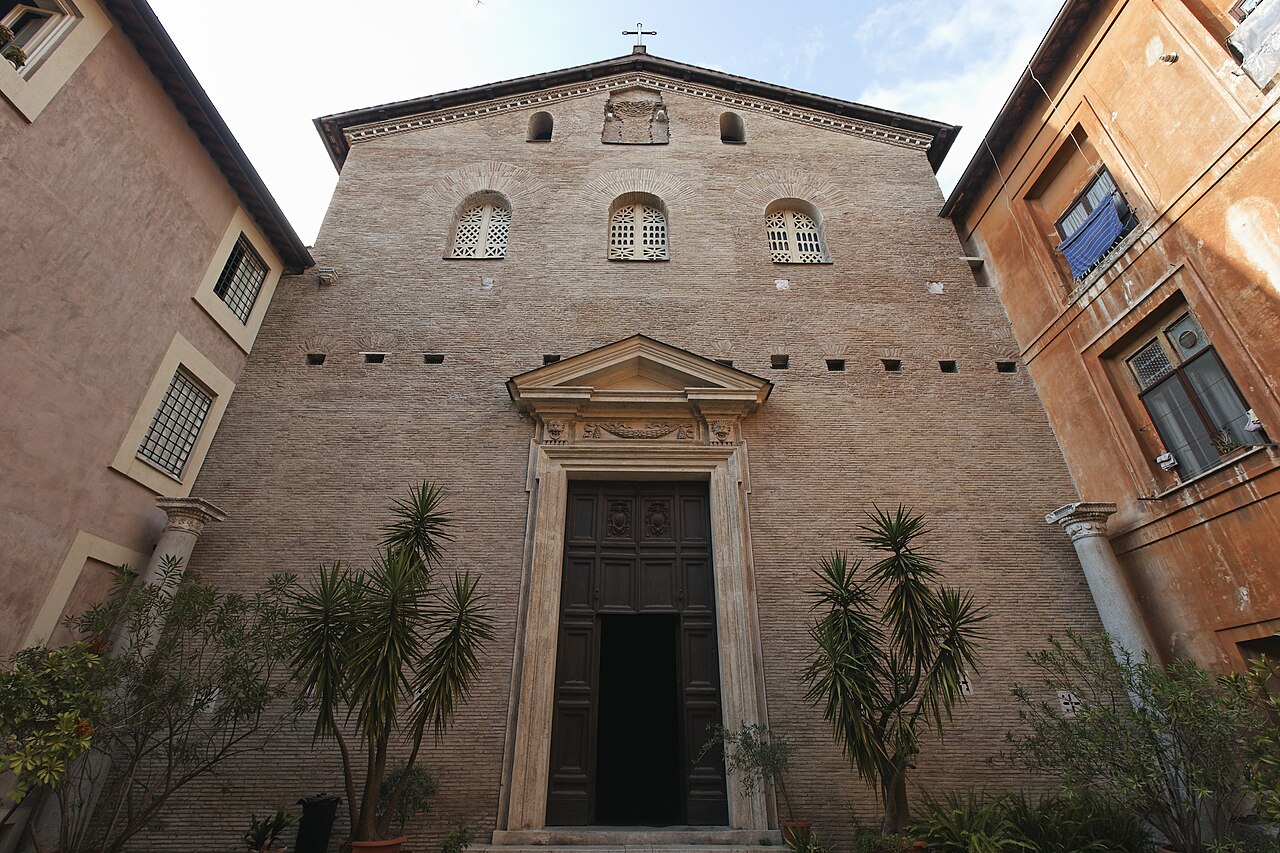
Santa Prassede
Hidden Byzantine gem with dazzling 9th-century golden mosaics
ExploreQuick Planning Guide
⏱️ Time Needed
25–40 minutes
💰 Cost
Free (Underground Basilica: check official calendar for current pricing)
🎫 Reservation
Underground Basilica only
♿ Accessibility
Fully wheelchair accessible (gate)
📅 Best Time
Late afternoon for side-light
👨👩👧👦 Family Friendly
Yes — flat, traffic-calmed piazza
🌡️ Weather
Outdoor monument
Nearby Attractions
Tomb of Eurysaces20 m
Underground Basilica200 m
Basilica di Santa Croce12 min walk
Porta Tiburtina10 min walk
Mausoleum of Helena15 min
Featured In These Itineraries
Hidden Gems of RomeFree Rome Itinerary5 Day Rome ItineraryEssential Tips
- ✓ Visit late afternoon for warm side-light on travertine
- ✓ Don't miss the bizarre Tomb of Eurysaces — 20 m away
- ✓ Advance booking is required for the Underground Basilica — check the current official Soprintendenza listing for dates, booking provider, languages and availability
- ✓ Follow the Aurelian Wall externally along Via di Porta Maggiore (street-level views only, not a rampart walk)
- ✓ Pair with Basilica di Santa Croce for a perfect 2-hour visit