 Free · UNESCO 2024
Appian Way
Walk or cycle a 16 km stretch of the original Roman road through Rome's regional park — 2,300-year-old cobblestones, tombs, catacombs, and umbrella pines. Free, open 24/7, with restricted traffic on Sundays and public holidays.
3-6 hoursFree to walkUNESCO 2024Via Appia Antica, 00178 RomaOpen on MapPlan Your Visit
Compare tickets, tours and stays — booking ahead usually gives more choice
Get TicketsBook a TourHotels NearbyBy AllTrips Editors••10 min readThe Appian Way (Via Appia Antica) is Rome's most famous ancient road — begun in 312 BC, the original 560 km route from Rome to Brindisi, and UNESCO World Heritage since July 2024 (the listed property extends over 800 km with multiple component parts). The first 16 km inside Rome form a protected regional park where you can walk the actual Roman basolato past tombs, catacombs, and umbrella pines. Free and open 24/7, though south of the Tomb of Cecilia Metella traffic is permanently restricted to authorised vehicles and residents.
Is the Appian Way worth visiting?
Yes — if you love history, photography, or cycling. Skip it if you only have 2 days in Rome and haven't seen the Forum yet. It's a slow, atmospheric half-day — not a quick checkbox stop. Best done on a Sunday morning, when traffic restrictions run 09:00–16:00 (standard time) or 09:00–18:00 (daylight saving time) — though authorised vehicles and residents may still use the road.
Get there: Bus 118 from central Rome (Piazza Venezia / Circo Massimo)Cost: Free (catacombs ~€10)Time needed: 3–6 hoursBest day: Sunday (car-free)Foot or bike: Bike past km 3Pick one catacomb: San CallistoIn This Guide
Duration
3-6 hours
Cost
Free
Built
312 BC
Total Length
560 km
Live info from Google
Via Appia Antica, Roma RM, Italy
Live data from Google · refreshed weekly
Tickets & Bike Rental
Walking the Road — Free
Walking or cycling along the Appian Way itself is completely free, year-round, 24/7.
Catacombs & Sites
Catacombs of San Callisto
Largest catacomb — 16 popes buried here
Book Tickets →Catacombs of San Sebastiano
Best-preserved frescoes, original "catacomb"
Book Tickets →Catacombs of Domitilla
Quietest, most atmospheric option
Book Tickets →Bike Rental
City bikes from about €4/hour, mountain bikes from about €5/hour (varies by provider) — useful for reaching Villa dei Quintili (km 5.5)
Book Now →The Road: Roman Engineering Deep-Dive
Four-Layer Construction
Statumen (large stones) → rudus (gravel + lime) → nucleus (smaller gravel + cement) → summum dorsum (basalt paving). Over 1 m thick — built to last centuries, and it has.
Basolato Paving Stones
Polygonal blocks of leucitite basalt — quarried locally at Capo di Bove, fitted by hand without mortar. Designed for chariot wheels, still bearing visible wheel ruts after 2,300 years.
Designed for Military Speed
A Roman legion could march 30+ km a day on the Appia thanks to its straightness and surface — three times the off-road pace. The road was built for the Samnite Wars and reshaped Roman geopolitics.
What to See Along the Way
Walking from Porta San Sebastiano southward, here are the key landmarks you'll encounter in order:
Porta San Sebastiano & Museo delle Mura
Start Point (0 km) — The largest and best-preserved gate in the Aurelian Walls. The museum inside offers views from the ancient ramparts.
Church of Domine Quo Vadis
0.8 km — Small church marking where legend says St. Peter met Christ while fleeing Rome. Contains a marble footprint replica.
Catacombs of San Callisto
2.2 km — The largest and most important catacombs in Rome. Over 20 km of underground tunnels on 5 levels, burial site of 16 popes and countless martyrs.
Catacombs of San Sebastiano
2.5 km — Ancient catacombs beneath the Basilica of San Sebastiano. Features well-preserved pagan and Christian frescoes and the original "catacombs" name origin.
Circus of Maxentius
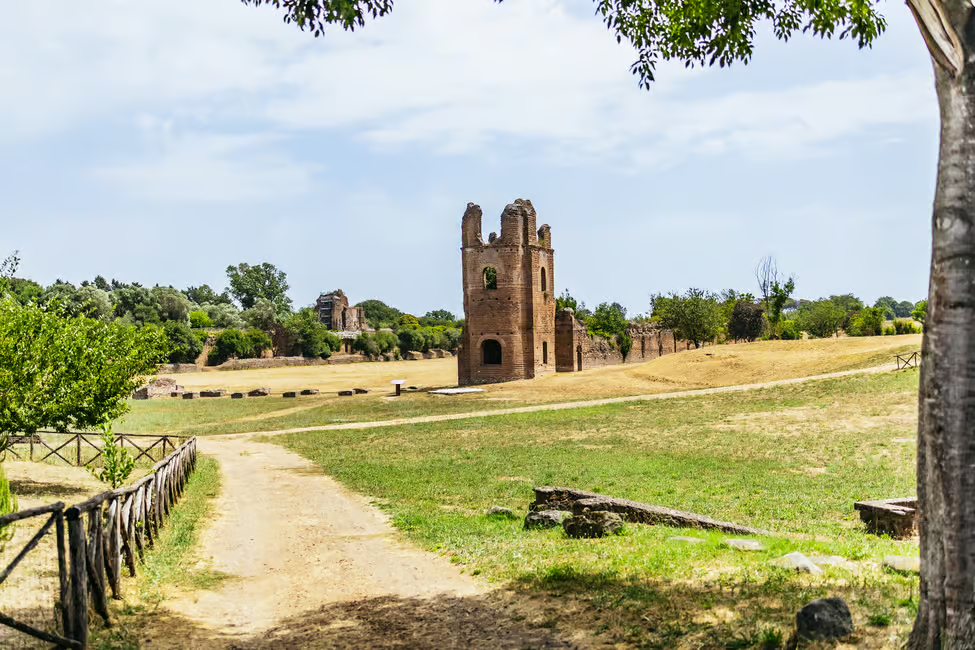
3 km — One of the best-preserved ancient Roman circuses. Built in 309 AD, it could seat 10,000 spectators for chariot races. Free to walk around.
Tomb of Cecilia Metella
3.2 km — Iconic cylindrical mausoleum from 50 BC, one of the road's most photographed landmarks. Built for the daughter-in-law of the wealthy Marcus Crassus.
Villa dei Quintili
5.5 km — Vast ruins of a luxurious 2nd-century villa, so grand that Emperor Commodus murdered its owners to seize it. Includes baths, a hippodrome, and stunning views.
Beyond: Roman Countryside
6+ km — The road continues through increasingly rural landscape with scattered ancient tombs, medieval towers, and working farms. Most visitors turn back at Villa dei Quintili.
Timeline of the Appian Way
From Republican military road to UNESCO World Heritage site — 2,300 years of European history compressed into one straight line.
312 BCERoad Construction Begins
Censor Appius Claudius Caecus begins construction of the Via Appia to connect Rome with Capua during the Second Samnite War.
190 BCEExtension to Brindisi
The road is extended over 350 miles to reach the Adriatic port of Brindisi — Rome's gateway to Greece and the East.
71 BCESpartacus Crucifixions
After Crassus crushes the slave revolt, 6,000 captured rebels are crucified along the road from Rome to Capua — one cross every 35 metres.
50 BCETomb of Cecilia Metella Built
The cylindrical mausoleum that becomes the road's most photographed landmark is built for the daughter-in-law of Marcus Crassus.
3rd century CECatacombs Flourish
Christians create extensive underground burial chambers alongside the road — San Callisto, San Sebastiano, and Domitilla all expand into vast multi-level systems.
1851Pius IX's Restoration
Pope Pius IX commissions Luigi Canina to systematically restore and re-erect tomb fragments along the road — creating the romantic 'archaeological park' look we still see.
1988Regional Park Created
The Parco Regionale dell'Appia Antica is established to protect the archaeological heritage and surrounding countryside.
2024UNESCO World Heritage
On 27 July 2024 the Via Appia 'Regina Viarum' becomes Italy's 60th UNESCO site — the longest linear monument ever inscribed.
Best Time to Visit
🕐 Time of Day
- Sunday / public holiday ⭐ Best: Traffic restrictions run 09:00–16:00 (standard time) or 09:00–18:00 (daylight saving time). South of Cecilia Metella, traffic is permanently restricted, though authorised vehicles and residents may still be present — stay alert.
- Early Morning (8–10 AM): Cool temperatures, minimal crowds, soft light on the cypresses.
- Late Afternoon (4–7 PM): Golden hour — best photography light at Cecilia Metella.
- Avoid weekday afternoons: Cars share the narrow road and dust gets into everything.
📅 Best Seasons
- Spring (Mar–May) ⭐ Ideal: Wildflowers in bloom along the verges, perfect 18–24°C temperatures.
- Fall (Sep–Nov): Autumn light on the umbrella pines, fewer tourists, comfortable walking.
- Winter (Dec–Feb): Cold but quiet — atmospheric mist on the road many mornings.
- Summer (Jun–Aug): Avoid midday — almost no shade and 35°C+ temperatures.
Common Mistakes to Avoid
Visiting on a weekday afternoon
Cars share the narrow basolato — dusty and noisy. Sunday and public holiday mornings/afternoons (09:00–16:00 standard time, 09:00–18:00 daylight saving time) have restricted traffic, though authorised vehicles may still be present. Plan around it.
Walking instead of biking past km 3
The most rewarding stretches (Villa dei Quintili at km 5.5) are too far for a comfortable walk. Rent a bike — city bikes from about €4/hour, mountain bikes from about €5/hour (prices vary by provider) — and extend your range.
Visiting two catacombs in a row
San Callisto and San Sebastiano are 300 m apart but the underground tour is repetitive. Pick one — spend the saved time at Cecilia Metella or Villa dei Quintili.
Wearing flimsy shoes
The original Roman basolato is uneven, gappy, and ankle-twisting. Sneakers with proper soles only — sandals and dress shoes will hurt within an hour.
How to Get There
By Bus (Recommended)
- Bus 118: From central Rome via Piazza Venezia and Circo Massimo toward the Appian Way; bus 218 is another option for the Domine Quo Vadis area. Check current ATAC routing before departure because diversions are common.
- Bus 218: From San Giovanni metro — park guidance recommends bus 118 or 218 for the Domine Quo Vadis area. Check current ATAC routing on the day, as diversions happen.
- Archeobus: Hop-on/hop-off tourist bus, ~€18, convenient but pricey.
Starting Points
- Porta San Sebastiano: Best starting point — bike rentals at the visitor centre 200 m down the road.
- Catacombs of San Callisto: Popular mid-point start to skip the less-scenic first 2 km.
- Cecilia Metella: Park-and-ride option for drivers — small free car park at the tomb.
Pair Your Visit With
Baths of Caracalla15-minute walk from Porta San Sebastiano — Rome's most spectacular surviving bath complex.
Circus Maximus20-minute walk north — ancient Rome's largest stadium, free 24/7, perfect warm-up.
Colosseum25-minute walk or 1 metro stop — the natural pre-Appia anchor of any ancient-Rome day.
Frequently Asked Questions
Is the Appian Way free to visit in 2026?
Walking or cycling the road itself is completely free. Individual paid sites: catacombs (~€10 guided tour). Since 1 July 2026, a unified €12 Appian Archaeological Park ticket (valid 7 days) covers six park sites, including Tomb of Cecilia Metella, Villa dei Quintili, and Capo di Bove — reduced rates of €10 ("Friends of the Park") and €2 (statutory reduced) apply. See the official park site for details: parcoarcheologicoappiaantica.it.
How do I get to the Appian Way from central Rome?
Take bus 118 from central Rome via Piazza Venezia or Circo Massimo toward the Appian Way. Bus 218 is another option for the Domine Quo Vadis area — check current ATAC routing before departure because diversions are common. The Archeobus hop-on hop-off is convenient but expensive (~€18).
When is the best time to visit?
Sunday morning, year-round. On Sundays and public holidays, traffic restrictions run 09:00–16:00 (standard time) or 09:00–18:00 (daylight saving time), per official park guidance — though authorised vehicles and residents may still be present. Spring (Mar–May) and fall (Sep–Nov) offer the best temperatures.
Is the Appian Way better on foot or by bike?
Bike if you want to reach Villa dei Quintili (km 5.5) or beyond. On foot, plan to cover only the first 3.5 km (Porta San Sebastiano to Cecilia Metella) — that's already a 7 km round trip on uneven ancient stones.
Which catacomb should I visit?
San Callisto is the largest and most historically important (16 popes buried). San Sebastiano has the best frescoes and is the original 'catacomb'. Domitilla is the quietest and most atmospheric. Pick one — visiting multiple in a single day is repetitive.
Is the Appian Way a UNESCO World Heritage site?
Yes — the Via Appia 'Regina Viarum' was inscribed by UNESCO in July 2024 as Italy's 60th World Heritage site, covering the entire 800 km route from Rome to Brindisi.
How much of the original Roman road survives?
Within the roughly 16 km route through Rome's Regional Park, sections preserve the original basalt paving (basolato), interspersed with restored sections. Note the wider UNESCO-listed Via Appia property extends over 800 km with multiple component parts across several regions — the 16 km figure refers only to the Rome park stretch. The first 5–6 km from Porta San Sebastiano are the most visually intact and tomb-lined.
Is it suitable for kids?
Yes — especially by bike on Sunday. The catacombs may scare younger children (dark tunnels, talk of bones); skip them under age 7. Water fountains and services exist along the route but are sparse and unevenly spaced — bring your own water.
Related Attractions
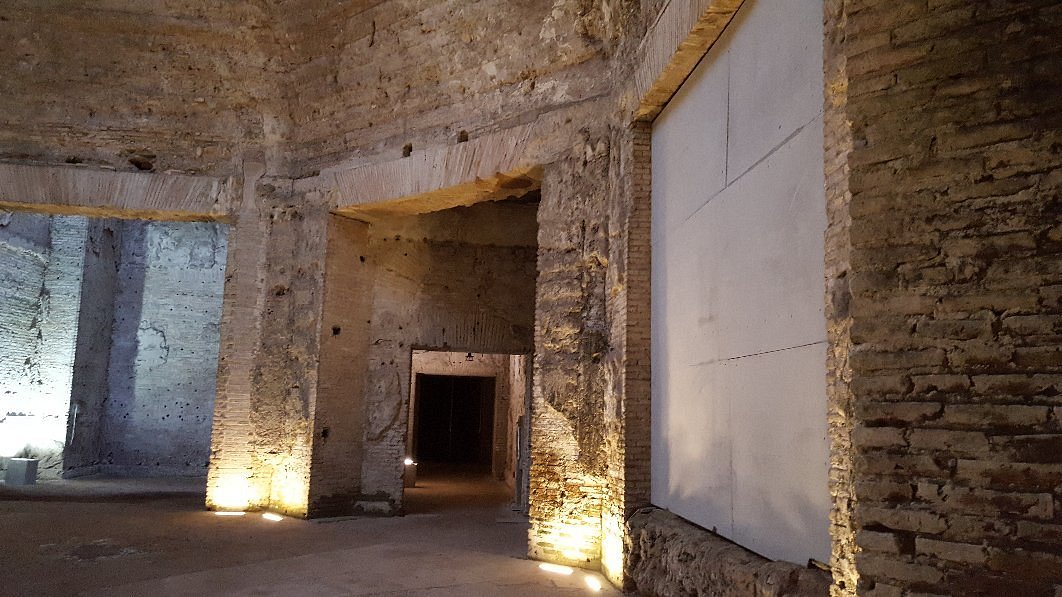
Domus Aurea
Nero's buried Golden House — Friday to Sunday visits, VR tour available
Explore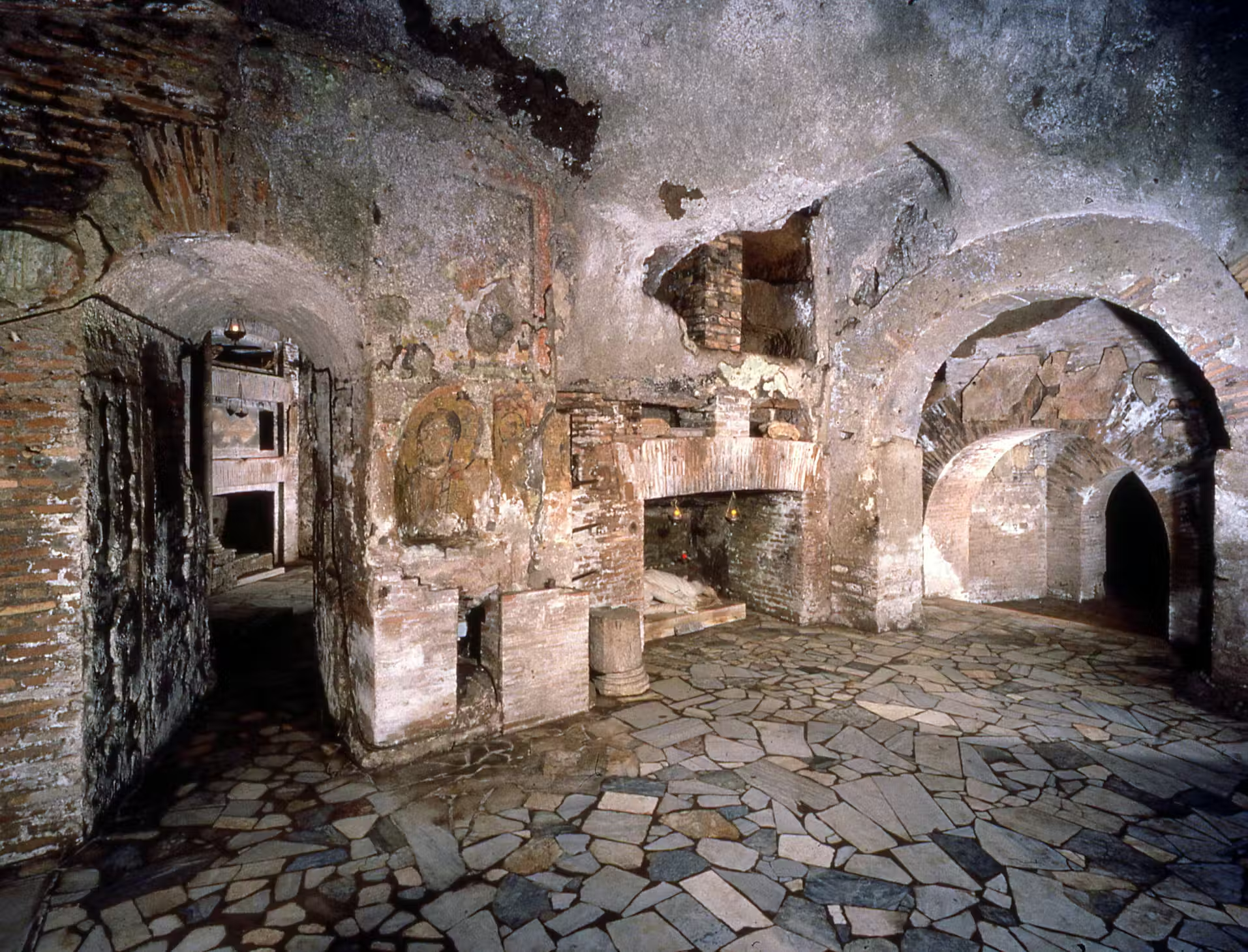
Catacombs of Saint Callixtus
Rome's largest Christian catacombs—20km of tunnels, 16 popes
Explore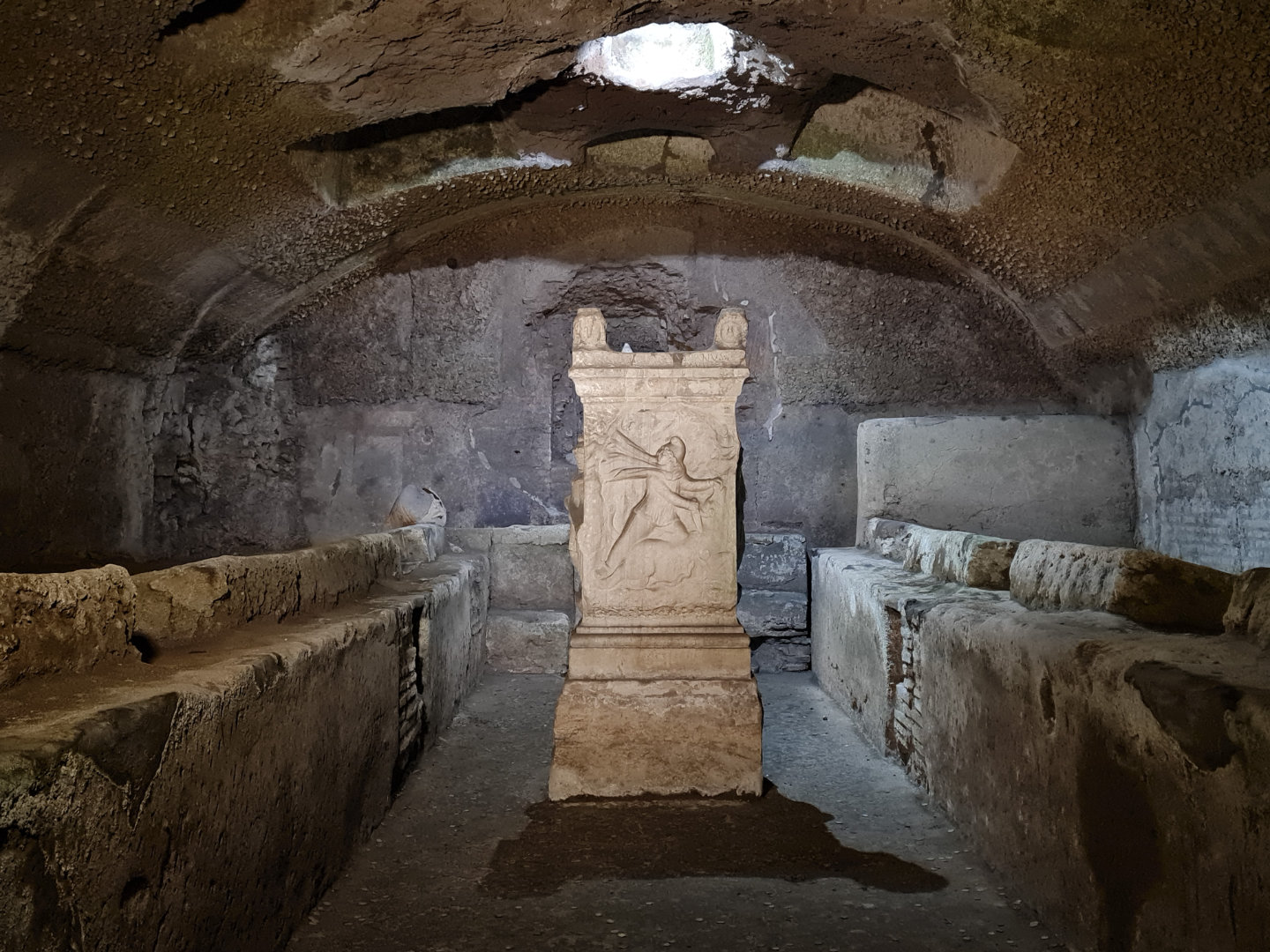
Mithraeum under San Clemente
Ancient Roman temple to Mithras hidden three levels below
Explore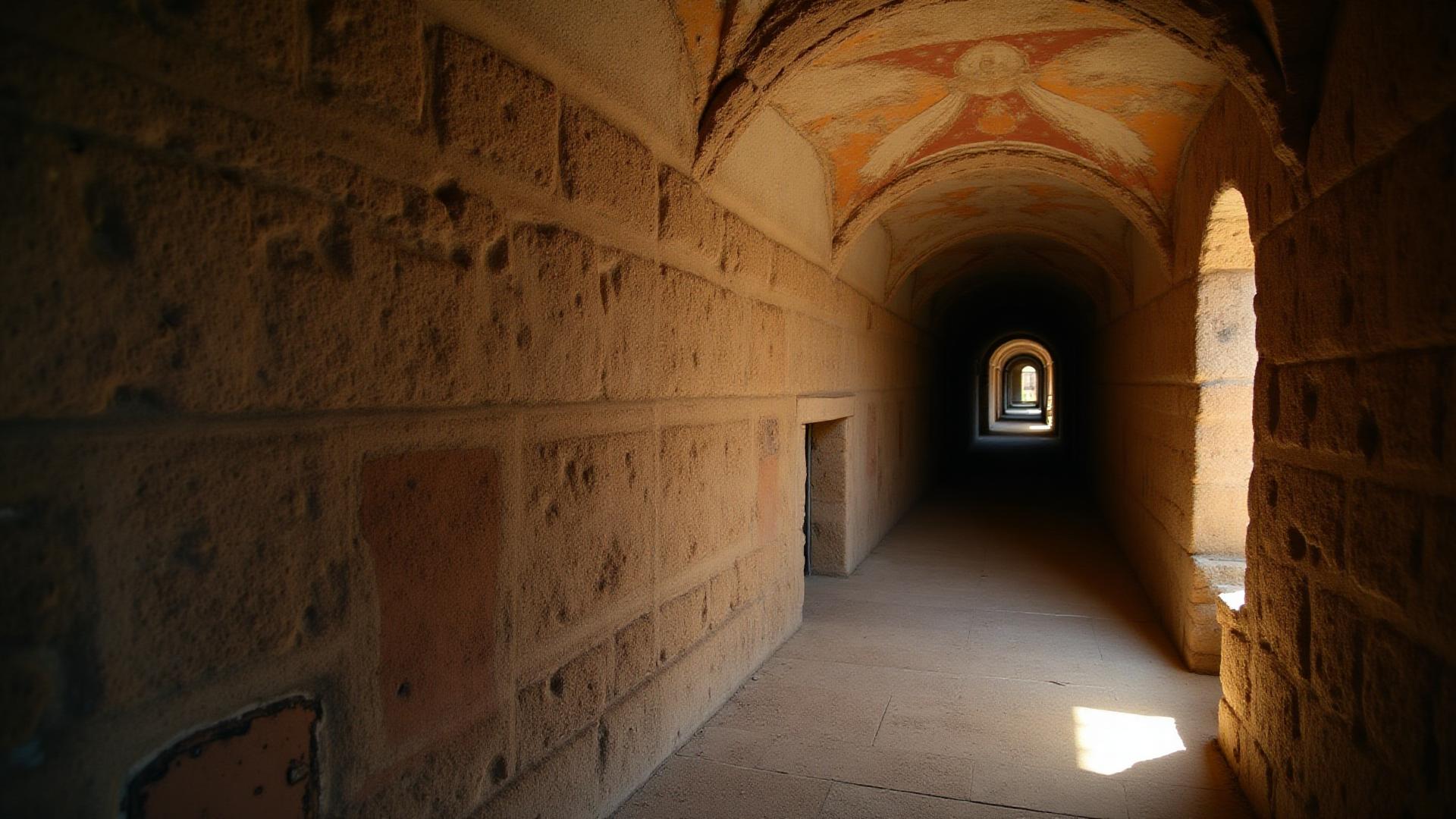
Vigna Codini Columbarium
Three preserved Roman burial chambers with hundreds of niches and frescoes
Explore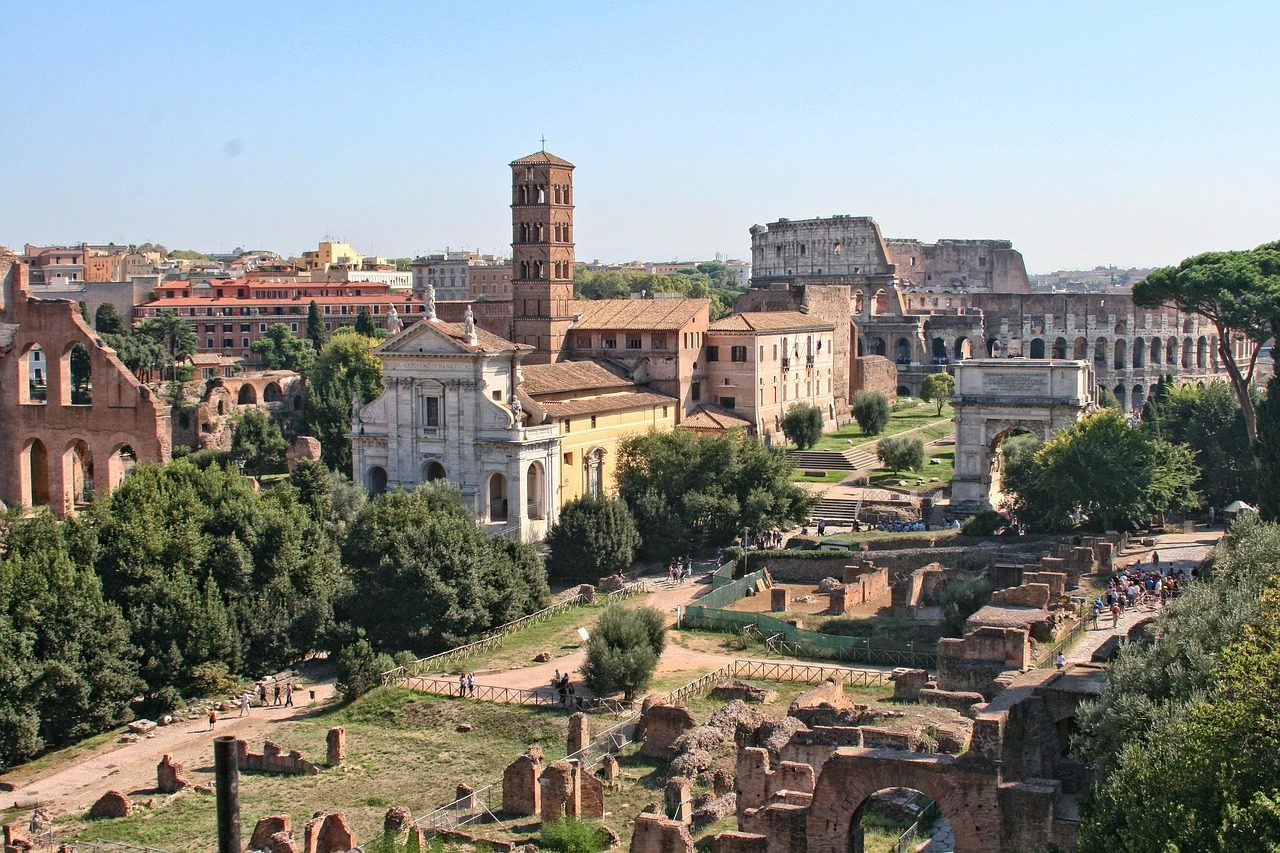
Roman Forum
The beating heart of ancient Rome where politics and daily life flourished
Explore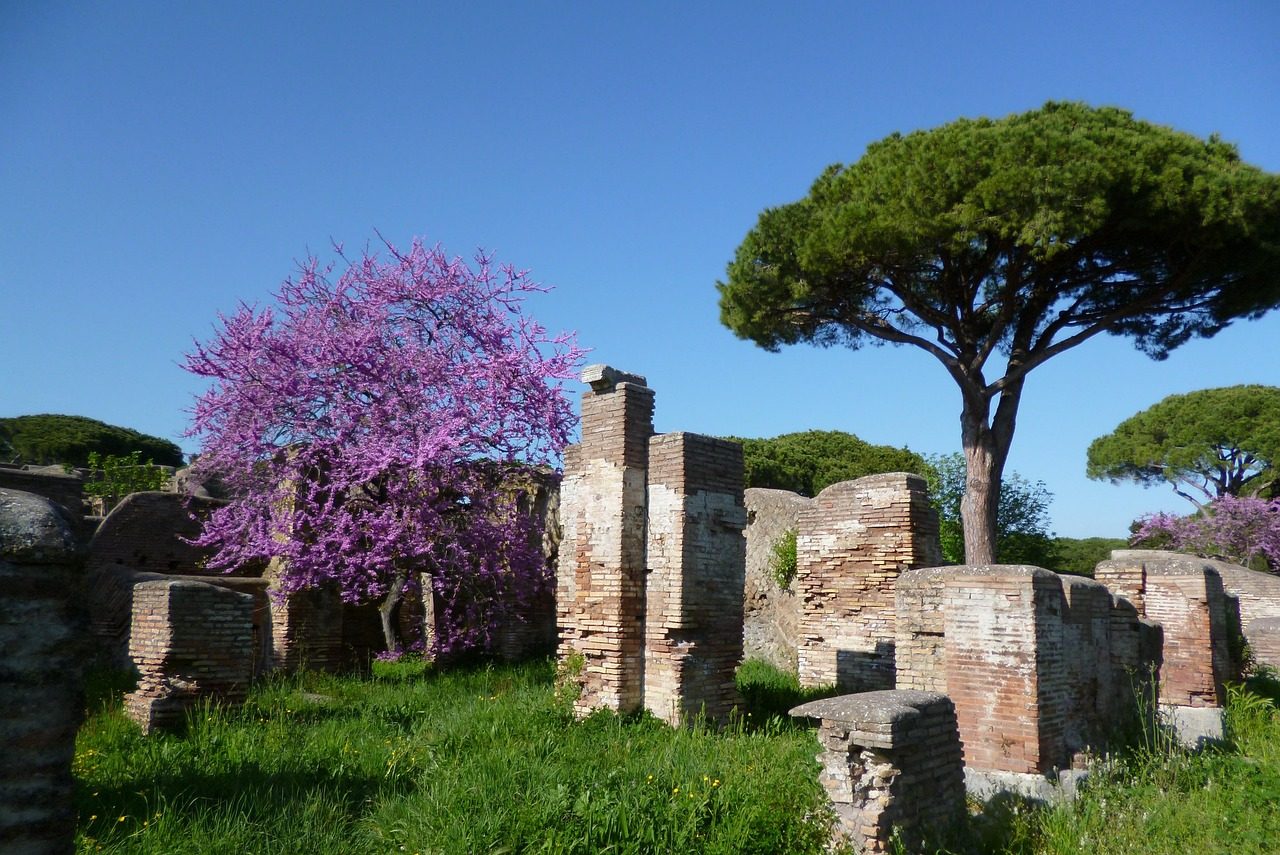
Ostia Antica
Rome’s ancient harbour city; €18 integrated park ticket valid eight days from first entry
ExploreQuick Planning Guide
⏱️ Time Needed
3-6 hours
💰 Cost
Free (sites extra)
🎫 Reservation
Book catacombs in advance
♿ Accessibility
Uneven ancient stones, challenging for wheelchairs
📅 Best Time
Sunday mornings (car-free)
👨👩👧👦 Family Friendly
Yes, great for biking with kids
Nearby Attractions
Catacombs of Saint Sebastianon the road
Tomb of Cecilia Metellakm 3.2
Villa dei Quintilikm 5.5
Circus of Maxentiuskm 3
Baths of Caracallanear start
You May Also Like
Catacombs of Saint SebastianCatacombs of PriscillaBaths of CaracallaPark of AqueductsFeatured In These Itineraries
5 Day Rome ItineraryActive Rome ItineraryLocal Rome ItineraryEssential Tips
- ✓ Visit on Sunday or a public holiday when traffic restrictions run 09:00–16:00 (standard time) or 09:00–18:00 (daylight saving time)
- ✓ Rent bikes at the Parco Regionale visitor centre
- ✓ Bring water and snacks (fountains and services are sparse and unevenly spaced)
- ✓ Wear comfortable shoes for uneven basalt stones
- ✓ Pre-book one catacomb tour (don't try multiple)