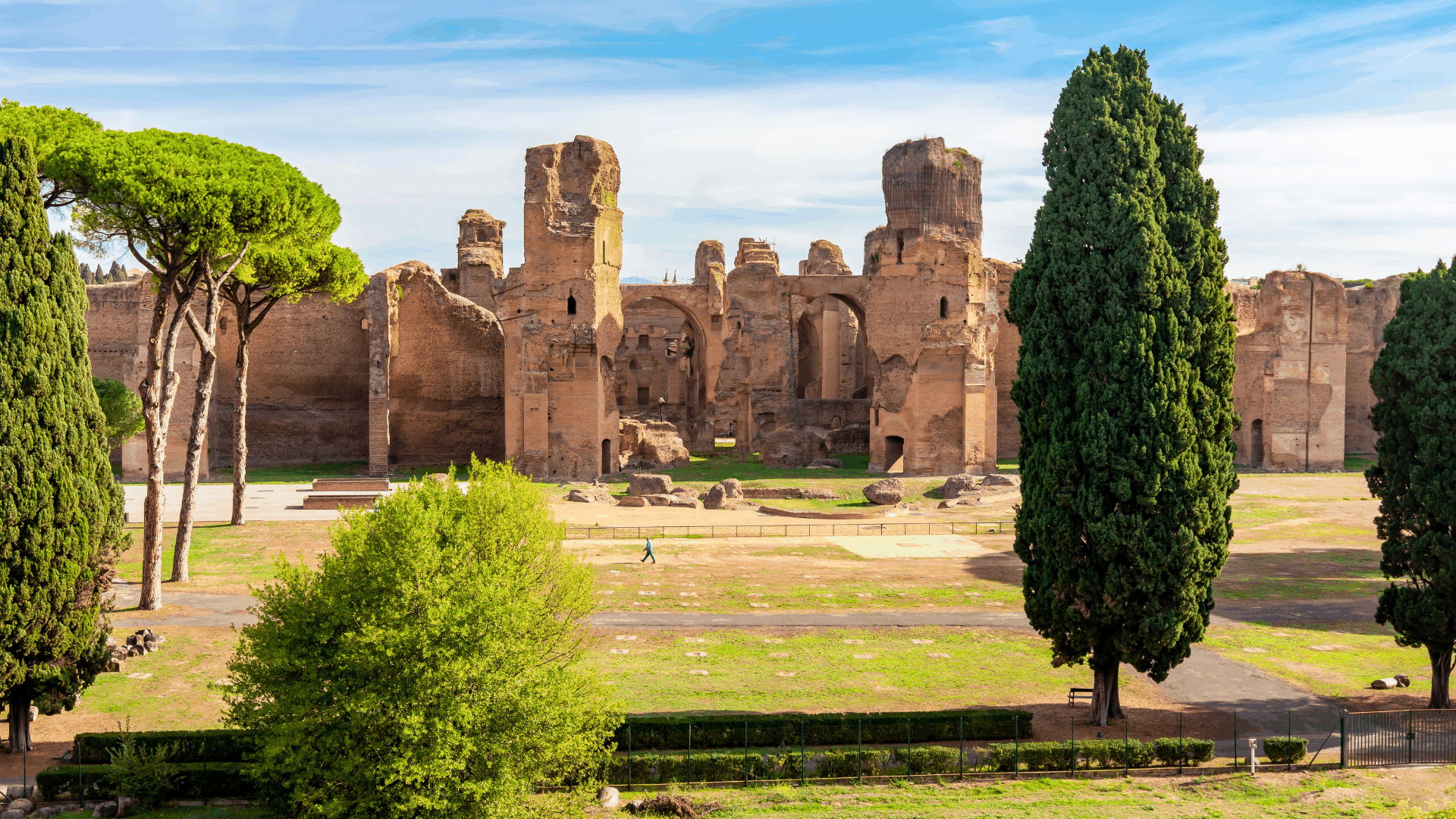
 One of the Largest & Best-Preserved Roman Baths · 2026
Baths of Caracalla
One of the largest and best-preserved Roman bath complexes — 11 hectares, 30-metre walls, original mosaics, an underground Mithraeum and, in 2026, the on-site 'Caracalla Danza' summer dance programme.
1.5–2 hoursFrom €10Hours vary seasonallyCaracalla Danza 2026Viale delle Terme di Caracalla 52, 00153 Roma RMOpen on MapPlan Your Visit
Compare tickets, tours and stays — booking ahead usually gives more choice
Get TicketsBook a TourHotels NearbyBy AllTrips Editors••Prices and hours last checked: August 2026•11 min readThe Baths of Caracalla (Terme di Caracalla) are one of the largest and best-preserved Roman bath complexes. Built between 212 and 216 AD by Emperor Caracalla, they covered 11 hectares, could accommodate 1,600 bathers at once, and remained in use formore than three centuries, until Rome's aqueduct supply was disrupted during the Gothic War in 537. Today the towering 30-metre brick walls still stand and original mosaic floors of athletes survive in place. Standard entry is €10, tickets are nominative (name-bearing), and opening hours vary seasonally, so check the official site before you go. In 2026, the Baths hosted a separate, shorter "Caracalla Danza" summer dance programme, while Teatro dell'Opera di Roma's main summer season moved to Circus Maximus. Five minutes from the Circus Maximus metro stop.
📋 In This Guide
Built
212–216 AD (Emperor Caracalla)
Capacity
1,600 bathers at once
Footprint
11 hectares · walls to 30 m
Entry 2026
€10 standard (nominative ticket)
Opening Hours
Seasonal · last entry 1 hr before close
Summer 2026
"Caracalla Danza" programme (site) · Opera at Circus Maximus
Water Source
Aqua Antoniniana aqueduct
Metro
Line B – Circo Massimo (5 min walk)
Why Visit the Baths of Caracalla?
Most visitors to Rome go to the Colosseum and miss the Baths of Caracalla — which is a mistake. The Colosseum is a ruin reduced to its outer ring; Caracalla still has its original walls, vaults to 30 metres, in-situ mosaic floors and rooms you can actually walk inside. It is the closest you can get in the modern world to experiencing the architectural scale of the Roman Empire at its peak. Add the underground Mithraeum and, in 2026, the on-site "Caracalla Danza" summer dance programme, and you have one of the better-value €10 tickets in the city.
Imperial Scale Intact
Walls still 30 m high after 1,800 years — the only place to feel the original verticality of imperial Roman architecture.
Original Imperial Scale
Original mosaic floors, towering brick walls and the underground Mithraeum give a rare, tangible sense of imperial Roman engineering.
Summer "Caracalla Danza"
In 2026 the Baths hosted a shorter on-site dance programme, while Teatro dell'Opera's main opera and ballet season moved to Circus Maximus.
Half the Crowds
A fraction of the Colosseum's traffic, twice the room to breathe — and a more rewarding archaeological experience.
What to See
The site is essentially symmetrical along an east–west axis. Here are the eight things to look for, in walking order:
Western Palaestra (Athlete Mosaics)
The first stop after entry. Open exercise yard with the most complete athletic-themed mosaic from antiquity (222–235 AD) showing athletes, trainers and victors. Note their numbered prizes.
Apodyterium (Changing Rooms)
Long corridor with niches that once held wooden lockers. Slaves watched belongings while owners bathed.
Frigidarium (Cold Hall)
The vast central hall — 58 × 24 m, originally roofed by three groin vaults at 33 m height. Four cold pools at the corners. The most architecturally impressive surviving room.
Natatio (Open-Air Pool)
The colossal 50-metre swimming pool on the north side — bigger than an Olympic pool. Lined with marble; statues of athletes filled the niches.
Tepidarium (Warm Room)
Smaller transitional hall between cold and hot. Originally heated by hypocaust (under-floor heating) at moderate temperature.
Caldarium (Hot Room)
Round 35-metre-diameter hot bathing hall on the south side, originally domed. Only stubs of the southern wall survive — but the foundations show its enormous scale.
Eastern Palaestra & Best Mosaics
Symmetrical eastern gym with the best-preserved geometric mosaic floors of the entire site. Look for the original red porphyry inlays.
Library Halls (NE and NW)
Two large rectangular halls at the north corners housed the Greek and Latin libraries — niches in the walls held thousands of papyrus scrolls. The first 'public libraries' of the Roman Empire.
Inside the Baths: How Romans Bathed
A Roman visit to Caracalla followed a strict order, repeated by everyone from senators to freed slaves. Entry was free; the experience took 2–3 hours and was as much social as hygienic.
Step 1Apodyterium — undress
Strip in the changing room, leave clothes with a slave or capsarius for a small fee.
Step 2Palaestra — exercise
Wrestle, lift weights, throw the discus or play harpastum (a kind of rugby) to work up a sweat.
Step 3Tepidarium — warm
Acclimatise in the warm room. Slaves applied olive oil and scraped it off with a strigil.
Step 4Caldarium — hot
Sweat in the hottest hall (roughly 40–50 °C) heated by a hypocaust system burning wood beneath the floor.
Step 5Frigidarium — cold plunge
Refreshing cold dip in one of the four pools of the great central hall.
Step 6Natatio — swim & socialise
Open-air swim in the great 50-metre pool, then catch up on news, deals and gossip until sunset.
The Underground Mithraeum
Beneath the eastern side of the complex, accessed by a steep staircase, lies the largest Mithraeum ever found in Rome — a 23-metre vaulted chamber with stone benches running along both walls, a sacrificial pit (fossa sanguinis) in the centre and niches that once held the cult image of Mithras slaying the bull (the tauroctony).
Mithraism was a secretive male-only mystery cult that swept the Roman army in the 2nd–4th centuries AD. Initiates progressed through seven grades, met for ritual meals and bull sacrifices in deliberately cave-like underground temples, and swore absolute secrecy. By the 4th century it was Christianity's main rival as the unofficial religion of the legions.
When open
Selected dates only — check the official site the week of your visit.
Cost
Supplementary ticket on top of the standard €10 entry. Check the current supplement on the official site.
Stairs only
Not wheelchair accessible. Expect a steep descent and cool, damp air.
Summer 2026: "Caracalla Danza"
For 2026, Teatro dell'Opera di Roma moved its principal summer opera and ballet season away from the Baths to a purpose-built stage at Circus Maximus, running roughly 29 June to 31 July 2026. The Baths of Caracalla themselves hosted a separate, shorter on-site programme billed as "Caracalla Danza", focused on dance rather than full opera stagings. Confirm current-year programming, dates and venues directly with operaroma.it before booking, since the format has changed year to year.
Tickets
Prices vary by seat and event — check operaroma.it for current listings before booking.
Venue split
Main opera/ballet season: Circus Maximus. Shorter dance programme: on site at the Baths.
Photography
Typically forbidden during performances — check the venue's rules on the night.
Baths of Caracalla Through 1,800 Years
From an emperor's PR project in 212 AD to a modern archaeological park and occasional performance venue — fourteen turning points.
211 ADCaracalla becomes emperor
The 23-year-old Caracalla murders his brother Geta and rules alone. To win popular support he commissions the largest public bath complex Rome has ever seen.
212 ADConstruction begins
Work starts on the Aventine slope. A new aqueduct (the Aqua Antoniniana, branch of the Aqua Marcia) is built specifically to feed the baths.
216 ADBaths inaugurated
The main bathing block opens to the public, free for all Roman citizens. Construction of gardens, libraries and outer buildings continues for another 20 years.
222–235 ADMosaic floors completed
Under Severus Alexander the spectacular athlete mosaics of the western palaestra are laid — today the most complete athletic-themed mosaic from antiquity.
298 ADDiocletian's larger baths begin
Diocletian commissions an even larger complex (3,000 bathers) on the Quirinal — but Caracalla remains better preserved today.
537 ADAqueducts cut by the Goths
During the Gothic siege of Rome, King Vitiges severs all of Rome's aqueducts. The Baths of Caracalla — and every other public bath in Rome — fall silent after more than three centuries of use.
847 ADEarthquake collapse
A major earthquake brings down the great vaults of the frigidarium and caldarium. The site is gradually quarried for marble and stone over the next eight centuries.
1545–1547Farnese excavations
Pope Paul III Farnese launches systematic excavations to find sculpture for his palace. The famous Farnese Hercules, Farnese Bull and Toro Farnese are all found here — most are now in Naples.
1580 / 1626Granite basins moved to Piazza Farnese
Two enormous grey-Egyptian-granite labra are extracted from the ruins and installed as the twin fountains of Piazza Farnese — where they remain today.
1824Modern archaeology begins
Pope Leo XII funds the first scientific excavations. The site is gradually cleared and the layout fully understood for the first time since antiquity.
1937First opera season
Teatro dell'Opera di Roma stages its first summer opera among the ruins. The tradition continues for decades, with interruptions during WWII and a 1990s pause for conservation.
1960Olympic gymnastics venue
During the Rome Olympics, the gymnastics events are held in a temporary structure inside the ruins — a modern echo of the ancient palaestrae.
2012Mithraeum opens to the public
After decades of restoration, the underground Mithraeum is opened on selected days — the largest such temple in the city.
2026Caracalla Danza summer programme
Teatro dell’Opera di Roma’s main summer opera and ballet season moves to Circus Maximus (29 June – 31 July 2026), while the Baths host a separate, shorter on-site Caracalla Danza dance programme.
Tickets & Tours (2026)
Below are the main ticket options. Prices are approximate 2026 rates — always confirm current pricing on the official Soprintendenza site (coopculture.it) before booking, as tickets are nominative (issued in the visitor's name) and the official site does not offer its own guided-tour or skip-the-line service.
Standard · €10Baths of Caracalla single entry
- Full access to the main complex
- Ticket is nominative (name-bearing) — photo ID may be checked
- Free first Sunday of every month (seasonal exceptions may apply)
- Reduced rates for eligible EU citizens; free for under-18s — confirm current rules on the official site
Caracalla + Cecilia Metella + Villa dei Quintili
- Official combined ticket generally covers all three sites on the Appian Way
- Validity period set by the official site — check coopculture.it
- Best value if you have a half-day for the Appia Antica
Mithraeum supplement
Add the underground Mithraeum to any ticket. Check the open-day calendar and current supplement price before booking.
Roma PassIncluded in 48 / 72-hour passes
€36 / €55. Includes free entry, transport and other site discounts.
View All Ticket OptionsBest Time to Visit
Morning
Lowest crowds and soft warm light on the brick walls. Hours vary seasonally — check the official site.
Late afternoon
Golden-hour photography window. Last admission is one hour before closing. Cooler in summer.
Best months
April–May and September–October. Mild weather, all rooms open, fewer crowds than peak summer.
Avoid
Midday in July/August (38–42 °C, no shade). Mondays (closed). Days with on-site events, when some areas may be roped off.
Caracalla vs Diocletian: Rome's Two Great Baths
Rome's two largest bath complexes offer different but complementary experiences. Here's how they compare in 2026:
Baths of Caracalla
Size:11 hectaresBuilt:212–216 AD (older)Capacity:1,600 bathersToday:Open-air ruins and occasional summer performancesHighlight:Massive preserved brick walls, mosaics, MithraeumLocation:South (near Circus Maximus)Baths of Diocletian
Size:13 hectares (largest ever built)Built:298–306 AD (newer)Capacity:3,000 bathersToday:Museum, basilica, cloisterHighlight:Michelangelo's Renaissance basilicaLocation:Central (near Termini)Which Should You Visit?
Visit Caracalla for dramatic outdoor ruins, original mosaic floors and the Mithraeum.Visit Diocletian for museum collections, Michelangelo's basilica and a more intimate indoor experience near Termini.Ideally visit both — they tell the full story of Roman bathing culture from the early 3rd century to the Tetrarchy.
Common Mistakes to Avoid
Coming on a Monday
Closed. The site opens Tuesday–Sunday only; exact hours vary seasonally, with last admission one hour before closing — check the official site.
Assuming a guided tour is sold on the official site
The official coopculture.it site does not offer its own guided-tour or skip-the-line service — those are third-party add-ons.
Not bringing water in summer
There is almost no shade on site and temperatures hit 38–42 °C in July/August. There's only one drinking fountain.
Wearing sandals or open shoes
Gravel, uneven brick and exposed mosaic edges. Closed-toe shoes required for the underground Mithraeum.
Forgetting tickets are nominative
Official tickets are issued in the visitor's name, and photo ID may be checked at entry.
Expecting the traditional opera season on site
In 2026, Teatro dell'Opera di Roma's main summer season moved to Circus Maximus; the Baths hosted a separate, shorter 'Caracalla Danza' programme instead.
Confusing it with the Baths of Diocletian
Two different sites, both worth seeing. Caracalla = ruins in the south. Diocletian = museum near Termini.
Assuming a fixed year-round schedule
Opening hours change with the season — always check the official site shortly before your visit.
Colosseum Priority Entrance
Best for: First-time visitors
~2 hoursSkip-the-line access to the Colosseum with entry to Roman Forum and Palatine Hill included. Perfect for first-time visitors.
- Skip-the-line entry
- Colosseum access
- Roman Forum included
- Palatine Hill included
🎟️ Compare Prices:
TiqetsKlookTrip.comColosseum Guided Tour
Best for: History enthusiasts
~3 hoursExpert-led tour with professional guide sharing gladiator history, architecture secrets, and ancient Roman stories.
- Professional English-speaking guide
- Skip-the-line entry
- In-depth historical commentary
- Small group experience
🎟️ Compare Prices:
TiqetsKlookTrip.comColosseum Arena & Underground
Best for: Unique experience seekers
~3.5 hoursWalk where gladiators fought on the arena floor and explore the underground chambers where they awaited their fate.
- Arena Floor access
- Underground chambers access
- Roman Forum & Palatine Hill
- Expert guided tour included
🎟️ Compare Prices:
TiqetsKlookTrip.comPair Your Visit
Ancient Rome day
Colosseum + Forum (morning) → walk past Circus Maximus → Baths of Caracalla (afternoon) → aperitivo on the Aventine.
Appian Way combo
Caracalla 09:00 → bus 118 to Tomb of Cecilia Metella → Villa dei Quintili → catacombs of San Callisto.
Late afternoon + Aventine
17:00 visit → 18:30 sunset at the Orange Garden → 19:30 dinner at one of the Aventine trattorias.
Getting There
Metro (best)
Line B to Circo Massimo → 5-minute flat walk south down Viale delle Terme di Caracalla.
Bus
Lines 118, 160 and 628 stop directly outside the entrance.
From the Colosseum
15-minute flat walk south, passing the Circus Maximus and the Aventine Hill.
From Termini
Metro Line B direct to Circo Massimo (4 stops, 8 minutes total). No need to change.
Where to Stay Near Baths of Caracalla
Looking for convenient accommodation near Baths of Caracalla? Stay within walking distance to make the most of your visit.
Hotels Near This AttractionTop Rated HotelsBudget-Friendly OptionsLuxury HotelsCentral locations with easy access to Baths of Caracalla and other attractionsFrequently Asked Questions
How much do Baths of Caracalla tickets cost in 2026?
Standard adult entry is €10. An official combined ticket covering nearby Appian Way sites such as the Tomb of Cecilia Metella and Villa dei Quintili is generally available — check current pricing and validity on the official coopculture.it site. Under-18s and disabled visitors with one carer generally enter free, and reduced rates may apply for eligible EU citizens; the first Sunday of every month is free for everyone (seasonal exceptions can apply). Tickets are nominative (issued in the visitor's name) and photo ID may be checked. The Roma Pass (€55, 72 hours) includes one free entry. Always confirm current prices on the official site.
Are the Baths of Caracalla worth visiting?
Yes — emphatically. They are one of the largest and best-preserved Roman bath complexes, with original 30-metre walls still standing, in-situ mosaic floors and an underground Mithraeum. They are far less crowded than the Colosseum, half a mile from Circus Maximus, and you can typically see them in 90 minutes to 2 hours.
What was inside the Baths of Caracalla?
Far more than a bathhouse. The complex held: a 50-metre open-air swimming pool (natatio); cold, warm and hot bathing halls (frigidarium, tepidarium, caldarium); two huge open exercise courts (palaestrae); two Greek and Latin libraries; gardens, gymnasia, shops, a stadium and a sanctuary to Mithras underground. Up to 1,600 Romans could bathe at once, and by tradition entry was generally free or very cheap, funded by the emperor as a form of public benefaction.
Is there still an opera season at the Baths of Caracalla?
Not the traditional large-scale opera season. In 2026, Teatro dell'Opera di Roma moved its principal summer opera and ballet programme to the Circus Maximus, running roughly 29 June – 31 July. The Baths of Caracalla instead hosted a separate, shorter 'Caracalla Danza' dance programme on site. Check operaroma.it for the current year's venues and dates before booking.
What is the Mithraeum and is it open?
The Mithraeum is the largest underground temple to the god Mithras ever found in Rome — a long vaulted chamber under the eastern palaestra with stone benches for ritual meals and a sacrificial pit. Mithraism was a secretive male-only mystery cult popular with Roman soldiers in the 2nd–4th centuries AD. The Mithraeum is open on selected days only — check the official Soprintendenza website (coopculture.it) before your visit, or buy the supplementary 'Caracalla Underground' ticket. Note the official site sells nominative (name-bearing) tickets only and does not offer its own guided-tour or skip-the-line service.
How long should I spend at the Baths of Caracalla?
Plan 1.5–2 hours for the main complex, plus 30 minutes if you visit the Mithraeum. The site is essentially flat but the gravel paths and uneven brickwork mean comfortable closed-toe shoes are essential.
Is the Baths of Caracalla included in the Roma Pass?
Yes. The Roma Pass 72-hour (€55) includes free entry to your first 2 attractions and discounted entry to subsequent ones — the Baths of Caracalla counts as one of the two. The 48-hour version (€36) includes 1 free entry. Both also give 72/48 hours of free public transport (metro, bus, tram).
Are the Baths of Caracalla wheelchair accessible?
Partially. There are dedicated step-free routes through the main bathing halls and the western palaestra with packed-gravel paths. The underground Mithraeum is reached via stairs only and is not wheelchair accessible. Companions of disabled visitors enter free with their charge. Accessible WCs are at the entrance.
When is the best time of day to visit?
Early morning for the lowest crowds and softest light on the brick walls, or late afternoon for golden-hour photography — remember last admission is one hour before closing, and hours vary seasonally, so check the official site before you go. Avoid midday in summer — the site has almost no shade and reaches 38–42 °C in July and August. Bring water and a hat.
How do I get to the Baths of Caracalla?
Easiest: Metro Line B to Circo Massimo, then 5-minute walk south down Viale delle Terme di Caracalla. Bus: 118, 160 or 628 stop directly outside. From the Colosseum it's a flat 15-minute walk south past Circus Maximus. From Termini it's metro Line B (8 minutes total).
Related Attractions

Aurelian Walls
Surviving sections of Rome's late-3rd-century defensive walls
Explore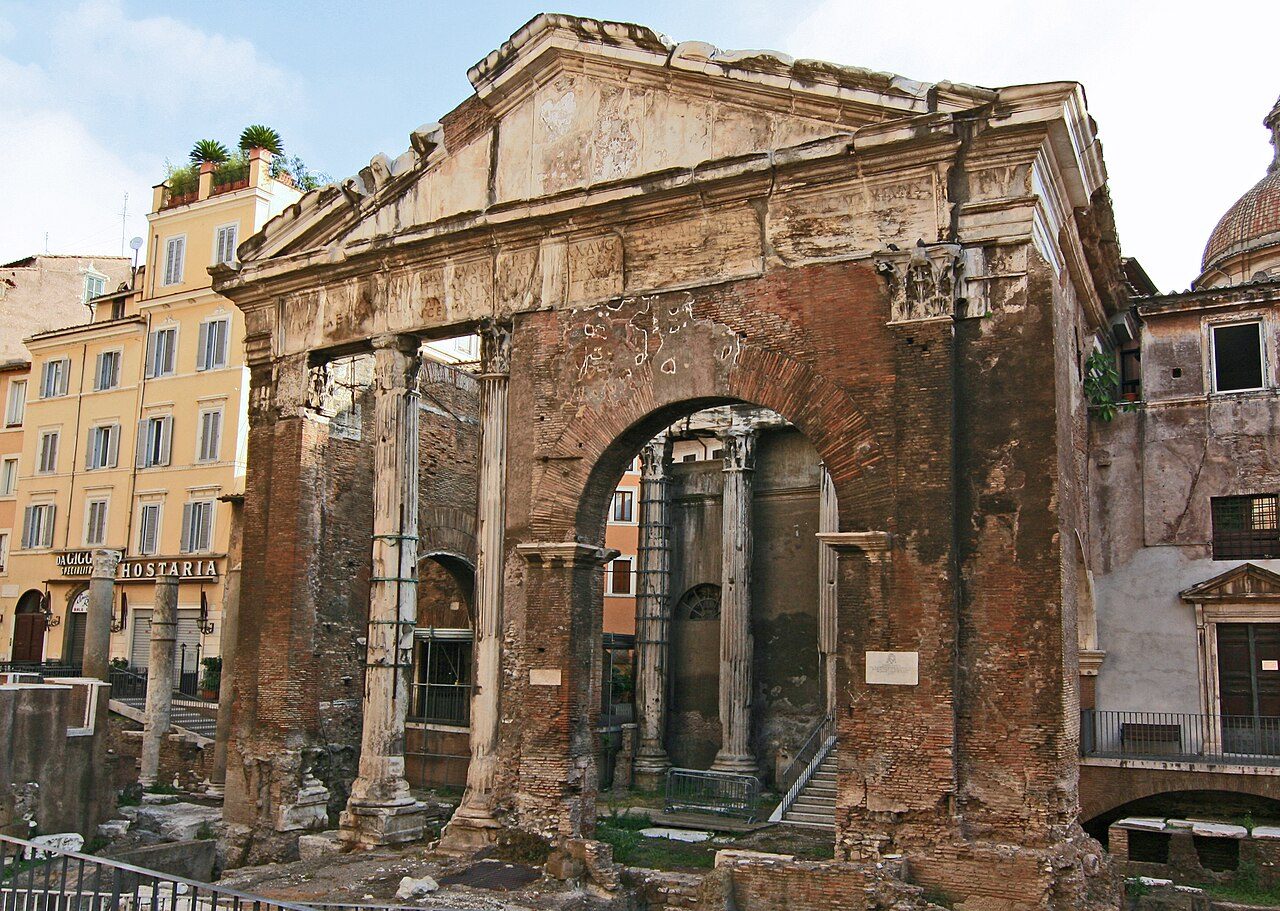
Portico of Octavia
Ancient Roman portico and gateway to the Jewish Ghetto
Explore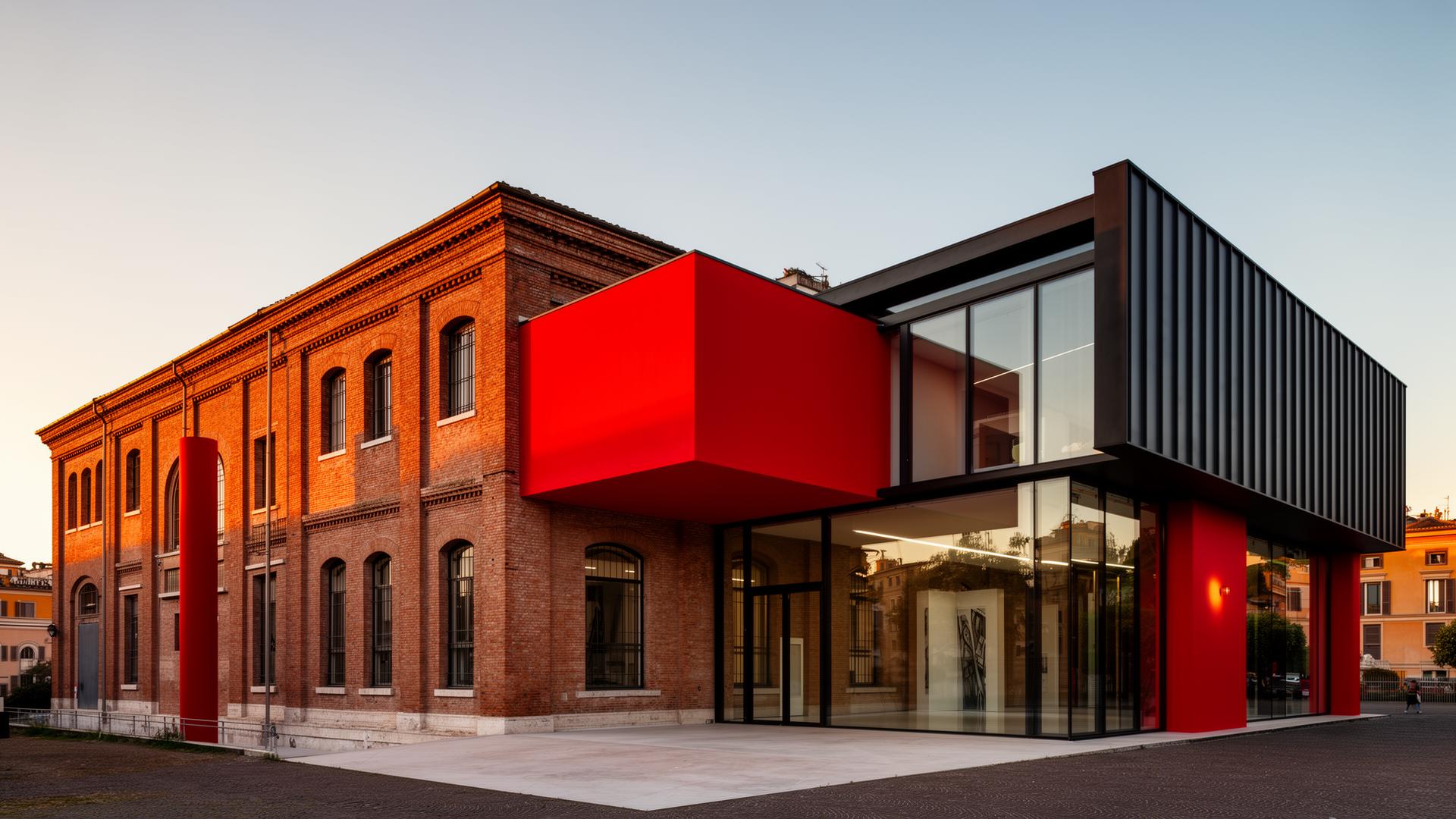
MACRO Museum
Contemporary art in a converted Peroni brewery
Explore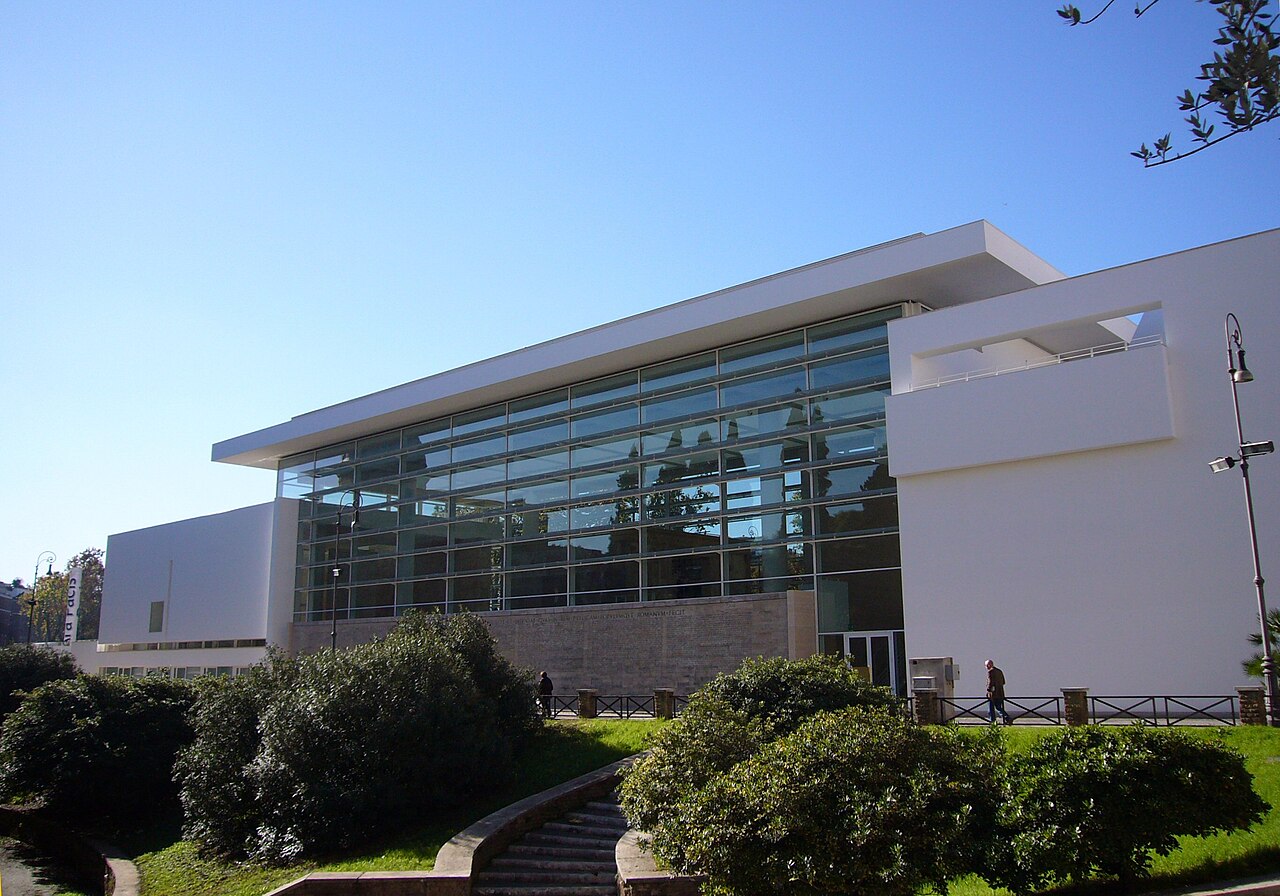
Ara Pacis Museum
Augustus's exquisite Altar of Peace in Richard Meier's modern museum
Explore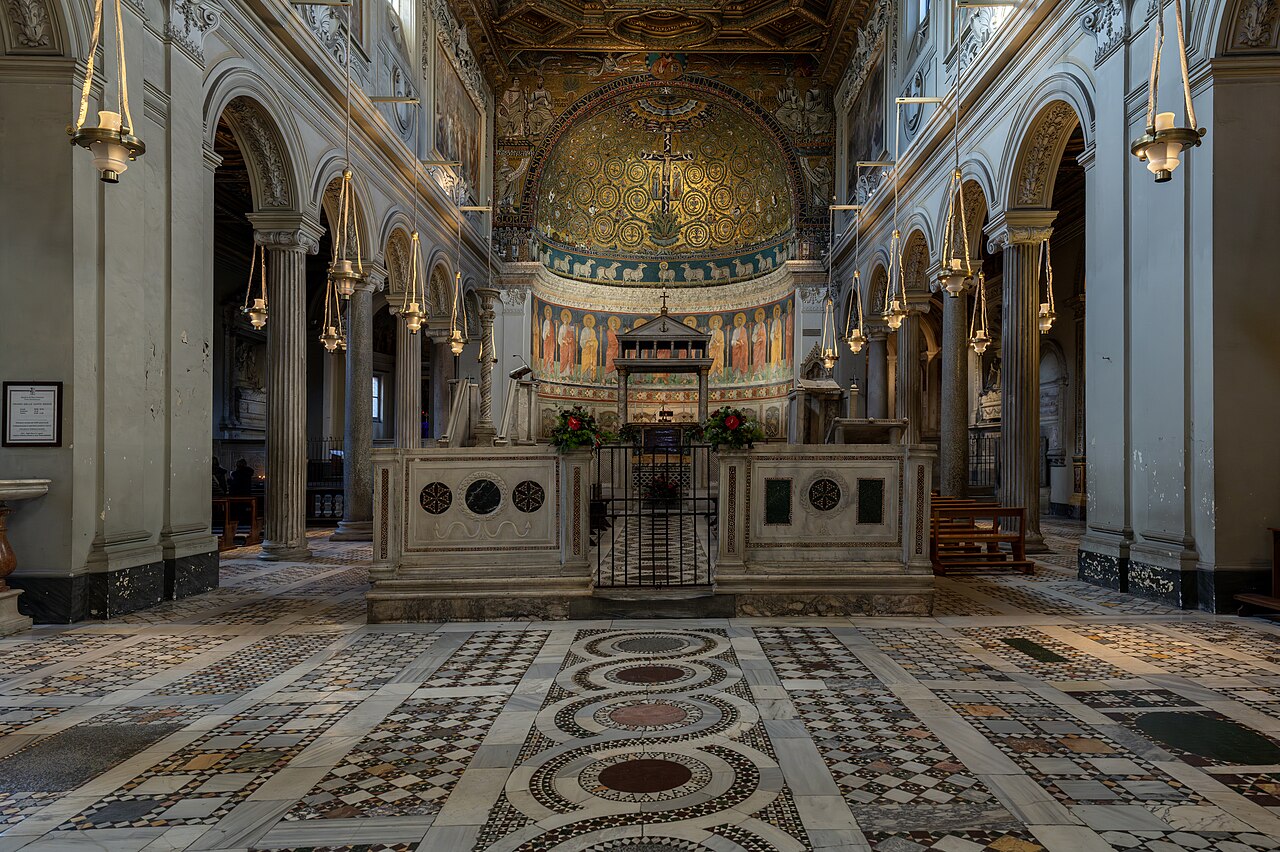
Basilica San Clemente
Descend through 2,000 years—medieval mosaics to Mithraic temple
Explore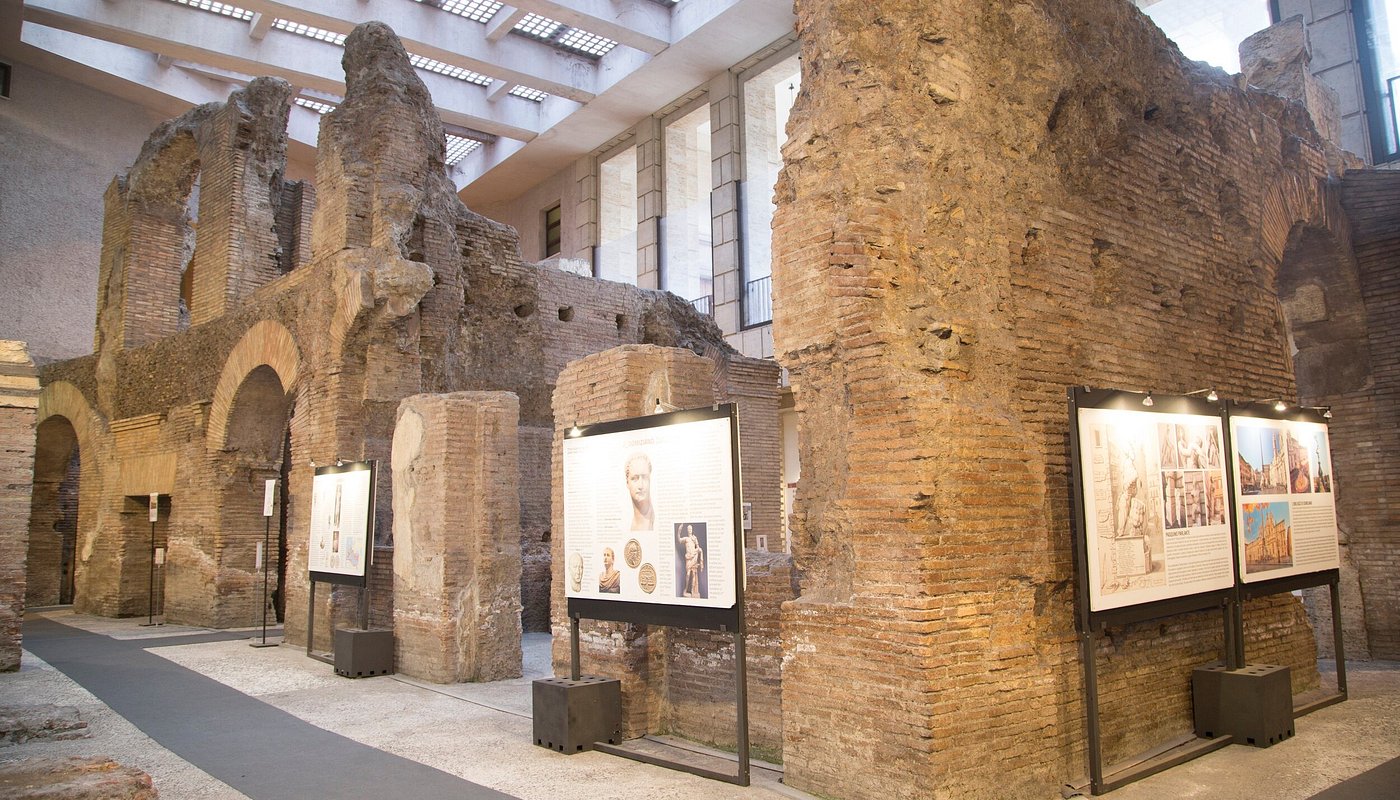
Stadio di Domiziano
Underground remains of Domitian's ancient athletics stadium beneath Piazza Navona
ExploreQuick Planning Guide
⏱️ Time Needed
1.5–2 hours (+30 min Mithraeum)
💰 Cost
€10 standard · Free 1st Sun (seasonal exceptions may apply)
🎫 Reservation
Recommended Apr–Oct
♿ Accessibility
Step-free main paths · Mithraeum stairs only
📅 Best Time
Morning or late afternoon (hours vary seasonally)
👨👩👧👦 Family Friendly
Yes — vast open site, good for older kids
🌡️ Weather
Outdoor — bring water + hat in summer
Nearby Attractions
Circus Maximus5-min walk
Aventine Hill & orange garden10-min walk
Pyramid of Cestius15-min walk
Colosseum15-min walk
Appian Way park10-min walk
FAO building5-min walk
You May Also Like
Appian WayCircus MaximusCatacombs of Saint SebastianFeatured In These Itineraries
5 Day Rome ItineraryClassic Rome in 3 DaysOne Day in RomeEssential Tips
- ✓ Standard adult entry is €10 — tickets are nominative (name-bearing)
- ✓ First Sunday of each month is free for everyone (seasonal exceptions may apply)
- ✓ Hours vary seasonally; last admission is one hour before closing — check the official site
- ✓ The official site does not offer its own guided tour or skip-the-line service
- ✓ Comfortable closed shoes — gravel and brick
- ✓ Bring water — almost no shade in summer