 Parks & Gardens
Aventine Hill Orange Garden
Rome's most beautiful free sunset terrace — panoramic views of St. Peter's dome
1-2 hoursFree entryBest at SunsetPiazza Pietro d'Illiria, 00153 Roma RMOpen on MapPlan Your Visit
Compare tickets, tours and stays — booking ahead usually gives more choice
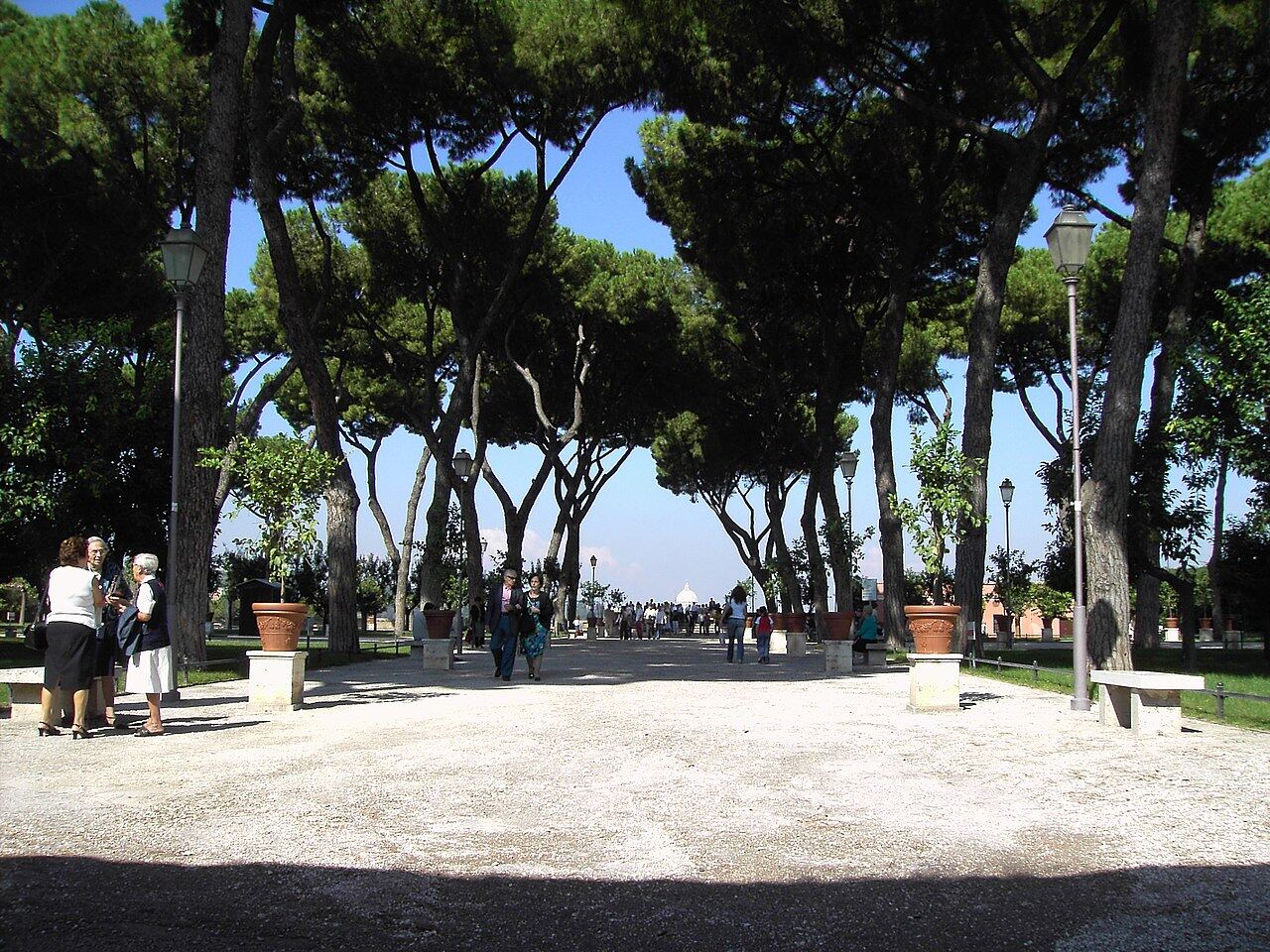
Book a TourHotels NearbyBy AllTrips Editors••7 min readThe Aventine Hill Orange Garden (Italian: Giardino degli Aranci or Parco Savello) is a small public terrace on Rome's southernmost hill, planted with bitter orange trees in 1932 on the foundations of the medieval Savelli fortress. Its western stone balustrade frames a 180° panorama over central Rome, with St. Peter's dome sitting centrally on the horizon from the terrace's western railing. It's one of the city's best free sunset views. Opening hours follow a fixed seasonal schedule — 07:00–18:00 (Oct–Feb), 07:00–20:00 (Mar and Sep), 07:00–21:00 (Apr–Aug) — no ticket required.
📋 In This Guide
Duration
1-2 hours
Cost
Free
Best Time
Sunset
Type
Park & Views
Why Visit the Aventine Orange Garden?
The Giardino degli Aranci is a Rome viewpoint that delivers without a ticket or a climb worse than ten minutes. The western balustrade frames St. Peter's dome against golden-hour sky, the bitter-orange trees scent the air in May, and the 13th-century Savelli fortress walls quietly anchor the whole composition.
Rome's Best Free Sunset
St. Peter's dome sits centrally on the horizon from the western railing, with golden light over the Tiber — no ticket required.
Fragrant Orange Groves
Bitter Citrus aurantium trees planted in 1932 — flowers in May, golden fruit through winter.
Santa Sabina Next Door
The 5th-century basilica beside the garden has among the oldest surviving monumental carved Christian wooden doors — free, often missed.
Aventine Keyhole 5 Min Away
Piazza dei Cavalieri di Malta — peer through the famous keyhole for the perfectly framed dome of St. Peter's.
The Garden: Deep-Dive
7,800 m² of Public Park
Roughly the size of a football pitch — small enough to feel intimate, big enough that you'll always find a free spot on the balustrade.
Bitter Orange Trees
Citrus aurantium — inedible raw, but used for marmalade, Cointreau, and orange-blossom water. According to legend, Saint Dominic planted the first bitter orange tree here, brought from Spain, in the 13th century.
The Savelli Fortress Walls
The garden's southern perimeter is the 13th-century Savelli fortress, built on earlier Savelli/Crescenzi-era walls — two popes (Honorius III and Honorius IV) came from this dynasty.
The Western Belvedere
A 60 m stone balustrade running along the cliff edge — St. Peter's dome sits centrally on the horizon when viewed from the terrace's western railing.
Clivo di Rocca Savella
The cobblestone ramp on the north side — built into the medieval fortress walls, framed by cypresses and ivy. The most photogenic approach.
Designed by Raffaele De Vico (1932)
The Mussolini-era city architect transformed the abandoned fortress site into a public garden — symmetrical paths, central fountain, and the now-iconic terrace.
Timeline of Aventine Hill
From plebeian refuge to medieval fortress to Rome's most beloved sunset terrace.
753 BCEOne of the Seven Hills
Aventine becomes one of Rome's seven founding hills, settled mainly by plebeians, foreigners, and merchants outside the original city walls.
5th centurySanta Sabina Built
The basilica beside the future garden is constructed — its carved cypress doors from 432 AD are among the oldest surviving monumental carved Christian wooden doors.
13th centurySavelli Fortress Built
The Savelli family — producing two popes — builds a fortress on the hill on earlier Savelli/Crescenzi-era walls. Its walls still form the garden's perimeter today.
13th centuryLegend of the Dominican Orange Tree
According to legend, Saint Dominic plants the first bitter orange tree at Santa Sabina, said to have been brought from Spain to Italy.
1765Piranesi's Keyhole
Giovanni Battista Piranesi designs the neighbouring Piazza dei Cavalieri di Malta, creating the now-famous keyhole view of St. Peter's.
1932Orange Garden Created
Architect Raffaele De Vico transforms the abandoned Savelli fortress into the public Parco Savello — the Giardino degli Aranci.
PresentFree Sunset Spot
The garden remains free, with fixed seasonal opening hours year-round, and is a popular sunset spot from spring through autumn.
Best Time to Visit
Time of Day
45 min before sunset ⭐ Best: Golden hour on St. Peter's dome — arrive early to claim balustrade space.
Early morning (7–9 AM) ⭐ Good: Empty paths, soft eastern light through the orange trees.
Avoid midday in summer: Harsh light, washed-out panorama, no shade on the terrace.
Season
Spring (Mar–May) ⭐ Best: Orange blossom in bloom, mild evenings, longest golden hours.
Fall (Sep–Nov): Comfortable temperatures, crisp clear views, fewer tourists.
Winter (Dec–Feb): Oranges hang heavy on the trees, garden often empty, sunset around 5 PM.
Summer: Beautiful but busy — arrive 60 minutes before sunset on weekends.
Best Photo Spots at the Orange Garden
Western Balustrade at Sunset
The classic shot — St. Peter's dome sits centrally on the horizon from this spot, Tiber bend below, golden light. 30 minutes before sunset until dusk.
Through the Orange Branches
From the southern path — frame the dome between two heavy fruit-laden orange branches. Best in winter (Nov–Jan) when fruit is ripe.
Clivo di Rocca Savella Approach
The cobblestone ramp on the north side — cypresses, ivy, and a tunnel of medieval stone. Best in soft morning or late-afternoon light.
Santa Sabina Portico
The 5th-century basilica's portico beside the garden — empty stone arches, perfect for moody architectural shots.
Aventine vs Other Rome Sunset Viewpoints
| Viewpoint | Cost | Crowds | Effort | St. Peter's View |
|---|---|---|---|---|
| Aventine Orange Garden | Free | Medium | 10 min uphill walk | ⭐⭐⭐⭐⭐ |
| Janiculum (Gianicolo) | Free | Low | 15 min uphill walk | ⭐⭐⭐ (side angle) |
| Pincio Terrace | Free | High | From Piazza del Popolo, gentle ramp | ⭐⭐⭐⭐ |
| Vittoriano Rooftop Lift | €18 | High | Glass elevator | ⭐⭐⭐⭐⭐ (360°) |
| St. Peter's Dome itself | €17 (stairs) / €22 (lift) | Very high | 320+ stairs | N/A (you're on it) |
For a free, quintessentially Roman sunset with St. Peter's framed perfectly, the Orange Garden is unmatched. For a 360° panorama, pay for the Vittoriano lift.
Common Mistakes to Avoid
Arriving at sunset, not before
By the time the sun touches the horizon the balustrade is full. Arrive 45 minutes early to claim a spot — golden hour starts well before sunset.
Skipping Santa Sabina next door
Most visitors photograph the view and leave. The 5th-century basilica beside the garden is free and home to among the oldest surviving monumental carved Christian wooden doors — don't miss it.
Eating the oranges
They're bitter Citrus aurantium — inedible raw. Picking fruit is also forbidden. Admire, don't snack.
Forgetting the Aventine Keyhole
5 minutes' walk south at Piazza dei Cavalieri di Malta. Combine the two — they're the natural Aventine pairing.
Pair Your Visit With
Aventine Keyhole5-minute walk south — the famous Knights of Malta keyhole framing St. Peter's dome.
Circus Maximus10-minute downhill walk — ancient Rome's largest stadium, free 24/7.
Mouth of Truth10-minute walk down the hill — the legendary marble mask of Roman Holiday fame.
Must-See Highlights
The western stone balustrade — a free panorama with St. Peter's dome sitting centrally on the horizonBitter orange (Citrus aurantium) groves planted in 1932 — fragrant in May, fruit-laden in winterThe Savelli fortress walls — 13th-century masonry forming the garden's southern perimeterBasilica of Santa Sabina (5th c.) next door — among the oldest surviving monumental carved Christian wooden doors, free entryClivo di Rocca Savella — the cobblestone ramp approach, framed by ivy and cypressesAventine Keyhole at Piazza dei Cavalieri di Malta — 5-minute walk south for the famous St. Peter's viewRoseto Comunale (Rome Rose Garden) — 5-minute walk down the hill, free and stunning in May–JuneWhere to Stay Near Aventine Hill Orange Garden
Looking for convenient accommodation near Aventine Hill Orange Garden? Stay within walking distance to make the most of your visit.
Hotels Near This AttractionTop Rated HotelsBudget-Friendly OptionsLuxury HotelsCentral locations with easy access to Aventine Hill Orange Garden and other attractionsFrequently Asked Questions
Is the Aventine Orange Garden free to visit in 2026?
Yes — entry is completely free, 365 days a year. Opening hours follow a fixed seasonal schedule: 07:00–18:00 (October–February), 07:00–20:00 (March and September), and 07:00–21:00 (April–August). The garden doesn't simply close at sunset — in winter it closes after dark, and in summer it stays open well past sunset.
What is the best time to visit the Orange Garden?
Arrive 45 minutes before sunset. Golden hour light on St. Peter's dome is the reason this is one of Rome's most photographed viewpoints. Early morning (7–9 AM) is the second-best time — empty paths and soft eastern light.
How do I get to the Orange Garden?
Take Metro Line B to 'Circo Massimo' station — it's a 10-minute uphill walk via Clivo dei Publicii. Buses 81, 160, 628, and 715 stop at Lungotevere Aventino. From the Mouth of Truth it's a 10-minute climb.
What can you see from the Orange Garden terrace?
A 180° panorama over central Rome — St. Peter's dome dominates the skyline, with the Trastevere rooftops below, the Tiber bend, the Vittoriano monument, and the Janiculum Hill on the right. On clear days you can see the Alban Hills in the distance.
Is the Orange Garden the same as the Aventine Keyhole?
No — they're separate but neighbouring. The Orange Garden (Giardino degli Aranci) is the panoramic terrace. The Aventine Keyhole (Knights of Malta keyhole) is 5 minutes' walk south at Piazza dei Cavalieri di Malta. Visit both in the same trip.
Is it good for a picnic or proposal?
Yes to both — it's a popular proposal spot and a pleasant place to picnic on the gravel benches at golden hour. Bring a small blanket; note that alcohol is not officially permitted in the garden.
Is it accessible for wheelchairs and strollers?
The garden itself is flat gravel and accessible once you reach it, but the approach from Circo Massimo metro is steeply uphill. The easier route is via Lungotevere Aventino and Via di Santa Sabina — still uphill but gentler. Inside, paths are wide and level.
Related Attractions
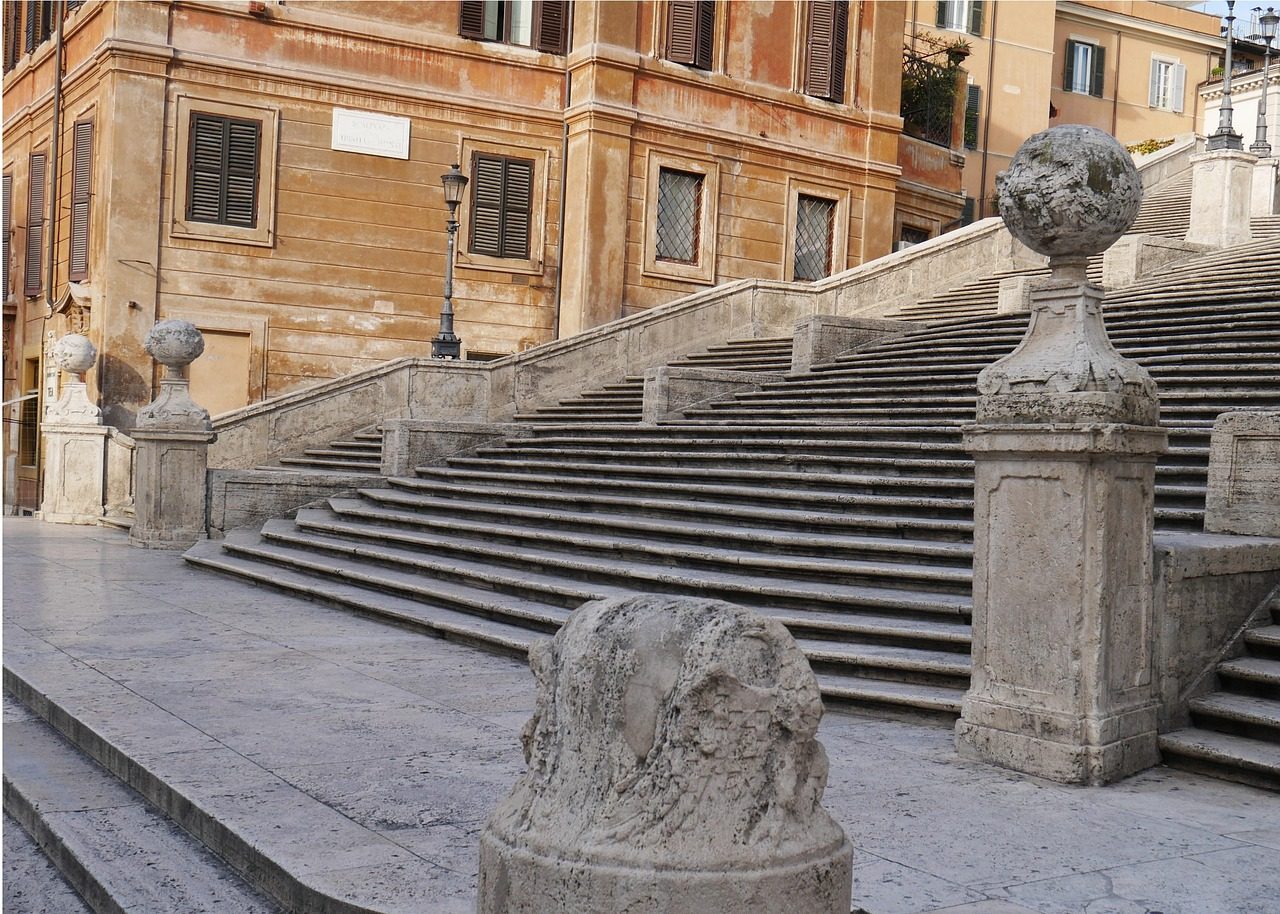
Keats-Shelley House
Where poet John Keats died—Romantic poetry memorabilia at Spanish Steps
Explore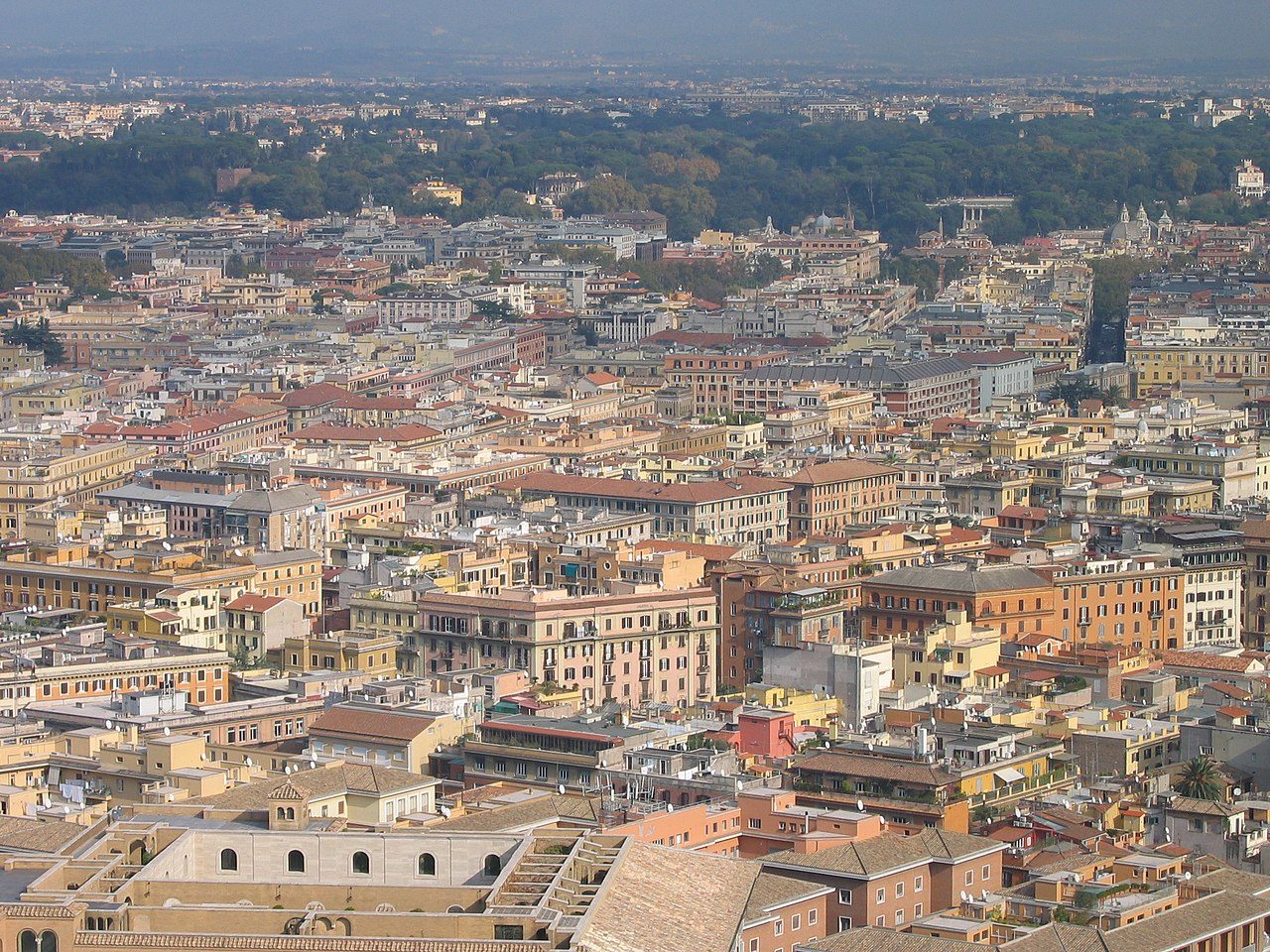
Prati & Borgo
Elegant neighborhood near Vatican with great restaurants
Explore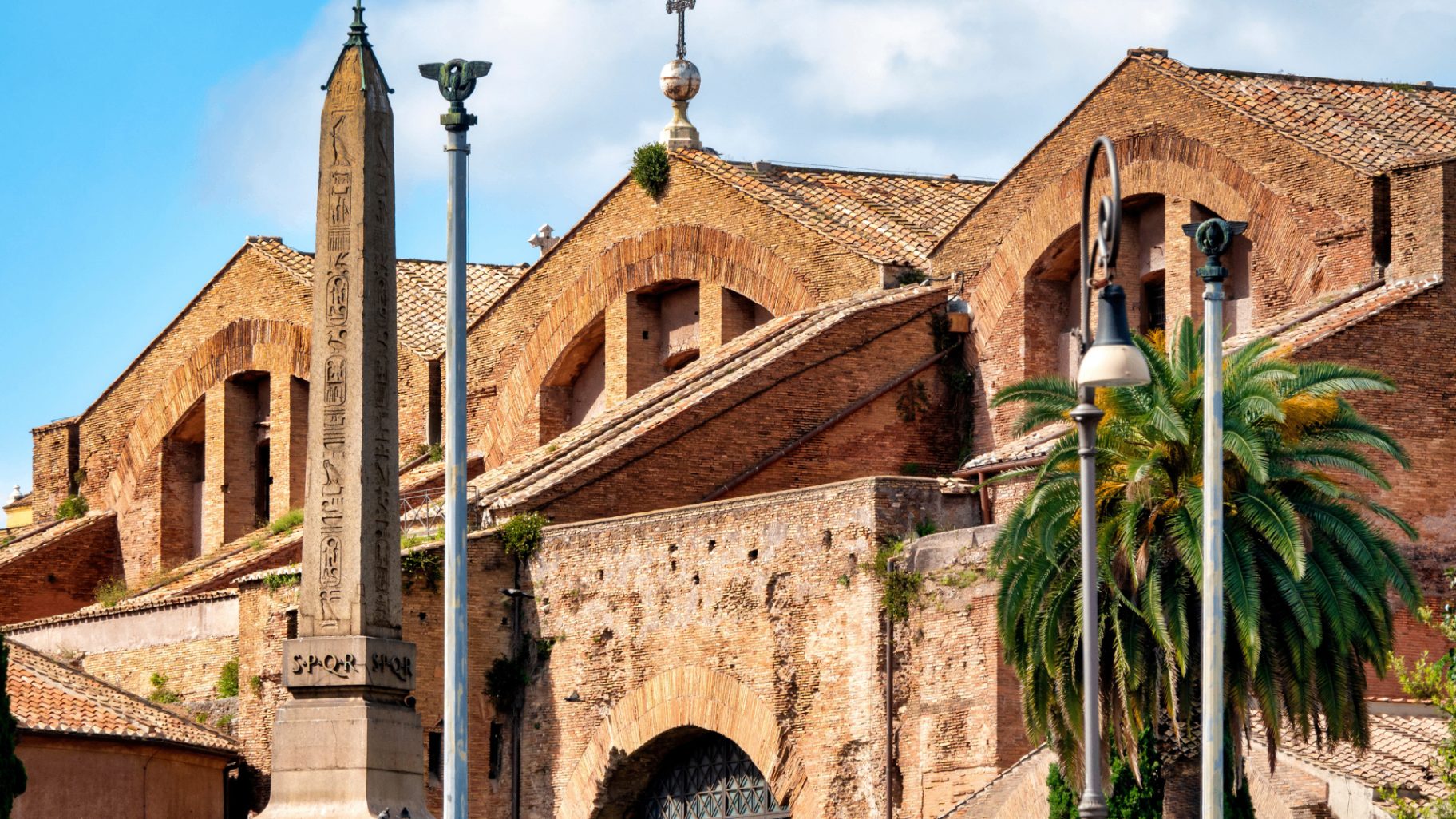
Baths of Diocletian
Ancient Rome's largest baths, now housing the National Roman Museum
Explore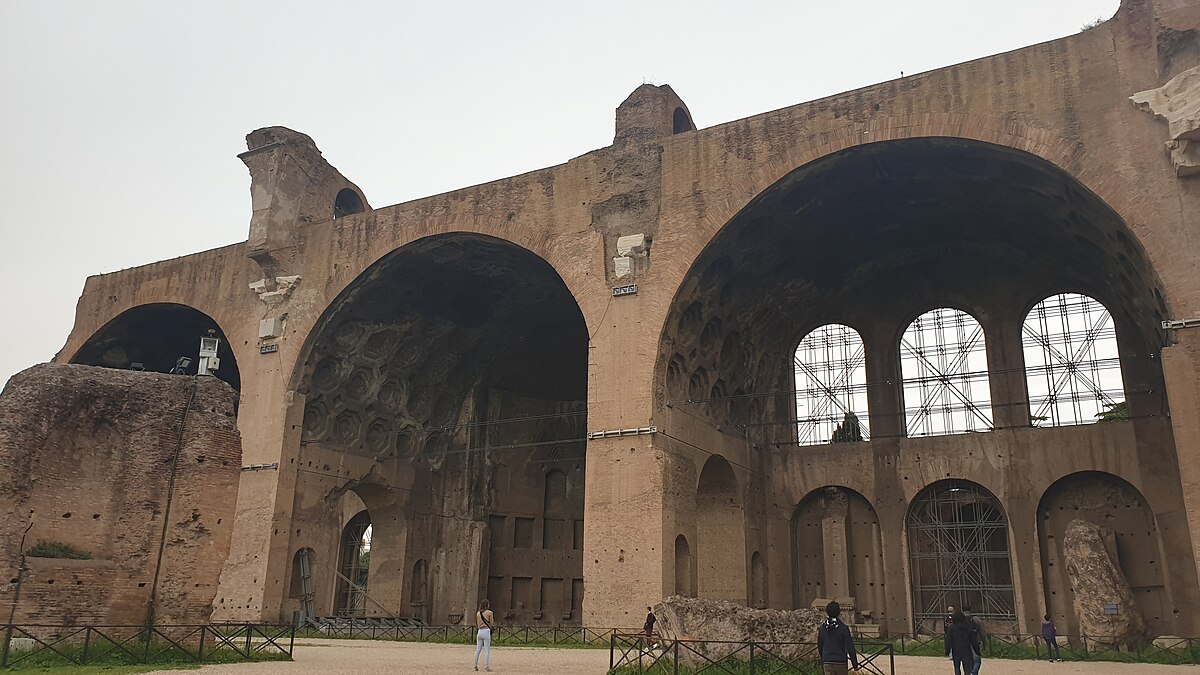
Basilica of Maxentius
The Roman Forum's largest building, with vast surviving concrete vaults
Explore
Piazza del Popolo
Iconic square with twin churches and Pincio views
Explore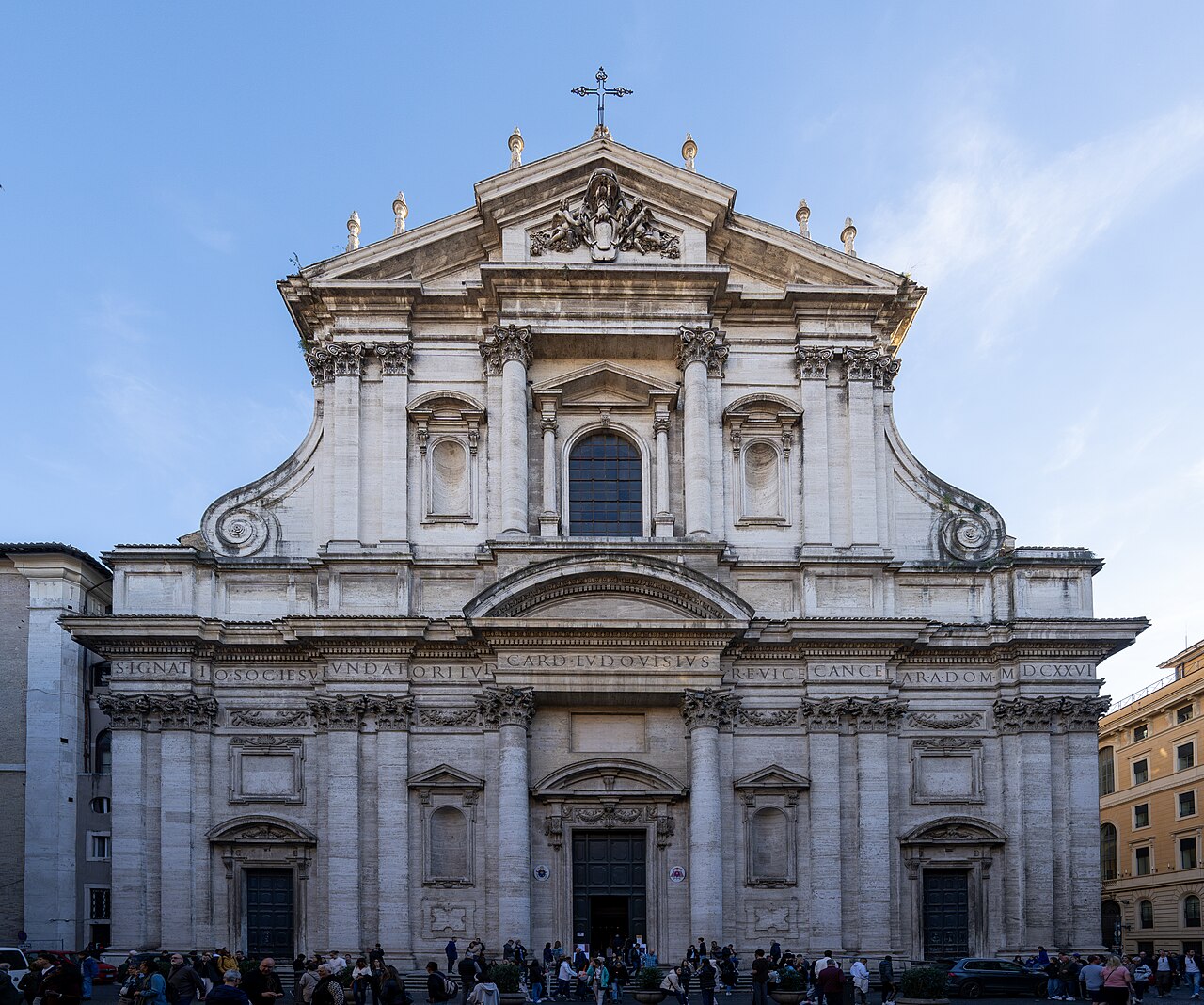
Sant'Ignazio di Loyola
Rome's most spectacular trompe-l'œil ceiling illusion
ExploreQuick Planning Guide
⏱️ Time Needed
1-2 hours
💰 Cost
Free
🎫 Reservation
Not required
♿ Accessibility
Uphill walk required, garden is accessible
📅 Best Time
45 minutes before sunset
👨👩👧👦 Family Friendly
Yes, peaceful garden with views
Nearby Attractions
Aventine Keyhole5-minute walk
Basilica of Santa Sabinanext door
Roseto Comunale Rose Garden5-minute walk
Circus Maximus10-minute walk
Mouth of Truth10-minute walk
You May Also Like
Aventine KeyholeCircus MaximusTestaccioFeatured In These Itineraries
Hidden Gems of RomeFree Rome ItineraryGardens & VillasEssential Tips
- ✓ Arrive 45 minutes before sunset for the best balustrade spot
- ✓ Combine with Aventine Keyhole 5 minutes south
- ✓ Step inside Basilica of Santa Sabina (free, often missed)
- ✓ Pack a picnic and a small blanket